Overview
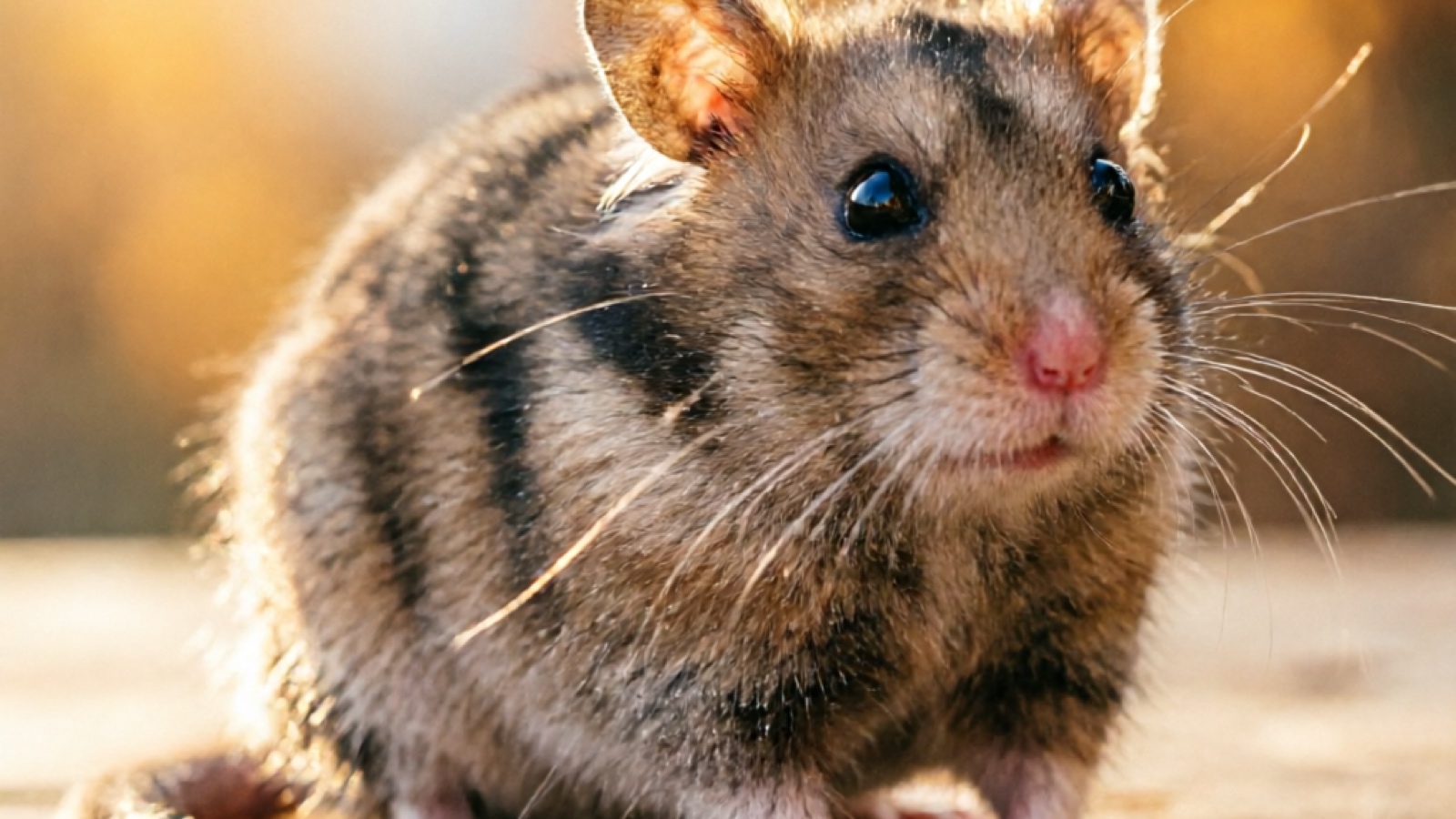
The Chinese hamster (Cricetulus griseus) is one of the most distinctive and misunderstood hamster species in the pet trade. If you’ve never seen one, picture something that looks more like a small mouse or a tiny gerbil than a typical round hamster — with an elongated body, a longer tail, and a narrow, pointed face. They’re not dwarf hamsters at all, despite being commonly grouped with them. They belong to a completely different genus (Cricetulus) from both Syrian hamsters (Mesocricetus) and dwarf hamsters (Phodopus).
I’ll be upfront: Chinese hamsters are not as widely available as Syrians or the dwarf species, and in some places (including California), they’re restricted or even illegal to keep as pets. But for owners willing to seek one out, they offer something genuinely unique — a calm, intelligent, and observant little companion that can form a surprisingly deep bond with a patient owner.
In my experience, Chinese hamsters are the “quiet introverts” of the hamster world. They won’t demand your attention the way a Syrian might, but if you put in the time and patience, they can become remarkably attached to their person. I’ve had Chinese hamsters that would come to the cage door to greet me and sit calmly in my hand — something even some Syrians wouldn’t do.
Quick Facts
| Attribute | Details |
|---|---|
| Scientific Name | Cricetulus griseus |
| Other Names | Chinese striped hamster, striped-back hamster |
| Adult Size | 4-5 inches (10-12 cm) |
| Weight | 1.5-2 oz (40-60 g) |
| Lifespan | 2-3 years |
| Activity Cycle | Crepuscular / nocturnal |
| Temperament | Calm, shy, bonds closely with one person |
Appearance
Chinese hamsters look quite different from all other commonly kept hamster species. Their most distinctive features are their elongated body shape, relatively long tail (about an inch — much longer than any other pet hamster), and narrow, pointed snout.
Coat Color
The natural (wild-type) coloration is an attractive grayish-brown on the back with a distinct black dorsal stripe running from the head to the tail, and an off-white to cream-colored belly. The contrast between the dorsal stripe and the body color is more pronounced than in dwarf hamsters, giving them a very clean, elegant appearance.
Color Variations
Chinese hamsters have fewer color mutations than Syrians or dwarf hamsters:
- Normal (Wild Type): Grayish-brown with a black dorsal stripe and white belly. The most common color and, in my opinion, the most attractive.
- White-spotted (Dominant Spot): The normal coloration with irregular white patches. This is a relatively rare mutation.
- Cinnamon: A warm, reddish-brown version of the normal color. Less common in the pet trade.
Physical Features
- Longer tail (~1 inch / 2.5 cm) — the most distinctive feature compared to other hamsters
- Elongated body — more slender and streamlined than the round body of Syrians or dwarves
- Prominent black dorsal stripe — more defined than in Winter Whites or Campbell’s
- Large, dark eyes — slightly protruding, giving them an alert, inquisitive expression
- Narrow, pointed snout — distinctly mouse-like in profile
Sexing
One unique feature of Chinese hamsters is that males have a noticeably larger scrotum compared to other hamster species. This actually makes them one of the easiest hamster species to sex accurately — mature males are quite obviously different from females.
Temperament & Behavior
Chinese hamsters have a temperament unlike any other hamster species I’ve worked with. They’re generally calm, thoughtful, and observant — not the frantic energy of a Roborovski or the bold friendliness of a Syrian. They’re more like tiny, furry little cats in their personality.
Handling & Bonding
This is where Chinese hamsters really surprise people. They have a reputation for being shy and nervous, and they certainly start out that way. But with patience, they can become some of the most rewarding hamsters to interact with.
- They’re initially skittish and may take 1-2 weeks to adjust to a new home
- Once settled, they can form a very close bond with one person — sometimes to the point of being territorial toward others
- They don’t typically bite, even when nervous — they’re more likely to try to escape or freeze
- Once bonded, many Chinese hamsters will sit calmly on their person’s shoulder or in their cupped hands
- They respond well to routine — feeding and interaction at the same time each day builds trust quickly
I’ve found that the key with Chinese hamsters is patience. Don’t rush the taming process. Start by simply sitting near the cage and talking quietly, then progress to hand-feeding treats, and gradually move to handling. The bond is worth the wait.
Social Behavior
Chinese hamsters are strictly solitary — this is non-negotiable. Despite their calm demeanor, they will fight with other hamsters, sometimes fatally. Males and females should only be together for supervised breeding, and even then, they must be separated immediately after.
This is a common misconception I see frequently: because they look mouse-like and are a similar size to dwarf hamsters, people assume they can be kept in pairs. They cannot. House them alone, always.
Activity Patterns
Chinese hamsters are crepuscular with strong nocturnal tendencies. They’re most active in the evening and throughout the night, with some activity in the early morning. They’re less likely to be active during the day than Winter Whites or Roborovskis.
One behavior I find particularly endearing is their tendency to “periscope” — standing up on their hind legs to survey their surroundings with their ears perked up. They’re genuinely curious and observant animals that seem to take in a lot more of their environment than other hamster species.
They’re also excellent climbers and can scale surprisingly vertical surfaces. This is something to keep in mind when setting up their enclosure — they may climb up bars or tunnel tubes and could potentially escape from enclosures that would securely hold other hamster species.
Diet & Nutrition
Chinese hamsters have a relatively low diabetes risk compared to dwarf hamsters, which gives you more flexibility in their diet. Their dietary needs are closer to a Syrian hamster’s than to the Phodopus dwarf species.
Staple Diet
- Commercial hamster mix — 70-80% of daily intake
- Both pellet-based and mixed seed diets work well
- Look for 15-20% protein and 4-6% fat content
- A Syrian hamster mix works perfectly for Chinese hamsters — don’t feel you need to buy a specialized dwarf mix
Safe Fresh Foods
Chinese hamsters enjoy a good variety of fresh foods, and their lower diabetes risk means you can be a bit more generous:
- Vegetables (daily): broccoli, carrots, cucumber, spinach, bell pepper, zucchini, sweet potato (cooked), kale
- Fruits (2-3x per week — still moderate due to sugar content): strawberries, blueberries, grapes, apple (seedless), banana (small amounts)
- Protein (2-3x per week): mealworms, cooked chicken, boiled egg, tofu, small amounts of plain cheese
Foods to Avoid
- Citrus fruits, onions, garlic, raw potatoes, rhubarb
- Chocolate, candy, processed human food
- Almonds, raw beans
- Apple seeds, cherry pits, and other fruit seeds/pits (contain trace amounts of cyanide compounds)
- Excessively sugary treats and commercial yogurt drops
Feeding Tips
- Feed once daily in the evening
- Daily portion: ~1-2 tablespoons of mix plus a thumbnail-sized piece of fresh vegetable
- Scatter-feeding works well — they enjoy foraging
- Remove uneaten fresh food after 24 hours
- Always provide fresh water in a sipper bottle
- Chinese hamsters are not prone to hoarding food as aggressively as Syrians, but they’ll still create small food caches
Housing Requirements
Chinese hamsters have specific housing needs that are sometimes overlooked because of their relatively uncommon status.
Minimum Cage Size
- 450+ sq inches of floor space (minimum)
- 600+ sq inches is strongly recommended — they’re active and appreciate room to explore
- Because they’re excellent climbers, they can use vertical space well, but floor space should still be the priority
Cage Security (Important)
Chinese hamsters’ climbing ability means you need to think about security differently:
- Bar spacing: Maximum 0.5 inches — they’re slender and can squeeze through surprisingly narrow gaps
- Cage height: Taller cages are acceptable for Chinese hamsters because they climb well, but ensure there are no gaps at the top they could squeeze through
- Lid: A secure lid is essential — they can climb to the top of wire cages and potentially push open lightweight lids
- Aquariums, bin cages, and glass tanks are excellent choices because they eliminate climbing-escape risks entirely
Cage Setup
- Substrate: 6+ inches of paper-based or aspen bedding for burrowing. Chinese hamsters do enjoy burrowing, though not as intensely as Roborovskis. See our cage setup guide for details
- Wheel: Minimum 6.5-7 inches, solid surface only. They have slightly longer bodies than dwarf hamsters, so a slightly larger wheel is beneficial
- Hides: At least 2 hides — they appreciate a covered sleeping area and a separate area for food storage
- Climbing enrichment: Because they’re natural climbers, add branches, cork logs, and multi-level platforms to their enclosure. This is one area where Chinese hamsters differ from most other species — they genuinely use vertical space
- Cage enrichment: Tunnels, bridges, and varied textures. They’re intelligent and benefit from a stimulating environment
Temperature
- Ideal range: 65-75°F (18-24°C)
- Avoid temperatures below 60°F and above 80°F
- Keep away from direct sunlight and drafts
Health & Common Issues
Chinese hamsters are generally healthy and hardy, with relatively few breed-specific health issues. Their 2-3 year lifespan is on par with Syrians.
Diabetes
While Chinese hamsters have a lower diabetes risk than Campbell’s or Winter White dwarves, they’re not entirely immune. A balanced diet without excessive sugar is still the best approach. Interestingly, Chinese hamsters are actually used in laboratory diabetes research because of their natural susceptibility, which suggests they may be more prone than commonly believed. I’d recommend keeping sugar intake moderate.
Respiratory Infections
As with all hamsters, dusty bedding and poor ventilation can cause respiratory issues. Use paper-based bedding and ensure good airflow in the enclosure.
Wet Tail
Chinese hamsters can develop wet tail, though it’s less common than in Syrians. Keep stress levels low, maintain a clean cage, and watch for signs: wetness around the tail, lethargy, diarrhea, and loss of appetite. This is a medical emergency requiring immediate veterinary care.
Tumors
Chinese hamsters may be slightly more prone to tumors than some other species, particularly as they age. If you notice any unusual lumps or growths, have your vet evaluate them promptly. Many tumors are benign and can be surgically removed if caught early.
Dental Problems
Continuous tooth growth means they need appropriate chew items. Wooden chew toys, safe branches (apple, willow), and hard vegetables help keep their teeth at a healthy length.
Skin Issues
Mites and fungal infections can occur, though they’re not especially common. Bald patches, excessive scratching, or flaky skin warrant a vet visit. Regular cage cleaning and proper bedding go a long way toward prevention.
Average Veterinary Costs
- Annual wellness exam: $40-70
- Emergency visit: $80-150+
- Common treatments: $30-100
- Tumor removal (if needed): $150-400+
- Exotic vets with hamster experience are recommended — call ahead to confirm they treat hamsters
Chinese Hamster vs. Other Hamster Species
| Feature | Chinese | Syrian | Winter White | Campbell’s | Roborovski |
|---|---|---|---|---|---|
| Size | 4-5 in | 5-7 in | 3-4 in | 3-4 in | 1.5-2 in |
| Body shape | Elongated, mouse-like | Round, stocky | Round | Round | Round |
| Tail length | Long (~1 in) | Very short | Very short | Very short | Very short |
| Solitary | Yes (strictly) | Yes | Pairs possible | Pairs possible | Pairs possible |
| Handleable | Yes (with patience) | Yes | Yes | Somewhat | No |
| Diabetes risk | Low-moderate | Low | Moderate | High | Low |
| Lifespan | 2-3 years | 2-3 years | 1.5-2 years | 1.5-2 years | 2-3 years |
Pros & Cons
Pros:
- Unique, elegant appearance — unlike any other hamster species
- Can form deep bonds with their owner
- Generally calm and less prone to biting than dwarf species
- Long lifespan (2-3 years)
- Intelligent and observant — fascinating to watch
- Lower diabetes risk than dwarf hamsters
- Good climbers — enjoy using vertical space
- Quiet and unobtrusive pets
Cons:
- Must be housed strictly alone
- Initially shy — requires patience during taming
- Less widely available in pet stores
- Restricted or illegal in some areas (including California)
- Less color variety than Syrians or dwarves
- May bond with only one person and be nervous with others
- Can be escape-prone due to climbing ability
- Less established care information compared to more popular species
FAQ
Are Chinese hamsters good pets?
Yes, but they’re best suited for patient owners who appreciate a calm, observant companion rather than an immediately cuddly pet. They’re not as outgoing as Syrians, and they require time and patience to bond with. If you’re willing to put in that effort, they can be incredibly rewarding pets with distinct personalities. They’re not ideal for young children who may not have the patience for a slow taming process.
Are Chinese hamsters illegal to own?
In some places, yes. Most notably, Chinese hamsters are restricted or illegal to keep as pets in California without a special permit. They may also be restricted in other states or countries. Always check your local regulations before acquiring a Chinese hamster. These restrictions exist because Chinese hamsters are considered an agricultural pest in some regions.
Can Chinese hamsters live together?
No. Chinese hamsters are strictly solitary and must be housed alone. They will fight with other hamsters, potentially causing serious injury or death. Do not attempt to house them in pairs or groups — this is one of the most important things to know about the species.
What size wheel does a Chinese hamster need?
A minimum of 6.5-7 inches in diameter with a solid running surface. Because Chinese hamsters have slightly longer bodies than dwarf hamsters, they benefit from a slightly larger wheel. A Syrian-sized wheel (8+ inches) is also fine and gives them extra room to stretch out while running.
How long do Chinese hamsters live?
Chinese hamsters typically live 2-3 years with proper care. This is comparable to Syrian hamsters and longer than Campbell’s or Winter White dwarf hamsters. Some individuals may reach 3.5 years with excellent genetics and care. Their relatively long lifespan is one of their advantages as pets.