Pet land snails are one of the easiest pets you can keep — they’re quiet, don’t need much space, and their food costs almost nothing since 60-70% of their diet is fresh vegetables you probably already have in your kitchen. But getting the nutrition wrong has serious consequences: thin shells, stunted growth, and in severe cases, fatal metabolic issues.
The snail food market is surprisingly thin — most new owners end up piecing together snail food advice from forum posts. There’s only one dedicated US land snail food brand, and the most important item in your snail’s diet — calcium — comes from the bird and reptile aisle, not the snail section. Most new snail owners are left piecing together advice from scattered forum posts and Reddit threads. This pet snail food guide covers everything: 8 reviewed products across 4 categories, a complete DIY vegetable diet plan, species-specific feeding for garden snails and GALS, calcium science explained, and a comprehensive safe-and-unsafe food list.
Snails are also popular in the broader pet invertebrate community. Our axolotl tank mates guide covers snails as cohabitants, though land snails and aquatic snails have very different dietary needs.
If you’re looking for the best snail food, you’re in the right place — this is specifically about land snails (terrestrial species kept as pets), not aquarium snails.
What Do Pet Snails Eat? — Diet Overview
What do snails eat in captivity? Finding the right snail food is simpler than most new owners expect. A healthy snail diet plan breaks down into four components, with fresh vegetables making up the bulk of daily nutrition.
Snail food refers to the complete diet of a captive land snail, which consists of 60-70% fresh vegetables, constant calcium access (cuttlebone or equivalent), and supplemental protein offered 1-2 times per week. Unlike aquarium snails that graze on algae, land snails are herbivorous grazers that rely on leafy greens, root vegetables, and calcium-rich supplements for healthy shell growth and repair.
The Ideal Snail Diet Breakdown
| Diet Component | Percentage | Examples | Frequency |
|---|---|---|---|
| Fresh Vegetables | 60-70% | Zucchini, sweet potato, kale, spinach, carrot | Daily |
| Calcium Source | Always available | Cuttlebone, calcium sticks, eggshells | 24/7 in terrarium |
| Protein | 5-10% | Bloodworms, Repashy Bug Burger, boiled egg | 1-2x per week |
| Fruit Treats | <5% | Apple, pear, strawberry, banana | 1-2x per week max |
Why Calcium Is Non-Negotiable
When choosing snail food, calcium is the single most important consideration. Land snails use calcium to build and maintain their shells — it’s not optional, it’s foundational. (PMC10276229, Nontasan et al. 2023: “For minerals, calcium was the most abundant element in [snail] meat.”) Without constant calcium access, shells become thin, cracked, or deformed, and the snail’s overall health deteriorates.
A snail cuttlebone is the community gold standard for calcium supplementation. It’s cheap, effective, and snails naturally gnaw on it throughout the day. Cuttlebone should be available in the terrarium at all times — not offered as a scheduled feeding, but left in the enclosure 24/7. The importance of calcium for shell health is a principle that applies across many species; our hermit crab shell guide covers similar calcium dynamics for a different pet.
Best Fresh Vegetables for Pet Snails
The good news: the best snail food comes from your kitchen, and it costs almost nothing.
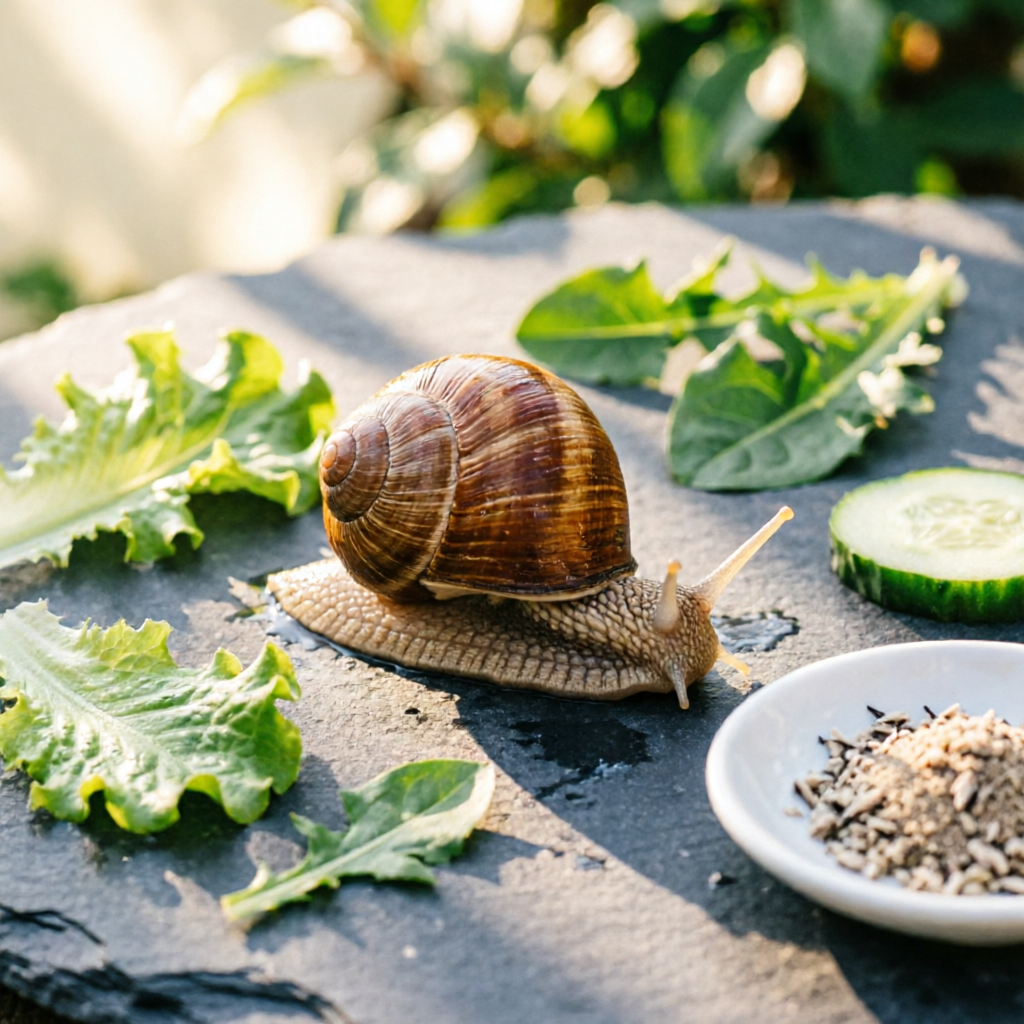
Daily staples (feed every day):
- Zucchini — soft, easy to eat, high moisture
- Sweet potato (cooked and softened) — nutrient-dense, snails love it
- Kale — calcium-rich leafy green
- Spinach — another calcium powerhouse
- Carrot (grated or sliced thin) — beta-carotene benefits
- Bell pepper — vitamins A and C
Good additions (rotate 2-3 times per week):
- Cucumber peel (not the watery inside — minimal nutrition)
- Broccoli florets
- Green beans
- Romaine lettuce (not iceberg)
- Butternut squash
Avoid entirely:
- Iceberg lettuce — nearly zero nutritional value, mostly water
- Raw potato — contains solanine, toxic to invertebrates
- Rhubarb — toxic to snails and many invertebrates
- Anything sprayed with pesticides — always wash or buy organic
The key to good snail food is not to overcomplicate the vegetable routine. Pick 3-4 staples from the list above, rotate them through the week, and your snail will get plenty of variety. A simple rotation of zucchini, sweet potato, and kale — supplemented with cuttlebone and weekly protein — is all most snails need to maintain strong, smooth shells.
For a broader example of how fresh foods fit into a small pet’s diet, our hedgehog diet guide shows similar principles of balancing fresh vegetables with protein and supplements across a different species.
Species-Specific Feeding Guide
Not all pet snails eat the same way. The four most common species kept as pets have different appetites, calcium needs, and legal statuses. Understanding these differences is critical for choosing the right pet snail food — especially the legal restrictions.
Warning: LEGAL DISCLAIMER — GALS Ownership Restrictions Giant African Land Snails (Lissachatina fulica) are ILLEGAL to import, possess, or transport anywhere in the United States without a federal permit under the USDA Plant Protection Act (7 CFR 330). (USDA APHIS: “Achatinine snails including GAS are specifically prohibited for both interstate movement and importation into the United States.”) GALS feed on over 500 plant varieties and can carry rat lungworm (Angiostrongylus cantonensis), which causes meningitis in humans. (National Invasive Species Information Center) Possession without a permit can result in fines and confiscation. Garden snails (Cornu aspersum) are universally legal and are the recommended starter species for new snail owners. Always verify your local regulations before acquiring any snail species.
Species Comparison
| Species | Size | Diet Notes | Legal Status |
|---|---|---|---|
| Garden Snail (Cornu aspersum) | 1-1.5 inches | Standard diet, needs less protein | Legal everywhere |
| Milk Snail (Otala lactea) | 1 inch | Similar to garden snail, slightly more calcium | Legal everywhere |
| Roman Snail (Helix pomatia) | 1.5-2 inches | Larger portions, same ratio | Legal (protected in parts of Europe) |
| Giant African Land Snail (Lissachatina fulica) | 4-8 inches | 3-4x the volume, needs more protein | ILLEGAL federally (USDA permit required) |
Garden Snail Diet (Cornu aspersum)
The garden snail diet is the baseline for all snail food plans. Garden snails are the most common pet snail species in the US — they’re universally legal, easy to care for, and available from breeders or (pesticide-free) gardens.
A standard garden snail needs only a few thin slices of vegetable per feeding. Their appetite is modest compared to larger species, which makes them inexpensive to keep. The standard 60-70% vegetable / constant calcium / weekly protein ratio applies directly.
As the most common snail food staples, garden snails are particularly fond of sweet potato and zucchini — offer these as staples and your snail will thrive. One useful technique: grate hard vegetables like carrot and sweet potato into thin strips rather than chunky slices. Snails rasp through food with a radula (a ribbon-like tongue covered in tiny teeth), so thinner pieces are easier for them to eat. Soft vegetables like zucchini can be sliced slightly thicker since they’re already easy to rasp through.
Giant African Land Snail Food
Giant African land snail food requirements are essentially the same as other snail diets, but scaled up significantly. GALS eat 3-4 times the volume of a garden snail and need protein 2-3 times per week instead of 1-2. Their calcium requirements are also higher due to their much larger shell mass.
Common GALS protein sources include Repashy Bug Burger, bloodworms, boiled egg (plain, no salt), and occasionally a piece of plain dog kibble. Because of their size, GALS also need a larger terrarium with more floor space and deeper substrate. For enclosure setup principles, our axolotl tank setup guide covers similar terrarium considerations like substrate depth, humidity management, and ventilation.
Quick Comparison — All 8 Products
Here’s every snail food product reviewed in this guide, organized by category. Remember: commercial snail food is a supplement, not a replacement for fresh vegetables. Even the best dedicated snail food should be offered alongside daily fresh vegetables and constant calcium.
| # | Product | Brand | Price | Category | Best For |
|---|---|---|---|---|---|
| 1 | Vegetable Flavored | Snout & Shell | $15.90 | Dedicated Snail Food | TOP PICK |
| 2 | Vegetable (Budget) | Snout & Shell | $15.90 | Dedicated Snail Food | Budget Entry |
| 3 | Food for Land Snails 3.5oz | My Happy Snails | $26.49 | Dedicated Snail Food | All-in-One Nutrition |
| 4 | Organic Calcium Sticks | My Happy Snails | $16.47 | Calcium Supplement | Dedicated Snail Calcium |
| 5 | 5-Inch Cuttlebone | Prevue | $6.99 | Cuttlebone | Budget Cuttlebone |
| 6 | Large Cuttlebone | Sepia King | $15.99 | Cuttlebone | Premium Cuttlebone |
| 7 | Bug Burger 12oz | Repashy | $21.99 | Protein Supplement | Community-Recommended Protein |
| 8 | Can O’ Snails | Zoo Med | $17.99 | Protein Treat | Canned Escargot |
Warning: Important: Commercial snail food is a SUPPLEMENT, not a replacement for fresh vegetables. Even the best dedicated snail food should be offered alongside daily fresh vegetables.
1. Snout & Shell Vegetable Flavored (TOP PICK) — $15.90
This is the only dedicated US land snail food brand with meaningful reviews and community traction, and it earns our top pick for that reason alone. The formula includes high protein and calcium — two nutrients snails need in supplement form. A small scoop is included for portioning, and multiple reviewers report their snails devouring it on the first day.
What owners say:
- “My snails eat this food more than any other — often devoured entirely the first day”
- “A little goes a long way — this bag has lasted a year for one snail”
- “My milk snails love this stuff — they completely ignore fresh food when this is available”
Honest downsides:
- Quality inconsistency between batches — “changed in quality and texture, very dry and rocky”
- Some individual snails reject it entirely — “one taste and he recoiled in disgust”
- Chunky, gritty texture in some batches that snails may avoid
- Non-returnable if your snail won’t eat it
Best for: Snail owners wanting dedicated commercial food as a protein and calcium supplement alongside fresh vegetables.
2. Snout & Shell Vegetable (Budget) — $15.90
Same brand, same formula, lower price. This is the cheapest entry point for dedicated land snail food and a smart choice if you’re not sure whether your snail will accept commercial food. The 3.5 oz bag is small, but snail owners consistently report it lasting a year or more for a single snail since portions are tiny.
What owners say:
- “I was surprised how small the bag was until I realized how little I use each feeding”
- “My snails like this a concerning amount — they eat it before anything else”
- “Baby snails loved this food, easy to mix”
Honest downsides:
- Not finely ground — “kind of chunky, dries out fast”
- Some snails completely ignore it despite multiple preparation methods
- Not suitable for aquarium snails (land snail only)
- Inconsistent grinding texture between batches
Best for: Budget-conscious owners or first-time buyers testing whether their snail accepts commercial food.
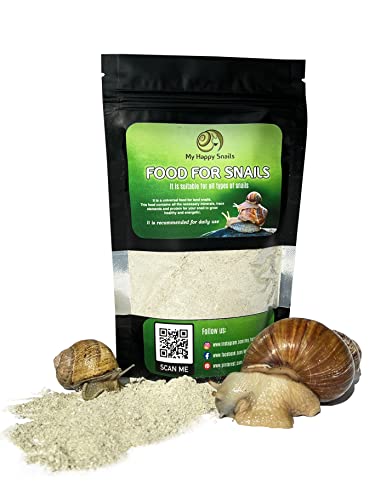
3. My Happy Snails Food for Land Snails — $26.49
This European brand includes organic calcium, vitamins, and minerals in an all-in-one formula. It also works for isopods and millipedes, making it a versatile option for bioactive setups. The packaging includes detailed instructions and often comes with free calcium sticks.
What owners say:
- “My snail loves this food so much — leaves no crumb behind”
- “Great value for the money, my garden snails and isopods love this stuff”
- “Beautifully packaged with detailed instructions and a personal note”
Honest downsides:
- Expensive at $26.49 for 3.5 oz — more than double the Snout & Shell options
- Repels water, so you cannot mix it into a paste like other snail foods
- Multiple “wouldn’t eat it” reports from different snail species
- A reviewer reported a snail death after use (isolated incident, but notable)
- Some owners report an off-putting smell from the bag
Best for: Owners wanting an all-in-one food with calcium included who are willing to pay a premium. For general pet care principles that apply across species, our axolotl care guide covers foundational practices like routine feeding, humidity management, and health monitoring.
Snail Cuttlebone & Calcium Supplements — Compared
A snail calcium supplement is not optional in any snail food plan — it’s the most important purchase you’ll make for your pet snail. Land snails use calcium continuously to build and repair their shells. Without constant access, shells thin, crack, and deform. In baby snails, calcium deficiency causes permanently stunted growth. (Egonmwan & Enuenwem 2008, Rev. Biol. Trop., 33 citations: “Snails reared singly showed reduced growth rate when deprived of external calcium source.”)
Calcium should be available in the terrarium 24/7 as part of your snail food setup, not offered as a scheduled meal. Cuttlebone is the community gold standard: cheap, effective, and snails naturally rasp on it throughout the day. When using cuttlebone, always break off the hard backing and place the soft side facing up — the hard side can be sharp.
An important note on baby snails: juvenile snails need more accessible calcium because their shells are growing rapidly. Some owners crush cuttlebone into a fine powder and sprinkle it on vegetables or place it in a small dish. (Herald Open Access, 2019: “Snails fed on diet containing 16% calcium showed the highest final live body weight and shell quality.”) This makes it easier for tiny snails to consume enough calcium during their fastest growth phase. Adult snails can manage whole cuttlebone pieces without difficulty. (SCIRP, 2022: “All calcium sources (bone meal, oyster shell, limestone, egg shell) can be effectively used in snail diets.”)
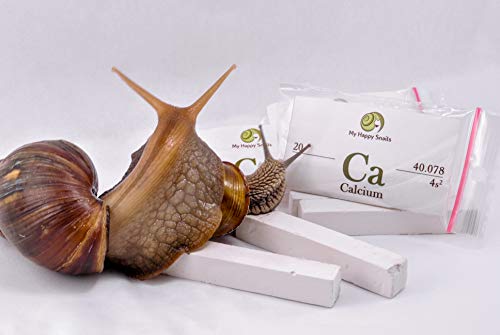
4. My Happy Snails Organic Calcium Sticks — $16.47
The only calcium product specifically designed for pet snails. These organic sticks can be placed whole in the terrarium or shaved into powder for baby snails that need finer calcium. They work for garden snails, GALS, and milk snails.
What owners say:
- “My pet snails love this stuff — I shave it into powder and leave it in the habitat at all times”
- “Super easy to just drop in the terrarium, snails were very attracted to it”
- “The company sent 4 sticks instead of 3 — nice bonus”
Honest downsides:
- Many snails ignore these entirely — “put cuttlebone in and they devoured it in a day instead”
- Sticks are smaller than the product photos suggest
- Inconsistent acceptance — some owners report their snails never go near them
- More expensive per ounce than standard cuttlebone with no clear nutritional advantage
Best for: Owners who want a dedicated snail calcium product, or those with baby snails who need shaved calcium powder.
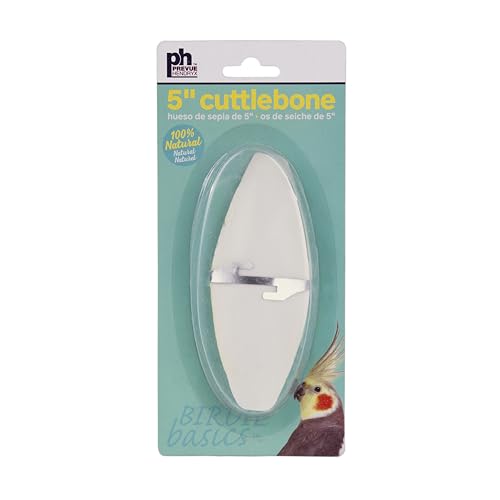
5. Prevue Cuttlebone (Best Budget) — $6.99
The classic budget cuttlebone. Originally designed for birds, this is the most widely used calcium source across the snail community. At $6.99, it’s the cheapest way to provide essential calcium. With the most customer feedback of any calcium product on this list, it’s the most proven option.
What owners say:
- “Got this for my tortoise’s calcium needs — he eats it right away”
- “Standard cuttlebone that works for birds, tortoises, and snails”
- “No smell and the right size”
Honest downsides:
- Frequently arrives broken or cracked in shipping — fragile product
- Small size may not last long for large snail enclosures
- Some animals ignore it entirely
- Metal backing clip can fall off and needs securing
Best for: Budget-conscious owners wanting the community-recommended calcium standard. This is the most cost-effective way to keep your snail’s shell healthy.
6. Sepia King Large Cuttlebone (Premium) — $15.99
The highest-rated cuttlebone on this list. Sepia King provides large, clean pieces that last significantly longer for bigger snails like GALS. The premium price reflects the size and quality — these are substantial pieces compared to standard bird cuttlebones.
What owners say:
- “Excellent size for the price, packaged well, and very clean”
- “No strong odor unlike other brands I’ve used”
- “Huge cuttlebones — my sulcata tortoise loves them”
Honest downsides:
- Over half of pieces typically arrive broken in shipping
- Inconsistent sizing between boxes
- Fragile — expect some breakage regardless of packaging
- More expensive than necessary for small garden snails
Best for: GALS owners who need larger calcium pieces, or owners wanting premium, clean cuttlebone without strong odors.
Protein is the third pillar of snail food nutrition, but it’s easy to overdo. Offer protein 1-2 times per week for garden snails or 2-3 times per week for GALS. Remove uneaten protein after 24 hours to prevent mold. Sources include bloodworms, Repashy Bug Burger, boiled egg (plain, no salt), and occasionally a single piece of plain dog kibble.
Protein feeding is important for growth in juvenile snails and egg production in breeding adults. However, excess protein causes shell cracking and can accelerate health issues. Think of protein as a weekly vitamin, not a daily staple.
If your snail refuses commercial protein options, plain boiled egg (no salt, no butter) is a reliable DIY alternative. Offer a small piece — roughly the size of the snail’s body — once a week. Most snails will accept egg willingly, and it provides complete protein along with additional calcium from the yolk. Another DIY option: a single plain dog kibble piece (no flavor coatings or seasonings). This should only be a last resort since ingredient quality varies significantly between dog food brands.
For more context on how snails fit into multi-species setups, our hermit crab food guide covers similar habitat management principles for another popular invertebrate pet.
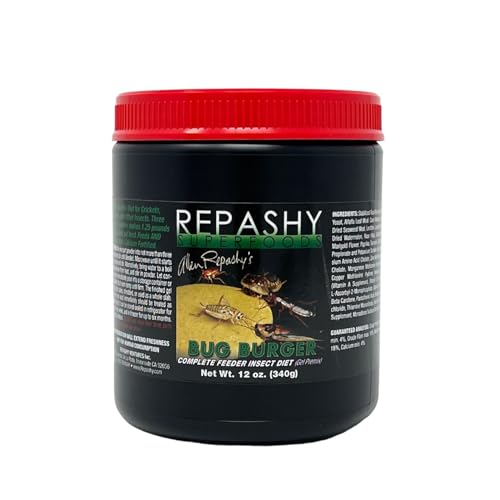
7. Repashy Bug Burger (Best Protein) — $21.99
Repashy is a well-respected brand in the reptile and invertebrate keeping community, and Bug Burger is their insect-based gel food. You mix the powder with water, let it set, and cut pieces to serve. It has a long shelf life in powder form and provides complete protein nutrition. Community forums consistently recommend it as a protein source for snails and isopods.
What owners say:
- “My dubia roaches and isopods go crazy for this stuff”
- “Great for gut-loading — provides nutrition and water”
- “I’ve used this for over 5 years with no issues”
Honest downsides:
- No direct snail-specific reviews — all feedback comes from reptile and insect keepers
- Requires mixing with water and refrigeration after preparing
- Noticeable odor during preparation
- Individual snail preferences vary — some may reject it entirely
- More steps involved than simply dropping a vegetable slice in the enclosure
Best for: Owners wanting a convenient, long-lasting protein supplement that doubles as isopod food in bioactive setups.
8. Zoo Med Can O’ Snails (Protein Treat) — $17.99
Yes — canned escargot. Zoo Med markets this for turtles and blue-tongue skinks, but it’s a natural protein source for land snails too. It’s a niche option and more of a novelty treat than a regular supplement, but some snail owners report success offering it occasionally.
What owners say:
- “My blue tongue skink loves these — great source of protein and moisture”
- “Consistently a favorite with my skink”
- “Great product — but your pet needs to be used to eating snails”
Honest downsides:
- Not designed for snails — primarily a reptile product
- Many reptile owners report their pets refused it entirely
- High price for only 1.7 oz per can
- Picky eaters are unlikely to accept it
- Very limited snail-specific feedback available
Best for: Owners wanting to offer occasional protein variety as a specialty treat. More of a novelty than a staple.
Foods to Avoid — Toxic and Dangerous Items
When planning snail food, knowing what NOT to feed is just as important as knowing what to offer. Some common foods are outright toxic to land snails, and even safe foods can become dangerous if they’ve been treated with chemicals or fed in excessive quantities.
Never Feed These — Toxic to Snails
- Salt — even trace amounts are lethal. Salt causes fatal dehydration by disrupting the snail’s moisture balance. Never place the terrarium near a kitchen where salt is used.
- Citrus fruits (lemon, lime, orange, grapefruit) — too acidic, damages the digestive system
- Raw potato — Contains solanine, a glycoalkaloid toxin that disrupts cellular membranes and inhibits acetylcholinesterase. (ScienceDirect, Friedman 2006: “Glycoalkaloid poisoning from sprouted potatoes causes gastrointestinal and neurological symptoms.”)
- Rhubarb — toxic to snails and many other invertebrates
- Onion and garlic — can cause red blood cell damage
- Processed human food — salt, sugar, preservatives, and artificial ingredients are all harmful
- Pesticide-treated vegetables — always wash thoroughly or use organic produce
- Dairy products — snails cannot digest lactose
Feed Only in Moderation
- Iceberg lettuce — nearly zero nutrition, mostly water. Romaine is acceptable.
- Cucumber (inside) — very watery with minimal nutritional value. The peel is fine.
- Fruit — high sugar content disrupts the snail’s digestive balance. Limit to 1-2 times per week maximum.
- Bread and pasta — complex carbohydrates that snails don’t need and can’t process efficiently
- Human-cooked meat — always contains salt and seasonings that are dangerous
How to Feed Your Pet Snail — Step-by-Step Guide
Step 1: Prepare the Daily Vegetable Portion
Wash all vegetables thoroughly to remove pesticide residue — organic is preferred but not required. Cut into thin slices or grate hard vegetables like carrot and sweet potato so your snail’s radula can rasp through them easily. Offer 3-4 thin slices for garden snails or 3-4x that volume for GALS.
Step 2: Place Food in the Terrarium
Position the food dish on the opposite side of the terrarium from the cuttlebone. This encourages natural foraging behavior. Use a shallow dish (a bottle cap works well) — snails can and will drown in deep water.
Step 3: Ensure 24/7 Calcium Access
Place cuttlebone (soft side up, hard backing removed) in the terrarium at all times. For baby snails, crush cuttlebone into fine powder and sprinkle over vegetables. Replace cuttlebone when it’s been mostly consumed.
Step 4: Offer Weekly Protein
Provide protein 1-2 times per week for garden snails or 2-3 times per week for GALS. Options include Repashy Bug Burger, bloodworms, or plain boiled egg (no salt). Remove uneaten protein after 24 hours to prevent mold.
Step 5: Clean and Maintain
Remove all uneaten food after 24 hours to prevent mold and bacterial growth in the warm, humid terrarium. Replace the water dish daily. Spot-clean waste and check calcium levels weekly.
Step 6: Observe and Adjust
Monitor your snail’s shell condition — thin, cracked, or pitted shells indicate calcium deficiency. Watch for food preferences and adjust the vegetable rotation accordingly. Never release pet snails into the wild (invasive species risk, especially with GALS).
Pet Snail Food Do’s and Don’ts
** Healthy Feeding Practices**
- Base diet on fresh vegetables (60-70%) — Zucchini, sweet potato, kale, spinach, and carrot provide complete daily nutrition. (PMC10276229)
- Provide calcium 24/7 — Cuttlebone is the community gold standard. Break off the hard backing and place soft side up.
- Offer protein 1-2x per week — Bloodworms, Repashy Bug Burger, or plain boiled egg (no salt).
- Wash all vegetables thoroughly — Pesticide residue is a real threat to snail health.
- Remove uneaten food after 24 hours — Prevents mold and bacterial growth in humid terrarium conditions.
- Use shallow water dishes — Snails can and will drown in deep water. A bottle cap works well.
- Grate or thinly slice hard vegetables — Snails rasp through food with a radula; thinner pieces are easier to consume.
** Dangerous Feeding Mistakes**
- Feeding salt — Even trace amounts are lethal. Salt causes fatal dehydration by disrupting moisture balance. Never place the terrarium near a kitchen.
- Offering citrus fruits — Lemon, lime, orange, and grapefruit are too acidic and damage the digestive system.
- Raw potato — Contains solanine, a glycoalkaloid toxin that disrupts invertebrate cellular function.
- Rhubarb — Toxic to snails and many invertebrates.
- Onion and garlic — Can cause red blood cell damage in invertebrates.
- Processed human food — Salt, sugar, preservatives, and artificial ingredients are all harmful.
- Releasing pet snails into the wild — Invasive species risk. GALS are federally illegal under USDA Plant Protection Act. (USDA APHIS)
- Overfeeding protein — Excess protein causes shell cracking and accelerates health issues.
Frequently Asked Questions
What is the best food for a pet snail?
Fresh vegetables should make up 60-70% of the diet — zucchini, sweet potato, kale, and spinach are excellent staples. Supplement with constant calcium (cuttlebone) and protein 1-2 times per week. Commercial snail food like Snout & Shell Vegetable Flavored is a good protein and calcium supplement but should never replace fresh vegetables. The best snail food overall is a varied diet of fresh produce with consistent calcium access.
Do pet snails need cuttlebone?
Yes — cuttlebone is the number one essential calcium source for pet land snails and should be available in the terrarium at all times. Without constant calcium, snails develop thin, cracked, or deformed shells. Break off the hard backing and place the soft side facing up. Budget cuttlebone from the bird aisle works perfectly — there’s no need to buy a snail-specific calcium product unless you prefer the convenience.
Can I feed my snail food from my kitchen?
Yes — most of your snail’s diet should come from your kitchen. Safe vegetables include zucchini, sweet potato, kale, spinach, carrots, and bell peppers. Always wash produce thoroughly to remove pesticides, and avoid salt, citrus, raw potato, onion, garlic, and processed foods. Cook hard vegetables like sweet potato before offering — snails need soft food they can easily rasp through.
What do giant African land snails eat?
GALS eat the same diet as garden snails but in much larger quantities — three to four times the volume. They need slightly more protein (two to three times per week instead of one to two). Common GALS protein sources include Repashy Bug Burger, bloodworms, and boiled egg. Always check your state laws first — GALS are banned federally in the United States under the USDA Plant Protection Act — illegal to import, possess, or transport without a federal permit.
How often should I feed my pet snail?
Feed fresh vegetables daily and remove uneaten food after 24 hours to prevent mold. Keep calcium (cuttlebone) available 24/7 — snails rasp on it as needed. Offer protein 1-2 times per week for garden snails or 2-3 times per week for GALS. Fruit treats should be limited to 1-2 times per week maximum due to high sugar content that can disrupt digestive health.