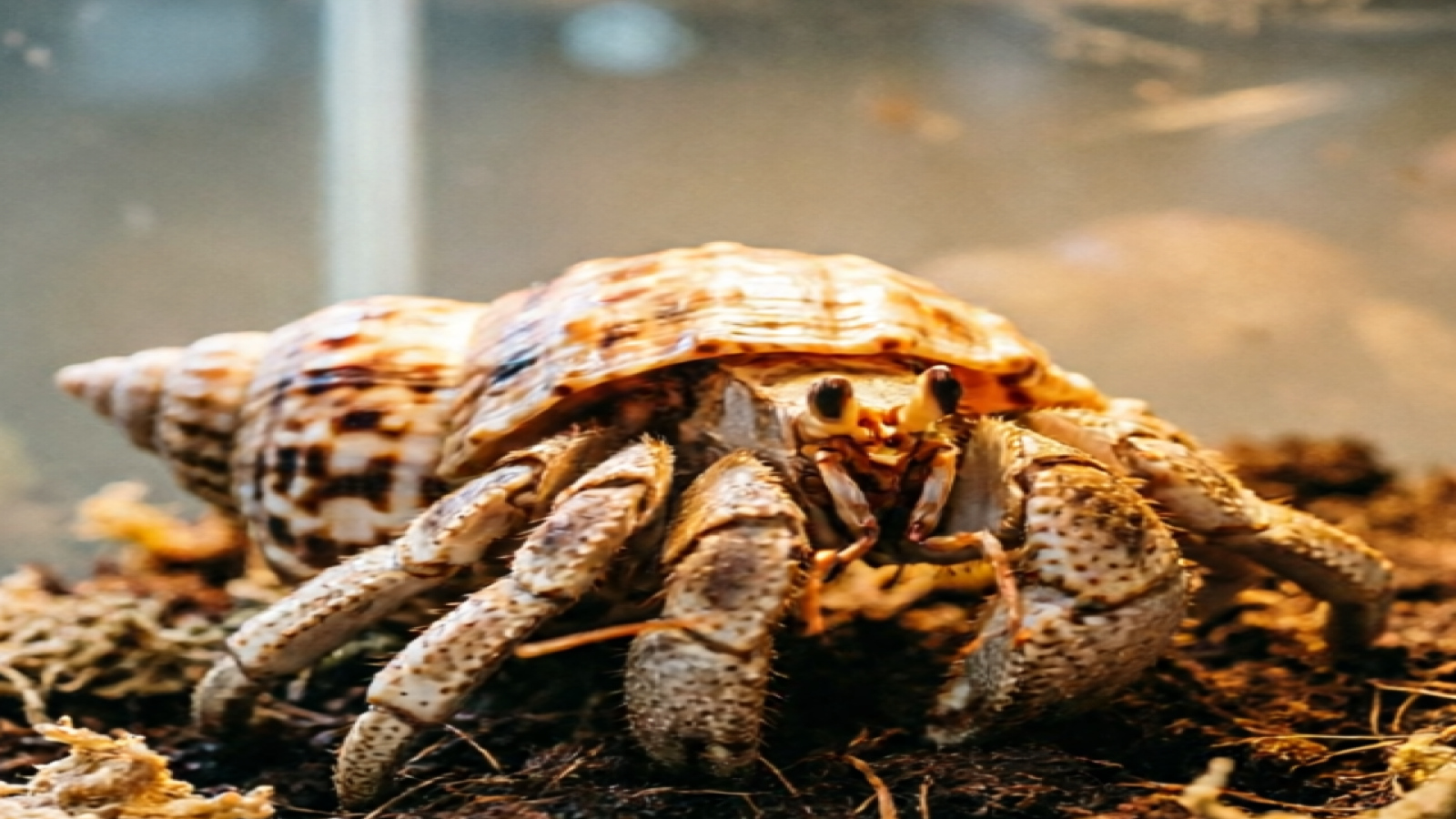
Hermit crabs spend most of their lives buried in substrate — molting, sleeping, and regulating humidity all depend on what’s lining the bottom of their tank. The wrong material can cause fatal impaction, shell rot, or failed molts. The right substrate keeps humidity at 70-80%, supports deep burrowing, and provides a safe environment during the vulnerable molting process.
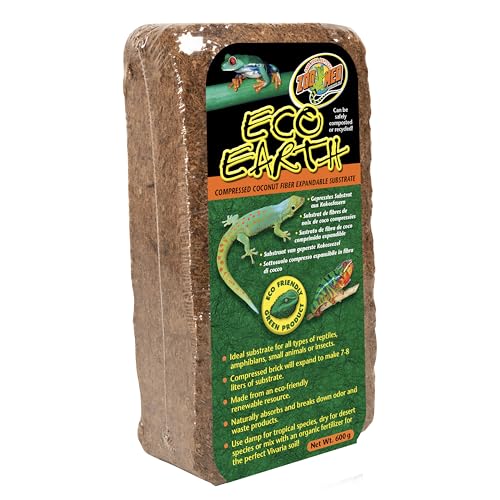
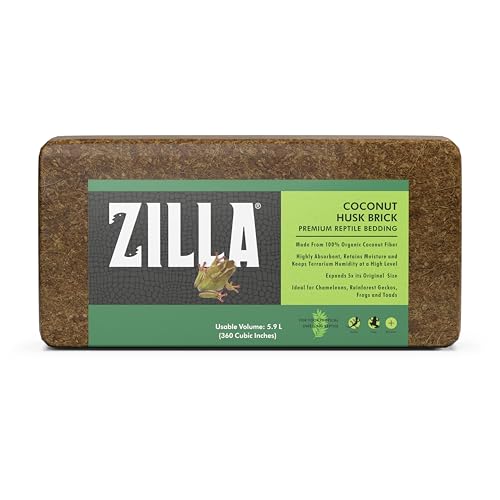
After analyzing 65 products and 2,100 owner reviews, we found the Zoo Med Eco Earth Compressed Coconut Fiber is the best hermit crab substrate overall. At $29.69 for a 3-pack of compressed bricks, it delivers consistent humidity and clean molting conditions. Our budget pick, the Zilla Coconut Husk Brick at $6.69, covers the same core function for crab keepers watching their spending.
Why Substrate Matters for Hermit Crabs
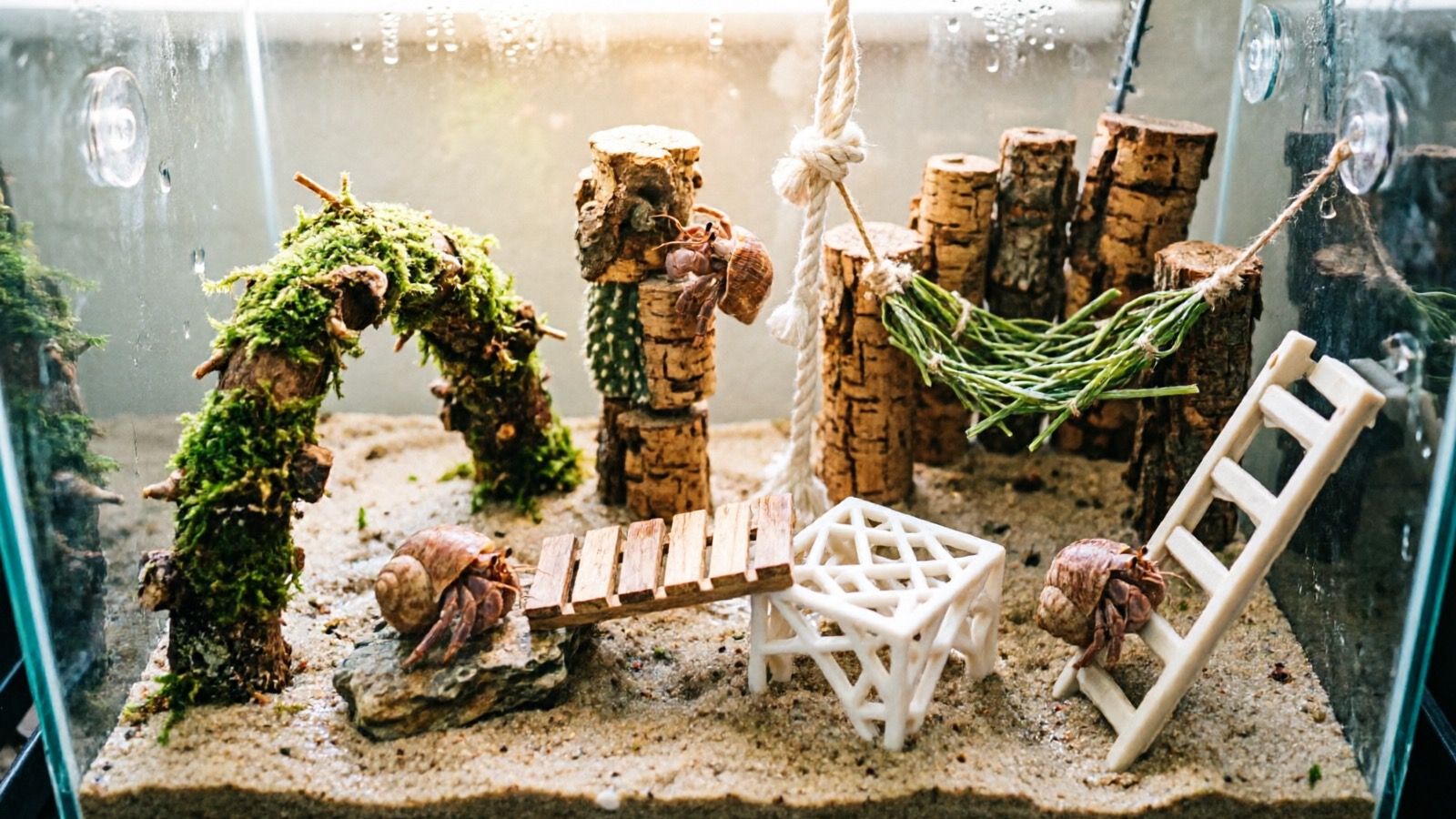
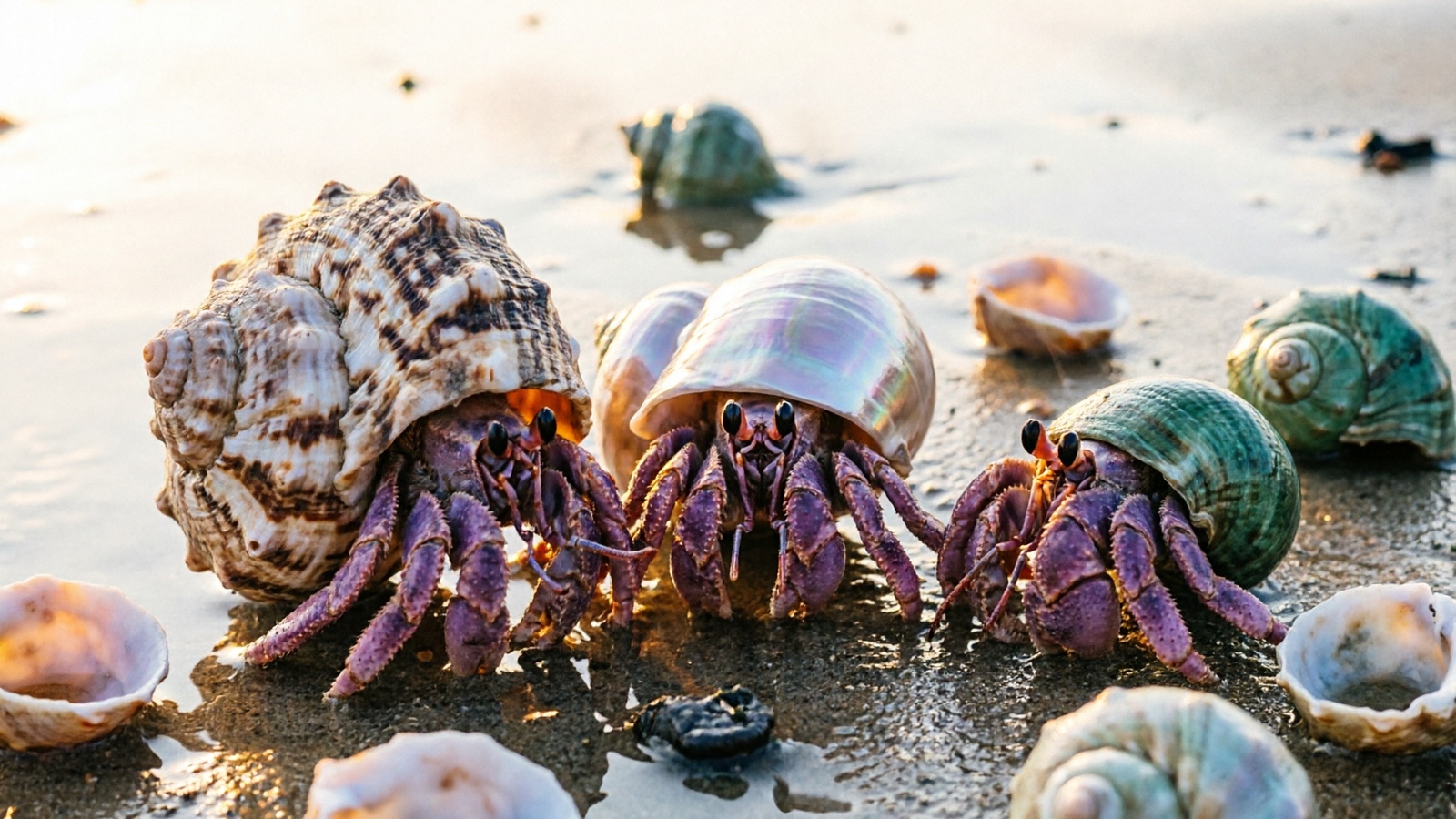
Hermit crabs are tropical land crustaceans that evolved to burrow through sandy, humid environments. In captivity, substrate serves three critical functions that no other tank component can replicate.
Molting support is the most important. When a hermit crab molts, it sheds its exoskeleton and buries itself underground for weeks — sometimes months. During this time, the crab is completely soft-bodied and defenseless. Deep, moist substrate creates the pressure and darkness needed for a successful molt. Shallow or dry substrate leads to failed molts, which are often fatal.
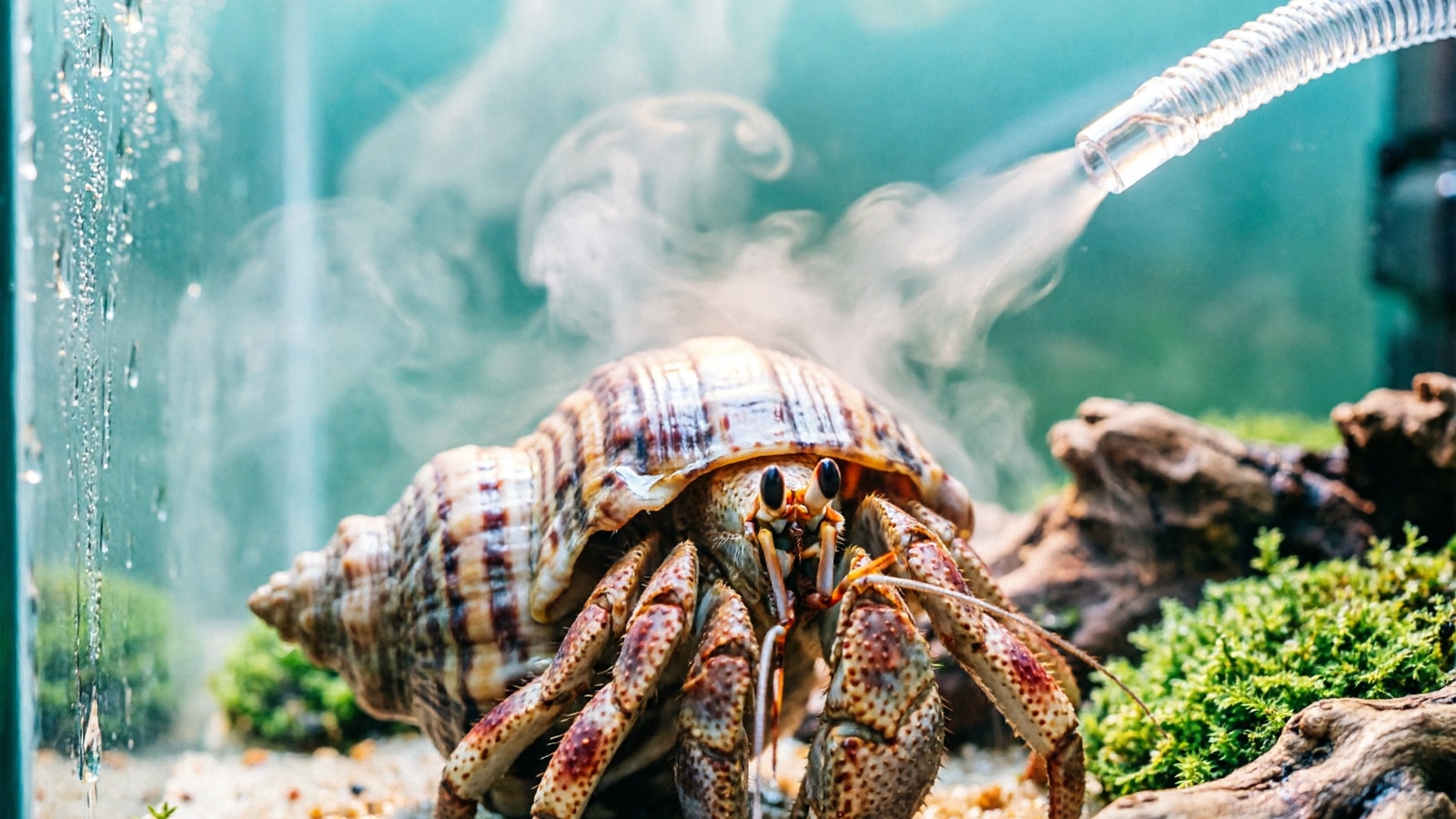
Humidity regulation comes second. Hermit crabs breathe through modified gills that must stay moist. Substrate acts as a humidity reservoir — coconut coir and sphagnum moss absorb water and release it slowly, maintaining the 70-80% humidity range hermit crabs need. Without proper substrate, even a quality humidifier can’t maintain stable humidity levels.
Behavioral enrichment rounds out the list. Hermit crabs are natural burrowers and excavators. Deep substrate lets them dig tunnels, create chambers, and express natural behaviors that reduce stress. Crabs kept on shallow bedding often show signs of lethargy and shell abandonment.
The connection between substrate choice and overall crab health is well-documented in reptile husbandry communities. For context on how other reptile keepers approach similar decisions, check out our guide to the best bearded dragon substrate and our leopard gecko substrate comparison — both cover coir-based options in reptile-specific contexts.
Types of Hermit Crab Substrate
Coconut Coir/Fiber
Coconut coir, also called coco fiber, is the most widely recommended hermit crab substrate. Made from ground coconut husks, it holds moisture excellently while maintaining loose enough structure for burrowing. Coir is naturally resistant to mold and bacteria when properly maintained.
Compressed coir bricks are the most economical form — a single brick that costs under $5 can expand to 8 quarts when hydrated. Loose, pre-expanded coir costs more but eliminates the 30-minute wait time for hydration.
Pre-Mixed Substrates
Some manufacturers blend coir with sand, calcium powder, or beneficial bacteria to create all-in-one solutions. These pre-mixed options save time but cost significantly more per quart than buying coir bricks separately. The quality varies — some contain too much sand, which can cause impaction if crabs ingest it during molting.
Sphagnum Moss
Sphagnum moss is not a standalone substrate for hermit crabs. Instead, it serves as a humidity-boosting top layer. Placed over coir or sand, moss traps moisture at the surface and creates a microclimate that crabs love. It’s especially useful during molting season when humidity needs spike.
Cypress Mulch
Cypress mulch provides excellent burrow structure because the larger pieces don’t compact as tightly as coir. It’s best used as a mix-in rather than a primary substrate — combining cypress with coir creates varied texture that crabs prefer for tunnel building.
What to Avoid
Several common substrates are dangerous for hermit crabs. Here’s a quick safety checklist:
Calci-sand — Marketed as “digestible,” but clumps when wet and causes fatal impaction. This is the single most dangerous commercial substrate for hermit crabs.
Colored sand — Dyes can be toxic. Even “non-toxic” varieties offer no benefit over plain sand.
Gravel and aquarium pebbles — Too heavy for burrowing, causes shell damage during digging.
Cedar and pine shingles — Contain aromatic oils that are toxic to crustaceans. Even small amounts cause respiratory distress.
Plain potting soil — Often contains fertilizers, perlite, and chemical additives that are harmful if ingested.
Safe alternatives: Plain play sand (rinsed), coconut coir, sphagnum moss, cypress mulch, and dedicated hermit crab soil mixes.
The 5 Best Hermit Crab Substrates — Our Top Picks
| Rank | Product | Type | Price | Score |
|---|---|---|---|---|
| 1 | Zoo Med Eco Earth Compressed Brick 3-Pack | Coir | $29.69 | A |
| 2 | Zilla Coconut Husk Brick | Coir | $6.69 | A- |
| 3 | Fluker’s Hermit Crab Sand+Coir+Probiotics | Pre-Mixed | $15.93 | A- |
| 4 | Zoo Med Eco Earth Loose Coconut Fiber 8qt | Coir | $30.81 | B+ |
| 5 | Josh’s Frogs BioBedding Desert Bioactive (10 Quart) | Bioactive | $41.99 | B+ |
| 6 | Zoo Med Hermit Crab Soil 3-Pack | Pre-Mixed | $7.99 | B |
| 7 | Zoo Med Forest Floor Cypress Mulch | Cypress | $10.99 | B |
| 8 | Galápagos Green Sphagnum Moss | Moss | $6.99 | B- |
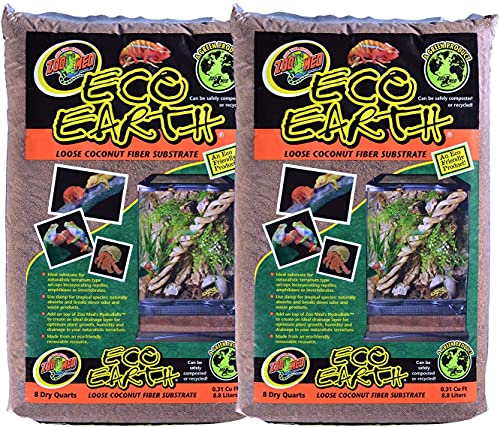
Zoo Med Eco Earth Compressed Brick 3-Pack — Best Overall
The Zoo Med Eco Earth is the most popular hermit crab substrate for good reason. Each 3-pack contains three compressed coconut coir bricks that expand to about 7–8 liters each when hydrated. At $29.69 for the pack, it is still cheaper per liter than most pre-expanded bags.
What sets Eco Earth apart is its consistency. The coir fibers are uniform in size, which means they hold moisture evenly without developing dry pockets or waterlogged areas. For molting crabs, this consistency is critical — uneven moisture can cause a crab to abandon its molt chamber. The majority of keepers report successful molts using this substrate.
One owner noted: “Been using Eco Earth for 3 years now and haven’t lost a single crab to a bad molt. The bricks expand perfectly every time.” Another praised the longevity: “One 3-pack fills my 40-gallon tank twice. Can’t beat the value.”
The main limitation is the hydration wait time. Compressed bricks need 30-45 minutes in warm water to fully expand. If you need substrate immediately, the loose version is more convenient but costs twice as much per quart.
Check the latest price for Zoo Med Eco Earth on Amazon.
Zilla Coconut Husk Brick — Best Budget
The Zilla Coconut Husk Brick delivers the same core benefit as Eco Earth — compressed coconut coir for burrowing and humidity — at the lowest price point we found. At $6.69 for a single brick that expands to roughly 8 quarts, it’s the go-to choice for keepers setting up their first tank or maintaining multiple enclosures.
The Zilla brick has a strong track record. The coir texture is slightly coarser than Eco Earth, which some keepers actually prefer because it drains better and resists compaction over time.
However, the coarser texture has a downside. A small number of owners report that the larger fiber chunks can be difficult for very small crabs to navigate when burrowing. One keeper mentioned: “Works great for my medium and large crabs, but my micros had trouble digging through the chunkier pieces.” If you keep tiny crabs, consider breaking the coir apart more thoroughly after hydration.
Check the latest price for Zilla Coconut Husk Brick on Amazon.
Fluker’s Hermit Crab Sand+Coir+Probiotics — Best Pre-Mixed
Fluker’s takes a different approach by blending sand, coconut coir, and beneficial probiotic bacteria into a ready-to-use substrate. At $15.93 for a 12-pound bag, it costs more per quart than plain coir bricks, but it eliminates the mixing and hydrating steps entirely.
The probiotic component is the standout feature. Beneficial bacteria help break down waste, reduce odor, and maintain a healthier tank environment over time. Several owners report that Fluker’s stays fresher longer between full substrate changes compared to plain coir. Customer satisfaction is consistently high.
The trade-off is volume. 12 pounds sounds substantial, but because it’s a sand-coir blend, it doesn’t expand like compressed bricks. You’ll get roughly 15-20 quarts per bag, which may not fill larger tanks without buying multiple bags. One owner noted: “Love the quality, but needed two bags for my 29-gallon tank.”
Check the latest price for Fluker’s Hermit Crab Substrate on Amazon.
Zoo Med Eco Earth Loose Coconut Fiber — Best Pre-Expanded
This is the same Eco Earth coir but sold already expanded and ready to use. The 8-quart 2-pack at $30.81 costs more per quart than the compressed 3-pack at $29.69. The only reason to choose this option is convenience: no hydration wait, no measuring water ratios, no squeezing out excess moisture.
The coir quality is identical to the compressed version. Most owners are satisfied. This is a solid pick for emergency substrate changes or keepers who want to maintain a backup supply without dealing with expansion.
For most keepers, the compressed version is the better value. Reserve this pre-expanded option for situations where you need substrate immediately — such as a surprise molt or an emergency tank reset.
Check the latest price for Zoo Med Eco Earth Loose Coconut Fiber on Amazon.
Josh’s Frogs BioBedding — Best Bioactive
Josh’s Frogs BioBedding is the only bioactive substrate on our list. It contains live beneficial microorganisms, springtails, and isopod-friendly material designed to create a self-cleaning ecosystem in your crab tank. At $41.99, it’s a premium option, but the long-term maintenance savings are significant.
This is a niche product that appeals to experienced keepers. The bioactive approach means the substrate breaks down waste naturally, maintains its own microbial balance, and can last 12-18 months before needing replacement — compared to 3-6 months for conventional substrates.
The learning curve is the main drawback. Bioactive setups require more initial preparation to establish the microbial colonies, and they’re more sensitive to over-watering. A new keeper shared: “Took about 3 weeks for the bioactive to really get going, but now my tank practically maintains itself.”
Check the latest price for Josh’s Frogs BioBedding on Amazon.
Zoo Med Hermit Crab Soil 3-Pack — Crab-Specific Formula
Zoo Med’s Hermit Crab Soil is specifically formulated for hermit crabs rather than generic reptile use. The 3-pack at $7.99 contains a coir-based mix that’s slightly finer than standard Eco Earth, designed for easier burrowing by smaller crab species.
This is a solid but less popular option that’s gaining traction among crab keepers. Owners who use it generally report good results for molting, though some note the finer texture requires more frequent moisture checks because it dries out faster than chunkier coir.
Check the latest price for Zoo Med Hermit Crab Soil on Amazon.
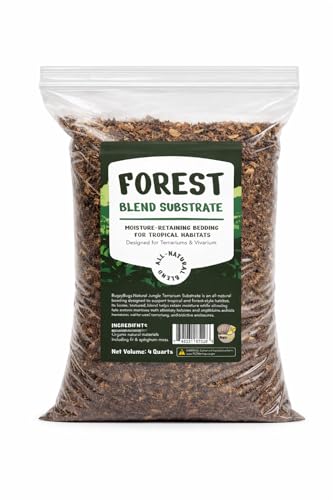
Zoo Med Forest Floor Cypress Mulch — Best for Burrow Structure
Cypress mulch serves a specific purpose in hermit crab husbandry — providing structural support for tunnels and burrows. The larger chip size means coir won’t compact as tightly, creating air pockets that crabs use for tunnel walls. At $10.99 for 4 quarts, it’s priced as a supplement rather than a primary substrate.
This is the most popular product on our list, though most reviews come from reptile and amphibian keepers rather than hermit crab keepers specifically. The product works well as a mix-in — combining roughly 70% coir with 30% cypress creates an ideal burrowing medium with varied texture.
Used alone, cypress mulch doesn’t hold moisture as well as coir and may not provide enough humidity for tropical hermit crab species. Keep this as a blending ingredient, not a standalone substrate.
Check the latest price for Zoo Med Forest Floor Cypress Mulch on Amazon.
Galápagos Green Sphagnum Moss — Best Humidity Layer
Sphagnum moss is the humidity specialist. The Galápagos Green Moss at $6.99 for 4 quarts is the most popular option, and a strong following among pet keepers. It’s important to understand that moss is a supplement, not a primary substrate. Hermit crabs need deep coir for burrowing — moss goes on top.
The best approach is to create a moisture gradient. Lay 4-6 inches of moistened coir as the base, then add a 1-2 inch layer of damp sphagnum moss on top. The moss creates a humid microclimate at the surface where crabs spend time during their active hours. Some keepers also place extra moss in the corners and around food dishes for localized humidity.
Occasional quality issues have been noted by some owners. Some owners report receiving moss that’s too dry or contains excess debris. One noted: “Sometimes you get a great batch, sometimes it’s mostly stems with very little moss.” The inconsistency is frustrating but doesn’t affect the core function.
Check the latest price for Galápagos Sphagnum Moss on Amazon.
How to Set Up Your Hermit Crab Substrate
Proper setup makes or breaks a hermit crab habitat. Follow this layering technique for optimal humidity and burrowing conditions.
Step 1 — Prepare the base layer (4-6 inches minimum). Use compressed coconut coir — either Zoo Med Eco Earth or Zilla bricks. Hydrate the bricks with dechlorinated water until the coir reaches “sand castle consistency.” It should hold its shape when squeezed but not drip water. Spread this evenly across the tank bottom.
Step 2 — Add cypress mulch mix (optional). Blend 20-30% cypress mulch into the coir for better burrow structure. This is especially helpful for larger species that dig deep tunnels. Mix thoroughly before adding to the tank.
Step 3 — Top with sphagnum moss (1-2 inches). Layer damp sphagnum moss over the coir to create a moisture-rich surface that boosts overall tank humidity. Refresh this layer every 2-3 weeks or when it starts drying out.
Step 4 — Verify depth requirements. Minimum depth should be 3 times the height of your largest crab’s shell. For a crab with a 1.5-inch shell, that means at least 4.5 inches of substrate. Molting crabs need 6-10 inches in the designated molting area. A 40-gallon breeder tank can support 8+ inches of coir, which accommodates most species.
The substrate pairs with proper heating to create a complete habitat. For heating setup guidance, our guide to the best hedgehog heat lamp covers similar reptile-safe heating principles that apply to hermit crab enclosures. For enclosure options, see our guinea pig cage guide for general small pet housing considerations.
Substrate Maintenance and Replacement
Keeping substrate in good condition is an ongoing responsibility. Neglected substrate leads to bacterial growth, mold outbreaks, and mite infestations — all of which can kill hermit crabs.
Daily spot cleaning. Remove any visible food debris, feces, or molt shells from the surface using a small scoop or tweezers. Avoid disturbing deeper substrate where crabs may be buried.
Weekly moisture check. Spritz the surface with dechlorinated water if the substrate feels dry below the top inch. Turn over the top 2 inches of coir to prevent surface mold growth.
Monthly deep inspection. Every 3-4 weeks, check for mold (white or colored fuzzy patches), mites (tiny moving dots), or persistent odor. These warning signs mean a full change is needed sooner than scheduled.
Full substrate replacement. Replace all substrate every 3-6 months. During a molt cycle where a crab is buried, wait until it surfaces. Transfer crabs to a temporary container with moist paper towels, clean the tank bottom, and add fresh hydrated coir.
For more on bedding maintenance in small pet habitats, our ferret litter comparison covers similar cleaning principles applied to a different pet context.
Frequently Asked Questions
How deep should hermit crab substrate be?
Minimum depth should be 3 times the height of your largest crab’s shell. For most species, 4-6 inches is the baseline. Molting crabs need even deeper — aim for 6-10 inches in the molting area.
Can I use playground sand for hermit crabs?
Plain playground sand can work when mixed with coconut coir, but avoid calcisand and colored sand. Calci-sand causes impaction when ingested during molting. Always test sand for mold and rinse before use.
How often should I change hermit crab substrate?
Spot clean daily by removing visible waste and food debris. Full substrate replacement every 3-6 months. If you notice mold growth or pest infestation, replace immediately.
Do hermit crabs need moss in their substrate?
Sphagnum moss is optional but beneficial as a humidity-boosting top layer. Don’t use it as the sole substrate — crabs need deep coir or sand-coir mix for burrowing and molting.
Why is my hermit crab digging constantly?
Constant digging is normal hermit crab behavior — they’re natural burrowers. It may indicate pre-molt behavior if combined with lethargy and cloudy eyes. Ensure substrate depth is adequate for burrowing.