Quick Answer: The 8 Best Hermit Crab Foods

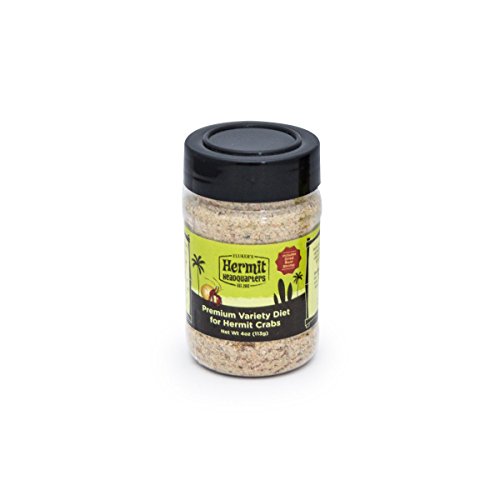
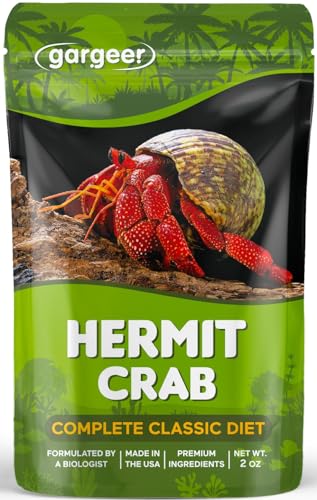
The top pick is Fluker’s Premium Variety Diet ($15.93) — the most reviewed hermit crab food available. The best natural option is Snout and Shell Natural Food ($14.97) — real fruit, sprouted grains, zero artificial preservatives. The premium choice is Gargeer Complete Diet ($15.47) — non-GMO verified granular ingredients.
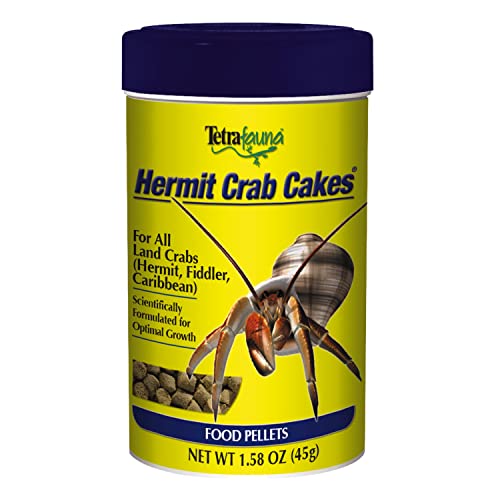
The budget pick is TetraFauna Hermit Crab Cakes ($4.36) — the cheapest option for beginners.
Warning: Important: the ideal strategy combines all commercial options below with daily fresh food supplements. The hermit crab community recommends a diet of roughly 50% protein, alongside fruits, vegetables, calcium sources, and leaf litter.
Hermit Crab Diet Guide: What to Feed and What to Avoid
Choosing the right food means understanding your crab’s nutritional needs — hermit crabs are not simple pets to feed.
Hermit crabs are opportunistic omnivorous scavengers. In the wild, they eat decaying plant matter, fallen fruit, carrion, seaweed, and almost anything organic they find on the beach.
In captivity, a varied diet is essential for molting health, exoskeleton strength, and longevity. The Crab Street Journal (educational arm of LHCOS) identifies six essential nutritional pillars for land hermit crabs: protein, calcium, carotenoids, fats, fiber, and plant diversity to support molting, growth, and long-term health. The hermit crab community consensus agrees: commercial pellets alone are not enough.
What Do Hermit Crabs Eat in the Wild?
Land hermit crabs (Coenobita species) are tropical coastal scavengers. In the wild their diet consists of fallen fruit, decaying vegetation, dead fish and crustaceans, seaweed and algae, leaf litter, flowers, bark, and occasionally live insects.
Their natural diet is extremely varied — this is why captive crabs need daily food rotation, not the same pellets every day. Pet store pellets should form only part of the feeding strategy.
Commercial vs Natural Food: What’s the Best Food for Hermit Crabs?
| Aspect | Commercial Pellets | Natural/Fresh Food |
|---|---|---|
| Convenience | Excellent — pour and serve | Low — requires daily prep |
| Nutritional Variety | Limited — same formula daily | Excellent — infinite variety |
| Community Approval | Acceptable as base only | Strongly preferred |
| Cost | Moderate — $4-16/month | Low — kitchen scraps + grocery |
| Preservatives | Warning: Some contain ethoxyquin | None (raw/fresh) |
| Molting Support | Adequate protein content | Excellent — spirulina, egg, calcium |
| Crab Enthusiasm | Low — crabs pick favorites | High — natural foraging behavior |
The Reddit r/hermitcrabs consensus: use commercial pellets as a convenient base, roughly 30-40% of the diet. Supplement heavily with fresh protein (boiled egg with crushed shell, freeze-dried shrimp), fruits (mango, banana, blueberry), vegetables (carrot, spinach, sweet potato), calcium sources (cuttlebone, crushed eggshell), and leaf litter.
What Should I Not Feed My Hermit Crab?
- Seasoned/salted/processed human food — chips, crackers, seasoned meats (excess sodium is toxic to invertebrates)
- Artificial preservatives — ethoxyquin, BHA, BHT. The CSJ warns that most commercial hermit crab foods contain ethoxyquin and/or copper sulfate — both toxic to invertebrates.
- Dairy products — cheese, milk, butter (hermit crabs cannot digest lactose)
- Avocado — some owners report adverse reactions; best avoided to be safe
- Onion and garlic — potentially toxic to invertebrates
- Marine crab food — Hikari Crab Cuisine is formulated for aquarium crabs, NOT land hermit crabs. This appears as the top shopping result in some searches and is a dangerous mistake. LHCOS also warns that commercial hermit crab pellets may contain copper sulfate, which is highly lethal to invertebrates.
- Citrus IS safe — despite the persistent myth, citrus fruits are tropical and native to hermit crab habitat. The Crab Street Journal (educational arm of the Land Hermit Crab Owners Society) explicitly debunked this: “Citrus fruits are tropical and sub-tropical. Coenobita are tropical and sub-tropical.”
Uneaten food should be removed within 24 hours to prevent mold and mites. Good substrate absorbs moisture from food debris — see our hermit crab substrate guide for maintenance tips.
Fresh Food Rotation Schedule
Daily (rotate 2-3 items per feeding):
- Commercial pellet base (1-2 pellets per crab) + 1 fresh protein source + 1 fruit or vegetable
- Protein options: boiled egg (with crushed shell for calcium), freeze-dried shrimp, bloodworms, mealworms, cooked unseasoned chicken
- Fruit options: mango, banana, blueberry, apple (no seeds), coconut meat, papaya, tangerine
- Vegetable options: carrot, spinach, sweet potato, zucchini, bell pepper
Weekly:
- Calcium boost: place a cuttlebone piece in the tank, sprinkle crushed eggshell on food, or add powdered calcium supplement
- Spirulina: sprinkle on food or mix into a honey dish — spirulina supports color vibrancy and molting recovery. The Crab Street Journal calls it “the one most important algae in your crab pantry.”
Remove all uneaten food within 24 hours to prevent mold, bacteria, and fruit fly infestations. Never feed the same combination two days in a row — variety is the single most important dietary principle for captive hermit crabs.

Comparison Table: Hermit Crab Foods at a Glance
| Product | Brand | Type | Price | Size | Best For |
|---|---|---|---|---|---|
| Fluker’s Variety Diet | Fluker’s | Pellet Mix | $15.93 | 4 oz | Best Overall |
| Zoo Med Fruit Salad | Zoo Med | Fruit Treat | $12.99 | 3-pack | Best Treat |
| FMR Hermit Crab Food | Florida Marine Research | Pellet Staple | $12.99 | 4 oz | Budget Staple |
| FMR Hermit Crab Treat | Florida Marine Research | Protein Treat | $12.99 | 1.5 oz | Protein Boost |
| Fluker’s Pellet Diet | Fluker’s | Pure Pellet | $12.99 | 3 oz | Clean Staple |
| TetraFauna Cakes | TetraFauna | Budget Pellet | $4.36 | 1.58 oz | Best Budget |
| Snout and Shell Natural | Snout and Shell | Natural Premium | $14.97 | 65g | Best Natural |
| Gargeer Complete Diet | Gargeer | Non-GMO Premium | $15.47 | 2 oz | Best Premium |
Warning: All products above are specifically formulated for land hermit crabs. Do NOT buy Hikari Crab Cuisine — that is designed for marine/aquarium crabs and has different nutritional requirements.
Product Reviews
Eight hermit crab foods were evaluated for every budget and feeding style based on nutritional quality, community feedback, and alignment with hermit crab dietary needs. Every product below is a top option in its category — no generic reptile food included.
Fluker’s Premium Variety Diet — Best Overall Staple
Fluker’s Premium Variety Diet is the most-reviewed hermit crab food on the market and earns its position as the top community choice. The variety blend combines uniform pellets with dried shrimp, corn, and fruit pieces, which means there’s something in the mix for every crab in your colony. Fluker’s has been a trusted reptile brand since the 1950s, making their variety diet an excellent choice for reliability, and their hermit crab line reflects decades of formulation.
Owners consistently report their crabs actively seek out this food every feeding time, unlike some plain pellet options where uneaten pellets remain hours later. An owner described it: “Fluker’s is the only brand my crabs consistently eat without picking through.”
There are two caveats to consider. The variety mix contains pieces of different sizes, which means some crabs will pick out their favorites and leave the rest — though the pellets themselves are nutritionally complete, it does create waste.
More importantly, this product contains ethoxyquin as a preservative, which the hermit crab community has raised concerns about. If that bothers you, Snout and Shell or Gargeer offer preservative-free alternatives. The 4 oz bag also empties quickly with larger colonies — Larger colonies may go through roughly one bag every three weeks.
Zoo Med Hermit Crab Fruit Salad 3-Pack — Best Treat Supplement
A quality treat supplement adds variety without artificial preservatives.
Zoo Med’s Fruit Salad is the best treat in the hermit crab food space and a strong choice for fruit variety. It’s an all-natural dried fruit blend with no artificial preservatives or colors, which aligns perfectly with what the community recommends.
This works well as a treat two to three times per week alongside a staple pellet. The dried apple, cranberry, and mango pieces disappear fast — an owner described her crabs climbing over each other to reach it. Zoo Med has been a trusted exotic pet brand since 1977, which adds confidence to the quality.
This is a treat, not a staple — it lacks the protein and calcium density hermit crabs need daily. Some fruit pieces are too large for juvenile Ecuadorian crabs — break them into smaller bits for younger colony members.
Remove uneaten pieces within 24 hours, as the dried fruit attracts fruit flies quickly in humid crabitats.
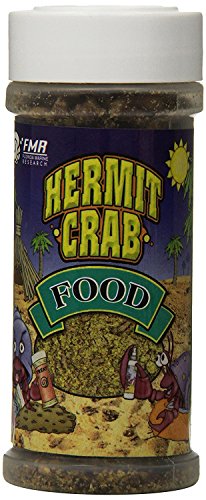
Florida Marine Research Hermit Crab Food — Classic Pellet Staple
FMR is the original hermit crab food brand and a classic choice for keepers seeking a classic option with decades of history.
Florida Marine Research (FMR) pellets are one of the original hermit crab foods on the market. FMR specializes exclusively in hermit crab products — from a dedicated specialist, which means their formulation comes from decades of niche expertise rather than being a reptile brand side project. This is a solid mid-range pellet staple.
Pair FMR pellets with their companion treat for variety — a solid rotation combination. The pellets hold their shape reasonably well in humid environments — better than some budget options that turn to mush overnight. The calcium and protein content supports molting cycles, which is the most nutritionally demanding period in a crab’s life.
The main drawback is that the formula hasn’t changed in years. Newer brands like Gargeer and Snout and Shell have surpassed FMR in ingredient quality and innovation. Some owners also report their crabs ignore plain pellets entirely when fresh food is available, which highlights the importance of the rotation approach rather than relying on any single product.
Florida Marine Research Hermit Crab Treat — Best Protein Supplement
A strong protein supplement during molting.
FMR’s Hermit Crab Treat is a protein-focused supplement built around dried shrimp and coconut. This is especially useful for pre-molt protein loading when crabs need extra protein to support exoskeleton regeneration.
The shrimp and coconut combination is genuinely irresistible to hermit crabs. Owners report crabs come running when this is placed in the tank — more so than most other products. An owner whose crabs had improved molting cycles after adding this treat credited the protein boost.
At 1.5 oz, the bag is tiny for the price. Treat this as a supplement, not a staple — offer once or twice per week alongside pellets and fresh food.
The dried shrimp pieces can be too large for juvenile crabs — Crush them with the back of a spoon for smaller colony members. For more on how nutrition supports molting and post-molt nutrition for shell changes, see our hermit crab shells guide.
Fluker’s Premium Pellet Diet — Clean Pellet Staple
For keepers who want uniform nutrition, this is the top pick for no-waste feeding.
Fluker’s Pellet Diet takes a different approach from their Variety blend — pure uniform pellets with no mixed-in treats. Every pellet delivers the same complete nutrition, which eliminates the selective eating problem entirely. This is a reliable workhorse staple.
This pellet diet delivers nutritional completeness with zero waste. Since every pellet is identical, crabs can’t sort through and pick favorites — they get the full vitamin and mineral profile in every bite. The pellets hold their shape well in the high-humidity environment of a properly maintained crabitat, which is where some cheaper brands fail.
The trade-off is that plain pellets lack the variety that keeps crabs engaged. Rotate this with fresh food and treats like Zoo Med Fruit Salad to maintain dietary interest. The 3 oz bag is modest for tanks with four or more crabs, and some owners find their crabs prefer the Variety blend’s mixed pieces over these plain pellets.
TetraFauna Hermit Crab Cakes — Best Budget Option
An affordable option for beginners on a tight budget.
TetraFauna Hermit Crab Cakes is the most affordable hermit crab food available and the most affordable option at just $4.36. This is a perfectly acceptable starting point. The rating across hundreds of reviews confirms it’s not junk food despite the low price.
Tetra is a globally recognized pet brand, though their primary focus is aquatic animals rather than hermit crabs specifically. The small cake-shaped pellets are easy to portion and break apart for smaller crabs. Beginners often start with these before transitioning to higher-end brands once comfortable with their crab’s feeding habits.
The container is extremely small at 1.58 oz — that’s barely enough for a few weeks with a single crab. Tetra’s nutritional formulation is also less varied than dedicated hermit crab brands, so you’ll need to supplement heavily with fresh food.
Some owners report their crabs lose interest after the first week, which suggests the novelty factor plays a significant role in acceptance. Consider this a temporary solution while ordering a more substantial brand.
Snout and Shell Natural Hermit Crab Food — Best Natural/Premium
The top choice for health-conscious owners prioritizing natural ingredients.
Snout and Shell’s Natural Hermit Crab Food stands out as the only commercial food with real fruit and sprouted grains. There are zero artificial preservatives — a feature the hermit crab community has been asking for. Snout and Shell is a hermit crab-specialized brand, which means their product was designed by people who actually keep crabs, not a reptile company that added hermit crabs as an afterthought.
The high-protein formulation makes this excellent for molting period support. Owners report improved exoskeleton quality since rotating this into their feeding schedule. An owner described the ingredient list as “perfect” — high praise in a community that scrutinizes labels carefully.
At $14.97 for 65g, this is expensive per unit. The granular texture differs from traditional pellets — some crabs need a few days to adjust. Being a smaller company, availability can fluctuate.
For owners who prioritize natural ingredients, this is the clear top pick despite premium pricing.
Gargeer Complete Diet — Best Premium
A strong choice for owners wanting premium quality.
Gargeer’s Complete Diet carries the highest rating — a strong choice It’s a non-GMO verified granular diet with immune system support built into the formulation. If rating alone determined your purchase, this would be the winner.
The non-GMO verification is a meaningful differentiator — a strong choice for quality-conscious owners in a market where most products don’t specify. The granular texture encourages more natural foraging behavior — crabs sift through it rather than just biting pellets, which provides mental enrichment alongside nutrition. Owners report noticeably more active crabs and brighter colors after switching to Gargeer.
At $15.47 for 2 oz, this is premium pricing. Gargeer offers multiple variants (Spectrum Complete, Ocean Blend) that can be confusing.
If you want the absolute best ingredients available commercially and budget isn’t a constraint, Gargeer is worth considering.
Where to Buy the Best Hermit Crab Food: Non-Amazon Alternatives
| Channel | Pros | Cons | Brands Available |
|---|---|---|---|
| Amazon | Fast shipping, reviews, easy comparison | No curated expertise | Fluker’s, Zoo Med, FMR, TetraFauna, Snout and Shell, Gargeer |
| Chewy | Autoship, vet consultation | Algorithm list includes wrong products | Gargeer, Zoo Med, Fluker’s |
| PetSmart | In-store availability | Limited hermit crab section | Thrive house brand |
| Snout and Shell website | Hermit crab specialist, bundles, seasonal | Premium pricing | Snout and Shell Food Bundle $32.97, Multipack $37.97 |
| Hermit Grub website | Handcrafted premium, organic focus | Small batch, limited availability | Hermit Grub (dedicated organic hermit crab brand) |
| Etsy (Naturally Crabby) | Community favorite, handmade | Limited online availability | Naturally Crabby — Reddit’s top recommended brand |
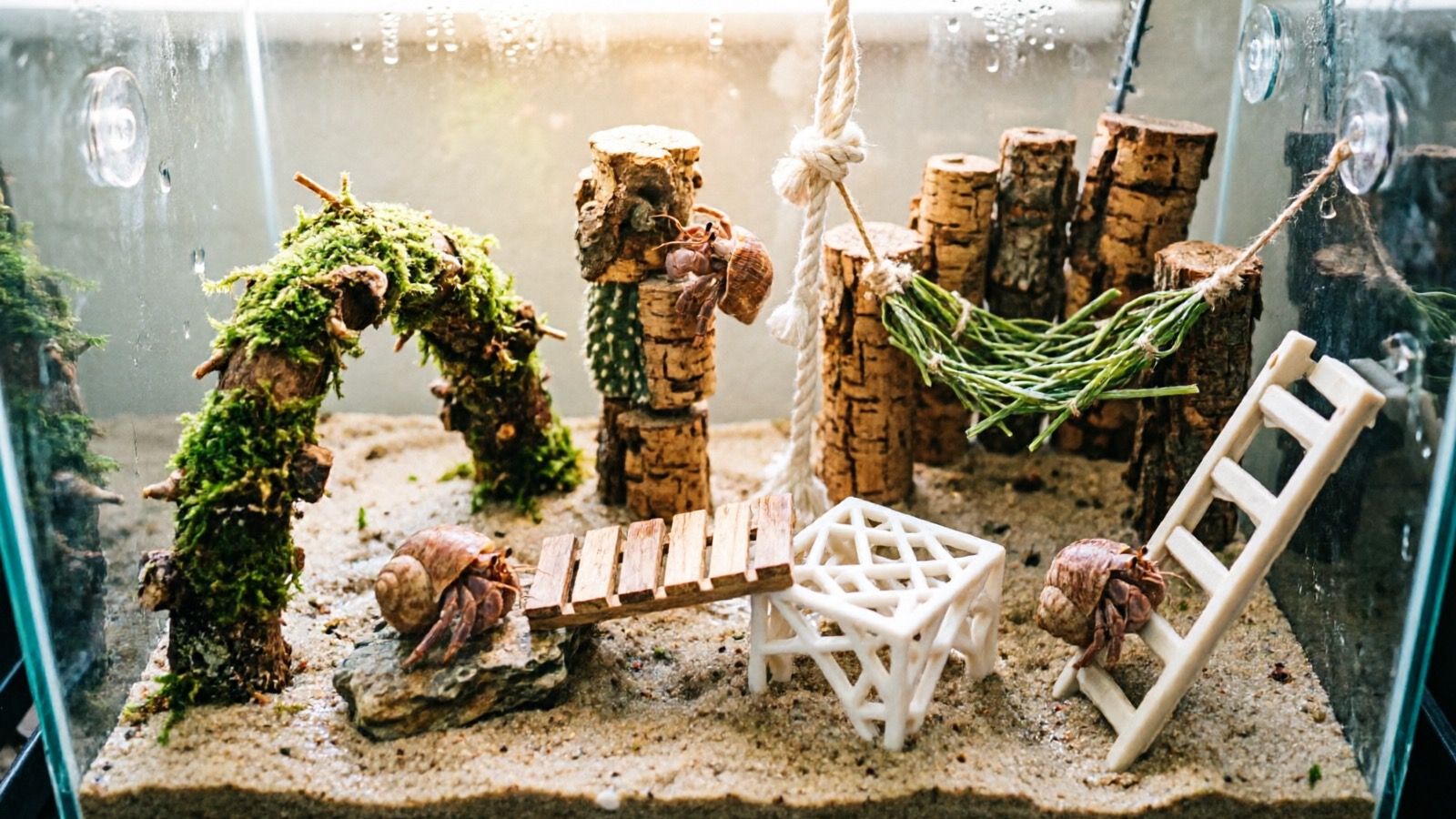
For optimal food dish placement in your crabitat, place food and water dishes on opposite sides to encourage movement — see our hermit crab tank setup guide for positioning recommendations.
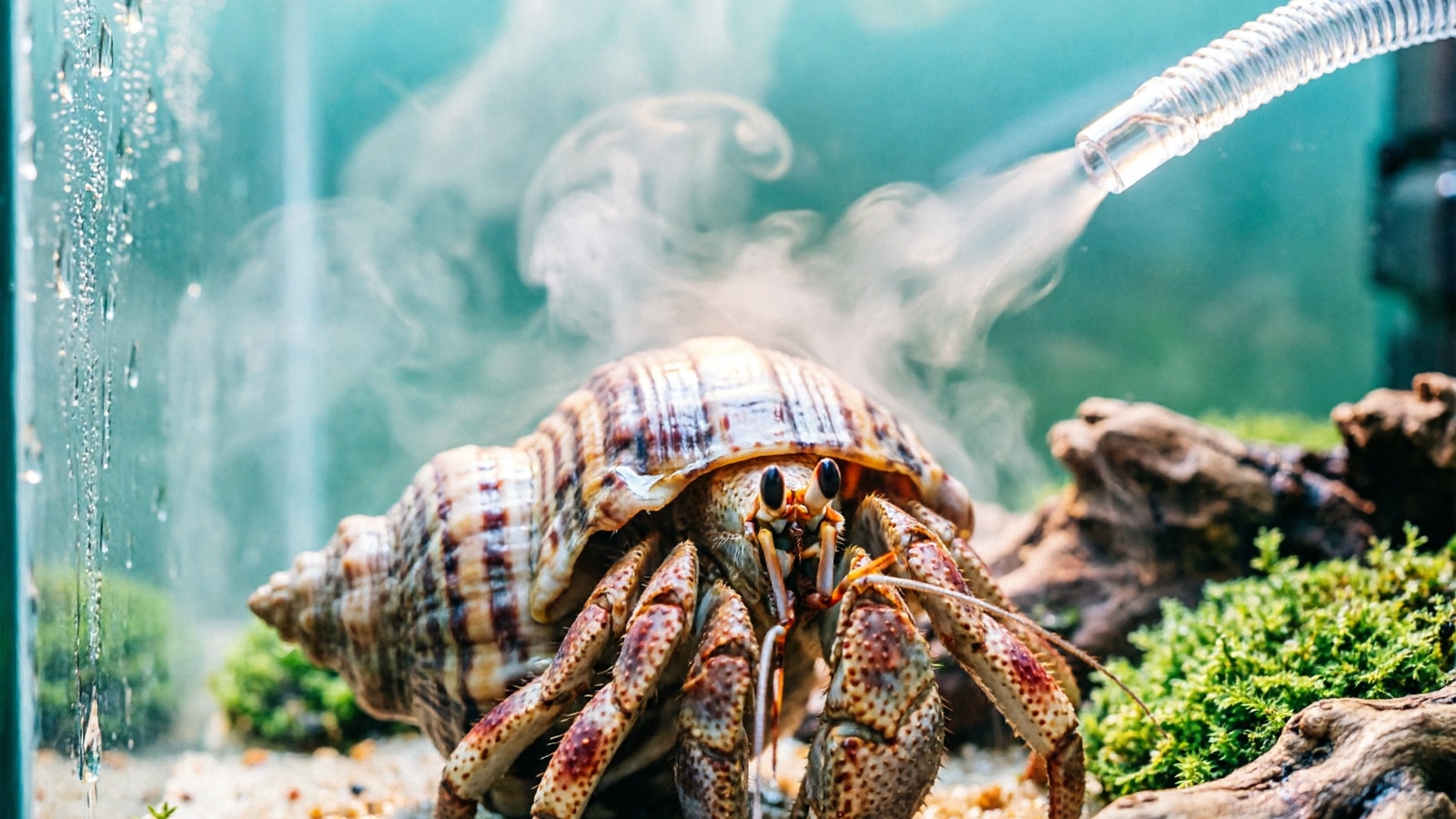
Food spoils fast when the tank sits below 75% RH — keep a fogger and hygrometer on the dry side.
Hermit Crab Feeding Do’s and Don’ts
** Correct Feeding Practices**
- Rotate 2-3 food items daily — Offer different combinations of protein, fruit, and vegetable each day. Never feed the same combination two days in a row.
- Use commercial pellets as only 30-40% of diet — The remaining 60-70% should be fresh protein, fruits, vegetables, and calcium sources.
- Provide calcium continuously — Keep cuttlebone or crushed eggshell available in the tank at all times for molting support.
- Remove uneaten food within 24 hours — Prevents mold, bacteria, and fruit fly infestations in humid crabitats.
- Offer spirulina weekly — The CSJ calls spirulina “the one most important algae in your crab pantry” for color vibrancy and molting recovery.
- Check all ingredients for ethoxyquin — It can be hidden in fish meal without separate label disclosure.
** Dangerous Feeding Mistakes**
- Feeding only commercial pellets — No single food item provides complete nutrition. Crabs fed pellets alone develop poor molting outcomes and dull coloration.
- Buying Hikari Crab Cuisine — Formulated for marine/aquarium crabs, NOT land hermit crabs. Appears as top shopping result despite being the wrong species.
- Ignoring ethoxyquin in ingredients — Ethoxyquin is toxic to invertebrates and disrupts molting. It may be hidden in fish meal.
- Feeding seasoned/salted human food — Excess sodium is toxic to invertebrates. Chips, crackers, deli meats are all unsafe.
- Offering dairy products — Hermit crabs cannot digest lactose. Cheese, milk, and butter should never be offered.
- Leaving uneaten food past 24 hours — Mold and bacteria spread rapidly in humid crabitats and can harm your crabs.
Hermit Crab Food FAQ
What’s the Best Food for Hermit Crabs?
The best food for hermit crabs is a highly varied diet combining commercial pellets as a convenient base with daily fresh food supplements. Fluker’s Variety Diet is the community’s top commercially available choice based on review volume and reliability.
The hermit crab community recommends approximately 50% protein (boiled egg, shrimp, mealworms), alongside fruits (mango, banana, blueberry), vegetables (carrot, sweet potato, spinach), calcium sources (cuttlebone, eggshell), and leaf litter. Commercial pellets alone do not provide sufficient variety for optimal health.
What Do Hermit Crabs Eat in the Wild?
Land hermit crabs are coastal tropical scavengers that eat fallen fruit, decaying vegetation, dead fish, seaweed, algae, leaf litter, flowers, bark, and carrion. Their natural diet is extremely diverse — see the diet guide above for a complete breakdown.
What Should I Not Feed My Hermit Crab?
Safe food choices avoid these dangerous items.
Avoid seasoned or salted human food (chips, crackers, deli meats), dairy products (cheese, milk), avocado (some owners report adverse reactions), onion and garlic (potentially toxic to invertebrates), and any food with artificial preservatives (especially ethoxyquin, BHA, BHT). Do NOT buy Hikari Crab Cuisine — it is formulated for marine/aquarium crabs, not land hermit crabs, and appears as a top shopping result despite being the wrong product. Also avoid any food with added sugar or chocolate.
Can I Feed My Hermit Crab Citrus Fruits?
Yes. Despite a persistent myth that citrus is toxic to hermit crabs, the Crab Street Journal — the educational arm of the Land Hermit Crab Owners Society — explicitly debunked this claim. Their reasoning: citrus fruits are tropical and sub-tropical, and Coenobita hermit crabs are also tropical and sub-tropical.
In their native environment, hermit crabs are constantly exposed to fallen citrus. They prefer sweet citrus (tangerines, oranges) over sour varieties (grapefruit). Remove uneaten citrus within 24 hours.
How Often Should I Feed My Hermit Crab?
Feed daily with 2-3 rotated food items. Offer pellets as a base plus one protein source and one fruit or vegetable. Remove uneaten food within 24 hours. See the rotation schedule above for details.
Are Commercial Hermit Crab Food Pellets Enough?
The short answer: no. A healthy strategy never relies on pellets alone.
No. The hermit crab community and hermit crab specialists strongly agree that commercial pellets alone are not sufficient. Products like Fluker’s Variety Diet or Gargeer Complete Diet provide a convenient nutritional base, but should make up only roughly 30-40% of the diet.
The remaining 60-70% should be fresh food: protein sources (egg, shrimp, mealworms), fruits, vegetables, and calcium supplements. Crabs fed only pellets may experience poor molting outcomes, dull coloration, and reduced activity levels. The CSJ states: “No single item is a complete diet — hermit crabs require variety for balanced nutrition, healthy growth, successful molting, and enrichment.”