Quick Answer
If you are wondering why is my hedgehog shaking, the most common cause is cold temperature. When the environment drops below 72°F, hedgehogs try to enter hibernation — and hibernation attempts are dangerous for African pygmy hedgehogs. Other common reasons why is my hedgehog shaking happens include Wobbly Hedgehog Syndrome, stress, mites, and nutritional deficiency.
Why Is My Hedgehog Shaking?
Hedgehogs are small animals that are sensitive to their environment. When a hedgehog shakes, it is usually a sign that something needs to be addressed right away. If you are asking why is my hedgehog shaking, you are not alone — it is one of the most common health concerns among hedgehog owners. The key is figuring out which cause applies to your hedgehog so you can act quickly.
Common Reasons
1. Cold Temperature or Hibernation Attempt
This is the number one answer to why is my hedgehog shaking. African pygmy hedgehogs cannot safely hibernate. When the temperature drops below 72°F, their body starts shutting down — they become sluggish, stop eating, and begin trembling. If left cold, hibernation attempts can be fatal.
Signs temperature is the cause:
- The room or cage feels cool to the touch
- Your hedgehog is curled into a tight ball and difficult to unroll
- The shaking gets worse when the hedgehog is on a cool surface
- The hedgehog seems lethargic and unresponsive
- Reduced appetite or complete refusal to eat
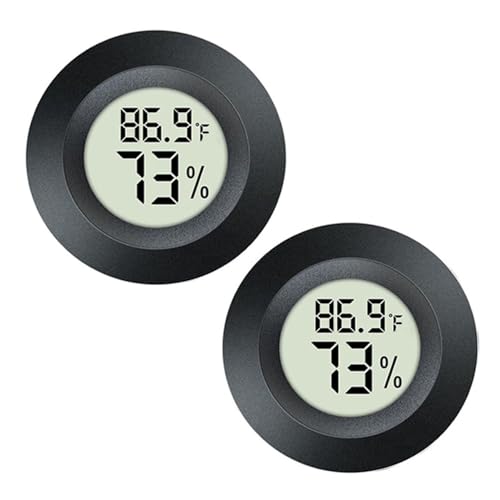
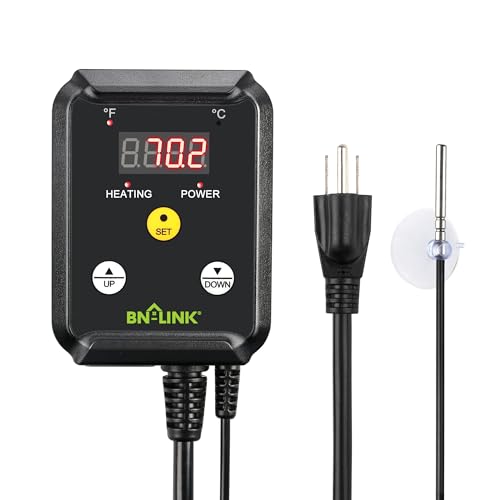
When temperature explains why is my hedgehog shaking, the fix is immediate: warm the enclosure to 75-80°F. A LUCKY HERP ceramic heat emitter provides heat without light, so it does not disturb your hedgehog’s day-night cycle. Pair it with a Fluker’s clamp lamp to safely hold the heat emitter above the cage. Always connect the heat source to a BN-LINK thermostat to prevent overheating. Use a JEDEW digital thermometer to monitor the temperature at cage level — the floor temperature where your hedgehog sleeps is what matters most. For a complete setup guide, see our hedgehog cage setup guide.
2. Wobbly Hedgehog Syndrome (WHS)
Wobbly Hedgehog Syndrome is a progressive neurological disease. It is one of the most serious answers to why is my hedgehog shaking, because there is no cure. WHS gradually destroys the nerve cells that control balance and movement.
Signs of WHS:
- Wobbling or stumbling when walking
- Difficulty standing, especially on the hind legs
- Head tilt or inability to hold the head steady
- Progressive weakness that gets worse over weeks or months
- Loss of coordination when trying to move
If WHS is the reason why is my hedgehog shaking, the symptoms will worsen over time. A vet can diagnose WHS by ruling out other conditions like ear infections or injury. While there is no cure, supportive care — including Fluker’s Repta Boost for nutritional support and physical therapy — can help maintain quality of life. For more on hedgehog health conditions, read our hedgehog health guide.
3. Stress or Fear
Stress is another frequent cause of why is my hedgehog shaking. New hedgehogs often shake for the first few days in a new home. Loud noises, sudden movements, bright lights, and the presence of other pets can all trigger stress-related trembling.
Signs stress is the cause:
- Shaking happens mainly when you approach or handle the hedgehog
- The hedgehog curls into a ball and raises its quills
- Popping or hissing sounds when disturbed
- The hedgehog calms down when left alone in a quiet space
- Normal appetite and activity when undisturbed
If stress explains why is my hedgehog shaking, the solution is patience and a calm environment. Limit handling to 10-15 minutes per day. Keep the cage in a quiet room away from TVs and other pets. A proper hedgehog cage with plenty of hiding spots helps your hedgehog feel secure. Most hedgehogs stop stress-related shaking within 1-2 weeks of gentle, consistent interaction. Understanding hedgehog behavior takes time but builds trust.
4. Mites or Skin Infection
Mites are microscopic parasites that burrow into the skin, causing intense itching and discomfort. If your hedgehog is scratching constantly and shaking, mites could be the reason why is my hedgehog shaking. Skin infections can also cause similar symptoms.
Signs of mites:
- Excessive scratching, especially around the ears and face
- Dry, flaky, or crusty skin
- Quill loss beyond normal shedding
- Visible irritation or redness on the skin
- The hedgehog seems restless and uncomfortable
What to do: If mites are the answer to why is my hedgehog shaking, take your hedgehog to an exotic vet for a skin scraping and treatment. Mite treatment usually involves prescription medication — over-the-counter mite sprays are often ineffective and can be harmful. Clean the entire cage and replace all bedding when treating mites to prevent reinfection. For bedding recommendations, see our best hedgehog bedding guide.
5. Nutritional Deficiency
A poor diet can lead to tremors and weakness. If your hedgehog is not getting enough protein, fat, or essential vitamins, this could explain why is my hedgehog shaking. Nutritional deficiency develops gradually over weeks or months.
Signs of nutritional deficiency:
- Weakness and trembling, especially after activity
- Dull or thinning quills
- Weight loss despite eating
- Lethargy and reduced activity
What to do: Feed a high-quality, protein-rich diet with 28-35% protein and 12-20% fat. Supplement with mealworms, crickets, and small amounts of cooked chicken. If you suspect nutritional deficiency is behind why is my hedgehog shaking, a high-calorie supplement like Fluker’s Repta Boost can provide critical nutrition while you adjust the diet. For complete dietary guidance, see our hedgehog diet guide.
How to Fix It
When figuring out why is my hedgehog shaking, follow these steps in order:
Step 1: Check the temperature first. Temperature is the most common cause and the easiest to fix. Use a thermometer to measure the cage floor temperature. If it is below 72°F, warm it up immediately. A ceramic heat emitter with a thermostat is the most reliable heating solution. Temperature issues explain most cases of why is my hedgehog shaking.
Step 2: Observe the behavior. If the temperature is fine, watch your hedgehog carefully. Does the shaking happen when you handle it? Does it happen when the hedgehog walks? Stress-related shaking happens during handling, while neurological shaking like WHS happens during movement.
Step 3: Check for mites. Look for excessive scratching, dry skin, and quill loss. If you see these signs alongside why is my hedgehog shaking, schedule a vet visit for a skin scraping.
Step 4: Review the diet. ensure your hedgehog is eating a high-protein food with appropriate fat content. If diet is the cause of why is my hedgehog shaking, switching to a better food and adding a nutritional supplement usually resolves the tremors within a couple of weeks.
When to See a Vet
| Symptom | Urgency | Timeline |
|---|---|---|
| Shaking + cold body | Critical | Warm immediately, then vet |
| Shaking + wobbling + leg weakness | High | Vet within 48 hours (WHS suspicion) |
| Shaking + weight loss | High | Vet within 48 hours |
| Shaking + excessive scratching | Medium | Vet within 1 week |
| Shaking only when handled | Low | Monitor, reduce stress |
| Shaking during shed or quilling | Low | Normal, monitor |
If why is my hedgehog shaking is accompanied by wobbling, head tilt, or hind leg weakness, these could be early signs of WHS or an inner ear infection. A vet visit is the safest course of action. For more on hedgehog lifespan and common age-related conditions, see our hedgehog lifespan guide.
Recommended Products
LUCKY HERP Ceramic Heat Emitter 2-Pack When cold temperature is the reason why is my hedgehog shaking, a ceramic heat emitter is the best solution. It provides heat without light, so it does not disrupt your hedgehog’s sleep cycle. This 2-pack gives you a spare.
Fluker’s Repta-Clamp Lamp 8.5” A clamp lamp is required to hold the ceramic heat emitter safely above the cage. The 8.5-inch dome accommodates 150W emitters and adjusts the angle to direct heat where your hedgehog sleeps.
BN-LINK Reptile Thermostat A thermostat is a non-negotiable safety device. It prevents the heat emitter from overheating the cage — temperatures above 85°F can also be dangerous. This is the single most important piece of equipment when investigating why is my hedgehog shaking due to temperature issues.
JEDEW Digital Thermometer 2-Pack These small thermometers stick inside the cage and show both temperature and humidity. Using two lets you monitor different areas. I recommend checking readings daily — temperature drift is a leading cause of why is my hedgehog shaking that many owners overlook.
Fluker’s Repta Boost A high-calorie, vitamin-fortified supplement for hedgehogs that are weak, recovering from illness, or showing signs of WHS. Mix with water and offer via syringe. It can provide critical nutrition while you address the underlying cause of why is my hedgehog shaking.
Frequently Asked Questions
Why is my hedgehog shaking and not eating? When why is my hedgehog shaking is combined with a refusal to eat, the most likely causes are cold temperature or illness. Check the temperature first. If it is above 72°F and your hedgehog still will not eat, see an exotic vet within 24-48 hours.
Why is my hedgehog shaking after a bath? Hedgehogs often shake after a bath because they are wet and cold. Dry your hedgehog thoroughly with a warm towel and keep the room warm during and after bath time. Shaking that stops once the hedgehog is dry and warm is nothing to worry about.
Why is my hedgehog shaking while sleeping? Occasional small twitches during sleep are normal and similar to dreaming in other animals. However, persistent shaking during sleep could indicate a neurological issue. If the shaking continues when your hedgehog wakes up, consult a vet.
Can hedgehog quilling cause shaking? Baby hedgehogs go through quilling at around 6-8 weeks and 4-6 months. During quilling, they may be more irritable and may twitch from discomfort, but true shaking is more likely caused by temperature or stress. Quilling causes fussiness, not trembling.
Why is my hedgehog shaking and falling over? This is a serious symptom. Falling over combined with shaking can indicate WHS, an ear infection, or a severe nutritional deficiency. You should see an exotic vet as soon as possible. Do not wait to see if the symptoms resolve on their own.