Trimming your hedgehog’s nails is one of the most important parts of hedgehog ownership. Overgrown nails can curl into paw pads, cause pain, and lead to serious infections. Yet many hedgehog owners avoid this task because they worry about hurting their pet or getting bitten.
The good news is that nail trimming becomes easier with practice. With the right tools, proper technique, and a patient approach, you can trim your hedgehog’s nails safely at home in under 10 minutes.
Why Nail Trimming Matters
Hedgehog nails grow continuously. In the wild, digging and running on rough surfaces naturally wears them down. In captivity, on soft bedding and smooth exercise wheels, nails can grow unchecked.
Neglected nails cause several problems:
- Pain and limping: Long nails force the toes into unnatural angles
- Curled nails: Severe overgrowth causes nails to spiral inward, piercing paw pads
- Torn nails: A long nail can catch on fabric or bedding and rip off, which bleeds heavily
- Infection risk: Pierced paw pads or torn nails create open wounds susceptible to bacterial infection
- Exercise avoidance: Pain discourages your hedgehog from using their wheel, reducing activity and causing weight gain
Most hedgehog veterinarians recommend trimming every 2 to 4 weeks. Check your hedgehog’s nails weekly. If you hear a clicking sound when they walk on hard floors, the nails are too long.
Tools You Need
Having the right supplies ready before you start makes the process smoother for both you and your hedgehog.
Essential tools:
- Small animal nail clippers: Scissor-style clippers designed for small pets give you the most control. Avoid human nail clippers, which can crush the nail.
- Styptic powder or cornstarch: Used to stop bleeding if you accidentally cut the quick.
- Good lighting: A desk lamp or flashlight helps you see the quick clearly.
- Towel: A small hand towel for wrapping your hedgehog if they are squirmy.
Helpful extras:
- Treats: Mealworms or small pieces of fruit to reward and distract.
- Magnifying glass: Useful if you have poor eyesight or your hedgehog has dark nails.
- Second person: An extra pair of hands makes the job much easier, especially for beginners.
Understanding the Quick
Before you start cutting, you need to understand the quick. The quick is the blood vessel and nerve inside the nail. Cutting it causes bleeding and pain. Your goal is to trim the nail just above the quick.
On light-colored nails, the quick appears as a pink area inside the nail. It is easy to see and avoid.
On dark or black nails, the quick is invisible from the outside. This is common in African Pygmy hedgehogs. For dark nails:
- Trim only the sharp tip (about 1/16 inch)
- Make several small cuts rather than one large one
- Look at the nail cross-section after each cut. A white circle with a dark dot in the center means you are close to the quick
- When in doubt, trim less. You can always cut more next week
IMAGE: diagram showing hedgehog nail anatomy with quick labeled —>
Step-by-Step Trimming Guide
Step 1: Pick the Right Time
Choose a moment when your hedgehog is calm and relaxed. The best times are:
- After a bath: Warm water relaxes your hedgehog and their quills lie flat
- During evening hours: Hedgehogs are naturally more active and alert at night
- After bonding time: If your hedgehog is already relaxed on your lap, transition smoothly into a trim
Avoid trimming when your hedgehog is:
- Annoyed, huffing, or balled up
- Just woken up from deep sleep
- Hungry or agitated
Step 2: Position Your Hedgehog
Place your hedgehog on your lap or a stable surface covered with a towel. There are three holding methods:
The belly-up hold (easiest for beginners):
- Gently scoop your hedgehog from above, supporting the belly
- Turn them onto their back in your hand or on your lap
- Most hedgehogs will uncurl when held belly-up, especially after a bath
- One foot at a time, extend each leg gently and trim
The towel wrap (for squirmy hedgehogs):
- Lay a small towel flat
- Place your hedgehog in the center and wrap loosely, leaving one foot exposed
- Trim the exposed foot, then rotate to the next
- Keep the wrap snug enough to prevent spinning but loose enough to breathe
The lap method (for calm hedgehogs):
- Let your hedgehog sit on your lap naturally
- Gently lift one foot at a time without picking them up
- Works best with well-socialized hedgehogs who trust their owner
Step 3: Trim Each Nail
- Hold the foot gently but firmly with your non-dominant hand
- Use your thumb to press the pad backward slightly, extending the nail
- Identify the quick (pink area in light nails, or trim conservatively for dark nails)
- Position the clippers perpendicular to the nail
- Make one clean, confident cut above the quick
- Move to the next nail on the same foot
Each hedgehog has five toes on the front feet and four on the back feet. That is 18 nails total. Start with the front feet since they are usually easier to access.
Step 4: Check Your Work
After trimming all nails, inspect each foot:
- Ensure no nails are left too long or uneven
- Check for signs of cracking or splitting
- Feel the toe pads for any tenderness
- Give your hedgehog a treat and plenty of praise
IMAGE: step-by-step photo series of nail trimming process —>
Handling Difficult Hedgehogs
Not every hedgehog cooperates willingly. If your hedgehog resists nail trims, try these strategies:
Build trust first: Handle your hedgehog daily for 10 to 15 minutes. Pick them up, let them explore your hands, and offer treats. A hedgehog that trusts you is far less likely to bite or ball up during trims.
Desensitize to feet touching: During regular bonding time, gently touch and hold each foot for a few seconds. Reward with a treat. Gradually increase the duration over several sessions.
Use distraction: Offer a mealworm or spread a small amount of banana on a spoon. Many hedgehogs are so focused on the treat they ignore the trimming.
Trim fewer nails per session: If your hedgehog gets stressed after a few nails, stop and finish the rest the next day. Three nails today and three tomorrow still gets the job done.
Try after bath time: Bathing is the single most effective way to calm a hedgehog for trimming. The warm water relaxes their muscles, flattens their quills, and makes them easier to handle. Many experienced owners only trim after baths.
Dealing with Bleeding
Accidentally cutting the quick happens to every hedgehog owner eventually. Do not panic. Follow these steps:
- Apply pressure: Hold a clean tissue or cotton ball against the nail for 30 seconds
- Use styptic powder: If available, dip the nail in styptic powder. Cornstarch or plain flour works as an alternative
- Keep the hedgehog calm: Place them in their enclosure and avoid handling for a few minutes
- Monitor: Minor bleeding stops within 1 to 2 minutes. If bleeding continues beyond 5 minutes, contact your veterinarian
A small amount of bleeding from a quick cut is not dangerous. Hedgehogs have small blood volumes, but a quick cut releases only a drop or two. The risk comes from excessive bleeding, which is rare with proper technique.
Common Mistakes to Avoid
Even experienced hedgehog owners make mistakes during nail trims. Here are the most common ones and how to prevent them.
Cutting too much at once: The single most common mistake is trying to trim the nail to its final length in one cut. This dramatically increases the risk of hitting the quick, especially on dark nails. Instead, trim small amounts in multiple passes over several days if the nails are badly overgrown.
Using dull clippers: Old or cheap clippers crush the nail instead of cutting it cleanly. This causes splintering, pain, and makes the quick harder to see. Replace your clippers every 6 to 12 months, or when you notice the cutting edge feels blunt.
Trimming when stressed: A stressed hedgehog is more likely to bite, ball up, or jerk their foot suddenly. An unexpected foot jerk at the wrong moment can cause a bad cut. Always wait for your hedgehog to calm down before starting.
Forgetting the dewclaw: Some hedgehogs have a small dewclaw higher up on the inside of the front leg. This nail is easy to miss but grows just as fast. Check for dewclaws during every trim session.
Skipping sessions: Waiting too long between trims makes the quick grow longer, leaving less safe nail to cut. Regular 2 to 4 week intervals keep the quick short and give you more margin for error.
Pulling the foot: Never yank or pull a hedgehog’s foot toward you. Their legs are delicate. If your hedgehog pulls away, let go and try again. Gentle persistence works better than force.
Nail Health Warning Signs
During regular trims, pay attention to the condition of your hedgehog’s nails and feet. These signs warrant a closer look or a vet visit.
- Brittle or cracking nails: Can indicate nutritional deficiency, particularly low biotin or protein. Review your hedgehog’s diet and consider adding a high-quality insect-based protein source.
- Thickened or deformed nails: May signal a fungal infection. This requires veterinary diagnosis and treatment, not just more frequent trims.
- Red or swollen nail beds: Inflammation around the base of the nail often indicates infection, especially if accompanied by limping.
- Missing nails: If a nail falls out without an obvious injury, the cause could be dietary, environmental, or related to an underlying health condition.
- Overgrown quicks: If you have been trimming regularly and the quick still extends to the nail tip, the nails may not be wearing down naturally. Check your hedgehog’s wheel and cage surfaces for opportunities for natural filing.
When to See a Veterinarian
While routine nail trims are a home care task, some situations require professional help:
- Severely overgrown or curled nails: If nails have grown into the paw pad, a vet should assess for infection before trimming
- Signs of infection: Redness, swelling, or discharge around the nail bed
- Broken nails: If a nail tears off and the bleeding does not stop with pressure
- Hedgehog bites during every trim: Some hedgehogs have extreme anxiety. A vet or experienced groomer can trim nails safely with proper restraint
Regular at-home trims reduce the need for veterinary nail care. By trimming every 2 to 4 weeks, nails never grow long enough to cause these problems.
Recommended Products
Having the right tools makes nail trimming safer and faster. Here are three products that hedgehog owners consistently recommend:
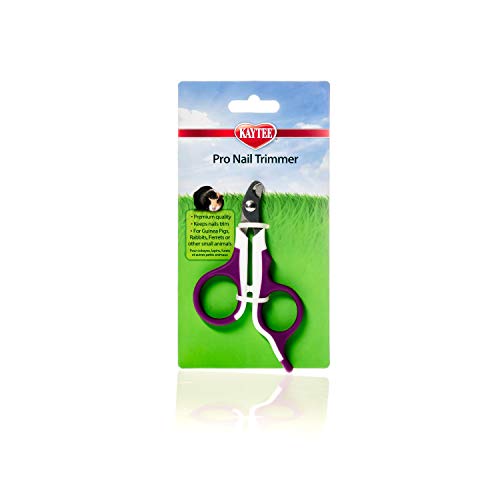
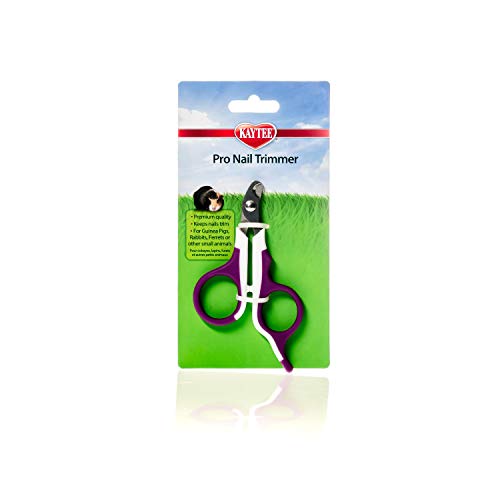
Kaytee Small Animal Pro-S Nail Trimmer — Scissor-style clippers designed for small pets. The angled blade gives excellent visibility and control. These are the most popular choice among hedgehog owners because the small size fits tiny nails perfectly.

Kwik Stop Styptic Powder — The gold standard for stopping bleeding from accidental quick cuts. A small dab stops bleeding within seconds. Keep this within arm’s reach during every trim session.

OIZEN Cowhide Leather Gardening Gloves — Leather gardening gloves protect your hands from quills and bites during trims. Especially helpful for new hedgehog owners who are not yet comfortable handling their pet.
Tips for Success
These tips come from experienced hedgehog owners who have trimmed thousands of nails:
- Start young: Begin handling and trimming when your hedgehog is young. Babies adapt more easily than adults.
- Be consistent: Trim on the same schedule, in the same location. Routine reduces stress.
- Stay calm: Hedgehogs sense your anxiety. Take slow breaths and move deliberately.
- Never chase: If your hedgehog balls up, wait. Trying to force them open causes more stress and increases biting risk.
- Reward every time: Always offer a treat after trimming, even if it was not perfect. Positive association makes future trims easier.
- Keep records: Note the date of each trim. This helps you track the right interval for your individual hedgehog.
How Trimming Fits Into Overall Grooming
Nail trimming is part of a complete hedgehog grooming routine. For full care guidance, read our articles on how to bathe a hedgehog, choosing the best hedgehog grooming kit, and understanding hedgehog health basics.
A well-groomed hedgehog is a healthy hedgehog. Regular nail trims prevent pain, reduce infection risk, and keep your pet active and comfortable.