I’ve kept hedgehogs for over five years. The very first thing I tell anyone considering one is this: heating is not optional. I nearly lost my first hedgehog during a winter power outage because I didn’t have a backup plan. She was cold, unresponsive, and balled up tight when I found her at 2 AM. It took three hours of gradual warming and an emergency vet visit the next morning to pull her through. That experience is why temperature management is the single most emphasized topic in this guide. It’s also why I wrote this entire guide — because when I started, I couldn’t find one resource that covered everything from diet and housing to quilling, hibernation emergencies, and self-anointing in a single place.
Whether you’re deciding if a hedgehog is right for you or you already have one and want to make sure you’re doing everything correctly, this is the resource I wish I’d had five years ago.
Quick Answer: The Hedgehog Care Summary
Hedgehogs are solitary, nocturnal insectivores that need a temperature-controlled environment (75-80°F), a high-protein diet of quality kibble plus insects, a large cage (4+ sq ft) with a 12-inch exercise wheel, fleece bedding, and a dark hideout. They live 4-6 years with proper hedgehog care. The three non-negotiables: never let them get cold (hibernation is fatal), never house them together (they’ll fight), and never feed them junk food (obesity and diabetes are common). Initial setup costs $200-400; monthly care runs $40-80.
Quick-reference hedgehog care sheet:
| Category | Requirement | Details |
|---|---|---|
| Cage size | 4+ sq ft minimum | Larger is better — storage bins work great |
| Temperature | 75-80°F (24-27°C) | Below 72°F = hibernation attempt (fatal) |
| Diet | High protein, low fat | Staple kibble + insects + limited treats |
| Exercise | 12-inch wheel (minimum) | Hedgehogs run 5+ miles/night |
| Bedding | Fleece liners (recommended) | Avoid pine/cedar — toxic fumes |
| Hideout | Enclosed, dark | Essential for reducing stress |
| Social | Solitary only | One per cage, always |
| Lifespan | 4-6 years | With proper diet and vet care |
For detailed cage setup instructions, see our dedicated hedgehog cage setup guide.
Are Hedgehogs Good Pets?
Every responsible resource starts with an honest assessment because too many people buy hedgehogs on impulse and rehome them within months. Hedgehogs are NOT like hamsters or guinea pigs — they have specialized needs that make them more similar to keeping a reptile in terms of environmental requirements. Any responsible guide has to be upfront about this. Any guide that doesn’t mention temperature requirements is doing you a disservice.
The honest pros:
Hedgehogs are quiet — there’s no barking, squeaking, or nighttime noise beyond the soft sound of wheel running. They produce minimal odor with clean bedding, which makes them apartment-friendly. Their compact size means a proper cage fits in any room. They’re genuinely fascinating to observe, with unique behaviors like self-anointing and ball-curling that you won’t see in any other common pet. They’re independent and don’t need a companion, so they’re fine alone during work hours. With good care, their 4-6 year lifespan is long for a small pet.
The honest cons — and I mean it:
Hedgehogs are temperature-dependent. They require 75-80°F year-round, which means heating costs in winter and real anxiety during power outages. They’re nocturnal, becoming active around 9 PM to 3 AM — not ideal if you want daytime interaction. They’re not cuddly. They tolerate handling but don’t seek it like dogs or cats. They’re literally covered in 5,000-7,000 spines that can hurt bare hands, especially when they’re nervous and ball up. Vet care requires an exotic animal specialist, which costs $80-200 per visit. And they’re illegal in some states — California, Georgia, Hawaii, Pennsylvania, and New York City all ban or restrict hedgehog ownership.
Bottom line: Hedgehogs are rewarding pets for patient owners who appreciate observing unique animal behavior rather than expecting cuddles. If you want a hands-on, daytime pet, get a guinea pig or rabbit instead. If you’re fascinated by exotic animals and willing to invest in proper setup and care, a hedgehog can be an incredible companion. For a comparison with other small pets, see our guinea pig care guide or hamster care guide.
Hedgehog Care Requirements: What You Need Before Bringing One Home
Set up the enclosure at least one week before your hedgehog arrives. Don’t bring a hedgehog home until you have these essentials ready — this gives you time to verify temperature stability and work out any issues.
Pre-arrival checklist:
| # | Item | Why It’s Essential |
|---|---|---|
| Enclosure (4+ sq ft) | Minimum space for wheel, food, hideout | $40-120 |
| Heating setup (pad + thermostat) | Below 72°F = fatal hibernation attempt | $28-50 |
| 12-inch exercise wheel | They run 5+ miles/night — no wheel means obesity and stress | $30-40 |
| Fleece bedding liners (2-3 sets) | Dust-free, no ingestion risk | $38-76 |
| Hideout/cave | Dark enclosed space reduces stress | $13-25 |
| Staple food (hedgehog kibble) | Specialized diet — no cat food substitutes long-term | $9-15 |
| Food + water bowls | Shallow, heavy, tip-proof | $8-12 |
| Nail clippers | Trim every 2-3 weeks — overgrown nails cause injury | $7 |
| Digital thermometer | Monitor cage temp 24/7, not just room temp | $10-15 |
Total initial setup: $180-350
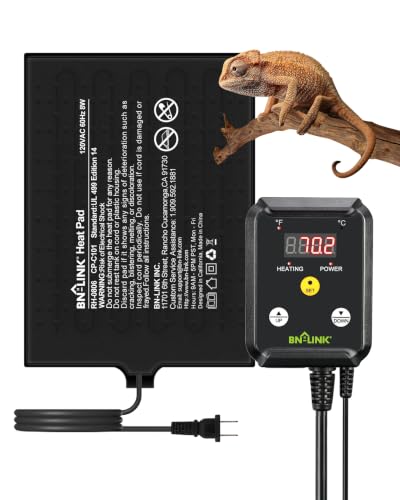
I recommend the BN-LINK Durable Reptile Heating Pad with Digital Thermostat ($28). It’s a complete combo — heating pad and digital thermostat in one package — and the 6” x 8” size is ideal for creating a hot zone under one-third of the cage floor. The thermostat probe lets you maintain precise temperature at hedgehog level, which is critical.
For the exercise wheel, the Silent Runner 12” Wide Exercise Wheel ($40) is the one I’ve used for years. Its dual ball-bearing system is genuinely silent — and when your hedgehog runs 5+ miles every night, a squeaky wheel will keep you awake. The textured running surface gives good grip without being rough on their feet.
For bedding, I switched to Paw Inspired PopCorner Fleece Cage Liners (Midwest) ($37.95) and never went back to loose bedding. They’re 100% dust-free, which eliminates respiratory irritation risk, and the waterproof bottom layer prevents urine from soaking through to the cage floor. The Midwest-size pad fits a standard 47-inch habitat; you’ll need 2-3 sets for rotation — wash one set while another is in use.
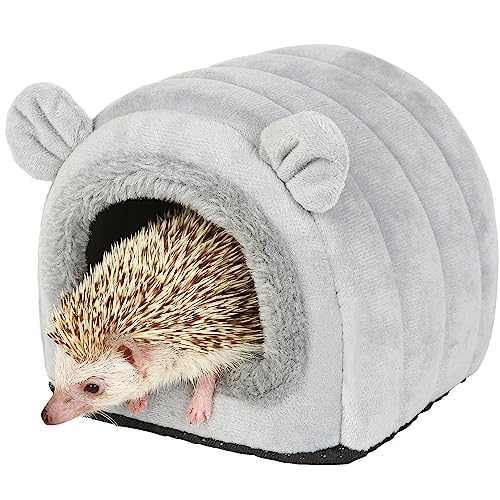
Every hedgehog also needs a dark, enclosed hiding spot. The Hedgehog Bed Cave Hideout ($13) is specifically designed for hedgehog size and shape, with a soft inner lining. At $13, it’s the cheapest essential on this list, but it’s absolutely critical — hedgehogs are prey animals and need a secure, dark space to sleep during the day.
For nail care, the H&H Pets Cat Nail Clipper ($7) gives precise scissor-style control for tiny hedgehog nails. The built-in LED light helps you see the quick. At $7, there’s no reason to skip this essential grooming tool.
For detailed product recommendations beyond this guide, see our best hedgehog cage and best hedgehog bedding guides.
How to Take Care of a Hedgehog: Daily, Weekly, Monthly
A consistent routine is the backbone of good hedgehog care. Every experienced owner will tell you the same thing — consistency matters more than perfection. Here’s the schedule I’ve followed for five years:
| Frequency | Tasks | Time |
|---|---|---|
| Daily | Fresh food and water, spot-clean soiled areas, check temperature, 15-30 min handling, wheel check | 20-30 min |
| Weekly | Full bedding change, bath (every 2-4 weeks), nail trim check, weight check, wheel deep clean | 30-45 min |
| Monthly | Full cage deep clean, health check (skin, eyes, nose, feet), trim nails, reorder supplies | 30-60 min |
| Quarterly | Vet wellness check, assess weight trend, review diet, replace worn items | 1-2 hours |
Temperature check is the most important daily task. Before anything else, glance at the cage thermometer. If it’s below 72°F, your hedgehog may already be attempting hibernation — this is the emergency I mentioned at the start of this guide. Don’t skip this check, even if the room “feels warm enough.” Room temperature and cage temperature can differ significantly, especially in winter.
For the daily handling session, timing matters. Since hedgehogs are nocturnal, the best time is after 8 PM when they’re naturally waking up. Wake a sleeping hedgehog during the day only for essential health checks — they’ll be groggy and stressed otherwise.
Hedgehog Diet and Nutrition
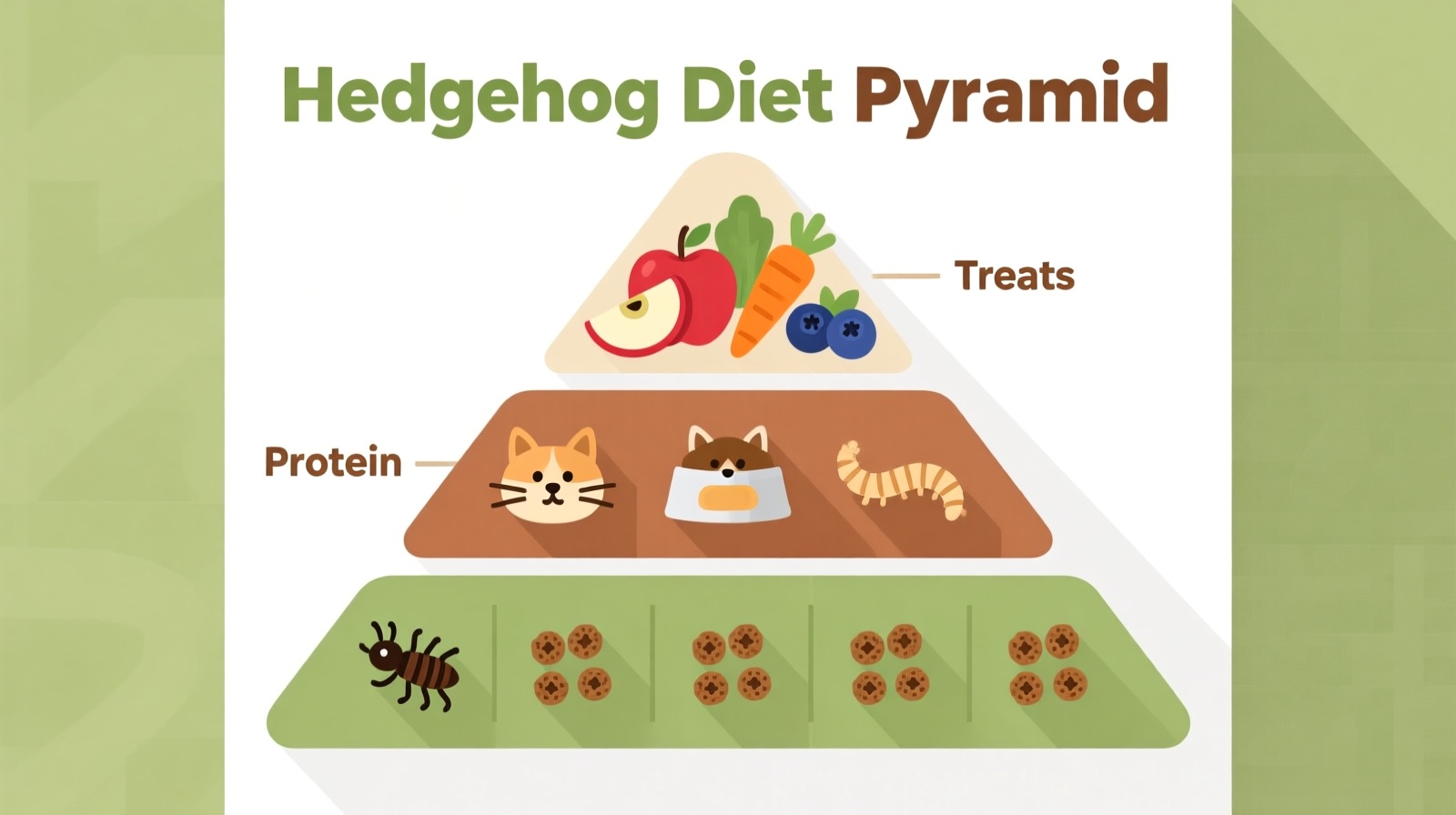
Proper nutrition is the foundation of good hedgehog care. This section covers everything you need to know about feeding your hedgehog correctly. African Pygmy Hedgehogs are insectivores — in the wild they eat insects, worms, and small invertebrates. In captivity, they need a high-protein, moderate-fat, low-carbohydrate diet that mimics their natural intake.
Ideal macronutrient profile for hedgehogs:
- Protein: 28-35% from insects and quality kibble
- Fat: 10-15% (too much fat leads to obesity, which is extremely common in pet hedgehogs)
- Fiber: 2-5%
- Avoid: excess sugar, grains, fillers, and anything you can’t identify as a real food ingredient
Hedgehog Safe Foods List
For the staple diet, I recommend Suncoast Spike’s Delite Premium Hedgehog Diet ($39.75). It’s specifically formulated for hedgehogs with the correct protein-to-fat ratio, and at $39.75 for the bag it’s good value for a hedgehog-specific formula. I’ve tried other brands and Suncoast Spike Delite is the one my hedgehogs have consistently eaten without hesitation — which is why I specifically recommend it.
Staple diet (daily):
- Suncoast Spike Delite hedgehog kibble — 1-2 tablespoons per day
- Dried or live mealworms — 1-3 per day as a protein supplement
- Crickets or dubia roaches — 2-3 times per week for variety
- Cooked plain chicken or turkey — small pieces, 1-2 times per week
Safe treats (1-2 times per week maximum):
- Small pieces of apple (no seeds — apple seeds contain amygdalin which releases cyanide), banana, blueberries, strawberry
- Cooked sweet potato, carrot, green beans
- Plain cooked egg (scrambled or hard-boiled)
- Mealworms as a treat (limit to 3-5 per day — they’re high in fat and too many cause obesity)
Foods Toxic to Hedgehogs
NEVER feed these — some are fatal:
- Chocolate, caffeine, alcohol — toxic to all animals, potentially fatal
- Grapes and raisins — cause kidney damage, potentially fatal
- Onions, garlic, chives — cause anemia by destroying red blood cells
- Avocado — contains persin, which is toxic to hedgehogs
- Raw meat or eggs — salmonella risk from bacterial contamination
- Dairy products — hedgehogs are lactose intolerant, causes digestive distress
- Nuts and seeds — choking hazard and far too high in fat content
- Any junk food or processed human food — preservatives, salt, sugar are all harmful
For a comprehensive diet breakdown beyond this guide, see our hedgehog diet guide, our best hedgehog food recommendations, and our guide to hedgehog soft food for older hedgehogs with dental issues.
Hedgehog Habitat and Cage Setup
The cage is your hedgehog’s entire world — they spend 20+ hours per day in it. Getting this right is fundamental to responsible hedgehog care. Let me break down cage setup zone by zone.
Minimum requirements:
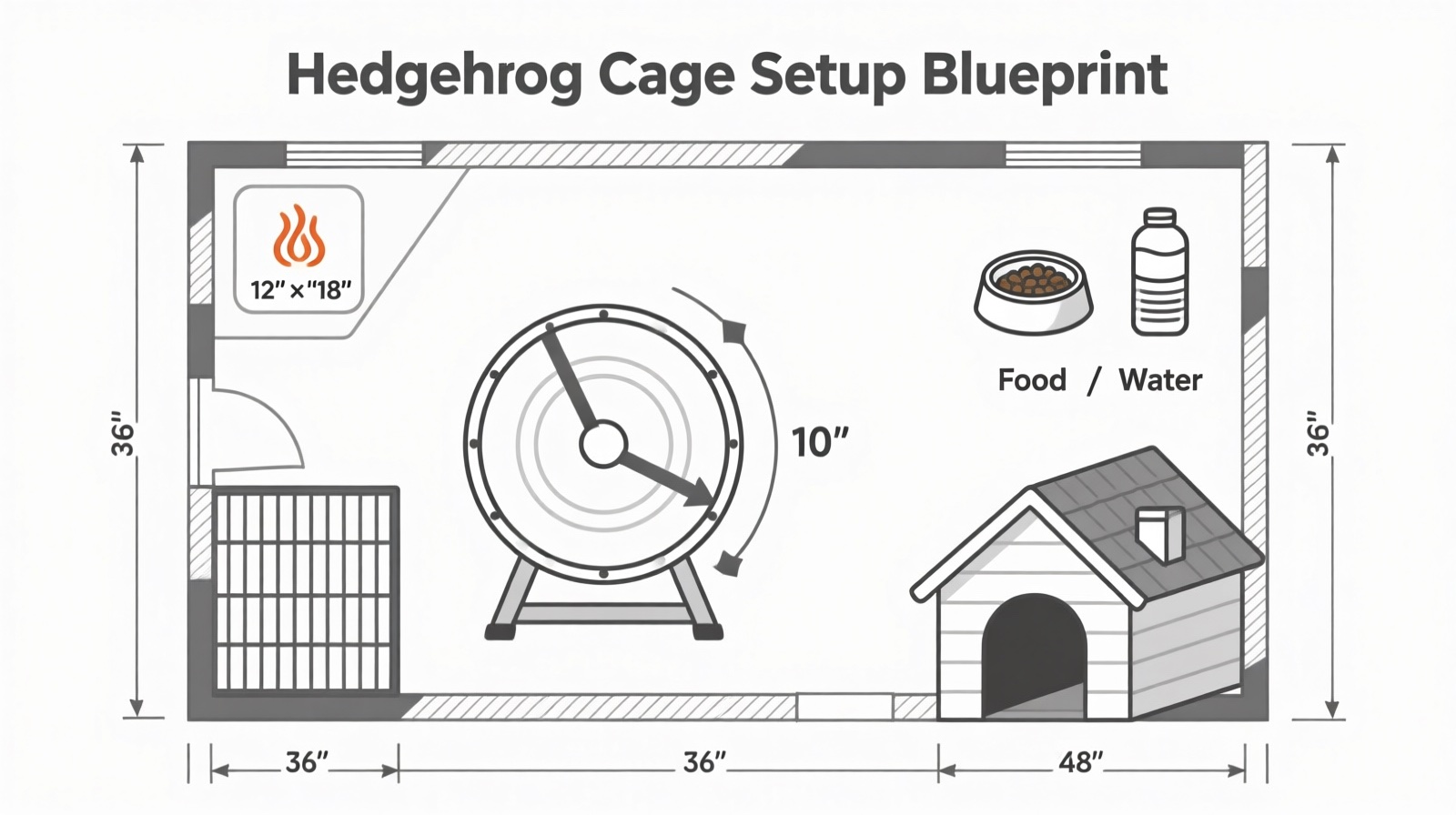
- Floor space: 4 sq ft (2x2 ft) minimum — bigger is always better
- Enclosure type: Glass terrarium, plastic storage bin cage, or commercial hedgehog cage
- Bar spacing: No wire floors ever (leg injury risk), and no bars wider than 1 inch
- Ventilation: Good airflow without drafts — a drafty cage is almost as dangerous as a cold one
Key setup zones within the cage:
| Zone | What Goes Here | Purpose |
|---|---|---|
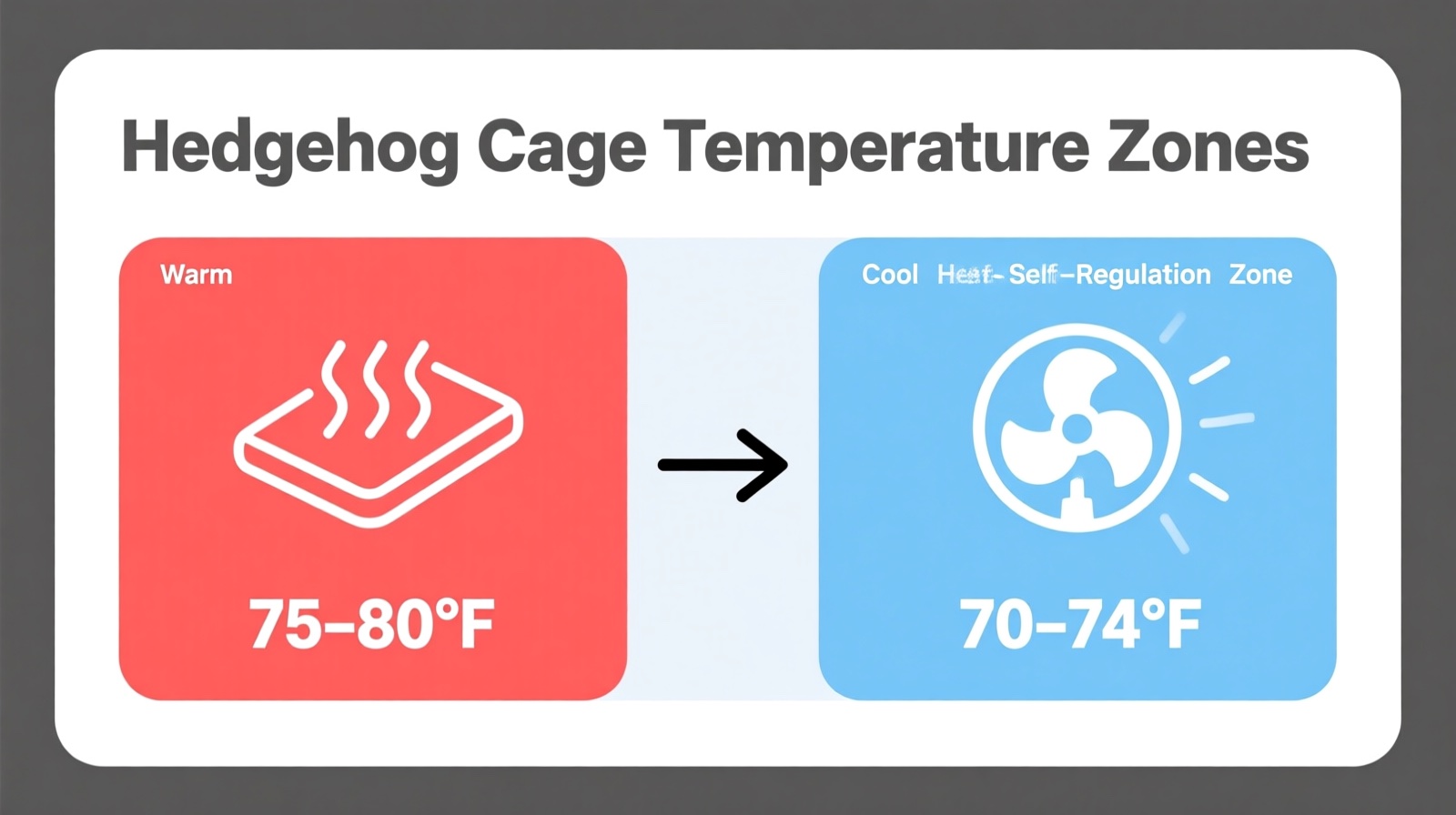
| Hot zone (1/3 of cage) | Heating pad under floor, thermostat probe | Maintain 75-80°F |
| Cool zone (1/3 of cage) | Water bowl, food area | Allows temperature self-regulation |
| Activity zone (1/3 of cage) | 12-inch wheel, toys | Exercise and enrichment |
| Sleep zone (corner) | Hideout/cave with fleece | Dark, secure sleeping area |
The hot zone concept is something many first-time owners miss. I’m explaining it here because getting the temperature zones wrong can be just as dangerous as having no heating at all. The BN-LINK heating pad goes under only one-third of the cage floor, not the whole floor. Your hedgehog needs a cool zone to self-regulate — if the entire floor is warm, they can’t escape the heat when they want to. Place the thermostat probe at hedgehog level on the cage floor, not on the wall or near the ceiling where temperatures read differently.
Hedgehog Temperature Requirements
This is the most critical aspect of this entire guide. I’ll say it again: temperature management is the single most important topic. Temperature kills faster than poor diet, dirty cages, or any other mistake you might make. I cannot emphasize this enough.
Temperature ranges and their effects:
| Temperature | Range | Effect |
|---|---|---|
| 80°F+ (27°C+) | Too hot | Heat stress, lethargy, may stop eating |
| 75-80°F (24-27°C) | Ideal | Active, eating, normal behavior |
| 72-75°F (22-24°C) | Warning | May become sluggish, monitor closely |
| Below 72°F (22°C) | Danger | Hibernation attempt begins |
| Below 65°F (18°C) | Emergency | Active hibernation — can be fatal within hours |
Power outage protocol — have this ready before you need it: chemical hand warmers wrapped in a towel placed near (not touching) the cage, or a small battery-powered heat pad. A power outage in winter can be fatal within hours. I keep a dedicated emergency kit — something I strongly recommend every owner prepare with four large chemical hand warmers and a fleece blanket next to the cage at all times after my near-miss experience.
Hedgehog Handling and Bonding
Hedgehogs are not naturally affectionate — you have to earn their trust through consistent, patient interaction. New hedgehogs need 2-4 weeks of patience before they become comfortable with handling. This is one of the most rewarding parts of hedgehog ownership, but it requires commitment.
Hedgehog Bonding Tips
Step-by-step bonding process:
- Days 1-3: Let them settle. Don’t handle much — just change food and water, talk softly near the cage, and let them get used to your scent and voice
- Days 4-7: Start hand-feeding treats. Mealworms work great for this — hold one in your fingers and let them take it. Let them sniff your hand without picking them up
- Week 2: Pick up for 5-10 minutes daily. Use a fleece bonding bag if they’re too prickly to hold bare-handed. Support the belly, never grab from above
- Week 3+: Gradually increase handling time to 15-30 minutes. Let them explore on your lap, your shoulders, a safe enclosed area
- Ongoing: Handle at least 15 minutes daily — they’ll regress if ignored for more than a few days. Consistency matters more than duration
Handling technique: Always scoop from underneath, not from above. Grabbing from above triggers their prey response and they’ll ball up tighter. Support the belly with your palm. Expect them to ball up at first — stay calm, hold still, and wait. Never wear gloves — they learn to associate gloves with handling and stay scared of bare hands.
Signs your hedgehog trusts you: Relaxed quills (lying flat, not raised defensively), exploring your hands voluntarily, clicking or purring sounds (these are contentment vocalizations, not distress), accepting food directly from your fingers, and the ultimate sign — falling asleep on you.
For a deeper dive into understanding your hedgehog’s behavior, see our hedgehog behavior guide.
Hedgehog Health and Common Issues
The most important health principle: hedgehogs hide illness. As prey animals, showing weakness in the wild means becoming someone’s dinner. By the time you notice something wrong at home, the problem is often already advanced. The solution is proactive weekly health checks — I do this every Sunday.
Weekly health check routine — I do this every Sunday:
- Eyes: Bright, clear, no discharge or crust. Dull or sunken eyes can indicate dehydration or illness
- Nose: Clean and dry, no bubbles or discharge. A runny nose often signals respiratory infection
- Ears: Clean edges, no crust, no mites. Crusty ear edges are a classic sign of mite infestation
- Skin: No redness, flakes, scabs, or bald patches. Part the quills and look at the skin underneath
- Feet: No sores, nails not overgrown. Long nails curl and cause foot injuries
- Weight: Stable on a kitchen scale. Sudden weight loss (more than 10% in a week) is a red flag
- Quills: Even coverage, no thinning patches. A few loose quills daily is normal
- Bottom: Clean, no signs of diarrhea or poop buildup. Fecal staining can indicate digestive issues
Hedgehog Quilling — What to Expect
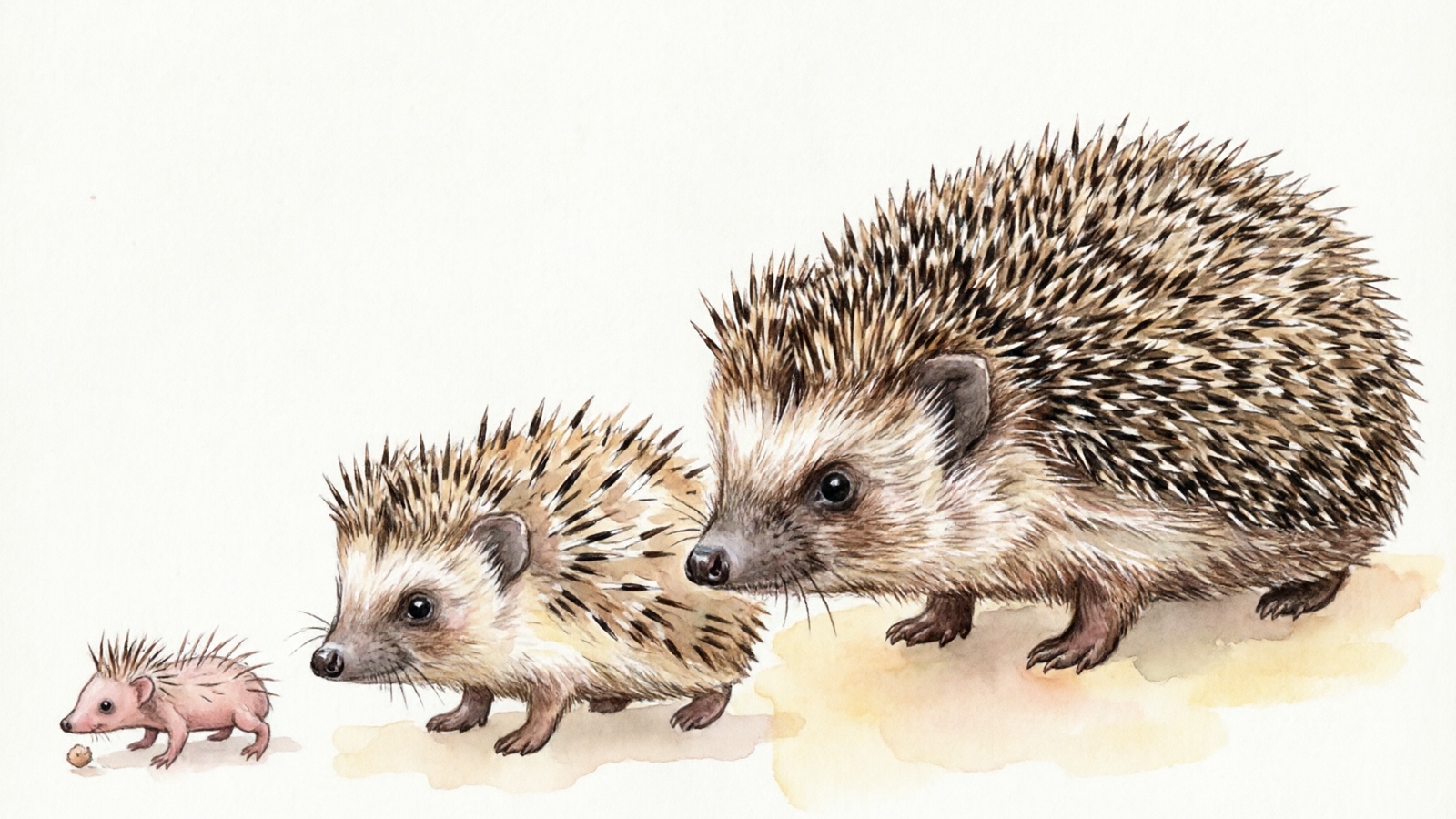
Quilling is the hedgehog equivalent of teething in puppies. Baby hedgehogs go through several quilling phases where they shed old quills and grow new adult ones. It’s uncomfortable for them, and they’ll let you know through grumpiness and reduced tolerance for handling.
Quilling timeline:
| Age | Phase | What Happens |
|---|---|---|
| 4-6 weeks | First quill | Baby quills emerge, replacing the soft birth coat |
| 6-8 weeks | Major quill | Baby quills fall out, adult quills grow in — most uncomfortable phase |
| 12-16 weeks | Second quill | Additional adult quills fill in, coat thickens |
| 6-12 months | Minor quill | Final adult coat development, last thin spots fill in |
During quilling, your hedgehog may be grumpy and less tolerant of handling, have thin spots or uneven quill coverage, scratch more than usual, and eat slightly less due to discomfort from new quill growth pushing through the skin. This is completely normal and temporary.
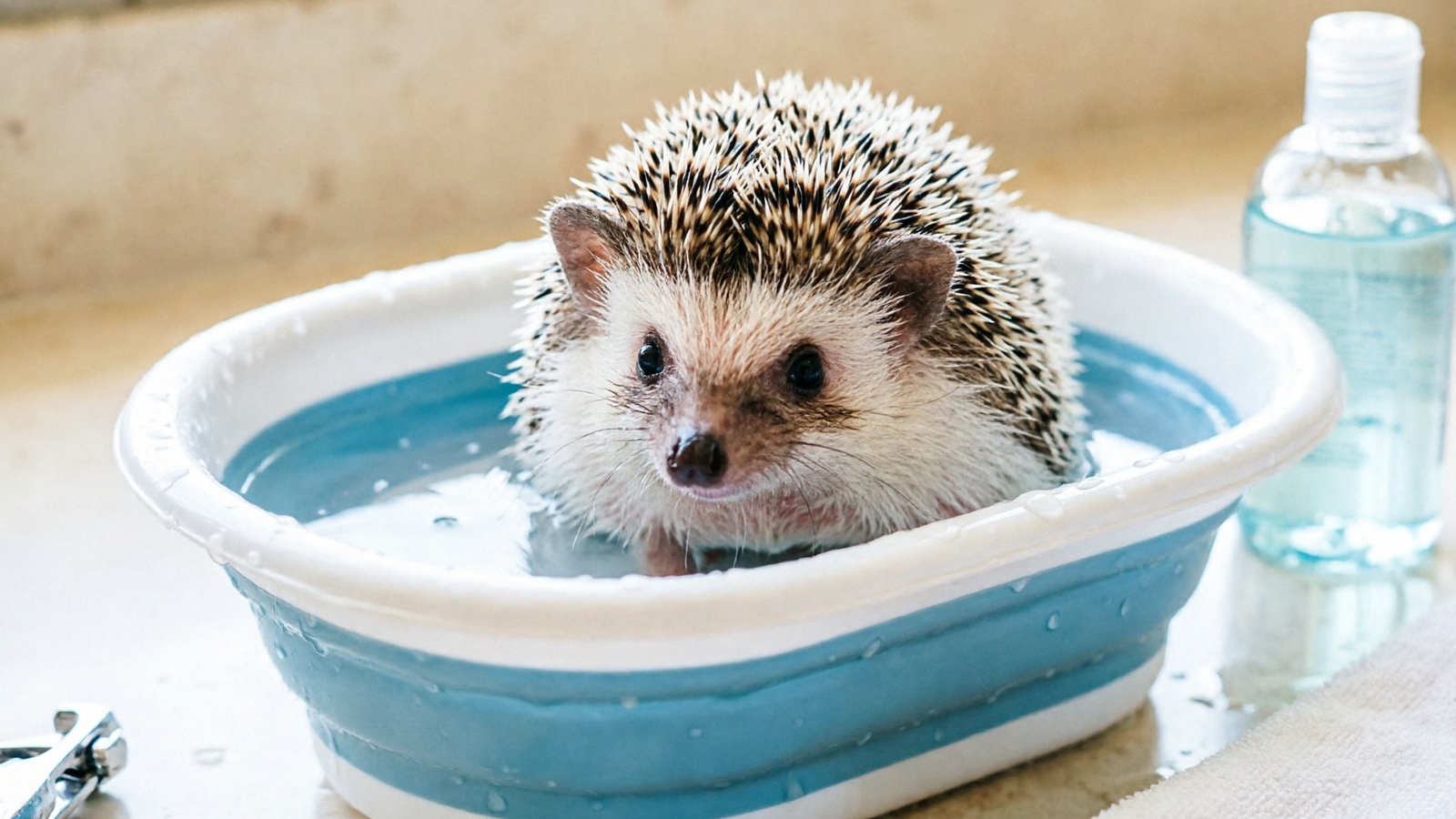
What I do during quilling: Give them an oatmeal bath — 1-2 tablespoons of colloidal oatmeal (plain, unscented) mixed into warm (not hot) water, 5-minute soak. This soothes the skin and helps loose quills fall out naturally. Don’t pull on loose quills — they’ll come out on their own, and pulling can damage the follicle. Avoid excessive handling during peak quilling at 6-8 weeks.
Quilling vs mites — this distinction matters: Normal quilling means scattered quill loss with no skin changes underneath. Mites means clumps of quills falling out together, red or crusty skin visible between quills, and excessive scratching. For a complete guide to diagnosing and treating abnormal hedgehog losing quills, including stress-related causes and treatment options, see our dedicated article. If you see any skin issues beyond normal thin spots, see a vet — mites require prescription medication and won’t resolve on their own.
Hedgehog Hibernation Attempt — Emergency Protocol
This is the most dangerous health emergency in hedgehog care, and the single most important section in this article. Temperature kills. African Pygmy Hedgehogs cannot survive hibernation — it causes organ failure, respiratory distress, and death. If you remember nothing else, remember this.
Hibernation danger signals:
| Signal | What to Look For | Urgency |
|---|---|---|
| Unresponsive, balled up during active hours | Won’t uncurl when picked up at night | Emergency |
| Cold belly | Belly feels cool to the touch | Emergency |
| Wobbly, unsteady walking | Stumbling, disoriented movement | Emergency |
| Loss of appetite | Food untouched for 12+ hours | Urgent |
| Lethargy | Sleeping during nighttime, slow responses | Urgent |
| Cool ambient temperature | Cage thermometer reads below 72°F | Prevent |
Emergency warming protocol — step by step:
- Move your hedgehog to a warm surface immediately — heating pad on low setting, wrapped in a towel, or against your body under your shirt
- Warm gradually — target 80-85°F body temperature over 30-60 minutes. Warming too fast causes shock, which can kill them
- Do NOT use hot water or a hair dryer — burns and thermal shock are real risks
- Offer warm water from a dropper if your hedgehog is alert enough to drink
- Check for other symptoms while warming — nasal discharge, labored breathing, weight loss
- See an exotic vet ASAP — even if your hedgehog seems to recover, internal organ damage may have occurred. Liver and kidney damage from hibernation attempts can be silent and progressive
Prevention is the real cure: Use a thermostat-controlled heating pad ($28) under one-third of the cage floor, monitor cage temperature daily with a thermometer at hedgehog level, and have a backup heating plan for power outages. I also recommend a temperature alarm — something I consider essential for peace of mind — some digital thermometers can be set to alert you if the temperature drops below a threshold.
For comprehensive health information beyond emergencies, see our hedgehog health guide.
Hedgehog Self Anointing — The Weird Behavior Explained
Self-anointing is one of the most bizarre and fascinating hedgehog behaviors you’ll witness. When a hedgehog encounters a new or strong-smelling substance, they may chew on it, create a frothy saliva in their mouth, and spread it over their quills and back in an impressive contortionist display — they can literally twist themselves in half to reach their back.
Common triggers include:
- New foods, especially strong-smelling ones like mealworms or certain fruits
- New bedding material or substrate
- Certain chemicals, lotions, perfumes, or fabrics on your hands
- Unfamiliar insects
What’s actually happening: The exact reason is still debated among scientists, but the leading theory is that hedgehogs use their saliva to blend their own scent with environmental odors — potentially as camouflage against predators who rely on smell. Another theory suggests it may help them remember or mark unfamiliar substances. Whatever the reason, it’s a behavior unique to hedgehogs among common pets, and it’s genuinely fun to watch. I’ve included this section because new owners often panic when they first see it, thinking their hedgehog is having a seizure.
Is it normal? Completely normal. Almost all hedgehogs do this. It looks alarming — they twist into weird positions, foam at the mouth, and spread saliva everywhere — but it’s harmless and actually a sign of a healthy, curious hedgehog engaging with their environment.
When to worry about anointing: If self-anointing is accompanied by excessive drooling that continues for hours, loss of appetite, or visible mouth sores, this could indicate dental problems rather than normal anointing behavior. Otherwise, enjoy the show — it’s one of the quirks that makes hedgehog ownership so unique.
Hedgehog Care Cost: Real Numbers Breakdown
Be honest about costs before committing to hedgehog care. I’m giving you real numbers so there are no surprises. Too many guides gloss over this, and surprise expenses are one of the top reasons hedgehogs get rehomed.
| Category | Initial Cost | Monthly Cost |
|---|---|---|
| Cage/enclosure | $40-120 | — |
| Heating pad + thermostat | $28-50 | — |
| Exercise wheel | $30-40 | — |
| Bedding (fleece, 2-3 sets) | $38-76 | $5-8 (replacement) |
| Hideout | $13-25 | — |
| Food (kibble + insects) | — | $15-25 |
| Treats + supplements | — | $5-10 |
| Vet care (annual wellness) | $80-150/year | — |
| Emergency vet fund | $200-500 (save upfront) | — |
| Total | $430-900 | $40-80/month |
Over a 5-year lifespan: $2,800-5,700 total cost. The emergency vet fund is not optional — hedgehog emergencies happen, and they’re always more expensive than you expect. My emergency vet visit for the power outage hibernation attempt cost $180. An exotic vet visit for respiratory infection — something I hope you’ll never need but wants you to be prepared for — can run $200-400 with medications.
For comparison with other small pet costs, see our guides on hamster costs and guinea pig supplies.
Exercise and Enrichment
A bored hedgehog is an obese, stressed hedgehog. No care resource is complete without emphasizing exercise requirements. In the wild, hedgehogs travel 1-2 miles per night foraging for food. In captivity, the exercise wheel is non-negotiable — it’s not optional enrichment, it’s a core health requirement.
The Silent Runner 12” Wide Exercise Wheel ($40) is the wheel I’ve used for all my hedgehogs. The 12-inch wide running surface is the minimum size for adult hedgehogs — anything smaller forces them to arch their back while running, which causes spinal problems over time. The dual ball-bearing system makes it genuinely silent, which your nighttime sanity will thank you for. Every owner should know about wheel noise because it’s the number one complaint from new owners. Hedgehogs routinely run 5+ miles per night, and a squeaky wheel at 2 AM will drive you crazy.
Additional enrichment ideas:
- Digging box — a shallow container filled with clean play sand or plain rice (not soil from outside — parasite risk)
- Toilet paper tube tunnels — cut them lengthwise so your hedgehog can’t get stuck
- Cat teaser toys — feather wands are great for interactive play sessions
- Foraging toys — hide mealworms inside a toilet paper tube stuffed with crumpled paper
- Supervised floor time — let them explore a hedgehog-safe room for 20-30 minutes (block all gaps under furniture and cover any cords)
For more toy and enrichment ideas beyond this guide, see our hedgehog toys guide.
Frequently Asked Questions
Q: Are hedgehogs good pets for beginners?
Hedgehogs can be good pets for dedicated beginners, but they’re not low-maintenance. They require specific temperatures (75-80°F), a specialized diet, and regular handling to stay social. They’re nocturnal, so you’ll mainly interact with them at night. If you’re willing to invest in proper heating, diet, and bonding time, a hedgehog can be a rewarding first exotic pet.
Q: How much does hedgehog care cost per month?
Monthly costs average $40-80: food ($15-25), bedding ($5-8), heating electricity ($5-10), and miscellaneous ($10-15). Initial setup runs $200-400. Over a 4-6 year lifespan, expect $2,500-5,000 total including vet care.
Q: Do hedgehogs smell?
Healthy hedgehogs produce almost no body odor — something worth emphasizing because odor is a common concern for new owners. Strong smells come from dirty cages, not the hedgehog itself. With daily spot cleaning and full bedding changes every 3-4 days, a hedgehog cage should not smell. If the hedgehog itself smells bad, it could indicate a health issue.
Q: Can hedgehogs be litter trained?
Partially. Place a small paper-based litter pan in the corner they already use. Some hedgehogs learn within a week, others never fully catch on. Even partially trained ones need regular cage cleaning.
Q: How long do hedgehogs sleep?
12-14 hours per day, mostly during daylight. I recommend respecting their nocturnal schedule. They’re nocturnal, active from roughly 7-9 PM to early morning. Sleeping during nighttime active hours can indicate illness or that the room is too cold.
Q: Why is my hedgehog losing quills?
Baby hedgehogs (6-12 weeks) naturally shed quills during the “quilling” phase — similar to teething. Adult hedgehogs losing quills excessively with bald patches or crusty skin may have mites or infection and need a vet. Normal shedding is a few quills per day.
Q: Can hedgehogs live together?
No. Hedgehogs are strictly solitary — I cannot stress this enough. Housing two together leads to fighting, stress, and injury. One per cage, always.
Q: What temperature is too cold for hedgehogs?
Below 72°F (22°C) is dangerous. The temperature section above covers the full danger scale. Below 70°F triggers fatal hibernation attempts in African Pygmy Hedgehogs. The safe range is 75-80°F (24-27°C). Always use a cage thermometer, not just a room thermometer.