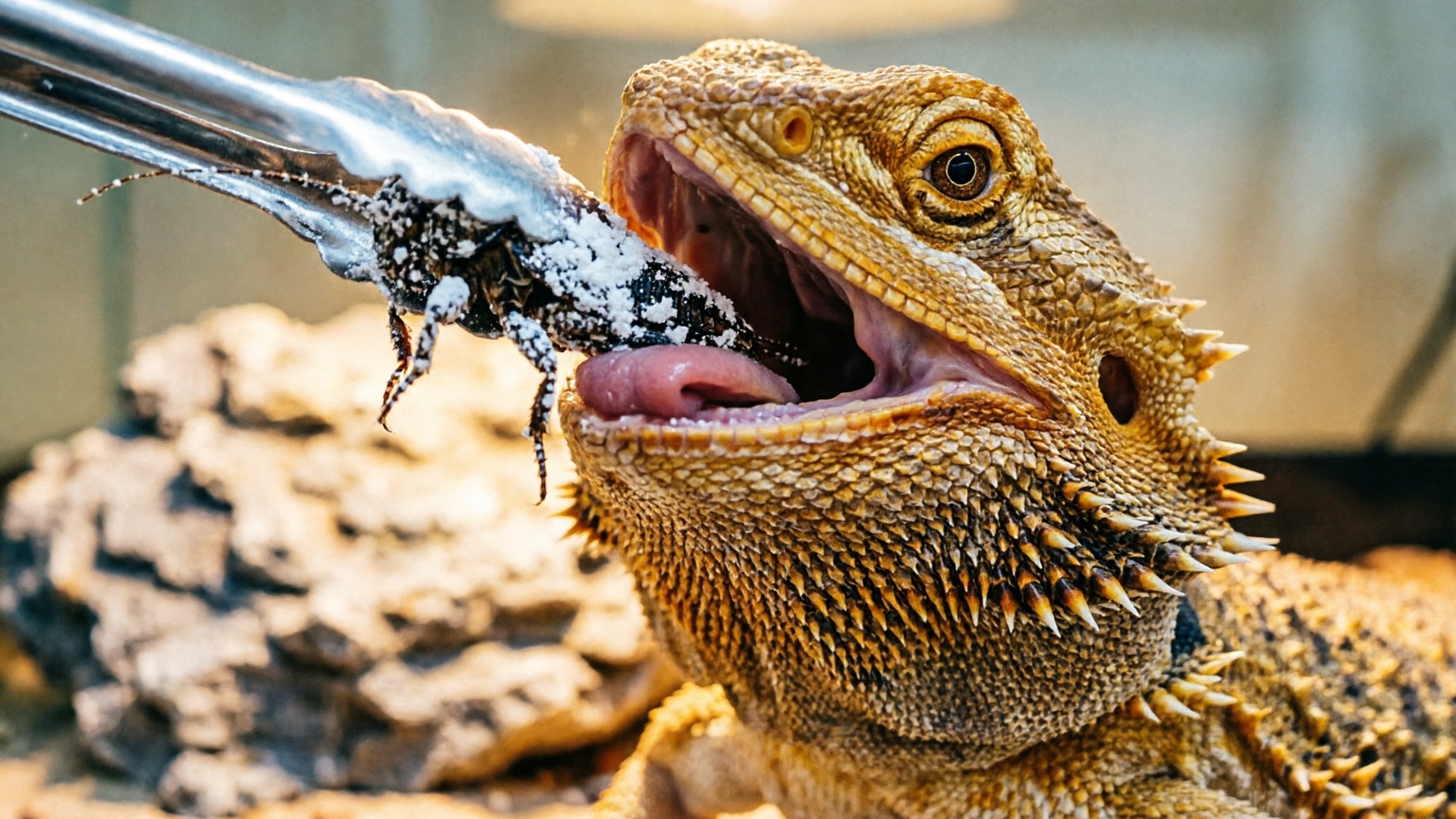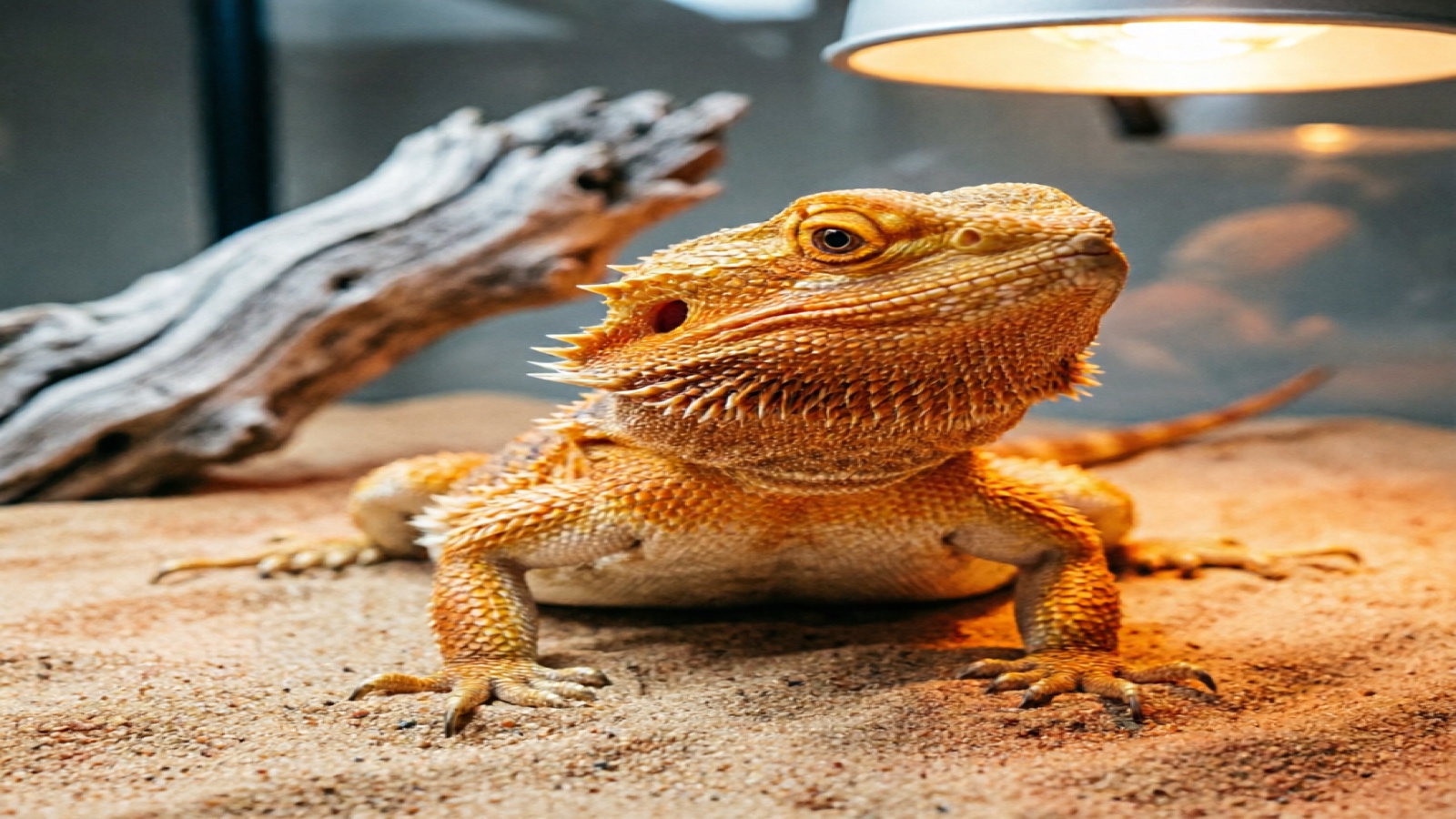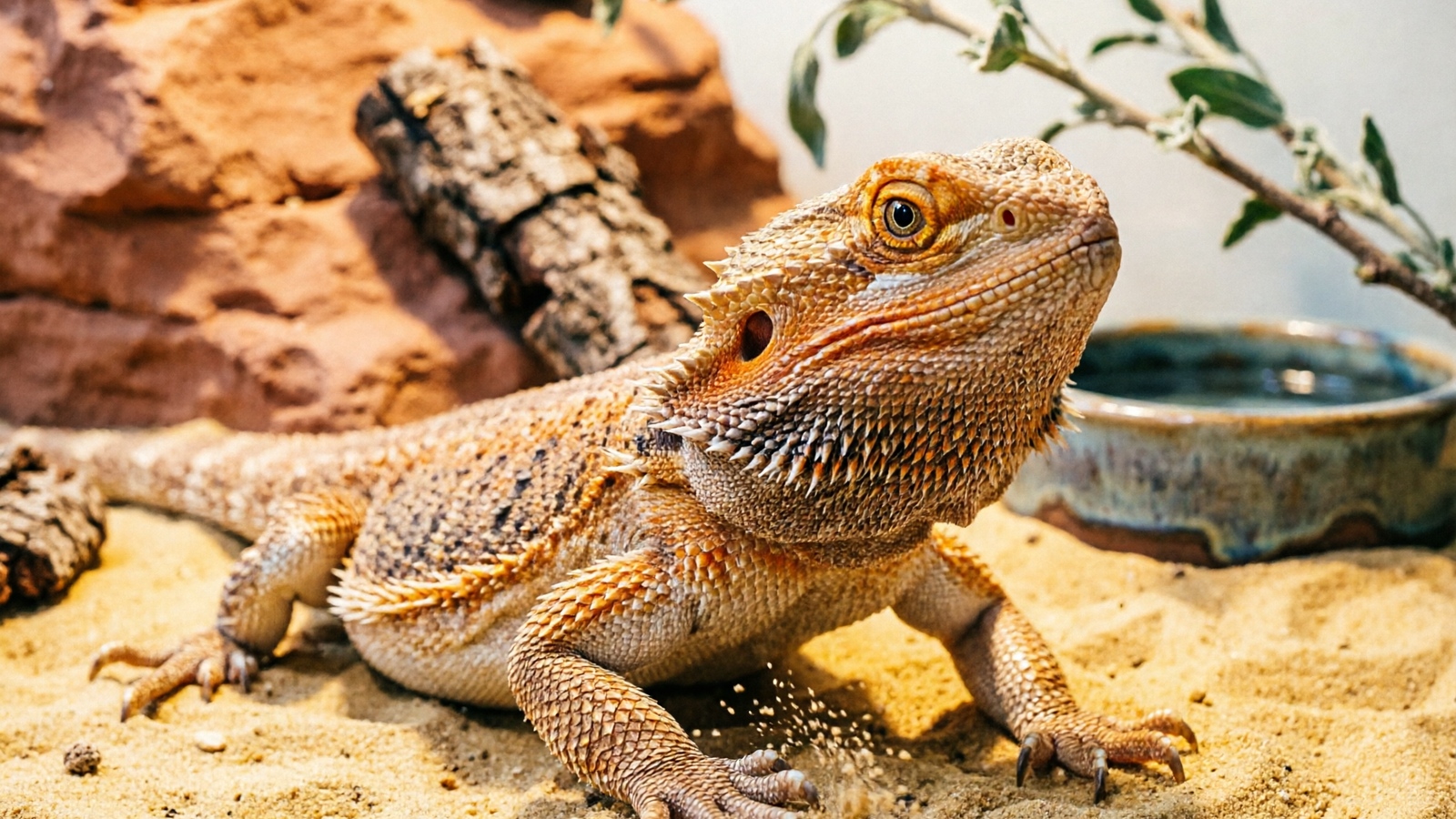
Quick Answer — Digging Is Natural, But Pay Attention to Changes
Digging is one of the most instinctual behaviors bearded dragons display. In the wild, they dig burrows for shelter, temperature regulation, and nesting. Most digging in captivity is completely normal.
However, a sudden increase in digging frequency, frantic non-stop digging, or digging paired with appetite loss can signal an underlying problem. The key is learning what normal looks like for your dragon and recognizing when something changes.
Digging (also called burrowing) is a natural instinctive behavior in bearded dragons where they use their claws and snout to excavate substrate. In the wild, central bearded dragons (Pogona vitticeps) dig multi-chambered burrows up to 3 feet deep for shelter from predators, temperature regulation, and nesting. Captive dragons retain this instinct even without environmental pressure.
If you’re asking why is my bearded dragon digging, the short answer: it’s usually temperature regulation, a need for a hiding spot, or natural instinct. But females may be gravid, and environmental stressors can also trigger it. Let’s break down all seven common reasons.
7 Common Reasons Why Bearded Dragons Dig
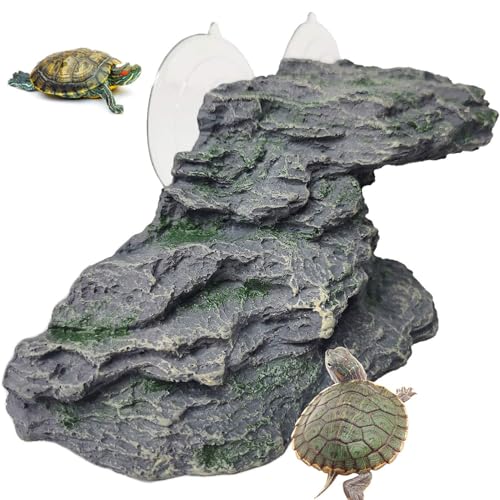
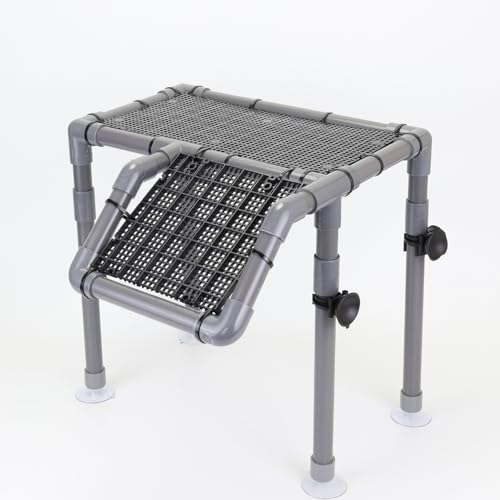
kathson Turtle Basking Platform is a quality option worth considering for your setup.
| # | Reason | Key Signs | Urgency | What to Do |
|---|---|---|---|---|
| 1 | Temperature regulation (too hot) | Avoiding basking spot, staying on cool side | 🟡 Medium | Check temperature gradient |
| 2 | Lack of hiding spots | No hides in enclosure, restless pacing | 🟢 Low | Add proper hides |
| 3 | Preparing to lay eggs (females) | Frantic digging, testing multiple spots | 🟨 Medium-High | Provide a lay box |
| 4 | Brumation preparation | Fall/winter, reduced appetite, lethargy | 🟢 Low | Natural process, monitor |
| 5 | Stress or fear | Rapid digging, attempting escape | 🟨 Medium-High | Remove stressor |
| 6 | Boredom or lack of enrichment | Repetitive digging, glass surfing | 🟢 Low | Add enrichment, rotate decor |
| 7 | Foraging instinct | Digging near feeding area | 🟢 Low | Normal behavior |
1. Temperature Regulation — The Most Common Cause
Bearded dragons are ectothermic — they rely on their environment to control body temperature.
Ectothermic (cold-blooded) means bearded dragons cannot generate their own body heat and rely entirely on their environment to regulate temperature. Unlike mammals, they must move between warm and cool zones to maintain their ideal body temperature of 95-100°F.
When the basking area gets too warm, they dig to reach cooler substrate layers. This is the same instinct that drives them to burrow in the Australian outback to escape midday heat.
If your dragon is digging near the basking spot and spending more time on the cool side, check your bearded dragon heating setup. The basking surface should read 95-105°F for adults. Anything above 110°F will cause persistent digging and gaping as your dragon tries to escape the heat.
2. Lack of Proper Hiding Spots
In the wild, bearded dragons sleep in burrows and use rocky crevices for cover. A bare enclosure with no hides makes a dragon feel exposed. They’ll dig to create their own shelter.
I’ve seen this often in new setups — owners buy a nice terrarium but skip the hides entirely. Adding at least two hides (one on the warm side, one on the cool side) almost always resolves this type of digging within a few days. For terrarium recommendations, check our guide to the best bearded dragon terrarium.
3. Preparing to Lay Eggs (Females)
This is one of the more urgent causes. A gravid female will dig frantically, testing multiple spots. Even females that have never mated can develop and lay infertile eggs.
Egg binding — when a female cannot pass her eggs — is life-threatening. If she’s digging relentlessly for more than a day, she needs a lay box immediately and possibly a vet visit.
4. Brumation Preparation
Brumation is the reptile equivalent of hibernation. As days shorten and temperatures drop in fall and winter, adult bearded dragons may enter brumation — sleeping more, eating less, and digging to prepare a burrow. According to reptile care experts at Reptile Direct, bearded dragons over 12 months old may naturally enter brumation during fall and winter months, with reduced appetite and increased sleeping being the primary signs. This is a completely natural process for dragons over 12 months old.
Baby and juvenile dragons under 12 months should not brumate — they need consistent feeding to support growth. If a young dragon shows brumation signs, check that your temperatures and lighting schedule are correct. See our bearded dragon care guide for brumation guidelines.
5. Stress or Fear
A stressed bearded dragon may dig rapidly while attempting to escape. Common stressors include other pets near the terrarium, loud noises, recently changed decor, or an enclosure that’s too small. Glass surfing (repeatedly running along the glass) often accompanies stress-related digging. Keep the enclosure in a quiet room and give your dragon time to adjust after any change.
6. Boredom and Lack of Enrichment
In a bare, unchanging enclosure, bearded dragons can develop repetitive behaviors including digging the same spot over and over. Simple fixes include rotating cage decor every few weeks, adding climbing branches, offering supervised floor time in a dragon-proofed room, and varying their diet with new insect and greens options.
7. Foraging Instinct
In the wild, bearded dragons dig to uncover insects and roots. If your dragon digs near the feeding area, it’s expressing natural foraging behavior — harmless and actually a sign of a healthy, active dragon.
Normal Digging vs. Abnormal Digging — How to Tell
Many owners find that MLONDHSU Extra Large Turtle Basking Platform (Extra Large, Non-Slip Ramp) works well for their pet’s needs.
Understanding the difference between healthy digging and a problem is essential. Here’s a straightforward comparison across six key dimensions:
| Feature | Normal Digging | Abnormal Digging |
|---|---|---|
| Frequency | Occasional, brief sessions | Hours of non-stop digging |
| Timing | During the day | Mostly at night |
| Accompanying behavior | Normal eating, active, alert | Not eating, weight loss, lethargy |
| Body condition | Healthy, alert | Swollen belly, dull skin, sunken eyes |
| Digging location | Random spots | Only in corners or under objects |
| Post-digging behavior | Returns to normal activity | Continues restless, hides constantly |
If your dragon’s digging falls into the “abnormal” column in two or more categories, something needs attention. For more on reading your dragon’s body language, see our guide on other bearded dragon behaviors.
Female Bearded Dragons — Digging and Egg Laying
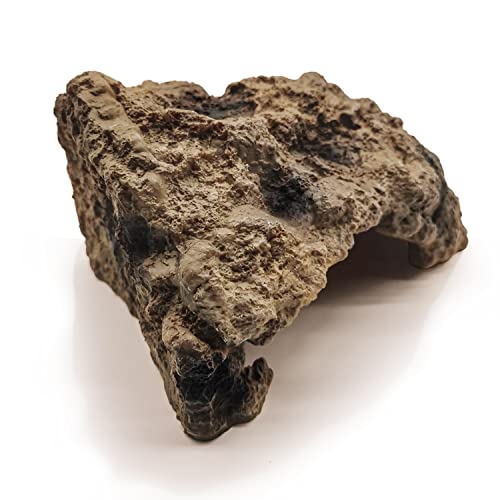
For this purpose, Zilla Herp Hotel → is a popular choice among pet owners.
Female bearded dragons can develop eggs even without mating. This means any female owner should understand the signs of a gravid dragon and how to respond.
Signs your female may be gravid:
- Frantic, persistent digging across multiple locations
- Noticeable abdominal swelling and rapid weight gain
- Increased appetite followed by a sudden decrease
- Spending more time on the cool side of the enclosure
- Restlessness and increased general activity
Bearded Dragon Digging Before Laying Eggs
When a female is ready to lay, she needs a suitable nesting site. In captivity, this means providing a lay box — a container filled with moist substrate where she can dig a nest and deposit her eggs.
A proper lay box setup:
- Container: Plastic storage bin, at least 12 inches deep
- Substrate: Mix of coconut coir and play sand, moistened (not wet) to hold a burrow shape
- Temperature: 80-85°F
- Placement: On the cool side of the enclosure, or in a separate, quiet area
The female will dig a tunnel, lay her eggs, bury them, and return to normal behavior. The entire process can take several hours. If she hasn’t laid within 48 hours of starting to dig, or appears lethargic and strained, egg binding is a real possibility — contact a reptile vet immediately.
Female Bearded Dragon Digging — Key Differences from Males
Male bearded dragons also dig, but their reasons are different — usually temperature-related, boredom-driven, or natural instinct rather than reproductive. In my experience, the most reliable sign of a gravid female is the frantic, multi-location digging pattern. Males dig in one spot briefly; females systematically test several areas before settling. If you’re unsure of your dragon’s sex, a reptile vet can determine it through physical examination.
Common Digging Scenarios Explained
Some digging behaviors are so specific that they deserve their own breakdown. These are three of the most common scenarios owners report.
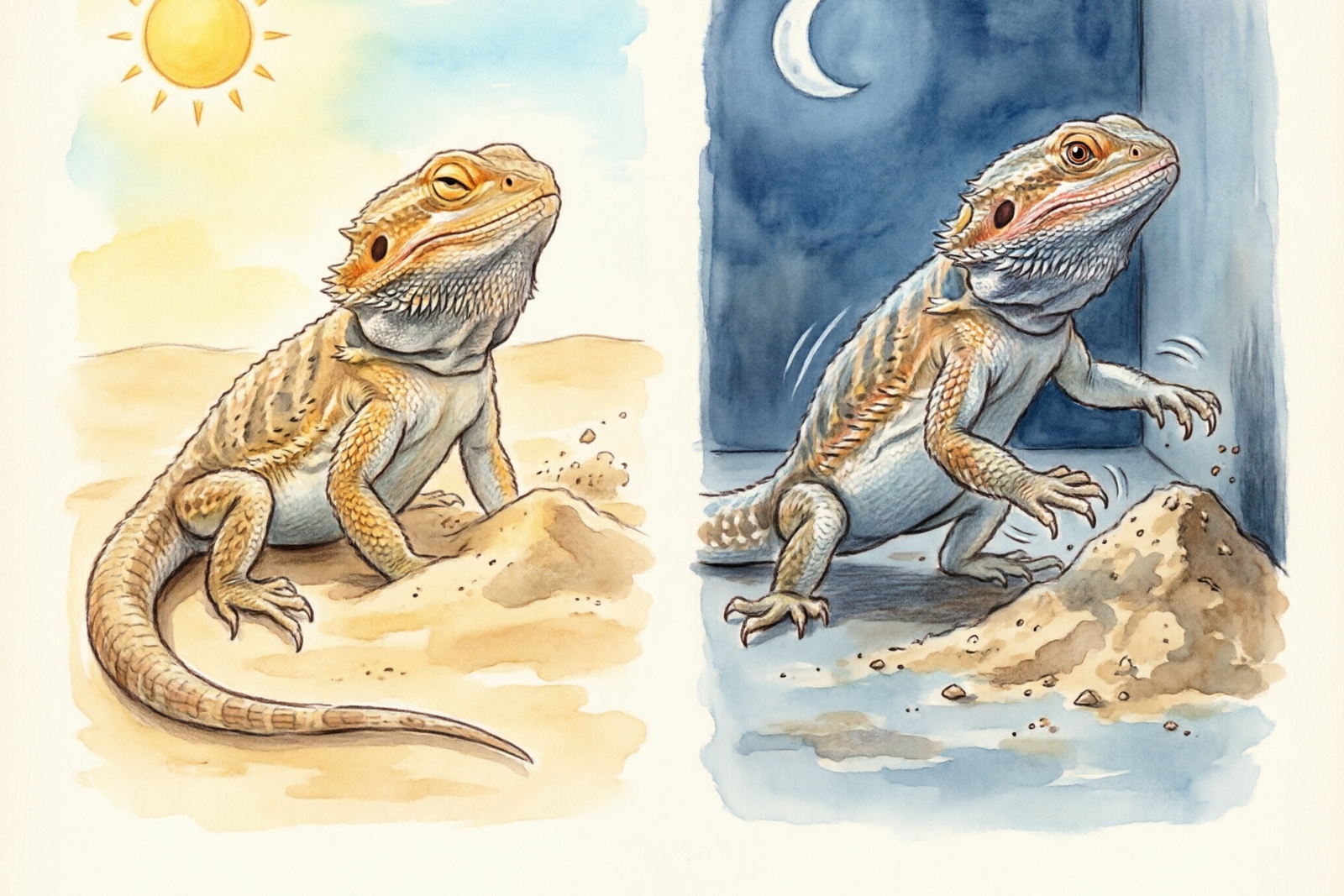
Why Is My Bearded Dragon Digging at Night?
Bearded dragons are diurnal — they’re active during the day and sleep at night. If your dragon is digging at night, something is off. The most common cause is nighttime temperatures that are too high.
If the basking area or room temperature doesn’t drop below 75°F after lights out, your dragon can’t sleep comfortably and may dig to find a cooler spot. Check that all heat lamps and ceramic emitters are on a timer and turn off with the day/night cycle. Nighttime ambient temperature should be 65-75°F.
Another cause is lights left on accidentally. Even a dim room light can disrupt your dragon’s circadian rhythm. Ensure complete darkness at night. For proper lighting setup, see our UVB lighting schedule guide.
Why Is My Bearded Dragon Digging in the Corner?
Corners offer two walls of protection — the safest place to dig a burrow in a dragon’s instinct. If your dragon consistently digs in one corner, it’s looking for a secure hiding spot. Place a hide near that corner, or put a shallow container of play sand there. Most dragons stop digging the enclosure floor once they have a dedicated digging spot.
Why Is My Bearded Dragon Digging Under Her Water Bowl?
The area under her water bowl is cooler and more humid than the surrounding substrate — conditions that mimic a burrow. Your dragon is choosing the most comfortable microclimate available. Check that the cool side temperature is 75-85°F and consider adding a moist hide (damp paper towel or sphagnum moss inside) for shedding support.
Bearded Dragon Digging and Not Eating — When to Worry
The combination of digging and appetite loss is one of the most concerning behavioral changes. Three main scenarios explain it:
1. Brumation (Fall/Winter) — If it’s autumn or winter and your adult dragon is over 12 months old, brumation is the likely explanation. Reduced appetite, increased sleep, and digging to prepare a burrow are all normal brumation signs.
2. Gravid Female — A female preparing to lay eggs may eat more initially, then stop eating 24-48 hours before laying. If she’s also digging frantically with a swollen belly, provide a lay box immediately.
3. Illness or Chronic Stress — If it’s not brumation season and your dragon isn’t a gravid female, persistent digging with appetite loss points to illness or chronic stress. See a reptile vet if this lasts more than one week or is accompanied by weight loss, lethargy, or abnormal stool.
For more on identifying health issues early, see our bearded dragon care guide and our general reptile habitat setup guide.
How to Manage Digging — 5 Practical Steps
Rather than trying to stop a natural behavior, focus on making your dragon’s environment meet its needs. Here’s a systematic approach:
Step 1: Check Your Temperature Gradient
Use a digital thermometer with probes on both sides of the enclosure. According to the Association of Reptilian and Amphibian Veterinarians (ARAV), proper temperature gradients are essential for bearded dragon health. Verify:
- Basking surface: 95-105°F (adults) or 100-110°F (babies)
- Cool side air: 75-85°F
- Nighttime: 65-75°F
Temperature issues are the root cause of more digging behavior than anything else. I’d recommend using an infrared thermometer gun for surface readings — surface and air temperature can differ by 10-15°F.
Step 2: Provide Proper Hides
Minimum two hides — one on the warm side, one on the cool side. The hides should be just large enough for your dragon to fit inside with a sense of being enclosed. Ceramic or stone hides hold heat well; resin or plastic hides are lighter and easier to clean.
Step 3: Choose the Right Substrate
Bearded Dragon Digging Substrate
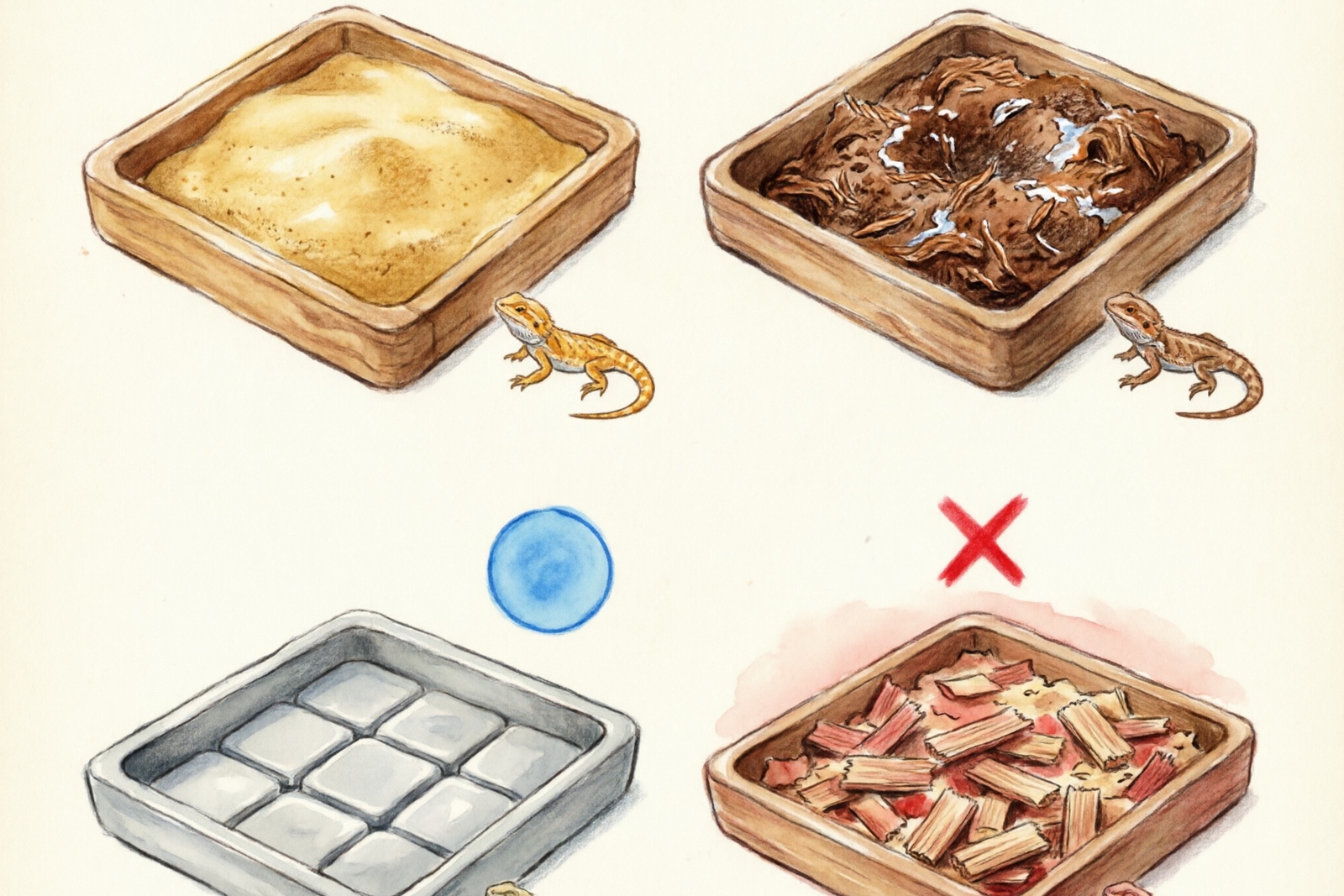
The substrate you choose directly affects your dragon’s ability to dig safely. Here’s what works and what doesn’t:
| Substrate | Safe for Digging? | Notes |
|---|---|---|
| Play sand (washed, children’s) | Excellent | Most natural option, holds burrows well |
| Coconut coir | Good | Holds moisture, great for lay boxes |
| Sand and coir mix | Excellent | Best of both worlds for digging |
| Ceramic or slate tiles | No digging | Clean and safe but no digging possible |
| Newspaper or paper towels | No digging | Safe for sick or quarantined dragons only |
| Reptile carpet | No digging | Low maintenance but nails can snag |
| Cedar or pine shavings | Toxic | Oils are toxic to reptiles — never use |
| Calci-sand | Risky | Can cause impaction if ingested |
My recommended setup: play sand as the main substrate with a moist coconut coir lay box for females. If you prefer easy-clean tiles, add a plastic digging box (shallow container with play sand) on the cool side. This gives your dragon a designated digging area while keeping maintenance manageable.
Step 4: Increase Enrichment
Rotate cage decor every 2-3 weeks. Add new climbing branches, cork bark, and rocks with different textures. Offer supervised floor time in a dragon-proofed room and vary their diet with new insect and greens options. A bored dragon is more likely to develop repetitive digging habits.
Step 5: Monitor and Observe
Keep a simple log of when your dragon digs, for how long, and where. After a week or two, patterns emerge — digging on hot days suggests a temperature issue, digging after feeding is foraging instinct, and seasonal digging may indicate brumation. This context helps you distinguish normal from abnormal behavior and is useful for your vet if a visit becomes necessary.
Product Recommendations
Here are some products mentioned in this guide:
Frequently Asked Questions
Why is my bearded dragon digging?
Most commonly, your dragon is regulating body temperature, seeking a hiding spot, or acting on natural instinct. In females, it often means she’s preparing to lay eggs. Sudden or frantic digging that differs from their usual pattern warrants closer observation.
Is it normal for bearded dragons to dig?
Yes — digging is a completely normal, instinctual behavior. In the wild, bearded dragons dig burrows for shelter, thermoregulation, and nesting. Occasional digging in captivity is healthy and expected. Only be concerned if the digging is constant, frantic, or paired with appetite loss.
Why is my bearded dragon digging and not eating?
This combination usually indicates brumation in fall/winter, egg-laying in females, or illness and stress. If it lasts more than a week with visible weight loss, schedule a vet visit. Brumation-related appetite loss is gradual and seasonal; illness-related loss is sudden and can happen any time of year.
Should I stop my bearded dragon from digging?
No — don’t prevent natural digging. Instead, provide safe substrate, proper hides, and correct temperatures. Your dragon is expressing healthy instincts. Only intervene if the digging is obsessive, non-stop, and accompanied by signs of illness like lethargy or weight loss.
Why is my bearded dragon digging at night?
Nighttime digging almost always means the enclosure is too warm after lights out. Bearded dragons are diurnal and should sleep at night. Check that nighttime temperatures stay between 65-75°F and that all lights are on a timer. A room that stays too warm at night will disrupt your dragon’s sleep cycle and trigger digging behavior.