Quick Answer — Why Does My Bearded Dragon Open Its Mouth?
Most of the time, a bearded dragon opens its mouth to regulate body temperature — a behavior called gaping. When their basking spot gets too warm, they open their mouth slightly to release excess heat, similar to a dog panting. This is completely normal.
However, open-mouth behavior can also signal stress, aggression, dehydration, or a respiratory infection — some of which need urgent veterinary attention. Understanding the difference between normal gaping and a problem is one of the most important skills for a bearded dragon owner.
6 Common Reasons Bearded Dragons Open Their Mouth
If you are asking why does my bearded dragon open its mouth, here are the six most common causes:
| Reason | When It Happens | Normal? | What to Look For |
|---|---|---|---|
| Thermoregulation (Gaping) | While basking | Yes | Mouth slightly open, stops when moved |
| Threat Display | When startled or handled | Warning: Normal but stressful | Wide mouth, dark beard, puffed body |
| Respiratory Infection | Any time, especially at rest | No | Wheezing, mucus, lethargy, open at sleep |
| Dehydration | Any time | No | Sunken eyes, wrinkled skin, infrequent urination |
| Aggression / Territorial | During feeding or with other dragons | Warning: Depends | Hissing, black beard, lunging |
| Jaw Stretching | Brief, random moments | Yes | Quick open-and-close, then normal |
1. Thermoregulation (Gaping) — The Most Common Reason
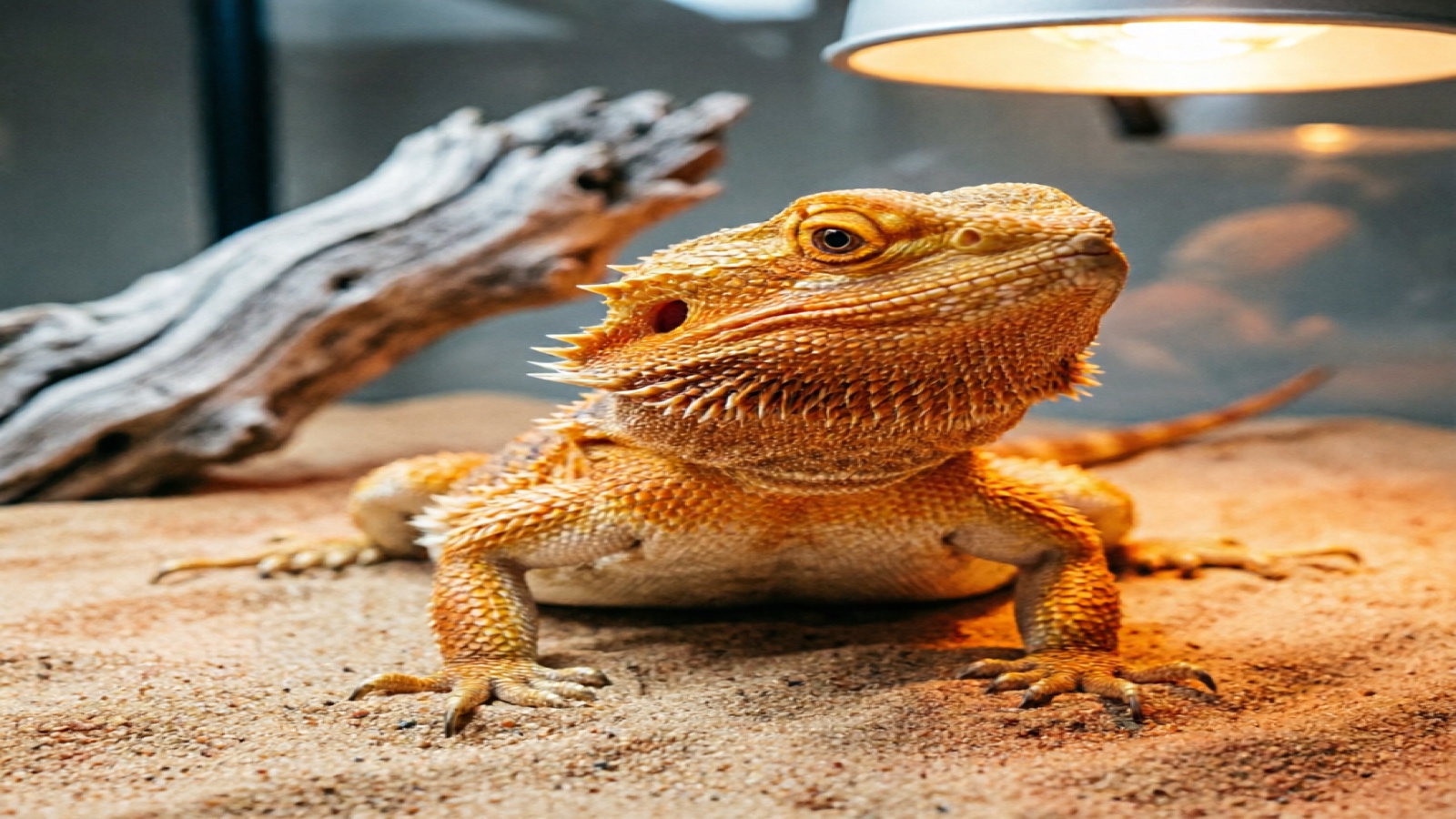
This is by far the most frequent cause. Bearded dragons are ectothermic — they rely on external heat to regulate body temperature. When basking under their heat lamp, their internal temperature can exceed their ideal range of 95-105°F (35-40°C). Opening the mouth slightly allows evaporative cooling through the mouth lining.
Normal gaping looks like this:
- Mouth is held slightly open, not stretched wide
- Happens only during basking under the heat lamp
- Stops when the dragon moves to the cool side of the enclosure
- The dragon appears relaxed — eyes may close partially, body is flat against the basking surface
- No other symptoms — eating, drinking, and activity are all normal
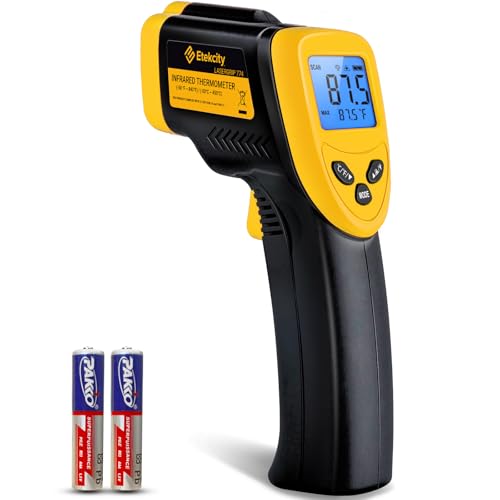
What to check: Use an infrared thermometer gun to measure the basking surface temperature — it should read 95-105°F for adults and 100-110°F for babies. If it exceeds this range, raise the heat lamp or switch to a lower wattage bulb. An Etekcity Infrared Thermometer Gun gives accurate surface readings in seconds — more reliable than air-temperature probe thermometers.
For more on setting up proper temperature zones, see our guide to the best bearded dragon heating lamp.
2. Threat Display
When a bearded dragon feels threatened, it opens its mouth wide to appear larger and more intimidating. This is a defensive posture — the dragon is saying “back off.” I see this most often in juveniles that have not been handled much, and in dragons recently moved to a new environment. Adult dragons that have been handled regularly rarely display this behavior.
Signs it is a threat display:
- Mouth opened very wide, not slightly like gaping
- Beard turns dark or black
- Body is puffed up and flattened laterally to look bigger
- May hiss or lunge
- Stiff, upright posture with legs extended
What to do: Back away slowly and give your dragon space. Do not try to pick up a dragon that is displaying — this reinforces the fear response. Let them calm down, which usually takes 10-15 minutes. With consistent, gentle handling over several weeks, most dragons stop threat displays entirely. If your new dragon displays frequently, spend the first week simply sitting near the enclosure and talking softly before attempting any handling.
3. Respiratory Infection
This is the most dangerous cause of open-mouth behavior. A respiratory infection makes it difficult for your dragon to breathe through its nose, forcing mouth breathing. Unlike normal gaping, this happens at all times, not just during basking. Respiratory infections in bearded dragons can progress quickly from mild to life-threatening, so early recognition is critical.
Signs of a respiratory infection:
- Open-mouth breathing when not basking — the biggest red flag
- Clicking, wheezing, or popping sounds when breathing
- Mucus or bubbles around the mouth or nostrils
- Lethargy and reduced activity
- Loss of appetite
- Sleeping with the mouth open — this is never normal
What to do: See a reptile vet within 24-48 hours. Respiratory infections are usually treated with antibiotics, and early treatment leads to full recovery in most cases.
Prevention: The most common cause is incorrect temperatures or excessive humidity. If the cool side drops below 75°F or humidity exceeds 40%, your dragon is at risk. A ceramic heat emitter provides reliable nighttime heat without light. Our bearded dragon care guide covers temperature management in detail.
4. Dehydration
Dehydrated dragons may hold their mouth open to cool down, since they lack sufficient moisture for normal thermoregulation. This is common in dragons that are not drinking enough, are fed dry insects without hydration, or are kept in excessively hot enclosures. Baby dragons are especially vulnerable because their smaller body mass loses water faster.
Signs of dehydration:
- Sunken eyes — one of the earliest visible signs
- Wrinkled or loose skin around the neck and legs
- Infrequent urination or very dry, chalky urates
- Tenting test — pinch the skin on the back; if it stays tented instead of snapping back, your dragon is dehydrated
- Reduced appetite and general lethargy
What to do: Offer fresh water daily, mist vegetables before feeding, and give regular baths in shallow lukewarm water (85-90°F) for 15-20 minutes. Adding a shallow water dish to the cool side encourages drinking, though many dragons prefer water droplets from misted greens. Mild dehydration resolves in a few days with consistent hydration. Severe dehydration — lethargic, sunken eyes, not eating — needs veterinary fluid therapy.
5. Aggression or Territorial Behavior
Bearded dragons display open-mouth aggression during feeding, when housed with other dragons, or when they feel their territory is invaded. Males are more territorial, especially during breeding season. This behavior is distinct from gaping — the mouth opens wide and deliberately, often with head bobbing or beard darkening.
Signs of territorial aggression:
- Wide-open mouth directed at another dragon or your hand
- Head bobbing — rapid up-and-down movement
- Arm waving — slow circular wave (submissive signal to avoid confrontation)
- Darkened beard and hissing
- Lunging toward the perceived threat
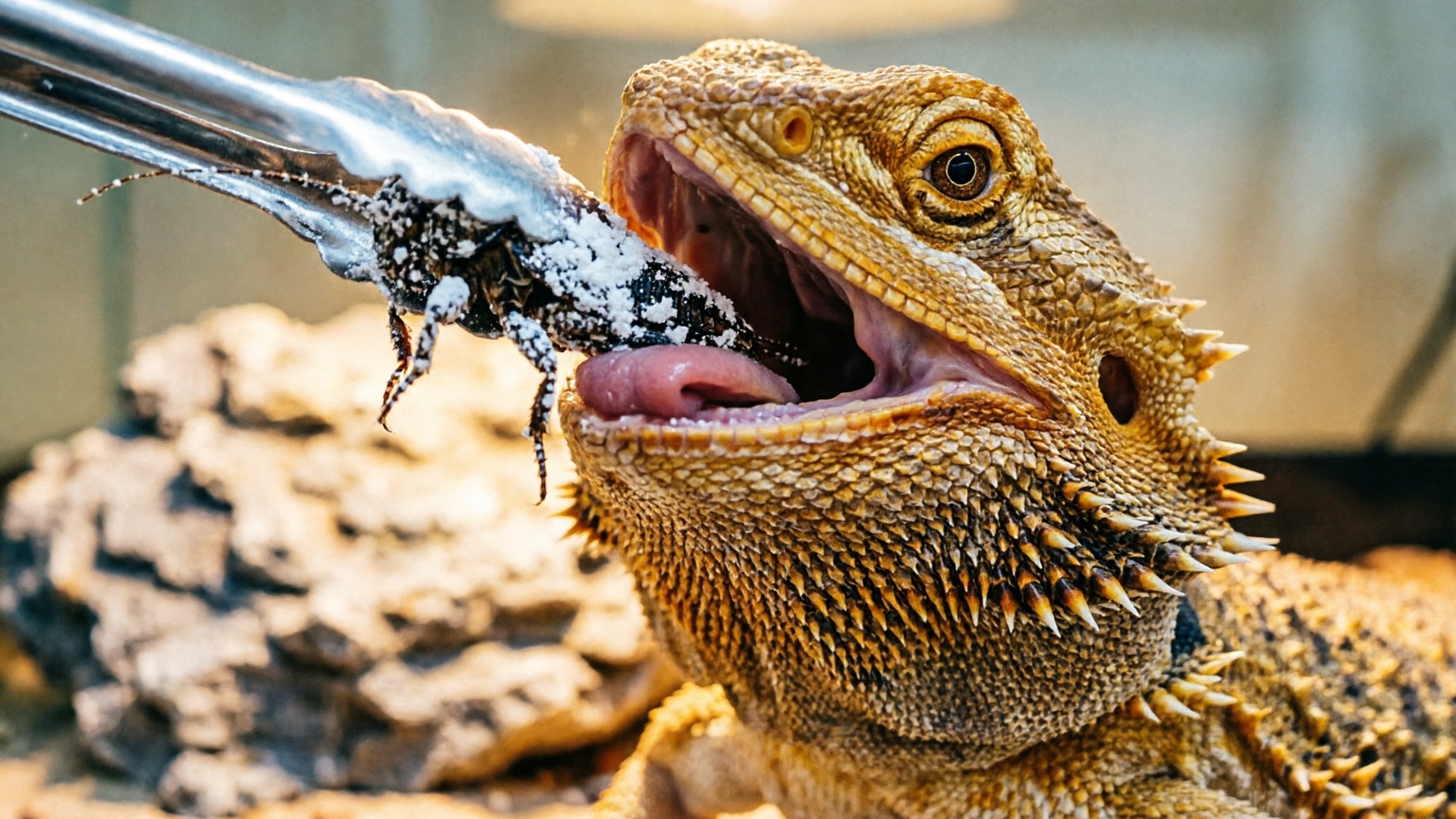
What to do: Bearded dragons should be housed alone. Cohabitation causes chronic stress even in dragons that appear to tolerate each other. If aggression is directed at you during feeding, use feeding tongs instead of fingers and give your dragon space during mealtime. For more on proper housing, see our guide to the best bearded dragon terrarium.
6. Jaw Stretching
Sometimes your bearded dragon will open its mouth very wide, hold it for a second or two, and then close it. This is simply a jaw stretch — the same thing humans do when we yawn. It is completely normal, brief, and happens randomly. No action needed.
Gaping vs. Respiratory Infection — How to Tell the Difference
This is the most critical distinction for any bearded dragon owner. Here is a comparison that makes it straightforward:
| Feature | Normal Gaping | Respiratory Infection |
|---|---|---|
| When it happens | Only during basking | Any time, including rest |
| Stops when moved to cool side | Yes | No |
| Mouth position | Slightly open | Often wider, labored |
| Breathing sounds | Normal | Clicking, wheezing, popping |
| Mucus or bubbles | None | May be present |
| Appetite | Normal | Decreased or gone |
| Energy level | Normal | Lethargic, sleeping more |
| Beard color | Normal | May be dark |
| Eyes | Normal | May be sunken or half-closed |
The quick test: Move your dragon to the cool side of the enclosure. If the mouth closes within a few minutes and your dragon acts normal, it was just gaping. If the mouth stays open, breathing sounds abnormal, or the dragon seems lethargic, it may be a respiratory infection — see a vet.
Understanding Your Dragon’s Temperature Needs
Since temperature is the number one reason bearded dragons open their mouths, I want to cover the setup in detail. A proper temperature gradient is the single most important factor in preventing both excessive gaping and respiratory infections.
The ideal temperature setup:
| Zone | Temperature Range | Purpose |
|---|---|---|
| Basking surface | 95-105°F (adults) / 100-110°F (babies) | Digestion, metabolism |
| Warm side (air) | 85-95°F | General activity |
| Cool side (air) | 75-85°F | Thermoregulation, sleeping |
| Nighttime (all) | 65-75°F | Rest, no basking light |
The basking surface temperature matters more than the air temperature above it. Bearded dragons absorb heat through their belly when they flatten against the basking surface. Use an infrared thermometer to measure the surface directly — probe thermometers that measure air temperature often read 10-15°F lower than the actual surface.
Common setup mistakes that cause open-mouth behavior:
- Heat lamp too close — basking surface exceeds 110°F, causing constant gaping
- No cool side — the entire enclosure is too warm, leaving your dragon nowhere to escape the heat
- Nighttime heat source missing — cool side drops below 70°F at night, stressing the dragon’s immune system and making respiratory infections more likely. A ceramic heat emitter provides heat without light for nighttime use
- Using heat rocks — these cause severe burns and should never be used. Overhead heat sources are always safer
How to Fix the Problem
The fix depends entirely on the cause. Here is what to do for each:
If Your Dragon Is Gaping (Temperature Issue)
- Measure the basking surface temperature with an infrared thermometer. It should be 95-105°F for adults
- If the temperature is too high, raise the heat lamp 2-3 inches or switch to a lower wattage bulb
- If the temperature is correct, gaping is normal — your dragon is just cooling itself. No action needed
- Ensure a proper cool side — the opposite end of the enclosure should be 75-85°F so your dragon can move between temperature zones
- Verify your UVB bulb is within 6-12 inches of the basking surface — a LUCKY HERP Desert UVB 150 provides appropriate UVB for desert species
If Your Dragon Is Stressed
- Give them space — reduce handling for 3-5 days and let them acclimate
- Check for environmental stressors — loud noises, other pets near the enclosure, reflections in glass, or recently changed decor
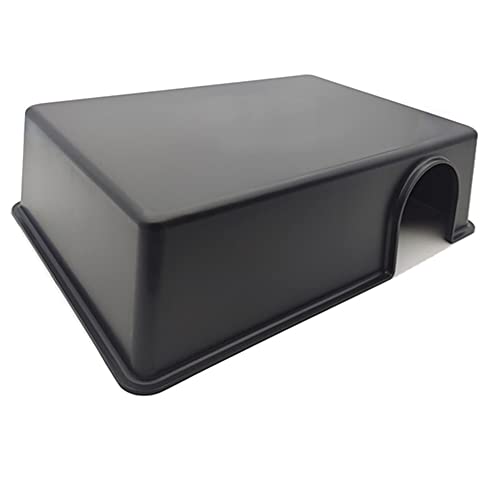
- Provide a proper hide — a LEOTERRA Reptile Hide Cave gives your dragon a secure retreat when they feel exposed. Place one hide on the warm side and one on the cool side
- Maintain a consistent routine — feed, handle, and light on the same schedule daily. Bearded dragons thrive on predictability
- Approach from the side, not from above — overhead approach triggers a predator response. Scoop your dragon from below with your palm supporting their belly
- Minimize enclosure changes — rearranging decor, switching substrates, or moving the enclosure all cause stress. Make one change at a time with several days between each
If Your Dragon Is Dehydrated
- Offer shallow baths in lukewarm water (85-90°F) for 15-20 minutes daily
- Mist greens and vegetables before feeding
- Add a shallow water dish to the cool side
- If severe (lethargic, sunken eyes), see a vet for fluid therapy
When to See a Vet
Some situations require professional veterinary attention. Do not wait and see if these resolve on their own.
See a reptile vet immediately if:
- Your dragon breathes with its mouth open when not basking
- You hear clicking, wheezing, or popping sounds
- There is mucus or bubbles around the mouth or nostrils
- Your dragon has stopped eating for more than 3-4 days (adults) or 1-2 days (babies)
- Your dragon is lethargic and unresponsive
- Your dragon’s mouth stays open while sleeping
- You notice swelling around the jaw (could be mouth rot)
Bearded dragons hide illness well. By the time symptoms are visible, the condition has usually been developing for days. I would rather pay for a vet visit that turns out to be nothing than wait too long. For more on common health issues, see our bearded dragon care guide.
Recommended Products
Etekcity Infrared Thermometer Gun — The most useful tool for a bearded dragon owner. Accurate surface temperature readings let you verify your basking spot is in the correct 95-105°F range. I use mine at least once a week.
LUCKY HERP Desert UVB 150 Reptile Light — Proper UVB is essential for calcium metabolism. UVB-deficient dragons develop metabolic bone disease, causing weakness and secondary health issues. Replace bulbs every 6-8 months. See our guide to the best bearded dragon UVB light for more options.
LUCKY HERP 150W Ceramic Heat Emitter 2-Pack — Provides nighttime warmth without light, which is critical for maintaining circadian rhythm. The 2-pack is practical — keep one as a spare. For thermostat options, see our guide to the best reptile thermostat.
LEOTERRA Reptile Hide Cave Medium — A secure hide reduces stress-related threat displays. The ceramic material holds heat well and provides a cooler microclimate on the cool side of the enclosure.
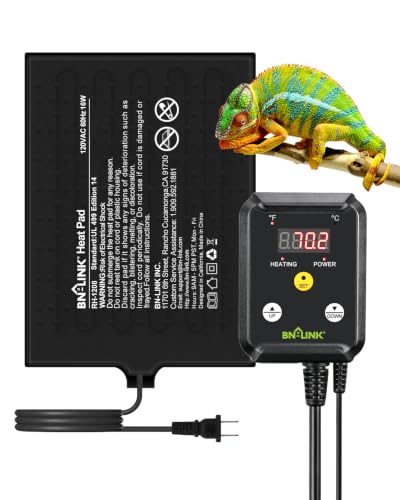
BN-LINK Reptile Heating Pad with Thermostat — Provides gentle belly heat that aids digestion and helps maintain the cool-side temperature above 75°F. The built-in thermostat adds safety against overheating.
Frequently Asked Questions
Why does my bearded dragon open its mouth at me?
Your dragon is either displaying a threat, feeling stressed, or regulating temperature. A wide-open mouth with a darkened beard signals a threat display. A slightly open mouth near the basking spot is normal gaping.
Is it normal for my bearded dragon to sleep with its mouth open?
No. Sleeping with an open mouth is one of the clearest signs of a respiratory infection. See a reptile vet, especially if you also notice breathing sounds or mucus.
Why does my bearded dragon open its mouth when basking?
This is normal gaping — your dragon is releasing excess heat. Verify your basking surface is 95-105°F with an infrared thermometer. If it is within range, the gaping is harmless.
How do I know if my bearded dragon is gaping or has a respiratory infection?
Move your dragon to the cool side. If the mouth closes and the dragon acts normal, it was gaping. If the mouth stays open with wheezing, mucus, or lethargy, see a vet within 24-48 hours.
Why does my bearded dragon open its mouth when I hold it?
Usually stress or residual heat from basking. Let your dragon cool down before handling. If it happens every time, work on building trust with slower, more consistent sessions.
Why does my bearded dragon keep opening and closing its mouth?
Repeated mouth movement can signal a respiratory infection, mouth rot, or dehydration. If it persists outside of basking, see a vet within 24-48 hours.
What temperature should my bearded dragon’s basking spot be?
95-105°F for adults, 100-110°F for babies. Measure the surface temperature with an infrared thermometer, not the air temperature.