Leopard gecko shedding (scientifically called ecdysis) is a natural process that all reptiles undergo to accommodate growth and replace worn or damaged skin. For leopard gecko keepers, understanding this process is essential for maintaining a healthy animal.
Most leopard gecko shedding problems in captivity are caused by preventable husbandry errors — primarily low humidity and poor nutrition. This guide covers the entire leopard gecko shedding processding cycle from frequency to troubleshooting, so you can recognize normal leopard gecko shedding and intervene when problems arise.
Do Leopard Geckos Shed?
Yes. Leopard geckos shed their entire skin in one piece, unlike snakes that shed in a single continuous sheet or some lizards that shed in patches. This whole-body leopard gecko shedding is one of the distinguishing features of the Eublepharidae family.
During ecdysis, a new layer of skin forms beneath the existing layer. The gecko secretes a fluid between the two layers that loosens the old skin. Once fully separated, the gecko rubs against rough surfaces to peel the old skin off — typically starting from the head and working toward the tail.
In healthy conditions, the entire leopard gecko shedding comes off during leopard gecko shedding within hours and the gecko eats the shed skin from leopard gecko shedding immediately. This is completely normal behavior that serves both nutritional and evolutionary purposes.
For a comprehensive overview of the species and its natural history, see our leopard gecko overview. Our leopard gecko care guide covers general husbandry practices that support healthy leopard gecko shedding cycles.
How Often Do Leopard Geckos Shed?
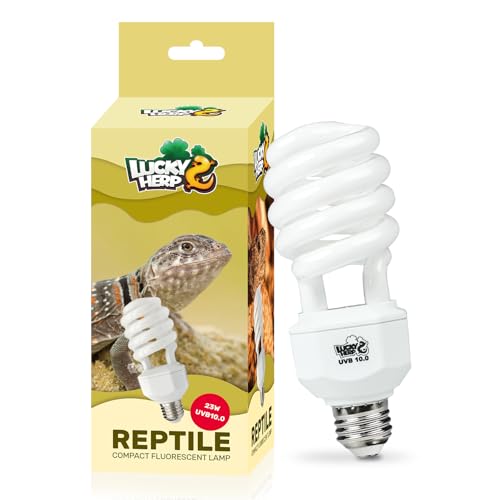
LUCKY HERP Desert UVB 150 is a quality option worth considering for your setup.
Leopard gecko shedding frequency depends almost entirely on growth rate. Fast-growing young geckos shed far more frequently than adults whose growth has plateaued.
| Life Stage | Age | Shedding Frequency |
|---|---|---|
| Hatchling | 0-3 months | Every 7-10 days |
| Juvenile | 3-12 months | Every 2 weeks |
| Adult | 12+ months | Every 4-6 weeks |
| Senior | 8+ years | Every 6-8 weeks |
Hatchlings shed as often as every week because their bodies are growing rapidly. Each shed accommodates a measurable increase in body mass. A healthy hatchling can gain 0.5 to 1 gram per week, and this growth requires frequent skin replacement.
Juveniles settle into a more predictable pattern of roughly every two weeks. By this stage, the leopard gecko shedding cycle has stabilized and the gecko has learned to use humid hides effectively.
Adult leopard gecko shedding frequency drops to roughly once per month. The exact interval varies based on feeding frequency, ambient temperature, and individual metabolism. Some adults shed consistently every four weeks while others may stretch to six weeks without any cause for concern.
Seniors shed even less frequently. Their growth rate has effectively stopped, so leopard gecko shedding primarily serves to replace old or damaged skin. A senior gecko shedding every six to eight weeks is perfectly normal.
Higher temperatures accelerate metabolism and growth, increasing leopard gecko shedding frequency, while geckos on more frequent feeding schedules also shed more often. Conversely, a gecko in brumation-like conditions with reduced feeding and cooler temperatures may shed only once every two to three months.
Temperature management is directly connected during leopard gecko shedding regularity. See our leopard gecko light guide for proper temperature gradient setup. The relationship between shedding frequency and leopard gecko lifespan also matters — consistent healthy leopard gecko shedding throughout life is a strong indicator of overall longevity.
Signs Your Leopard Gecko Is About to Shed
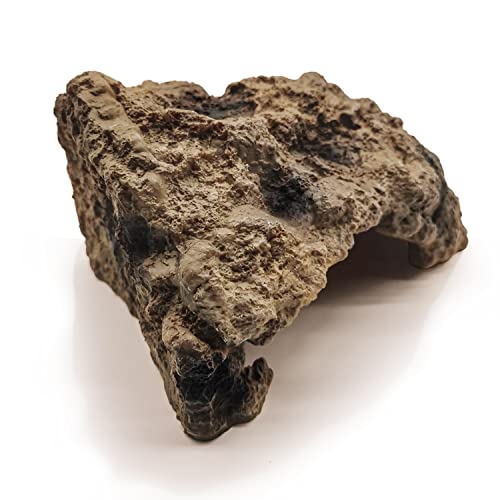
Many owners find that LUCOSIU Rock Cave → works well for their pet’s needs.
Recognizing the leopard gecko shedding stages helps you prepare a humid hide and adjust feeding before the process begins. The signs follow a predictable three-stage visual timeline.
Stage 1: Dulling (2-3 Days Before Leopard Gecko Shedding)
The gecko’s overall coloration becomes dull and muted. The vibrant yellows and patterns fade to a pale, almost grayish tone. This happens because the fluid layer between old and new skin creates a hazy appearance.
Behavioral changes often accompany this stage. The gecko may hide more than usual and show reduced interest in food. Some geckos become slightly irritable when handled.
Stage 2: In the Blue (1-2 Days Before Shed)
The eyes turn a distinctive milky or blue-white color. This is the most recognizable leopard gecko shedding sign and the stage most keepers notice first. The cloudy appearance affects the gecko’s vision, which is why appetite typically drops during this period.
Many keepers mistake this eye clouding for an eye infection or cataracts. However, eye clouding that appears alongside body color dulling and resolves within 48 hours is simply the normal leopard gecko shedding process.
If your gecko stops eating during this stage, it is generally not a cause for concern. However, prolonged refusal to eat that extends well beyond the leopard gecko shedding cycle may indicate an underlying issue. See our guide on why leopard geckos stop eating for a full troubleshooting approach.
Stage 3: Clearing (Hours Before Shed)
The eye cloudiness clears and the skin color brightens noticeably. The old skin has fully separated from the new layer underneath. The gecko becomes more active and may rub against cage furniture, rocks, or enclosure walls.
This is the stage where leopard gecko shedding actually occurs. The gecko peels the skin off in pieces or — ideally — in one complete sheet. Most healthy geckos complete this stage within a few hours, typically at night when they are naturally active.
The Leopard Gecko Shedding Process Step-by-Step
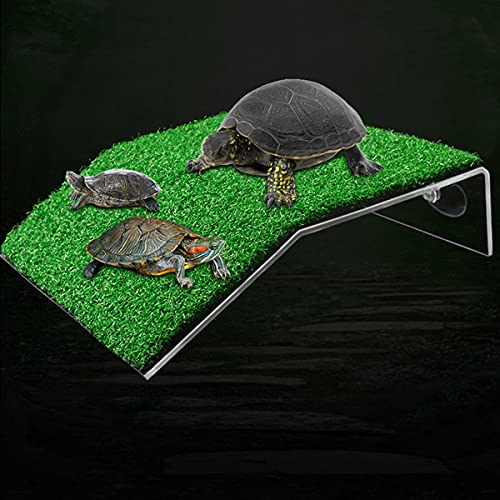
For this purpose, DoubleWood Floating Grass Platform (Large) is a popular choice among pet owners.
Understanding what happens during leopard gecko shedding helps you distinguish normal behavior from problems that require intervention.
The shedding process begins internally several days before any visible signs appear. A specialized cell layer called the stratum germinativum starts producing a new layer of epidermis beneath the existing skin. As the new layer develops, enzymes break down the connections between the old skin and the underlying tissue.
Once the old skin is fully separated, the gecko physically removes it by rubbing against surfaces. The process typically moves from head to tail. The gecko pushes forward through tight spaces or rubs its body against rocks and decor to catch the loose skin edge and pull it backward.
A complete leopard gecko leopard gecko shedding takes 24 to 48 hours from the earliest visible signs to the moment the last piece is removed. Most of this time is the internal preparation — the actual removal of the shed skin usually happens within a single session lasting minutes to a few hours.
Healthy shed skin comes off in one complete piece or in a few large sections. If you find a full “ghost” of your gecko in the enclosure — a complete skin shell including the shape of the toes and tail tip — that indicates excellent leopard gecko shedding conditions.
Geckos almost always eat their leopard gecko shedding skin immediately after removing it. This behavior is so consistent that many keepers never actually find shed skin in the enclosure. The entire leopard gecko shedding is consumed within minutes of being removed.
Why Do Leopard Geckos Eat Their Shed?
Eating shed skin serves two purposes: nutrition and predator avoidance. Both are deeply rooted in the species’ evolutionary biology.
Nutritional Benefits
Shed skin contains measurable amounts of protein and trace minerals, including calcium. For a growing hatchling that sheds every week, consuming the shed recovers nutrients that would otherwise be lost. In the wild where food is seasonal and sometimes scarce, this nutrient recycling provides a measurable survival advantage.
The calcium content in shed skin is modest but not insignificant. For a species that requires careful calcium-to-phosphorus ratios for metabolic health, any additional calcium source contributes to overall nutritional balance.
Predator Avoidance
In the wild, shed skin left in a hiding spot would signal to predators that a gecko uses that location. Eating the shed removes this evidence. This instinct persists strongly in captivity — even geckos from generations of captive breeding will reliably consume their shed.
When Eating Shed Is Not Normal
If a gecko appears to be frantically searching for and eating shed skin that is not present, this can indicate a nutritional deficiency — particularly calcium or protein deficiency. Similarly, if a gecko refuses to eat its shed and consistently leaves pieces in the enclosure, check for stuck shed areas that may be causing discomfort.
For diet recommendations that support healthy shedding cycles, see our best leopard gecko food guide and our leopard gecko diet article.
How to Set Up a Proper Humid Hide for Shedding
A humid hide is the single most important tool for preventing stuck shed. It provides a localized high-humidity microclimate that allows the gecko to soften and loosen the old skin before attempting to remove it.
Without a humid hide, geckos rely entirely on the ambient humidity of their enclosure — which for leopard geckos is typically 30-40%. This is below the threshold needed for comfortable leopard gecko shedding and is the primary cause of dysecdysis in captivity.
Container Selection
A plastic deli cup or small Tupperware container with a secure lid works well. Cut an entry hole roughly 2 inches in diameter — large enough for the gecko to enter and exit comfortably but small enough to retain moisture. The hole should be positioned low on one side of the container.
Substrate Options
Damp paper towels are the simplest and most hygienic option. They hold moisture well, are easy to replace, and carry no risk of impaction if accidentally ingested.
Sphagnum moss retains moisture effectively and mimics the natural substrate of humid microhabitats. Use clean, pesticide-free moss and replace it every 2 to 3 weeks. Avoid colored or dyed moss products.
Eco earth (coconut fiber) holds humidity well but carries a higher impaction risk if the gecko ingests it during leopard gecko shedding. Use this option only with adult geckos that are not prone to tasting their substrate.
Placement and Moisture
Position the humid hide on the warm side near the heat source — the combination of warmth and moisture creates the ideal microclimate for leopard gecko shedding. The substrate inside should be damp, like a wrung-out sponge, but not soaking wet.
Check the moisture level daily and re-dampen the substrate as needed. The substrate should feel noticeably moist to the touch but should not drip water when squeezed.
Maintenance
Replace the substrate inside the humid hide every 2 to 3 weeks, or immediately if it develops a mildew smell or visible mold. Clean the container itself with a reptile-safe disinfectant during each substrate change.
For more on hide options and placement, see our best leopard gecko hide guide. Substrate choices for the main enclosure also affect overall humidity — see our leopard gecko substrate guide for safe options.
A proper enclosure setup with adequate space for hides and temperature gradients is the foundation of healthy shedding. Our best leopard gecko terrarium guide covers enclosure sizing and configuration.

Stuck Shed During Leopard Gecko Shedding: Causes and Prevention
Dysecdisis is the medical term for abnormal leopard gecko shedding, where skin fails to come off properly. abnormal or incomplete shedding. When a gecko cannot shed completely, pieces of old skin remain attached to the body — most commonly on the toes, tail tip, and around the eyes. Retained shed constricts blood flow and can cause permanent tissue damage if left untreated.
Common Causes
Low humidity is by far the most common cause. Leopard geckos in the wild live in arid regions but seek out humid microhabitats — rock crevices, burrows, and areas near moisture — during shedding. Without a humid hide in captivity, the ambient 30-40% humidity is insufficient.
Vitamin A deficiency affects skin quality and elasticity. Geckos with low vitamin A produce skin that does not separate cleanly from the new layer underneath. This is a less obvious but well-documented cause according to the Journal of Herpetological Medicine and Surgery.
Dehydration reduces the fluid layer between old and new skin. A dehydrated gecko simply cannot produce enough separation fluid for clean shedding. Chronic dehydration often results from inadequate water dish access or excessively dry enclosure conditions.
Improper temperature slows metabolism and the enzymatic processes that break down skin connections. If the warm side of the enclosure drops below 28°C (82°F), the shedding process may stall partway through.
Stress from excessive handling, cohabitation, or enclosure changes can disrupt the hormonal signals that trigger normal shedding. Geckos in stressful environments may shed irregularly or incompletely.
Mites and infections damage the skin surface and can cause irregular leopard gecko shedding patterns. Quarantine all new geckos for at least 90 days to prevent introducing mites to an established collection.
Prevention Checklist
- Provide a humid hide with damp substrate at all times
- Maintain proper temperature gradient (28-35°C warm side)
- Ensure fresh water is always available
- Supplement with vitamin A (multivitamin once per week)
- Minimize handling during shedding periods
- Avoid cohabitation
- Maintain consistent day-night light cycles
How to Handle Stuck Shed in Leopard Geckos
Not all stuck shed requires intervention. Small pieces on the body often resolve on their own during the next leopard gecko shedding cycle. However, stuck shed on toes, tail tips, and eyes requires immediate attention because constriction at these points can cause permanent damage.
The universal first step for any stuck shed is a lukewarm soak. Use water at approximately 27-29°C (80-84°F) — roughly the gecko’s preferred body temperature. Never use hot or cold water.
Stuck Shed on Toes
Retained shed on toes is the most common and most dangerous form of dysecdysis. The old skin acts as a tourniquet, progressively cutting off blood circulation to the affected toe. If left untreated for more than one or two shed cycles, the toe tissue dies and the toe falls off.
Soak method: Place the gecko in a shallow container with lukewarm water at belly depth for 10 to 15 minutes. The water softens the retained skin and makes it more pliable.
After soaking, use a damp cotton swab to gently massage the stuck shed. Gently roll the cotton swab along the toe in the direction the shed should come off — usually from base to tip. Do not pull or force the skin.
If the shed does not come off after the first soak, repeat the process once per day for two to three days. Forcing the skin off dry can tear the living tissue underneath and cause open wounds.
Stuck Shed on Tail Tip
The tail tip is the second most common site for retained shed. Unlike snakes, leopard geckos can drop their tails (caudal autotomy) as a defense mechanism. Excessive handling or forceful manipulation of a stuck shed on the tail can trigger this response.
Soak and massage: Follow the same lukewarm soak protocol as for toes — 10 to 15 minutes in shallow water. After soaking, gently massage the tail tip with a damp cotton swab, working from the base toward the tip.
Apply very gentle pressure. If the gecko shows signs of distress — tail twitching, mouth gaping, or attempted biting — stop immediately. A dropped tail will regenerate, but it is best avoided since the regenerated tail is shorter, darker, and lacks the original pattern.
Stuck Shed on Eyes
Retained shed on the eyes is a veterinary concern if it does not resolve within one shed cycle. The shed skin over the eyes can dry and harden, creating a film that prevents the gecko from seeing. Chronic retained eye shed can lead to corneal damage and permanent vision loss.
Home treatment attempt: Soak the gecko in lukewarm water for 10 minutes. Remove the gecko and gently dab the closed eyes with a damp cotton swab — do not apply direct pressure to the eyeball. Use a single gentle motion from the inner corner toward the outer corner.
If the shed does not come off after one or two gentle attempts, stop. Do not continue manipulating the eyes. Schedule a veterinary appointment — a reptile vet can apply specialized ophthalmic solutions and remove the retained shed safely under magnification.
Full Body Soak Method
For widespread stuck shed affecting multiple areas, a full body soak is the most effective approach. Use a shallow plastic container — a Tupperware or small shoebox-size tub — with lukewarm water deep enough to reach the gecko’s belly but not deep enough to submerge it.
Duration should be 15 to 20 minutes maximum. Never leave the gecko unattended during a soak. Maintain water temperature throughout — replacing cooled water with fresh warm water as needed.
After soaking, gently blot the gecko with a soft paper towel and return it to its enclosure. The humid hide should be freshly dampened before the gecko goes back in. Most geckos will complete the shedding process within hours of a proper soak.

Should You Handle Your Gecko During Shedding?
Handling should be minimized during the leopard gecko shedding process. The gecko’s skin is in a transitional state — the old layer is loose and fragile, and the new layer underneath has not fully hardened.
Handling during shedding can cause the old skin to peel off prematurely in patches rather than in a clean sheet. This creates uneven shedding and increases the risk of retained pieces, especially around the toes and tail tip where the skin fits tightly.
Additionally, the gecko’s vision is impaired during the “in the blue” stage. Being picked up by a perceived predator while unable to see clearly causes significant stress. Stress suppresses the immune system and can disrupt the leopard gecko shedding process itself.
Two exceptions: assisting with stuck shed removal as described above, or moving the gecko for enclosure maintenance — use slow, deliberate movements and support the full body weight. Wash your hands before and after handling to prevent introducing bacteria to the vulnerable new skin.
Albino morphs, including the leopard gecko albino and other light-sensitive strains, may be particularly stressed by handling during shedding since their vision is already compromised by light sensitivity. The Mack Snow and other patterned morphs do not have specific leopard gecko shedding-related vulnerabilities.
Common Leopard Gecko Shedding Mistakes to Avoid
Peeling shed off manually is the most harmful mistake keepers make. The urge to “help” is understandable, but pulling on loose skin almost always causes damage. Let the gecko remove its own shed unless specific areas are retained.
Providing no humid hide is the root cause of most shedding problems. A dry enclosure with no humidity refuge forces the gecko to attempt shedding in conditions that make clean removal nearly impossible.
Over-bathing causes unnecessary stress. While soaks are useful for treating stuck shed, routine bathing of a gecko that is not experiencing shedding problems disrupts its natural skin oils and causes chronic stress.
Using only dry substrate contributes to low ambient humidity. Even in arid setups, providing at least one moist area — the humid hide — is essential for shedding health.
Ignoring stuck shed leads to progressive tissue damage. Even if the retained shed does not seem to be bothering the gecko, constriction on toes and tail tips accumulates damage with each leopard gecko shedding cycle cycle.
Excessive handling during shedding strips the loosening skin prematurely and increases stress. Limit handling to essential maintenance tasks during the 24 to 48 hour shedding window.
When to See a Vet
Most leopard gecko shedding issues resolve with proper humidity and at-home stuck shed removal. However, certain situations require professional veterinary care.
Retained shed on the eyes that persists through two consecutive shed cycles warrants a vet visit. Chronic retained eye shed can cause corneal ulcers and permanent vision impairment. A reptile veterinarian can remove the shed safely and check for underlying vitamin A deficiency.
Chronic dysecdysis — repeated incomplete sheds over three or more cycles — indicates a systemic problem. This pattern suggests an ongoing husbandry issue (humidity, temperature, nutrition) or an underlying health condition that requires diagnosis.
Signs of infection at stuck shed sites include redness, swelling, discharge, or a foul odor. Constricted toes that have turned dark purple or black are already necrotic and require immediate veterinary assessment.
Weight loss combined with shedding problems suggests a more serious condition such as cryptosporidiosis or metabolic bone disease. These conditions require veterinary diagnosis and treatment — they will not resolve from humidity corrections alone.
Skin that has not come off after seven or more days past the expected shed date is abnormally retained. The gecko should be evaluated for underlying dehydration, nutritional deficiency, or environmental problems.
Product Recommendations
Here are some products mentioned in this guide:
Frequently Asked Questions
How Long Does Leopard Gecko Shedding Last?
Shedding typically takes 24 to 48 hours from the first visible signs to completion. The entire process from when the skin starts looking dull to when the gecko has eaten the shed skin usually completes within two days.
Is It Normal for a Leopard Gecko to Shed a Lot?
Yes, especially for juveniles — hatchlings shed every 7 to 10 days and juveniles every 2 weeks due to rapid growth, while adults shed every 4 to 6 weeks. Frequent shedding in young geckos is a sign of healthy growth.
Is Shedding Uncomfortable for Leopard Geckos?
Normal shedding is not painful. However, stuck shed (dysecdysis) can cause significant discomfort, restrict blood flow, and lead to tissue damage — particularly on toes and tail tips.
Do Leopard Geckos Shed or Molt?
Technically they shed. The term ecdysis refers to the process of shedding skin in reptiles and amphibians. Molt is more commonly used for arthropods like insects and spiders, or for birds replacing feathers.