The biggest leopard gecko light myth? “They don’t need lights.”
In reality, proper leopard gecko lighting setup is the difference between a thriving gecko and one with metabolic bone disease, poor appetite, and chronic stress. Get it wrong, and your gecko suffers silently.
The UVB controversy doesn’t help. Old-school keepers say no UVB is needed. Modern research says otherwise.
This leopard gecko light guide covers every light type, eight product recommendations across three setup budgets ($46 to $184), a seasonal schedule, and the definitive answer on UVB.
For general leopard gecko husbandry beyond the lighting, see our leopard gecko breed profile.
Top 3 Leopard Gecko Light Picks
| Pick | Product | Price | Best For |
|---|---|---|---|
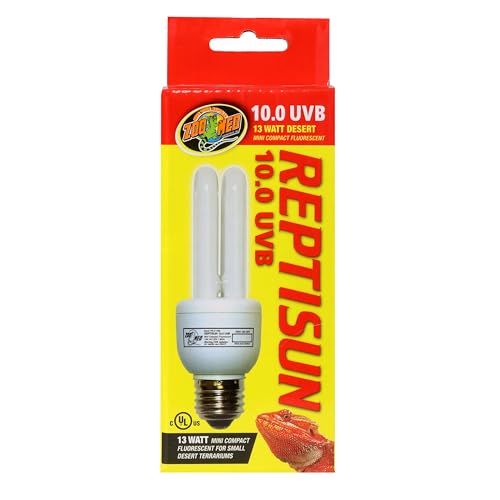
| Best UVB | Zoo Med ReptiSun 10.0 Mini Compact | $18.12 | 10% rated UVB — mount 6-9” and confirm Zone 1 at the basking spot |
| Best Basking | REPTI ZOO 2-Pack 100W Basking | $17.99 | Heat bulb + free spare in one pack |
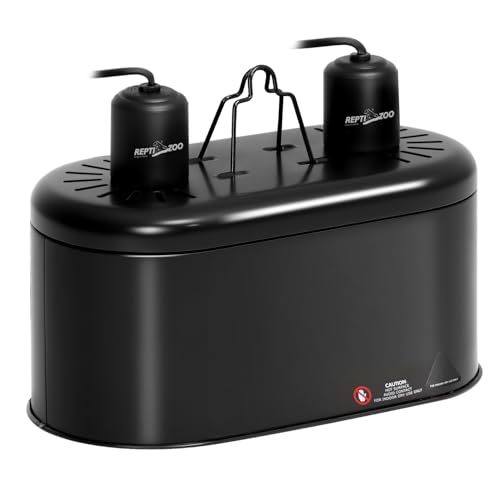
| Best Fixture | REPTI ZOO Dual Dome Fixture | $26.01 | Run UVB + basking from one fixture |
All three appear in the full reviews below, alongside five more picks for T5 HO kits, smart LED setups, and budget alternatives.
Do Leopard Geckos Need Light?
Short answer: Yes. For circadian rhythm and thermoregulation.
Leopard geckos are crepuscular — meaning they’re most active during dawn and dusk, not fully nocturnal. This distinction matters because crepuscular species DO receive low UVB exposure in the wild during those transition hours.
Crepuscular: Active primarily during twilight hours (dawn and dusk). Unlike nocturnal animals that are active in complete darkness, crepuscular species experience natural UVB exposure during sunrise and sunset, which influences their vitamin D3 synthesis needs.
Proper lighting serves two separate jobs in a leopard gecko enclosure:
- Visible light for the day/night cycle — absolutely essential
- UVB for vitamin D3 synthesis — beneficial, though debated
Without proper lighting, geckos develop disrupted sleep cycles, appetite loss, and metabolic bone disease. You may also notice stress behaviors like glass surfing — pacing along the enclosure walls — when the day/night cycle is inconsistent.
A simple timer fix can resolve appetite issues that owners often mistake for health problems. A consistent 12-hour lighting schedule is the foundation of all other care.
Leopard Gecko UVB Light: The Science Explained
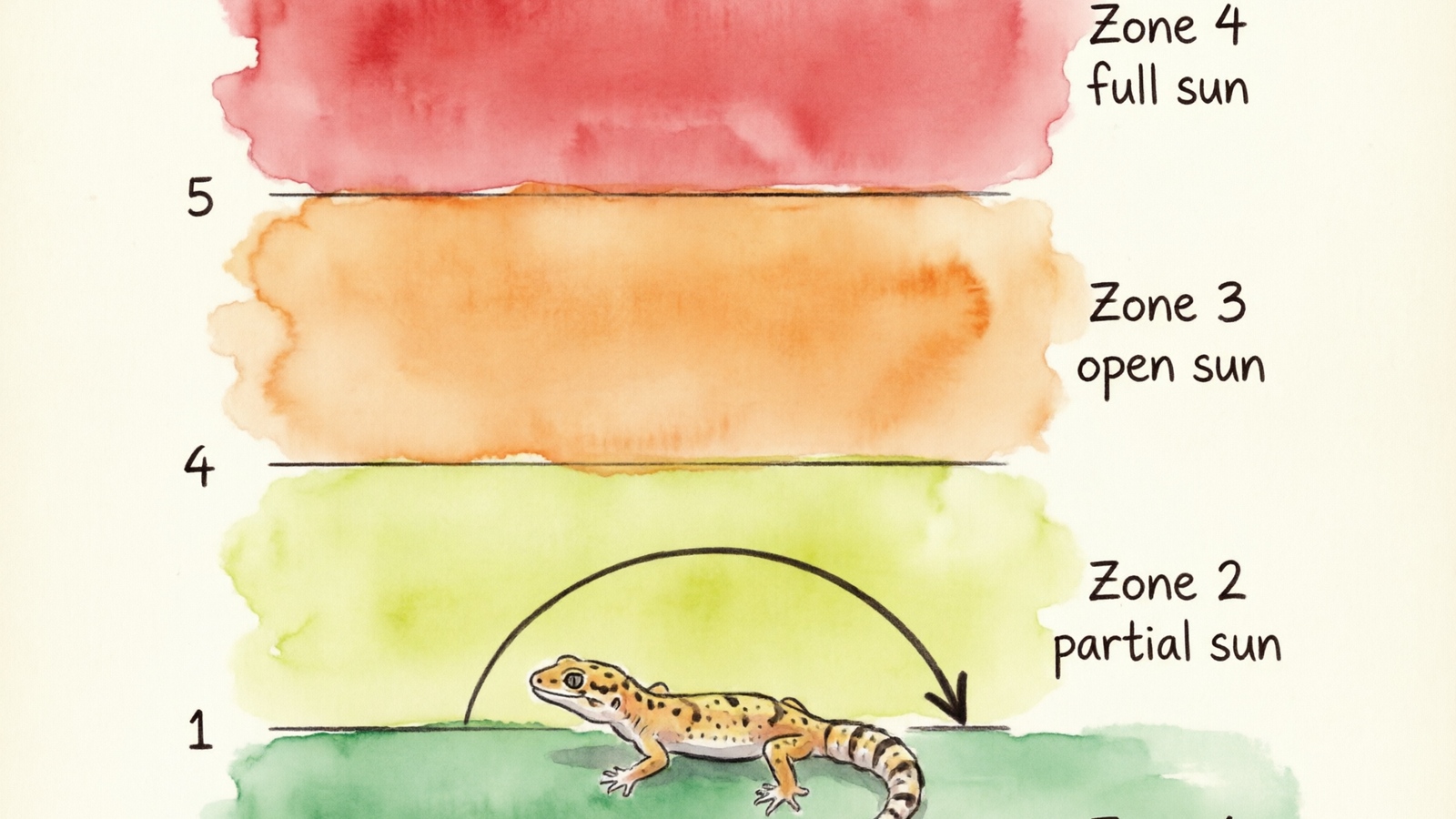
The Ferguson Zone leopard gecko classification has evolved dramatically over the past 15 years, reshaping how keepers approach leopard gecko UVB light supplementation. Whether your Ferguson Zone leopard gecko lighting setup is optimal depends on matching the Zone 1 requirements (UVI 0.4–0.7 at basking spot). Here’s what the current science says.
The Ferguson Zone framework (Dr. Gary Ferguson, 2010) classifies reptiles by their basking behavior and natural UVB exposure. This framework has become the gold standard for reptile lighting recommendations.
| Ferguson Zone | Species Type | UV Index at Basking | Max UVI | Example Species |
|---|---|---|---|---|
| Zone 1 | Crepuscular / Shade dweller | 0.4-0.7 | 0.6-1.0 | Leopard gecko, crested gecko |
| Zone 2 | Partial sun / Shade dweller | 0.7-1.0 | 1.0-2.6 | Blue-tongued skink |
| Zone 3 | Open / Partial sun basker | 1.0-2.6 | 2.6-3.5 | Bearded dragon |
| Zone 4 | Full sun basker | 2.6-3.5 | 5.0+ | Uromastyx |
Leopard geckos are classified as Zone 1 — the lowest UVB requirement category. This means they need LOW UVB, not zero UVB.
The UVB controversy timeline:
- Pre-2010: “Leopard geckos don’t need UVB” — based on the assumption they were fully nocturnal
- 2010: Ferguson Zone paper published — crepuscular species get low UVB exposure in nature
- 2016-2024: Multiple studies showed improved vitamin D3 levels, bone density, and activity in geckos with UVB access
- 2024-2026: Modern lighting consensus — UVB is beneficial, not strictly required if D3 supplements are dosed perfectly
The supplement argument has merit. D3 powder CAN replace UVB — but only if dosed precisely at every feeding. UVB is recommended over supplements because it provides natural, self-regulated D3 synthesis.
Your gecko controls how much D3 it produces by moving in and out of the UVB zone.
What the numbers mean: the number in a ReptiSun name is that lamp’s rated UVB output percentage. A 5.0 puts out 5% UVB, a 10.0 puts out 10%. It rates the bulb, not your gecko. Zoo Med’s current line-up is the 2.5, 5.0 and 10.0 — there is no 8.0 in their current catalogue, so if you have seen “8.0” attached to a UVB lamp it is an older or third-party listing, not a lamp you can still buy new from the maker.
The number is not the dose. The dose is the UV index your gecko reads at its basking spot, and three things set that: how far the lamp sits, how much of the tank the UVB covers, and how much shade is available to hide in. So pick the lamp by the zone it produces, not by the number on the box.
Leopard geckos are Zone 1 animals — target UVI 0.4-0.7 at the basking spot. Zoo Med’s guidance is to “choose a lamp that can provide the correct zone at your pet’s basking site,” measured “from the face of the lamp to the basking site.”
How high to mount it. Zoo Med’s own spec sheet for the ReptiSun 10.0 Mini Compact (item FS-C10M) gives one operating range: 6 to 9 inches (15-23cm) in a ReptiSun Terrarium Hood, or 5 to 8 inches (13-20cm) in a Mini Deep Dome fixture, with a hard floor of “always have your lamp at least four inches away.” The ReptiSun 5.0 Mini (item FS-C5M) is specified at the same distances — the two lamps differ in how much UVB they put out, not in how far away they go. Follow the range on the sheet for the exact lamp you bought.
Check your lid before anything else. Zoo Med: “Screen covers on terrariums filter out a portion of the UVB from all lamps, while glass and most plastics filter out 100% of the UVB.” A glass-topped aquarium blocks the UVB entirely, so no mounting distance will help until the lamp can reach the animal.
If you cannot measure UVI, choose the weaker lamp. A 5.0-rated lamp gives you more margin for error than a 10.0 at the same distance, and Zone 1 is the lowest zone on the scale. If you have a UV index meter, a 10.0 is a perfectly good desert bulb — Zoo Med describes it as “perfect for all desert and basking reptiles” — as long as it lands in Zone 1 and the gecko has shade down to 0 UVI. If you don’t have a meter, use the 5.0 T5 HO kit in the picks table below. Desert species tolerate roughly 13-150 microwatts/cm²; well above that is dangerous in a captive setup.
Warning: Critical safety note: UVB bulbs must cover only one-third to one-half of the enclosure. Your gecko MUST have a shaded area to self-regulate exposure.
The substrate you choose also affects how much UVB reflects. Lighter substrates reflect more UVB downward, while darker substrates absorb it. See our leopard gecko substrate guide for substrate options that complement your lighting setup.
5 Types of Leopard Gecko Lights Compared
Not every type of lighting serves the same purpose. Here’s how the five main types stack up:
| Light Type | Purpose | Emits UVB? | Emits Heat? | Day/Night | Best For |
|---|---|---|---|---|---|
| UVB Compact Bulb | Vitamin D3 synthesis | Yes | No | Day only | Small-medium tanks |
| UVB T5 HO Kit | Vitamin D3 synthesis | Yes | No | Day only | Medium-large tanks, best coverage |
| Basking Bulb | Heat + visible light | No | Yes | Day only | Creating warm basking zone |
| Ceramic Heat Emitter (CHE) | Heat only | No | Yes | Night only | Nighttime heat, no light |
| Smart LED UVB | All-in-one + automation | Yes | No | Day + auto timer | Convenience setup |
Every lighting setup needs at least two light types in your leopard gecko enclosure: UVB for daytime vitamin D3, and a basking bulb for heat. If your room temperature drops below 65°F at night, add a ceramic heat emitter.
What about heat mats? Under-tank heaters (UTH) provide belly heat that aids digestion. They complement overhead lighting but don’t replace it.
Heat mats don’t produce the visible light needed for day/night cycles, and they don’t create an overhead temperature gradient. Modern best practice combines overhead heat with a UTH for supplemental warmth.
Every heat source — whether it’s a basking bulb, CHE, or UTH — should be controlled by a thermostat. Unregulated heat is the leading cause of reptile burns and overheating. Our best reptile thermostat guide covers reliable options for every budget.
Best Light for Leopard Gecko: 8 Product Picks
UVB Bulbs
| Product | Type | UVB | Price | Rating | Best For |
|---|---|---|---|---|---|
| Zoo Med ReptiSun 10.0 Mini Compact | Compact 13W | 10% (6-9”) | $18.12 | — | Best Overall UVB |
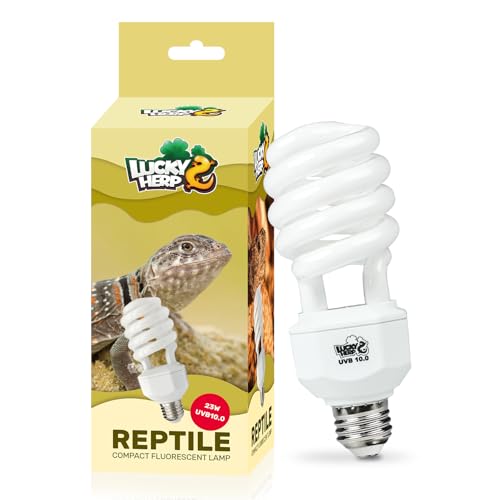
| LUCKY HERP UVB 10.0 Desert | Compact 23W | Desert 10.0 | $14.99 | — | Best Budget UVB |
| Zoo Med ReptiSun T5 HO 5.0 Kit | T5 HO Kit 14” | 5% | $59.96 | — | Best UVB Kit |
Zoo Med ReptiSun 10.0 Mini Compact is the gold-standard compact UVB bulb for desert species. It is the most trusted compact UVB on the market.
The 13W output fits standard E26 dome fixtures. This UVB output fades within 6 to 12 months even though the bulb keeps producing visible light — set a replacement reminder.
LUCKY HERP UVB 10.0 Desert delivers the same 10% rated desert UVB at a lower price. At $14.99, it is the most affordable compact UVB option in this table.
The 23W output provides broader coverage than the 13W Zoo Med. Quality control is less consistent — some bulbs arrive DOA or produce uneven UVB.
Zoo Med ReptiSun T5 HO 5.0 Kit is the premium T5 HO system choice. This kit includes both the fixture and the T5 HO bulb.
Zoo Med rates this lamp as “twice as strong as standard ReptiSun 5.0 Lamps” and “perfect for larger reptile habitats” — it beats a standard 5.0 tube, not a 10.0 compact. What you gain is even distribution across a longer fixture rather than a hotspot from a single point source. At $59.96 it costs more upfront, and it must be mounted at the distance on its own spec sheet, which is not the same distance as a compact bulb.
Basking Bulbs — The Core of Your Leopard Gecko Basking Light Setup
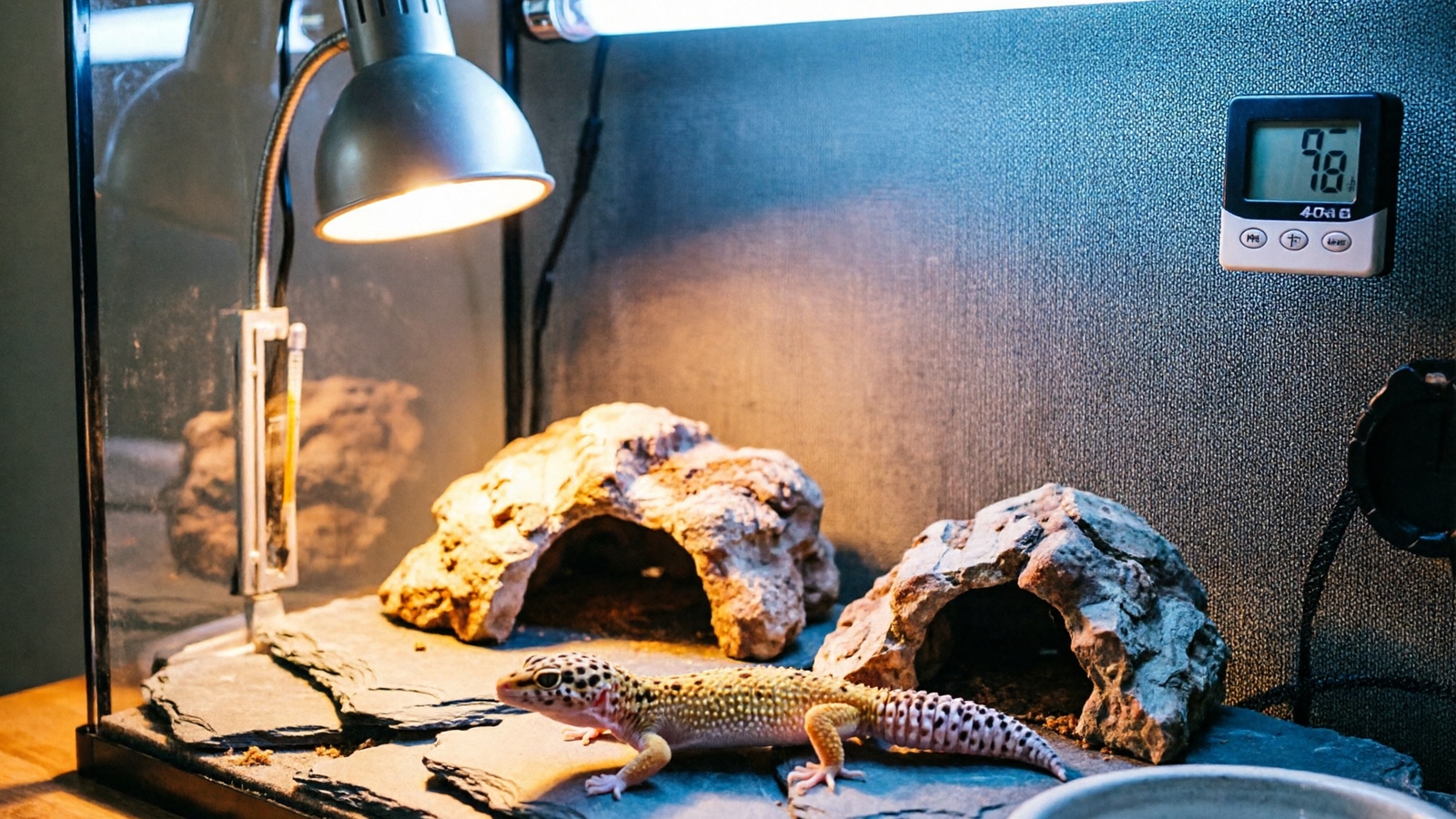
A leopard gecko heat lamp — also called a basking light — is typically an incandescent or halogen spot bulb (50–100W) that creates a concentrated basking zone of 88–92°F on one side of the enclosure.
| Product | Wattage | Price | Rating | Best For |
|---|---|---|---|---|
| Fluker’s Basking Spotlight | 100W | $5.14 | — | Best Basking Bulb |
| REPTI ZOO 2-Pack Basking | 100W ×2 | $17.99 | — | Best Value |
Fluker’s 100W Basking Spotlight is one of the most widely used leopard gecko heat lamp basking bulbs. At $5.14, it is the cheapest single item in this guide.
This leopard gecko basking light focused beam creates a tight heat zone perfect for the 88 to 92°F warm side target. Incandescent bulbs typically last 2 to 3 months. Plan to keep spares on hand.
REPTI ZOO 2-Pack Basking This leopard gecko heat lamp value pack gives you two 100W bulbs for $17.99 — roughly $9 per bulb. Having a spare eliminates the panic of a burnout when pet stores are closed. It is a proven product with a solid track record.
Night Heat (No Light)
| Product | Wattage | Price | Rating | Best For |
|---|---|---|---|---|
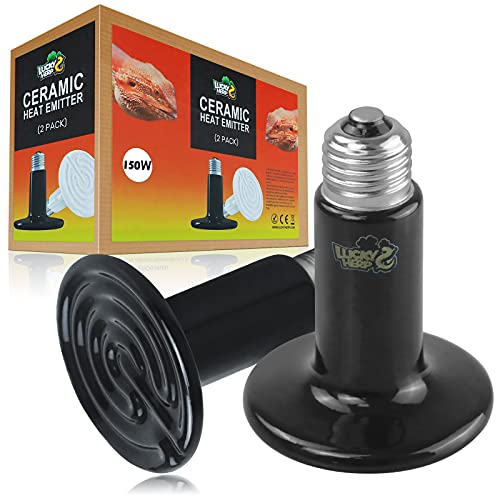
| LUCKY HERP 150W CHE 2-Pack | 150W ×2 | $15.99 | — | Best Night Heat |
LUCKY HERP 150W CHE 2-Pack is the top-rated night leopard gecko light alternative (CHE). A ceramic heat emitter produces heat with zero visible light — perfect for nighttime warmth without sleep disruption.
Two 150W bulbs for $15.99 means each costs under $8. CHEs last 2 to 5 years, making them the most cost-effective heat source over time.
Fixtures
| Product | Type | Price | Rating | Best For |
|---|---|---|---|---|
| REPTI ZOO Dual Dome Fixture | Dual dome | $26.01 | — | Best Fixture |
REPTI ZOO Dual Dome Fixture This leopard gecko light fixture holds two bulbs side by side — UVB on one side, basking on the other. At $26.01, it is one of the most widely used reptile fixtures on the market. Individual on/off switches let you control each bulb independently.
Smart/Modern
| Product | Type | Price | Rating | Best For |
|---|---|---|---|---|
| REPTITRIP 16” LED UVB Smart | LED UVB + timer | $69.99 | — | Best Smart Light |
REPTITRIP 16” LED UVB Smart is the modern all-in-one leopard gecko light solution. This leopard gecko light combines low-level UVB with a built-in timer and dimming function.
At $69.99, it replaces a UVB bulb, fixture, and separate timer. The auto day/night cycle eliminates the risk of forgetting to turn lights on or off. It is gaining traction among keepers who want a hands-off approach.
Budget Leopard Gecko Lighting Setup Tiers
A complete leopard gecko lighting setup includes three components: a UVB source, a basking bulb, and a nighttime heat option.
Here’s how to combine leopard gecko light products into three complete setups:
| Tier | Products | Total Cost | What You Get |
|---|---|---|---|
| Budget (~$46) | LUCKY HERP UVB 10.0 ($14.99) + Fluker’s 100W ($5.14) + REPTI ZOO Dual Dome ($26.01) | ~$46 | UVB + heat + fixture — complete day setup |
| Recommended (~$111) | Zoo Med ReptiSun 10.0 ($18.12) + REPTI ZOO 2pk basking ($17.99) + LUCKY HERP CHE 2pk ($15.99) + REPTI ZOO Dual Dome ($26.01) + separate dome for CHE ($18) + timer ($15) | ~$111 | Full day + night setup with backup bulbs |
| Premium (~$184) | REPTITRIP Smart LED UVB ($69.99) + Zoo Med T5 HO 5.0 Kit ($59.96) + LUCKY HERP CHE 2pk ($15.99) + REPTI ZOO dome ($26.01) + smart plug ($12) | ~$184 | Dual UVB + smart automation + CHE |
Step-by-step lighting installation:
- Mount the UVB fixture — attach to the top mesh or suspend the dome above the tank, then set the distance from the lamp face to the basking spot. For a ReptiSun 10.0 or 5.0 Mini Compact, Zoo Med specifies 6-9 inches in a terrarium hood or 5-8 inches in a Mini Deep Dome. For T5 HO tubes, use the distance on that tube’s own spec sheet — it is not the same as a compact. If the tank has a glass lid, remove it: glass blocks the UVB entirely.
- Install the basking bulb — place in a separate dome fixture over the warm-side basking spot to create a concentrated heat zone.
- Position the CHE (if using) — install in a third dome or dual dome on the cool side for nighttime heat, or use as backup daytime heat.
- Connect all fixtures to a thermostat — place the probe in the basking zone and set to 88–92°F. Never plug heat sources directly into wall power.
- Add a timer or smart plug — program 12 hours on/12 hours off for day bulbs; set CHE to a separate timer or thermostat control for nighttime.
- Verify temperatures — use a digital thermometer at basking zone and cool side; adjust bulb wattage or fixture height until gradient reads 88–92°F warm and 75–80°F cool.
- Check UVB output — use a UV index meter to confirm UVI reading of 0.4–0.7 at the basking spot (Ferguson Zone 1 range).
The budget leopard gecko light setup works because even basic UVB is better than none. A LUCKY HERP 10.0 compact paired with a Fluker’s basking bulb in a dual dome gives your gecko everything it needs during daytime.
The recommended leopard gecko light tier is the sweet spot. It covers both day and night cycles with a CHE for cold rooms. The backup basking bulbs eliminate emergency store runs.
The premium leopard gecko light tier is for keepers who want maximum health benefits. The REPTITRIP smart LED provides automated day/night cycling, while the T5 HO kit delivers superior UVB coverage. Together, they create an environment that closely mimics natural conditions.
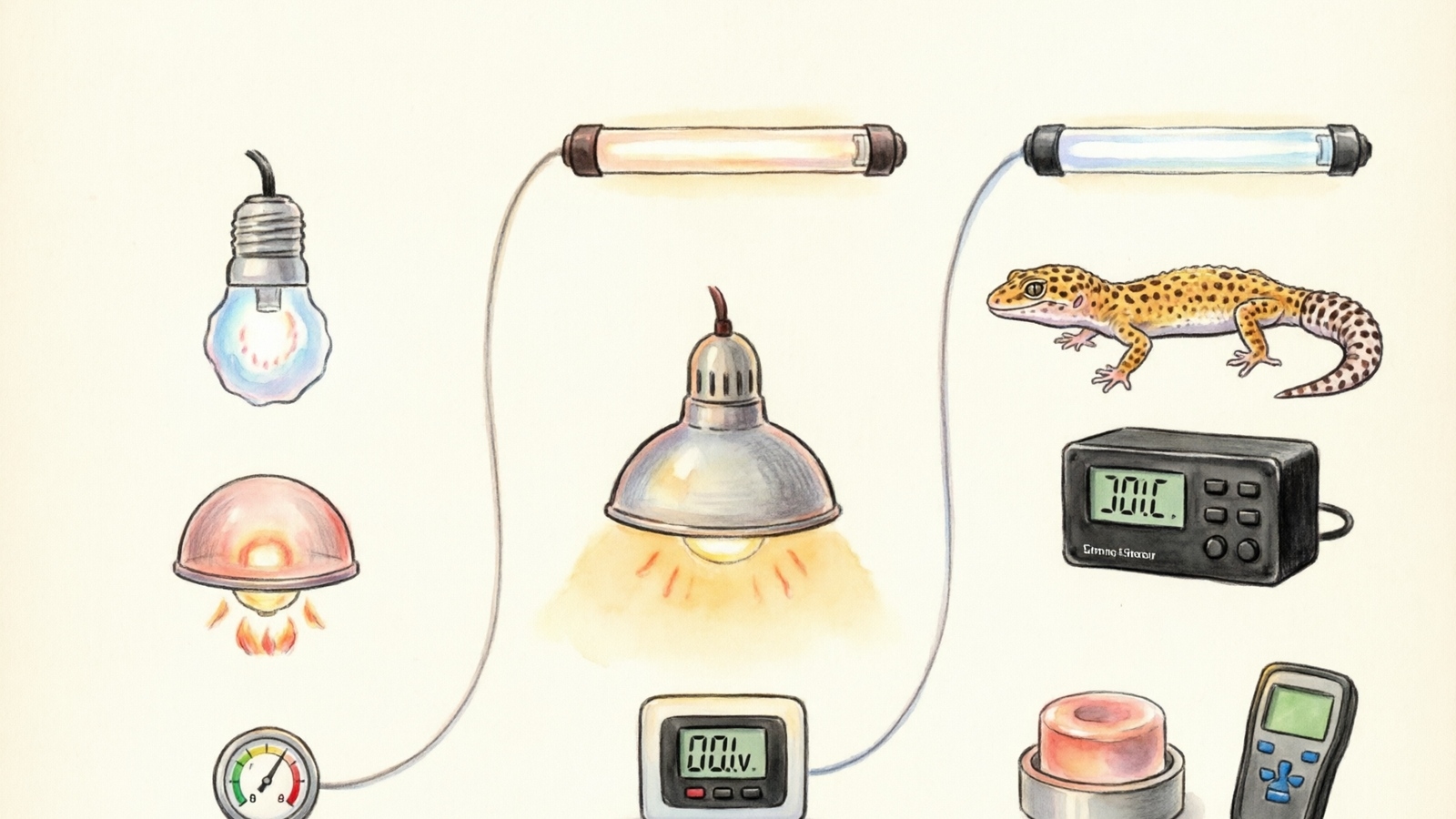
A properly positioned leopard gecko basking light also helps regulate circadian rhythms. Your leopard gecko basking light should create a distinct warm zone that signals daytime to your pet.
Seasonal Leopard Gecko Light Schedule
Your leopard gecko light schedule should follow seasonal day length changes to support natural breeding cycles and activity patterns. Replicating these changes supports natural behavior.
| Season | Light Hours | Dark Hours | Transition |
|---|---|---|---|
| Spring (Mar-May) | 12 hours | 12 hours | Ramp up from winter by +15 min/week |
| Summer (Jun-Aug) | 14 hours | 10 hours | Peak activity season |
| Fall (Sep-Nov) | 12 hours | 12 hours | Ramp down by -15 min/week |
| Winter (Dec-Feb) | 10-12 hours | 12-14 hours | Shorter days, possible brumation |
Always use a timer for light control. Manual switching leads to inconsistent schedules that stress your gecko. A basic mechanical timer costs $10 to $15; smart plugs offer app-based control for around $12.
At night, ALL daytime lights should be off — UVB and basking bulbs included. Only the CHE should run if your room temperature drops below 65°F.
Transition between seasons gradually. Adjust the timer by 15 minutes per week over four weeks. Abrupt changes disrupt your gecko’s internal clock.
Breeding note: Seasonal changes can trigger brumation and breeding. Only experienced keepers should induce brumation. For first-time owners, a consistent 12-hour cycle year-round is safest.
Your gecko’s appetite varies with the leopard gecko light schedule. Reduced appetite in winter is normal. See our leopard gecko food guide for seasonal feeding adjustments.
Temperature & Humidity — Part of Your Leopard Gecko Light Schedule
Proper leopard gecko light temperature management is inseparable from overall enclosure health. Your leopard gecko light choices directly affect the temperature zones in the enclosure.
| Zone | Temperature | Equipment |
|---|---|---|
| Basking spot | 88-92°F (31-33°C) | Basking bulb (halogen or incandescent) |
| Warm side (floor) | 88-92°F (31-33°C) | UTH or overhead heat |
| Warm side (air, 4-6” up) | 80-83°F (27-28°C) | — |
| Cool side (air, 4-6” up) | 73-76°F (23-24°C) | No heat source |
| Humid hide | 75-80% humidity | Damp sphagnum moss |
| Nighttime drop | 65-74°F (18-23°C) | CHE only if room is cold |
| Parameter | Range | Tool |
|---|---|---|
| Humidity (general) | 25-40% | Digital hygrometer |
| UV Index at basking | 0.4-0.7 (Zone 1) | Solarmeter 6.5 (optional) |
Use two digital thermometers minimum — one on the warm side, one on the cool side, both at floor level. An infrared temperature gun is invaluable for verifying leopard gecko light temperature at the exact basking spot.
Avoid analog stick-on thermometers. They’re notoriously inaccurate, with deviations of 5 to 10°F that can mask dangerous temperature gaps.
Your enclosure material affects leopard gecko light temperature management — a key factor in choosing the right leopard gecko light temperature for your setup. Glass retains heat differently than PVC or mesh tops. See our leopard gecko terrarium guide for options that complement your lighting.
Leopard Gecko Night Light: The Red/Blue Bulb Myth
This is where most leopard gecko night light choices go wrong. Choosing the wrong leopard gecko night light is one of the most common mistakes new keepers make. The truth is, leopard geckos need darkness at night — not a colored bulb. — and the information online makes it worse.
| Myth | Reality |
|---|---|
| ”Red bulbs are invisible to leopard geckos” | Leopard geckos CAN see red light. Their pupils dilate but they detect the light — disrupting circadian rhythm |
| ”Blue moonlight bulbs simulate natural moonlight” | Blue bulbs emit visible light that interferes with sleep cycles. Natural moonlight is significantly dimmer |
| ”Black/purple bulbs don’t bother reptiles” | Limited research shows reptiles detect these wavelengths. Avoid all colored bulbs at night |
| ”You need light to watch your gecko at night” | Warning: Use a flashlight briefly for viewing. Never leave colored bulbs on all night |
Three of the top-ranking competitors — TerrariumQuest (#1), ReptilesLife (#3), and Lizards101 (#5) — still recommend colored night bulbs. This is outdated advice that can cause chronic stress, appetite loss, and irregular activity patterns.
The correct nighttime approach is complete darkness. If your gecko needs supplemental heat, use a ceramic heat emitter (CHE). It produces heat with zero visible light output.
Research from Reptile Apartment and multiple herpetological studies confirms that colored light exposure disrupts melatonin production in reptiles — the same sleep disruption seen in humans exposed to blue light before bed.
When to Replace Your Leopard Gecko Bulbs
UVB degradation is the invisible danger in leopard gecko light. The leopard gecko light bulb keeps producing visible light long after UVB output has faded.
| Bulb Type | Replace Every | Why |
|---|---|---|
| UVB Compact | Every 6 months | UVB output fades to ~50% while bulb still looks lit |
| UVB T5 HO Tube | Every 9-12 months | Longer lifespan, but still fades invisibly |
| Basking Incandescent | When burned out (2-4 months) | Filament burns out visibly |
| Ceramic Heat Emitter | Every 2-5 years | Longest lasting — no filament to burn out |
| LED UVB | Every 12-18 months | UVB LEDs degrade slower but still fade |
Mark your calendar or set a phone reminder the day you install a new UVB bulb. Six months later, replace it regardless of whether it still produces visible light.
A solarmeter 6.5 is the only way to truly verify UVB output. It’s a $100+ investment that serious keepers consider essential. A calendar-based schedule works fine for most hobbyists.
Budget tip: buy UVB bulbs in two-packs. You’ll always have a replacement ready, and bulk purchases often save 10 to 15%.
Using the wrong wattage leopard gecko heat lamp is the #1 reason for temperature gradient failures.
Common Lighting Mistakes to Avoid
Using red, blue, or black night bulbs. This is the number one leopard gecko light mistake. All colored lights disrupt your gecko’s circadian rhythm. Use a ceramic heat emitter instead — it produces heat with zero visible light.
Running UVB over the entire enclosure. Your gecko needs a UVB gradient, just like a temperature gradient. Cover only one-third to one-half of the enclosure so your gecko can self-regulate exposure. Complete UVB coverage prevents escape from UVB, which can cause overexposure.
UVB bulb positioned too close or too far. Check the operating range printed on the spec sheet for your specific bulb — for a ReptiSun 10.0 Mini Compact that is 6-9 inches in a hood or 5-8 inches in a Mini Deep Dome. Too close and a strong lamp pushes a Zone 1 animal into Zone 2 or higher; too far and the spot drops out of Zone 1 entirely. A glass lid shifts the whole calculation, because it blocks the UVB before distance ever matters.
Skipping UVB bulb replacement. UVB fades invisibly. A bulb that’s still producing bright white light may be producing zero UVB. Replace compact UVB bulbs every 6 months.
Using heat rocks. Direct-contact heat sources cause severe belly burns. Leopard geckos don’t sense overheating on their underside.
By the time your gecko reacts to a hot rock, tissue damage has already occurred. Use overhead heating instead.
No timer for the day/night cycle. Manual leopard gecko light switching leads to inconsistent schedules. A $10 mechanical timer eliminates this risk entirely. Inconsistent leopard gecko light cycles cause chronic stress in leopard geckos.
Proper lighting checklist:
- UVB bulb covering 1/3 to 1/2 of enclosure — creates UVB gradient
- Basking spot 88–92°F — warm-side target temperature
- Cool side 75–80°F — temperature gradient for self-regulation
- Thermostat on all heat sources — prevents burns and overheating
- 12h light/12h dark cycle (adjust seasonally) — natural circadian rhythm
- Ceramic heat emitter for nighttime heat — zero visible light
- Replace compact UVB every 6 months, T5 HO every 12 months
- Never use red, blue, or black night bulbs — disrupts sleep cycle
- Never use heat rocks — causes severe belly burns
- Never leave lights on 24/7 — geckos need complete darkness at night
- Never position UVB too close or too far — follow manufacturer distance guide
- Never cover entire enclosure with UVB — eliminates UVB gradient
FAQ
What is the best light for leopard gecko enclosures? A basking spot bulb, a thermostat-controlled CHE for nighttime, and one UVB lamp that you have positioned to read UVI 0.4-0.7 at the basking spot. Which UVB lamp that ends up being depends on your fixture and your lid, not on the number in its name — a 10.0 compact is right if you can confirm the spot stays in Zone 1, and the 5.0 T5 HO kit is the safer pick if you cannot measure.
The short answer is no — leopard geckos need complete darkness, not a leopard gecko night light.
Do leopard geckos need light at night?
No. Leopard geckos need complete darkness at night to maintain their natural circadian rhythm. Avoid red, blue, or black night bulbs — leopard geckos can see these wavelengths, and they disrupt sleep patterns. If your home drops below 65°F (18°C) at night, use a ceramic heat emitter, which produces heat with zero visible light.
What kind of light does a leopard gecko need?
A leopard gecko needs two types of daytime lighting: a UVB lamp for vitamin D3 synthesis and a basking bulb (50-100W incandescent or halogen) for heat and visible light. On the UVB side, the 5.0 and 10.0 in a ReptiSun name are rated UVB output percentages — 5% and 10% — not the strength your gecko receives. Aim for Ferguson Zone 1, or UVI 0.4-0.7 at the basking spot: a 5.0 or 10.0 Mini Compact mounted 6-9 inches above the spot, covering only a third to a half of the tank, with shade available down to 0 UVI. If you cannot measure UVI, choose the 5.0. At night, all lights should be off. Only use a ceramic heat emitter if supplemental nighttime warmth is needed.
Should I leave my leopard gecko’s light on at night?
Never leave daytime lights (UVB or basking) on at night. Leopard geckos need 10 to 14 hours of complete darkness depending on the season.
Leaving lights on 24/7 causes chronic stress, disrupts feeding cycles, and weakens the immune system. Use a timer to automate the on/off schedule.
Do leopard geckos need a UVB light?
A Ferguson Zone leopard gecko setup requires only low-level leopard gecko UVB light exposure (UVI 0.4–0.7 at basking spot) since these are Zone 1-2 animals. Modern research using the Ferguson Zone framework shows that crepuscular species like leopard geckos receive low UVB in the wild and benefit from it in captivity.
UVB enables natural vitamin D3 synthesis, which supports bone health and calcium absorption. If you don’t use UVB, you must supplement with D3 powder at every feeding.