Leopard geckos are one of the longest-lived pet lizards available. With proper husbandry, a healthy leopard gecko lifespan ranges from 15 to 20 years in captivity. Some individuals have exceeded 28 years with exceptional care.
This guide covers every factor that influences leopard gecko lifespan — from species differences and gender to diet, habitat, and common health threats. Whether you are choosing your first gecko or caring for a senior, the information here will help you maximize their years.
How Long Do Leopard Geckos Live?
Leopard geckos live 15 to 20 years in captivity with proper care. In the wild, their leopard gecko lifespan drops significantly to just 5 to 10 years due to predators, disease, and inconsistent food supply.
A well-maintained captive gecko has a substantial survival advantage. No natural predators, a consistent diet of gut-loaded insects, and access to veterinary care all contribute to this dramatic difference. PetMD notes that captive leopard geckos routinely outlive their wild counterparts by a factor of two to three.
The species Eublepharis macularius originates from the arid rocky grasslands of Afghanistan, Pakistan, and parts of India. In these environments, their natural leopard gecko lifespan is limited by predation from snakes, birds of prey, and larger lizards. Captivity eliminates virtually all of these threats.
Reaching the upper end of the leopard gecko lifespan range requires more than just basic survival. It demands consistent attention to diet, temperature, supplementation, and low-stress handling throughout the gecko’s entire life.
Wild vs Captive Lifespan
| Factor | Wild | Captive |
|---|
| Average lifespan | 5-10 years | 15-20 years | | Maximum recorded | ~12 years | 28+ years | | Primary threats | Predators, drought, disease | Husbandry errors, genetic conditions | | Food availability | Seasonal, inconsistent | Daily, supplemented |

In the wild, leopard geckos face constant survival pressure. They are nocturnal ground-dwellers that spend daylight hours hiding in rock crevices or abandoned burrows. Every night they emerge to hunt, they risk encounters with predators.
Food scarcity is another major factor limiting leopard gecko lifespan in the wild. Geckos eat whatever insects are seasonally available — crickets, beetles, spiders, and scorpions.
During dry seasons, insect populations crash, and geckos may go weeks without substantial meals. This irregular feeding pattern slows growth and weakens immune function over time.
Captive geckos avoid all of these pressures. A proper setup provides a temperature gradient, supplemental calcium with vitamin D3, and a consistent supply of gut-loaded feeder insects. For a detailed overview of optimal care conditions, see our leopard gecko care guide.
Male vs Female Leopard Gecko Lifespan
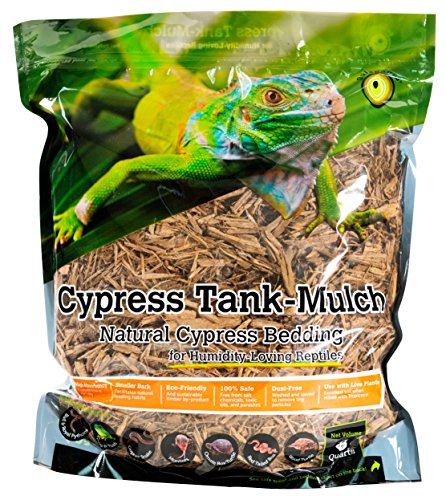
Many owners find that Galápagos Mulch works well for their pet’s needs.
Males consistently outlive females in captivity. The average male leopard gecko lives 15 to 20 years, while breeding females average only 10 to 15 years. This gap is one of the most significant gender-based longevity differences among common pet reptiles.
The primary reason is egg production. A breeding female leopard gecko produces 8 to 10 clutches per year, with 2 eggs per clutch. Each egg requires substantial calcium and energy reserves.
Over multiple breeding seasons, this repeated drain takes a cumulative toll on the female’s body. Calcium depletion is the most serious consequence — females that breed without adequate supplementation develop metabolic bone disease (MBD) far more frequently than males.
Non-breeding females close the gap considerably. A female that is never bred can live 15 to 20 years — roughly matching male longevity. For keepers focused on longevity rather than breeding, keeping females without a male is the best approach.
Rotating breeding cycles — breeding a female every other season rather than every season — also helps. This gives her body time to replenish calcium reserves between reproductive cycles. Many experienced breeders follow this pattern specifically to extend their females’ productive years.
For more on the species itself and its natural history, visit our leopard gecko overview page.

Leopard Gecko Life Stages
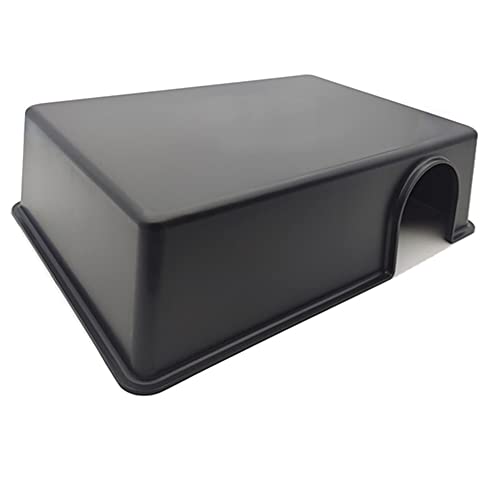
For this purpose, Leoterra Medium (M) is a popular choice among pet owners.
Hatchling (0-6 Months)
Hatchlings measure roughly 3 to 4 inches in total length and weigh 3 to 5 grams. This is the most fragile life stage, with the highest mortality rate. Their immune systems are undeveloped, and they are highly sensitive to temperature fluctuations.
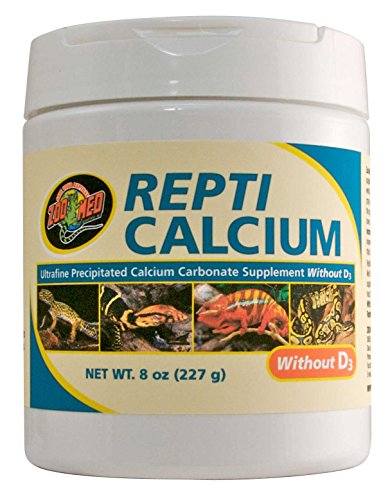
Feeding is critical during this period. Hatchlings should eat daily — appropriately sized crickets, roaches, or mealworms. Every feeding should be dusted with calcium without D3, with D3 supplementation provided two to three times per week.
Hatchlings are also the most susceptible to impaction from loose substrate. Paper towel or tile flooring is strongly recommended for the first six months.
Juvenile (6-12 Months)
Juveniles grow rapidly, often adding 1 to 2 grams per week during peak growth periods. This is when sexing becomes possible — males develop visible pre-anal pores around 5 to 6 months of age.
Feeding frequency can be reduced to every other day. The diet should remain calcium-dense, as juveniles are building their skeletal framework. Insects should be gut-loaded with nutritious vegetables 24 hours before feeding.
UVB exposure during the juvenile stage has measurable benefits for long-term bone density. According to research published in the Journal of Zoo and Wildlife Medicine, reptiles with regular UVB access develop stronger skeletal structures than those without.
Adult (1-10 Years)
Adults are the most resilient life stage. Males reach sexual maturity at 10 to 12 months, females at 8 to 10 months. Adults of both sexes eat every two to three days and maintain relatively stable weights.
This is the longest portion of a gecko’s life. Consistent husbandry during these years — stable temperatures, regular supplementation, and clean enclosure maintenance — has the largest impact on total lifespan.
Weight monitoring becomes important during adulthood. A healthy adult male weighs 45 to 65 grams. Females range from 40 to 70 grams depending on reproductive status. Sudden weight changes often signal underlying health issues.
Senior (10+ Years)
Senior leopard geckos show visible signs of aging. Their activity levels decrease, they spend more time hiding, and their feeding frequency drops. Some seniors eat only once or twice per week.
Common aging signs include cloudy eyes unrelated to shedding, reduced grip strength, and slower reflexes during hunting. Weight loss is the most concerning sign — a senior losing more than 10% of body weight over two months should see a reptile veterinarian.
Senior care adjustments include lowering the basking temperature by 1 to 2 degrees, offering softer food items like dubia roaches instead of hard-shelled crickets, and reducing handling frequency. A senior gecko’s immune system is less robust, so strict hygiene and quarantine protocols become even more important.
Does Morph Affect Lifespan?
There is no scientific evidence that any specific leopard gecko morph has a shorter or longer natural lifespan. A leopard gecko albino can live just as long as a wild-type or Mack Snow gecko when given equivalent care.
However, some morphs have specific health considerations that indirectly affect longevity. Albino morphs — including Tremper, Bell, and Rainwater strains — are more sensitive to bright light. Prolonged exposure to intense basking bulbs or bright room lighting causes eye discomfort and stress.
This can suppress feeding and immune function over time. Albino keepers should use lower-wattage basking bulbs and provide multiple shaded hiding areas. This does not directly affect cellular aging, but it does reduce chronic stress — a known factor in shortened lifespans across all reptile species.
Enigma morphs are associated with neurological issues including circling, stargazing, and difficulty feeding. These symptoms typically appear within the first two years of life. While not all enigma geckos develop severe symptoms, affected individuals may require assisted feeding and modified husbandry.
Factors That Affect Leopard Gecko Lifespan
Diet & Nutrition
Diet is the single most controllable factor in gecko longevity. Leopard geckos are insectivores — they eat live insects exclusively. The quality, variety, and supplementation of those insects directly determines long-term health.
Feeder insects should be gut-loaded for 24 hours before feeding. Crickets, dubia roaches, and black soldier fly larvae provide the best nutritional profiles. Waxworms and superworms are high in fat and should be offered only as occasional treats.
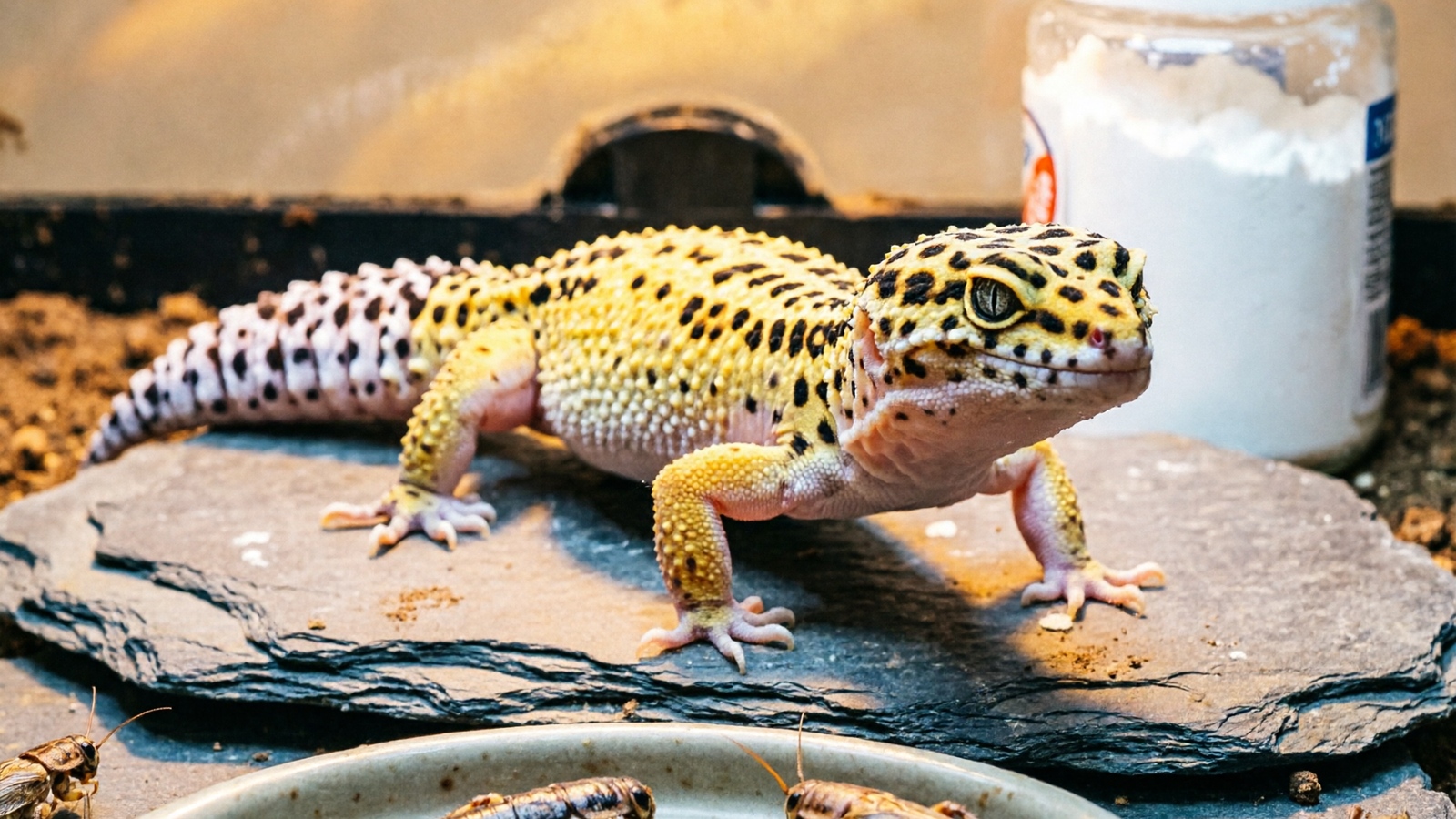
Calcium supplementation is non-negotiable. A dish of pure calcium powder should be available in the enclosure at all times.
Feeder insects should be dusted with calcium plus D3 at every feeding for juveniles and every other feeding for adults. For specific product recommendations, see our best leopard gecko food guide and our leopard gecko diet article.
Vitamin A deficiency is an underrecognized problem. Many keepers supplement with D3 but neglect vitamin A, leading to poor shed quality, eye issues, and weakened immune response. A reptile-specific multivitamin used once per week addresses this gap.
Temperature & Habitat
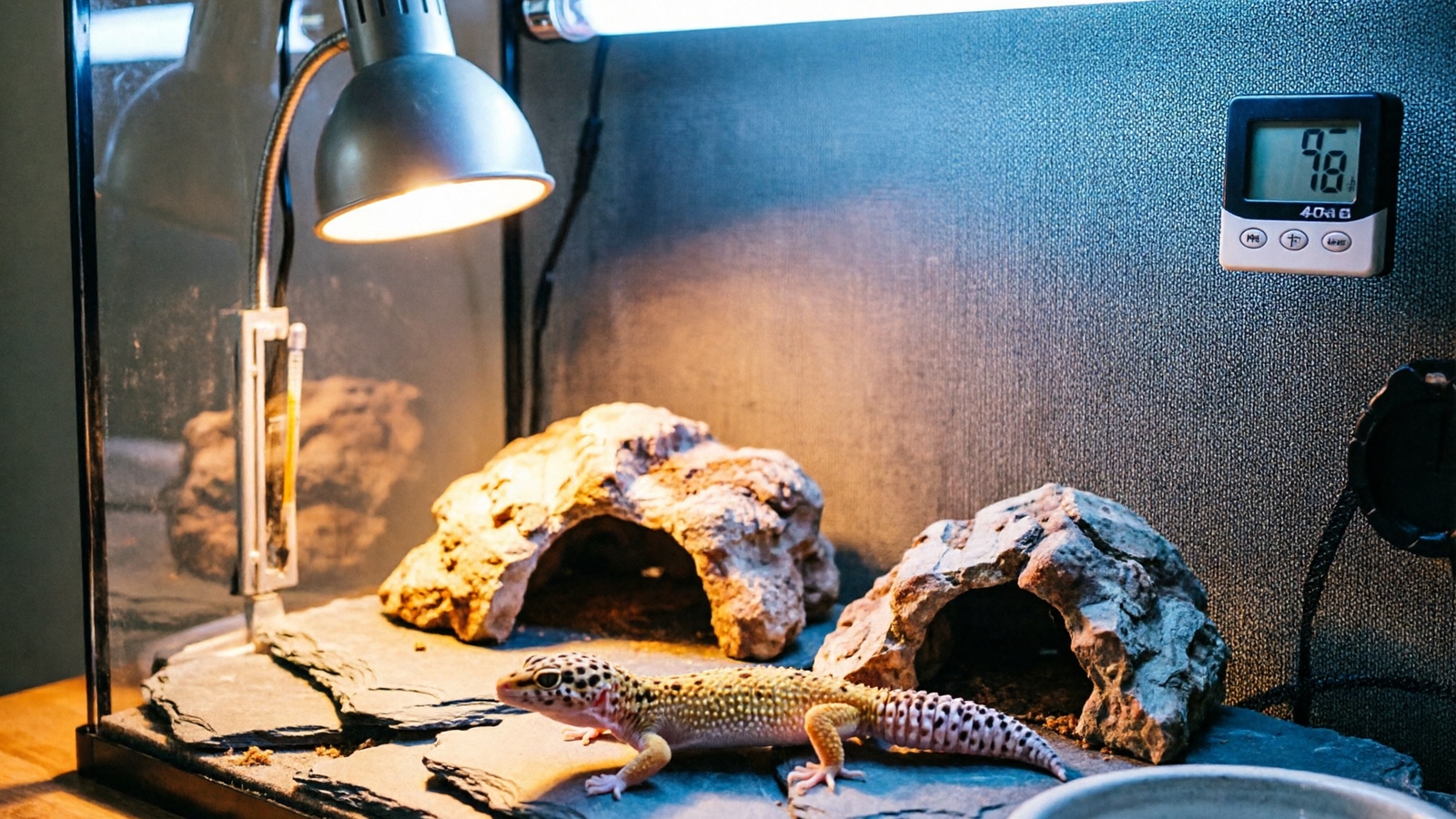
Leopard geckos need a thermal gradient: 28-30°C (82-86°F) on the warm side with a basking spot of 32-35°C (90-95°F), and 22-24°C (72-75°F) on the cool side. Nighttime drops to 18-20°C (65-68°F) are healthy and natural.
Incorrect temperatures cause two major problems. First, geckos cannot digest food below approximately 24°C (75°F). Food sits in the digestive tract and rots, leading to impaction or bacterial infection.
Second, sustained temperatures above 35°C (95°F) cause heat stress, dehydration, and potentially death. Proper lighting and substrate selection are equally important for habitat quality. Our leopard gecko light guide covers heating and UVB setups in detail. For substrate options, our leopard gecko substrate guide compares safe and unsafe options.
UVB Exposure
UVB lighting has shifted from optional to recommended for leopard geckos. While they are nocturnal and can survive without UVB, research from the British Veterinary Zoological Society demonstrates that geckos with UVB access maintain higher calcium levels and stronger bone density.
A low-intensity UVB tube (2-5% T5 or T8) mounted above the enclosure for 10-12 hours per day provides sufficient exposure without the risk of over-irradiation. The gecko should still have deep hides available to escape the light entirely if they choose.
UVB is not a substitute for oral calcium supplementation. It enables the gecko to synthesize vitamin D3, which improves calcium absorption, but dietary calcium still needs to be provided. UVB plus calcium plus D3 together produce the strongest skeletal health outcomes.
Stress Reduction
Chronic stress suppresses immune function and feeding behavior. The two most common sources of chronic stress in captive leopard geckos are excessive handling and inappropriate cohabitation.
Leopard geckos are solitary animals in the wild. Keeping two males together guarantees fighting. Keeping a male with females guarantees repeated breeding, which shortens the female’s lifespan as discussed earlier.
Even two females may compete for basking spots and hiding areas, leading to one animal being denied resources. Handling should be limited to 10 to 15 minutes per session, two to three times per week at most. Hatchlings and new acquisitions should be left alone for the first two weeks to acclimate.
Always approach from the side rather than above — overhead movement triggers a predator-avoidance response. A properly set up enclosure with multiple hides reduces stress. Our best leopard gecko hide guide and best leopard gecko terrarium guide cover enclosure setup in detail.
At minimum, provide three hides: one on the warm side, one on the cool side, and one humid hide for shedding.
Common Causes of Death
Impaction — a blockage of the digestive tract caused by swallowed substrate or foreign material — is the most common preventable cause of death in captive leopard geckos. Calci-sand, play sand, and other loose substrates are regularly ingested during hunting. The particles accumulate in the digestive tract and create blockages that are often fatal without surgical intervention.
Metabolic bone disease (MBD) is a progressive condition caused by chronic calcium and vitamin D3 deficiency, resulting in soft, rubbery jaws, bent limbs, and difficulty walking. It develops over months of inadequate supplementation and is largely irreversible once advanced.
Metabolic bone disease (MBD) results from chronic calcium and vitamin D3 deficiency. Affected geckos develop soft, rubbery jaws, bent limbs, and difficulty walking. Advanced MBD is irreversible and leads to death from secondary complications like broken bones or inability to eat.
Respiratory infections develop when temperatures drop below 22°C (72°F) for extended periods or when humidity remains too high. Symptoms include bubbles from the nostrils, clicking or popping sounds when breathing, and mouth gaping. Early-stage respiratory infections respond to antibiotics from a reptile veterinarian.
Cryptosporidiosis (crypto) is an incurable protozoan parasite that causes chronic weight loss and regurgitation. The organism infects the intestinal lining and prevents nutrient absorption regardless of how much the gecko eats. Crypto is highly contagious between geckos and can persist in enclosures for months. Quarantine all new geckos for at least 90 days before introducing them to an established collection.
Egg-binding (dystocia) — a condition where eggs become stuck in the reproductive tract — affects breeding females and is a medical emergency requiring immediate veterinary intervention. Risk factors include breeding females that are too young, too small, or calcium-deficient.
A gecko that stops eating may be showing early signs of any of these conditions. See our guide to leopard geckos not eating for a systematic troubleshooting approach.
Signs Your Leopard Gecko Is Aging
Recognizing the signs of aging helps you adjust care before problems become emergencies.
Decreased appetite is normal to some degree in seniors. A gradual reduction from every-other-day feeding to twice-weekly feeding is typical. However, a sudden complete refusal to eat is not normal at any age and warrants veterinary investigation.
Slower movement and reduced activity are expected. Senior geckos spend more time in their hides and less time exploring or hunting. Their reflexes during feeding slow noticeably — live crickets may need to be disabled (crushed heads) so the gecko can catch them.
Weight changes in either direction are concerning. Gradual weight loss of one to two grams per year is normal after age 10.
Rapid weight loss or sudden weight gain should be investigated. Weighing your gecko monthly with a digital gram scale makes it easy to track trends.
Cloudy eyes that persist beyond the shedding cycle may indicate cataract development, which is common in geckos over 12 years old. Cloudy eyes from cataracts do not clear up. Affected geckos may need help locating food since their vision is impaired.
More hiding and less basking reflect a natural preference for temperature stability. Seniors thermoregulate less efficiently and may avoid the hottest parts of the gradient. Ensure the cool side of the enclosure stays warm enough for comfort.
Oldest Leopard Geckos on Record
The oldest verified leopard gecko reached over 28 years of age. This individual was documented in a peer-reviewed context and represents the upper boundary of confirmed longevity for the species.
Within the reptile-keeping community, reports of geckos living 25 to 30 years appear regularly on dedicated gecko forums. Several breeders have shared photographs of geckos they have kept for 20-plus years. These reports are generally considered credible even when not independently verified.
The longevity potential of leopard geckos is frequently underestimated. Many new keepers assume a leopard gecko life expectancy of only 5 to 8 years based on outdated care literature or comparisons with other common lizards. In reality, a leopard gecko purchased as a hatchling can easily remain a household companion for two decades.
The key factor shared by most long-lived geckos is consistent, knowledgeable husbandry. Geckos that reach the upper range of leopard gecko lifespan — 20+ years — typically belong to experienced keepers who have maintained stable temperature gradients, consistent supplementation schedules, and appropriate enclosure sizes throughout the animal’s life.
How to Maximize Your Leopard Gecko’s Lifespan
The strategies for maximizing leopard gecko lifespan are straightforward but require consistent application over many years:
By life stage:
- Hatchlings (0-6 months): Use paper towel substrate, feed daily with calcium-dusted insects, maintain temperatures strictly, and minimize handling.
- Juveniles (6-12 months): Introduce UVB lighting, feed every other day, monitor growth rate, and begin regular weight tracking.
- Adults (1-10 years): Feed every two to three days, supplement calcium and vitamins consistently, maintain clean enclosures, and provide annual veterinary checkups.
- Seniors (10+ years): Lower temperatures by 1-2°F, offer softer prey items, reduce handling, monitor weight monthly, and increase hide availability.
- Hatchlings (0-6 months): Use paper towel substrate, feed daily with calcium-dusted insects, maintain temperatures strictly, and minimize handling.
- Juveniles (6-12 months): Introduce UVB lighting, feed every other day, monitor growth rate, and begin regular weight tracking.
- Adults (1-10 years): Feed every two to three days, supplement calcium and vitamins consistently, maintain clean enclosures, and provide annual veterinary checkups.
- Seniors (10+ years): Lower temperatures slightly, offer softer prey items, reduce handling, monitor weight monthly, and increase hide availability.
Universal best practices:
DO: Weigh your gecko monthly with a digital gram scale DO: Keep a feeding and shed log to detect patterns early DO: Quarantine all new geckos for 90 days minimum DO: Replace UVB bulbs every 6-12 months even if they still produce visible light DO: Find a reptile-experienced veterinarian before you need one DON’T: Use calci-sand, play sand, or any loose substrate with hatchlings DON’T: House two males together (fighting is guaranteed) DON’T: Handle hatchlings during their first two weeks of acclimation DON’T: Feed prey larger than the space between the gecko’s eyes DON’T: Skip calcium supplementation — MBD is irreversible once advanced
Product Recommendations
Here are some products mentioned in this guide:
Frequently Asked Questions
What Is the Most Common Cause of Death for Leopard Geckos?
Impaction from loose substrate is the most common preventable cause. Metabolic bone disease from calcium deficiency and respiratory infections from incorrect temperatures are also leading causes.
Is 7 Old for a Leopard Gecko?
No, 7 years is still relatively young for a leopard gecko. They typically live 15-20 years in captivity, so a 7-year-old is only about one-third through their expected lifespan.
Is 14 Old for a Leopard Gecko?
A 14-year-old leopard gecko is entering its senior years but is not elderly. With proper care, many leopard geckos live well past 15 years, and some reach 20 or more.
Do Male or Female Leopard Geckos Live Longer?
Males generally live longer than females. Females that breed have shorter lifespans (10-15 years) due to the physical toll of egg production, while males typically live 15-20 years.
What Is the Oldest Leopard Gecko on Record?
The oldest verified leopard gecko reached over 28 years old. Several unverified reports claim ages of 30-40 years, but 28 years remains the documented record.