How Big Do Corn Snakes Get?
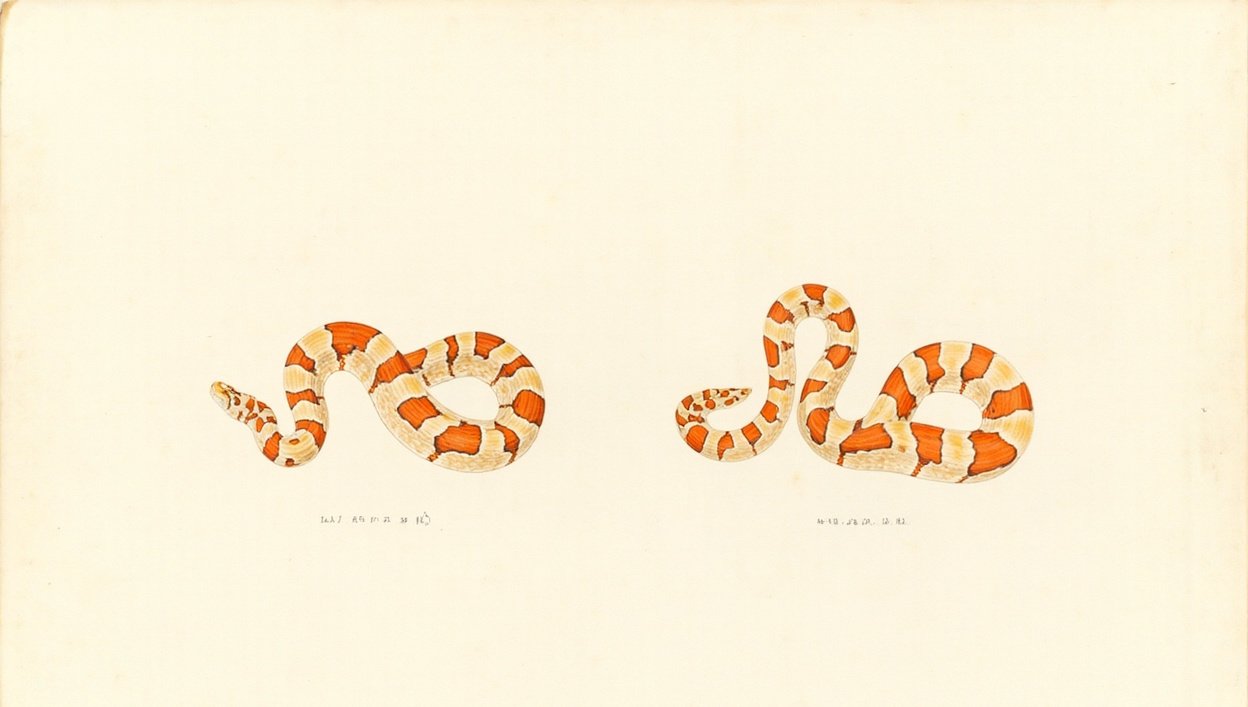
Corn snake size refers to the total body length and weight of the North American colubrid snake Pantherophis guttatus. Adult corn snakes typically reach 3-5 feet (0.9-1.5 meters) in total length, with males averaging 3’7” (109 cm) and females averaging 3’11” (119 cm). Females tend to be slightly longer and heavier than males. Adult weight ranges from 0.5-2.0 pounds (225-900 grams). Hatchlings emerge at 8-12 inches (20-30 cm) and roughly 6-10 grams.
The record for the longest corn snake is 6 feet (1.8 meters), documented by the Virginia Herpetological Society, though this is exceptionally rare. Most pet corn snakes plateau at 4-4.5 feet even at 15+ years of age.
Genetics, feeding schedule, and temperature all influence final size. Wild-caught corn snakes tend to be slightly smaller than captive-bred individuals due to less consistent food availability.
One important distinction: corn snakes are slender. A 5-foot corn snake is dramatically thinner than a 5-foot ball python. Despite similar length ranges, corn snakes weigh 3-5 times less than ball pythons of the same length.
This slender build means they need less enclosure space than heavier snakes of comparable length. A 4-foot corn snake is comfortable in a 20-gallon tank, while a 4-foot ball python benefits from 40+ gallons.
For the complete care guide covering feeding, handling, and health, see our corn snake care article. Understanding your snake’s size helps you choose the right enclosure — see our corn snake tank size guide for detailed recommendations at each growth stage.
Corn Snake Size Chart by Age
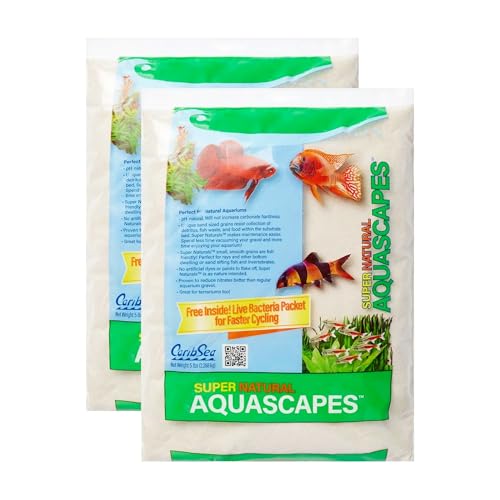
Carib Sea Torpedo Beach is a quality option worth considering for your setup.
The table below tracks typical corn snake size by age from hatchling through adulthood. These ranges represent captive-bred corn snakes with standard feeding schedules. Wild corn snakes grow slower due to variable food availability, and individual genetics play a significant role.
| Age | Length (inches) | Length (cm) | Weight (grams) | Weight (oz) | Feeding Size | Enclosure |
|---|---|---|---|---|---|---|
| Hatchling (0-2 weeks) | 8-12” | 20-30 cm | 6-10 g | 0.2-0.35 oz | Pinky mouse | 10 gal tub |
| 1 month | 10-14” | 25-36 cm | 10-15 g | 0.35-0.5 oz | Pinky (1-2) | 10 gal tub |
| 3 months | 14-18” | 36-46 cm | 20-35 g | 0.7-1.2 oz | Fuzzy | 10 gal tub |
| 6 months | 18-24” | 46-61 cm | 50-80 g | 1.8-2.8 oz | Hopper | 20 gal tank |
| 1 year | 24-30” | 61-76 cm | 100-150 g | 3.5-5.3 oz | Small adult mouse | 20 gal tank |
| 1.5 years | 30-36” | 76-91 cm | 150-250 g | 5.3-8.8 oz | Medium mouse | 20-30 gal |
| 2 years | 36-42” | 91-107 cm | 250-450 g | 8.8-16 oz | Large mouse | 30-40 gal |
| 3 years | 38-48” | 97-122 cm | 400-700 g | 14-25 oz | Jumbo mouse | 40 gal |
| 4+ years (adult) | 42-60” | 107-152 cm | 500-900 g | 18-32 oz | Jumbo/large rat | 40-50 gal |
Prey size names follow a standard scale: “pinky” = 1-2 day old mouse, “fuzzy” = 5-10 day old, “hopper” = weaned juvenile, “adult” = fully grown. The general rule is that prey should be roughly the same width as the snake’s widest body section.
Feeding prey that is too large causes regurgitation — a stressful and potentially dangerous event for the snake. After a regurgitation, wait 10-14 days before the next feeding attempt to allow the digestive system to recover.
Corn snakes reach about 75% of their adult length by 2 years old. Growth continues slowly for another 2-4 years, adding roughly 6-12 inches per year during the first 2 years and tapering to 2-4 inches per year after that. For detailed corn snake weight by age tracking, consult the weight column above alongside your own growth log.
How Fast Do Corn Snakes Grow?
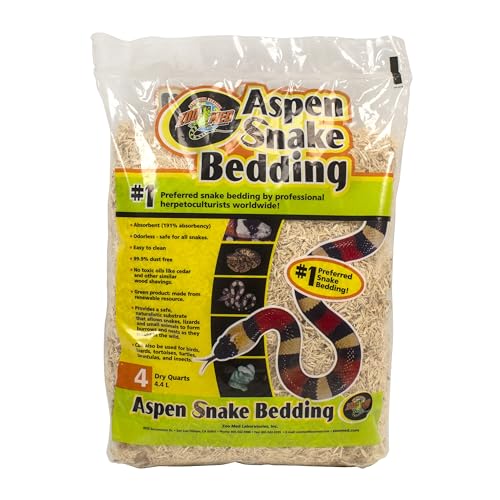
Many owners find that Zoo Med Aspen Snake Bedding → works well for their pet’s needs.
Year 1 is the fastest growth period. Hatchlings can triple their length in the first 12 months, going from 8-12 inches to 24-30 inches. This rapid growth requires frequent feeding — juveniles should eat every 5-7 days.
Year 2 is the second-fastest period, with snakes adding another 12-15 inches. Feeding frequency drops slightly to every 7 days at this stage. By the end of year 2, most corn snakes have reached 75% of their adult length.
Years 3-4 bring much slower growth. Expect only 2-6 inches per year as the snake approaches adult size.
After year 4-5, growth is negligible for most individuals. The snake may thicken slightly but will not add meaningful length. I’d recommend reducing feeding frequency to every 10-14 days at this stage to prevent obesity.
Factors That Affect Corn Snake Growth
Five primary factors influence corn snake growth rate, and understanding each helps you maximize healthy development.
Genetics plays a baseline role. Some bloodlines grow faster or larger than others. Okeetee and Miami locality lines tend to run slightly smaller, while certain selectively bred morphs may reach the upper end of the size range.
Feeding schedule has the most direct impact — standard feeding every 5-7 days for juveniles and every 7-10 days for adults produces steady growth, while power-feeding every 3-4 days causes fatty liver disease, obesity, and shortened lifespan. In my experience, snakes on standard schedules live noticeably longer.
Temperature drives metabolism — corn snakes need a thermal gradient of 75-85°F, with snakes kept too cool growing slower and temperatures above 90°F causing stress and reduced feeding. A proper gradient allows the snake to self-regulate.
Health status can halt growth entirely. Parasites, respiratory infections, or mouth rot divert energy away from growth. A snake that stops growing for 2+ shed cycles before age 2 needs a veterinary examination.
Brumation pauses growth for 2-3 months each year. Corn snakes that undergo this cooling period do not eat during brumation, which slightly flattens the overall growth curve compared to snakes kept warm year-round.
Do not brumate corn snakes under 1 year old or under 300 grams. They lack sufficient fat reserves to survive 2-3 months without food. In my experience, first-time keepers should skip brumation entirely for the first year and focus on establishing consistent feeding and growth.
Male vs Female Corn Snake Size
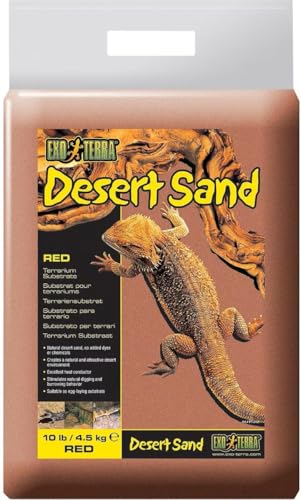
For this purpose, Exo Terra Desert Sand is a popular choice among pet owners.
Female corn snakes are slightly larger than males — a pattern confirmed by the Virginia Herpetological Society. The difference is modest, typically 2-4 inches in length, but consistent across populations.
| Attribute | Male | Female |
|---|---|---|
| Average adult length | 3’7” (109 cm) | 3’11” (119 cm) |
| Typical range | 2’0”-4’12” (61-152 cm) | 2’4”-5’11” (69-180 cm) |
| Average adult weight | ~1 lb (450 g) | ~1-1.5 lbs (500-680 g) |
| Tail proportion | Longer tail (~15-20% of total) | Shorter tail (~10-15% of total) |
| Body shape | Slightly thicker neck | Wider, heavier body |
| Sexual maturity | 2.5-3 years | 2-2.5 years |
The most reliable visual difference between sexes is tail proportion. Male corn snakes have proportionally longer, thicker tails because they house hemipenes. This difference is visible from birth and becomes more pronounced with age.
Gravid (pregnant) females can weigh 30-50% more than non-gravid females during breeding season. This temporary weight gain should not be confused with obesity — the weight drops after egg laying.
Breeding females may also appear to stop growing because they redirect energy from body growth to egg production. A 3-year-old breeding female may be shorter than a 3-year-old non-breeding female of the same bloodline.
Curious about male vs female corn snake size in other species? See our ball python weight guide for a similar comparison. For another popular pet snake, check out our ball python care guide.
How to Measure Your Corn Snake
Tracking your snake’s growth is straightforward with the right technique. Regular measurements catch health problems early — weight loss is often the first sign of illness.
Step 1: Prepare your tools. Use a soft measuring tape or a piece of string plus a ruler. Avoid stiff rulers — they stress the snake and make accurate measurement difficult.
Step 2: Gently place the snake on a flat surface. Support the body with your hand to prevent escape. A towel draped over the snake can help calm nervous individuals.
Step 3: Measure from snout to tail tip. Do NOT stretch the snake — let it move naturally and measure along the curves of the body. Stretching gives a false reading that overestimates length by 10-15%.
Step 4: Record in both inches and centimeters. Track measurements monthly for juveniles under 2 years and quarterly for adults. A simple spreadsheet or notebook works well. Including shed dates in your log helps correlate growth spurts with feeding cycles.
Step 5: Weigh using a digital kitchen scale. Place the snake in a deli cup or plastic container to prevent it from slithering off. Subtract the container weight for the accurate reading. Kitchen scales with 1-gram precision work well for snakes under 1,000 grams.
Frequency: Monthly measurements for juveniles under 2 years, quarterly for adults. Track both length and weight in a growth log. Many keepers use a simple spreadsheet with columns for date, length, weight, prey size offered, and shed date.
Why track growth at all? Weight is a better health indicator than length — a snake that maintains weight but stops growing is simply adult-sized, while one that loses weight while still growing needs immediate veterinary attention. Weight loss is the most reliable early warning sign of illness.
Regular weighing is part of responsible corn snake ownership. See our care guide for health monitoring tips including shedding schedules and weight tracking templates.
Corn Snake Size vs Other Pet Snakes
Understanding how corn snakes compare to other popular pet species helps new keepers choose the right snake for their space and experience level.
| Species | Avg Length | Max Length | Avg Weight | Body Build | Temperament | Difficulty |
|---|---|---|---|---|---|---|
| Corn Snake | 3-5 ft | 6 ft | 0.5-2 lbs | Slender, medium | Docile, easy to handle | Beginner |
| Ball Python | 3-5 ft | 6 ft | 2-5 lbs | Thick, heavy | Calm, sometimes shy | Beginner |
| King Snake | 3-5 ft | 7 ft | 1-3 lbs | Medium, muscular | Active, curious | Beginner-Intermediate |
| Western Hognose | 1.5-3 ft | 4 ft | 0.2-0.5 lbs | Stocky, short | Dramatic display | Beginner |
| Milk Snake | 2-4 ft | 5 ft | 0.3-1 lb | Slender | Gentle, flighty | Beginner |
| California Kingsnake | 3-4 ft | 5 ft | 1-2 lbs | Medium | Active, sometimes nippy | Beginner |
| Boa Constrictor | 5-8 ft | 13 ft | 10-30 lbs | Thick, muscular | Generally docile | Intermediate-Advanced |
Corn snakes are among the thinnest snakes at their length class. A 4-foot corn snake weighs roughly 200-400 grams while a 4-foot ball python weighs 800-1,500 grams. Despite similar length ranges, corn snakes need significantly smaller enclosures due to their slender build.
For owners who want a small snake, western hognose snakes max out at roughly 3 feet and weigh under 500 grams. They are the best choice when space is limited.
King snakes and milk snakes share a similar size range with corn snakes but tend to be more active and occasionally nippy. California kingsnakes in particular are known for their bold feeding responses, which can startle inexperienced keepers.
Boa constrictors are in a completely different category. Even a juvenile boa quickly outgrows any corn snake setup. I’ve seen first-time buyers underestimate how rapidly boas grow — a 2-foot juvenile can reach 5 feet within 18 months.
This is not a beginner snake despite their generally docile temperament. The housing, feeding, and handling requirements scale up dramatically as the snake matures.
Corn snakes are the recommended “first snake” for beginners due to their manageable size and docile temperament. They do not require special lighting, tolerate a wide temperature range, and accept frozen-thawed prey readily. Compared to other beginner species, corn snakes strike the best balance between size, temperament, and ease of care.
The most important takeaway: do not compare snakes by length alone. Always consider weight and body build. A 5-foot boa constrictor is a fundamentally different handling and housing requirement than a 5-foot corn snake.
Warning: Health Warning: Power-feeding to accelerate growth is harmful. Feeding more than once every 5 days for juveniles or once every 7 days for adults causes fatty liver disease, obesity, and shortened lifespan. A slightly slower-growing snake is a healthier snake.
Corn Snake Size FAQ
How big do corn snakes get?
Adult corn snakes typically reach 3-5 feet (91-152 cm) and weigh 0.5-2 pounds (225-900 grams) — males average 3’7” and females 3’11”. Hatchlings start at 8-12 inches, and while the record is 6 feet, most pets plateau at 4-4.5 feet.
How fast do corn snakes grow?
Corn snakes grow fastest in their first year, tripling from 8-12 inches to 24-30 inches, then adding another 12-15 inches in year two. Growth slows significantly after that, with most snakes essentially full-sized by age 4-5.
Are female corn snakes bigger than males?
Yes, slightly — females average 3’11” (119 cm) vs males at 3’7” (109 cm), roughly 2-4 inches longer and heavier. The most reliable visual difference is tail length: males have proportionally longer, thicker tails housing hemipenes.
How long do corn snakes get?
In captivity, corn snakes typically reach 3-5 feet (0.9-1.5 meters) — the record is 6 feet but anything over 5 feet is unusual. Males top out around 4.5 feet while females occasionally reach 5 feet.