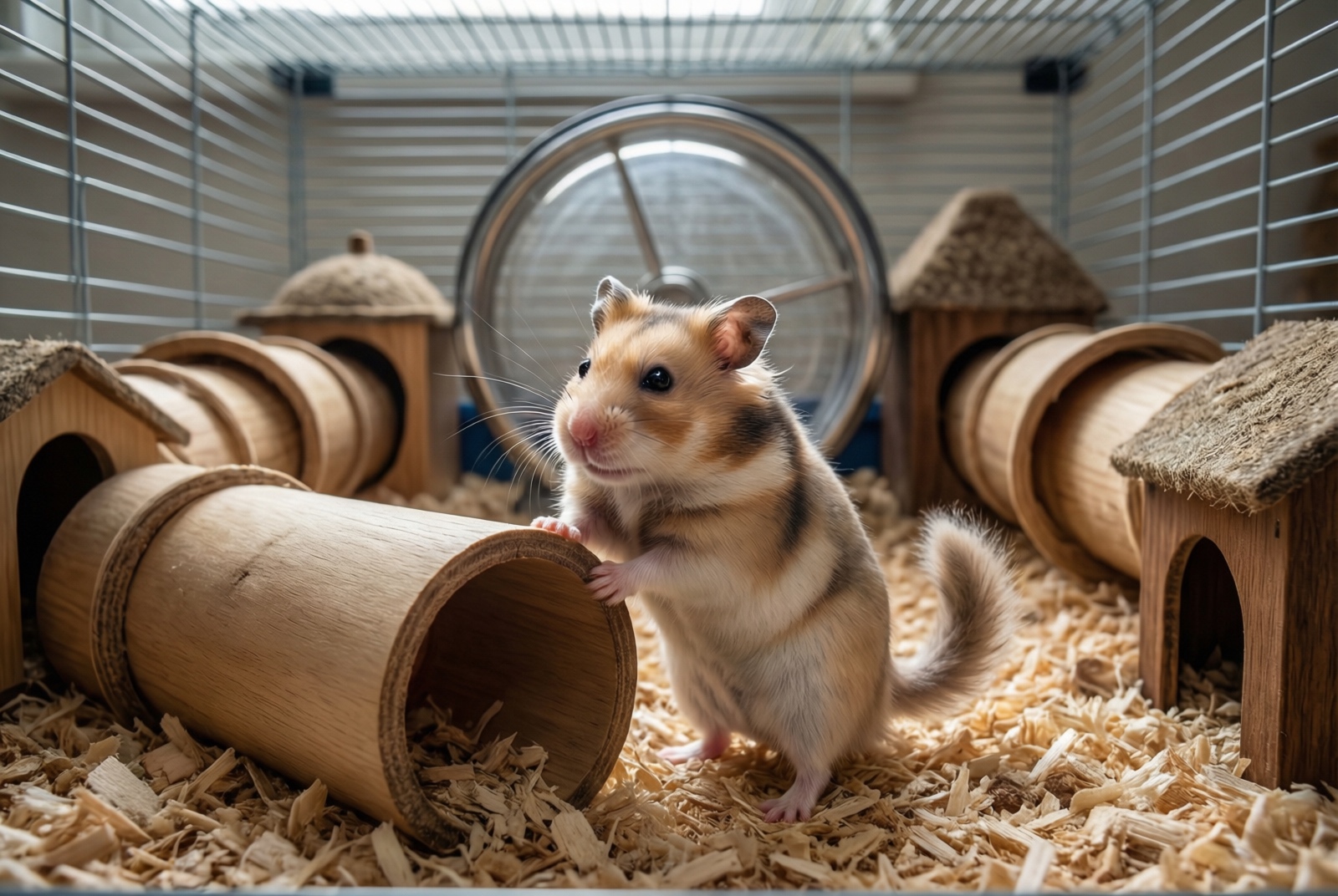
Pet stores label them differently, display them in separate sections, and often charge different prices. But are Syrian and Teddy Bear hamsters actually different animals?
The short answer: no. Teddy Bear hamsters ARE Syrian hamsters. The “Teddy Bear” name is a pet store marketing label for the long-haired variety of the exact same species. It’s like calling a long-haired golden retriever a completely different breed — same dog, different coat.
In this guide, I’ll explain the only real differences between Syrian and Teddy Bear hamsters (coat length, grooming needs, and price), so you know exactly what you’re getting — and whether the long-haired look is worth the extra maintenance.
Quick navigation:
- The Short Answer
- The Real Differences
- Size Comparison
- Grooming Differences
- Health & Temperament
- Which Should You Choose?
- Essential Supplies
- FAQ
The Short Answer: Yes, They’re the Same Species
Teddy Bear hamsters are long-haired Syrian hamsters. Same species, same scientific name, no genetic difference. For the full breed profiles, see our Syrian Hamster and Teddy Bear Hamster pages.
The scientific name for both is Mesocricetus auratus. “Syrian hamster” is the common and scientific name used by veterinarians, researchers, and experienced keepers. “Teddy Bear hamster” is a pet trade marketing name — it sounds cuter, looks fluffier on a store shelf, and sells better at a premium price.
This naming pattern extends to other color and coat varieties too:
- Black Bear hamster = black-colored Syrian (same species, different color)
- Golden hamster = the classic golden-brown Syrian (same species, original wild color)
- Fancy hamster = a generic pet store term for any Syrian (same species)
All of these are Mesocricetus auratus. If you’re looking for a real species comparison — animals that are actually different at the genetic level with genuinely different care needs — see our Syrian vs Dwarf hamster comparison. That’s a genuine species-level comparison with meaningful differences in size, temperament, dietary needs, and housing requirements.
The Real Differences Between Syrian and Teddy Bear Hamsters
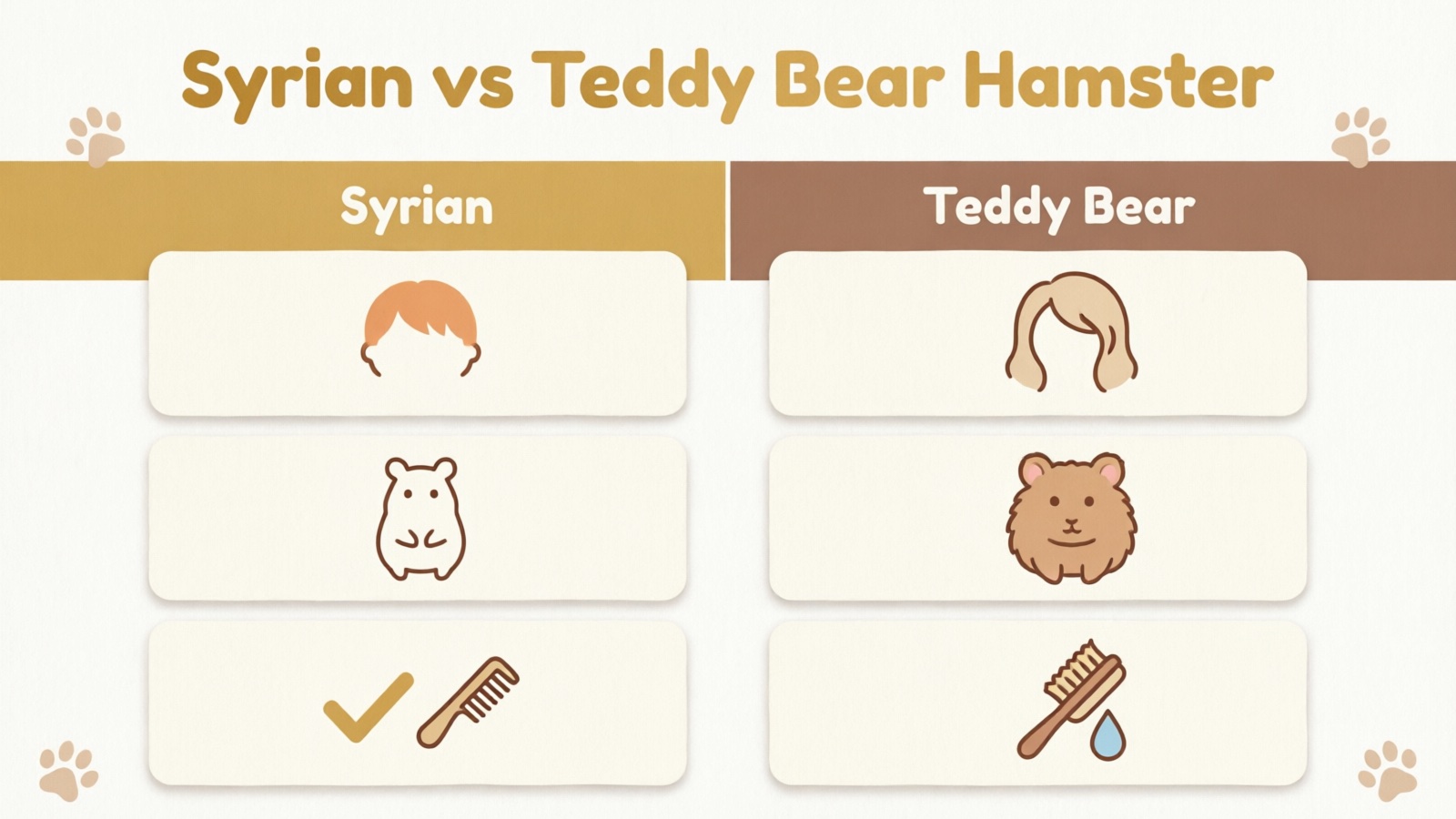
There is exactly one significant physical difference: coat length. Everything else — size, lifespan, temperament, diet, and health — is identical.
| Feature | Syrian Hamster (Short-Haired) | Teddy Bear Hamster (Long-Haired) |
|---|---|---|
| Species | Mesocricetus auratus | Mesocricetus auratus (same) |
| Coat Length | Short (0.5–1 inch) | Long (1.5–2+ inches) |
| Grooming | Minimal — self-grooms adequately | Regular brushing needed (2–3x/week) |
| Fecal Matting Risk | Rare | Common — long fur around tail collects waste |
| Size | 5–7 inches | 5–7 inches (identical) |
| Weight | 4–6 oz | 4–6 oz (identical) |
| Lifespan | 2–3 years | 2–3 years (identical) |
| Temperament | Friendly, solitary | Same |
| Pet Store Price | $15–$25 | $20–$35 |
| Availability | Very common | Slightly less common |
The long coat is the only thing that distinguishes a Teddy Bear from a standard Syrian. The fluffy appearance comes entirely from the coat — their actual body underneath is the same size, shape, and weight. A Teddy Bear with a 2-inch coat looks significantly larger than a short-haired Syrian, even though the body underneath is identical.
Size Comparison — Teddy Bear vs Syrian
No difference whatsoever. Both varieties grow to 5–7 inches in body length and weigh 4–6 ounces as adults. Males tend to be slightly larger than females in both varieties, but the difference is minor — maybe half an inch and an ounce at most.
Why do people think Teddy Bears are bigger? The long coat adds visual bulk. A Teddy Bear with a 2-inch coat looks significantly larger than a short-haired Syrian, even though the body underneath is the same. It’s an optical illusion created by the fluff — nothing more. I’ve seen this misconception repeated in countless online discussions, and it’s one of the most common misunderstandings about these hamsters.
If you weigh a short-haired Syrian and a Teddy Bear side by side, you’ll get nearly identical numbers. The coat adds negligible weight — we’re talking about a few grams of hair, not enough to register on any meaningful scale.
Grooming Differences — The Biggest Reason to Choose Wisely
This is where the two varieties actually diverge in terms of care requirements, and it’s the main reason to think carefully before choosing a Teddy Bear over a standard Syrian. The grooming commitment is real, and neglecting it leads to health problems.
Why Teddy Bear Hamsters Need More Grooming
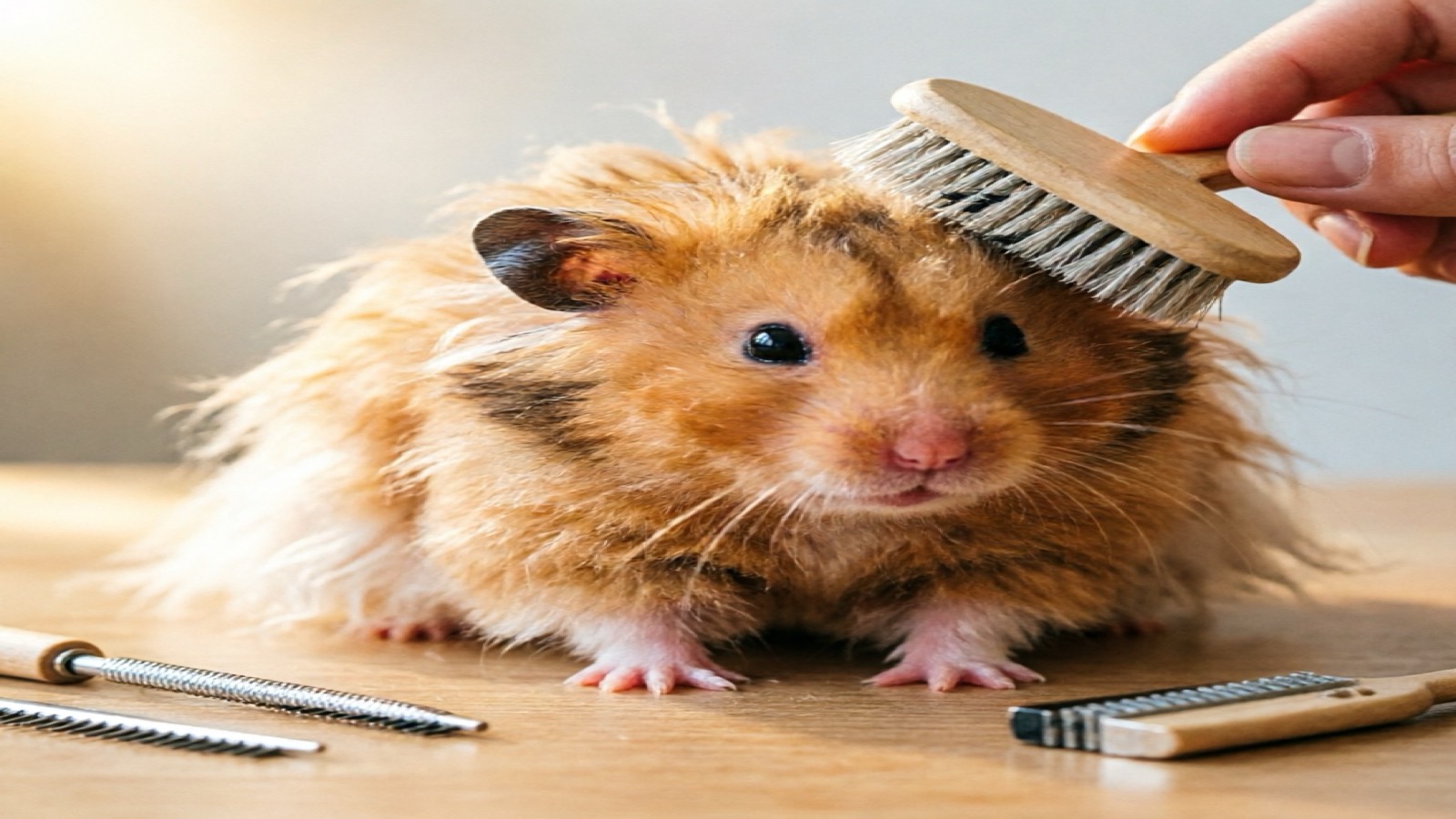
The long hair around the belly and hindquarters creates a practical problem: it collects urine, feces, and bedding debris on a daily basis. Fecal matting is the #1 grooming-related health issue with long-haired Syrians. Feces gets tangled in the fur around the tail area, forming mats that pull on the skin, cause irritation, and can lead to skin infections if not addressed promptly.
Oil buildup in the long coat is another issue — without regular brushing, the coat can become greasy and clumpy, which traps more debris and creates a cycle of worsening matting. I’ve seen neglected Teddy Bear hamsters with severely matted hindquarters that required veterinary intervention to resolve.
Step-by-Step: Grooming Your Teddy Bear Hamster
Step 1: Brush 2–3 times per week
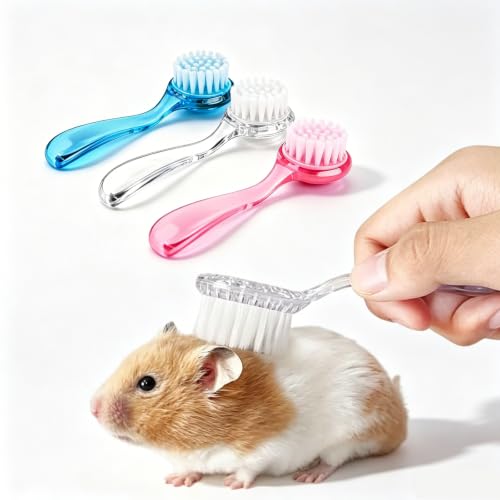
Use a soft-bristle brush designed for small animals. Hamsters have extremely delicate skin that tears easily — never use stiff brushes, human combs, or pull through tangles aggressively. Focus on the belly, hindquarters, and tail area, as these are the problem zones where matting occurs.
3Pcs Hamster Bath Brush and Comb ($5.59) are a good option — soft bristles that won’t damage delicate hamster skin, and the 3-pack means you always have a clean one ready. Start grooming when your hamster is young so they become accustomed to the routine and learn to tolerate it.
Step 2: Provide regular sand baths
Long-haired Syrians benefit from sand baths to keep their coat clean and reduce oil buildup between brushings. Use chinchilla sand (not dust — dust causes respiratory problems in hamsters). Place a small dish of sand in the cage 2–3 times per week for 15–20 minutes, then remove it. Your hamster will roll in it naturally, and the sand absorbs excess oils and loosens debris.
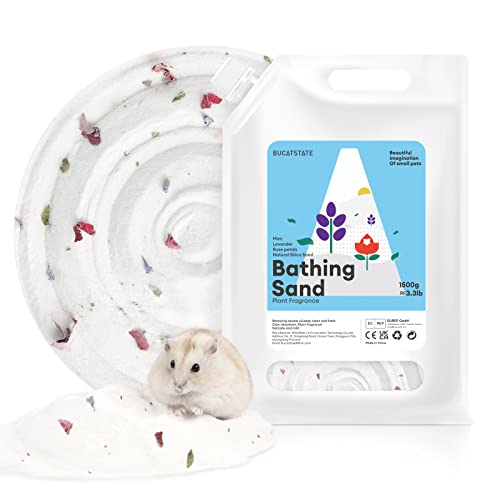
BUCATSTATE Dust-Free Hamster Bath Sand (, $15.99) is formulated specifically for hamsters — dust-free and plant-scented. A 3.3lb bag lasts 1–2 months with regular use.
Never use water baths for hamsters. Bathing strips natural oils, causes extreme stress, and can lead to hypothermia. Sand baths are the only safe cleaning method for all hamster species.
Step 3: Check for fecal matting daily
This takes 30 seconds and is the most important preventative check you can do. Gently lift your hamster and look at the fur around the hindquarters and tail area. If you see feces tangled in the fur, use a damp cotton pad to carefully clean the area — warm water only, no soap. For light matting, patience and gentle dabbing usually resolves it.
For severe matting — where the feces is deeply embedded in the fur and the area is hardened — don’t try to cut it yourself. Hamster skin is paper-thin and tears with minimal pressure. A vet or experienced groomer can safely remove severe mats without risking injury.
Short-Haired Syrian Grooming
Short-haired Syrians are basically self-sufficient when it comes to grooming. They clean their own coats effectively, and occasional sand baths are sufficient to keep them clean. No regular brushing needed, no matting concerns, no special attention required. This is the main advantage of choosing a short-haired Syrian — significantly lower maintenance for the same pet.
Health & Temperament — No Difference
Temperament: Both varieties have the same temperament. They’re equally friendly when hand-tamed properly with patience and consistency, equally territorial (Syrian hamsters must be housed alone regardless of coat type — no exceptions), and equally curious and active during their nocturnal hours. A long-haired Syrian isn’t more docile, more aggressive, more friendly, or more trainable than a short-haired one. Coat length doesn’t affect personality in any way.
Health risks: Long-haired Syrians have slightly higher risk of skin-related issues specifically because of the coat:
- Skin infections from fecal matting when grooming is neglected
- Fur tangles that trap bedding debris and moisture against the skin
- Increased risk of fly strike in warm weather if the hindquarters are soiled and left uncleaned
- Parasites can hide more easily in long fur and go unnoticed longer
Wet tail susceptibility, dental problems, respiratory infections, diabetes (in dwarf varieties), and all other common hamster health issues are identical between the two varieties. Coat length doesn’t affect any aspect of health beyond the grooming-related risks listed above.
Lifespan: 2–3 years for both varieties. Coat length has zero impact on longevity. The care quality you provide — proper diet, spacious housing, low-stress environment, and regular health monitoring — matters infinitely more than whether your hamster has short or long hair. A well-cared-for short-haired Syrian will outlive a neglected Teddy Bear every time.
Diet: Completely identical. Same commercial hamster food, same fresh vegetables, same treats, same feeding schedule. The long coat doesn’t change nutritional requirements in any way. Both varieties thrive on a high-quality commercial hamster mix supplemented with small amounts of fresh vegetables. There’s no truth to the claim that long-haired Syrians need special food or supplements for coat health — good general nutrition supports coat quality in both varieties. For complete dietary guidance, see our hamster care guide.
Activity level: Identical between both varieties. Long-haired Syrians are just as active, just as fast on their wheels, and just as interested in exploring as short-haired Syrians. The coat doesn’t slow them down or change their exercise needs. Both need a properly sized wheel — see our hamster wheel size chart for the right diameter — a spacious enclosure, and enrichment items like tunnels and hides.
For handling tips that apply to both varieties, see our hamster handling guide.
Which Should You Choose?
Choose a short-haired Syrian if:
- You don’t want to commit to regular brushing sessions
- You’re a first-time hamster owner who wants to keep things simple
- You prefer a lower-maintenance pet overall
- You want the widest selection at pet stores (short-haired Syrians are the most common variety)
- You travel frequently and can’t guarantee a consistent grooming schedule
Choose a Teddy Bear (long-haired Syrian) if:
- You genuinely want the fluffy, plush appearance — and this is a valid reason
- You don’t mind brushing 2–3 times per week (it takes 5–10 minutes)
- You’re willing to check for fecal matting daily (30 seconds)
- You’re prepared for slightly higher grooming supply costs
- You’ve had hamsters before and understand the commitment
Both make equally good pets. The long coat is a cosmetic preference, not a breed upgrade. Don’t pay extra for a Teddy Bear unless you genuinely want the long-haired look AND are willing to maintain it. A poorly groomed Teddy Bear is less healthy and less attractive than a well-cared-for short-haired Syrian — the coat can actually become a liability if you’re not prepared to put in the work.
Essential Supplies for Your Syrian (or Teddy Bear) Hamster
Regardless of which variety you choose, both need the same essential equipment:
- Proper enclosure: Minimum 600 sq inches of unbroken floor space. This is non-negotiable — smaller cages cause stress, bar-chewing, and health problems. See our proper hamster enclosure guide for specific requirements and recommendations, or our cage size guide for a complete setup walkthrough.
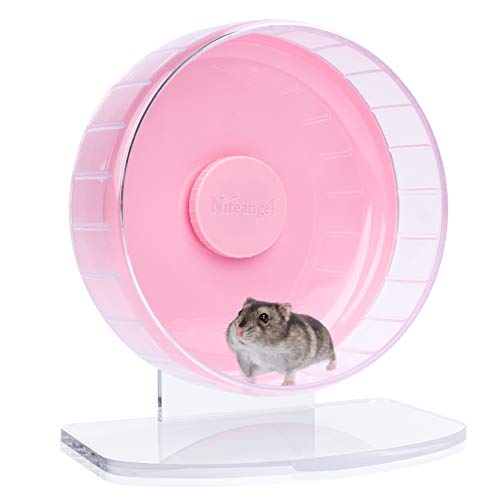
- Exercise wheel: Syrian hamsters need 8.5–12 inch diameter wheels — smaller wheels force unnatural back arching and can cause spinal injury over time. See our hamster wheel size chart for the right diameter by breed. The Niteangel Super Silent Exercise Wheel (, $26.99) comes in Syrian-appropriate sizes and is one of the quietest wheels available — important if your hamster’s cage is in your bedroom.
- Bedding: 6+ inches of paper-based or aspen bedding for burrowing depth
- Hideouts: At least 2 hides — one in the warm area of the cage, one in the cool area
For Teddy Bear owners specifically, add a soft-bristle brush and chinchilla sand to your shopping list. These aren’t optional — they’re essential maintenance supplies.
Frequently Asked Questions
Are Syrian and Teddy Bear hamsters the same?
Yes. Teddy Bear hamsters are long-haired Syrian hamsters. They are the same species (Mesocricetus auratus) with no genetic difference whatsoever. “Teddy Bear” is a pet store marketing name for the long-haired coat variety. A Teddy Bear hamster is to a Syrian hamster what a long-haired cat is to a short-haired cat — same animal, different coat length.
Do Teddy Bear hamsters get bigger than Syrian hamsters?
No. Both grow to 5–7 inches long and weigh 4–6 oz as adults. The long coat makes Teddy Bears look bigger and fluffier, but their actual body size underneath the fur is identical. Males are slightly larger than females in both varieties, but this is a gender difference, not a variety difference. If you put them side by side and shaved them both, you wouldn’t be able to tell them apart.
Can you put a Syrian and Teddy Bear hamster together?
No. Syrian hamsters are strictly solitary — regardless of coat type. Two Syrians (short-haired, long-haired, or any combination) will fight when housed together, and these fights can be severe or fatal. This applies to all combinations: male-male, female-female, male-female, siblings, and parent-offspring. Every Syrian hamster needs its own cage. Period. There are no exceptions to this rule.
How often do you need to brush a Teddy Bear hamster?
2–3 times per week with a soft-bristle brush. Focus on the belly and hindquarters area where feces and bedding debris tend to collect and form mats. Daily checks for fecal matting around the tail are also important — this takes only 30 seconds and prevents the most common health problem in long-haired Syrians. Start the grooming routine when your hamster is young for best results.
Are Teddy Bear hamsters harder to take care of?
Slightly — the long coat requires regular brushing (2–3x/week) and daily matting checks. If you neglect grooming, skin infections can develop from trapped feces and debris. Short-haired Syrians are more low-maintenance because they groom themselves effectively without human intervention. The difference isn’t dramatic, but it’s real and consistent. If you want the easiest possible care experience, choose a short-haired Syrian.
Why do pet stores charge more for Teddy Bear hamsters?
Marketing. “Teddy Bear” sounds cuter and more appealing than “long-haired Syrian,” and the long-haired variety is slightly less common to breed, which contributes to the price premium. Long-haired Syrians require specific breeding pairs to produce the coat type consistently, which adds a small amount of effort and cost for breeders. But you’re paying for a name and a coat type, not a different or superior animal. A $35 Teddy Bear is not a “better” hamster than a $15 short-haired Syrian — it’s the same hamster with more fur and more maintenance.
Conclusion
Same species, different coat. That’s the entire difference between Syrian and Teddy Bear hamsters. If you want low maintenance and the widest availability, go with a short-haired Syrian. If you want a fluffy hamster and don’t mind the grooming commitment, the Teddy Bear is a beautiful pet that turns heads.
The most important thing: don’t pay a premium expecting a “better” hamster. The care quality you provide — proper housing, good diet, patient taming, and regular health monitoring — matters far more than the coat length of the hamster you bring home.
For more breed comparisons, see our hamster breeds guide, or check out the Syrian vs Dwarf hamster comparison for a genuine species-level difference.