Medical Disclaimer: This guinea pig sneezing guide is for informational purposes only and does not replace professional veterinary care. If your guinea pig shows symptoms of a respiratory infection, contact an exotic animal veterinarian immediately. Guinea pigs can deteriorate rapidly — within 24-48 hours — from untreated URI.
I’ve had three guinea pigs develop respiratory infections over the years. Two recovered because I caught the guinea pig sneezing early and got them to a vet within hours. The third one I waited too long — she was dead within 36 hours of showing her first sneeze. That experience is why I take guinea pig sneezing seriously, and it’s why I wrote this guide. This guinea pig sneezing guide covers everything: what’s normal, what’s dangerous, how to tell the difference, and exactly what to do at each stage.
For comprehensive health information beyond respiratory issues, see our guinea pig health guide.
Quick Answer: Is Your Guinea Pig’s Sneezing Normal?
| Situation | Likely Cause | Action |
|---|---|---|
| 1-2 sneezes/day, eating, active | Normal dust or hay clearing | Nothing needed |
| Frequent sneezing, no other symptoms | Environmental irritation | Try low-dust bedding and hay, monitor 48 hours |
| Sneezing plus any discharge | Possible URI | Vet within 24 hours |
| Sneezing plus not eating plus lethargic | Advanced URI | Vet immediately — emergency |
| Sneezing plus blood | Emergency | Vet NOW |
The golden rule of guinea pig sneezing: guinea pigs are prey animals that instinctively hide illness. By the time they show obvious symptoms like lethargy or not eating, they’ve likely been sick for days. If guinea pig sneezing persists for more than 2-3 days without improvement, see a vet even if your pig “seems fine” otherwise. The cost of an unnecessary vet visit is $40-60. The cost of waiting too long can be your guinea pig’s life.
Guinea Pig Sneezing Causes: 8 Reasons Explained
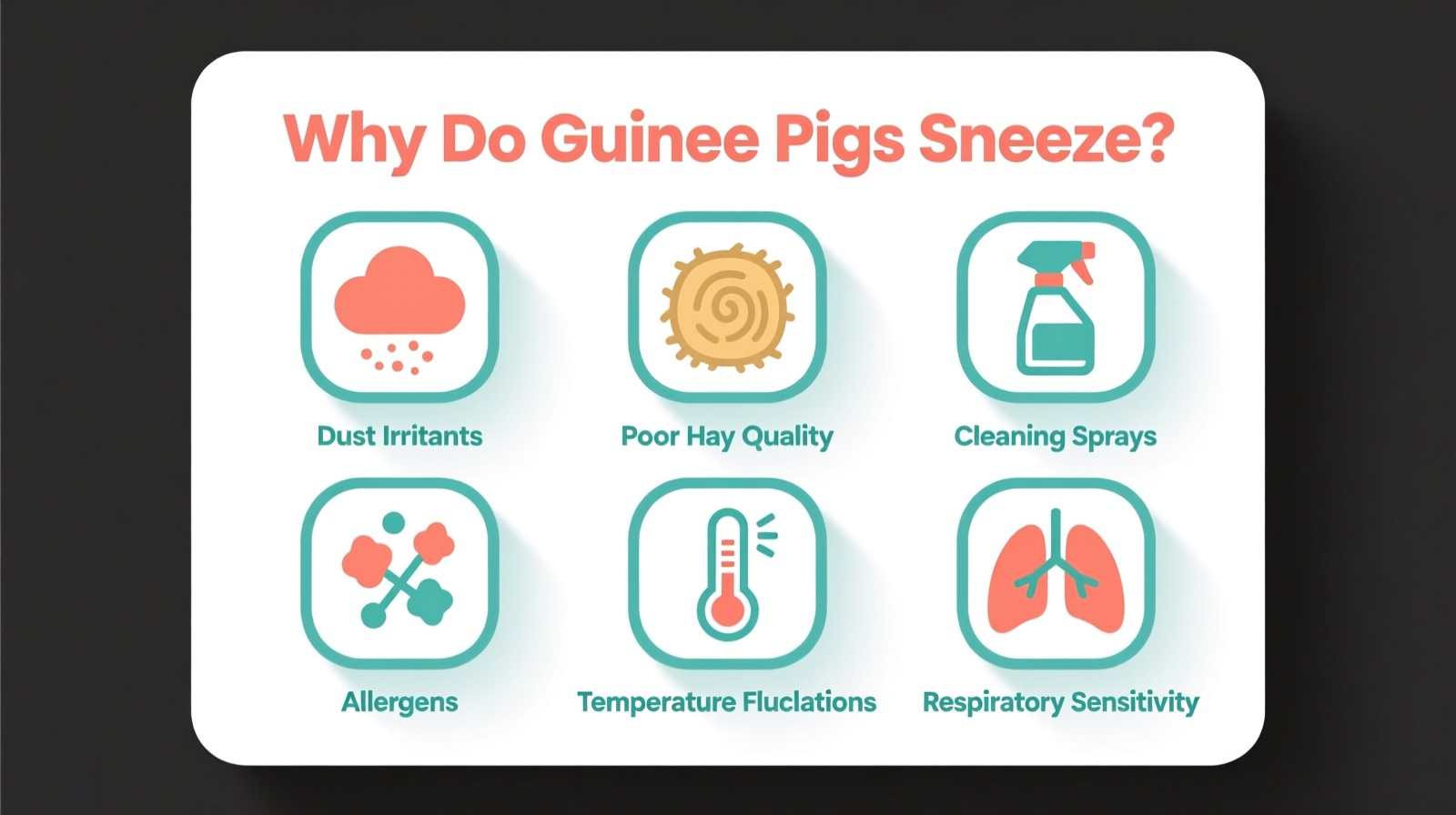
Understanding what causes guinea pig sneezing helps you determine whether your pig needs a vet or just a bedding change. The eight causes below are ranked from most common and least dangerous to most serious.
| Cause | Type | Severity | Sneezing Pattern |
|---|---|---|---|
| Hay dust | Irritant | Mild | Occasional, especially after hay refresh |
| Dusty bedding | Irritant | Mild | Persistent while in cage |
| New environment | Adjustment | Mild | Temporary after cage change or move |
| Strong odors | Irritant | Mild | Triggered by specific scents nearby |
| Allergies | Allergic | Moderate | Recurrent, seasonal, usually no discharge |
| Dry air | Environmental | Moderate | More frequent in winter or dry rooms |
| URI (Upper Respiratory Infection) | Infection | Severe | Frequent, progressive, with discharge |
| Vitamin C deficiency | Health | Severe | Secondary symptom of weakened immunity |
The hay dust factor deserves special attention because it’s the number one cause of non-medical guinea pig sneezing. Guinea pigs need unlimited hay for digestion, but the dust that comes with it irritates their sensitive respiratory systems. The solution is straightforward: shake the hay before serving to release trapped dust, use a hay feeder rather than loose hay on the floor, or switch to Oxbow Orchard Grass ($10) which is naturally less dusty than timothy hay.
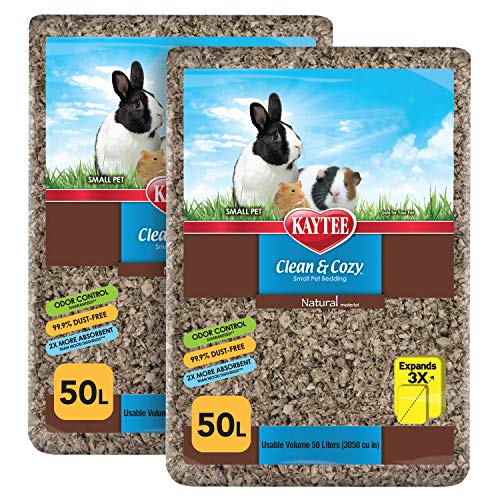
The bedding factor is equally important. Wood shavings — especially pine and cedar — produce fine dust and release phenol compounds that irritate guinea pig respiratory tracts. I switched all my guinea pigs to Kaytee Clean and Cozy paper bedding ($20, nearly 10) and noticed a significant reduction in sneezing within the first week. It’s 99.9% dust-free, which eliminates the most common environmental trigger for guinea pig sneezing.
For a complete bedding comparison, see our best guinea pig bedding guide. For nutrition that supports immune health, see our guinea pig food guide. For vitamin C requirements, see our vitamin C guide.
Sneezing Sound Guide: Normal vs Abnormal
The sound of your guinea pig sneezing can tell you a lot about the cause. Learning to distinguish between normal and abnormal sneezing sounds helps you react appropriately.
| Sound | Description | Likely Cause | Action |
|---|---|---|---|
| Single dry sneeze | Quick sound, isolated | Dust particle cleared | Normal — ignore |
| 2-3 sneezes in a row | Short burst, then stops | Hay dust or bedding irritation | Normal if occasional |
| Wet sneeze | Sounds gurgling or snotty | Possible URI developing | Monitor closely |
| Clicking or crackling | Clicking when breathing in | URI or pneumonia | Vet immediately |
| Wheezing | Whistling sound on exhale | Allergies or URI | Vet within 24 hours |
| Squeaking plus sneezing | Pain or distress vocalization | Advanced URI | Vet immediately |
The breathing test is something every guinea pig owner should know. Watch your guinea pig’s sides when they’re resting calmly. Normal breathing is smooth and barely visible — you should have to look closely to see the ribcage move. If you can clearly see the ribs heaving, the nostrils flaring, or the mouth opening to breathe, that’s respiratory distress and requires emergency vet care.
Emergency Triage: When Sneezing Needs a Vet
This guinea pig sneezing triage guide is the section to read right now if your guinea pig is actively sneezing. Follow these steps in order.
Step 1: Does your guinea pig have nasal discharge?
- No — go to Step 3
- Yes — go to Step 2
Step 2: Is your guinea pig still eating and active?
- Yes — Vet within 24 hours (early URI, still good prognosis)
- No — Vet immediately (advanced URI, emergency)
Step 3: How often is the sneezing?
- 1-2 times per day — Normal, no action needed
- Several times per hour — Environmental cause, try the fixes in this guide, monitor 48 hours
- Continuous or rapid — Vet within 24 hours
Step 4: Has the sneezing persisted for more than 3 days?
- No — Continue monitoring
- Yes — Vet visit recommended even if acting normal
Step 5: Any blood when sneezing?
- Yes — Vet NOW, this is an emergency
Red flags that always mean vet immediately:
- Nasal discharge of any color
- Not eating for 12 or more hours
- Labored or open-mouth breathing
- Clicking or crackling breathing sounds
- Blood from the nose
- Lethargy combined with hunched posture
- Sunken eyes or recent weight loss
According to the Merck Veterinary Manual, respiratory infections are among the most common and dangerous conditions in guinea pigs, with Bordetella bronchiseptica being the primary bacterial pathogen [merckvetmanual.com]. URI can progress to fatal pneumonia within 24-48 hours without antibiotic treatment. 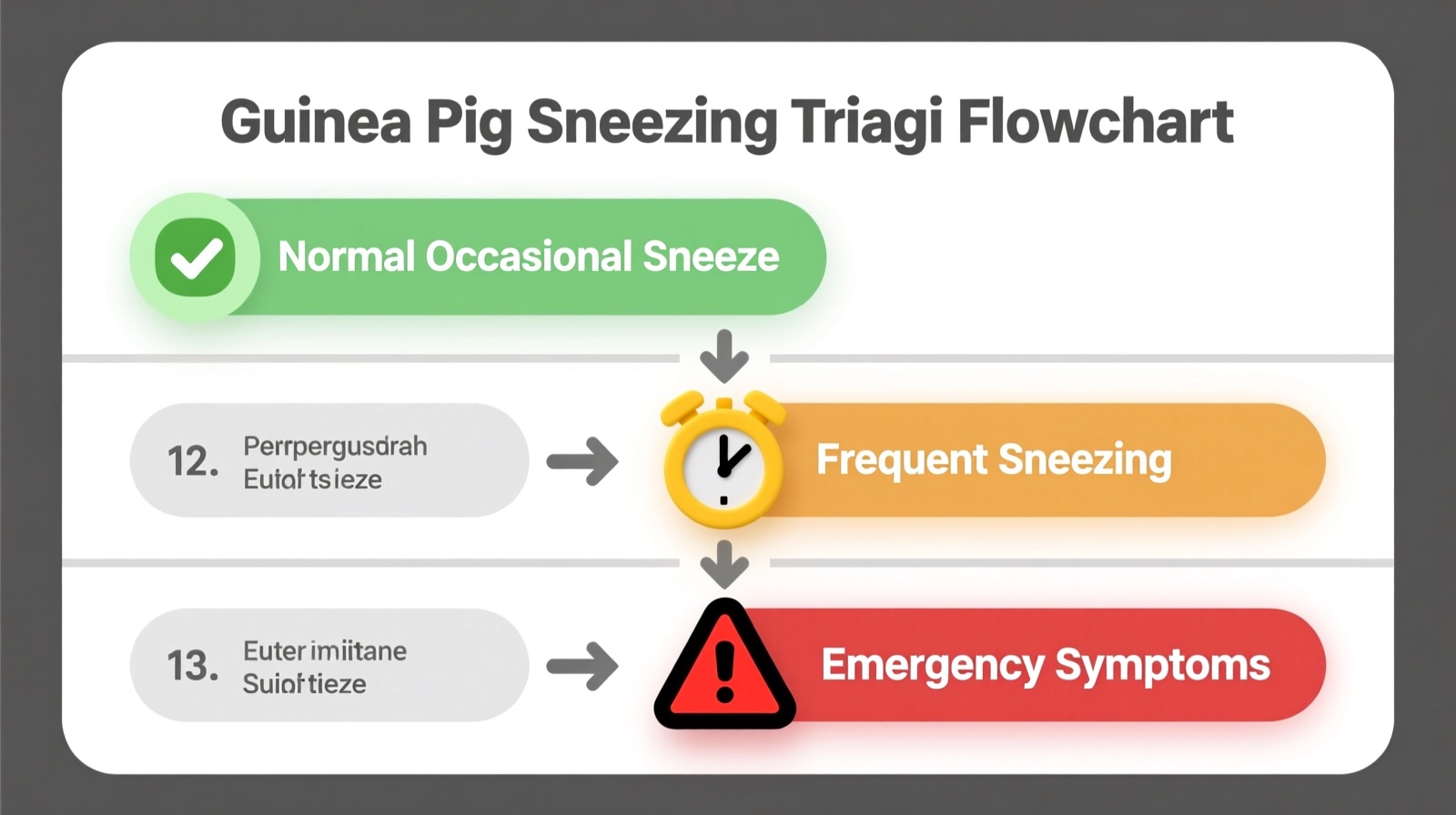
Don’t wait.
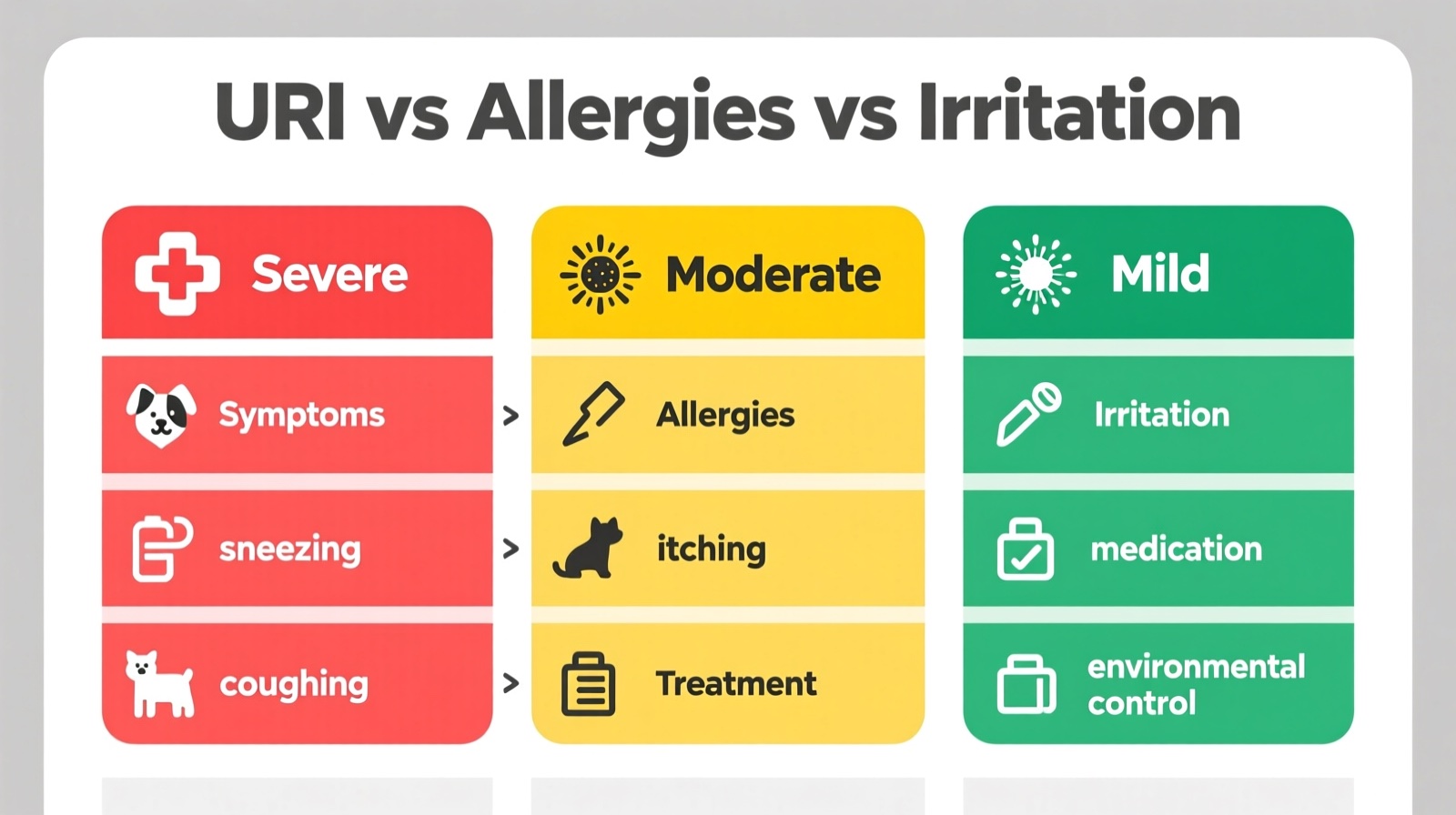
URI vs Allergies vs Irritation
The most important diagnostic distinction when your guinea pig is sneezing is determining whether the cause is an infection (URI), allergies, or simple environmental irritation. The table below compares all three across nine features.
| Feature | URI (Infection) | Allergies | Environmental Irritation |
|---|---|---|---|
| Nasal discharge | Yes — white, yellow, or green | Rare, clear if any | No |
| Eyes affected | Watery or crusty eyes | Red, watery eyes | No |
| Eating behavior | Reduced or stopped | Normal | Normal |
| Energy level | Lethargic, hunched posture | Normal | Normal |
| Breathing sounds | Clicking, crackling, wheezing | Occasional wheeze | Normal |
| Duration | Worsens without antibiotics | Persistent or recurring | Resolves when irritant is removed |
| Treatment needed | Prescription antibiotics from vet | Antihistamines (vet-guided) | Remove the trigger |
| Urgency level | Emergency | See vet | Self-manageable |
| Response to environment change | No improvement | Some improvement | Improves quickly |
The 48-hour test is the most practical diagnostic tool I can recommend. If you switch to low-dust bedding and low-dust hay and the guinea pig sneezing improves within 48 hours, it was environmental. If there’s no change or the sneezing worsens, it’s likely URI or allergies and you need to see a vet.
Guinea Pig Sneezing a Lot But Acting Normal
This is the most common scenario guinea pig owners search for, and it’s also the most confusing. Your guinea pig sneezes frequently but still eats, runs around, popcorning, and seems perfectly fine. What do you do?
Step-by-step elimination protocol:
- Check the hay — shake a handful. Is there a visible dust cloud? Try Oxbow Orchard Grass ($10) as a less dusty alternative to timothy
- Check the bedding — switch from wood shavings to Kaytee Clean and Cozy ($20) for 3 days and observe
- Check the room environment — any new cleaning products, perfume, air fresheners, candles, or cooking odors nearby? Remove them all
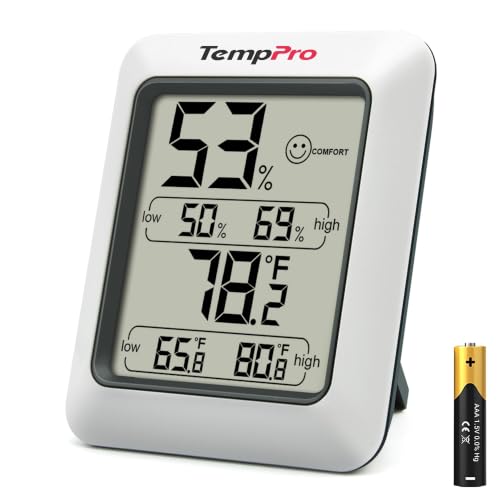
- Check humidity — use a TempPro TP50 hygrometer ($10.99) to verify the room is in the 40-60% humidity range
- Check for drafts — is the cage near a window, AC vent, fan, or exterior door?
- Monitor for 48 hours — if no improvement after making all the changes above, see a vet
An important point that I can’t stress enough: guinea pigs are prey animals that instinctively hide illness. “Acting normal” does not guarantee your guinea pig is healthy — it may mean they’re in the early stages of URI and still masking symptoms. Trust the sneezing pattern, not just the behavior.
Sneezing and Runny Nose: URI Warning Signs
Sneezing combined with a runny nose is the hallmark sign of an upper respiratory infection in guinea pigs. This combination should always prompt a vet visit — it almost never resolves on its own.
Discharge color guide — what each color means:
| Discharge Color | What It Indicates | Urgency |
|---|---|---|
| Clear and watery | Early URI or mild irritation | Vet within 24 hours |
| White or creamy | Active bacterial infection | Vet within 12 hours |
| Yellow or green | Advanced infection | Vet immediately |
| Blood-tinged | Severe inflammation or tissue damage | Vet NOW |
URI symptoms checklist — the more items your guinea pig has, the more urgent the situation:
- Frequent sneezing
- Nasal discharge of any color
- Crusty or wet nose
- Watery or crusty eyes
- Not eating or reduced appetite
- Lethargy or sleeping more than usual
- Hunched posture
- Clicking or crackling sounds when breathing
- Labored breathing with visible rib movement
If your guinea pig has three or more of these symptoms, this is a vet emergency. Do not attempt home treatment for URI — prescription antibiotics are required and delay is dangerous.
Sneezing Blood — Emergency Protocol
Blood when sneezing is always an emergency that requires immediate veterinary care. There are no safe home remedies for this symptom.
Immediate actions:
- Call your exotic vet NOW and explain that your guinea pig is sneezing blood — request a same-day appointment
- Keep your guinea pig warm with a small towel or blanket during transport
- Note the details: color (bright red vs dried brown), amount (a drop vs a stream), and how frequently it’s happening
- Do NOT attempt any home treatment
- Check for other symptoms: lethargy, not eating, breathing difficulty
Possible causes of guinea pig sneezing blood include severe URI that has damaged the nasal passages, a foreign body stuck in the nose, dental problems where overgrown molars press into the nasal cavity, trauma, or rarely a nasal tumor. Your vet will need to examine your guinea pig to determine the cause.
Guinea Pig Sneezing Treatment Options
Treatment for guinea pig sneezing depends entirely on the underlying cause. There are two paths: home care for environmental sneezing, and veterinary treatment for URI.
Home Treatment (environmental sneezing only)
Home treatment is only appropriate when there are no other symptoms — no discharge, normal eating, normal activity level.
- Switch bedding to Kaytee Clean and Cozy ($20) — 99.9% dust-free paper bedding eliminates the most common sneezing trigger
- Switch hay to Oxbow Orchard Grass ($10) — naturally less dusty than timothy hay
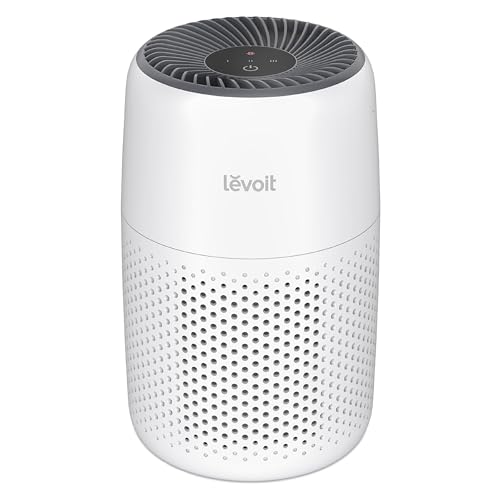
- Add an air purifier near the cage — the LEVOIT Core Mini HEPA ($45) captures 99.97% of airborne particles including hay dust
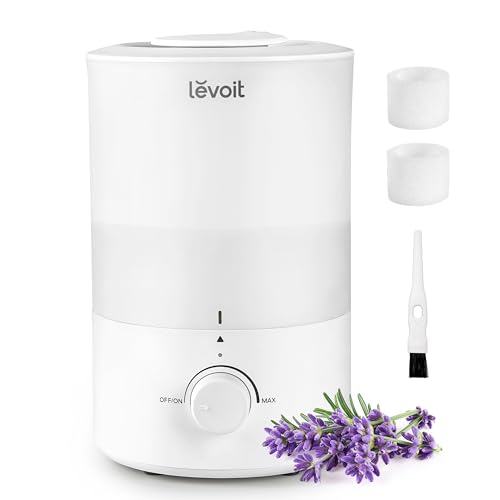
- Adjust humidity with a LEVOIT Humidifier ($33) — maintains the 40-60% humidity range, runs 25 hours per fill
- Boost immunity with Oasis Vitamin C Drops ($26) — liquid drops added to water, supports immune function
Veterinary Treatment (URI)
| Treatment | Purpose | Details |
|---|---|---|
| Baytril (enrofloxacin) | Antibiotic | Most commonly prescribed; 2-4 week course |
| Doxycycline | Antibiotic | Alternative if Baytril is ineffective |
| Subcutaneous fluids | Rehydration | Critical if the guinea pig is not eating or drinking |
| Syringe feeding | Nutritional support | Critical care formula if appetite is reduced |
| Nebulization | Open airways | Saline or medication delivered via nebulizer |
Estimated vet cost for URI treatment: $80-200 for the exam, antibiotics, and fluids. This is a worthwhile investment — untreated URI is fatal.
Prevention: Environment Optimization
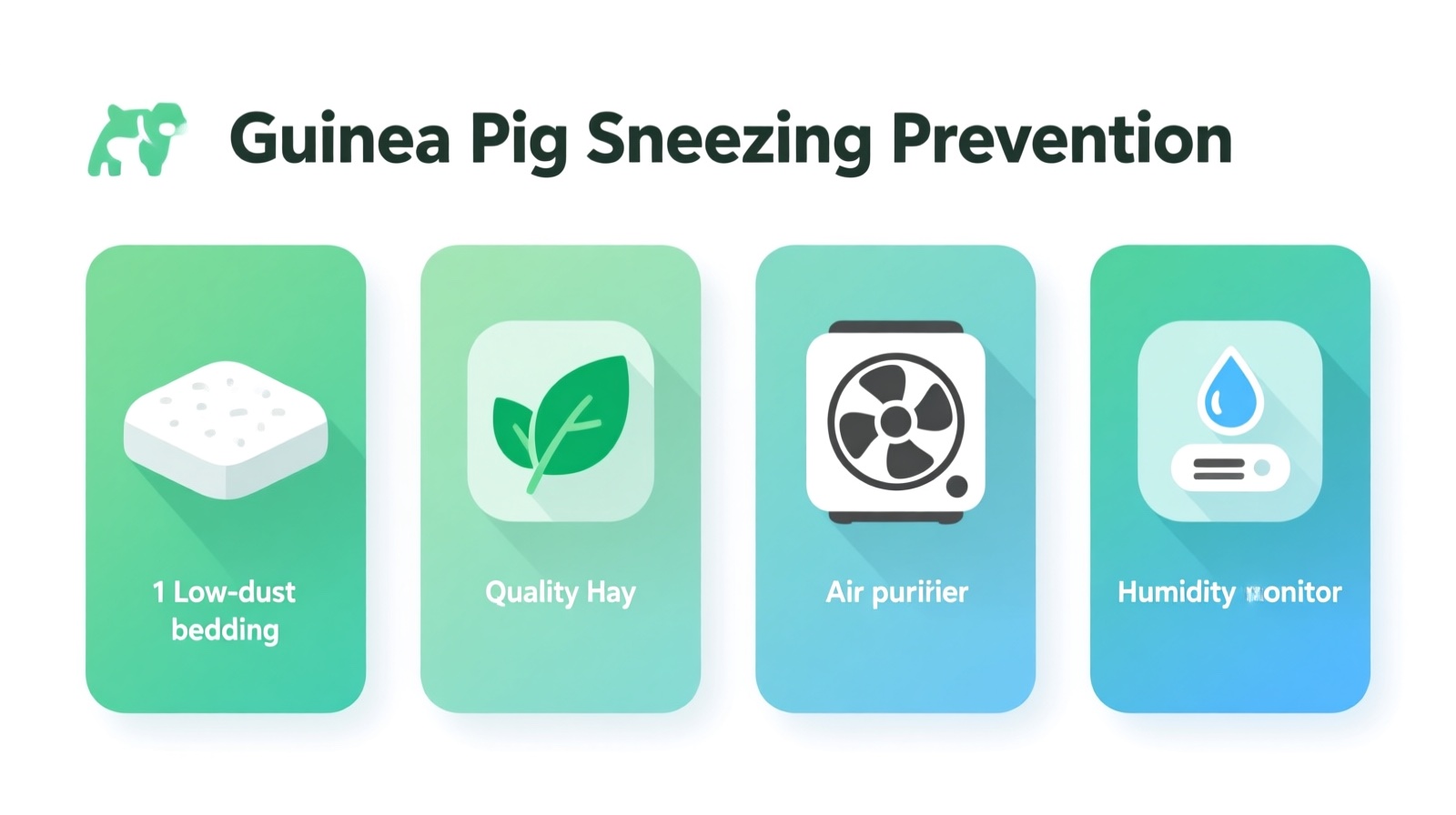
Preventing guinea pig sneezing is far easier and cheaper than treating it. Most sneezing episodes are caused by environmental factors that you can control.
7-step prevention checklist:
| Step | Action | Why It Matters |
|---|---|---|
| Use dust-free paper bedding | Eliminates the number one sneezing trigger | Kaytee Clean and Cozy ($20) |
| Shake hay before serving | Releases trapped dust particles | Any quality hay |
| Monitor humidity at 40-60% | Dry air irritates respiratory passages | TempPro TP50 Hygrometer ($10.99) |
| Run an air purifier near the cage | Removes airborne dust and dander | LEVOIT Core Mini ($45) |
| Supplement vitamin C daily | Supports immune system function | Oasis Vita Drops ($26) |
| Eliminate strong odors | Perfume, cleaners, candles, cooking fumes | Remove from the room |
| Quarantine new guinea pigs | Prevents URI transmission | 2-week minimum quarantine |
Environmental ideal ranges for guinea pigs:
| Factor | Ideal Range | Danger Zone |
|---|---|---|
| Temperature | 65-75 degrees Fahrenheit (18-24 degrees Celsius) | Below 60 degrees or above 80 degrees |
| Humidity | 40-60% | Below 30% (too dry) or above 70% (mold risk) |
| Ventilation | Fresh air flow with no drafts | Stuffy room or direct fan/AC blowing on cage |
The combination of a TempPro TP50 hygrometer and a LEVOIT humidifier gives you complete control over the cage environment. The hygrometer tells you what’s happening, and the humidifier lets you fix it. Together they cost well under $70 and eliminate one of the major preventable causes of guinea pig sneezing.
For cage setup recommendations beyond respiratory health, see our guinea pig setup guide. For foot health, see our bumble foot prevention guide.
Frequently Asked Questions
Q: Is it normal for guinea pigs to sneeze?
Yes — 1-2 sneezes per day is completely normal. Guinea pigs have sensitive respiratory systems and sneeze to clear dust, hay particles, and strong odors from their nose. What’s NOT normal: sneezing multiple times per hour, sneezing with nasal discharge, sneezing with lethargy or appetite loss, or sneezing that persists beyond 2-3 days.
Q: Why is my guinea pig sneezing a lot but acting normal?
The most likely causes are environmental: dusty hay (try orchard grass instead of timothy), dusty bedding (switch to paper bedding), or dry air (use a humidifier). Also check for strong odors nearby and drafts near the cage. Monitor for 48 hours. If there’s no improvement, see a vet — guinea pigs hide illness and “acting normal” doesn’t rule out early URI.
Q: When should I worry about guinea pig sneezing?
Worry when sneezing is accompanied by nasal discharge, lethargy, reduced appetite, labored breathing, clicking or crackling sounds, or blood. These symptoms together indicate a possible URI, which is fatal within 24-48 hours without veterinary antibiotics. Sneezing plus not eating is a medical emergency.
Q: Can hay dust make guinea pigs sneeze?
Yes — it’s the number one non-medical cause. Shake hay before serving, switch to less dusty orchard grass, buy in smaller boxes, store properly to prevent mold, and use a hay feeder. If switching hay doesn’t help within 3-5 days, consult a vet.
Q: What does it mean if my guinea pig is sneezing and has a runny nose?
This combination almost always indicates a URI. Discharge starts clear and progresses to white, yellow, or green as the infection worsens. URI requires prescription antibiotics — it will not resolve on its own. See a vet immediately.
Q: Why is my guinea pig sneezing blood?
This is an emergency requiring immediate vet care. Possible causes include severe URI, a foreign body in the nose, dental problems, trauma, or rarely a tumor. Note the blood color, amount, and frequency for your vet. Do not attempt home treatment.
Q: How do I treat guinea pig sneezing at home?
Home treatment is only for sneezing without other symptoms. Switch to low-dust paper bedding and low-dust hay, add an air purifier, maintain 40-60% humidity, remove strong odors, and supplement vitamin C. If sneezing continues beyond 3 days or any other symptoms appear, see a vet.
Q: Why is my baby guinea pig sneezing a lot?
Baby guinea pigs sneeze more than adults because their immune systems are developing and they’re adjusting to new environments. If the baby is eating and gaining weight, it’s likely normal adjustment. But babies are more vulnerable to URI and deteriorate faster — if sneezing is accompanied by any illness signs, see a vet immediately.