Warning: Medical Disclaimer: This article is not a substitute for professional veterinary care. If your guinea pig is showing signs of illness, consult a qualified exotic veterinarian.
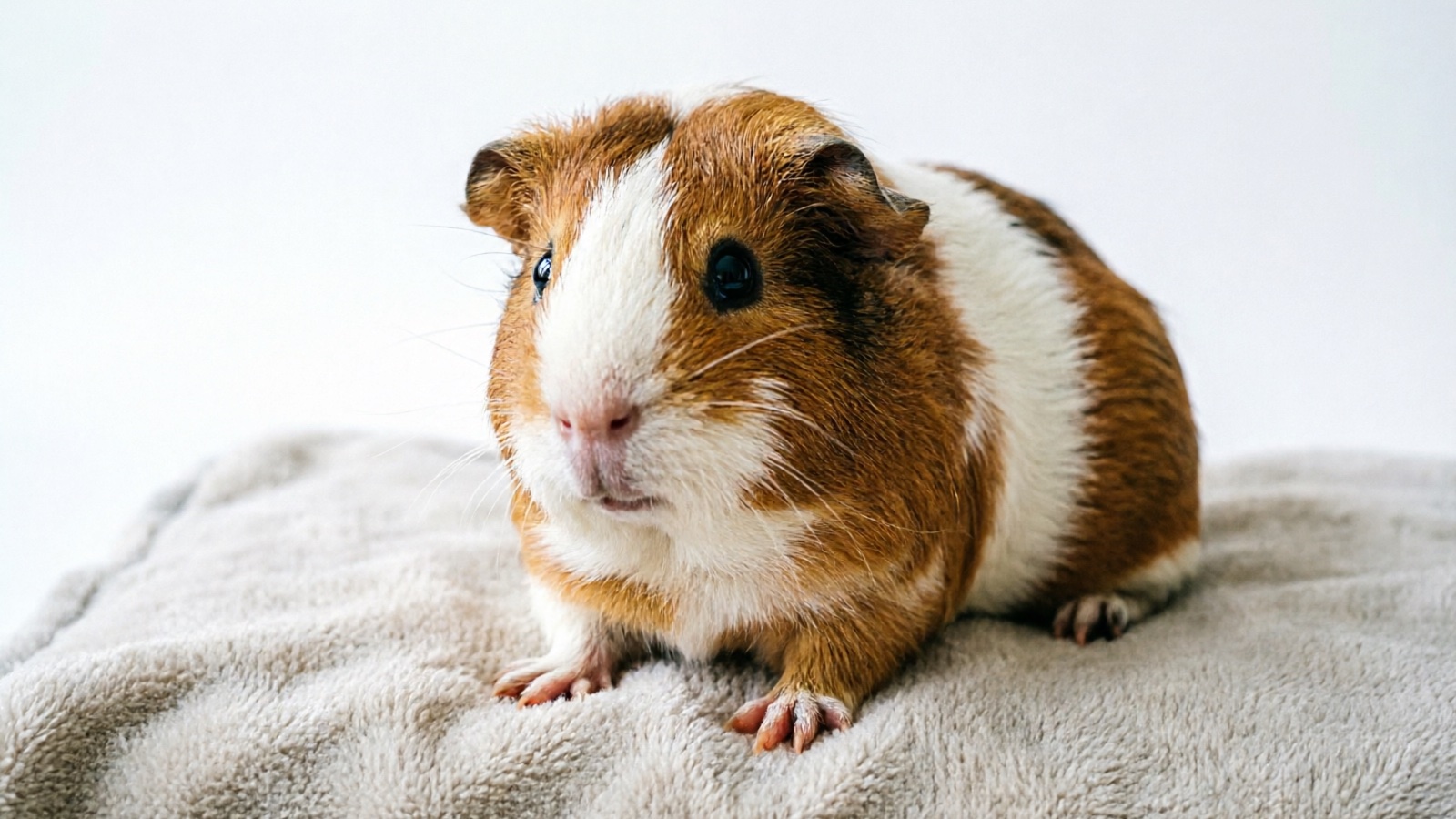
Finding your guinea pig not eating is one of the scariest moments for any cavy owner. And it should be — because guinea pigs not eating is genuinely a medical emergency that demands immediate action. Unlike humans or dogs who can skip a meal without consequences, guinea pigs have a digestive system designed for near-constant foraging. When food stops moving through their gut, things go wrong fast.
This guide covers exactly what to do, step by step, based on how long your guinea pig has been refusing food. I’ll walk you through the emergency decision tree, the most common causes, and the syringe feeding technique that can keep your guinea pig alive while you get veterinary help.
Emergency Decision Tree: How Urgent Is It?
This is the most important section in this entire article. The timeline below determines your action level:
| Time Without Food | Action Level | What to Do |
|---|---|---|
| 0-6 hours | 🟡 Monitor | Offer favorite treats, fresh hay, check for other symptoms |
| 6-12 hours | 🟠 Act Now | Check mouth for drooling, check environment, start offering blended food |
| 12-24 hours | Warning: Emergency | Syringe feed, contact vet TODAY, keep warm |
| 24+ hours | Warning: Critical | Syringe feed immediately, vet visit NOW — GI stasis risk is high |
GI stasis is the medical term for when the digestive system slows or stops. In guinea pigs, bacteria in the gut begin producing dangerous gas and toxins within 12 hours of food stopping. The gut lining can become damaged, and the condition spirals — a pig who stops eating because of mild pain can end up with life-threatening GI stasis within 24-48 hours.
I’ve seen guinea pigs recover fully from 48-hour fasts with proper syringe feeding and veterinary care. But I’ve also seen the opposite, when owners waited too long thinking their pig would “snap out of it.” Speed matters more than anything else.
The Most Common Causes
Understanding why your guinea pig isn’t eating helps you take the right action. Here’s a breakdown by how commonly each cause appears in veterinary practice:
| Cause | % of Cases | Key Symptoms | Urgency |
|---|---|---|---|
| Dental problems (overgrown teeth, molar spurs) | ~40% | Drooling, wet chin, weight loss, selective eating | 🟠 12h |
| Vitamin C deficiency (scurvy) | ~20% | Lethargy, rough coat, swollen joints, not eating | 🟠 12h |
| GI stasis (gut slowdown) | ~15% | Small/no droppings, bloated, hunched posture | Warning: Emergency |
| Respiratory infection | ~10% | Sneezing, discharge, labored breathing | 🟠 12h |
| Urinary tract infection | ~5% | Straining, blood in urine, squeaking while peeing | 🟠 12h |
| Stress (new home, lost companion) | ~5% | Hiding, not eating, otherwise normal | 🟡 Monitor |
| Spoiled food | ~5% | Food refusal but otherwise healthy | 🟡 Easy fix |
Notice that dental problems and scurvy together account for roughly 60% of all cases where a guinea pig stops eating. That’s important — it means checking teeth and reviewing Vitamin C intake should be your first investigative steps.
For a comprehensive overview of all guinea pig health conditions, see our guinea pig health guide.
Guinea Pig Not Eating or Drinking
When a guinea pig stops both eating and drinking, the situation escalates quickly. Dehydration accelerates GI stasis and makes recovery significantly harder. A guinea pig who’s not eating but still drinking has a buffer; one who’s stopped both has no buffer at all.
Immediate steps:
- Offer water from a syringe — draw 1-2ml into a feeding syringe and let them lick it. Don’t force it into their mouth.
- Offer high-water vegetables — cucumber and bell pepper have 90%+ water content. Even if they won’t eat solid food, they may nibble wet vegetables.
- Check the water bottle — is the nozzle blocked? Is the ball bearing stuck? This sounds basic, but a malfunctioning water bottle is a surprisingly common cause. Test it by tapping the nozzle and watching for water flow.
- Check for dehydration — gently pinch the skin on the back of the neck. If it stays tented (doesn’t snap back), your guinea pig is dehydrated and needs a vet.
- Wrap in a warm towel — maintaining body temperature is important for metabolic function.
- Vet within 6-8 hours if no food or water has been consumed.
Dehydration combined with not eating creates a dangerous feedback loop: the gut needs water to keep moving, and the body needs food to maintain hydration. Break this cycle quickly by getting both water and nutrition in, even in small amounts.
Guinea Pig Not Eating and Hiding
The combination of not eating and hiding is the strongest pain indicator a guinea pig can show. Guinea pigs are prey animals — when they hurt, their instinct tells them to find a sheltered corner and stay invisible. A guinea pig sitting pressed against the cage wall, back to the room, eyes half-closed, and unresponsive to food — that’s a pig in trouble.
Why they hide when sick: In the wild, a guinea pig showing weakness becomes a target for predators. Even though domestic guinea pigs have no predators in your living room, this instinct is deeply hardwired. They’ll hide when in pain from dental issues, urinary infections, respiratory illness, or GI stasis.
Red flags that confirm this is more than just stress:
- Hunched posture — a pig who sits in a tight ball with their head tucked is likely experiencing abdominal pain
- Puffed-up fur — trying to appear larger is a stress response, not a sign they’re cold
- Dull or half-closed eyes — bright, alert eyes suggest a pig who’s still engaged with their environment
- Not responding to favorite treats — if fresh cilantro or red bell pepper doesn’t get a reaction, something is seriously wrong
- Teeth grinding — a distinctive clicking sound that indicates pain, different from the happy purring sound they make during lap time
Action: If your guinea pig is hiding and not eating, plan a vet visit within 6-12 hours. Don’t assume it’s just stress from a recent change — while stress can cause reduced appetite, a pig who’s completely refusing food and hiding needs examination.
Learning to recognize your guinea pig’s vocalizations and sounds helps you distinguish between contentment, stress, and pain.
Guinea Pig Not Eating Hay or Pellets
When a guinea pig eats vegetables but refuses hay and pellets — or eats soft foods but won’t touch hay — the problem is almost always dental. Hay and pellets require significant chewing effort, while soft vegetables can be nibbled with minimal jaw movement.
Signs of Dental Problems
- Selective eating — accepting soft veggies (cucumber, lettuce) but refusing hay and pellets
- Drooling or wet chin — saliva accumulates because they can’t swallow normally with overgrown teeth
- Weight loss despite eating some food — they’re consuming fewer total calories because the foods they can manage are lower in calories
- Food falling from the mouth — visible difficulty chewing or holding food
- Preferring one side of the mouth — indicates pain on one side, often from a molar spur cutting into the cheek
Why Dental Problems Are So Common
Guinea pig teeth grow continuously — approximately 2mm per week. In a healthy guinea pig eating unlimited hay, the constant grinding wears teeth down at the same rate they grow. But if a pig eats less hay (or the teeth are misaligned), the teeth and especially the molars can overgrow, developing sharp spurs that cut into the tongue and inner cheeks. This makes chewing painful, which leads to eating less, which leads to more overgrowth — a vicious cycle.
Molar spurs are particularly dangerous because they’re invisible from the outside. You can’t see the molars by looking in a guinea pig’s mouth the way you can see the front incisors. A vet needs to examine the molars under sedation using a special scope.
What a Vet Will Do
- Perform an oral examination under light sedation
- File down overgrown incisors and molar spurs using a dental burr
- Prescribe pain medication and anti-inflammatory drugs
- Recommend follow-up in 2-4 weeks to check regrowth
Most guinea pigs resume eating within 24-48 hours after dental work, once the pain is managed.
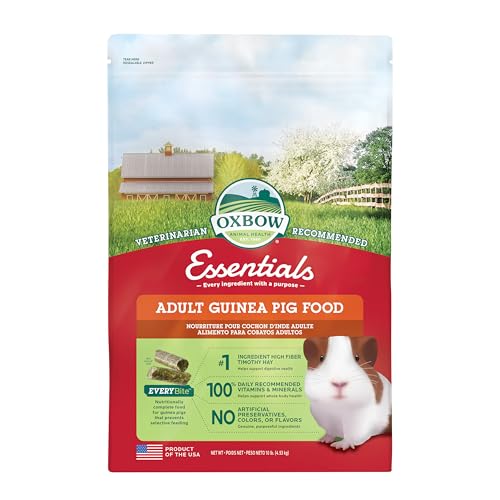
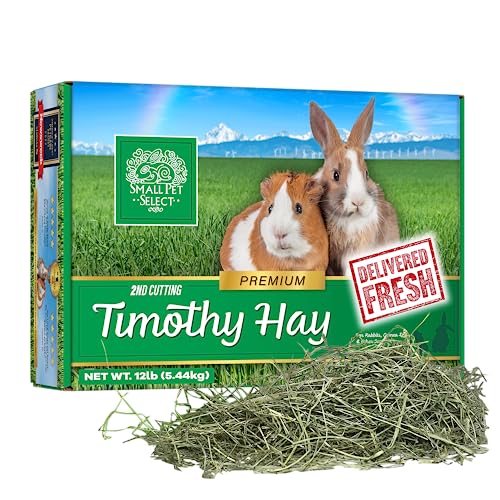
For prevention, a high-quality pellet fortified with stabilized vitamin C helps support overall dental and immune health. Oxbow Essentials Adult Guinea Pig Pellets are the most widely vet-recommended option — uniform pellets prevent selective eating, and the fortified vitamin C supports immune function. For hay, Small Pet Select 2nd Cutting Timothy Hay is softer and more palatable than first cutting, which can be helpful for dental-sensitive pigs.
For more on nutrition, see our guinea pig food guide and best guinea pig food recommendations.
Vitamin C Deficiency (Scurvy) — The Hidden Cause
Scurvy is a condition caused by insufficient vitamin C intake. Unlike most mammals, guinea pigs (along with humans, capybaras, and certain primates) cannot synthesize their own vitamin C. They lack the enzyme L-gulonolactone oxidase, which is required for vitamin C synthesis in the liver. This means they must get all their vitamin C from dietary sources — every single day.
A guinea pig needs 30-50 mg of vitamin C daily. Without it, scurvy develops within 2-3 weeks. And one of the first signs of scurvy is loss of appetite — which creates a dangerous spiral, because the pig is already low on vitamin C, and eating less means getting even less.
How scurvy causes a guinea pig not to eat:
- Swollen, painful joints — make moving to food uncomfortable
- Bleeding gums — mouth pain when chewing
- General lethargy and malaise — they simply don’t feel well enough to eat
- Rough, poor coat — a visible sign of declining health
The tricky part is that scurvy develops gradually. By the time a guinea pig stops eating because of it, the deficiency has likely been building for weeks. Dietary vitamin C supplementation is the fix — either through high-C vegetables (red bell peppers, kale, broccoli) or a dedicated supplement.
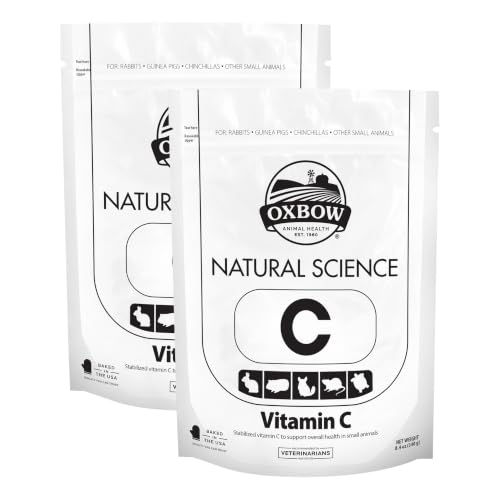
Oxbow Natural Science Vitamin C Supplement provides targeted vitamin C in tablet form — it’s more reliable than depending solely on vegetables, especially if your guinea pig is already not eating well.
For a deep dive on this topic, see our vitamin C for guinea pigs guide.
How to Syringe Feed a Guinea Pig (Step-by-Step)
When your guinea pig hasn’t eaten for 12+ hours, syringe feeding becomes critical. It keeps the gut moving, prevents GI stasis, and provides hydration. This is not optional at the 12-hour mark — it’s essential.
What you need:
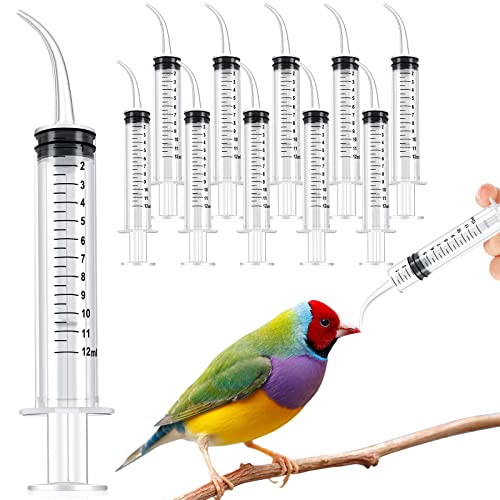
- A small feeding syringe (5-12ml size for food; 1-3ml for medication). I recommend having a set of 12ml feeding syringes on hand — having multiple lets you rotate and clean them between feedings.
- Critical care formula (Oxbow Critical Care is the gold standard) OR a homemade blend
- A clean towel
Making a homemade feeding blend (if you don’t have critical care formula):
- Take a handful of guinea pig pellets and soak them in warm water for 10 minutes
- Add chopped bell pepper and cucumber
- Blend until completely smooth — no chunks that could choke
- Strain through a fine mesh if needed — the consistency should be like thin yogurt
- Draw into the syringe, tapping out air bubbles
Syringe feeding steps:
- Wrap your guinea pig in a towel — the “burrito wrap” keeps them secure and reduces squirming. Leave their head free but their body contained.
- Hold firmly but gently — one hand supports the body, the other holds the syringe.
- Tilt the chin slightly upward — just a few degrees, not dramatically.
- Place the syringe tip from the SIDE of the mouth — behind the front incisors, in the gap between incisors and molars. This is critical — never insert the syringe straight in from the front, as liquid can go down the windpipe.
- Dispense 0.5ml — a tiny amount. Wait for them to swallow.
- Watch for swallowing — you’ll see the throat move. If they don’t swallow, gently stroke the throat to encourage it.
- Repeat — aim for 10-15ml total per session.
- Feed every 2-3 hours — until they start eating on their own.
Critical safety warning: Never force liquid straight down the throat. Aspiration — fluid entering the lungs — can be fatal and kills quickly. If your guinea pig coughs or chokes, stop immediately and let them recover before trying again with smaller amounts.
Recovery Diet: What to Feed After a Vet Visit
After your guinea pig has been treated (dental work, antibiotics, etc.), transitioning back to normal eating needs to be gradual. The gut has been through stress and needs time to resume normal function.
| Recovery Stage | Timeline | Food |
|---|---|---|
| Critical care | Day 1-2 | Syringe feeding (15ml every 2-3h), critical care formula |
| Soft foods | Day 2-3 | Mashed pellets mixed with water, grated vegetables, cucumber slices |
| Transition | Day 3-5 | Normal vegetables + soaked pellets + hay available |
| Normal | Day 5+ | Full diet: unlimited hay, pellets, 1 cup vegetables daily |
Appetite stimulators — foods that get reluctant eaters started again:
- Fresh cilantro — the strong smell is irresistible to most guinea pigs. I’ve seen pigs who wouldn’t touch anything else eagerly nibble cilantro.
- Red bell pepper — sweet, crunchy, and packed with vitamin C. The strongest-smelling pepper you can find works best.
- Small piece of banana — use sparingly (sugar), but the smell is a powerful appetite trigger.
- Fresh, fragrant timothy hay — the smellier the better. Sometimes a fresh bag of hay from a different supplier is enough to restart eating. Small Pet Select 2nd Cutting Timothy Hay has a strong, fresh smell that many pigs find appealing.
When to See a Vet (Red Flags)
I want to be completely clear about this: if any of the following are present alongside your guinea pig not eating, veterinary care is not optional — it’s urgent.
Go to the vet IMMEDIATELY if:
- Not eating for 12+ hours (this alone is enough for a vet visit)
- Not eating AND not drinking for 6+ hours
- Hiding with hunched posture and puffed fur
- No droppings for 12+ hours (GI stasis indicator)
- Drooling or wet chin (dental emergency)
- Labored breathing, clicking sounds, or nasal discharge
- Blood in urine
- Teeth grinding (pain vocalization)
- Sunken eyes or skin that stays tented when pinched (dehydration)
Important: Guinea pigs need exotic animal veterinarians — not regular dog and cat vets. Exotic vets have specialized training in small mammal care and have the equipment (otoscopes, dental burrs) needed to diagnose and treat guinea pig problems. Search for “exotic vet near me” or check the AEMV (Association of Exotic Mammal Veterinarians) directory.
For context on guinea pig longevity and what to expect at different life stages, see our guinea pig lifespan article.
Frequently Asked Questions
How long can a guinea pig go without eating?
A guinea pig should never go more than 8-12 hours without eating. Their digestive system is designed for constant foraging, and GI stasis can begin within 12 hours. If your guinea pig hasn’t eaten for 12+ hours, this is a medical emergency — contact a vet immediately. Without treatment, GI stasis can be fatal within 24-48 hours. The gut needs a continuous flow of fibrous material to function properly, and without it, harmful bacteria multiply rapidly, producing gas and toxins that damage the intestinal lining.
Why is my guinea pig not eating but still drinking?
Drinking but not eating usually points to dental problems — overgrown teeth or molar spurs make chewing painful, so the pig avoids solid food but can still manage water. It could also indicate mouth sores, nausea from a digestive issue, or early scurvy (vitamin C deficiency causes gum inflammation and jaw pain). Check for drooling or a wet chin, which strongly suggests dental problems. See a vet within 12 hours if eating doesn’t resume — dental issues don’t resolve on their own and get progressively worse.
What do I do if my guinea pig won’t eat?
First, determine how long it’s been since they last ate. Under 6 hours: offer favorite treats like bell pepper and cilantro, provide fresh hay, and observe for other symptoms. Over 6 hours: check their mouth for drooling, feel their body temperature, check for droppings, and start preparing a syringe feeding blend. Over 12 hours: this is an emergency — begin syringe feeding immediately (10-15ml every 2-3 hours), contact a vet, and keep your guinea pig warm. Never wait to “see if they’ll eat” once you’ve passed the 12-hour mark.
Why is my guinea pig not eating and hiding?
Not eating combined with hiding is the strongest pain indicator a guinea pig can show. As prey animals, their instinct when vulnerable is to find a sheltered spot and stay still. The most common causes for this combination are dental pain (overgrown molars cutting into cheeks), urinary tract infection (extremely painful), respiratory infection, and GI stasis. The hiding + not eating combination warrants a vet visit within 6-12 hours. Don’t wait to see if they come out on their own — by the time a guinea pig is hiding and refusing food, the problem is already serious.
Why is my guinea pig not eating hay?
Refusing hay while eating other foods almost always indicates a dental problem. Hay requires the most chewing effort of any food in a guinea pig’s diet, and overgrown molars or molar spurs make this painful. Other possibilities include stale hay (try a completely fresh bag), a mouth injury, or an abrupt change in hay type. Try offering softer alternatives like orchard grass or 2nd cutting timothy — these require less jaw pressure. If hay refusal persists for more than 24 hours, a dental exam under sedation is needed to check for molar spurs.
How do I syringe feed a guinea pig?
Use a 5-12ml feeding syringe with a smooth, blended mixture of critical care formula or soaked pellets pureed with bell pepper and water. Wrap the guinea pig in a towel (burrito style), hold gently but firmly, and place the syringe tip from the SIDE of the mouth — behind the incisors in the natural gap. Dispense 0.5ml at a time, waiting for a visible swallow between each amount. Aim for 10-15ml total per session, repeated every 2-3 hours. Never insert the syringe straight in from the front (aspiration risk), and never force food into a pig who isn’t swallowing.
What causes loss of appetite in guinea pigs?
The most common causes, in order of frequency: dental problems including overgrown incisors and molar spurs (approximately 40% of cases), vitamin C deficiency or scurvy (approximately 20%), GI stasis or gut slowdown (approximately 15%), respiratory infections (approximately 10%), urinary tract infections (approximately 5%), stress from environmental changes or loss of a companion (approximately 5%), and spoiled or unappealing food (approximately 5%). Dental issues and vitamin C deficiency together account for over half of all appetite loss cases, making dental checks and vitamin C intake the two most important preventive measures.
Can a guinea pig recover from not eating?
Yes — recovery is very possible when caught early and treated properly. Dental cases typically resolve within 1-3 days after a vet trims overgrown teeth and prescribes pain management. GI stasis requires 24-72 hours of intensive syringe feeding to restart gut motility. Scurvy recovery takes 1-2 weeks with consistent vitamin C supplementation. Stress-related appetite loss usually resolves within a few days once the stressor is addressed. The key factor in all cases is speed — the longer a guinea pig goes without food, the more damage occurs to the digestive system, and the harder recovery becomes.