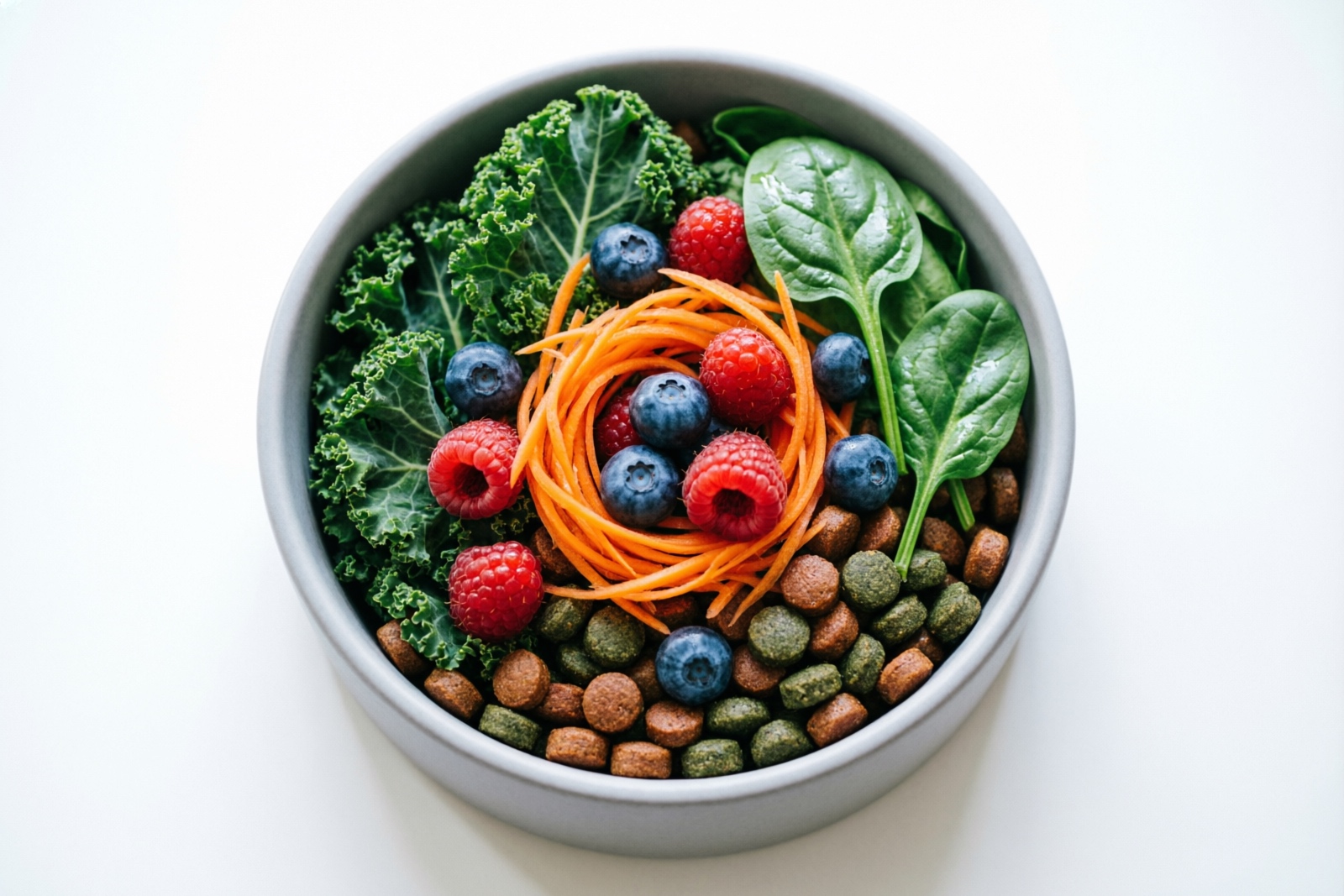
Did you know that 80% of pet bird health problems are diet-related? Many bird diet owners unknowingly feed inappropriate foods, leading to malnutrition, obesity, and shortened lifespans. Proper bird diet nutrition is the foundation of your bird diet health, affecting everything in bird diet from feather quality to immune function.
This comprehensive bird diet guide covers everything you need to know about feeding your pet bird (bird diet) correctly. You’ll learn:
- What birds eat in bird diet in the wild vs. captivity
- Best bird food brands and products (pellets, seeds, treats)
- Complete bird diet chart with feeding proportions
- Dangerous bird diet foods to avoid (critical safety information)
- Daily feeding schedule and portion sizes
- 8 common questions answered by experts
Whether you have a tiny canary, talkative parakeet, or majestic macaw, this guide provides practical, science-backed advice for optimal avian nutrition.
Quick Navigation:
For related bird care topics, see our guides on bird cage setup and bird training basics.
What Do Birds Eat? Understanding Bird Diet Basics
A balanced bird diet varies significantly by species, size, and natural habitat. Understanding your bird diet needs is the foundation of optimal care.
What Do Small Birds Eat? (Canaries, Finches)
Canaries and finches are primarily granivores (seed-eaters) in the wild, but they need more than just seeds in captivity.
Base Diet (60-70% of daily intake):
- High-quality canary/finch seed mix or canary pellets
- Seeds: Canary seed, millet, rape seed, niger seed
- Pellets: Fortified with vitamins and minerals
Fresh Foods (20-30% of daily intake):
- Vegetables: Dark leafy greens (kale, spinach), grated carrots, broccoli florets, cucumber slices
- Fruits (limited, 5-10%): Apple slices (no seeds), pear, berries
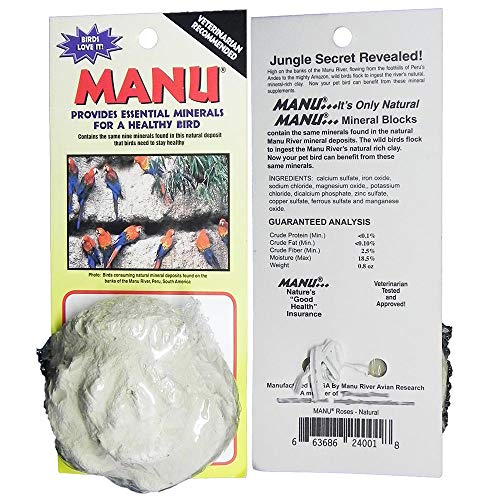
- Calcium supplement: Cuttlebone or mineral block (essential for bone health and beak maintenance)
Portion Size:
- 1-2 teaspoons of seed/pellet mix per day
- Small piece of fresh vegetable daily
- Cuttlebone available at all times
Common Mistake: Feeding only seeds leads to bird diet vitamin A deficiency, obesity, and liver disease.
What Do Parrots Eat? (Parakeets, Cockatiels, Macaws)
Parrots are more omnivorous than small birds, requiring a varied diet that includes pellets, fresh foods, and occasional protein sources.
Base Diet (60-70% of daily intake):
- High-quality parrot pellets (preferred over seed mixes)
- Why pellets? Complete nutrition, prevents bird diet selective eating
Fresh Foods (20-30% of daily intake):
Vegetables (daily):
- Dark leafy greens (collard, mustard, turnip greens)
- Orange vegetables (sweet potato, carrots, winter squash)
- Other: Bell peppers, broccoli, green beans, peas, corn
Fruits (limited to 5-10%):
- Berries (blueberries, strawberries, raspberries)
- Tropical fruits (mango, papaya, pineapple)
- Apple, pear, grapes (all without seeds)
Protein Sources (2-3x per week):
- Cooked lean chicken or turkey (small pieces)
- Hard-boiled egg (including shell for calcium)
- Cooked beans (kidney, garbanzo, lentils)
Nuts and Seeds (treats only, 5% of diet):
- Small parrots (parakeets, cockatiels): 1-2 seeds/nuts per day
- Large parrots (macaws, cockatoos): 3-5 nuts per day
- Safe options: Almonds, walnuts, pecans, sunflower seeds (unsalted)
Species-Specific Notes:
| Species | Special Dietary Needs |
|---|---|
| Parakeets (Budgerigars) | Higher carbohydrate needs, small seeds |
| Cockatiels | More seeds acceptable (30%), prone to obesity |
| African Greys | Need extra calcium (prone to deficiency) |
| Macaws | Higher fat requirements, more nuts acceptable |
| Conures | Similar to cockatiels, enjoy varied textures |
Essential Nutrients in a Bird Diet Bird Diet
All birds require these essential nutrients in proper proportions:
1. Protein (10-15% of diet)
- Function: Muscle development, feather growth, immune function
- Sources: Pellets, eggs, lean meat, legumes
- Deficiency signs: Poor feather quality, muscle wasting, weakened immunity
2. Fat (3-5% for small birds, 5-10% for larger parrots)
- Function: Energy source, vitamin absorption, healthy skin/feathers
- Sources: Nuts, seeds, some pellets
- Warning: Excess fat causes obesity and fatty liver disease
3. Carbohydrates (40-50% of diet)
- Function: Primary energy source
- Sources: Grains, vegetables, fruits, pellets
4. Vitamins
Vitamin A (most common deficiency):
- Sources: Dark leafy greens, orange vegetables, sweet potato
- Deficiency signs: Respiratory infections, poor feather quality, sinus issues
Vitamin D3 (synthesized from UV light):
- Sources: Sunlight, UV bird lamps, fortified pellets
- Deficiency signs: Weak bones, egg binding, poor calcium absorption
Vitamin E:
- Sources: Seeds, nuts, leafy greens
- Deficiency signs: Muscle weakness, neurological problems
B Vitamins:
- Sources: Whole grains, legumes, eggs
- Deficiency signs: Poor appetite, feather picking, neurological issues
5. Minerals
Calcium (critical for all birds):
- Sources: Cuttlebone, mineral block, dark leafy greens, fortified pellets
- Requirement: Higher for breeding females and growing chicks
- Deficiency signs: Egg binding, weak bones, seizures
Phosphorus:
- Balance: Calcium to phosphorus ratio should be 2:1
- Sources: Grains, seeds, pellets
Foods Birds Can Eat (Safe Foods List)
Safe Vegetables (offer daily):
- Kale (high in vitamin A, calcium)
- Spinach (moderate oxalates—rotate with other greens)
- Broccoli (vitamin C, calcium)
- Carrots (vitamin A—grated or small pieces)
- Sweet potato (vitamin A—cooked)
- Bell peppers (vitamin C—all colors)
- Green beans (fiber, vitamins)
- Peas (protein, vitamins)
- Corn (moderation—high sugar)
- Cucumber (hydration, low calorie)
Safe Fruits (offer 2-3x per week, small portions):
- Apple (remove seeds—contain cyanide) — apples are a popular treat; learn can budgies eat apples for safe serving sizes and preparation tips
- Pear (remove seeds)
- Berries (blueberries, strawberries, raspberries)
- Mango (high vitamin A)
- Papaya (digestive enzymes)
- Grapes (cut in half, remove seeds for small birds)
- Banana (high potassium, limit due to sugar)
- Melon (cantaloupe, honeydew—hydration)
Safe Grains and Legumes:
- Cooked brown rice
- Cooked quinoa
- Whole grain pasta (cooked)
- Cooked beans (kidney, garbanzo, black beans)
- Lentils (cooked)
Preparation Tips:
- Wash all fresh foods thoroughly
- Cut into appropriate sizes for your bird
- Remove uneaten fresh food after 4 hours
- Serve at room temperature
Best Bird Food Brands: Top Recommendations
High-quality commercial bird food ensures your pet receives balanced nutrition. Here are expert-recommended brands based on nutritional quality, ingredient sourcing, and avian veterinarian approval.
Best Pellet Bird Foods
Why pellets? Pellets provide complete, balanced nutrition and prevent birds from selectively eating only favorite seeds (a common cause of malnutrition).
TOP 5 Pellet Recommendations:
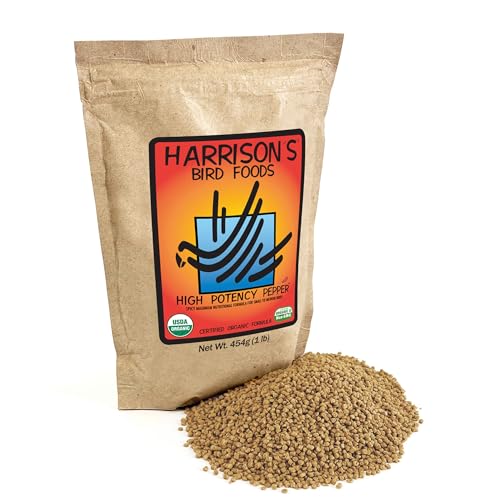
1. Harrison’s Bird Foods (Organic)
- Price: $$-$$$ (premium)
- Best for: All parrot species, organic-focused owners
- Why recommended: USDA organic, human-grade ingredients, no artificial preservatives
- Product lines: Adult Lifetime, High Potency (for breeding/molting)
- Pros: Organic, Complete nutrition, No fillers
- Cons: Expensive, Some birds resist new pellets
- Buy on Amazon
2. Roudybush Daily Maintenance
- Price: $$ (mid-range)
- Best for: Parakeets, cockatiels, conures, medium parrots
- Why recommended: developed by bird diet avian nutritionist Dr. Tom Roudybush
- Pros: Excellent nutritional balance, Birds accept readily
- Cons: Non-organic, Contains soy
3. Lafeber’s Premium Daily Diet Pellets
- Price: $$ (mid-range)
- Best for: All bird sizes
- Why recommended: Includes omega-3 fatty acids, no artificial colors
- Pros: Natural ingredients, Added omega-3s
- Cons: Contains corn as first ingredient
4. Zupreem Natural Bird Food
- Price: $ (budget-friendly)
- Best for: Budget-conscious owners, multiple bird households
- Why recommended: Balanced nutrition, widely available
- Pros: Affordable, Easy to find, Multiple sizes
- Cons: Contains artificial preservatives, Not organic
5. TOP’s Parrot Food (Organic)
- Price: $$$ (premium)
- Best for: Large parrots, organic-focused owners
- Why recommended: Cold-pressed (preserves nutrients), certified organic
- Pros: Organic, Cold-pressed, No fillers
- Cons: Expensive, Limited availability
Pellet Comparison Table:
| Brand | Price | Organic | Best For | Key Feature |
|---|---|---|---|---|
| Harrison’s | $$$ | Yes | All parrots | Human-grade organic |
| Roudybush | $$ | No | Medium parrots | Developed by avian vet |
| Lafeber’s | $$ | No | All sizes | Omega-3 added |
| Zupreem | $ | No | Budget buyers | Affordable |
| TOP’s | $$$ | Yes | Large parrots | Cold-pressed |
Best Seed Mixes
Important: Seeds should be limited to 10-20% of diet for most parrots, higher for canaries/finches.
TOP 3 Seed Mix Recommendations:
1. Volkman Avian Science Super Bird Seed
- Price: $$
- Best for: Canaries, finches, parakeets
- Why recommended: No fillers, high-quality seeds, added vitamins
- Pros: Clean seeds, No dust, Variety
- Cons: Birds may pick favorites
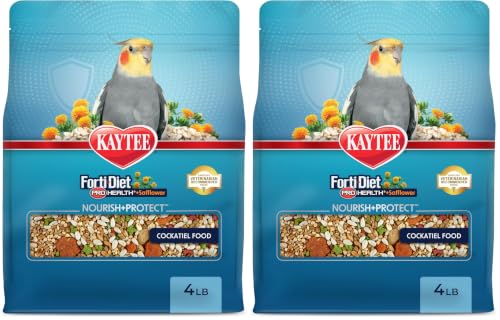
2. Kaytee Forti-Diet Pro Health Bird Seed
- Price: $
- Best for: Parakeets, cockatiels, canaries
- Why recommended: Fortified with omega-3s, probiotics
- Pros: Affordable, Widely available, Added nutrients
- Cons: Contains some fillers
- Buy on Amazon
3. Brown’s Tropical Carnival Bird Food
- Price: $$
- Best for: Medium to large parrots
- Why recommended: Variety of seeds, nuts, fruits
- Pros: Variety, Includes treats
- Cons: High fat content, Birds may pick treats only
Seed Feeding Tips:
- Limit seeds to avoid obesity and malnutrition
- Choose fortified mixes with added vitamins
- Store in cool, dry place (refrigerate for long-term)
- Discard if moldy or stale
Best Treats for Training
Healthy treats motivate birds during training sessions. For more on using food rewards effectively, see our guide on bird training basics.
TOP Training Treats:
1. Millet Spray
- Best for: Small birds (canaries, finches, parakeets)
- Use: High-value reward for training
- Limit: 1-2 sprigs per week (high carbohydrate)
2. Lafeber’s Nutri-Berries
- Best for: All parrot species
- Why: Balanced nutrition in treat form
- Flavors: Original, Tropical Fruit, Sunny Orchard
- Buy on Amazon
3. Harrison’s Bird Treats (Power Treats)
- Best for: All birds
- Why: Organic, nutritious, small pieces for training
- Ingredients: Organic seeds, nuts, fruits
4. Fresh Fruit Pieces
- Best for: All birds
- Examples: Small piece of apple, grape, berry
- Use: Immediate reward during training
5. Sunflower Seeds (in shell)
- Best for: Medium to large parrots
- Use: Foraging enrichment and reward
- Limit: High fat—only 1-2 per day
Training Treat Tips:
- Use small pieces for quick rewards
- Vary treats to maintain interest
- Reserve high-value treats for challenging behaviors
- See our bird training guide for reward-based training techniques
Bird Diet Chart: Daily Feeding Guide
This bird diet chart provides daily feeding proportions for common pet bird species. Use this as a guideline, adjusting based on your bird’s age, activity level, and health status.
Daily Bird Diet Chart
| Bird Species | Pellets | Seeds | Fresh Vegetables | Fresh Fruits | Treats/Nuts |
|---|---|---|---|---|---|
| Canary | 50% | 30% | 15% | 5% | 0% |
| Finch | 50% | 30% | 15% | 5% | 0% |
| Parakeet | 60% | 20% | 15% | 5% | 0% |
| Cockatiel | 60% | 20% | 15% | 5% | 0% |
| Conure | 65% | 15% | 15% | 5% | 0% |
| African Grey | 70% | 10% | 15% | 5% | 0% |
| Macaw | 70% | 10% | 15% | 5% | 0% |
| Cockatoo | 70% | 10% | 15% | 5% | 0% |
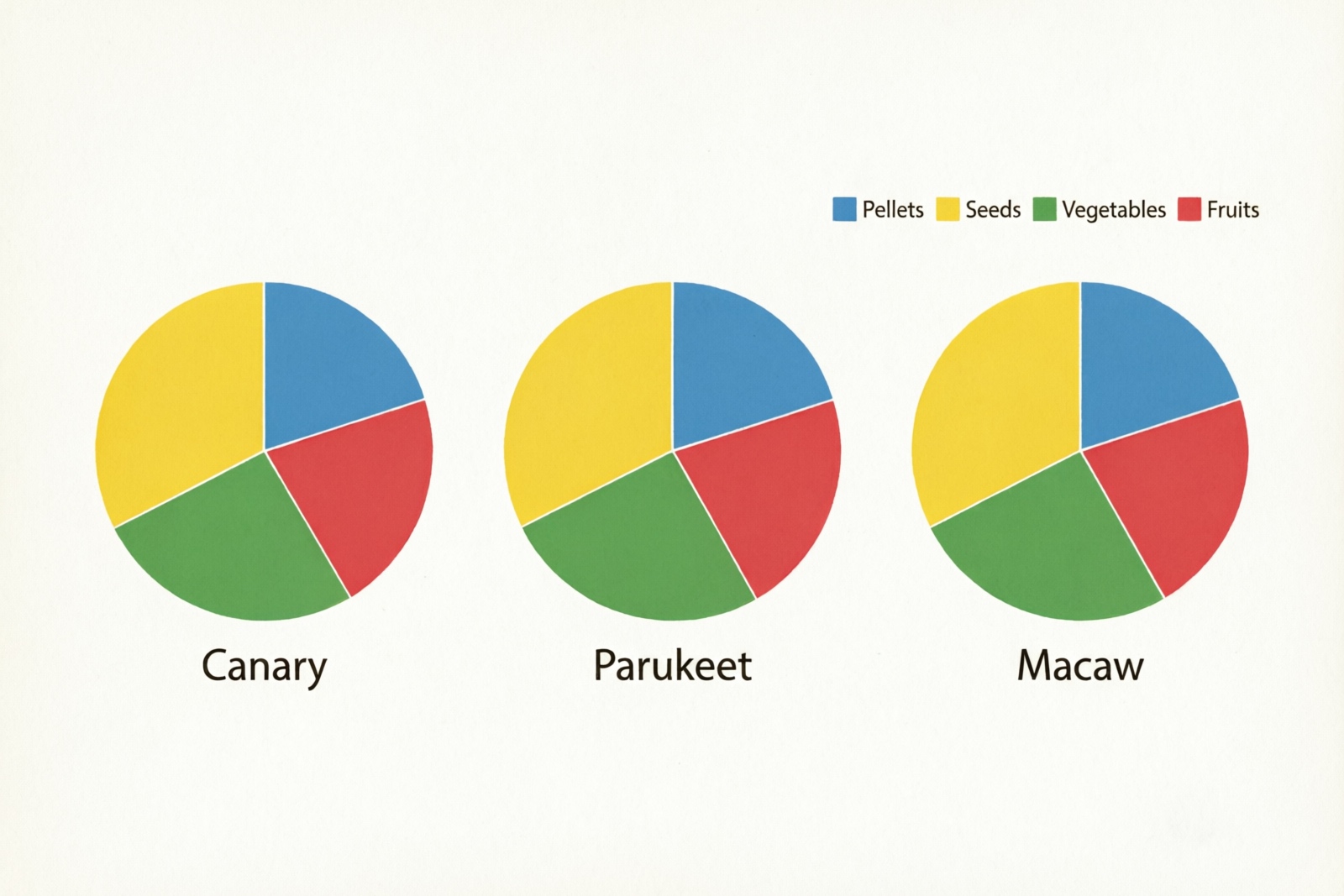
Chart Notes:
- Pellets: Should be the foundation (complete nutrition)
- Seeds: Limit to prevent obesity (higher % for small birds)
- Fresh Vegetables: Daily variety, dark leafy greens preferred
- Fresh Fruits: Limited due to sugar content
- Treats/Nuts: Occasional only, not daily requirement
Key Differences by Bird Type:
Small Birds Bird Diet (Canaries, Finches):
- Higher seed percentage acceptable (natural granivores)
- Smaller vegetable pieces
- Cuttlebone essential for calcium
Medium Birds Bird Diet (Parakeets, Cockatiels, Conures):
- Balanced pellet/seed ratio
- Prone to obesity—monitor portions
- Enjoy varied textures and colors
Large Parrots (Macaws, Cockatoos, African Greys):
- Higher pellet percentage recommended
- Need more mental stimulation (foraging)
- Occasional nuts acceptable (higher fat tolerance)
Portion Sizes by Bird Size
Small Birds Bird Diet (< 50 grams)
- Examples: Canaries, finches, parrotlets
- Daily pellet/seed: 1-2 teaspoons
- Fresh food: 1 teaspoon vegetables, ¼ teaspoon fruit
- Frequency: Food available all day, fresh food replaced twice daily
Medium Birds Bird Diet (50-200 grams)
- Examples: Parakeets, cockatiels, conures, lovebirds
- Daily pellet/seed: 2-4 teaspoons
- Fresh food: 1-2 tablespoons vegetables, ½ teaspoon fruit
- Frequency: Morning and evening feeding
Large Birds Bird Diet (200-1000 grams)
- Examples: African Greys, Amazons, Eclectus
- Daily pellet/seed: 4-8 tablespoons
- Fresh food: 2-4 tablespoons vegetables, 1 teaspoon fruit
- Frequency: Morning and evening feeding
Extra-Large Birds (> 1000 grams)
- Examples: Macaws, large cockatoos
- Daily pellet/seed: ½ - ¾ cup
- Fresh food: ¼ - ½ cup vegetables, 1-2 tablespoons fruit
- Nuts: 3-5 nuts per day (macaws need higher fat)
Portion Guidelines:
- Monitor body condition (should feel keel bone but not see it)
- Adjust portions based on activity level
- Reduce food if bird gains excess weight
- Increase during molting or breeding seasons
Wild Bird Diet vs Pet Bird Diet
Understanding the difference between wild and domestic bird diets helps us better meet our pets’ nutritional needs.
Wild Bird Diet (Natural)
What wild birds eat varies by species, season, and habitat:
Seed-Eating Birds (Finches, Sparrows):
- Diet: Grass seeds, weed seeds, tree seeds
- Seasonal variation: More insects during breeding season (for protein)
- Foraging: Spend 60-70% of daylight hours searching for food
Fruit-Eating Birds (Tanagers, Some Parrots):
- Diet: Wild fruits, berries, figs
- Seasonal variation: Follow fruiting seasons, migrate to food sources
- Role: Important seed dispersers in ecosystems
Insect-Eating Birds (Warblers, Flycatchers):
- Diet: Insects, larvae, spiders
- Seasonal variation: More insects in summer, may switch to seeds/fruits in winter
Omnivorous Birds (Crows, Jays, Many Parrots):
- Diet: Seeds, fruits, insects, small animals, eggs
- Opportunistic: Eat whatever is available
- Varied: Most diverse diet
Wild Diet Challenges:
- Seasonal food scarcity
- Nutritional variation (not always balanced)
- High energy expenditure (flying, foraging, predator avoidance)
Pet Bird Diet (Domestic)
Challenges of Captive Feeding:
- Limited Energy Expenditure
- No need to fly long distances
- Food readily available (no foraging required)
- Risk of obesity from overfeeding
- Nutritional Imbalance Risk
- Seed-only diets lack essential vitamins/minerals
- Human foods may be inappropriate
- Hard to replicate wild diet variety
- Behavioral Issues
- Boredom from lack of foraging
- Food aggression if not managed
- Selective eating (picking favorites)
Optimal Pet Bird Diet Strategy:
1. Pellet-Based Foundation (60-70%)
- provides complete bird diet nutrition
- prevents bird diet selective eating
- Fortified with essential vitamins/minerals
2. Fresh Food Variety (20-30%)
- Mimics natural bird diet diversity
- Provides enrichment (different textures, colors)
- Essential vitamins from vegetables
3. Limited Seeds and Treats (5-10%)
- For training and enrichment
- Prevents obesity
- Mental stimulation (foraging)
4. Foraging Opportunities
- Hide food in toys, foraging wheels
- Encourages natural bird diet behavior
- Prevents boredom
5. Proper Food and Water Placement
- Use appropriate food and water bowls
- Position away from perches (avoid contamination)
- See our guide on bird cage setup for proper food and water bowl placement
Wild vs. Pet Diet Comparison:
| Factor | Wild Birds | Pet Birds |
|---|---|---|
| Food variety | Seasonal, limited | Controlled, consistent |
| Foraging | 60-70% of day | Minimal unless provided |
| Energy use | High (flying, foraging) | Low (cage, limited flight) |
| Obesity risk | Low (high activity) | High (overfeeding, low activity) |
| Nutritional balance | Variable (seasonal) | Controlled (pellets) |
Foods to Avoid: Dangerous Foods for Birds
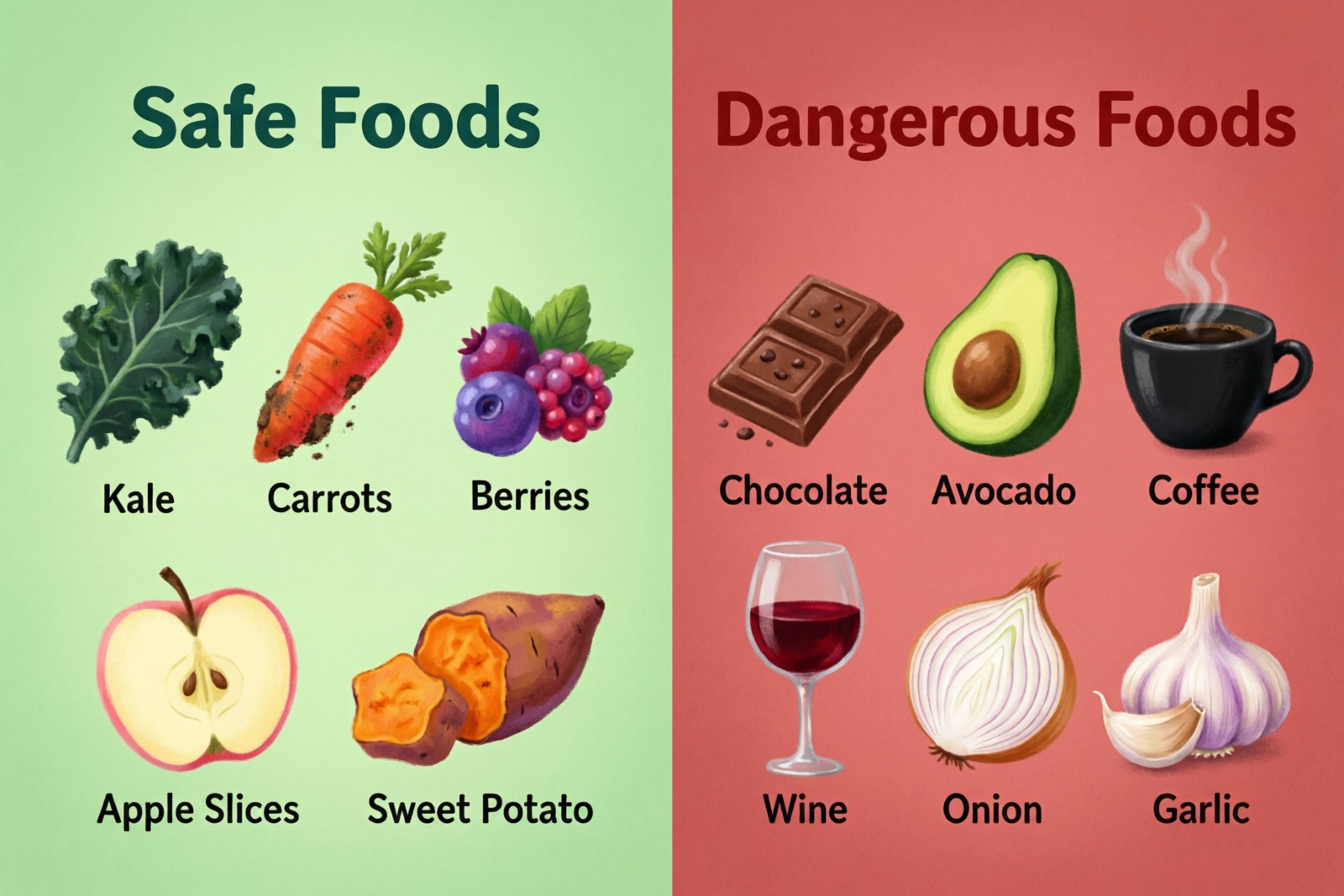
Some foods are toxic or dangerous to birds and should never be offered. Keep this list handy and ensure all family members know which foods are forbidden.
Toxic Foods (Never Feed)
Warning: Highly Toxic (Can Kill):
1. Chocolate
- Toxin: Theobromine and caffeine
- Symptoms: Vomiting, diarrhea, seizures, heart arrhythmia, death
- Amount: Even small amounts can be fatal
- Why: Birds cannot metabolize theobromine
2. Avocado
- Toxin: Persin (in leaves, fruit, pit, skin)
- Symptoms: Respiratory distress, heart failure, death (within 12-24 hours)
- Risk: All parts of avocado are toxic to birds
- Especially dangerous for: Canaries, parakeets, cockatiels
3. Caffeine (Coffee, Tea, Soda)
- Toxin: Caffeine
- Symptoms: Hyperactivity, cardiac arrhythmia, cardiac arrest, death
- Amount: Very small amounts are toxic to small birds
- Includes: Coffee beans, coffee grounds, tea leaves, energy drinks
4. Alcohol
- Toxin: Ethanol
- Symptoms: Depression, disorientation, respiratory failure, death
- Amount: Even small sips can be fatal
- Includes: Beer, wine, liquor, fermented foods
5. Xylitol (Artificial Sweetener)
- Toxin: Xylitol
- Symptoms: Hypoglycemia, liver failure, death
- Found in: Sugar-free gum, candy, diet foods, peanut butter (some brands)
- Risk: Highly toxic, rapid onset
6. Onions and Garlic
- Toxin: Sulfoxides and disulfides
- Symptoms: Anemia (destroys red blood cells), weakness, respiratory distress
- Includes: Raw, cooked, powdered, dehydrated
- Cumulative: Small amounts over time cause damage
7. Apple Seeds and Fruit Pits
- Toxin: Cyanide (in seeds/pits)
- Symptoms: Difficulty breathing, seizures, death
- Includes: Apple seeds, cherry pits, peach pits, apricot pits, pear seeds
- Note: Fruit flesh is safe, but remove all seeds/pits
Unhealthy Foods (Avoid or Limit Severely)
** High-Salt Foods**
- Chips, crackers, processed foods
- Risk: Kidney damage, excessive thirst, death
** High-Sugar Foods**
- Candy, cookies, cake, sugary cereals
- Risk: Obesity, diabetes, yeast infections
** High-Fat Foods**
- Fried foods, fatty meats, butter, oil
- Risk: Obesity, fatty liver disease, pancreatitis
** Dairy Products**
- Milk, cheese, ice cream (most birds are lactose intolerant)
- Risk: Diarrhea, digestive upset
- Exception: Small amounts of low-fat cheese or yogurt occasionally
** Raw Meat and Eggs**
- Risk: Salmonella, bacterial infections
- Safe alternative: Cooked lean meat and hard-boiled eggs
** Rhubarb**
- Toxin: Oxalates
- Risk: Kidney failure, bone problems
** Mushrooms**
- Risk: Some varieties toxic, digestive upset
- Recommendation: Avoid all mushrooms to be safe
Safe Food Handling
To Prevent Contamination:
- Wash all fresh foods thoroughly
- Remove uneaten fresh food after 4 hours
- Store bird food in cool, dry place
- Check for mold before feeding
- Wash food bowls daily
- Don’t feed food from your mouth (bacteria transfer)
- Don’t feed food you wouldn’t eat yourself
Bird Feeding Schedule: When and How Often
Consistent feeding times establish routine and help monitor your bird’s appetite and health.
Daily Feeding Schedule
Morning Feeding (7-8 AM):
- Refresh pellets/seeds: Top off bowl or replace if soiled
- Fresh water: Replace with clean, room-temperature water
- Fresh vegetables: Offer 1-2 types (dark leafy greens + orange vegetable)
- Check food bowls: Ensure no droppings or debris
- Observe eating: Watch for normal appetite
Afternoon Check (2-3 PM):
- Remove uneaten fresh food: Discard vegetables/fruits after 4 hours
- Check water: Refresh if soiled
- Optional treat: Small training treat or foraging toy
Evening Check (7-8 PM):
- Ensure food available: Birds often eat before settling for night
- Check water: Fresh water for overnight
- Observe consumption: Note if bird ate normally
Weekly Tasks:
- Deep clean food bowls: Wash with hot, soapy water, rinse thoroughly
- Check food supply: Ensure pellets/seeds fresh, no mold
- Variety rotation: Offer different vegetables/fruits
Water Requirements
Fresh Water Rules:
- Change daily (minimum), twice daily preferred
- Use filtered or bottled water if tap water has chlorine/chemicals
- Room temperature (not cold from refrigerator)
- Clean bowl daily (bacteria grow quickly in water)
Water Bowl Placement:
- Position away from perches (avoid dropping contamination)
- Not directly under food bowl (avoid seed hulls in water)
- Easy access for bird
- See our bird cage setup guide for optimal food and water bowl placement
Water Consumption:
- Small Birds Bird Diet: 5-10 ml per day
- Medium Birds Bird Diet: 15-30 ml per day
- Large Birds Bird Diet: 30-60+ ml per day
- Note: Increases during hot weather, molting, illness
Signs of Dehydration:
- Sunken eyes
- Lethargy
- Dry skin/beak
- Reduced urination (fewer droppings)
- Emergency: If bird won’t drink, see vet immediately
Water Bottle vs. Water Bowl:
- Bowl: More natural drinking, easier to monitor consumption
- Bottle: Cleaner (no droppings/debris), but check daily for clogs
- Recommendation: Provide both if possible
Frequently Asked Questions About Bird Diet
Q1: Can birds eat bread in bird diet?
Answer: Yes—but only as an occasional treat, not a regular food.
Bread offers little nutritional value for birds and should only be given as an occasional treat (small piece, once a week maximum).
Problems with bread:
- Low in essential nutrients (fills bird up without nutrition)
- Can cause crop impaction if dry
- May contain salt, sugar, preservatives
- Risk of mold (toxic to birds)
If offering bread:
- Whole grain bread only (no white bread)
- Small piece (size of pea for small birds, dime-sized for larger)
- Fresh, not stale or moldy
- Occasional treat, not daily food
Better alternatives: Offer fresh vegetables, small piece of fruit, or healthy training treats instead.
Q2: Can birds eat bananas in bird diet?
Answer: Yes, in moderation.
Bananas are safe and nutritious for birds when offered in small amounts.
Benefits:
- High in potassium (heart and muscle function)
- Vitamin B6 (metabolism, nervous system)
- Fiber (digestive health)
- Most birds enjoy the taste
Limitations:
- High sugar content (limit to 1-2 small pieces, 2-3x per week)
- Can cause loose droppings if overfed
- Small birds: slice the size of a pea
- Large parrots: slice up to 1 inch
Serving tips:
- Remove peel (may have pesticides)
- Offer ripe (not green, not overripe)
- Slice appropriately for bird size
- Remove uneaten banana after 2 hours (spoils quickly)
Q3: Can birds eat grapes in bird diet?
Answer: Yes, with precautions.
Grapes are safe for birds when prepared correctly.
Safety guidelines:
- Remove seeds (for small birds—seeds can cause impaction)
- Cut in half or quarters (prevent choking, especially for small birds)
- Wash thoroughly (grapes often have high pesticide residues)
- Limit quantity (high sugar—1-2 grapes for small birds, 3-4 for large)
Benefits:
- Vitamins K, C, B6
- Antioxidants
- Hydration (high water content)
- Most birds love grapes
Precautions:
- Some sources suggest grapes may be linked to kidney failure in dogs—the risk to birds is unclear, so feed in moderation
- Organic grapes preferred (lower pesticide residue)
- Remove if bird doesn’t eat within 2 hours
Q4: What is the best diet for birds?
Answer: A balanced bird diet consists of:
60-70% High-Quality Pellets
- Complete nutrition base
- prevents bird diet selective eating
- Choose species-appropriate size
20-30% Fresh Vegetables
- Daily variety (dark leafy greens + orange vegetables)
- Essential vitamins (especially vitamin A)
- Rotate different vegetables
5-10% Fresh Fruits
- Limited due to sugar content
- Berries, tropical fruits preferred
- Small portions, 2-3x per week
0-10% Seeds and Treats
- Training rewards
- Foraging enrichment
- Limit to prevent obesity
Additional needs:
- Fresh water daily
- Cuttlebone or mineral block (calcium)
- Occasional protein (cooked egg, lean meat)
Best diet summary: Pellet-based with daily fresh vegetables, limited fruit, and occasional treats. Avoid seed-only diets.
Q5: How often should I feed my bird?
Answer: Twice daily (morning and evening), with fresh food available throughout the day.
Recommended Schedule:
Morning (7-8 AM):
- Refresh pellets/seeds
- Offer fresh vegetables
- Change water
Afternoon Check (2-3 PM):
- Remove uneaten fresh food (after 4 hours)
- Check water
- Optional small treat
Evening (7-8 PM):
- Ensure pellets available
- Fresh water for overnight
- Observe eating behavior
Key points:
- Pellets/seeds should be available at all times
- Fresh foods (vegetables/fruits) removed after 4 hours
- Water changed daily (minimum)
- Consistent feeding times establish routine
Exceptions:
- Breeding birds may need more frequent feeding
- Growing chicks need food available constantly
- Sick birds may need special feeding schedules (consult vet)
Q6: Can birds eat peanut butter?
Answer: Yes—but only in small amounts and with proper precautions.
Peanut butter is safe for most birds when offered sparingly.
Guidelines:
- Choose unsalted, unsweetened peanut butter
- Small amounts (pea-sized for small birds, marble-sized for large parrots)
- Occasional treat (1-2x per week maximum)
- High protein and healthy fats
Cautions:
- High fat content (obesity risk if overfed)
- Sticky texture (can cause crop impaction if too much)
- Some brands contain xylitol (toxic artificial sweetener)—always check ingredients
- Aflatoxin risk (mold toxin in peanuts)—choose reputable brands
Best way to serve:
- Smear small amount on treat stick or foraging toy
- Mix with seeds for foraging enrichment
- Use as high-value training reward
Alternative nut butters: Almond butter, sunflower seed butter (also unsalted, unsweetened)
Q7: Do birds need vitamin supplements?
Answer: Usually not, if fed a balanced diet.
When supplements ARE needed:
- Seed-only diets (deficient in vitamins A, D, calcium)
- Breeding birds (increased nutritional demands)
- Growing chicks (rapid growth needs extra nutrients)
- Sick or recovering birds (vet recommendation)
- Birds on limited diets (picky eaters)
When supplements are NOT needed:
- Balanced pellet-based diet (pellets already fortified)
- Birds eating varied fresh foods (natural vitamin sources)
- Healthy adult birds (no deficiency signs)
Risks of over-supplementation:
- Vitamin A toxicity (from excess supplements)
- Calcium imbalance (affects kidney function)
- Vitamin D toxicity (dangerous at high levels)
Recommendation:
- Feed balanced diet first (pellets + fresh foods)
- Consult avian vet before adding supplements
- Use avian-specific supplements (not human vitamins)
- Follow dosage instructions carefully
Q8: What foods can birds eat safely?
Answer: Birds can safely eat a variety of fresh vegetables, fruits, and grains. Here’s a quick reference:
Safe vegetables: Dark leafy greens (kale, spinach, collard greens), carrots, broccoli, bell peppers, sweet potatoes.
Safe fruits: Apples (no seeds), pears, berries, mango, papaya, grapes (no seeds for small birds).
Safe grains: Cooked brown rice, quinoa, whole grain pasta.
Foods to avoid: See our dangerous foods list above—never feed chocolate, avocado, caffeine, alcohol, onions, garlic, or fruit pits/seeds.
Feeding tips: Offer variety daily, wash all fresh foods, and serve in appropriate portion sizes for your bird.
Q9: Can birds eat cheese?
Answer: Yes, in very small amounts, occasionally.
Most birds are lactose intolerant but can tolerate small amounts of dairy.
Safe cheese guidelines:
- Small amounts (pea-sized piece, once a week)
- Low-fat cheese (cottage cheese, mozzarella)
- Occasional treat (not regular diet item)
- Watch for digestive upset (loose droppings)
Benefits:
- Calcium (good for bones)
- Protein
- Most birds enjoy the taste
Problems:
- Lactose (many birds can’t digest)
- High fat (obesity risk)
- High salt (some cheeses)
- Digestive upset (diarrhea, gas)
Better calcium sources:
- Cuttlebone
- Mineral block
- Dark leafy greens (kale, collard greens)
- Fortified pellets
If offering cheese:
- Small piece (size of pea for small birds)
- Low-fat, low-sodium varieties
- Observe for digestive issues
- Discontinue if diarrhea occurs
Conclusion: Creating the Perfect Bird Diet
A proper bird diet is the foundation of your bird diet health and longevity. By following these evidence-based guidelines, you can ensure your bird diet receives optimal nutrition.
Key Takeaways:
-
60-70% Pellets: High-quality pellets should form the foundation of your bird’s diet, providing complete and balanced nutrition.
-
20-30% Fresh Vegetables: Offer a variety daily, focusing on dark leafy greens and orange vegetables for essential vitamins (especially vitamin A).
-
Avoid Dangerous Foods: Never feed chocolate, avocado, caffeine, alcohol, onions, garlic, or fruit pits/seeds—these can be fatal.
-
Consistent Feeding Schedule: Feed twice daily (morning and evening), with fresh water available at all times. Remove fresh foods after 4 hours.
-
Choose Quality Brands: Invest in reputable pellet brands (Harrison’s, Roudybush, Lafeber’s) and limit seed intake to prevent obesity.
Action Steps:
- Evaluate current diet: Is your bird diet eating 60%+ pellets?
- Check food quality: Are pellets/seeds fresh, not expired or moldy?
- Increase vegetable variety: Add dark leafy greens daily
- Remove dangerous foods: Audit your kitchen for toxic foods
- Establish feeding schedule: Set consistent morning and evening times
- Monitor weight: Weigh your bird weekly to track health
Next Steps:
- Learn about proper bird cage setup to optimize food and water bowl placement
- Explore bird training basics to use food rewards effectively
Remember: Every bird is unique. Consult an avian veterinarian for personalized dietary advice, especially if your bird has health conditions, is breeding, or shows signs of malnutrition.
By providing a balanced, varied diet and avoiding common nutritional mistakes, you’ll help your bird live a long, healthy, and vibrant life. Your feathered friend depends on you—give them the nutrition they deserve!