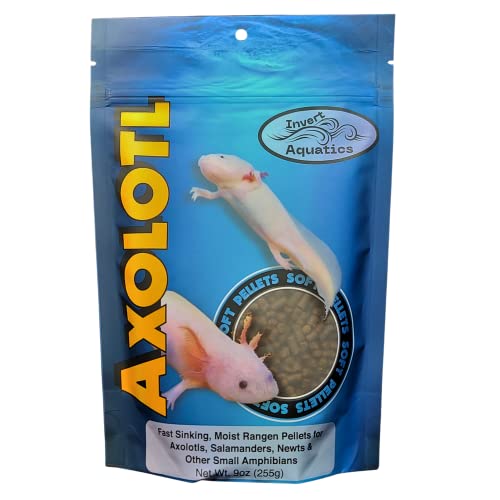
If you are asking what do axolotls eat, the short answer is protein — and only protein. Axolotls are obligate carnivores, meaning their entire diet should be protein-based with zero plant matter. In the wild, they are ambush predators that vacuum up worms, insect larvae, and small crustaceans from the muddy bottom of freshwater canals and lakes. Understanding this natural feeding behavior is the key to feeding your axolotl correctly — what you feed them, and how you feed them, directly affects their growth, coloration, and long-term health.
This guide answers the common question of what do axolotls eat by covering safe and unsafe foods, a complete feeding schedule by age, proper feeding technique to prevent substrate ingestion, and how to recognize diet-related health problems. For broader husbandry advice beyond diet, see our axolotl care guide.
Are Axolotls Carnivores? Understanding Their Natural Diet
What Do Axolotls Eat in the Wild?
In their native habitat of Lake Xochimilco and surrounding canals in central Mexico, axolotls are near-apex predators. Their diet consists of:
- Worms — earthworms, aquatic worms, and bloodworms
- Insect larvae — mosquito larvae, midge larvae
- Small crustaceans — daphnia, amphipods, small shrimp
- Small fish and tadpoles — swallowed whole when available
Axolotls use a suction-feeding mechanism. They detect movement through smell and lateral line sensors, then rapidly open their mouth to create a vacuum that pulls prey in whole. They do not chew — everything gets swallowed, which is important to understand because any food or objects near their mouth during feeding get sucked in, including substrate particles.
Their feeding strategy in the wild is primarily ambush-based. Rather than chasing prey, axolotls remain motionless on the bottom, wait for prey to wander within range, and then strike with a sudden gulp. In captivity, this means they respond best to food placed directly in front of them — food that drifts out of reach may simply be ignored.
How Wild Diet Translates to Pet Feeding
The wild axolotl diet is almost entirely protein and fat, with zero carbohydrates or fiber. When deciding what do axolotls eat as pets, the ideal diet mirrors their wild intake: high-quality protein from pellets, worms, and appropriate frozen foods. Plant matter is unnecessary and can cause digestive problems in captivity.
Complete Axolotl Food List (Safe Foods & Feeding Frequency)
This table covers every food type that is safe for axolotls, organized by category with feeding frequency. Print this section or bookmark it — it’s the reference you’ll return to at every feeding.
| Food Type | Examples | Frequency | Preparation | Notes |
|---|---|---|---|---|
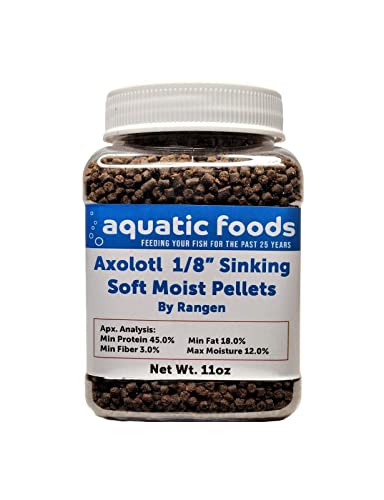
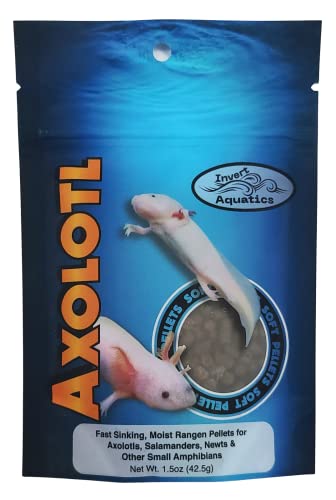
| Staple Pellets | Aquatic Foods Axolotl Pellets, Invert Aquatics Soft Pellets | Daily | Sink before serving | 60–70% of diet |
| Earthworms | Nightcrawlers, red wigglers | 2–3x/week | Rinse, cut to size | Gold standard live food |
| Bloodworms | Frozen or freeze-dried | 1–2x/week | Thaw if frozen | Treat, not staple |
| Brine Shrimp | Frozen or live | 1–2x/week | Thaw if frozen | Best for juveniles |
| Daphnia | Live or frozen | Weekly | Rinse if live | Good for digestion |
| Blackworms | Live | 1–2x/week | Rinse | High protein |
| Shrimp Pellets | Quality sinking shrimp pellets | Occasionally | Soak to sink | Only if axolotl-specific pellets unavailable |
Aquatic Foods Axolotl Food is a solid daily staple — high-protein soft moist sinking pellets formulated specifically for axolotls. The 1/8-inch pellet size and soft texture make them easy for axolotls to swallow whole.
For juvenile axolotls that need smaller pellets, the Invert Aquatics Soft Pellets are designed with a smaller profile that young axolotls handle comfortably. They sink fast and have a moist texture that picky eaters accept well. The main tradeoff is the smaller container size, which runs out faster with daily feeding. For more product comparisons, check our full best axolotl food guide.
Axolotl Feeding Schedule by Age
Feeding frequency and portion size change significantly as axolotls grow. Getting this right prevents both malnutrition in babies and obesity in adults.
Baby Axolotls (0–6 Months)
Baby axolotls are growing rapidly and need daily feeding with small portions. Their primary foods should be live: newly hatched brine shrimp, daphnia, and micro-worms. Pellets are generally too large for babies under 2 inches.
- Frequency: Daily
- Portion: A volume roughly equal to the axolotl’s head — you should see a slight bulge after feeding but not a distended belly
- Key foods: Live brine shrimp, live daphnia, micro-worms
Juvenile Axolotls (6–12 Months)
Juveniles can handle larger foods and should be transitioned gradually onto pellets alongside live foods. Introduce small earthworm pieces cut to size, and start offering bloodworms as a high-protein treat.
- Frequency: Daily or every other day
- Portion: 1–2 pellets or equivalent live food per feeding
- Key foods: Small earthworm pieces, bloodworms, transition to Invert Aquatics Soft Pellets or Zoo Med pellets
The transition from live-only to a mixed pellet-and-live diet should happen gradually over several weeks. Start by offering one pellet alongside live food at each feeding. Once the axolotl accepts pellets consistently, you can shift the ratio toward 60% pellets and 40% live food. Some juveniles are stubborn about accepting pellets — if yours refuses them, continue with live foods and try again in a week.
Adult Axolotls (12+ Months)
Adult axolotls have slower metabolisms and overeat easily. Obesity is a real risk — a fat axolotl develops fatty liver disease and shortened lifespan. Stick to a consistent every-2-to-3-day schedule and resist the urge to feed every time they “beg.” Adult axolotls will actively beg for food even when full, which misleads many new owners into overfeeding. A healthy adult should have a body condition where the head is wider than the body, and the toes are visible — not hidden under rolls of fat.
- Frequency: Every 2–3 days
- Portion: Stomach-sized portion — roughly 2–3 pellets or one earthworm per feeding
- Key foods: Staple pellets as the base, earthworms 2–3 times per week, bloodworms as an occasional treat
Different axolotl types may have slightly different growth rates and appetites, but the feeding schedule above applies broadly across all common pet varieties.

How to Feed Your Axolotl (Step-by-Step Technique)
Proper feeding technique is just as important as food choice. Axolotls are suction feeders — they create a vacuum to pull food into their mouths. If you drop food from above the tank or place it directly on substrate, your axolotl will swallow gravel or sand along with the food, which can cause impaction.
Follow these steps every time you feed:
Step 1: Thaw frozen food properly. If feeding bloodworms or brine shrimp from frozen, thaw them in a small container of tank water. Never drop frozen food directly into the tank — it can cause temperature shock and digestive problems.
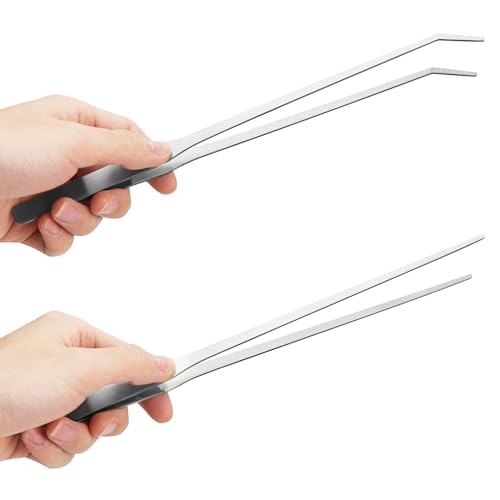
Step 2: Hold food with feeding tongs. Use Fri4Free Aquarium Tweezers — the 2-piece set includes both straight and curved tongs, which gives you flexibility depending on your axolotl’s position in the tank. The 10.6-inch length reaches into deeper tanks without submerging your hand. One common complaint from buyers is that the stainless steel can develop rust spots if not dried thoroughly after use, so rinse and towel-dry them after every feeding session.
Step 3: Place food directly in front of the axolotl’s mouth. Hold the food about an inch away and let the axolotl suction it in. If your axolotl doesn’t notice, gently wiggle the tongs to mimic live prey movement.
Step 4: Remove uneaten food after 10–15 minutes. Leftover food breaks down and fouls water quality quickly. Use a net to scoop out anything your axolotl didn’t eat.
Common feeding mistakes to avoid:
- Dropping food from the surface — causes substrate ingestion as the axolotl sucks in food along with gravel or sand from the bottom
- Overfeeding — leads to obesity, dirty water, and increased ammonia levels from excess waste
- Feeding at night with lights off — axolotls have poor vision and may miss food entirely, which then decomposes in the tank
- Leaving food in the tank overnight — uneaten food breaks down quickly and triggers ammonia spikes that stress the axolotl
- Hand-feeding without tongs — if your axolotl confuses your fingers for food, their tiny teeth can break the skin
Substrate ingestion during feeding is one of the most common health problems in pet axolotls. Choosing the right substrate and using proper feeding technique prevents most cases. See our best axolotl substrate guide for safe options.
What NOT to Feed Your Axolotl (Toxic & Dangerous Foods)
Some foods are actively dangerous or outright toxic to axolotls. This list is non-negotiable — feeding any of these items can cause illness or death.
- Goldfish and rosy red minnows — contain thiaminase, an enzyme that destroys vitamin B1 and causes neurological damage over time
- Any fish with hard bones — axolotls swallow prey whole and cannot process fish spines or bones
- Beef, pork, and poultry — mammal and poultry meat is too fatty, carries disease risk, and is completely unnatural for aquatic predators
- Bread, crackers, and processed human food — causes digestive blockage and water contamination
- Waxworms and superworms — extremely high in fat, causes rapid obesity and liver problems
- Insects caught outdoors — pesticide exposure and parasite transmission risk
- Fruits and vegetables — axolotls cannot digest plant matter at all; it ferments in their gut
- Shrimp with hard shells — the exoskeleton cannot be digested and causes impaction
- Dry dog or cat food — wrong nutrient profile, contains grains and fillers that axolotls cannot process
If your axolotl stops eating or shows signs of digestive distress, the cause could be diet-related or environmental. Water quality and temperature both affect appetite — see our guide on why is my axolotl not eating for troubleshooting steps.
Signs of Improper Diet & Health Issues
Monitor your axolotl’s body condition and behavior at every feeding. Diet-related problems are usually visible before they become dangerous if you know what to look for.
- Weight loss or skinny appearance — the tail base should be fleshy, not concave. Sudden weight loss indicates underfeeding or internal parasites. Compare photos over time to track body condition changes
- Bloated belly — a round, distended stomach that doesn’t go down between feedings suggests overfeeding, impaction, or fluid retention from kidney problems. A naturally round belly right after feeding is normal — what’s concerning is a belly that stays distended for more than 24 hours
- Regurgitating food — usually means the food was too large, water temperature is too cold for digestion, or the axolotl was stressed during feeding. Try smaller portions and warmer water (60–64°F)
- Floating at the surface — axolotls sometimes gulp air during feeding, which causes temporary buoyancy issues. This is common and usually resolves within hours, but chronic floating indicates a gut issue or impaction that needs attention
- Pale or faded gills — can indicate poor nutrition, stress, or poor water quality. Healthy gills should be full, dark, and actively moving
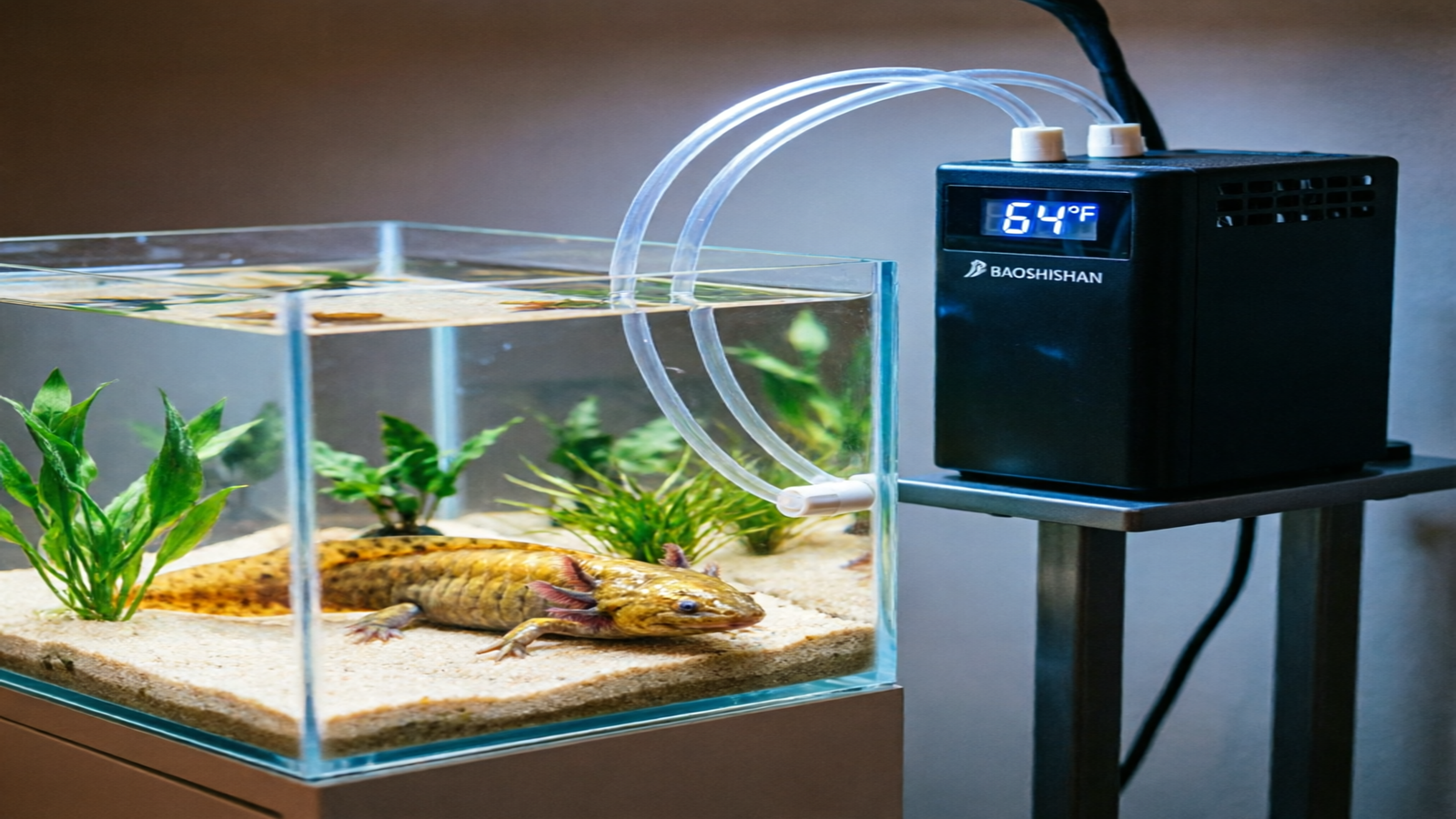
Water temperature directly affects both appetite and digestion. Axolotls stop eating if the water exceeds 68°F — warm water suppresses their metabolism and increases stress, making them refuse food that they would normally eat without hesitation. Conversely, very cold water below 50°F slows digestion to the point that food sits in the gut and begins to decompose before the axolotl can process it. The ideal feeding temperature range is 60–64°F. For full temperature management details, see our axolotl tank temperature guide.
If you notice your axolotl refusing food consistently over multiple feedings, check water parameters first. Ammonia, nitrite, and nitrate levels should all be at zero or near-zero. A water test kit is one of the most important tools in axolotl care — many feeding problems are actually water quality problems in disguise.
Frequently Asked Questions
How often do axolotls eat?
Adult axolotls should be fed every 2–3 days. Juveniles need daily feeding due to their faster metabolism, and baby axolotls also require daily meals but with very small portions appropriate to their size.
Can axolotls eat fish?
No. Feeder goldfish contain thiaminase, an enzyme that destroys vitamin B1 and causes neurological damage over time. Most fish sold as feeders are also too bony for an axolotl to swallow safely. Stick to earthworms, bloodworms, and pellets.
Can axolotls eat worms?
Yes — earthworms are the single best food for axolotls of any age. Nightcrawlers and red wigglers from bait shops or compost bins are both safe after a thorough rinse. Canadian nightcrawlers should be cut into pieces since they are quite large. European nightcrawlers and red wigglers are smaller and can be fed whole to juveniles and adults.
What is an axolotl’s favorite food?
Earthworms, by a wide margin. Most axolotls will ignore pellets and go straight for live earthworms when both are offered. This instinctive preference makes earthworms the best option for axolotls that are refusing other foods.
What do baby axolotls eat?
Baby axolotls under 2 inches need tiny live foods: newly hatched brine shrimp, live daphnia, and micro-worms. Feed daily in small amounts. Pellets are generally introduced at 2–3 months once the axolotl is large enough to swallow them.
Are axolotls carnivores?
Yes — axolotls are obligate carnivores that require a completely protein-based diet. They have no digestive mechanism for processing plant matter, carbohydrates, or fiber. Their natural diet in the wild consists entirely of worms, insects, larvae, and small crustaceans.