What Does a Bearded Dragon Black Beard Mean?
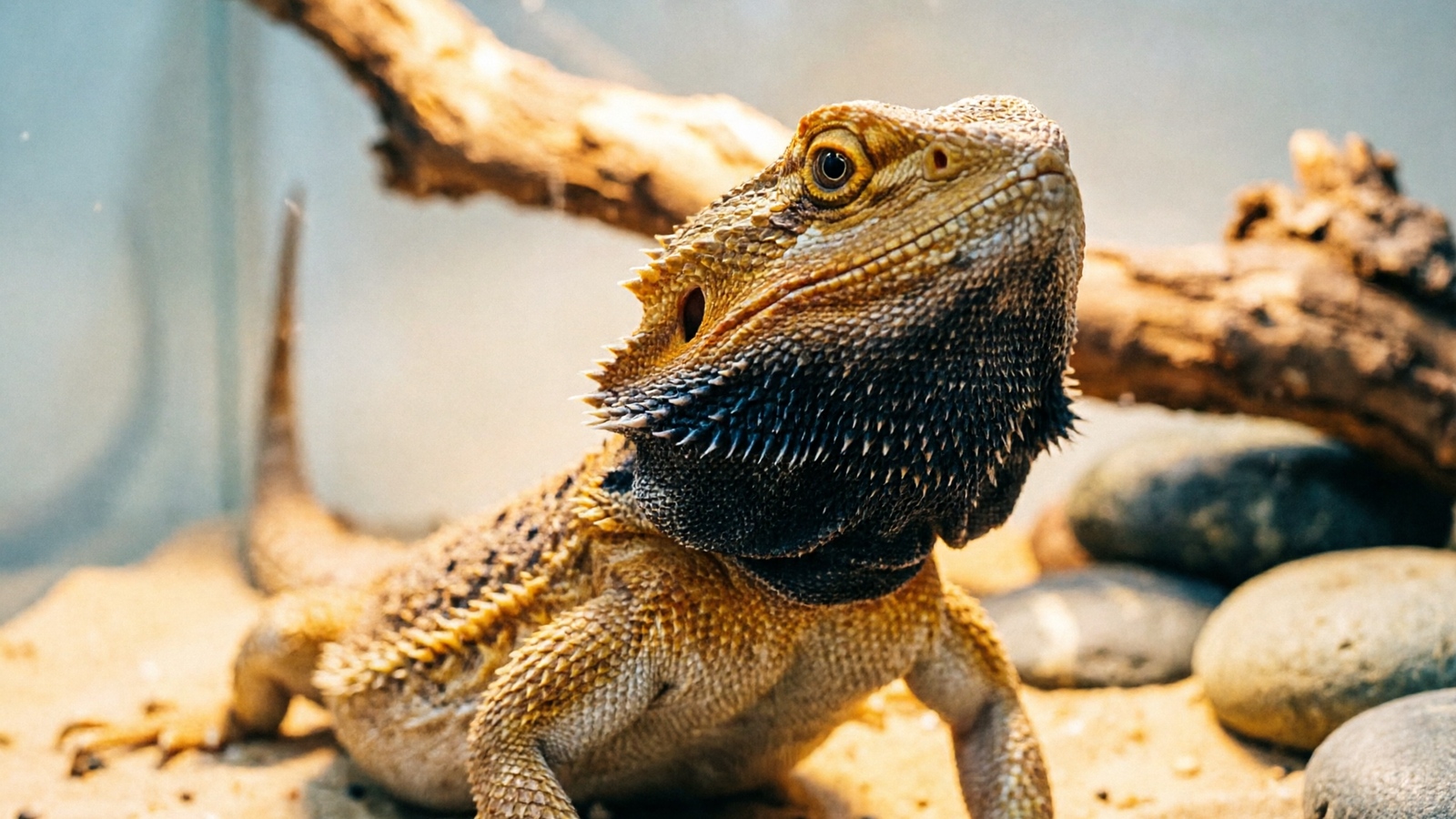
A darkened beard in bearded dragons is the darkening of the spiky skin under the chin. This darkened beard signal is the dragon’s primary communication method — understanding the bearded dragon black beard meaning helps you determine whether it indicates stress, dominance, temperature regulation, or illness. Most of the time it is completely normal.
Quick definition: When this darkening occurs, the throat pouch darkens from its usual pale color to a deep charcoal or jet black. This color change can happen within seconds and may affect just the beard or spread to the chest.
A darkened beard is one of the most common and visible concerns new bearded dragon owners raise with their exotic veterinarians. The answer is usually reassuring.
There are 7 possible causes, and most are benign. Only a few scenarios require urgent veterinary attention.
This guide ranks all 7 causes from most common and harmless to most serious. You will learn how to tell the difference between a normal darkened beard and one that signals a health problem.
For comprehensive husbandry guidance beyond this behavior, see our complete bearded dragon care guide.
7 Reasons Your Bearded Dragon’s Beard Turns Black
Wondering why is my bearded dragon’s beard black? Here are the 7 most common causes, ranked from completely normal to potentially serious.
1. Temperature Regulation (Normal )
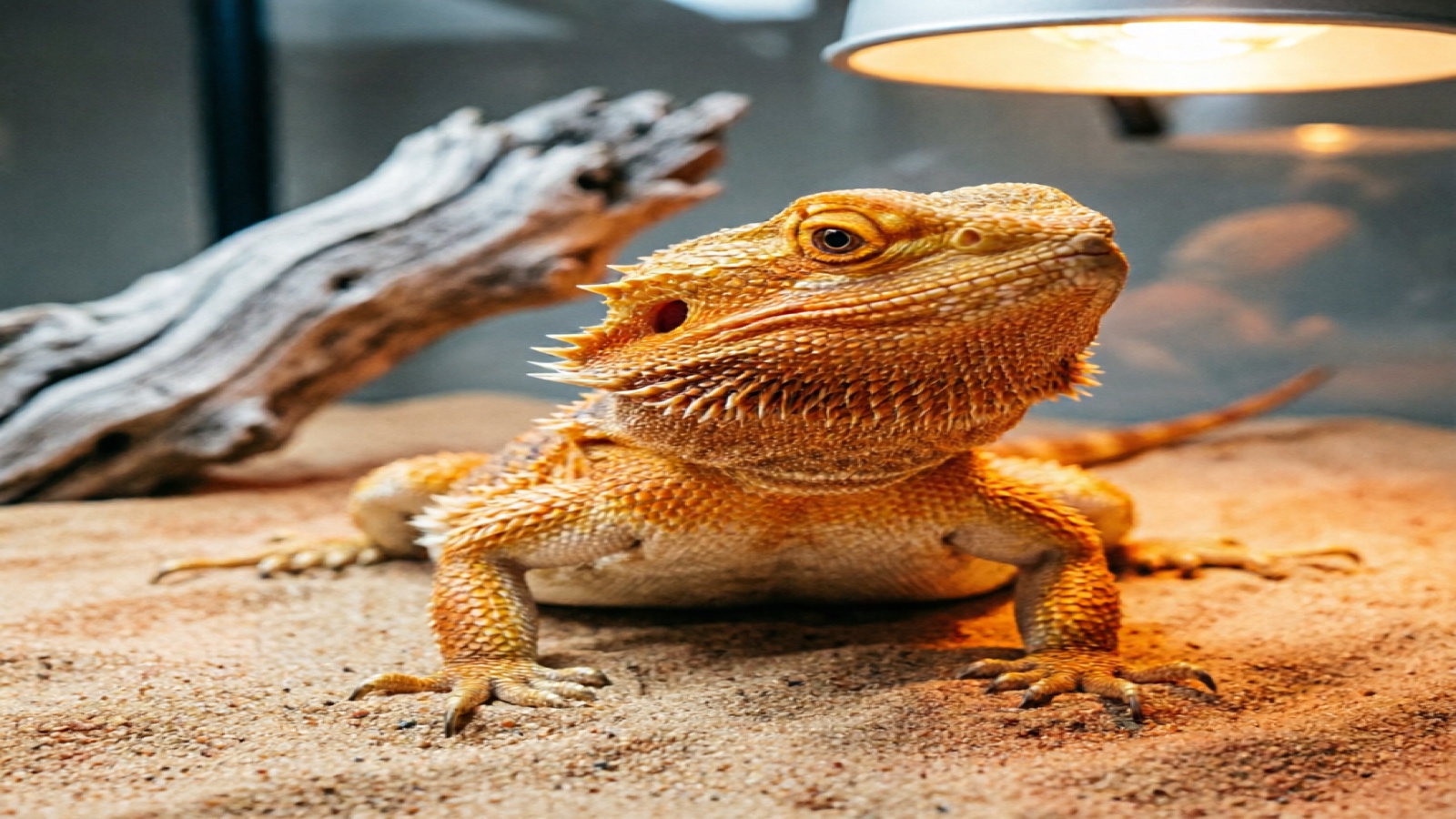
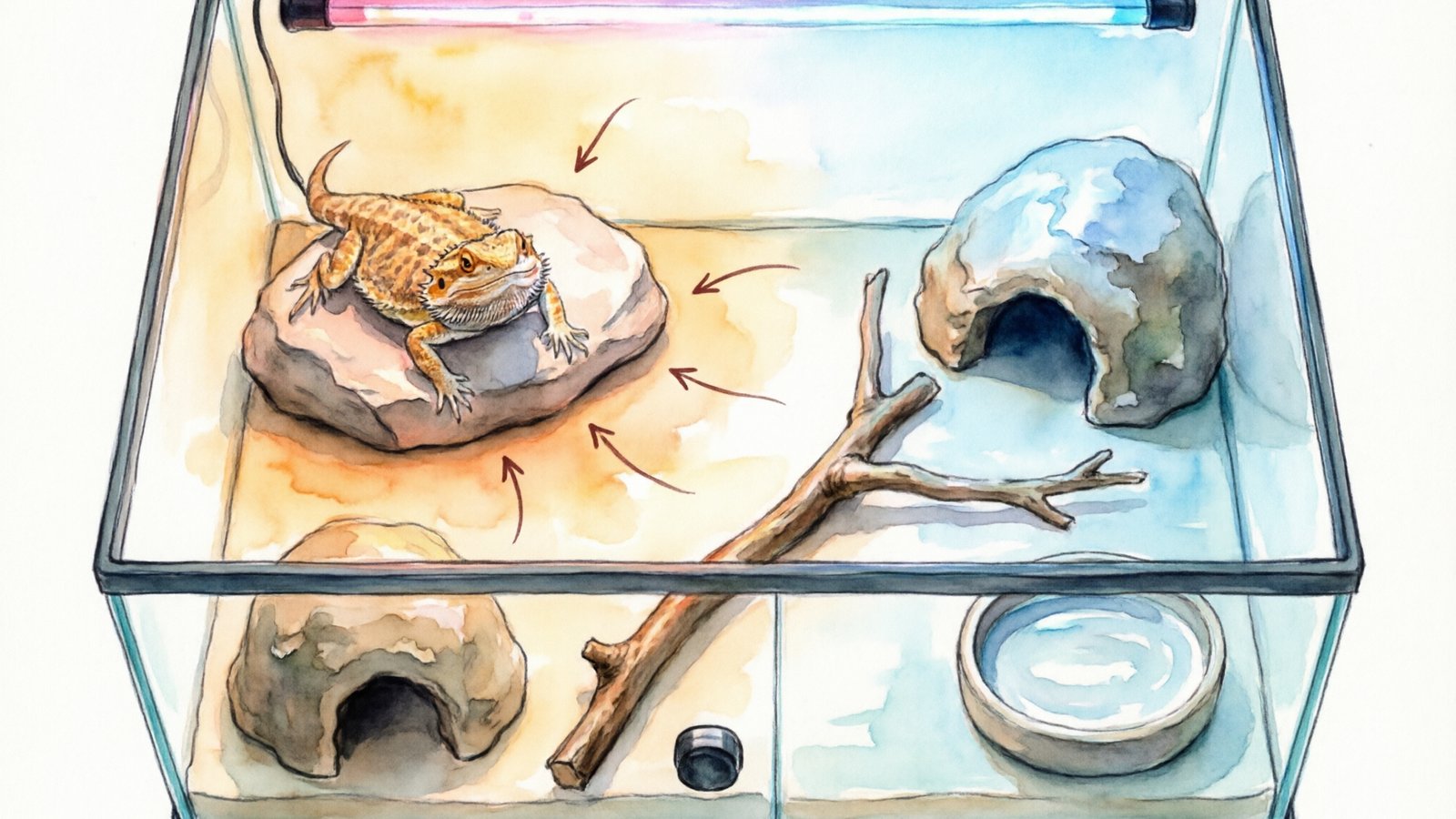
This is one of the most common and completely harmless causes of a darkened beard. Bearded dragons darken their beard in the morning to absorb more heat from their basking spot.
Darker skin absorbs thermal radiation more efficiently than lighter skin — a principle of thermodynamics that bearded dragons exploit instinctively. This darkening helps them reach their optimal body temperature faster during the cool morning hours.
How to confirm: The beard only darkens during morning basking or when the enclosure is too cool. Once the dragon warms up to its preferred body temperature (95–100°F), the beard lightens back to normal. This cycle repeats daily and is entirely healthy behavior.
If your dragon’s basking spot is not reaching 105–115°F, the beard may stay dark longer than it should. A ceramic heat emitter provides consistent overhead heat without light.
LUCKY HERP 150W Ceramic Heat Emitter → Amazon
For spot-checking surface temperatures, an infrared thermometer is essential.
Check the Etekcity IR Thermometer on Amazon →
For help choosing the right heat source, see our guide to the best bearded dragon heating lamps.
2. Stress or Fear (Common )
New environments, loud noises, sudden handling, or seeing their own reflection in the glass can trigger a stress-related black beard. Bearded dragons are creatures of habit — disruptions to their routine cause visible stress responses that typically manifest as beard darkening, glass surfing, or hiding more than usual. Most stress-related darkening resolves once the stressor is removed or the dragon acclimates to the change.
A darkened beard combined with glass surfing is a major stress signal associated with this behavior. If your dragon is pacing along the glass walls, scratching at the enclosure, and has a persistently dark beard, this combination strongly suggests the enclosure is too small, too hot, or lacks adequate hiding spots. with a darkened beard, something in the environment is wrong. Common culprits include an enclosure that is too small, temperatures outside the proper range, or reflections in the glass that the dragon perceives as a rival.
To reduce stress, ensure your enclosure meets minimum size requirements and provides adequate hiding spots where the dragon can retreat and feel secure. See our guide to proper enclosure setup for recommended tank sizes and configurations. Stress-related digging is another sign to watch — read about digging behavior to understand when it is normal versus stress-driven.
3. Dominance & Aggression (Normal for Males )
Male bearded dragons display a darkened beard to establish dominance. This is especially common when they see another bearded dragon, a reflection, or any perceived rival. The display may be accompanied by rapid head bobbing, which is the dragon’s way of signaling presence and asserting control over its territory.
Bearded dragon puffing beard behavior is a key part of dominance displays. When a male puffs his beard while head-bobbing, he is communicating territorial ownership. This behavior intensifies during breeding season but can occur year-round.
A darkened beard with puffing — when the beard is both dark and fully inflated, this is an aggressive display. The dragon is communicating “I am big and threatening.” This is normal territorial behavior in males and not a health concern.
A darkened beard without puffing — when the beard darkens without puffing, it is usually a milder emotional signal. This could be mild annoyance, low-level stress, or simply temperature regulation. Without puffing, the display carries less urgency and typically resolves on its own.
A dark beard combined with gaping (mouth open) is a stronger stress signal. See our article on open mouth behavior to understand what gaping means alongside a black beard.
4. Breeding Season (Normal )
During breeding season (typically spring and summer), male bearded dragons display intense black beards as part of courtship behavior. The darkening is accompanied by rapid head bobbing and sometimes arm waving.
This seasonal behavior is driven by increased testosterone and other reproductive hormones and is completely normal. The black beard may appear and disappear throughout the day during this period. Breeding displays do not affect appetite or activity level — if your male is eating well and acting energetic, the dark beard is just hormones at work.
Breeding season black beards are temporary and tied to hormonal cycles. They typically resolve outside of the spring-to-summer mating window. No intervention is needed unless the behavior persists year-round without seasonal patterns.
5. Shedding Discomfort (Temporary )
The shedding process causes physical discomfort that can trigger a temporary beard darkening. As old skin loosens and separates from the new skin underneath, the dragon may feel itchy and irritated, leading to stress-related color changes in the throat area.
Shedding-related black beards are usually accompanied by visible signs: dull or milky-looking skin, increased rubbing against enclosure furniture and rough surfaces, and decreased appetite as the dragon focuses energy on the shedding process rather than feeding. The beard returns to normal once the shed completes.
If shedding seems stuck or prolonged, our bearded dragon shedding guide covers safe ways to help. Never pull stuck shed — it can tear the new skin underneath.
6. Illness or Pain (Warning: Concerning)
A persistent darkened beard that lasts for hours or days alongside other symptoms is a warning sign. Illness-related darkening is different from the temporary displays described above — it does not come and go.
Possible underlying causes include parasitic infections, respiratory infections, intestinal impaction from loose substrate, and metabolic bone disease (MBD) — all of which require veterinary diagnosis and treatment. A darkened beard in a female dragon that persists alongside digging behavior may indicate the dragon is gravid (carrying eggs) and experiencing laying stress.
Research data: In a retrospective study of 529 captive bearded dragons presented to exotic animal clinics in Austria and the Czech Republic (Schmidt-Ukaj et al., 2017, Veterinární medicína), musculoskeletal disorders including metabolic bone disease were found in 18.93% of cases. Among animals that received blood tests, 63.98% showed hypocalcaemia (low calcium) and 57.14% had an abnormal calcium-phosphorus ratio — both direct indicators of MBD risk. These findings confirm that calcium deficiency remains one of the most prevalent health issues in captive bearded dragons. Source: doi:10.17221/162/2016-VETMED
Key illness indicators to watch for:
- Black beard lasting more than 24 hours without breaks
- Refusal to eat for more than 2 days
- Lethargy or unwillingness to move
- Runny or foul-smelling stool
If appetite loss accompanies the darkened beard, see our guide on why your bearded dragon stopped eating.
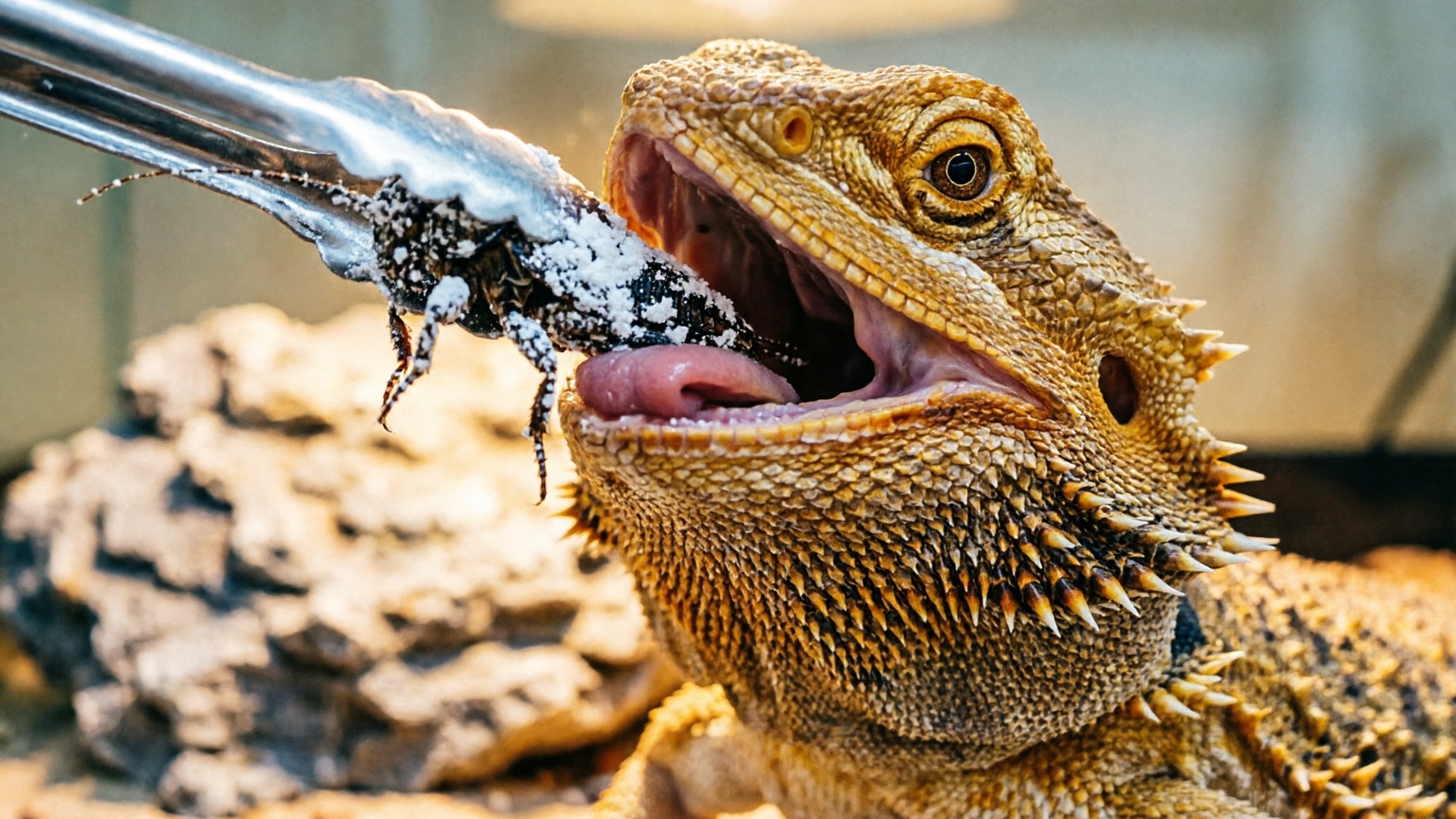
Calcium deficiency is a common underlying issue. Supplementing with a quality calcium powder helps prevent MBD that causes chronic stress and darkening.
Zoo Med Calcium with Vitamin D3 → Amazon
7. Severe Illness or Medical Emergency (Warning: Urgent — See a Vet Immediately)
A bearded dragon turned black and died scenario is every owner’s fear. When the entire body — not just the beard — turns dark or black, this indicates extreme physiological distress. This is not the same as a localized black beard.
Emergency warning signs:
- Entire body darkening (not just the beard)
- Sunken, dull eyes
- Complete immobility or unresponsiveness
- No eating or drinking for 3+ days
- Black beard combined with labored breathing
The difference between a normal darkened beard and a crisis is scope. A healthy black beard affects only the throat pouch and resolves within hours. A full-body crisis does not improve and requires immediate professional intervention.
Prevention starts with proper husbandry. Monitoring temperature and humidity continuously is essential for early detection of problems.
Check the Vodolo thermometer and hygrometer 2-pack on Amazon →
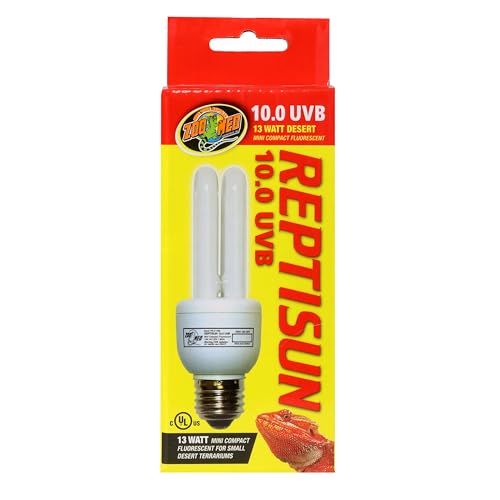
Inadequate UVB is another preventable factor. A quality UVB bulb provides the spectrum bearded dragons need for immune function and calcium metabolism.
Check the Zoo Med ReptiSun 10.0 UVB on Amazon →
Replace UVB bulbs every 6–12 months even if they still produce visible light — UVB output degrades invisibly over time.
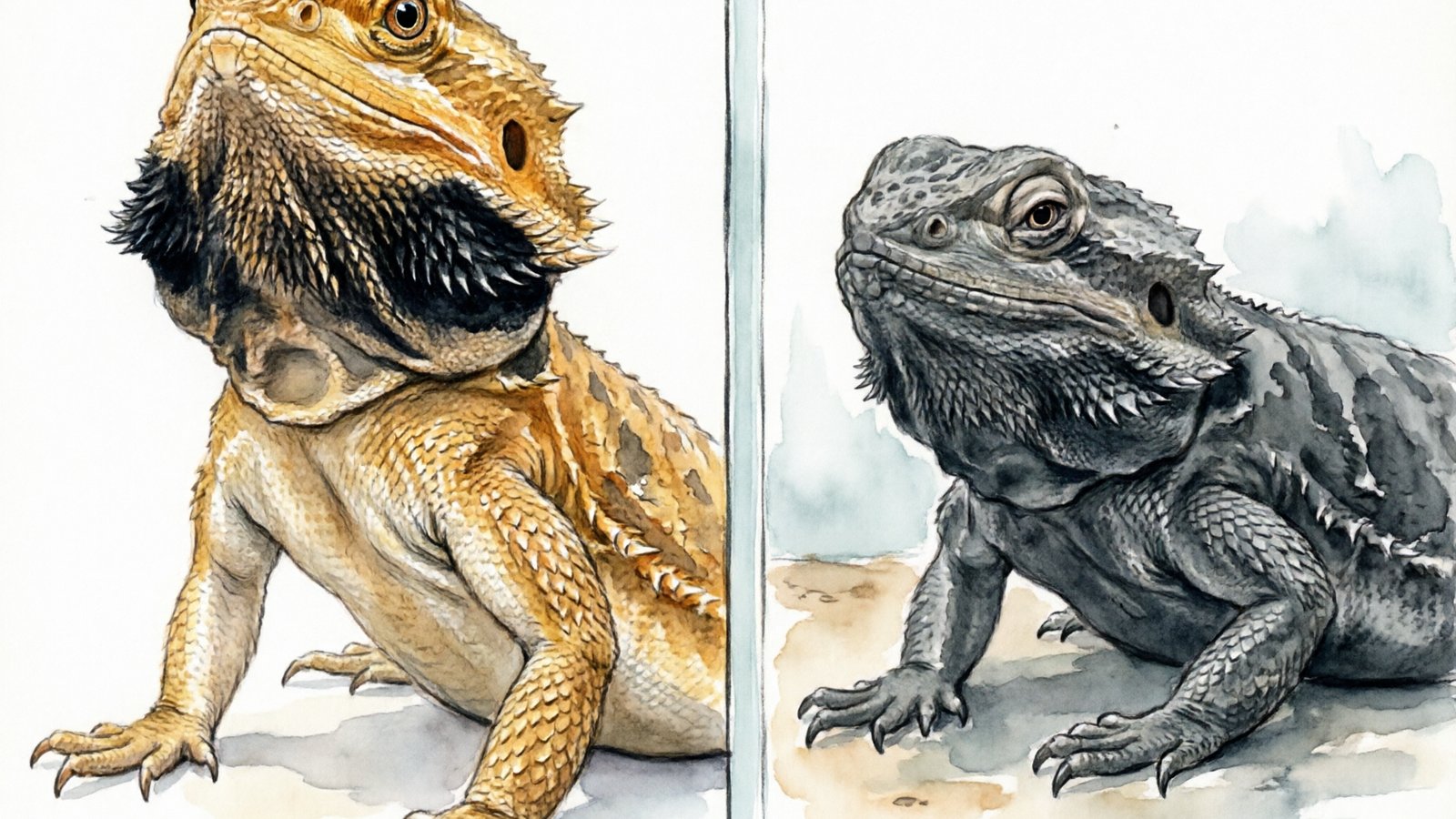
Normal Black Beard vs Concerning: Severity Assessment
Not all darkened beard displays are equal. Use this severity table to assess your dragon’s situation quickly.
| Severity | Signs | Duration | Action |
|---|---|---|---|
| 🟢 Normal | Morning basking, brief display | Minutes to 1–2 hours | No action needed |
| 🟡 Mild Stress | New environment, handling response | A few hours | Monitor, reduce stressors |
| 🟠 Moderate | Prolonged darkening, reduced appetite | 1–2 days | Check temps, review setup |
| Warning: Urgent | Lethargic, not eating, full body dark | 2+ days | See exotic vet immediately |
Quick Assessment Checklist:
- Darkened beard but otherwise acting normal → Most likely fine. Observe for 24 hours.
- Black beard + puffed out but still eating → Stress or dominance display. Check enclosure for triggers.
- Black beard + not eating + lethargic → Possible illness. Schedule a vet visit within 48 hours.
- Entire body dark + not moving + sunken eyes → Emergency. See an exotic vet immediately.
The single most important factor is context. A black beard during morning basking is expected. A black beard that appears suddenly at night with no heat source change is not.
Black Beard in Female Bearded Dragons
A darkened beard in female bearded dragons also occurs, though typically less frequently and less intensely than males. The causes overlap but include some gender-specific triggers that are important for female dragon owners to recognize.
Gravid (Egg-Bearing) Darkening
A darkened beard in a female that appears alongside increased digging, restlessness, and appetite changes often indicates the dragon is gravid (carrying eggs). Gravid females experience hormonal shifts that cause stress-related darkening. A typical clutch contains 15–30 eggs, and females can lay multiple clutches per season even without mating. This is normal reproductive behavior and resolves after laying.
When Female Darkening Is Concerning
Female black beards that appear without an obvious cause — and persist for more than a day — warrant closer attention. Because females display dark beards less frequently than males, prolonged darkening in a female may be more likely to signal illness than the same display in a male. Watch for additional warning signs like lethargy, swollen belly, or straining without producing eggs.
If your female dragon has a persistent dark beard and is digging extensively, check for a suitable egg-laying area. Provide a lay box (a plastic container large enough for the dragon to fit inside) filled with moist substrate (eco earth or play sand mix) in a quiet area of the enclosure. Without a proper laying site, females can become egg-bound, which requires emergency veterinary treatment.
When to See a Vet for a Black Beard
Follow this 5-step decision process to evaluate beard darkening before making a vet appointment.
Step 1: Check temperature. Is the basking spot 105–115°F? Is the cool side 75–85°F? Use a digital infrared thermometer pointed at the basking surface for accuracy — ambient air thermometers can be off by 10°F or more. Low temperatures are the most common correctable cause of persistent black beards in bearded dragons. Fix husbandry first before assuming illness.
Step 2: Observe behavior. Is the dragon eating, active, and alert? Or lethargic and hiding? Active dragons with black beards are usually displaying normal behavior.
Step 3: Check for other symptoms. Runny stool, swollen limbs, sunken eyes, wheezing, or mouth rot alongside a black beard increase urgency. Any single secondary symptom combined with a black beard lasting 48+ hours warrants a vet visit.
Step 4: Duration check. A black beard lasting more than 48 hours with any secondary symptom requires professional evaluation. A black beard lasting more than 72 hours even without other symptoms is unusual enough to investigate.
Step 5: Find a reptile vet. Not all veterinarians are qualified to treat reptiles — standard dog and cat vets rarely have the specialized training needed. Use the ARAV (Association of Reptilian and Amphibian Veterinarians) vet finder to locate a qualified exotic vet in your area.
How to Prevent Stress-Related Black Beards
Most instances of beard darkening are preventable through proper husbandry and consistent daily care routines. Here is a comprehensive prevention framework.
Environment Optimization
Maintain a proper temperature gradient (105–115°F basking, 75–85°F cool side) verified with a digital infrared thermometer. Sticker thermometers on tank walls can be inaccurate by 10 degrees or more. Provide an enclosure large enough for the dragon’s size — adults need a minimum 4×2×2 foot enclosure (120 gallons). Include at least two hiding spots (one on the warm side, one on the cool side) to reduce anxiety and give your dragon choices for thermoregulation.
Reduce Stressors
Cover three sides of the enclosure with background paper or aquarium backing to eliminate reflections and visual threats. Do not house multiple bearded dragons together — they are solitary animals by nature and cohabitation causes chronic stress, competition for resources, and physical injury. Keep handling sessions short (5–10 minutes) and consistent, gradually building trust over weeks. Avoid sudden loud noises or vibrations near the enclosure, and position the tank away from high-traffic areas in your home.
Nutrition and Supplementation
Dust feeder insects with calcium + D3 powder at every feeding for juveniles and every other feeding for adults. A calcium-deficient dragon develops metabolic bone disease, which causes chronic pain and persistent beard darkening. Replace UVB bulbs every 6–12 months — even if they still produce visible light, UVB output degrades invisibly over time and cannot be detected by human eyes. Without adequate UVB, dragons cannot synthesize vitamin D3 and cannot absorb dietary calcium. See our guide to proper UVB lighting for specific bulb recommendations based on enclosure size and distance.
Regular Health Monitoring
Weigh your dragon monthly using a digital kitchen scale and record the results in a simple log. A weight loss of more than 10% over a month warrants a vet visit. Track eating patterns and appetite changes daily — a sudden drop in food intake is often the first warning sign of illness, sometimes appearing before beard darkening. Check stool consistency weekly for any changes in color, frequency, or texture. Runny or foul-smelling stool can indicate parasites that cause discomfort and stress-related darkening.
Seasonal Considerations
Bearded dragons may experience brumation (a hibernation-like state) during fall and winter months. During brumation preparation, some appetite reduction and occasional beard darkening is normal. However, brumation should only be allowed in healthy adult dragons — never in juveniles under one year or dragons that are underweight. Consult your exotic veterinarian before allowing brumation to ensure your dragon is healthy enough for this natural process.
FAQ
Understanding the causes, severity levels, and appropriate responses to beard darkening will help you keep your bearded dragon healthy and reduce unnecessary stress for both you and your pet.
Why did my bearded dragon’s beard turn black?
A bearded dragon’s beard turns black to communicate stress, regulate body temperature, show dominance, or signal illness. Most causes are harmless and resolve on their own within hours. Temperature regulation and mild stress are the two most common triggers.
Is a black beard always bad for bearded dragons?
No. Beard darkening is perfectly normal during morning basking, breeding season, and mild stress responses. Seasonal and temperature-related darkening are the most common benign triggers.
It only becomes concerning when paired with lethargy, loss of appetite, or lasting more than 48 hours without improvement.
What does calcium deficiency look like in a bearded dragon?
Calcium deficiency (metabolic bone disease) causes twitching, soft jaw, swollen limbs, tremors, and difficulty walking. A persistent black beard alongside these symptoms warrants an immediate vet visit. MBD is preventable with proper calcium supplementation and adequate UVB lighting.
What does a dehydrated bearded dragon look like?
Dehydrated bearded dragons have sunken eyes, wrinkled skin that doesn’t bounce back when gently pinched (called “skin tenting”), thick or ropey saliva, and reduced urate output (the white part of their droppings). Black beard combined with dehydration signs requires urgent care because severe dehydration can cause kidney damage within 48 hours. Offer water via dropper or syringe without needle, soak in shallow lukewarm water for 10–15 minutes, and increase enclosure humidity by misting while arranging a vet visit for possible subcutaneous fluid therapy.
Why is my bearded dragon’s beard black but not puffed out?
A bearded dragon black beard without puffing is usually a milder signal. Temperature regulation or mild stress are the most likely causes. Morning darkening during basking without puffing is the single most common scenario owners encounter, and it is completely normal.
Puffing combined with darkening indicates stronger emotions like aggression, fear, or a significant stressor. A non-puffed dark beard that resolves within a few hours is rarely concerning. However, if the beard stays dark without puffing for more than 24 hours, monitor closely for other symptoms like reduced appetite or lethargy.