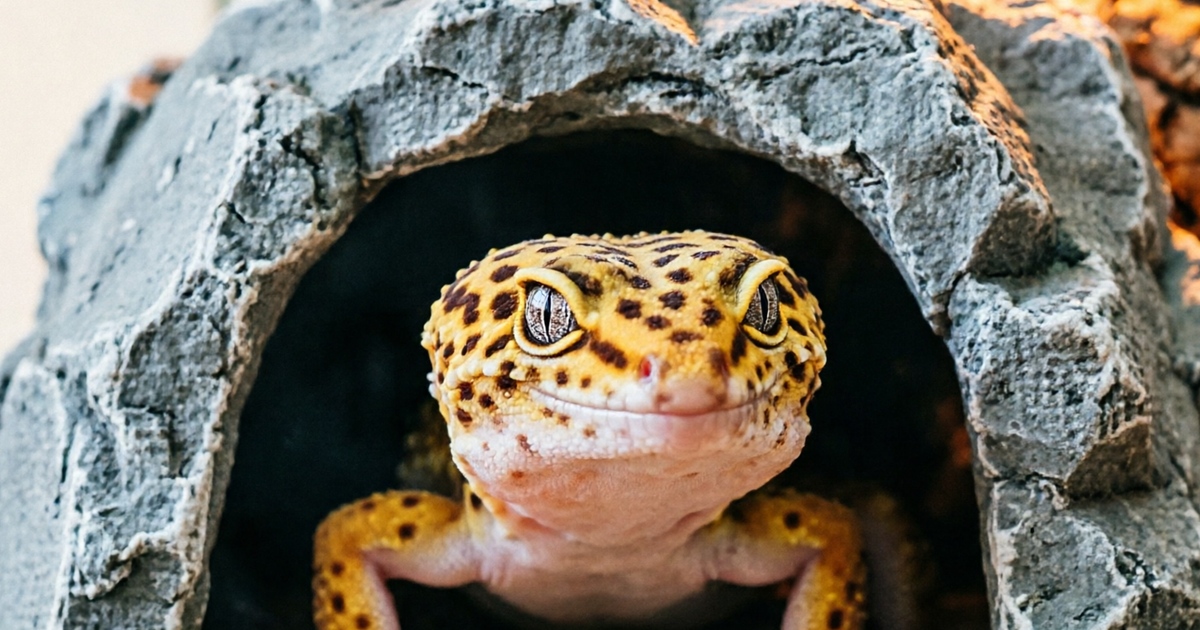
Leopard geckos are one of the most popular reptile pets, and for good reason. These docile, easy-to-care-for lizards make excellent companions for both beginners and experienced reptile keepers. This comprehensive guide covers everything you need to know about leopard gecko care, from tank setup to diet and health.
Why Leopard Geckos Make Great Pets
Leopard geckos have earned their reputation as ideal pets for several reasons:
- Docile temperament: They rarely bite and tolerate handling well
- Manageable size: Adults reach 8-10 inches, requiring modest enclosure space
- Simple diet: Primarily insect-based, with readily available feeder insects
- No UVB requirement: Unlike many reptiles, they can thrive without special lighting
- Long lifespan: With proper care, they live 15-20 years
- Variety of morphs: Hundreds of color and pattern combinations available
Leopard Gecko Tank Setup
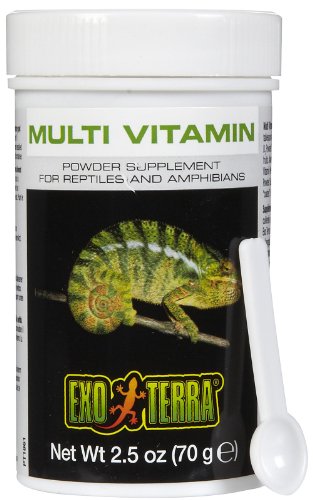
Exo Terra Multi Vitamin 2.5 oz → is a quality option worth considering for your setup.
Enclosure Size
The minimum enclosure size for an adult leopard gecko is 20 gallons long (30” x 12” x 12”). While they can survive in smaller enclosures, a 40-gallon breeder tank (36” x 18” x 12”) provides more space for temperature gradients and enrichment.
For hatchlings and juveniles, start with a 10-gallon enclosure to make feeding easier. Upgrade to the adult size when they reach 6-8 inches in length.
Substrate Options
Choosing the right substrate is crucial for your leopard gecko’s health:
Recommended substrates:
- Paper towels: Easy to clean, inexpensive, and safe for all ages
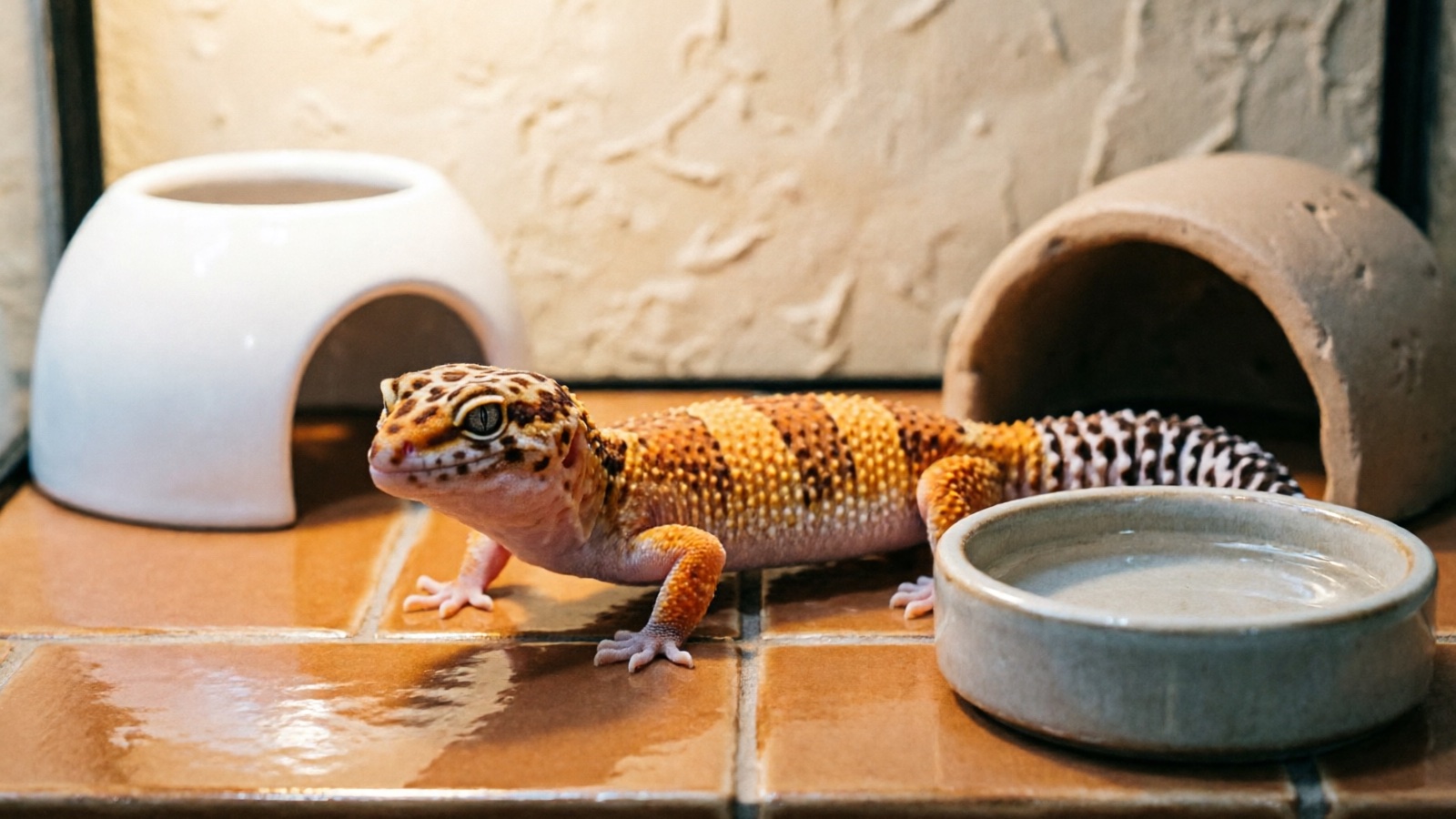
- Tile: Provides a smooth surface, easy to clean, helps wear down nails
- Reptile carpet: Reusable, but requires regular washing
- Excavator clay: Creates a naturalistic look, can be sculpted into terrain
Substrates to avoid:
- Sand: Can cause impaction, especially for juveniles
- Cedar or pine shavings: Toxic oils can cause respiratory issues
- Corn cob bedding: Can cause impaction if ingested
- Walnut shell bedding: Sharp edges can cause internal damage
Temperature Gradient
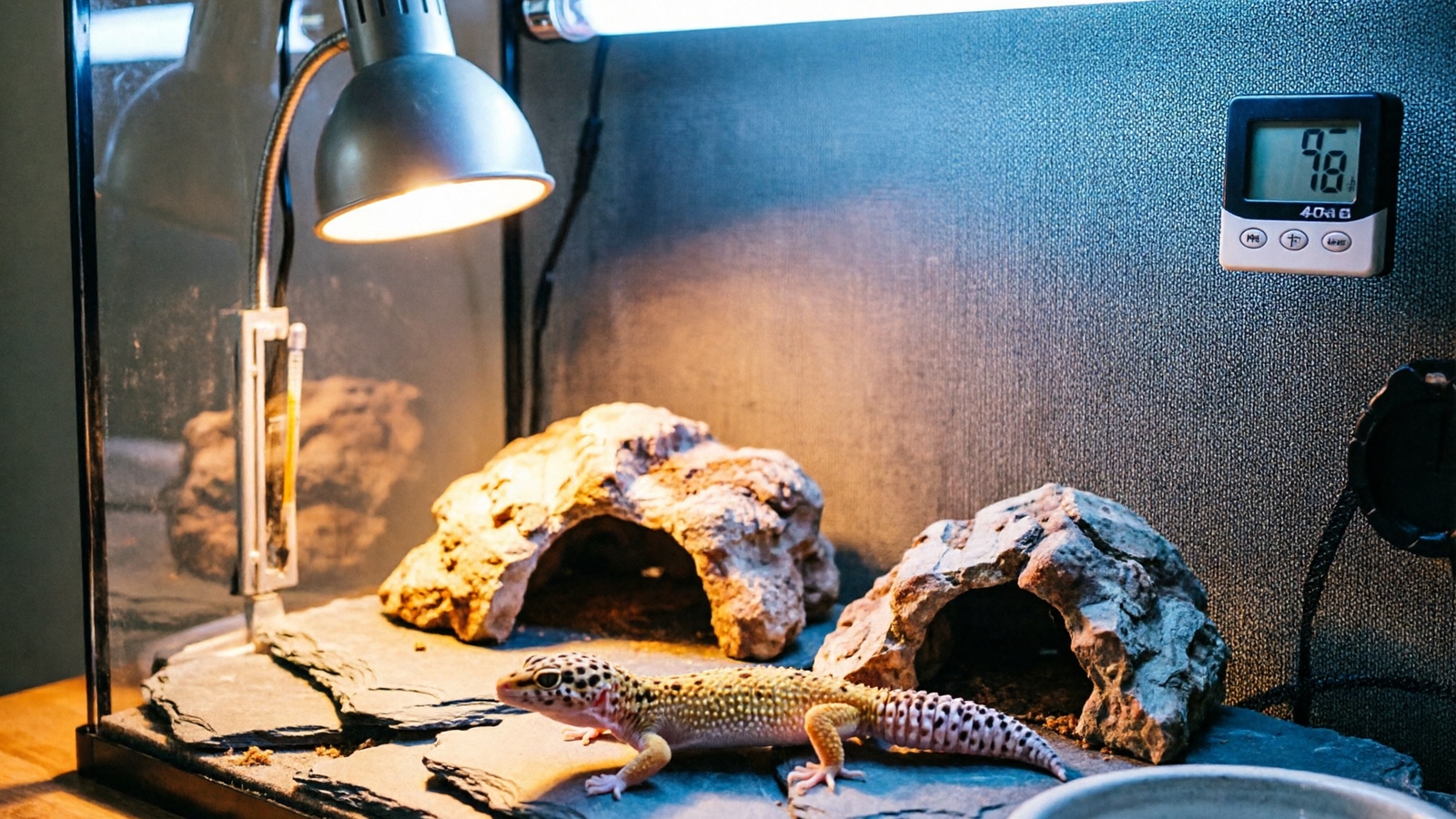
Leopard geckos need a temperature gradient to thermoregulate:
- Warm side: 88-92°F (31-33°C)
- Cool side: 75-80°F (24-27°C)
- Night temperature: Can drop to 70°F (21°C)
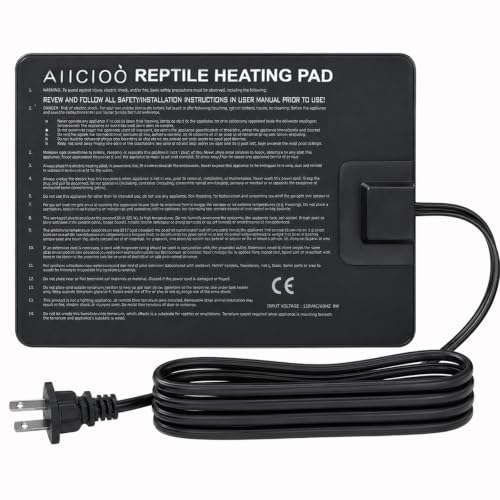
Use an under-tank heating pad on one side of the enclosure to create the gradient. Never use heat rocks, as they can cause severe burns.
Monitor temperatures with digital thermometers on both the warm and cool sides. A thermostat connected to your heating pad prevents overheating.
Hides and Enrichment
Leopard geckos need multiple hides to feel secure:
- Warm hide: On the heating pad side, for digestion
- Cool hide: On the opposite side, for thermoregulation
- Moist hide: Filled with damp sphagnum moss, essential for shedding
Add enrichment items like:
- Climbing branches or rocks
- Artificial plants for cover
- Shallow water dish
- Feeding dish for insects
Leopard Gecko Diet
Many owners find that Aiicioo 8W → works well for their pet’s needs.
What Do Leopard Geckos Eat?
Leopard geckos are insectivores. Their diet should consist primarily of live insects:
Staple feeders:
- Crickets: Main diet component, gut-loaded before feeding
- Dubia roaches: Excellent nutrition, don’t climb or chirp
- Mealworms: Occasional treat, high in fat
- Superworms: Large adults only, feed sparingly
Variety feeders:
- Phoenix worms: High in calcium, no dusting needed
- Silkworms: Good protein source
- Hornworms: High moisture, feed occasionally
- Black soldier fly larvae: Excellent calcium content
Feeding Schedule
- Hatchlings (0-6 months): Daily feeding, 5-7 small insects per meal
- Juveniles (6-12 months): Every other day, 5-7 medium insects
- Adults (12+ months): 2-3 times per week, 6-10 large insects
Supplements
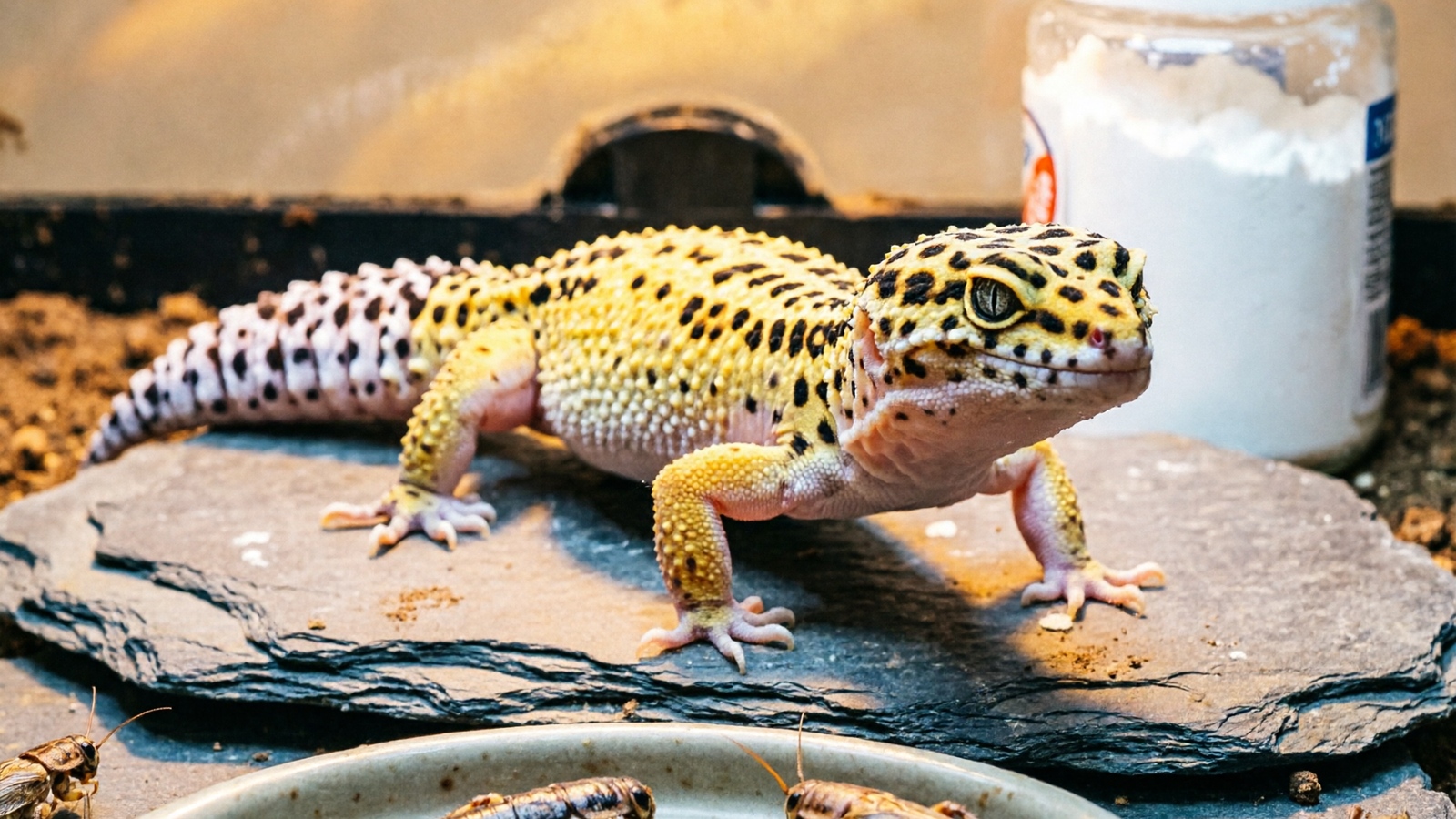
Dust feeder insects with supplements before feeding:
- Calcium with D3: Every other feeding for adults, every feeding for juveniles
- Multivitamin: Once a week
- Calcium without D3: Available in a separate dish at all times
Always provide a shallow water dish, even though leopard geckos get most moisture from their food.
Handling Your Leopard Gecko
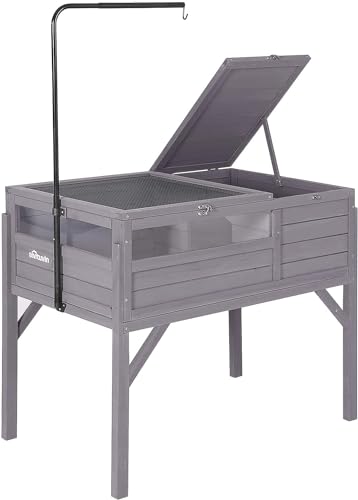
For this purpose, Aivituvin Premium is a popular choice among pet owners.
Building Trust
Leopard geckos need time to adjust to their new environment. Wait 3-7 days after bringing your gecko home before attempting to handle them.
Signs your gecko is ready:
- Eating regularly
- Exploring the enclosure
- Not hiding constantly
- Approaching the front of the tank when you’re nearby
Proper Handling Technique
- Wash your hands before handling to remove scents
- Approach slowly from the side, not from above
- Scoop gently under the belly, supporting all four legs
- Hold close to the ground or over a soft surface
- Let them walk through your hands rather than restraining
- Keep sessions short: 5-10 minutes for beginners, up to 20 minutes for tame geckos
What to Avoid
- Never grab by the tail (they can drop it as a defense mechanism)
- Don’t handle during shedding
- Avoid handling if your gecko is stressed or not eating
- Don’t wake a sleeping gecko to handle them
- Never handle multiple geckos together (they may fight)
Common Health Issues
Metabolic Bone Disease (MBD)
Causes: Calcium deficiency, lack of D3, improper UVB exposure Symptoms: Soft jaw, bent limbs, tremors, lethargy Prevention: Proper supplementation, gut-loaded insects Treatment: Veterinary care, calcium injections, diet correction
Impaction
Causes: Ingesting substrate, feeding insects too large, dehydration Symptoms: No bowel movements, lethargy, loss of appetite, dark spot on belly Prevention: Safe substrate, appropriate insect size, proper hydration Treatment: Warm baths, gentle belly massage, veterinary care if severe
Shedding Problems (Dysecdysis)
Causes: Low humidity, poor nutrition, dehydration Symptoms: Retained shed, especially on toes and tail tip Prevention: Moist hide, proper humidity (30-40%), good nutrition Treatment: Warm soak, gentle removal with wet cotton swab
Tail Loss
Causes: Stress, improper handling, aggression from tank mates Prevention: Proper handling, single housing, minimal stress Treatment: Keep area clean, monitor for infection, the tail will regenerate
Leopard Gecko Behavior
Normal Behaviors
- Burrowing: Natural instinct to hide and feel secure
- Licking: They “taste” their environment with their tongue
- Tail wagging: Excitement or anticipation (often before feeding)
- Eye licking: They clean their own eyes with their tongue
- Vocalization: Babies may chirp or squeak when distressed
Stress Signs
- Hiding constantly
- Not eating
- Glass surfing (climbing walls)
- Aggressive behavior
- Excessive digging
- Color changes (darkening when stressed)
Breeding Considerations
Breeding leopard geckos requires experience and commitment. Consider these factors:
- Age: Females should be at least 2 years old and 50+ grams
- Space: Separate enclosures for males and females (except during breeding)
- Incubation: 45-60 days at 80-90°F
- Commitment: You need homes for 1-2 hatchlings per clutch, 4-6 clutches per year
Unless you’re an experienced breeder with a plan for the offspring, it’s best to keep leopard geckos as pets only.
Conclusion
Leopard geckos are rewarding pets that can live for two decades with proper care. By providing the right enclosure setup, diet, and handling, you’ll enjoy a healthy, happy companion. Remember that each gecko has its own personality—some are more outgoing, while others remain shy. Respect your gecko’s individual needs and enjoy the unique bond that develops over time.
With this care guide as your foundation, you’re well-prepared to give your leopard gecko the best possible life. For specific product recommendations, check out our guides on the best leopard gecko hides, best leopard gecko food, and best leopard gecko terrariums.