What Makes the Best Leopard Gecko Food?
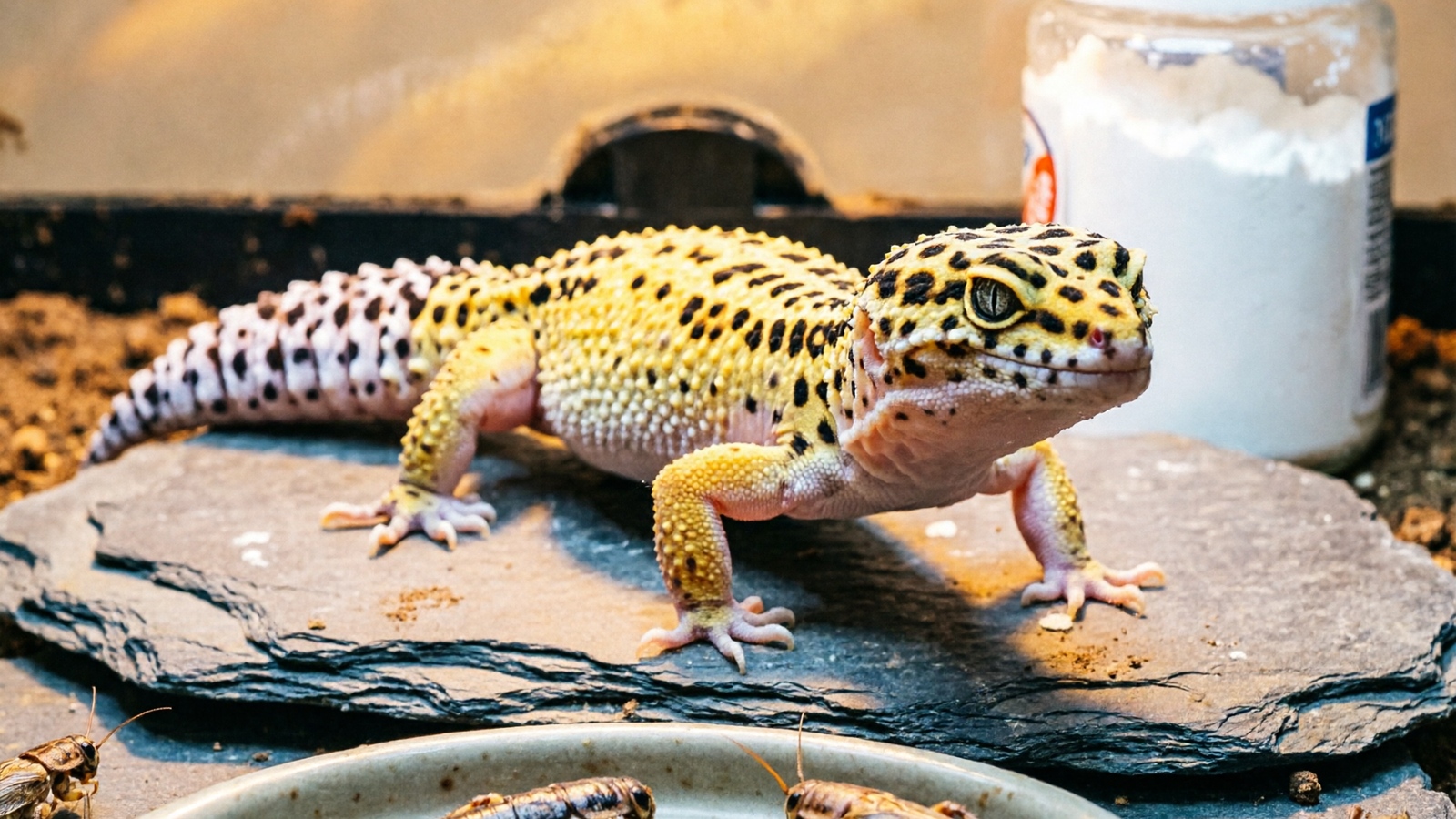
Leopard geckos are obligate insectivores — they require a diet of live insects, supplemented with calcium and vitamins. According to the Association of Reptilian and Amphibian Veterinarians (ARAV), leopard geckos lack the digestive enzymes to process plant cellulose and cannot derive nutrition from vegetables, fruits, or plant-based commercial diets. Unlike bearded dragons, which are omnivores, leopard geckos must obtain all protein, fat, and micronutrients from arthropod prey. The ARAV notes that inappropriate diets (plant matter, pinky mice, or dog/cat food) lead to impaction, fatty liver disease, and metabolic bone disease — the three most common nutrition-related disorders seen in captive leopard geckos.
Finding the best leopard gecko food means choosing the right combination of staple feeder insects, supplements, and occasional prepared diet alternatives. Every gecko needs three things: a protein source (live insects), calcium supplementation, and a multivitamin.
This guide covers 4 categories — live feeder insects, prepared gel diets, canned food, and supplements — so you can build a complete feeding plan regardless of your experience level.
For a deeper dive into nutritional principles, see our complete leopard gecko food guide.
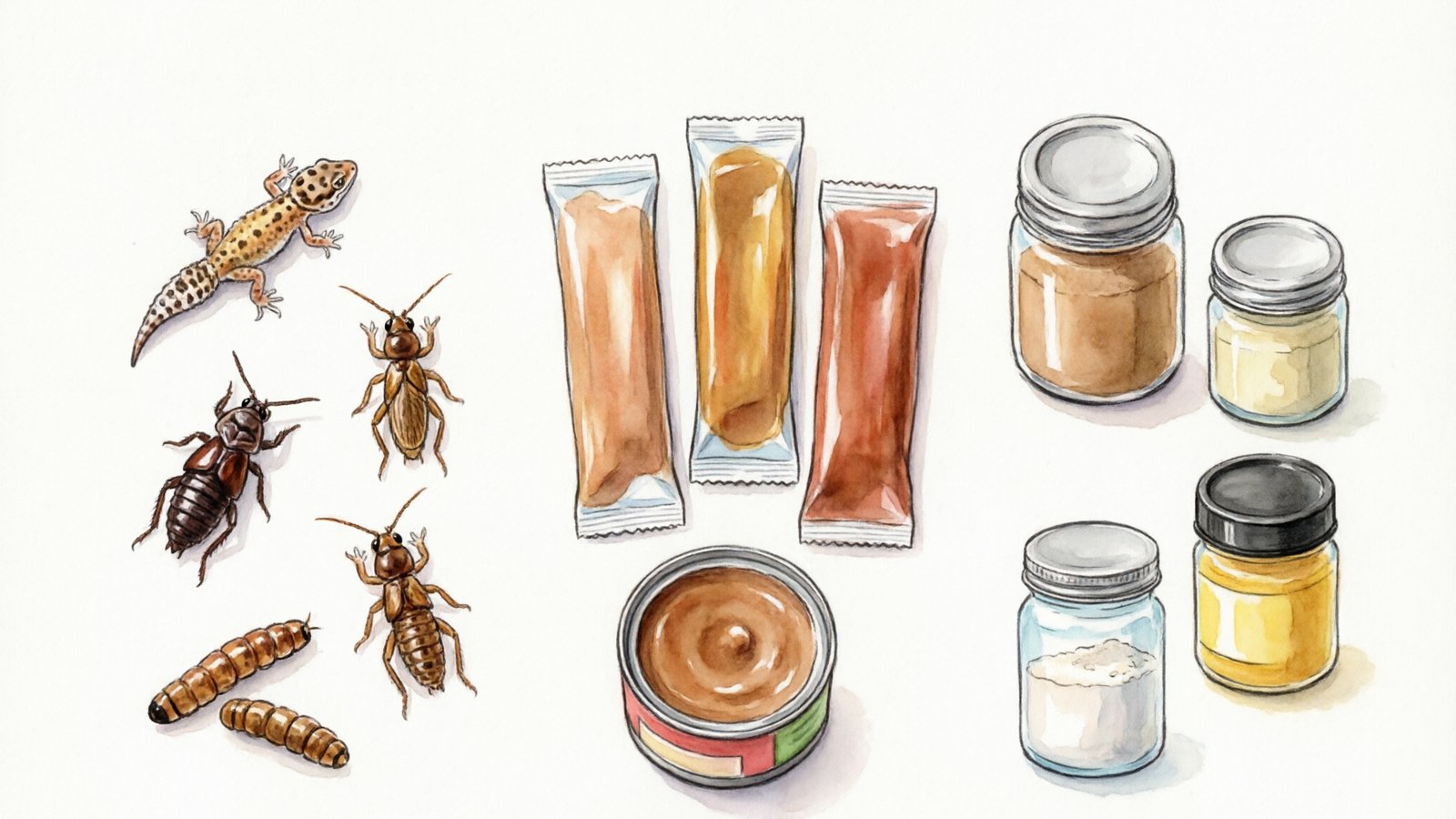
Quick recommendations by scenario:
- New gecko owner → Josh’s Frogs Crickets + Zoo Med Calcium + Fluker’s Repta Vitamin
- Don’t want to handle live bugs → Hikari LeopaGel + Repashy Calcium Plus (warning: ~50% acceptance rate)
- Best value → BSFL 1000ct ($10) + Repashy Calcium Plus
- Sick or recovering gecko → Gargeer Gel Diet (herpetologist-formulated)
Quick Comparison — 9 Best Leopard Gecko Food Options
| # | Product | Type | Price | Best For |
|---|---|---|---|---|
| 1 | Dubia Roaches 200 Large | Live feeder | $44.99/200ct | Best Overall Staple |
| 2 | Josh’s Frogs Crickets | Live feeder | $19.99/120ct | Most Trusted Cricket Source |
| 3 | BSFL NutriGrubs | Live feeder | $10.00/1000ct | Best Value Feeder |
| 4 | Hikari LeopaGel | Prepared gel | ~$8 | Best Gel Diet |
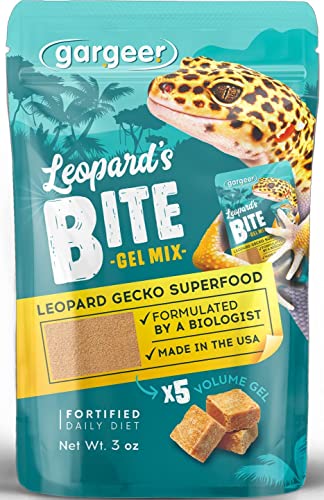
| 5 | Gargeer Gel Diet | Prepared gel | ~$12 | Best for Sick Geckos |
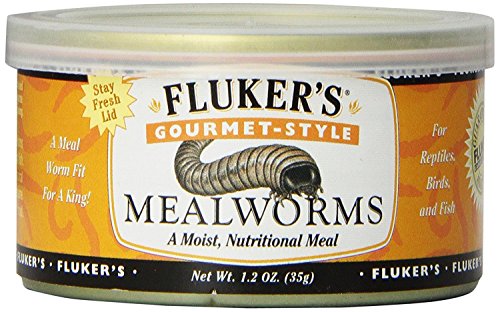
| 6 | Fluker’s Gourmet Mealworms | Canned | ~$7 | Budget Backup |
| 7 | Zoo Med Calcium with D3 | Supplement | ~$6 | Daily Calcium |
| 8 | Repashy Calcium Plus | Supplement | ~$15 | All-in-One Supplement |
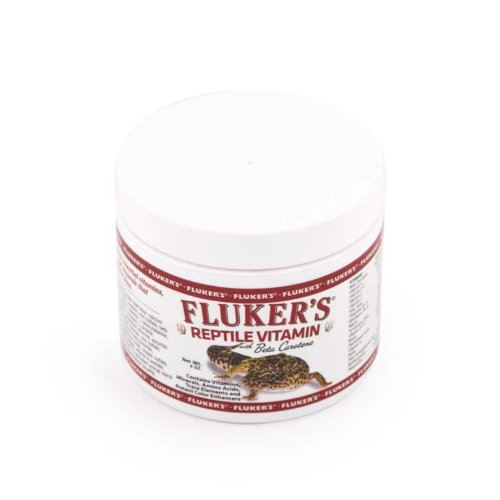
| 9 | Fluker’s Repta Vitamin | Supplement | ~$7 | Weekly Multivitamin |
Best Live Feeder Insects for Leopard Geckos
Live insects form the foundation of every leopard gecko diet. Here are the three best options covering different needs and budgets.
1. Dubia Roaches 200 Large
Dubia roaches are widely considered the best staple feeder for leopard geckos. They offer high protein (around 36% dry matter), low fat, and a soft exoskeleton that’s easy to digest.
The 200-count large size ($44.99) suits adult geckos — each roach runs about an inch long. For hatchlings and juveniles, order a smaller size class instead of hoping large ones work out.
One major advantage: dubia roaches can’t climb smooth surfaces or jump. They stay where you put them, making feeding time far less stressful than chasing crickets around the enclosure. Many keepers also use these to start a breeding colony, which provides a self-sustaining food source.
Downsides are real. Live roach delivery is weather-sensitive — cold-weather shipping carries a risk of dead-on-arrival, and sizes can vary between orders even when you order large. During winter months, consider ordering extra to account for potential losses.
Pros: High protein staple, cannot escape, can start breeding colony, well-packaged for live delivery
Cons: Size often varies between orders, too large for juveniles, winter DOA risk
When feeding dubia roaches, place them in a smooth-sided bowl to prevent burrowing into your safe substrate. This also prevents accidental ingestion of loose substrate.
2. Josh’s Frogs Crickets
Josh’s Frogs is the most trusted live cricket supplier on Amazon, backed by thousands of customer reviews and a reputation for responsive customer service. The 1/4” banded crickets ($19.99 for 120 count) are ideal for juvenile leopard geckos.
Their replacement policy sets them apart. The company ships free replacements when crickets arrive dead — no questions asked.
The 1/4” size suits geckos from hatchling through juvenile stages. Josh’s Frogs also offers multiple size options (up to adult), so you can scale up as your gecko grows.
Negative feedback centers on shipping risk. Live cricket delivery is inherently unpredictable. Some batches arrive with significant die-offs, and the smell from dead crickets in transit can be strong. Size inconsistency is another common complaint — some shipments contain crickets nearly three times the ordered size.
Pros: Most trusted supplier, excellent replacement policy, multiple size options
Cons: Shipping mortality risk, size inconsistency, need to transfer to cricket keeper quickly
3. BSFL (NutriGrubs)
Black soldier fly larvae (BSFL) offer the best value in feeder insects — 1,000 count for just $10.00. That’s roughly $0.01 per larvae compared to $0.10–$0.17 per dubia roach or cricket.
The real advantage is their natural calcium content. BSFL contain roughly twice the calcium of crickets by weight, meaning you can skip calcium dusting when feeding these alone.
The main drawback is size. Many reviewers note these are smaller than expected, even when ordering “large.” Buyers report, “Very tiny, not what I consider large at all.” For adult leopard geckos, BSFL may be too small to serve as a satisfying meal. They work best for babies and juveniles.
Pros: Best value ($0.01/larvae), naturally high calcium, cannot escape, easy for beginners
Cons: Size smaller than advertised, may pupate if kept too long, too small for large adults
Leopard Gecko Food List Summary:
- Staple (feed regularly): Dubia roaches, crickets, BSFL, silkworms
- Treat (once per week): Mealworms, hornworms, waxworms
- Avoid: Wild-caught insects, fireflies (toxic), superworms for babies
Best Prepared & Canned Leopard Gecko Food
Not everyone wants to deal with live insects. Prepared diets and canned food offer convenience — but acceptance varies widely. Finding the right prepared option requires understanding your gecko’s preferences.
4. Hikari LeopaGel
Hikari LeopaGel is a ready-to-use gel food designed specifically for insect-eating reptiles. At $9.98 for a 2.11 oz pouch, you squeeze out a portion and it’s ready to serve — no mixing, no boiling, no live insect handling.
The catch: roughly half of all leopard geckos refuse it. This is the single most important thing to know. Reviews split almost evenly between “my gecko loved it” and “my gecko wouldn’t touch it.” Owners report, “Leopard gecko wouldn’t touch it, licked and ignored.”
To improve acceptance, try rolling the gel into worm-like shapes by hand. The texture resembles the pouch itself, so some manual shaping helps trigger the feeding response. Start with a small pouch to test before committing.
Pros: Ready to use, no live insect handling, complete nutrition, clean feeding
Cons: ~50% acceptance rate, gel texture needs manual shaping, some geckos outgrow it
5. Gargeer Gel Diet
Gargeer’s Complete Gel Diet is formulated by a herpetologist with 25+ years of experience. At $19.90 for 3 oz of powder (makes about 1 lb prepared), it’s the most expensive option in this category — but it serves a specific purpose.
This diet shines for sick, recovering, or stubborn geckos that refuse live insects. Multiple reviewers credit it with nursing geckos back to health. One wrote, “Saved a sick lizard — she loved it and eventually started eating worms again.”
The preparation process is unpleasant. The smell during mixing is genuinely strong — several reviewers describe it as nauseating. The acceptance rate is also around 50%, similar to Hikari LeopaGel.
This product works best for geckos that need nutritional support during illness, not as a routine diet replacement.
Pros: Herpetologist-formulated, effective for sick geckos, no fillers, USA-made
Cons: Strong odor during preparation, 50/50 acceptance rate, requires boiling water, premium price
6. Fluker’s Gourmet Mealworms
At $3.99 for a 1.23 oz can, Fluker’s Gourmet Mealworms are the cheapest backup option on this list. The canned mealworms arrive soft, moist, and surprisingly alive-looking — not dehydrated or crunchy.
Acceptance is mixed. Geckos accustomed to live insects often turn their noses up at canned alternatives. Owners report, “Gecko has been eating live crickets for years, wouldn’t try these.” The can is also small — you get roughly 30–40 mealworms per can.
Once opened, the contents spoil within 2–3 days. Plan accordingly or you’ll waste half the can.
Pros: Cheapest option ($3.99), long shelf life unopened, soft texture, emergency backup
Cons: Spoils fast after opening, many geckos prefer live, small can size, some arrive spoiled
Prepared Diet Quick Facts:
- Leopard geckos prefer live insects — prepared diets are supplements, not replacements
- Acceptance rate is roughly 50% for gel and canned diets
- Buy small sizes first to test your gecko’s willingness
- Gargeer works best for sick or recovering geckos that refuse live food
- Open canned food must be used within 2–3 days
Best Supplements for Leopard Geckos
Every leopard gecko needs supplementation regardless of diet. Without calcium and vitamins, geckos develop metabolic bone disease (MBD) — a painful, potentially fatal condition. These three products cover different supplementation approaches.
7. Zoo Med Calcium with D3
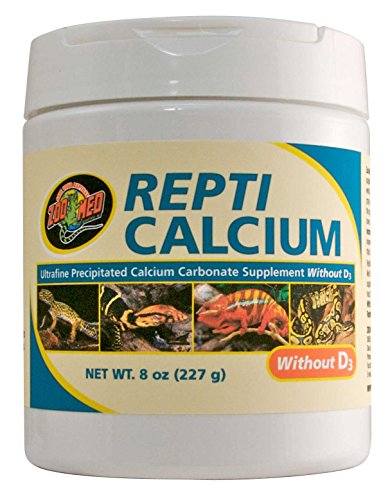
Zoo Med Reptile Calcium with D3 is the gold standard calcium supplement for reptiles. At $13.07 for an 8 oz container, it lasts months and provides the two things leopard geckos need most: calcium and vitamin D3.
The ultra-fine powder coats feeder insects evenly with just a shake in a plastic bag. The standard “shake and bake” method works well — drop 5–6 crickets in a bag with a pinch of powder, shake gently for 5 seconds, and feed immediately.
The limitation is that it’s only calcium + D3 — not a complete multivitamin. You’ll need a separate vitamin supplement (like Fluker’s Repta Vitamin below) for trace nutrients. Some reviewers also note the included measuring scoop is buried deep in the powder and hard to find.
As one customer put it: “Essential for reptile owners, keeps bones strong. A lifetime supply in one container.”
Pros: Gold standard calcium, includes D3, phosphorus-free, ultra-fine powder
Cons: Calcium only — needs separate multivitamin, scoop buried in powder, container could be better
8. Repashy Calcium Plus
Repashy Calcium Plus is the highest-rated supplement on this list. It combines calcium, D3, and a full multivitamin in a single product — eliminating the need for separate calcium and vitamin supplements.
At $15.99 for a 4 oz jar, it’s more expensive per ounce than Zoo Med. But many breeders and experienced keepers prefer it for the simplicity of a single product.
The product is trusted across the reptile community for preventing MBD. It works well for geckos, bearded dragons, and even crested gecko keepers use it as their go-to supplement.
The trade-off is flexibility. Because calcium, D3, and vitamins are combined, you can’t adjust the ratio independently. Some experienced keepers prefer separate products for precise dosing. The jar also needs refrigeration after opening, which is an inconvenience Zoo Med doesn’t require.
Pros: All-in-one convenience, highest rated supplement, trusted by breeders, prevents MBD
Cons: Higher price per ounce, needs refrigeration, can’t customize calcium-to-vitamin ratio
9. Fluker’s Repta Vitamin
Fluker’s Repta Vitamin is a widely-used reptile multivitamin. At $11.78 for 2.5 oz, it provides beta carotene (a vitamin A precursor), essential amino acids, and trace minerals that calcium-only products lack.
The powder coats feeders easily and works alongside Zoo Med Calcium + D3 as part of a two-product supplementation routine. Use calcium at every feeding, then add this multivitamin once per week.
Important: this is not a calcium replacement. Several reviewers point out that you still need a separate calcium supplement for complete coverage. Think of this as the vitamin layer that calcium products don’t provide. As customers confirm, “Need to pair with Zoo Med calcium for complete coverage.”
The 2.5 oz container is relatively small. For keepers with multiple reptiles, it may not last as long as expected.
Pros: Most reviewed (3240), contains beta carotene, easy dusting, affordable
Cons: Not a calcium replacement, small container, no scoop included, needs separate calcium
Supplement schedule summary:
- Option A (two products): Zoo Med Calcium + D3 (every feeding) + Fluker’s Repta Vitamin (weekly)
- Option B (all-in-one): Repashy Calcium Plus (every feeding) — covers both calcium and vitamins
Leopard Gecko Food Chart & Feeding Schedule
A feeding schedule based on your gecko’s age prevents overfeeding and ensures proper nutrition. Below are two quick-reference charts for your daily feeding routine.
Feeding Schedule by Age
| Age | Frequency | Portion | Best Staple | Supplement |
|---|---|---|---|---|
| Baby (0–6 months) | Daily | 2 bugs per inch | Small crickets, BSFL | Calcium every feeding |
| Juvenile (6–12 months) | Every other day | 2 bugs per inch | Crickets, small dubia | Calcium every feeding, vitamins 2×/week |
| Adult (12+ months) | Every 3–5 days | 2 bugs per inch | Dubia roaches, crickets | Calcium 3×/week, vitamins 1×/week |
Food Tier Chart
| Category | Insects | Notes |
|---|---|---|
| Staple(feed regularly) | Dubia roaches, Crickets, BSFL, Silkworms | High protein, easy to digest |
| Warning: Treat (once per week) | Mealworms, Hornworms, Waxworms | High fat — limit to prevent obesity |
| Avoid | Wild insects, Fireflies, Superworms (for babies) | Toxic, parasitic, or impaction risk |
If your gecko is refusing food, check our guide on why your leopard gecko may stop eating — it covers common causes and solutions.
How to Build a Complete Leopard Gecko Feeding Setup
Building a complete feeding system involves more than just dropping insects into the tank. Here’s a 5-step process to set up a complete routine.
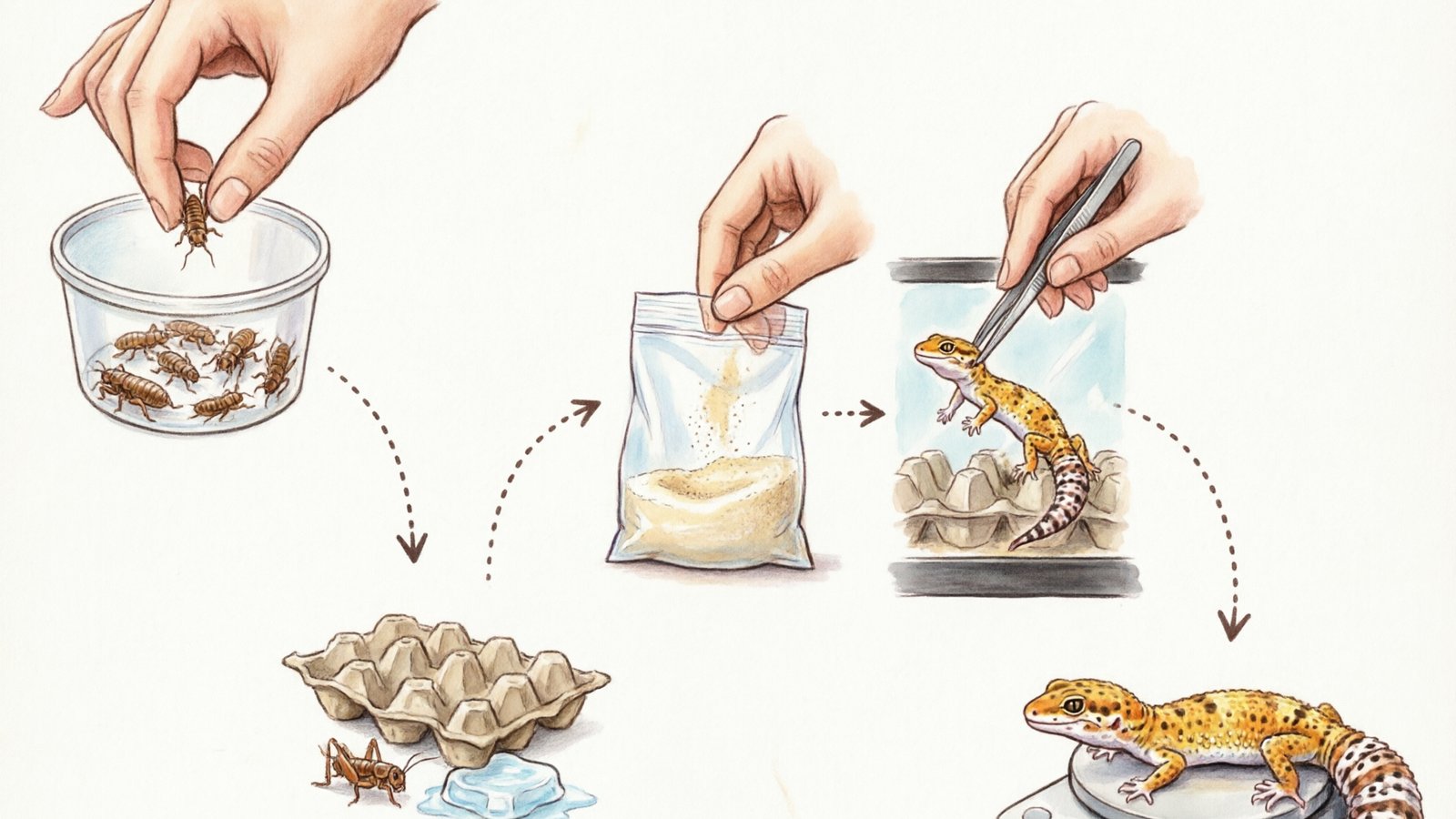
Step 1: Choose your staple feeder. For babies and juveniles, small crickets or BSFL are ideal. Adults do well with dubia roaches or medium crickets. Match insect size to the space between your gecko’s eyes — never feed anything larger.
Step 2: Set up feeder storage. Crickets need a ventilated keeper with egg crate hides and water gel (not a water dish — they drown easily). Dubia roaches need a smooth-sided container with egg cartons and dry food. BSFL can stay in their shipping container in a cool spot.
Step 3: Add supplements. For the two-product approach, use Zoo Med Calcium + D3 at every feeding and Fluker’s Repta Vitamin weekly. For simplicity, Repashy Calcium Plus handles both in one step. Place insects in a bag with powder and shake gently to coat.
Step 4: Feed your gecko. Use feeding tongs for individual insects, or place feeders in a smooth-sided bowl. If your gecko hunts in the leopard gecko terrarium, use a feeding dish to prevent substrate ingestion. Remove uneaten insects after 15 minutes.
Step 5: Monitor health. A healthy leopard gecko has a thick, rounded tail (fat storage). If the tail starts thinning or your gecko stops eating, review your feeding schedule and check habitat conditions. Proper lighting also affects appetite — geckos need a proper day/night cycle to maintain regular feeding behavior.
Leopard gecko feeding safety checklist:
- Live insects only — leopard geckos are obligate insectivores and cannot digest plant matter (ARAV)
- Staple feeders: dubia roaches, crickets, BSFL, silkworms — rotate for nutritional variety
- Calcium + D3 at every feeding — prevents metabolic bone disease
- Multivitamin supplement once per week — fills trace nutrient gaps
- Match insect size to space between gecko’s eyes — prevents impaction
- Gut-load feeder insects 24h before feeding — maximizes nutritional value
- Monitor tail thickness — a healthy gecko stores fat in a thick, rounded tail
- Remove uneaten insects after 15 minutes — prevents bites and stress
- Never feed plant matter, fruits, or vegetables — geckos lack cellulose-digesting enzymes (ARAV)
- Never feed wild-caught insects — pesticides, parasites, and unknown pathogens
- Never feed fireflies (lightning bugs) — contain lucibufagins, fatally toxic to reptiles
- Never feed superworms to baby geckos — hard exoskeleton causes impaction
- Never feed pinky mice routinely — excessive fat causes hepatic lipidosis
- Never use prepared diets as sole food source — acceptance rate ~50%, nutritionally incomplete
Leopard Gecko Feeding FAQ
What is the best food for leopard geckos?
The best food for leopard geckos is a varied diet of live feeder insects, with dubia roaches and crickets as daily staples. Both provide high protein and are easy to digest.
Supplement every feeding with calcium powder containing D3, and add a multivitamin once per week. This combination forms the foundation of a healthy long-term diet plan.
Can leopard geckos eat fruit or vegetables?
No. Leopard geckos are strict insectivores and cannot digest plant matter. Their digestive system lacks the cecum needed to process cellulose.
Feeding fruit or vegetables causes impaction and digestive upset. For more details, see our guide on whether leopard geckos can eat bananas.
What can I feed my leopard gecko besides crickets?
Besides crickets, leopard geckos can eat dubia roaches, black soldier fly larvae, and silkworms as staple feeders. Prepared gel diets like Hikari LeopaGel offer a no-live-bug alternative, though acceptance varies.
The best leopard gecko food plan always includes variety — rotating 2–3 different feeder types prevents nutritional gaps and keeps your gecko interested in eating.
How often should I feed my leopard gecko?
Feed baby geckos daily, juveniles every other day, and adults every 3–5 days. Portion size is roughly 2 appropriately-sized insects per inch of body length per feeding session. Overfeeding adults leads to obesity — a thick tail is healthy, but a tail wider than the body is a warning sign.
Do leopard geckos need supplements?
Yes — this is non-negotiable. Dust feeder insects with calcium powder at every feeding and provide a multivitamin once per week. Without supplementation, leopard geckos develop metabolic bone disease (MBD), which causes soft, deformed bones and can be fatal.
MBD is entirely preventable with proper supplementation. Repashy Calcium Plus simplifies the process by combining calcium, D3, and vitamins in one product.