If you are asking why is my bearded dragon not eating, the answer usually falls into one of three categories. The 3 most common reasons a bearded dragon stops eating are: incorrect temperatures (basking spot too cold), brumation (natural winter dormancy in adults), and impaction (intestinal blockage). Always check temperatures first — this fixes roughly 80% of appetite problems. If your dragon shows emergency signs such as weight loss, swollen abdomen, wobbly walking, or hasn’t eaten in 1-2 weeks, see a reptile vet immediately.
If you are wondering why is my bearded dragon not eating, start with the diagnosis flowchart below.
Start Here — Quick Diagnosis Flowchart
To figure out why is my bearded dragon not eating, follow this troubleshooting order. Most problems are solved at Step 1. Most problems are solved at Step 1.
Step 1: Check the basking temperature. Is it 95–110°F (35–43°C) at the surface?
- No → Fix the temperature first. This solves most appetite problems. Check your bearded dragon heating lamp — bulbs degrade and may need replacement.
- Yes → Continue to Step 2.
Step 2: Is your dragon over 12 months old, and is it late autumn or winter?
- Yes → Likely brumation. See the brumation section below.
- No → Continue to Step 3.
Step 3: Check for emergency signs. Does your dragon show any of these: swollen belly, back leg dragging, lethargy with eyes constantly closed, watery or foul stool, wobbly walking, or rubbery jaw?
- Any yes → Possible impaction or serious illness. See the vet emergency section.
- No → Continue to Step 4.
Step 4: Is your dragon shedding?
- Yes → Reduced appetite during a shed is normal. Wait 3–5 days and it should return.
- No → The issue may be stress, diet boredom, or a minor environmental problem. See remaining sections below.
Is Your Bearded Dragon Brumating?
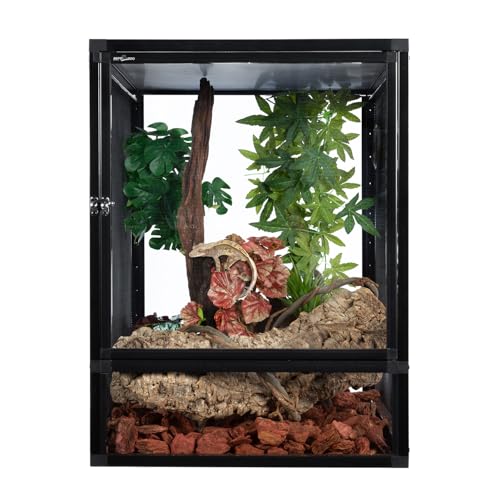
REPTI ZOO 18x18x24 Screen Cage is a quality option worth considering for your setup.
One of the first things owners ask when they notice their dragon refusing food is why is my bearded dragon not eating — and in adult dragons, brumation is the most common non-emergency answer. non-emergency cause of appetite loss. Brumation is a natural winter dormancy triggered by shorter daylight and cooler temperatures. It is a perfectly normal reason for why is my bearded dragon not eating in adult dragons.
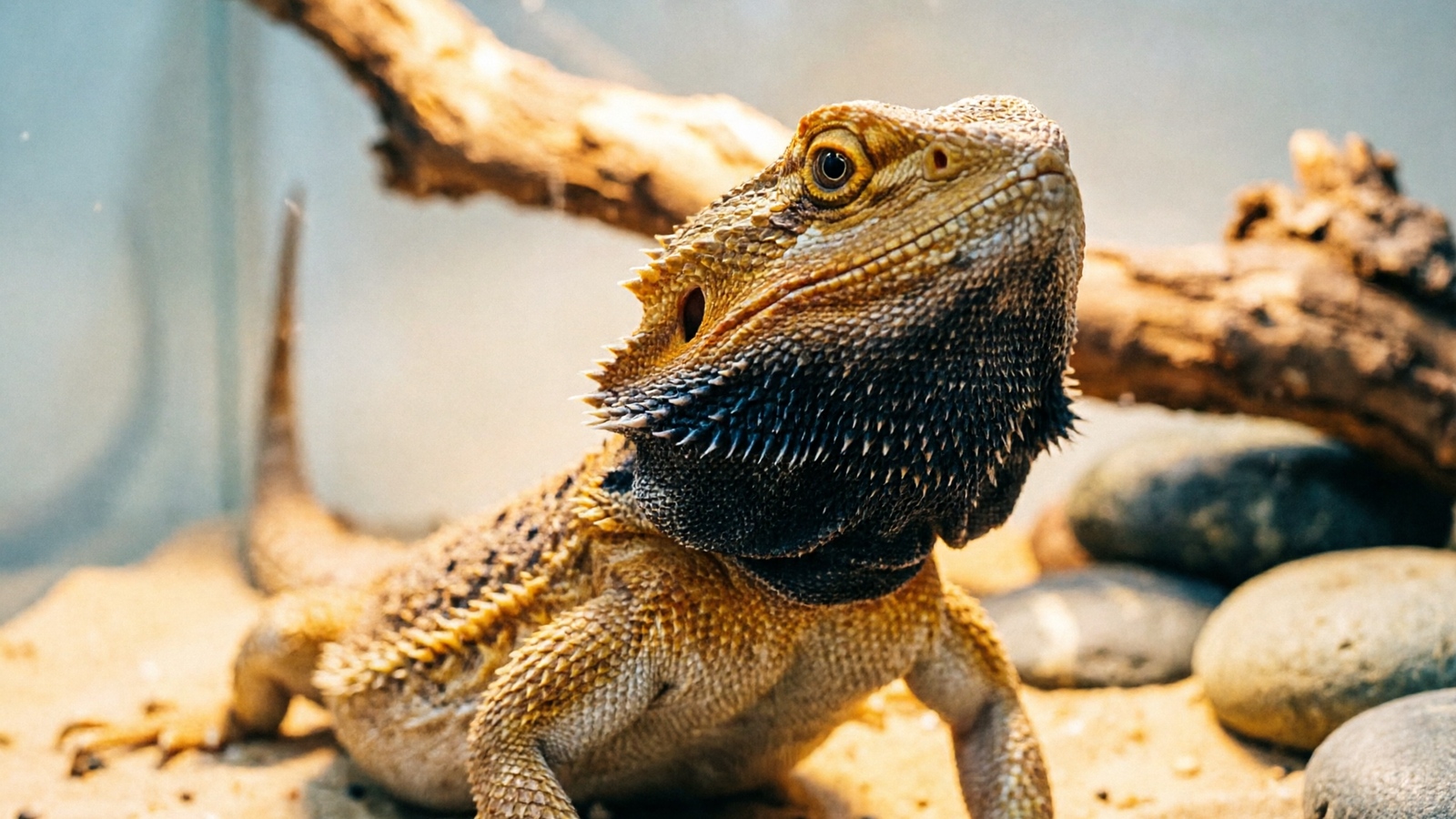
Brumation is the reptilian equivalent of hibernation — a seasonal dormancy period triggered by decreasing daylight and temperature, during which a bearded dragon’s metabolism slows, appetite drops or disappears, and activity is reduced to brief periods of basking and sleep. According to the Association of Reptilian and Amphibian Veterinarians (ARAV), brumation typically occurs in adult bearded dragons (Pogona vitticeps) over 12 months of age during the cooler months (late autumn through winter, approximately November through March in the Northern Hemisphere). During brumation, a healthy adult may eat very little or nothing for weeks to months while losing no more than 10% of body weight. However, any appetite loss in juveniles under 12 months is NOT brumation and requires immediate veterinary assessment, as young dragons lack the fat reserves to survive extended fasting.
| Sign | Brumation Normal | Illness See Vet |
|---|---|---|
| Age | Over 12 months only | Any age |
| Season | Late autumn through winter | Any time of year |
| Duration | Weeks to months (1–3 typical) | Worsening over days |
| Weight loss | Minimal, under 10% | Rapid and noticeable |
| Activity | Sleeping mostly, brief wakefulness | Lethargic, unresponsive to warmth |
| Eyes | Closed during sleep, open when awake | Sunken, half-closed constantly |
| Stool | Normal or absent (reduced metabolism) | Diarrhea, abnormal color, blood |
| Response to warmth | Gradually becomes more active | No improvement with warmth |
Critical rule: babies and juveniles under 12 months should NEVER brumate. If a young dragon stops eating, it is not brumation — it is a health problem.
For adults entering brumation, reduce the photoperiod to 8–10 hours and allow temperatures to drop slightly. Provide a dark hide. Check weight weekly — loss exceeding 10% requires a vet.
Brumation over 3 months also warrants a check.
For more on seasonal care, see our bearded dragon care guide.
Temperature Problems — The #1 Cause
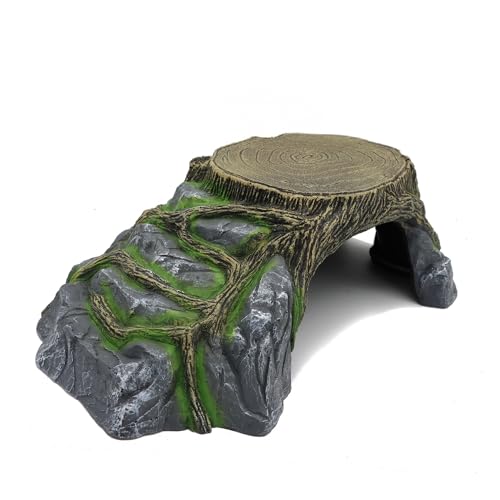
Many owners find that JIHAQUA Resin Reptile Cave → works well for their pet’s needs.
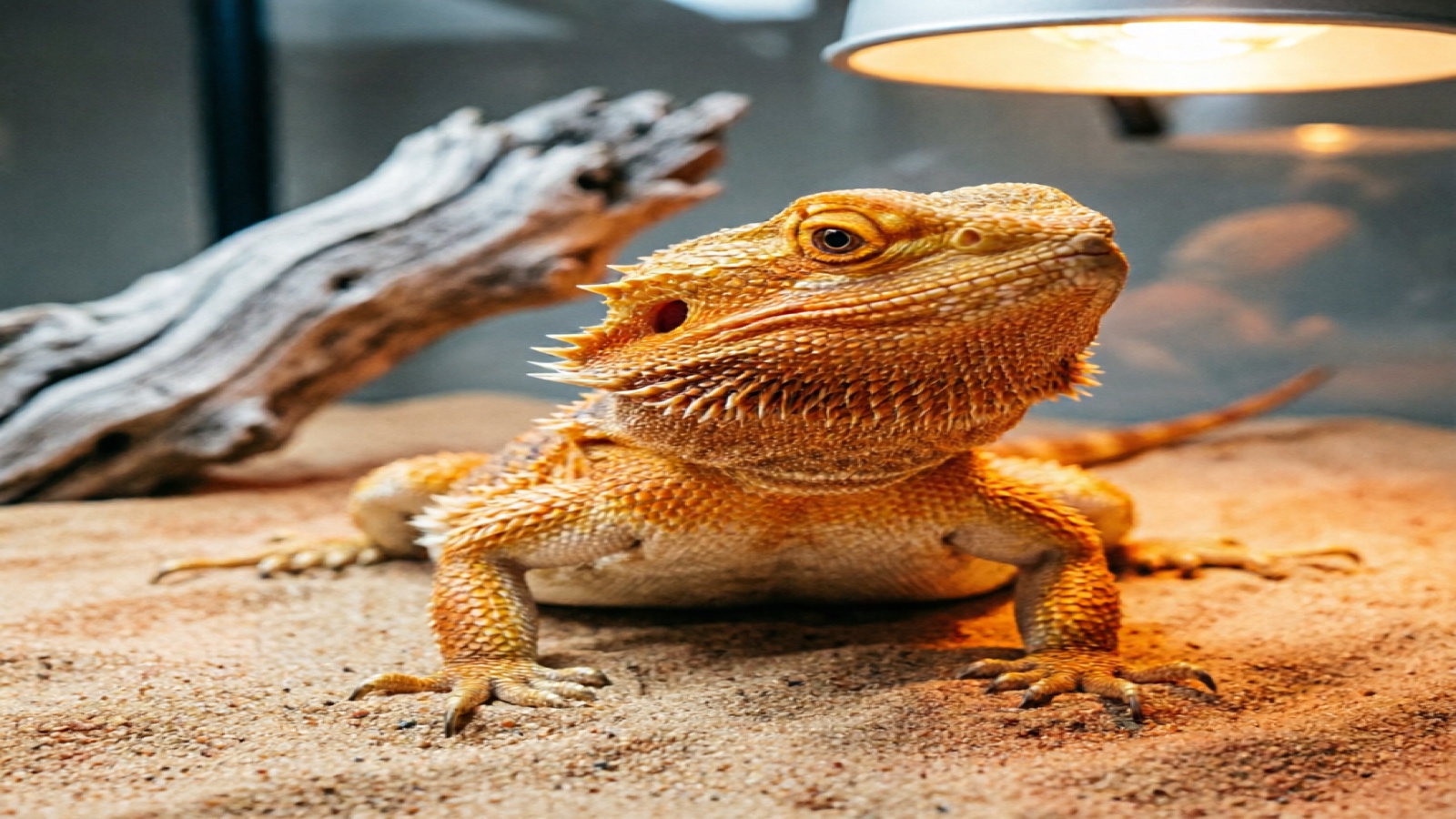
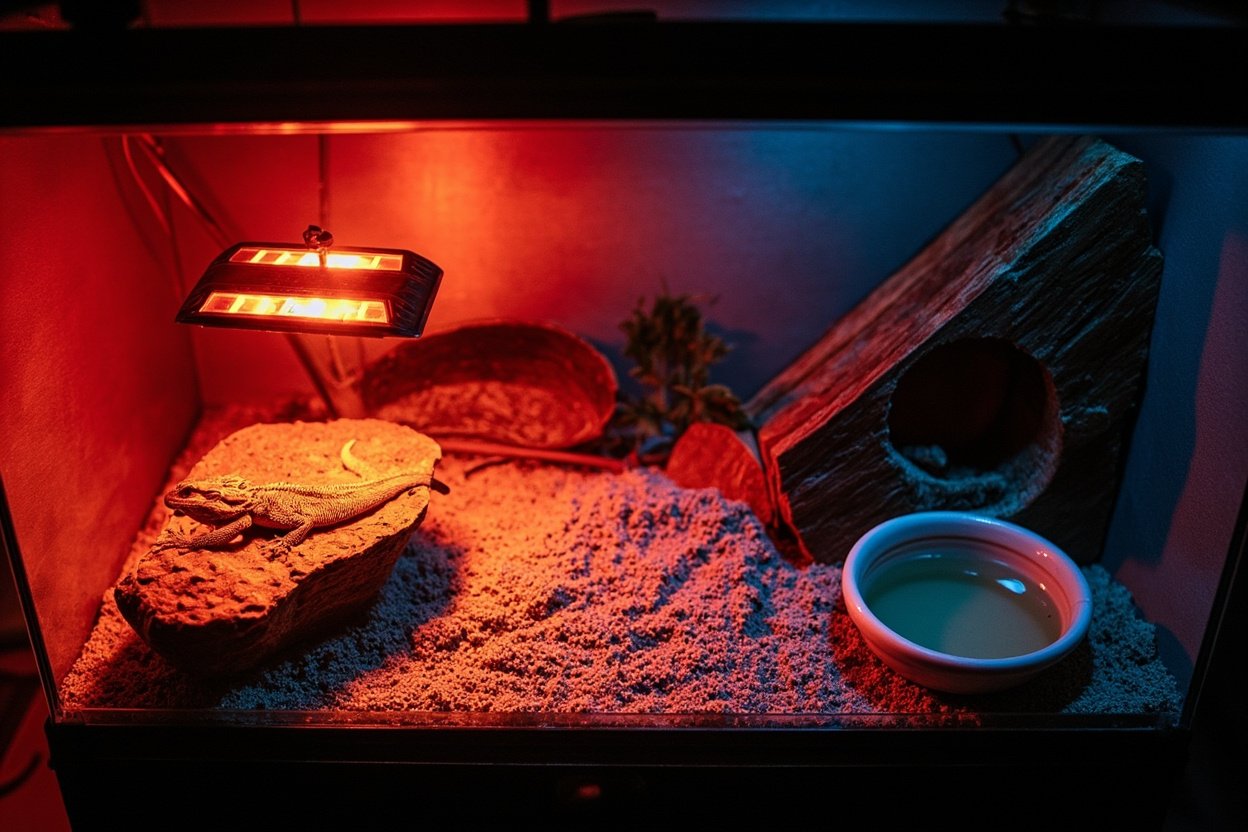
What temperature should a bearded dragon’s basking spot be? The surface temperature where your dragon sits must reach 95–110°F (35–43°C). If the basking spot falls below 95°F, your dragon cannot digest food — so it stops eating. This is the single most common cause of appetite loss and the easiest to fix. Before investigating anything else for why is my bearded dragon not eating, always rule out temperature first.
Understanding why is my bearded dragon not eating often comes down to temperature — roughly 8 out of 10 cases are temperature-related. A $15 digital probe thermometer and 5 minutes of checking will confirm or rule this out immediately.
| Zone | Temperature | Tool | Common Problem |
|---|---|---|---|
| Basking surface | 95–110°F (35–43°C) | Digital probe or IR gun | Bulb too old, too high, wrong wattage |
| Warm side | 85–95°F (29–35°C) | Digital thermometer | Enclosure too large for heat source |
| Cool side | 75–85°F (24–29°C) | Digital thermometer | No gradient — can’t thermoregulate |
| Nighttime | 65–75°F (18–24°C) | Digital thermometer | Below 65°F = stress; below 60°F = danger |
Common temperature mistakes that explain why is my bearded dragon not eating:
- Using stick-on strip thermometers. These measure the glass, not the basking surface, and are 10–20°F off. Use a digital probe or infrared gun.
- Not replacing heat bulbs. Bulbs lose output over time. Replace every 6 months even if the bulb still lights up.
- Wrong bulb distance. Moving the bulb up 3–4 inches can drop surface temperature by 15–20°F.
For terrarium setup guidance that ensures proper temperature gradients, see our bearded dragon terrarium setup guide.
UVB lighting is equally important. Without adequate UVB, bearded dragons cannot synthesize vitamin D3 or absorb calcium. Calcium deficiency leads to Metabolic Bone Disease — and one of the earliest symptoms is loss of appetite.
Replace your UVB bulb every 6–12 months regardless of whether it still produces visible light.
Impaction — Signs and Emergency Action
For this purpose, Metris Infrared Thermometer is a popular choice among pet owners.
Another serious answer to why is my bearded dragon not eating is impaction — an intestinal blockage from loose substrate (sand, calci-sand, walnut shells), oversized prey, or foreign objects. and potentially fatal. Impaction is an intestinal blockage from loose substrate (sand, calci-sand, walnut shells), oversized prey, or foreign objects.
Symptom checklist — check for these signs:
- No stool for 5+ days while recently eating
- Back legs dragging or weakness (spinal nerve pressure)
- Swollen or bloated abdomen
- Straining to defecate with no result
- Small or absent urates (white part of stool)
- Loss of appetite before the blockage began
Emergency first aid:
- Stop feeding immediately — adding food to a blocked tract makes it worse.
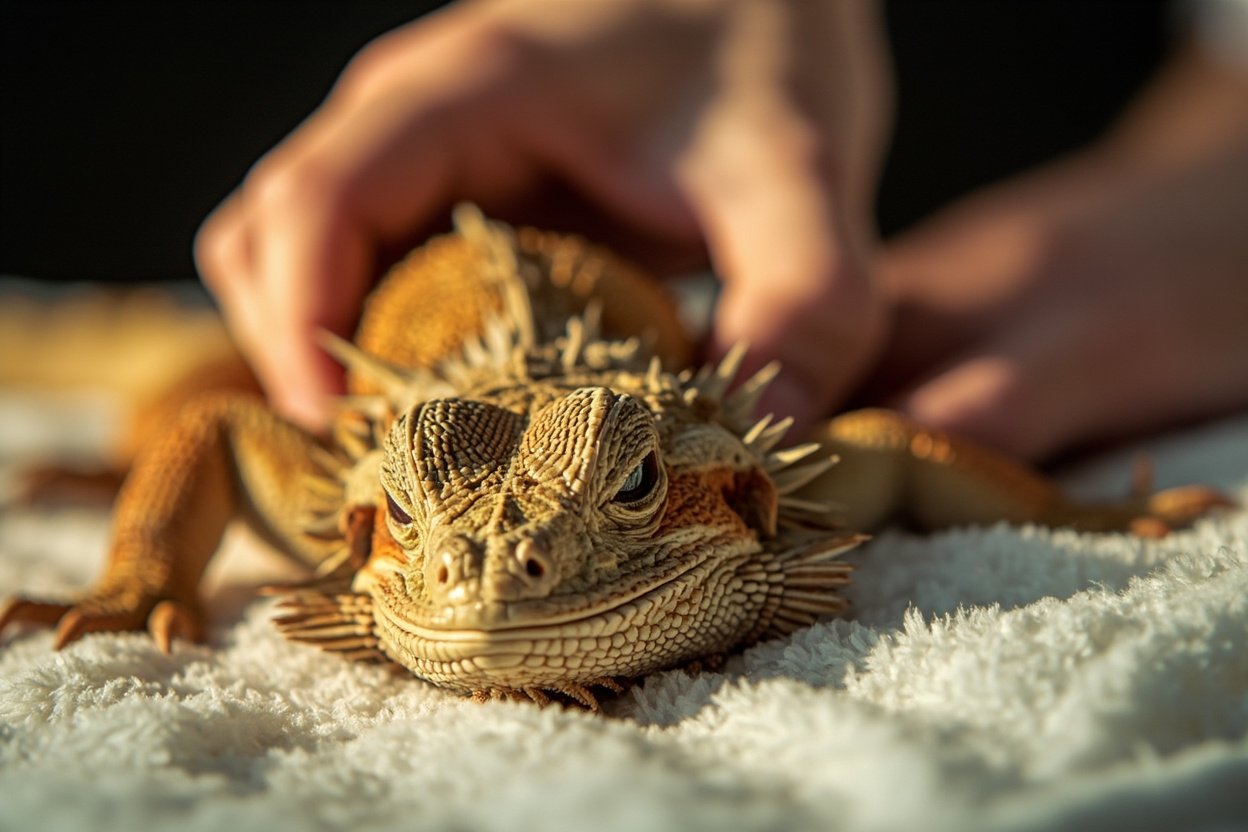
- Warm bath — 95–100°F shallow water for 15–20 minutes. Gently massage the abdomen downward.
- Add olive oil — 2–3 drops in the bath water as a natural lubricant.
- Hydrate — drip water on the snout.
- Vet visit — if no stool within 24–48 hours, see a reptile vet. Do not wait.
Prevention is straightforward. Use solid substrate like ceramic tile, newspaper, or paper towel instead of loose sand. Tile substrate is the best option for any bearded dragon — it looks natural, is easy to clean, and eliminates impaction risk entirely.
Never feed prey larger than the space between your dragon’s eyes. Substrate choice and prey size are two of the most controllable factors behind why is my bearded dragon not eating.
Baby Bearded Dragon Not Eating — Special Concerns
When figuring out why is my bearded dragon not eating, the age of the dragon matters enormously. A baby bearded dragon not eating is more urgent than adult appetite loss. than adult appetite loss. Babies under 12 months cannot brumate and lack fat reserves. A baby not eating for 3+ days needs a vet. When parents ask why is my bearded dragon not eating about a juvenile dragon, the urgency is much higher than with adults.
Babies should eat daily — roughly 80% insects and 20% greens. Missing even 2–3 days is significant.
Common baby-specific causes:
- Prey too large. All prey must be smaller than the space between the baby’s eyes. Oversized crickets are the most frequent cause of baby appetite loss and impaction.
- Wrong prey type. Some babies refuse crickets but eat dubia roaches, phoenix worms, or black soldier fly larvae. Try switching.
- Temperature inconsistency. Babies need reliable 100–110°F basking. Even a brief drop shuts down digestion.
- Tank mate intimidation. House babies separately — a larger cagemate will dominate food.
- Dehydration. Mist babies daily and offer a shallow water dish.
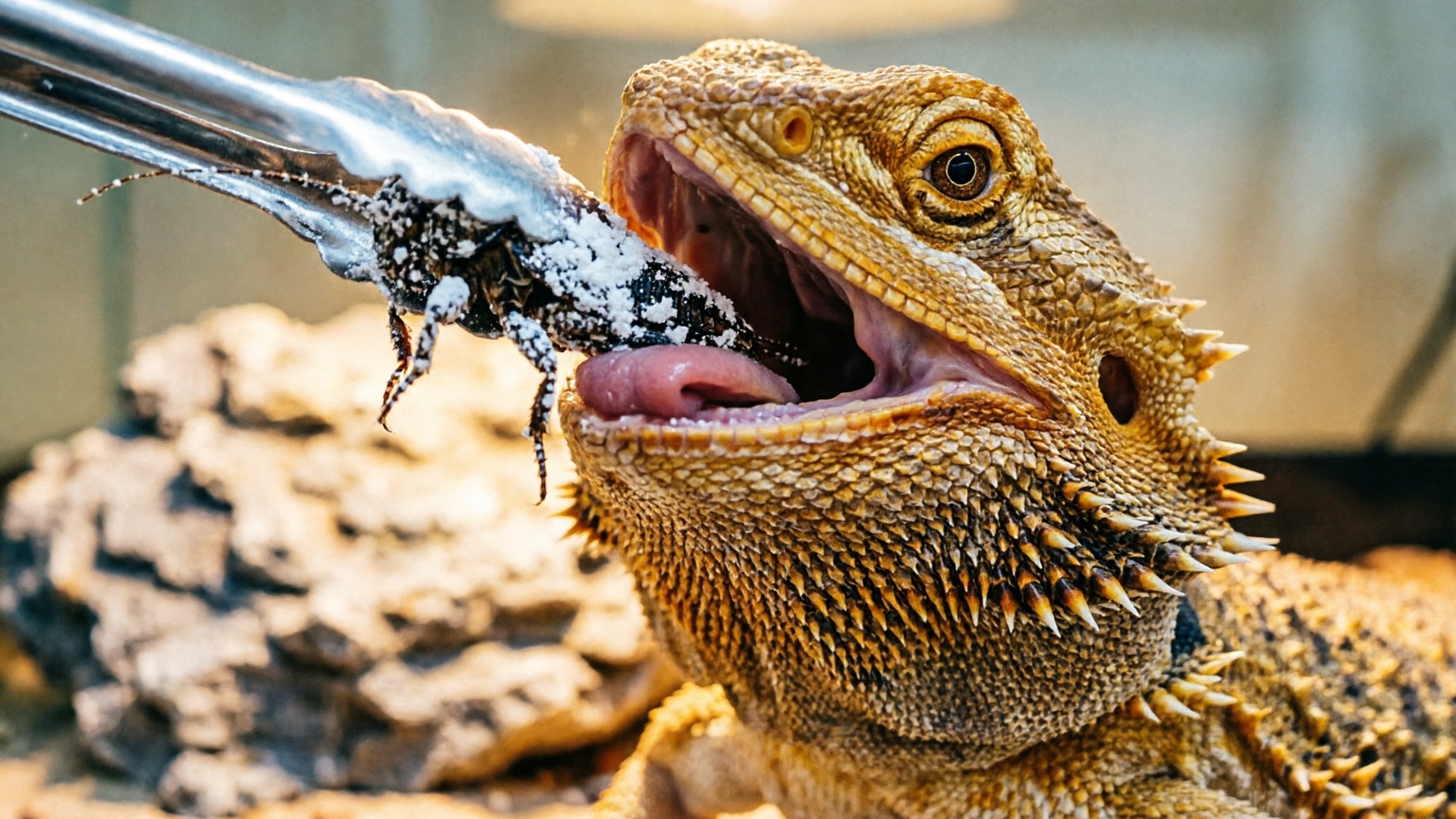
Feeding tips for reluctant babies: Hand-feed with tweezers, wiggle prey to simulate movement, or place a tiny piece of safe fruit on the greens to attract them to the bowl.
Not Eating But Still Active — What It Means
If activity remains normal, the answer to why is my bearded dragon not eating is usually a minor issue. A bearded dragon not eating but active is generally less concerning. than lethargic appetite loss. If your dragon is alert, basking normally, and moving around, the cause is usually minor.
Common causes when activity remains normal:
- Shedding. Appetite dips 3–5 days before and during a shed. Check for dull, grayish skin patches and ensure humidity is adequate.
- Diet boredom. Feeding the same insect daily leads to disinterest. Rotate crickets, dubia roaches, phoenix worms, hornworms, and silkworms.
- Food preference. Some dragons become picky, holding out for favorites like hornworms. Continue offering variety — they will eat when hungry enough.
- Minor stress. Recent tank cleaning, new decoration, or relocation can suppress appetite for 2–3 days.
- Seasonal shift. Even without full brumation, shorter daylight hours can reduce appetite. Keep a consistent 12–14 hour photoperiod with a timer.
If your dragon is active but hasn’t eaten in over a week, offer a “temptation meal” — hornworms or waxworms are irresistible to most. If they refuse even those, investigate further.
Refusing Greens — Common Diet Problems
Owners frequently ask why is my bearded dragon not eating their salad. A bearded dragon not eating vegetables is extremely common, especially in juveniles., especially in juveniles. Most dragons prefer insects and will selectively eat only protein if given the choice.
Why greens matter: They provide calcium, fiber, and vitamins that insects alone cannot supply. A dragon eating only insects will develop nutritional deficiencies.
Seven strategies to encourage greens eating:
- Mix fruit pieces into the salad. Small pieces of strawberry or mango add sweetness that attracts the dragon to the bowl — they accidentally eat greens while picking out fruit.
- Hand-feed greens. Some dragons respond to movement. Hold a leaf with tweezers.
- Gut-load insects with greens. Feeding insects collard greens and carrots before offering them provides indirect nutrition.
- Reduce insect frequency. A hungry dragon is more willing to try greens. Offer insects every other day for a week.
- Rotate greens varieties. Collard, mustard, dandelion, turnip, and escarole have different flavors and textures.
- Chop greens finely. Some dragons avoid large leaves but eat finely chopped salad.
- Use a contrasting bowl. A bright-colored bowl makes greens more noticeable.
Avoid iceberg lettuce (no nutritional value), spinach (high oxalates that bind calcium), and avocado (toxic).
When to See a Vet
If none of the common causes above explain why is my bearded dragon not eating, it is time to investigate health issues. Some appetite loss situations require immediate veterinary care. — Emergency Signs
Sometimes why is my bearded dragon not eating points to a serious health issue that requires a vet. Use the table below to assess urgency. Use this table to assess urgency.
| Sign | Urgency | Action |
|---|---|---|
| No food for 1–2 weeks (adult) | 🟡 Schedule visit | Not immediately dangerous for healthy adults |
| No food for 3+ days (baby/juvenile) | Warning: Urgent | Babies have no reserves — see vet within 24 hours |
| Weight loss over 10% | Warning: Urgent | Visible hip bones, sunken fat pads |
| Swollen or bloated abdomen | Warning: Urgent | Possible impaction — vet within 24–48 hours |
| Back leg dragging or weakness | Warning: Emergency | Possible spinal compression — same-day vet |
| Wobbly walking + rubbery jaw | Warning: Emergency | Advanced MBD — immediate vet |
| Open-mouth breathing | Warning: Emergency | Respiratory infection — same-day vet |
| Sunken eyes + wrinkled skin | Warning: Urgent | Severe dehydration — vet + fluids |
| Black stool or blood in stool | Warning: Emergency | Parasites or internal injury — same-day vet |
Practical tip: Find a reptile or exotic animal vet before you need one. Many standard vets do not treat reptiles. Bring a fresh stool sample for parasite testing — this is inexpensive and frequently reveals the cause.
Pre-visit checklist — gather this info before your vet visit about why is my bearded dragon not eating:
- Basking temperature 95–110°F (35–43°C) — confirmed with digital probe
- UVB bulb replaced within last 6–12 months
- No loose substrate (sand, calci-sand, walnut shells) in enclosure
- No prey larger than space between eyes offered recently
- Stool sample collected (fresh, within 24 hours)
- Weight recorded — note if over 10% loss
- Brumation ruled out (not late autumn/winter, or dragon under 12 months)
- Back leg dragging → same-day emergency vet
- Wobbly walking + rubbery jaw → immediate emergency (MBD)
- Open-mouth breathing → same-day emergency (respiratory infection)
Product Recommendations
Here are some products mentioned in this guide:
Frequently Asked Questions
The questions below address the most common scenarios behind why is my bearded dragon not eating. Each answer starts with a direct response so you can act quickly.
When owners ask why is my bearded dragon not eating, one of the first follow-up questions is about food endurance. How long can a bearded dragon go without eating? Healthy adults can survive 1-2 months during brumation, but this is not normal outside brumation. An adult not eating for 1-2 weeks should see a vet. Baby and juvenile dragons should never go more than 3 days without food — they lack fat reserves and need daily nutrition.
My bearded dragon stopped eating suddenly — what should I do? When wondering why is my bearded dragon not eating, the first thing to check is temperature. Verify the basking spot is 95-110°F with a digital probe. — verify the basking spot is 95-110°F with a digital probe. A burnt-out heat bulb is the most common cause. If temperatures are correct, check for shedding, recent stress, and stool changes. See a vet if it persists beyond 3-5 days.
Can stress cause a bearded dragon to stop eating? Yes — stress is one of the most overlooked reasons for why is my bearded dragon not eating. Common stressors include a new enclosure, excessive handling, loud noises, cage mates, and glass reflections. Most stress-related appetite loss resolves within 3-7 days once the stressor is removed.
What temperature should the basking spot be? Temperature is the most common answer to why is my bearded dragon not eating. The basking spot should be 95-110°F (35-43°C) measured at the surface. Use a digital probe or infrared gun — stick-on strips are inaccurate. Cool side should be 75-85°F. Below 95°F, your dragon cannot digest food and will stop eating.
How do I force-feed a bearded dragon that won’t eat? If why is my bearded dragon not eating and all other causes are ruled out, force-feeding may be necessary. Last resort — do this under veterinary guidance. Use a small syringe to offer critical care formulas — 0.5-1ml at a time on the lips, never into the mouth. A safer approach is offering tempting live foods like hornworms. If force-feeding is needed for more than 2-3 days, see a vet.