Ball python weight is the single most reliable health indicator available to keepers. Steady weight gain confirms proper feeding and digestion.
Sudden drops signal illness, parasites, or stress — weight loss exceeding 10% of body weight over 2-4 weeks is a veterinary emergency indicator in reptiles (VCA Hospitals — Weight Monitoring in Reptiles). Tracking your snake’s weight over time reveals patterns that visual assessment alone cannot detect.
A growing juvenile should gain weight every single weigh-in. An adult should maintain a stable baseline with small fluctuations around feeding and fasting cycles.
Weight is one of the most discussed topics among keepers, and for good reason — it is the most objective health metric available. Body condition questions arise daily, and conflicting advice abounds. This guide provides clear, data-backed benchmarks.
This guide provides a month-by-month weight chart, male versus female comparison data, a step-by-step weighing method, and a body condition scoring system to help you determine whether your ball python is underweight, at a healthy weight, or overweight.
For the complete species overview and size comparison with other snakes, see our ball python species overview. Weight is one pillar of husbandry — see our complete care guide for temperature, humidity, and handling fundamentals.
Growth Chart by Age
The weight chart below covers the full growth arc from hatchling to adult. These figures represent averages — individual snakes vary based on genetics, feeding schedule, and husbandry quality.
| Age | Weight (grams) | Weight (ounces) | Growth Phase | Notes |
|---|---|---|---|---|
| Hatchling (0-1 month) | 50-100g | 1.8-3.5 oz | Rapid growth | First shed at 7-14 days, first meal 5-7 days after shed |
| 2-3 months | 100-200g | 3.5-7 oz | Fast growth | Eating rat pups every 5-7 days |
| 4-6 months | 200-400g | 7-14 oz | Steady growth | Upgrading to larger prey items |
| 6-9 months | 400-600g | 14-21 oz | Moderate growth | Transitioning to small rats |
| 9-12 months | 600-900g | 21-32 oz | Slowing growth | Near-adult length, filling out |
| 1-1.5 years | 800-1,200g | 28-42 oz | Near adult | Most males near final weight |
| 1.5-2 years | 1,000-1,500g | 35-53 oz | Adult size | Females still gaining slowly |
| 2-3 years | 1,200-2,000g | 42-70 oz | Full adult | Females reach peak weight |
| 3+ years | 1,200-2,500g | 42-88 oz | Maintenance | Males 800-1,500g, Females 1,500-2,500g |
These weight milestones represent the typical range for healthy, well-fed snakes on a standard feeding schedule. Several factors push individual snakes above or below these ranges.
Warning: Power Feeding — The practice of offering meals more frequently than the species’ natural feeding interval (every 5-7 days for juvenile ball pythons) to accelerate growth rate. While power feeding produces larger snakes faster, it is associated with hepatic lipidosis (fatty liver disease), premature osteoarthritis, musculoskeletal strain, and potentially reduced lifespan. The long-term health consequences remain debated in herpetoculture, but most reptile veterinarians recommend slow, steady growth over accelerated programs (Merck Veterinary Manual — Nutritional Diseases of Reptiles).
Power feeding — offering meals more frequently than every 5-7 days for juveniles — accelerates growth but may reduce overall lifespan. Rapid early growth is linked to hepatic lipidosis and musculoskeletal stress in later life (Merck Veterinary Manual — Nutritional Diseases of Reptiles). A juvenile pushed to 800g in 6 months through aggressive feeding will reach adult size faster, but the long-term health impact is still debated among herpetologists.
Genetics also play a significant role. Some bloodlines are naturally smaller or larger than average. An individual variation of roughly 20% from the chart ranges is considered normal — the ball python weight to length ratio provides additional context for assessing body condition.
A 9-month-old male weighing 500g or 350g can both be perfectly healthy — context matters more than a single number.
Seasonal fasting in adult ball pythons is another variable. During cooler months, adults may refuse food for one to three months. A weight drop of 5-10% during this period is normal and not a cause for concern (ReptiFiles — Ball Python Fasting Behavior).
Keepers who panic over winter fasting and force-feed often cause more harm than the fasting itself. As long as the snake’s body condition remains good and no other symptoms appear, patience is the correct response.
Weight milestones depend heavily on feeding schedule. See our feeding guide for age-appropriate prey sizes and recommended feeding frequency.
What About Slow Growers?
Not every ball python follows the chart exactly. Some individuals — particularly males from certain bloodlines — grow more slowly and reach lower adult weights. As long as the snake is eating regularly, shedding normally, and showing ideal body condition, a weight slightly below the chart range is not necessarily a problem.
The real warning sign is not a low number on the scale but a downward trend over multiple consecutive weigh-ins. A juvenile that weighed 400 grams last month and 380 grams this month needs attention, even if both numbers technically fall within the chart range. A downward trend of 5% or more over consecutive weigh-ins is a stronger predictor of illness than any single weight measurement (ReptiFiles — Tracking Ball Python Growth).
Male vs Female Weight Comparison
Classic Sand & Play is a quality option worth considering for your setup.
Sexual dimorphism in ball pythons is one of the most pronounced among commonly kept pet snakes. Females are consistently 15-30% heavier than males.
| Attribute | Male | Female |
|---|---|---|
| Average adult weight | 800-1,500g (1.8-3.3 lbs) | 1,500-2,500g (3.3-5.5 lbs) |
| Average adult length | 3-4 feet | 4-5 feet |
| Growth rate | Reaches adult weight by 1.5-2 years | Continues gaining until 2-3 years |
| Breeding weight minimum | 600-800g | 1,500g |
| Body shape | Slimmer, more tapered tail | Thicker, stockier build |
| Weight variance | Less variance (most males 900-1,200g) | More variance (800g petite to 3,000g+ large) |
The ball python weight male vs female difference becomes visible after the first year. Baby ball python weight at hatching is similar for both sexes — roughly 50-100 grams.
By 12 months, females typically outpace males by 100-200 grams. The gap widens through the second and third years as females continue gaining while males plateau.
Female weight has a wider range because egg-producing females carry additional body mass during follicle development. A breeding female can temporarily gain 200-400 grams during egg development, then lose that weight after laying (Merck Veterinary Manual — Reproductive Physiology of Snakes). This fluctuation is entirely normal.
Non-breeding females still outweigh males on average. The extra mass serves as energy reserves for reproduction even when the female is not actively breeding.
Males are more uniform in adult weight. Most fall within 900-1,200 grams as adults, with relatively little variation. A 700-gram adult male is on the smaller side but not necessarily unhealthy, just as a 1,600-gram adult male is on the larger side.
Keepers often underestimate how much a healthy male can weigh — a 1,300-gram male with good muscle tone and clean shedding is in better condition than a 900-gram male that is sluggish and thin.
Weight is the primary readiness indicator for breeding. See our breeding guide for complete weight thresholds and timing recommendations.
How to Weigh Your Ball Python
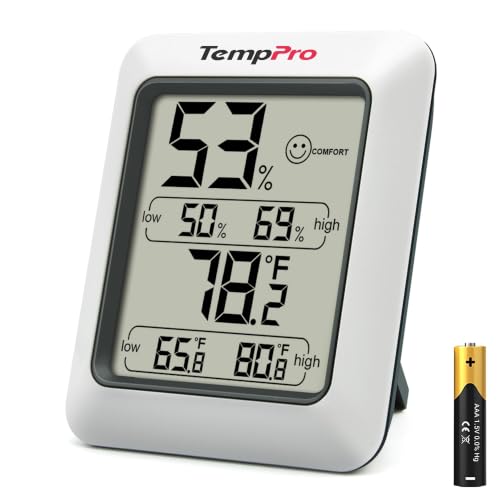
Many owners find that TempPro TP50 Thermometer ($10.99) works well for their pet’s needs.
Accurate weighing requires the right tool and the right timing. For tracking ball python weight in grams, a digital kitchen scale or pocket scale with accuracy of plus or minus 1 gram is sufficient. Spring scales are not accurate enough for small snakes and should be avoided — they typically have ±5-10% error margins, which is unacceptable for tracking juvenile growth where 50-100g represents a full month of progress.
Weighing Method
Step 1 — Tare the container. Place a plastic deli cup or small container on the scale. Press tare to zero the display. This ensures you are measuring only the snake’s weight.
Step 2 — Time the weighing correctly. Weigh at least 48 hours after feeding. A recently fed snake can weigh 10-20% more than its true baseline weight due to undigested prey in the digestive tract (ReptiFiles — Weighing Your Ball Python). Weighing too soon after a meal produces inflated numbers that skew your tracking data.
Step 3 — Place the snake gently. Transfer the snake into the tared container. For calm snakes, placing them directly on the scale works. For wiggly individuals, the deli cup method is easier — the snake will usually settle within 30 seconds.
Step 4 — Read and record. Wait for the number to stabilize. Record the weight with the date in a notebook, phone notes, or spreadsheet. A simple spreadsheet with columns for date, weight, and feeding status provides the clearest picture over time.
Weighing Frequency
Hatchlings and juveniles should be weighed every two weeks during their rapid growth phase. Sub-adults between 6 and 18 months can be weighed monthly.
Adults should be weighed monthly or with every feeding. Breeding females need more frequent monitoring — every two weeks during follicle development.
The idea of a ball python weight calculator comes up frequently in search queries, but a calculator is unnecessary if you use the chart above as a reference. Tracking actual weight over time on a spreadsheet is more useful than any formula.

Warning: Body Condition Scoring (BCS) — A systematic method of evaluating an animal’s nutritional status through visual and tactile assessment. In ball pythons, BCS focuses on three indicators: (1) spinal prominence — spine should be palpable but not visible, (2) skin turgor — skin should fit snugly without wrinkles or folds, and (3) body taper — the body should taper smoothly from mid-body to tail. BCS complements scale weight readings because two snakes at the same gram weight can have very different body compositions (VCA Hospitals — Reptile Body Condition Scoring).
Body Condition Scoring for Ball Pythons
For this purpose, Galápagos Mulch is a popular choice among pet owners.
Weight numbers tell one part of the story. Body condition tells the rest.
A snake at the correct weight on paper can still be overfat or undermuscled depending on body composition. Visual assessment complements scale readings.
Underweight: Red Flags
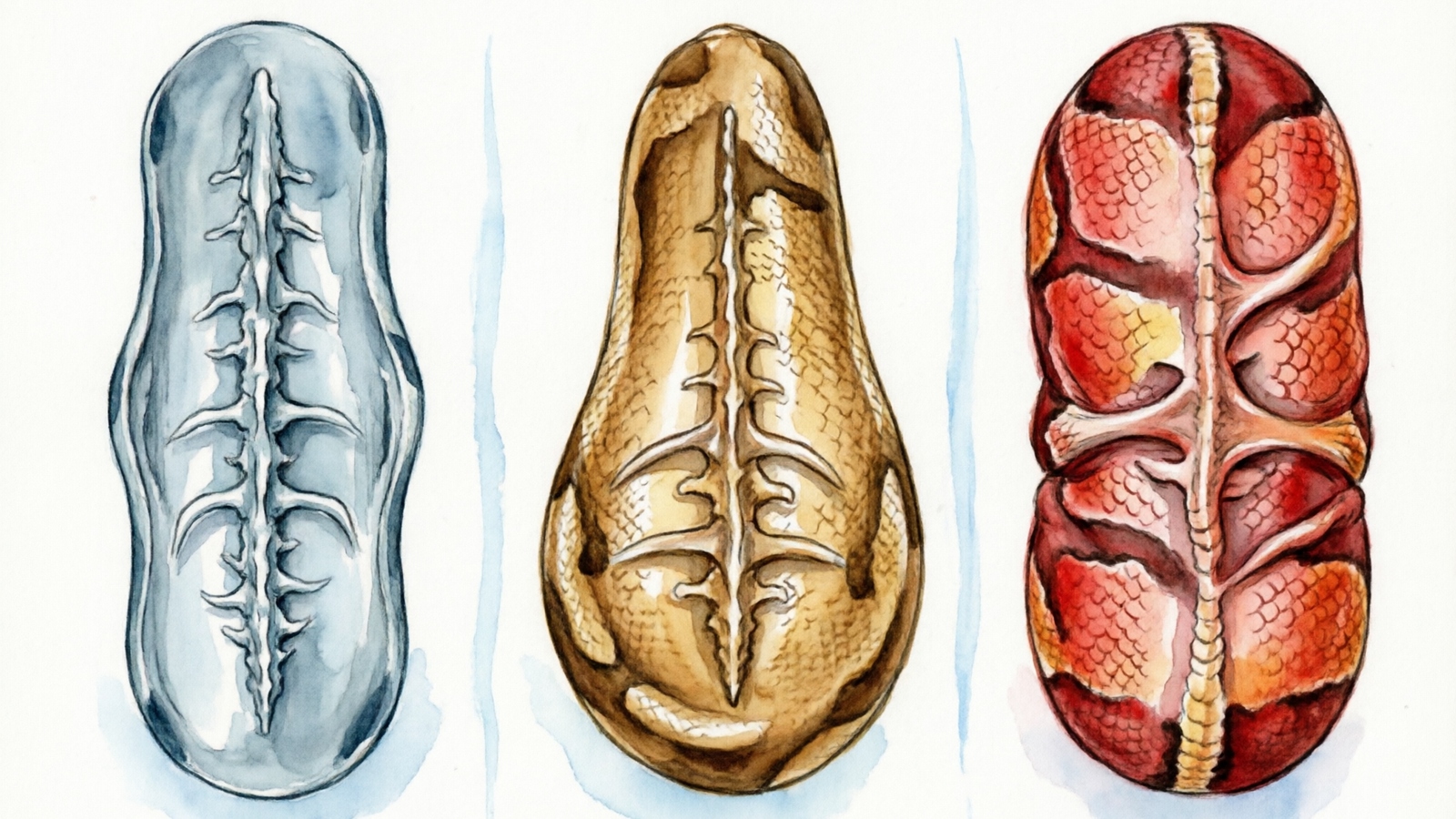
- Visible spine ridge along the back — you can see the vertebrae protruding, not just feel them. In healthy ball pythons, the spine should be palpable but not visually prominent; visible vertebrae indicate significant muscle and fat loss (VCA Hospitals — Physical Examination of Reptiles).
- Triangular body shape when viewed from above — wide head, narrow body, wide tail
- Sunken eyes or loose, wrinkled skin — indicates both dehydration and weight loss
- Lethargy, excessive hiding, and persistent refusal of meals
Common causes include underfeeding, internal parasites, respiratory infection, improper temperatures that prevent digestion, and chronic regurgitation. If weight loss continues for three or more weeks despite proper husbandry and feeding, consult a reptile veterinarian. Sudden weight loss exceeding 10% of total body weight warrants an immediate vet visit. In snakes, 10% body weight loss over 2-4 weeks correlates with elevated mortality risk — early veterinary intervention dramatically improves outcomes (VCA Hospitals — Emergency Assessment in Reptiles).
Ideal Weight
- Firm, muscular body — you can feel the spine with gentle pressure but cannot see it. This simple tactile test is the gold standard for body condition assessment in snakes used by reptile veterinarians worldwide (VCA Hospitals — Reptile Body Condition Scoring).
- Smooth, rounded body shape when viewed from above
- Skin fits snugly without wrinkles, folds, or sagging
- Active, alert behavior with a regular feeding response
- Even taper from mid-body to tail, no abrupt narrowing
This is the target condition for keepers. If your snake matches this profile, the specific gram number on the scale matters less than the overall trend.
Overweight: Warning Signs
Warning: Hepatic Lipidosis (Fatty Liver Disease) — A progressive, potentially fatal condition in reptiles caused by chronic excess calorie intake relative to energy expenditure. Fat accumulates in liver cells, impairing liver function and eventually causing organ failure. In ball pythons, hepatic lipidosis is almost exclusively caused by overfeeding combined with inadequate enclosure size and lack of exercise. Symptoms include reluctance to move, regurgitation, and a yellowish tinge to the oral mucosa. Diagnosis requires blood work (elevated liver enzymes) and is often only detected at advanced stages (Merck Veterinary Manual — Hepatic Lipidosis in Reptiles).
Overweight ball pythons are increasingly common in captivity, especially in small enclosures with year-round feeding schedules:
- Visible skin folds at the neck or along the body
- Noticeable fat deposits at the tail base, creating a “fat tail” appearance. Lipoma-like fat deposits in snakes are less common than in mammals but hepatic lipidosis (fatty liver disease) is the primary concern in overweight ball pythons (Merck Veterinary Manual — Hepatic Lipidosis in Reptiles).
- Inability to coil tightly — the body stays open and loose even at rest
- Scale spreading — skin visible between scales when the body stretches
- Sluggishness, reluctance to move, and spending all time in the hide
Overfeeding is the primary cause. Ball pythons in small enclosures with minimal exercise and no seasonal fasting cycle easily accumulate excess body fat.
The fix is straightforward — reduce feeding frequency. An adult that has been fed every 7 days can transition to every 10-14 days. Offer prey items at roughly 10-15% of the snake’s body weight to prevent oversized meals (ReptiFiles — Ball Python Feeding Guidelines).
Factors That Affect Ball Python Weight
Several variables influence where a ball python falls on the weight spectrum. Understanding these factors helps explain why two snakes of the same age can weigh very differently.
Feeding schedule is the most significant controllable factor — hatchlings fed every 5-7 days grow faster, while adults maintain weight on feeding every 10-14 days. Prey size should be roughly 10-15% of the snake’s body weight.
Genetics account for substantial individual variation. Some bloodlines are naturally smaller — certain Pastel lines tend toward lighter adult weights. Morph-specific size variation is well-documented in the ball python breeding community, though peer-reviewed data is limited (Merck Veterinary Manual — Genetic Variation in Captive Breeding). — while others grow larger. An individual variation of roughly 20% from chart averages is normal.
Sex determines the target range. Females are 15-30% heavier than males, as detailed in the comparison table above.
Temperature directly affects digestion — if the basking spot falls below 88 degrees Fahrenheit, the snake cannot digest food efficiently, leading to weight loss or stagnation even with regular feeding. > Warning: Ectothermic — Refers to organisms that rely on external environmental heat sources to regulate their body temperature and metabolic functions, rather than generating heat internally. Ball pythons are ectotherms — their digestive enzyme activity, immune response, and metabolic rate are all directly tied to environmental temperature. Unlike mammals, a ball python cannot “warm up” by shivering or increasing metabolic rate; it must physically move to a warmer area of its enclosure to digest food (Merck Veterinary Manual — Thermoregulation in Reptiles).
if the basking spot falls below 88 degrees Fahrenheit, the snake cannot digest food efficiently, leading to weight loss or stagnation even with regular feeding. Ball pythons are ectothermic — their digestive enzyme activity is directly tied to environmental temperature (Merck Veterinary Manual — Thermoregulation in Reptiles). See our ball python tank guide for proper enclosure sizing and heating setup.
Season influences adult feeding behavior. During cooler months, many adults refuse meals for one to three months. A 5-10% weight drop during this winter fasting period is normal.
Enclosure size affects activity level and energy expenditure. A ball python in a 4x2x2 foot enclosure moves more than one in a small tub system. Greater movement means more calories burned, which affects weight on the same feeding schedule.
Proper feeding frequency combined with adequate enclosure space produces the most consistent, healthy growth curves — snakes in appropriately sized enclosures tend to self-regulate better than those in cramped setups.
Ball Python Weight FAQ
How Big Is a 2 Year Old Ball Python?
A 2-year-old ball python typically weighs 1,000-1,800 grams and measures 30-48 inches, with males usually near adult size by this age. Females continue gaining until 2.5-3 years — if your male is below 800 grams or your female is below 1,200 grams, review the feeding schedule.
How Much Should a 9 Month Old Ball Python Weigh?
At 9 months, a healthy ball python should weigh 400-600 grams. They are in the moderate growth phase at this age, transitioning from rat pups to small rats.
If your 9-month-old is below 300 grams, check that you are feeding appropriate prey sizes — roughly 10-15% of body weight — and that the basking spot reaches 88-92 degrees Fahrenheit for proper digestion. Inadequate thermal gradients are the most common husbandry-related cause of poor weight gain in juvenile ball pythons (ReptiFiles — Ball Python Temperature Requirements).
How Many Pounds Is a Ball Python?
Adult ball pythons weigh 2-5 pounds — males average 1.8-3.3 pounds and females average 3.3-5.5 pounds, while hatchlings start at just 0.1-0.3 pounds.
How Much Does a Python Snake Weigh in KG?
Adult ball pythons weigh 0.5-1.1 kilograms — males average 0.4-0.7 kg and females average 0.7-1.1 kg. They are the smallest python species; for comparison, reticulated pythons can exceed 160 kg.