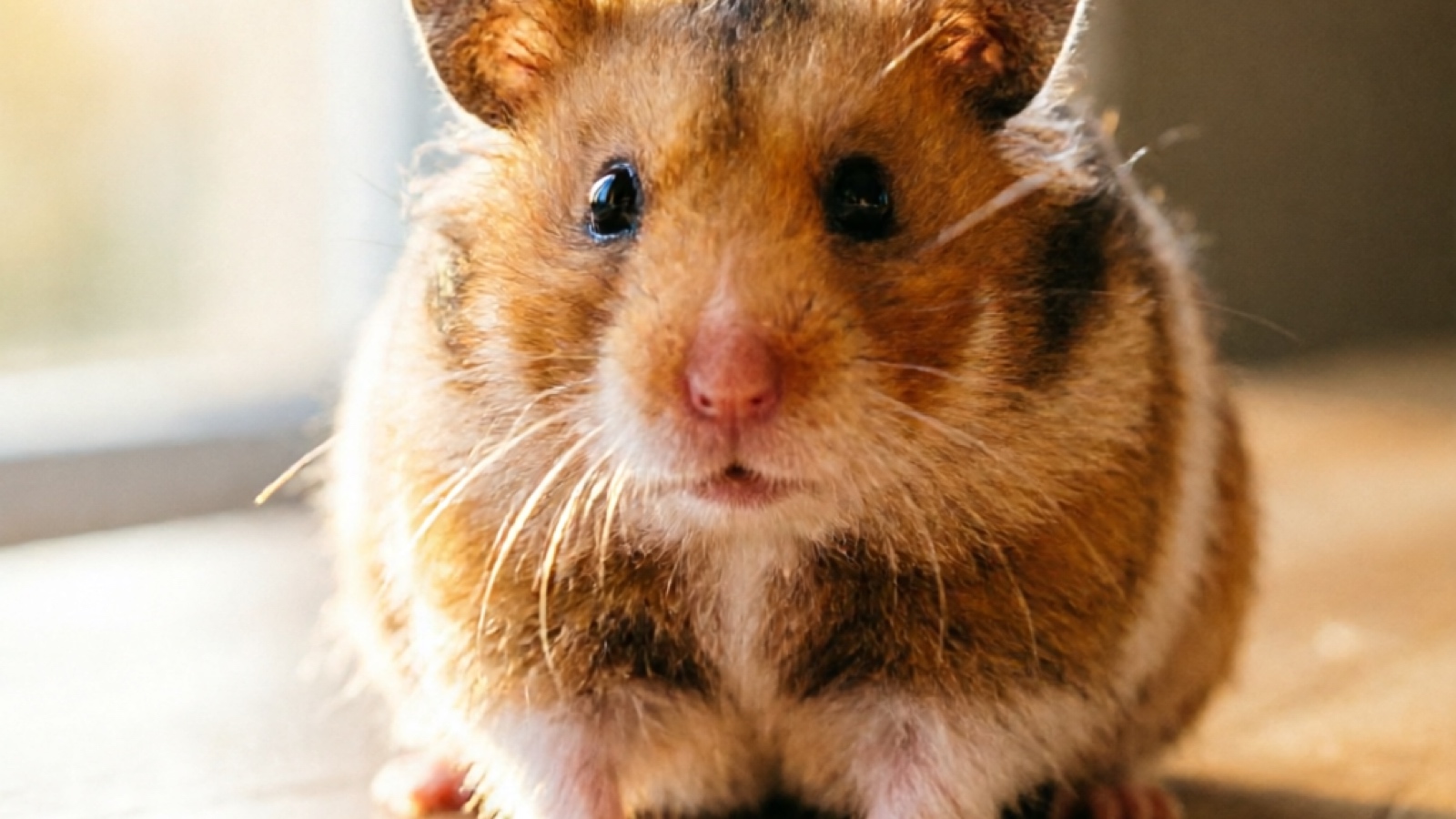
What Is a Syrian Hamster?
The Syrian hamster (Mesocricetus auratus) is the most popular pet hamster species in the world, and for good reason. Originally discovered in the wild near Aleppo, Syria in 1930, these charming rodents have become beloved household pets across the globe. They are also known as Golden hamsters or Teddy Bear hamsters (the long-haired variety), but all belong to the same species.
In the wild, Syrian hamsters live in dry, arid regions and are solitary, territorial animals that dig deep burrows — sometimes up to 6 feet underground. This natural behavior explains why they need plenty of bedding depth and space in captivity. They are nocturnal and crepuscular, meaning they are most active during dawn and dusk hours.
If you’re considering a pet hamster, the Syrian hamster is widely regarded as the best choice for first-time owners. For a complete startup checklist, see our first-time hamster owner guide, or check out our complete hamster breeds guide for a comparison of all five pet hamster species.
Syrian Hamster Size & Weight
The Syrian hamster is the largest of all pet hamster species, which is one of the reasons they’re so popular — their size makes them easier to handle than dwarf varieties.
| Stage | Age | Size | Weight |
|---|---|---|---|
| Baby | 0–4 weeks | 2–3 inches | 0.5–1 oz |
| Juvenile | 4–12 weeks | 3–5 inches | 2–4 oz |
| Adult | 12+ weeks | 6–7 inches | 5–7 oz |
Males tend to be slightly larger and heavier than females, often reaching the upper end of the weight range. Fully grown Syrian hamsters reach their adult size by approximately 12 weeks of age, though they may continue to fill out slightly until 6 months.
A healthy adult Syrian hamster should feel firm and well-muscled when gently held — not bony or excessively round. Regular weight monitoring can help detect health issues early.
Syrian Hamster Colors & Coat Types
One of the most appealing aspects of the Syrian hamster is the incredible variety of colors and coat types available through decades of selective breeding.
Common Colors
- Golden — The original wild color; warm golden-brown with a white belly
- Cream — Pale cream or ivory all over
- Cinnamon — Light reddish-brown with a grey undercoat
- Black — Solid black with white paws
- White — Pure white with dark eyes (not albino)
- Grey — Silver-grey or dark grey variations
- Tortoiseshell — Mixed patches of golden and black (found only in females)
Coat Types
- Short-haired — The most common; smooth, short fur that’s easy to maintain
- Long-haired (Teddy Bear) — Fluffy, flowing fur up to 2 inches long; requires more grooming
- Satin — Silky, glossy coat with a distinctive sheen
- Rex — Wavy, curly fur with curled whiskers

The golden Syrian hamster remains the most common color found in pet stores, but specialty breeders offer an impressive range of color mutations. Some rare and sought-after varieties include the dark-eared white, the honey bear (a warm caramel-gold), and the silver-grey. Color does not affect a Syrian hamster’s personality or care requirements — it’s purely an aesthetic preference for the owner.
When selecting a long-haired Syrian hamster (teddy bear), keep in mind that males typically develop the longest, most impressive coats. Females can also be long-haired but usually have shorter fur. Long-haired Syrians may need occasional gentle brushing, especially around the rear end, to prevent matting and keep their coat clean.
Regardless of coat type, Syrian hamsters are generally low-maintenance groomers. Long-haired varieties benefit from occasional gentle brushing with a soft-bristled brush.
Syrian Hamster Temperament & Personality
The Syrian hamster temperament is one of their biggest selling points. Compared to dwarf hamster species, Syrians are:
- More docile — They are calm and less likely to bite when properly socialized
- Easier to handle — Their larger size and slower movements make them comfortable to hold
- More interactive — Many Syrians enjoy climbing onto their owner’s hand and being gently petted
- Territorial — They must always live alone (one per cage), as they will aggressively fight other hamsters
Syrian hamsters are best suited for adults and children aged 8 and older. Young children should always be supervised during handling. Taming works best when you start slowly: offer treats from your hand, let the hamster come to you, and keep initial sessions to 5–10 minutes.
Syrian hamsters communicate through a variety of vocalizations and body language. A content hamster may stretch, yawn, and groom itself openly. Squeaking or clicking sounds during exploration are normal. However, loud squealing, teeth chattering (chattering), or hissing indicates fear or aggression — give the hamster space in these situations. Understanding these signals helps build trust and prevents stressful interactions.
It’s worth noting that Syrian hamsters have relatively poor eyesight and rely primarily on their excellent sense of smell and hearing to navigate their environment. This is why they benefit from a consistent cage layout — frequently rearranging their habitat can cause disorientation and stress. When cleaning, try to keep food bowls, water bottles, and their main hideout in the same general positions.
Learn more about hamster behavior and body language to better understand your pet’s mood and needs.
Syrian Hamster Lifespan
A common question from prospective owners is: how long do Syrian hamsters live? The average Syrian hamster lifespan is 2 to 3 years in captivity. With exceptional care, some individuals may reach 3.5 to 4 years, though this is less common.
Several factors influence lifespan:
| Factor | Impact on Lifespan |
|---|---|
| Genetics | Baseline lifespan determined by breeding; avoid pet store hamsters from unknown sources |
| Diet quality | High-quality pellets + fresh vegetables support long-term health |
| Exercise | Daily wheel running (4–6 miles/night) prevents obesity and related diseases. See our hamster wheel size chart for the right diameter. |
| Cage size | Larger enclosures reduce stress and promote natural behaviors |
| Veterinary care | Prompt treatment of wet tail, respiratory infections, and tumors |
The most common health issues that shorten Syrian hamster lifespan include wet tail (a serious bacterial infection most common in young hamsters), respiratory infections, dental problems, and tumors. Compare with all hamster lifespan data across different species.
Syrian Hamster Diet & Nutrition
A proper Syrian hamster diet is straightforward but requires consistency. These hamsters are omnivores in the wild, but in captivity, their nutritional needs are best met with a structured approach:
Daily Diet (1–2 tablespoons total)
- Base: High-quality pellets — We recommend Oxbow Essentials Adult Hamster Food as the staple diet. Uniform pellets prevent selective eating, ensuring balanced nutrition with every bite.
- Fresh vegetables — Small daily portions of broccoli, carrot, cucumber, or bell pepper
- Fresh water — 10–12 ml daily via a hanging water bottle
Weekly Treats (1–2 times per week)
- Safe fruits: apple (no seeds), blueberry, strawberry, banana
- Protein: mealworms, hard-boiled egg, plain cooked chicken
Foods to Avoid
- Citrus fruits, onions, garlic, leeks
- Chocolate, candy, sugary or salty foods
- Raw potatoes, almonds, apple seeds
- Junk food, processed human food
Feeding Schedule
Establish a consistent feeding routine for your Syrian hamster. Offer their daily portion of pellets in the evening when they naturally wake up, as this aligns with their crepuscular activity pattern. Remove any uneaten fresh food after 24 hours to prevent spoilage. Water should always be available — check the bottle daily and clean it thoroughly at least once a week to prevent algae and bacteria buildup.
Syrian hamsters are natural hoarders and will stuff their cheek pouches with food to carry back to their nesting area. This is completely normal and healthy behavior. Never attempt to empty their cheek pouches by hand, as this can cause injury. If food becomes impacted in the pouches (signs include swelling and difficulty eating), seek veterinary help immediately.
Syrian hamsters have a habit of hoarding food in their cheek pouches and hiding it around their cage. This is completely normal behavior — don’t remove their hidden stashes, as it can cause stress. See our complete hamster diet guide for more details.
Syrian Hamster Housing & Care
Proper housing is critical for a Syrian hamster’s physical and mental health. These are active animals that need significant space to run, dig, and explore. For a full step-by-step walkthrough of putting together the ideal habitat, check out our how to set up a hamster cage guide.
Cage Requirements
The minimum recommended floor space is 450 square inches (approximately 30” × 15”), though larger is always better. A proper Syrian hamster enclosure should include:
- Solid bottom — No wire or mesh flooring, which can cause foot injuries (bar rub)
- Deep bedding — At least 6 inches of paper-based or aspen bedding for burrowing
- 8.5”+ exercise wheel — Syrian hamsters need a large wheel to prevent back arching. We recommend the Niteangel Super-Silent Wheel in size L or XL for Syrian hamsters.
- Hideouts — At least 2 hiding spots (one for sleeping, one for food hoarding)
- Temperature — 65–75°F (18–24°C), away from direct sunlight and drafts
For Syrian hamsters, we recommend the Prolee Chewproof 32” Cage — its 32-inch footprint exceeds the minimum space requirement, and the chewproof acrylic design prevents escape attempts.
Bedding & Substrate
The best bedding options for Syrian hamsters are paper-based products (such as Carefresh or Kaytee Clean & Cozy) or aspen shavings. Avoid pine and cedar shavings entirely — the phenols in these softwoods cause respiratory and liver damage. Provide at least 6 inches of bedding depth to allow natural burrowing behavior. Some Syrian hamsters will create elaborate tunnel systems in deep bedding, which is excellent enrichment.
Clean the cage on a weekly basis, but avoid completely stripping all bedding at once. Remove soiled areas and replace with fresh bedding while leaving some of the old, familiar-scented bedding in place. This reduces stress and keeps your hamster comfortable. Spot-clean the toilet area daily.

Read our complete Syrian hamster care guide for detailed daily and weekly care routines.
Syrian Hamster Health Problems
Being aware of common Syrian hamster health problems helps you catch issues early and seek veterinary treatment promptly.
Wet Tail
The most serious and common illness in Syrian hamsters, especially those under 12 weeks old. Symptoms include a wet, soiled area around the tail, diarrhea, lethargy, and loss of appetite. Wet tail is a medical emergency — it can be fatal within 24–48 hours if untreated. See our wet tail guide for detailed symptoms and treatment.
Respiratory Infections
Characterized by sneezing, wheezing, nasal discharge, and labored breathing. Often caused by dusty bedding (avoid pine and cedar), drafts, or poor ventilation. Move the hamster to a warm, draft-free area and consult an exotic vet.
Dental Problems
Syrian hamsters’ teeth grow continuously. Signs of overgrown teeth include difficulty eating, drooling, and weight loss. Provide wooden chew toys and safe twigs to help wear teeth down naturally.
Skin Conditions
Hair loss, scabs, or excessive scratching may indicate mites, fungal infections, or allergies. Consult a vet for proper diagnosis — over-the-counter treatments can sometimes worsen the condition.
Tumors
Both benign and malignant tumors are relatively common in older Syrian hamsters. Any unusual lump should be examined by a veterinarian promptly. Early surgical removal of benign tumors has a good success rate.
Check our hamster health guide for a comprehensive overview of symptoms, prevention, and when to see a vet.
Syrian vs Dwarf Hamsters
If you’re deciding between a Syrian hamster and a dwarf variety, here’s a quick comparison:
| Feature | Syrian Hamster | Dwarf Hamsters |
|---|---|---|
| Size | 6–7 inches | 2–4 inches |
| Lifespan | 2–3 years | 1.5–2 years |
| Temperament | Docile, easy to handle | Faster, more skittish |
| Housing | Solitary only | Some species can pair |
| Cage size | 450+ sq in minimum | 360+ sq in minimum |
| Best for | Beginners, children | Experienced owners |
Read our detailed Syrian vs Dwarf hamster comparison to help make your decision.
Syrian Hamster Exercise & Enrichment
Exercise is essential for a Syrian hamster’s physical and mental wellbeing. In the wild, these hamsters run several miles each night searching for food, so captive hamsters need outlets for this natural energy.
Essential Exercise Equipment
- Exercise wheel — A Syrian hamster wheel must be at least 8.5 inches in diameter. Wheels that are too small force the hamster to arch their back while running, which can cause long-term spinal problems. The wheel surface should be solid (not wire or mesh) to prevent foot injuries.
- Tunnels and tubes — Syrian hamsters love exploring tunnel systems. PVC tubes, cork tunnels, and bendable wooden tunnels provide excellent enrichment.
- Digging box — A separate container filled with safe soil or extra-deep bedding satisfies their instinct to burrow.
- Chew toys — Wooden blocks, willow branches, and apple wood sticks help wear down continuously growing teeth.
- Foraging toys — Scatter feeding, treat balls, and puzzle feeders encourage natural foraging behavior and mental stimulation.
Handling & Bonding Tips
Start with short 5-minute handling sessions and gradually increase duration. Always approach your Syrian hamster from the side rather than from above (which mimics a predator). Let the hamster sniff your hand first, then gently scoop them up with both hands, supporting their entire body including the tail end. Never wake a sleeping hamster abruptly — this can cause stress and defensive biting.
Syrian hamsters are most receptive to handling during their active hours in the evening. Avoid handling during the day when they are naturally sleepy, as this increases the chance of being nipped.
How Much Does a Syrian Hamster Cost?
The initial cost of a Syrian hamster is relatively low, but ongoing care expenses add up over their 2–3 year lifespan.
| Expense | Estimated Cost |
|---|---|
| Hamster (breeder) | $15–$40 |
| Hamster (pet store) | $10–$25 |
| Cage (proper size) | $60–$150 |
| Exercise wheel | $25–$45 |
| Water bottle + food bowl | $10–$15 |
| Bedding (monthly) | $10–$20 |
| Pellet food (monthly) | $8–$15 |
| Fresh vegetables (weekly) | $5–$10 |
| Veterinary care (annual) | $50–$150 |
| Total first year | $200–$450 |
| Monthly ongoing | $25–$50 |
Choose a hamster from a reputable breeder when possible, as they tend to be healthier and better socialized than pet store hamsters. Look for bright, clear eyes; a clean, dry coat; and alert, curious behavior. Avoid hamsters that appear lethargic, have wet or matted fur around the tail area, or show signs of breathing difficulty.
Conclusion
The Syrian hamster remains the most popular pet hamster for excellent reasons: they’re friendly, easy to care for, and available in a stunning variety of colors and coat types. With proper housing (minimum 450 sq in), a nutritious diet, regular exercise, and prompt veterinary attention when needed, a Syrian hamster can be a wonderful companion for 2–3 years.
Whether you choose a classic golden short-haired Syrian or a fluffy teddy bear long-haired variety, the key to a happy hamster is providing adequate space, enrichment, and respect for their solitary nature. They may be small, but Syrian hamsters have big personalities that make them genuinely rewarding pets.