Quick Answer
Yes, hamsters can eat eggs — but only when fully cooked. Boiled and scrambled eggs are both safe when prepared plain, making can hamsters eat eggs one of the most common questions new hamster owners ask.
Eggs for hamsters are a protein-rich supplementary treat, not a meal replacement. Think of them as a weekly protein boost — not a dietary staple.
The golden rules are simple: pea-sized portion, served 1–2 times per week maximum, and always fully cooked. Raw eggs are dangerous due to salmonella risk and a protein called avidin that blocks biotin absorption, which can cause skin and coat problems.
Eggs provide real nutritional value — protein, B vitamins, selenium, and iron — that support your hamster’s muscle development, immune system, and overall health. But they are also high in fat and cholesterol, which is why strict portion control matters. Eggs should only be an occasional supplement, never a dietary staple.
This guide covers preparation methods, breed-specific portions, nutritional breakdowns, and what to avoid completely.
Nutritional Benefits of Eggs for Hamsters
Can hamsters eat eggs for their nutritional benefits? Absolutely — eggs pack a concentrated dose of nutrients into a tiny serving. Understanding can hamsters eat eggs safely comes down to knowing the right portions and preparation methods.
Protein Content
A single large egg contains about 6.3 grams of protein — split between the white (3.6g) and the yolk (2.7g).
Hamsters need protein to maintain muscle mass, support immune function, and fuel their naturally active lifestyles. When owners ask can hamsters eat eggs for protein, the data supports it — in moderation.
According to the USDA National Nutrient Database, eggs also provide significant amounts of B vitamins: B12 (0.56mcg per egg), riboflavin (0.23mg), and folate (24mcg). These support energy metabolism and nervous system health.
Eggs also contain selenium (15.4mcg), iron (0.55mg), and zinc (0.65mg) per egg — minerals that support immune defense and cellular repair.
Protein Source Comparison
Not all protein sources are equal for hamsters. This table compares egg nutrition against common alternatives. For more options, see our guide to protein treats for hamsters.
| Protein Source | Protein | Fat | Calories (per 10g) | Best For |
|---|---|---|---|---|
| Hard-boiled egg | 12.6g/100g | 10.6g/100g | 15 kcal | Quick protein boost |
| Niteangel Freeze-Dried Worms | ~50g/100g | ~15g/100g | 35 kcal | Hamster-specific protein |
| Abizoo Freeze-Dried Tofu | ~45g/100g | ~5g/100g | 25 kcal | Low-fat plant protein |
| Commercial seed mix | ~14g/100g | ~30g/100g | 50 kcal | Daily base diet |
| Mealworms (dried) | ~53g/100g | ~28g/100g | 45 kcal | High-protein treat |
Niteangel Freeze-Dried Worms → Amazon
The Niteangel worms are specifically marketed for hamsters and small pets, making them a convenient protein alternative when you don’t have time to boil eggs.
Niteangel Freeze-Dried Worms → Amazon
The Abizoo tofu offers a plant-based option with significantly less fat than eggs — useful for dwarf hamsters prone to obesity.
Abizoo Freeze-Dried Tofu → Amazon
The key takeaway: boiled eggs are the safest option. But eggs have more fat than worm or tofu alternatives. For a low-fat option, the Abizoo Freeze-Dried Tofu provides a plant-based swap.
Rotate between different protein sources to keep your hamster’s diet balanced and interesting.
How to Prepare Eggs for Hamsters (Step-by-Step)
Preparation matters as much as portion size. The wrong cooking method can turn a healthy treat into a dangerous one. Here is how to prepare eggs safely for your hamster.
Hard-Boiled Eggs (Best Option)
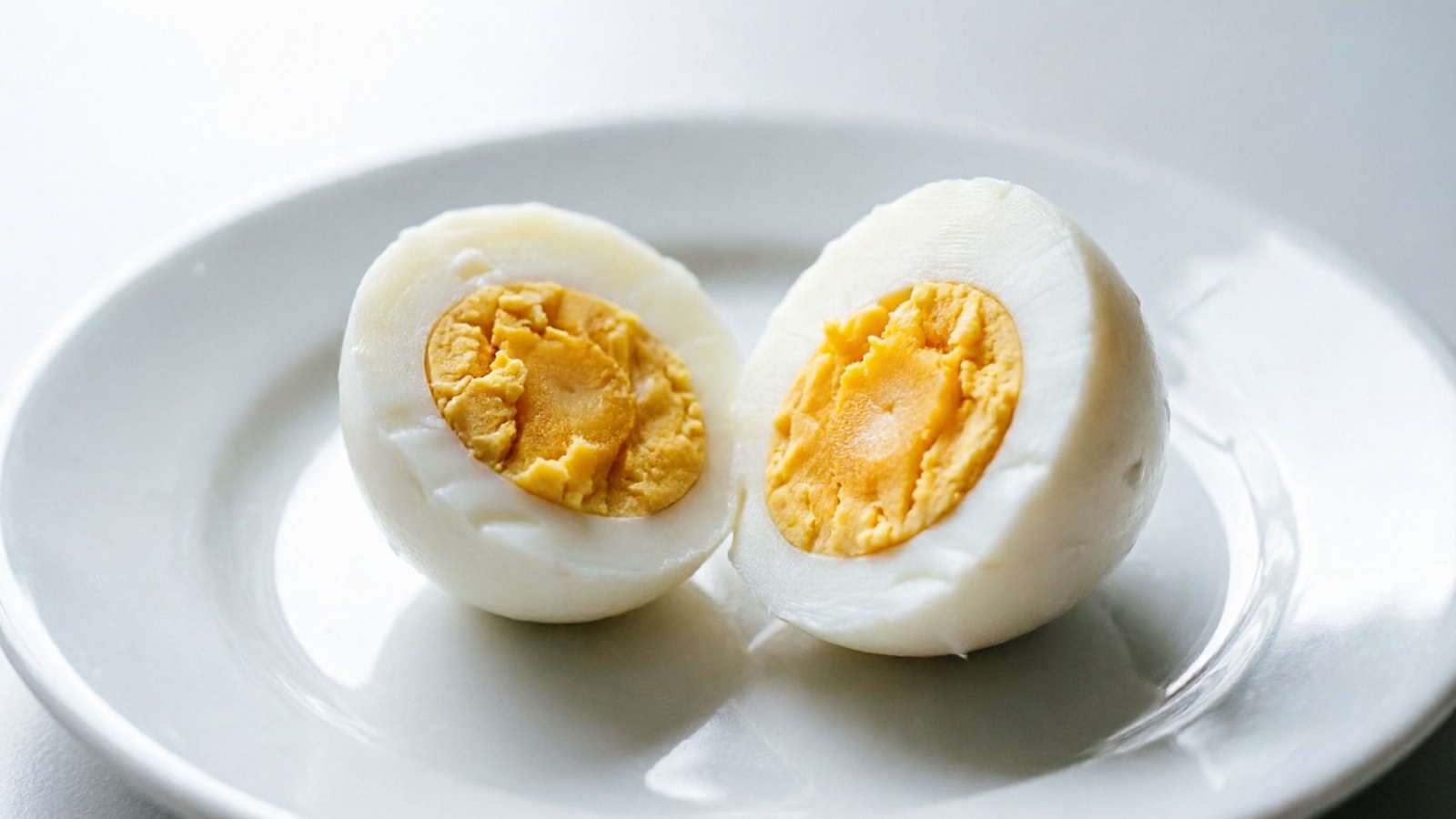
Hard-boiled is the best preparation method. No added fats, no seasonings, and the texture is easy to mash into tiny pieces.
-
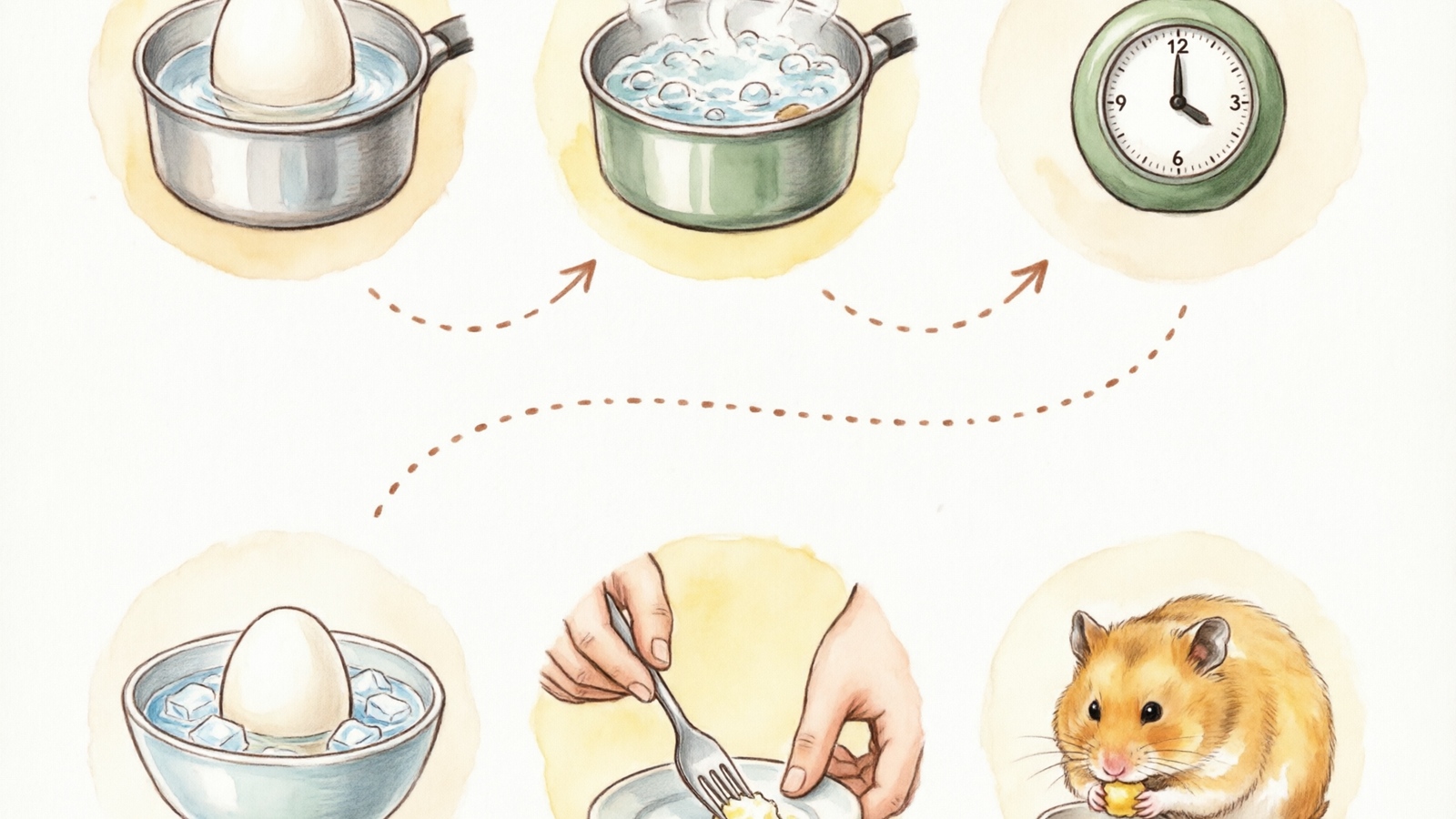
Place the egg in cold water. Submerge a single egg in a small pot of cold water, covering it by about an inch.
-
Bring to a rolling boil. Heat on high until the water reaches a full boil, then reduce to medium-high.
-
Boil for 10 minutes. This ensures the yolk is fully cooked through — no runny or soft centers. Undercooked yolks carry salmonella risk.
-
Cool completely. Transfer the egg to cold water for 5 minutes. Never serve warm eggs to your hamster — they can burn their delicate cheek pouches.
-
Peel and portion. Remove the shell, then cut a pea-sized piece (about ¼ teaspoon). Mash or crumble it with a fork to make it easier for your hamster to eat.
-
Serve in a small dish. Place the portion in a clean ceramic dish or bottle cap inside the cage. Remove any uneaten egg after 2 hours to prevent spoilage.
For more ideas on supplementing your hamster’s meals with fresh foods, see our guide to homemade hamster food.
Scrambled Eggs (Plain Only)
Can hamsters eat scrambled eggs safely? Yes — but only if prepared completely plain.
-
Crack the egg into a cold non-stick pan. Use no oil, no butter, no cooking spray — just the egg and the pan.
-
Cook on low heat. Stir gently with a silicone spatula as the egg sets. Low heat prevents browning and keeps the texture soft.
-
Scramble until fully set. No wet or runny areas should remain. The entire egg must be solid and cooked through.
-
Cool completely before serving. Transfer to a plate and wait until it reaches room temperature.
-
Portion the same as boiled. A pea-sized amount (¼ teaspoon), mashed or broken into tiny pieces.
Scrambled eggs are softer and easier for some hamsters to eat, especially older hamsters with dental sensitivity. The nutritional profile is nearly identical to boiled eggs when prepared without added fats. For those wondering about scrambled eggs, the answer is yes — as long as they are completely plain.
If cooking fresh eggs feels like too much effort for a pea-sized portion, freeze-dried options offer a convenient alternative. The Dancing Tail Freeze-Dried Quail Egg Yolk is shelf-stable and requires no preparation — just crumble a tiny piece and serve.
Dancing Tail Quail Egg Yolk → Amazon
The freeze-dried format means no cooking, no mess, and a longer shelf life than fresh eggs. It is a convenient backup for busy hamster owners.
What NOT to Feed: Raw, Fried & Seasoned Eggs
Understanding the scientific reasons behind egg safety helps hamster owners make informed feeding decisions.
- Avidin is a glycoprotein found in raw egg whites that binds tightly to biotin (vitamin B7), preventing its absorption. In hamsters, chronic biotin deficiency leads to skin lesions, fur loss, and neurological symptoms. Cooking eggs at 160°F (71°C) or above denatures avidin completely, eliminating this risk.
- Salmonella is a genus of rod-shaped bacteria commonly found on egg shells and in raw eggs. Hamsters — weighing only 20–180g — are far more susceptible to salmonella infection than humans, and infection can be fatal without prompt veterinary treatment.
- Calcium carbonate (CaCO₃) makes up approximately 95% of an eggshell’s mass. When finely ground and fed in tiny amounts, it provides a bioavailable calcium source that supports bone density and the continuous growth of hamster incisors.
Raw Eggs — The Biggest Danger
Can hamsters eat raw eggs safely? Absolutely not. Raw eggs pose two serious health risks to hamsters:
-
Salmonella contamination. Raw eggs can carry Salmonella bacteria, which causes severe gastrointestinal illness in small animals. Hamsters have sensitive digestive systems that are far more vulnerable to bacterial infection than humans.
-
Biotin deficiency from avidin. Raw egg whites contain avidin, a protein that binds to biotin (vitamin B7) and prevents its absorption. Chronic biotin deficiency causes skin lesions, hair loss, and neurological problems in hamsters. Cooking destroys avidin completely.
Fried Eggs
Can hamsters eat fried eggs? No. Even small amounts of cooking oil add unnecessary fat that contributes to obesity and pancreatitis. The high cooking temperature also creates compounds that can irritate a hamster’s digestive tract.
Seasoned Eggs
Any eggs prepared with salt, pepper, garlic powder, onion powder, or other spices are toxic to hamsters.
Hamsters cannot process sodium — even a small pinch of salt exceeds their daily safe limit. Garlic and onions are directly toxic and can cause anemia. For a complete list of unsafe foods, see our complete hamster diet guide.
Dangerous egg preparations to avoid:
- ❌ Raw eggs — salmonella risk + avidin blocks biotin
- ❌ Fried eggs — oil and butter cause obesity
- ❌ Scrambled with milk — hamsters are lactose intolerant
- ❌ Salted or seasoned eggs — sodium and spice toxicity
- ❌ Pickled eggs — vinegar and salt are harmful
- ❌ Egg salad — contains mayo, mustard, and seasonings
How Much Egg Can Your Hamster Eat? (Breed Guide)
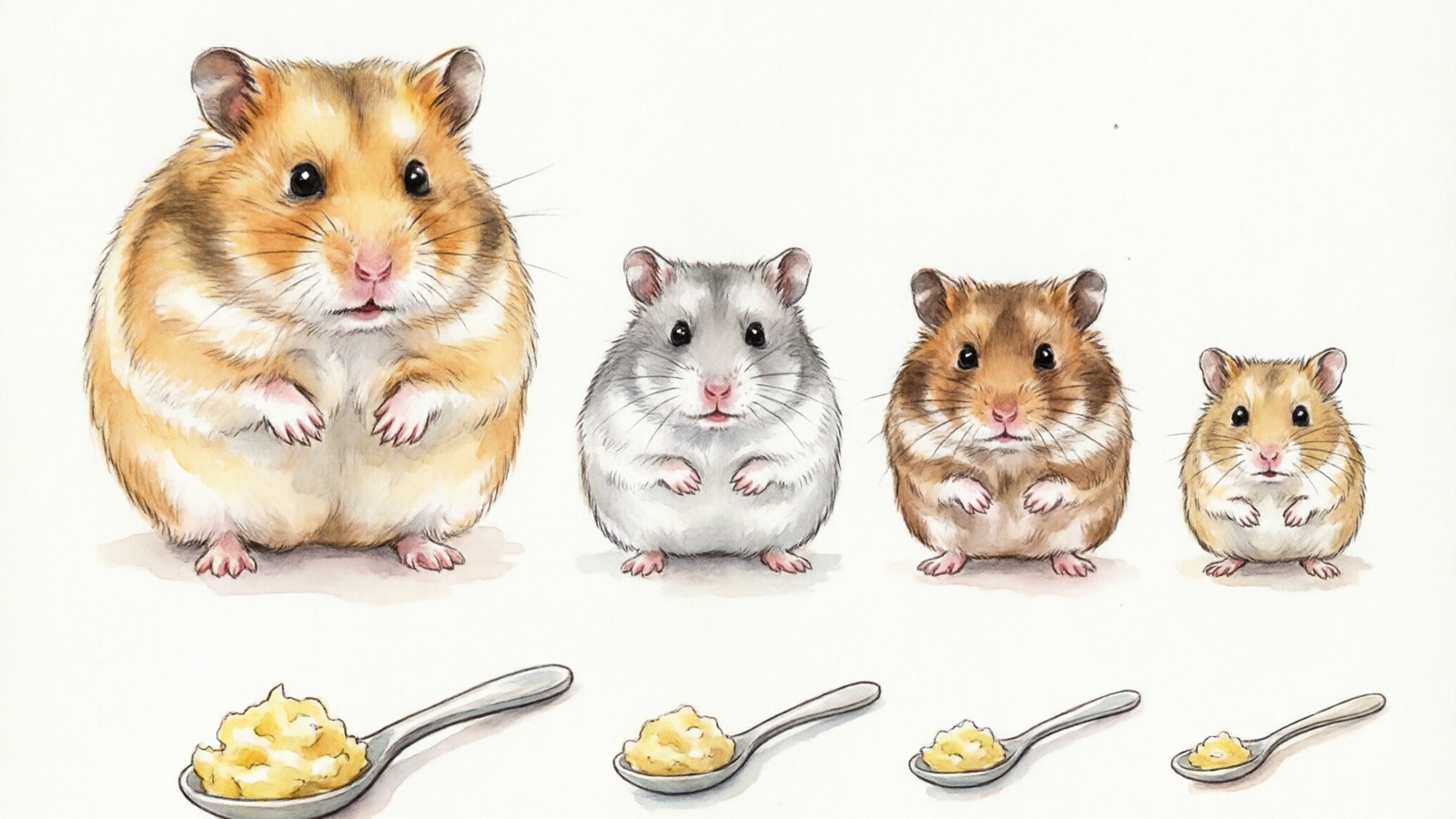
Portion sizes vary significantly by hamster breed. A Syrian hamster weighing 150g can handle much more egg than a 25g Roborovski dwarf.
Breed Portion Guide
| Breed | Adult Weight | Egg Portion | Frequency | Notes |
|---|---|---|---|---|
| Syrian | 120–180g | ½ teaspoon | 1–2x/week | Can handle slightly larger portions |
| Winter White | 20–45g | ¼ teaspoon | 1x/week | Diabetes-prone, limit fat |
| Roborovski | 20–30g | ⅛ teaspoon | 1x/week | Smallest breed, smallest portion |
| Campbell’s | 20–45g | ¼ teaspoon | 1x/week | Monitor weight closely |
| Chinese | 30–45g | ¼ teaspoon | 1x/week | Less active, watch calories |
For detailed care guidance, see our Syrian hamster care guide and our Winter White hamster breed page.
Why Breed Matters
Syrian hamsters have larger bodies and faster metabolisms, allowing them to process slightly more fat and protein. Dwarf species — especially Winter Whites and Campbell’s — are genetically prone to diabetes and obesity. The extra calories from egg yolks can push them toward unhealthy weight gain quickly.
For lower fat content, consider offering just the egg white instead of the whole egg. Egg whites provide pure protein with almost no fat, making them a safer choice for diabetes-prone breeds.
To ensure your hamster gets balanced nutrition beyond egg treats, the Oasis Hamster Vita-Drops provide a comprehensive vitamin supplement that fills nutritional gaps in any diet.
These drops dissolve in drinking water and deliver essential vitamins that support immune health, skin condition, and overall vitality.
Egg Yolk vs Egg White for Hamsters
Understanding yolk vs white nutrition helps you choose the right part for your hamster’s specific needs.
| Nutrient | Egg Yolk (per egg) | Egg White (per egg) |
|---|---|---|
| Calories | 55 kcal | 17 kcal |
| Protein | 2.7g | 3.6g |
| Fat | 4.5g | 0.06g |
| Cholesterol | 210mg | 0mg |
| Vitamin A | 245 IU | 0 IU |
| B12 | 0.33mcg | 0.03mcg |
| Iron | 0.46mg | 0.03mg |
Egg yolk is the nutritional powerhouse — it contains nearly all the vitamins and minerals, including vitamins A, D, E, K, and B12. But it is also high in fat and cholesterol, making it a calorie-dense treat.
Egg white is almost pure protein with virtually no fat. For dwarf hamsters prone to obesity, egg whites are the safer choice. They deliver protein without the fat burden.
Can hamsters eat egg yolk only? Yes — the yolk is the most nutritious part and is perfectly safe in the same pea-sized portion. Offering the whole egg works well for Syrian hamsters, while just the white suits dwarf breeds better. Either part alone is acceptable in proper portions. This yolk-versus-white breakdown is a key part of answering can hamsters eat eggs by component.
Can Hamsters Eat Eggshells?
Can hamsters eat eggshells? Yes — but they require careful preparation. Eggshells are about 95% calcium carbonate, making them a concentrated calcium source that supports bone health and dental strength.
How to Prepare Eggshells for Hamsters
-
Boil the shells. After peeling a hard-boiled egg, place the empty shells back in boiling water for 5 minutes. This kills any remaining bacteria on the shell surface.
-
Dry completely. Spread the boiled shells on a baking sheet and dry them in the oven at 250°F (120°C) for 10 minutes. Moisture breeds bacteria.
-
Crush into fine powder. Use a mortar and pestle, or place the dry shells in a plastic bag and crush with a rolling pin. The powder must be fine — any sharp fragments can injure your hamster’s mouth or cheek pouches.
-
Sprinkle a tiny pinch. Mix a small pinch of the powder into your hamster’s regular food once per week. Do not offer large pieces or chunks.
Important safety note: Never feed raw eggshells. Even washed raw shells can harbor salmonella. Always boil before crushing.
If grinding eggshells at home feels tedious, pre-made eggshell powder saves time and eliminates contamination risk.
Natures Vitality Eggshell Powder → Amazon
This finely ground powder is sourced from USA farms and requires zero preparation — just sprinkle a tiny amount over food.
It is a cleaner, safer alternative to DIY eggshell crushing.
Natures Vitality Eggshell Powder → Amazon
Can Hamsters Eat Quail Eggs?
Can hamsters eat quail eggs? Yes — and they may actually be a better fit than chicken eggs. Quail eggs are much smaller, which makes portioning easier and reduces waste.
A single quail egg weighs about 9–12g compared to a chicken egg’s 50g. For Syrian hamsters, one quail egg yolk is close to a perfect single serving — no cutting or guessing required.
The nutritional profile is similar to chicken eggs, with slightly higher yolk-to-white ratio. Quail eggs contain proportionally more B vitamins and iron per gram than chicken eggs, according to USDA data.
The same safety rules apply: boil fully, cool completely, serve plain with no seasonings. Quail eggs should follow the same frequency guidelines — once or twice per week maximum.
The Dancing Tail Freeze-Dried Quail Egg Yolk mentioned earlier is an even more convenient way to offer quail egg nutrition without the cooking step.
Dancing Tail Quail Egg Yolk → Amazon
Each piece is already portioned for small pets — just crumble a tiny amount and serve.
Signs of Egg Intolerance & When to Stop
Not every hamster tolerates eggs well. Watch for these signs after offering eggs for the first time:
Digestive symptoms:
- Diarrhea or soft, watery stools within 24 hours of eating egg
- Bloating or a visibly swollen abdomen
- Refusing to eat regular food after an egg treat
Allergic reactions:
- Excessive scratching or skin irritation
- Redness around the mouth or paws
- Unusual lethargy or decreased activity
Weight-related signs:
- Gradual weight gain over several weeks of regular egg feeding
- Reduced interest in normal food in favor of waiting for egg treats
What to do: If you notice any of these symptoms after feeding eggs, stop immediately. Can hamsters eat eggs safely long-term depends on individual tolerance. Most symptoms resolve within 48 hours once eggs are removed from the diet. If diarrhea persists beyond 48 hours or your hamster stops eating entirely, consult an exotic veterinarian — these may indicate a more serious condition unrelated to eggs.
Most hamsters tolerate eggs well when portions are kept small. The problems almost always come from overfeeding — giving too much, too often. Start with half the recommended portion and observe for 24 hours before offering a full amount.
The same principle applies when introducing other small pets to new foods. The same introduction protocol applies across species — see our best rabbit litter guide or best ferret litter guide for similar diet transition advice for other small pets.
FAQ
Can hamsters eat eggs?
Yes, hamsters can eat eggs in moderation. Serve boiled or scrambled eggs only — never raw. A pea-sized portion (about ¼ teaspoon of mashed boiled egg) given 1–2 times per week provides protein and B vitamins without overloading fat.
Eggs should always be a supplement to a balanced commercial diet, not a replacement for staple foods.
Can hamsters eat raw eggs?
No. Raw eggs are dangerous for two reasons. First, they carry Salmonella bacteria, which causes severe gastrointestinal illness in small animals.
Second, raw egg whites contain avidin — a protein that binds to biotin (vitamin B7) and blocks absorption. This can cause skin lesions and hair loss over time. Cooking destroys both threats completely.
How much egg can I give my hamster?
Portion depends on breed. Syrian hamsters can have up to ½ teaspoon of mashed boiled egg, 1–2 times per week.
Dwarf species should get no more than ⅛–¼ teaspoon once per week. Overfeeding eggs causes weight gain and digestive upset because of the high fat content.
Can hamsters eat eggshells?
Yes, but only after boiling and crushing into a fine powder. Boiled eggshells provide calcium carbonate that supports bone and dental health.
Sprinkle a tiny pinch over regular food once per week. Never feed raw eggshells — they can carry salmonella even after washing.
Can dwarf hamsters eat eggs?
Yes — but in strictly smaller portions than Syrians. Offer about ⅛ teaspoon of mashed boiled egg once per week.
Dwarf hamsters weigh only 20–45g and are genetically prone to diabetes and obesity. Consider offering just the egg white for lower fat content.
Can hamsters eat scrambled eggs?
Yes, but only if prepared completely plain. Crack the egg into a non-stick pan with no oil, butter, milk, or seasonings.
Cook on low heat until fully set, then cool completely before serving. The portion size remains the same: pea-sized, 1–2 times per week maximum.
Can hamsters eat egg yolk only?
Yes, the yolk is the most nutrient-dense part of the egg. It contains protein, vitamins A, D, E, K, B12, folate, iron, and selenium.
However, it is also where nearly all the fat and cholesterol are concentrated. Feed yolk in the same pea-sized portion, no more than twice per week.
Conclusion
So, can hamsters eat eggs as a regular treat? The answer is yes — with caveats. Three key takeaways:
-
Always cook fully. Boiled or scrambled only — raw eggs carry salmonella and avidin risks. Never fry, season, or add any ingredients.
-
Portion by breed. Syrians get up to ½ teaspoon twice weekly; dwarfs get ⅛–¼ teaspoon once weekly. The smaller the hamster, the smaller the egg portion.
-
Watch for reactions. Stop feeding eggs immediately if you notice diarrhea, weight gain, or food refusal. Most hamsters tolerate eggs well, but individual sensitivities do occur.
Eggs are a treat, not a staple. Pair them with a balanced commercial diet and fresh vegetables for complete nutrition. Rotating eggs with other protein sources keeps hamsters interested without overloading any single nutrient.