Quick Answer
If you are wondering why does my guinea pig shake, the most common cause is cold temperatures. Other common causes of guinea pig shaking include stress, illness, parasites, and excitement. If guinea pig shaking is accompanied by lethargy or appetite loss, seek veterinary attention.
Why Does My Guinea Pig Shake?
Guinea pigs are prey animals that communicate through subtle body language. Guinea pig shaking is one signal that can mean very different things depending on context. Shaking is one of their clearest distress signals, but is not always alarming. I have seen cases where why does my guinea pig shake had a simple fix — adding a heat pad to the cage — and cases where it required urgent vet care. Here are the six most common causes.
1. Cold Temperatures
This is the number one cause of guinea pig shaking. Guinea pigs cannot tolerate temperatures below 60°F (15°C). Their ideal range is 65-75°F. When the temperature drops, a guinea pig’s body responds by shaking to generate heat.
Signs cold is the cause:
- The room or cage area feels cool to you
- The guinea pig huddles in a corner or burrows under bedding
- Ears and feet feel cold to the touch
- Shaking stops when the guinea pig is warmed up
When guinea pig shaking is caused by cold, the fix is straightforward.
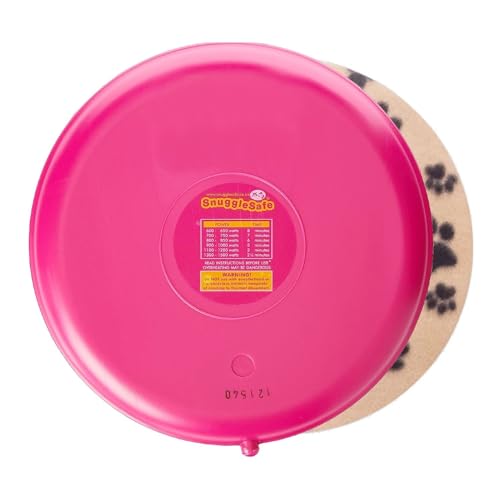
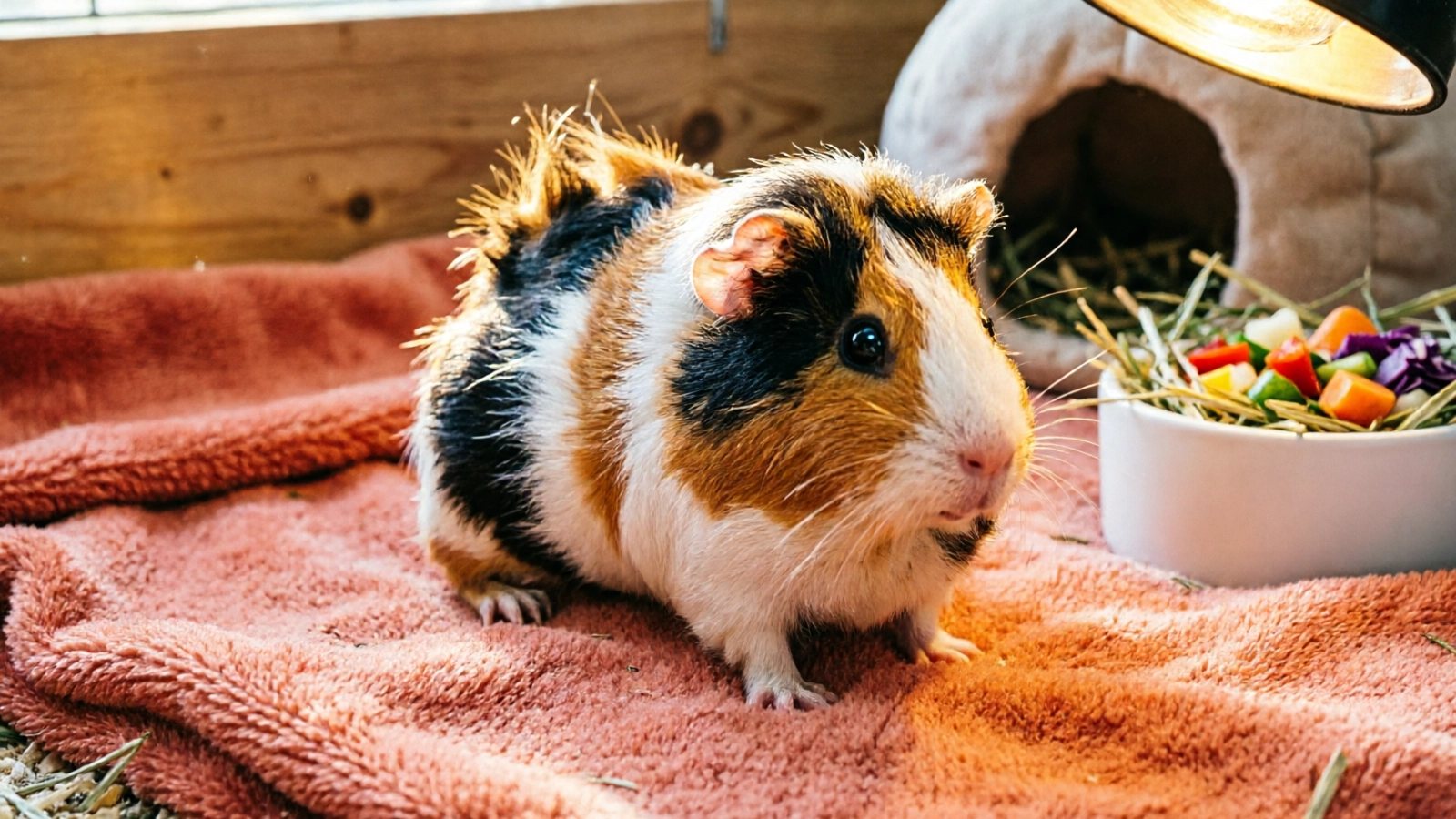
What to do: Move the cage to a warmer room, away from windows and drafts. Place a SnuggleSafe microwave heat pad under the bedding — it provides up to 10 hours of consistent warmth and is chew-proof. Layer fleece blankets in the cage for extra insulation. Check the guinea pig’s temperature with a digital pet thermometer — normal is 99-103°F. A properly sized guinea pig cage should be positioned away from air vents and exterior walls.
2. Stress or Fear
Guinea pigs are prey animals that startle easily, and stress-related guinea pig shaking is very common. Loud noises, sudden movements, a new pet in the house, or even a change in cage layout can trigger fear-based trembling.
Signs stress is the cause:
- Shaking happens in specific situations but not others
- The guinea pig freezes or runs to a hiding spot
- Teeth chattering or a low rumbling sound
- The guinea pig flattens against the ground
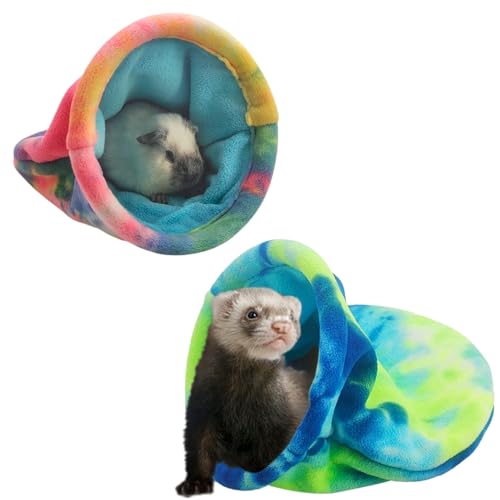
If stress explains why does my guinea pig shake, focus on providing a secure environment. An Oxbow Enriched Life Cozy Cave gives your guinea pig a safe retreat. A snuggle sack provides both warmth and a sense of security, which is especially helpful for guinea pigs adjusting to a new home. Keep the cage in a quiet room and avoid sudden loud sounds. For more on guinea pig behavior, see our guinea pig sounds guide.
3. Respiratory Illness
Respiratory infections are common in guinea pigs and can progress rapidly. When illness causes guinea pig shaking, you will usually notice other symptoms alongside the trembling.
Signs of respiratory infection:
- Labored or noisy breathing
- Discharge from the nose or eyes
- Lethargy and loss of appetite
- The guinea pig sits hunched with puffed-up fur
What to do: Respiratory infections require antibiotics from a vet — do not use over-the-counter medications meant for other animals. Keep the sick guinea pig warm with a heat pad and separate from cage mates to prevent spread. For more on guinea pig health, see our guinea pig health guide.
4. Parasites
Mites, lice, and fleas can cause intense itching that leads to guinea pig shaking. Parasite-related guinea pig shaking often starts suddenly. Mange mites are particularly dangerous because they burrow under the skin and can cause seizures if left untreated.
Signs of parasites:
- Intense scratching and head shaking
- Hair loss, especially around the back and rump
- Crusty or flaky skin
- The guinea pig bites or scratches at itself aggressively
What to do: Parasites require veterinary treatment with anti-parasitic medication. Over-the-counter mite sprays are often ineffective and can be harmful. While waiting for the vet appointment, wash all bedding in hot water and replace with fresh fleece liners. For cage setup advice, see our guinea pig care guide.
5. Pain
Guinea pigs hide pain instinctively as a survival mechanism. When pain becomes too severe to mask, guinea pig shaking and teeth grinding are common signs. Dental problems, urinary tract infections, and bumblefoot are frequent sources of pain.
Signs pain is the cause:
- Teeth grinding — a sharp, clicking sound different from contented purring
- Reluctance to move or be touched
- Hunched posture with a puffed-up coat
- Loss of appetite
What to do: If pain explains why does my guinea pig shake, a vet visit is necessary to identify the source. Do not give guinea pigs human pain medication — many are toxic to them. Provide a warm, quiet recovery space with a snuggle sack for comfort. For information on common guinea pig conditions, see our guinea pig health guide.
6. Excitement
Not all guinea pig shaking is a cause for concern. Some guinea pig shaking is actually a sign of happiness. Guinea pigs often vibrate or tremble when they are happy and excited. This usually happens before popcorning — the joyful jumping and twisting behavior that guinea pigs do when they feel good.
Signs excitement is the cause:
- Shaking is brief and happens during active moments
- The guinea pig popcorns, zooms, or purrs
- Appetite and energy levels are normal
- No other signs of illness
This type of shaking is completely normal and one of the joys of having a guinea pig. For more on happy guinea pig behaviors, see our guinea pig popcorning guide.
When to See a Vet
| Symptom | Urgency | Action |
|---|---|---|
| Shaking + not eating | Critical | Vet within 12 hours |
| Shaking + labored breathing | Critical | Vet immediately |
| Shaking + seizures | Critical | Vet immediately |
| Shaking + hair loss and scratching | High | Vet within 24 hours |
| Shaking + lethargy | High | Vet within 24 hours |
| Shaking only when cold | Low | Warm the cage |
| Shaking during playtime | Low | Normal behavior |
When investigating guinea pig shaking, check the temperature first. If the room is warm and the guinea pig still shakes, look for other symptoms. A guinea pig that is eating, active, and has normal droppings is usually fine even with some guinea pig shaking. For more on guinea pig wellness, see our guinea pig lifespan guide.
Recommended Products
SnuggleSafe Microwave Heat Pad When cold causes guinea pig shaking, this is the most reliable solution. Microwave it for a few minutes and it provides 10 hours of steady warmth. The hard shell is chew-proof and safe to place under bedding.
Oxbow Enriched Life Cozy Cave A fleece-lined hideout that reduces stress by giving your guinea pig a dark, enclosed space. Stress is a common cause of guinea pig shaking, and having a secure retreat can resolve it within days.
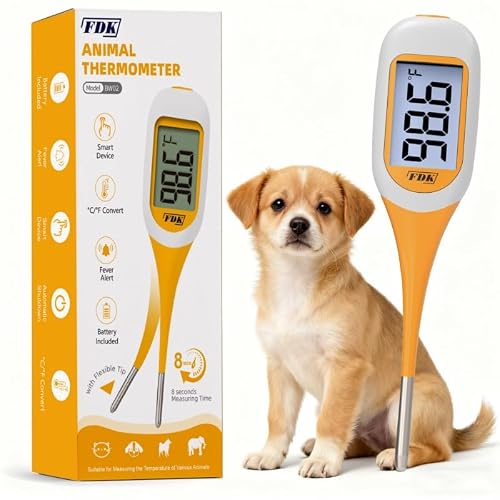
FDK 8-Second Digital Pet Thermometer A fast-reading thermometer that gives results in 8 seconds. Normal guinea pig temperature is 99-103°F. When investigating guinea pig shaking, checking body temperature helps rule out fever or hypothermia.
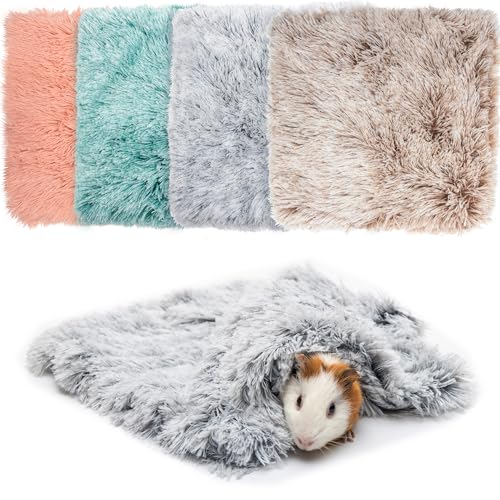
KAYCOWZA Fleece Blankets 4-Pack Soft fleece blankets for extra cage warmth and bedding. Guinea pigs love burrowing in fleece. A four-pack gives you enough to rotate through laundry. Fleece also helps reduce stress-related guinea pig shaking by providing a cozy environment.
SEZDEKI Guinea Pig Snuggle Sack 2-Pack Fleece sleeping bags that provide both warmth and a sense of security. Guinea pigs that shake from stress or cold often calm down inside a snuggle sack. The enclosed design mimics a burrow, which appeals to their natural instincts. I have seen stressed guinea pigs stop guinea pig shaking within minutes of being placed in a snuggle sack.
Frequently Asked Questions
Why does my guinea pig shake when I pick it up? Most guinea pig shaking when held comes from feeling insecure off the ground. Support the bottom with one hand and hold the guinea pig against your chest. With patience and regular, gentle handling, most guinea pigs become more confident over time.
Why does my guinea pig shake and not eat? Guinea pig shaking combined with not eating is a serious sign. The most common causes are respiratory infection, dental pain, or gastrointestinal issues. Guinea pigs should not go more than 12 hours without eating. See a vet as soon as possible.
Why does my guinea pig shake its head? Guinea pig shaking that focuses on the head is usually caused by ear mites or a skin infection. If the head shaking is persistent and accompanied by scratching at the ears, a vet visit for anti-parasitic treatment is needed.
Why does my guinea pig shake at night? Nighttime guinea pig shaking is often temperature-related. Room temperatures drop at night, and guinea pigs feel the change. Adding a heat pad or extra fleece blankets to the cage usually resolves this.