Quick Answer — Popcorning Means Your Guinea Pig Is Happy
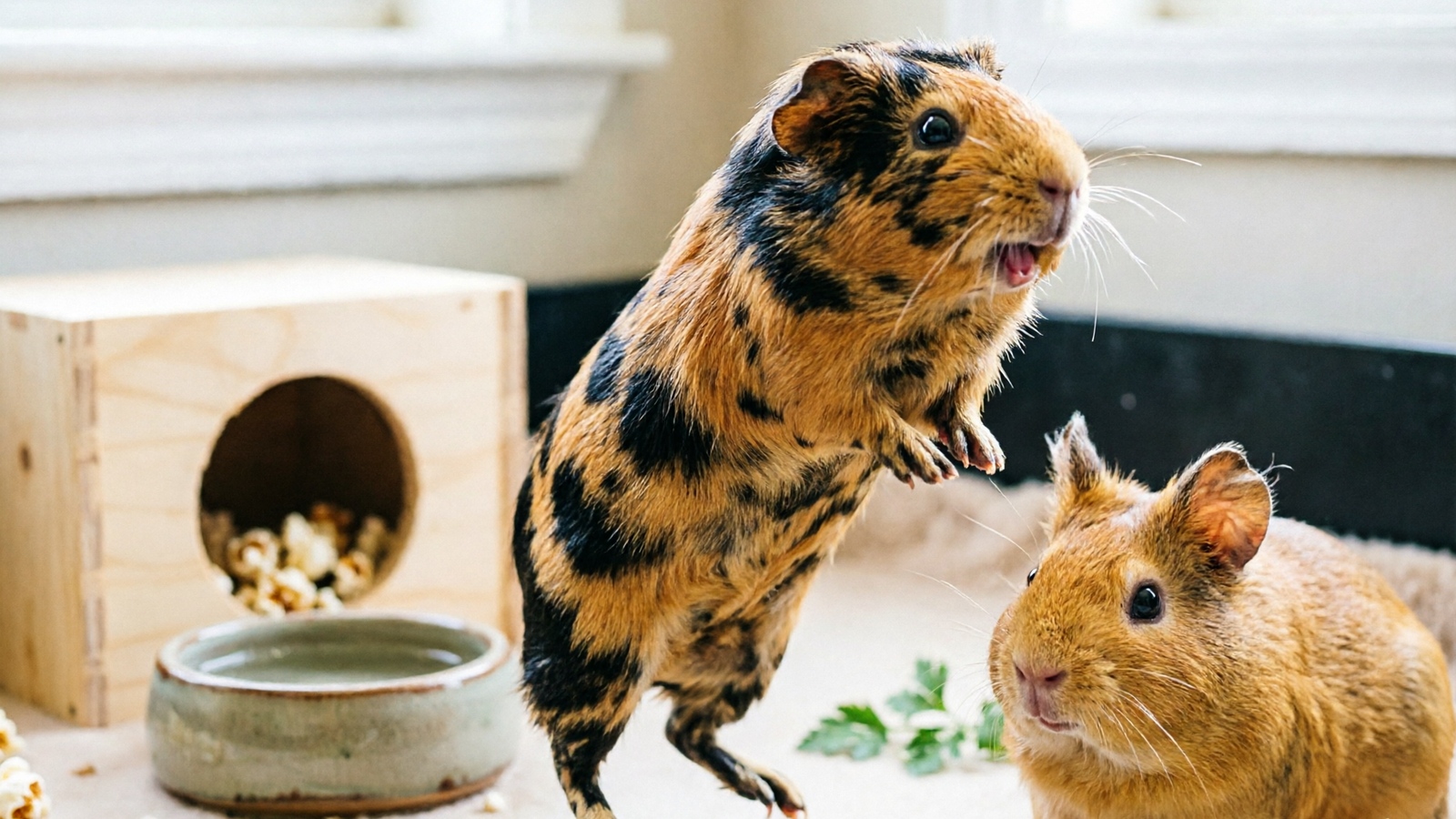
Popcorning is a sudden, explosive jumping behavior where a guinea pig leaps straight up, twists in the air, or bounces sideways — resembling popcorn kernels popping in a hot pan. It is one of the clearest signs your guinea pig feels happy, safe, and energized.
If you are wondering why do guinea pigs popcorn, the short answer is simple: they popcorn because they feel good. This involuntary burst of energy is their version of a happy dance. A guinea pig that popcorns is telling you that its environment, diet, and social life are all in good shape.
Popcorning is most common in young guinea pigs but can happen at any age. It is completely normal, harmless, and actually a sign that you are doing something right as an owner.
What Is Guinea Pig Popcorning?
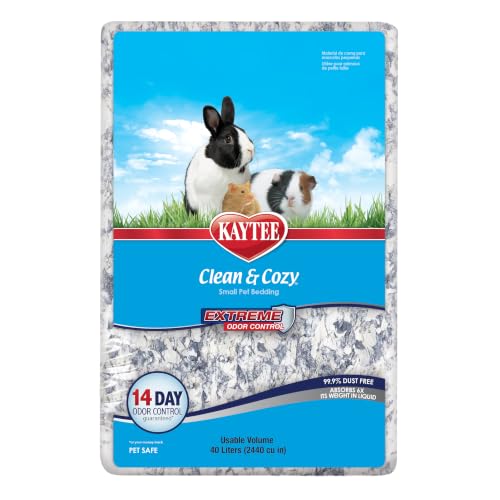
Kaytee Extreme Odor Control is a quality option worth considering for your setup.
Understanding why do guinea pigs popcorn starts with recognizing that it is not just random jumping — it has distinct characteristics that set it apart from other guinea pig movements. Here are the five key features:
- Sudden, explosive jumps straight up or sideways, often with a mid-air twist
- Resembles popcorn kernels popping — hence the name, coined because the movement looks exactly like kernels bursting in a pan
- Usually accompanied by sounds like squeaking, purring, or wheeking — your guinea pig is vocalizing its excitement
- Lasts a few seconds to a minute, then stops naturally as the guinea pig returns to calm behavior
- The guinea pig returns to normal immediately — no confusion, no recovery time needed
A popcorning guinea pig looks joyful. The jumps are quick, sharp, and repeated in bursts of two to five jumps before the guinea pig pauses, looks around, and either continues or settles down. It is fundamentally different from the slow, deliberate movements of exploration or the tense, rigid posture of fear.
Guinea Pig Jumping Up and Down — Is That Popcorning?
Yes — “jumping up and down” is the everyday way owners describe popcorning before they learn the proper term. If your guinea pig is jumping repeatedly with a relaxed body, squeaking happily, and running around energetically, that is popcorning.
However, not all jumping is popcorning. If the jumps are rhythmic but your guinea pig seems tense, is making distressed sounds, or appears disoriented afterward, it could be a sign of a health issue rather than joy. The key difference is context and aftermath — a popcorning guinea pig is clearly having fun and returns to normal immediately.
Why Do Guinea Pigs Popcorn?
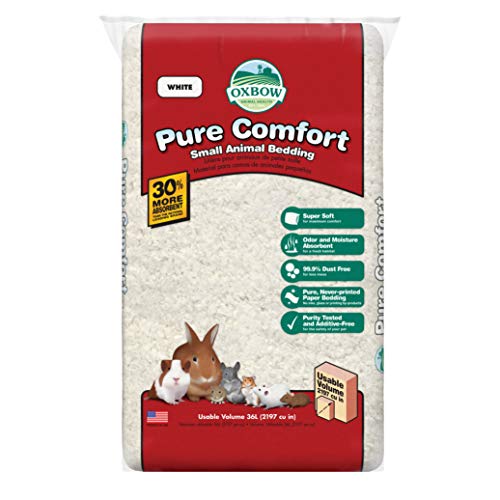
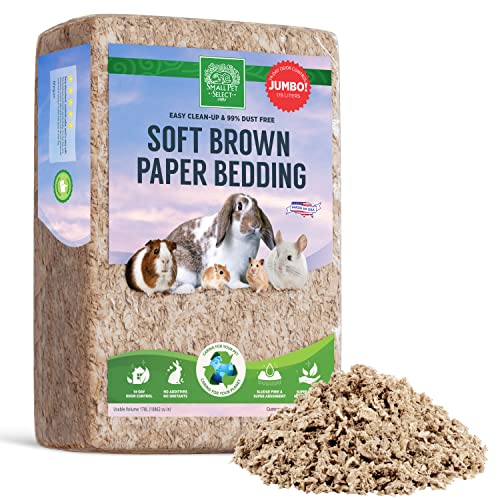
Many owners find that Oxbow Pure Comfort Paper Bedding works well for their pet’s needs.
If you are asking why do guinea pigs popcorn, the fundamental reason is simple: they feel good. But what triggers that feeling varies. Here are the five most common triggers:
Pure Happiness — The most common trigger. When a guinea pig is well-fed, comfortable, and content in its environment, popcorning is the natural expression of that satisfaction. A guinea pig zooming around its cage and then breaking into a popcorn jump is the equivalent of a child skipping down the hallway.
Excitement About Food — Guinea pigs have an internal clock for mealtime. I’ve noticed mine start popcorning the moment I open the fridge. The sound, the rustle of a vegetable bag, or simply seeing you approach with a bowl of best guinea pig treats can trigger an instant popcorning session. In my experience, fresh cilantro and blueberries are the most reliable popcorning triggers.
New Environment or Toys — Rearranging the cage setup, adding new guinea pig toys for enrichment, or changing bedding material creates novelty that excites curious guinea pigs. The burst of exploration energy often comes out as popcorning.
Social Joy — Guinea pigs are herd animals. Seeing a cage mate popcorn is contagious — one starts and the others join in. Social popcorning during playtime or after a reunion is especially common in bonded pairs.
Floor Time Freedom — Being let out of the cage for supervised floor time is thrilling for a guinea pig. The open space triggers exploration behavior, and the excitement of new territory often results in enthusiastic popcorning.
Guinea Pig Popcorning vs Seizures — How to Tell the Difference
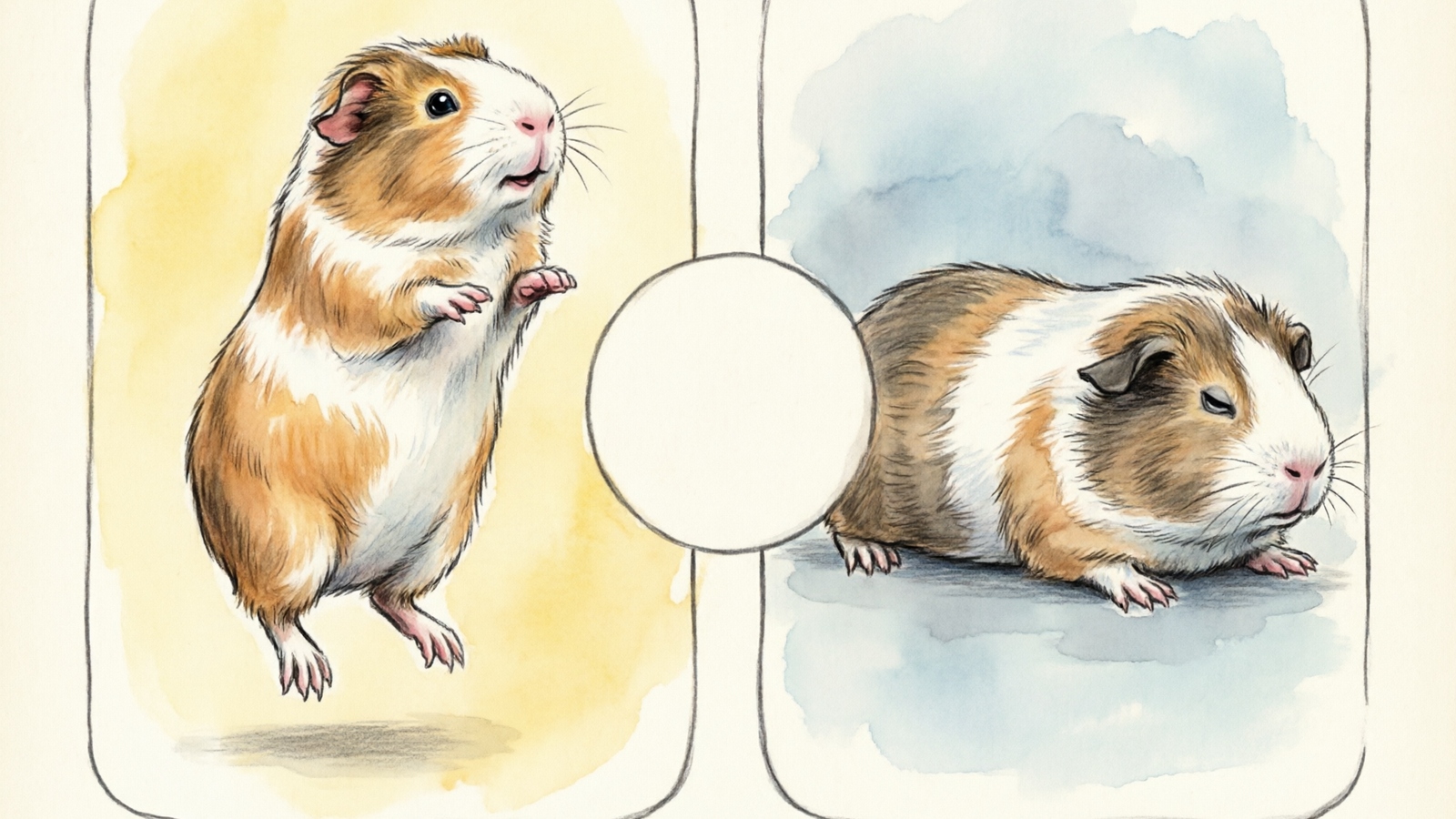
When learning why do guinea pigs popcorn, this is the most important distinction to understand. Popcorning is joyful, but seizures are a medical emergency that requires immediate veterinary attention.
| Feature | Popcorning | Seizures |
|---|---|---|
| Trigger | Happiness or excitement | Illness, parasites, or neurological issues |
| Body movement | Controlled, deliberate jumps | Uncontrolled twitching, stiffening, or rolling |
| Duration | A few seconds to one minute | Several minutes or longer |
| Sounds | Squeaking or purring (happy) | Screaming or silence (distressed) |
| Consciousness | Fully alert and aware | Unconscious or disoriented |
| Afterward | Returns to normal immediately | Lethargic, weak, or confused |
The most telling difference is what happens after the episode. A popcorning guinea pig bounces right back to normal — eating, drinking, and exploring as if nothing happened. A guinea pig that had a seizure will be sluggish, may hide, and needs veterinary care right away.
If you are unsure which you are witnessing, watch for stiff limbs, loss of balance, or unresponsiveness — those are seizure signs, not popcorning. Other concerning behaviors like guinea pig teeth chattering behavior can also indicate stress or pain. When in doubt, contact your vet.
Age Differences — Baby vs Adult Popcorning
Popcorning frequency and intensity change significantly as guinea pigs age. Understanding these differences prevents unnecessary worry.
| Feature | Baby Guinea Pig (0-12 months) | Adult Guinea Pig (12+ months) |
|---|---|---|
| Frequency | Very frequent — multiple times daily | Less frequent — occasionally |
| Jump height | Higher, more explosive bursts | Lower, gentler hops |
| Triggers | Almost anything new or exciting | Only especially happy moments |
| Normal? | Completely normal | Normal — less frequency does not mean unhappiness |
Why Does My Baby Guinea Pig Popcorn So Much?
Baby guinea pigs are essentially tiny bundles of unlimited energy. Everything is new to them — every sound, every smell, every piece of food is an adventure worth celebrating with a popcorn jump. Their young, developing bodies also give them more explosive jumping power than adults.
As they mature, the novelty wears off and their energy levels naturally settle. A baby that popcorns ten times a day might become an adult that popcorns once a week — and that is perfectly healthy. Not all guinea pigs have the same personality, so comparing your pig to videos online is not helpful. Some are natural performers, others are quietly content.
Guinea Pig Popcorning at Night
Guinea pigs are crepuscular — most active during dawn and dusk. Nighttime popcorning is normal behavior tied to their natural activity cycle. If your guinea pigs popcorn after lights out, they are simply following their biological rhythm.
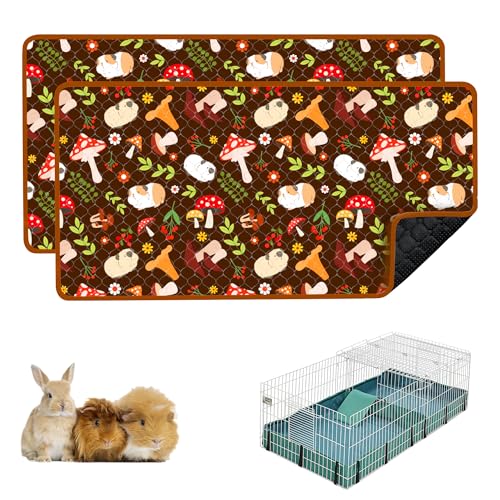
However, if the popcorning is excessive and disrupting sleep, check two things: cage size and bedding. A cage that is too small restricts movement during the day, so guinea pigs release pent-up energy at night. Refer to our guinea pig cage size guide — a minimum of 7.5 square feet for a pair is recommended, but bigger is always better. If the cage is already spacious, soft fleece bedding absorbs the impact of nighttime jumps and reduces noise. Our best guinea pig cages guide covers enclosures with enough room for enthusiastic nighttime popcorning.
How to Get Your Guinea Pig to Popcorn
If your guinea pig does not popcorn often — or has stopped — these six steps can help create the conditions for more joyful jumping:
Step 1: Upgrade Their Cage Space — A cramped cage suppresses natural behavior. Ensure at least 7.5 square feet for a pair using our guinea pig cage size guide. More space means more room for running and jumping.
Step 2: Rotate Toys Weekly — Guinea pigs get bored with the same environment. Swap out tunnels, hideouts, and chew toys every week. New guinea pig toys for enrichment spark curiosity and trigger popcorning.
Step 3: Offer Favorite Treats — Fresh vegetables and small amounts of fruit trigger excitement. Best guinea pig treats like cilantro, blueberries, and bell pepper are reliable popcorning catalysts.
Step 4: Provide a Companion — Guinea pigs are social animals that need at least one cage mate. Solo guinea pigs often become withdrawn and rarely popcorn. A bonded pair will popcorn together during playtime.
Step 5: Establish a Routine — Guinea pigs thrive on predictability. Fixed feeding times and daily interaction sessions create a sense of security that encourages relaxed, happy behavior.
Step 6: Give More Floor Time — Supervised out-of-cage exploration in a safe, enclosed area is the most reliable popcorning trigger. I’d recommend at least one hour of floor time daily in a piggy-proofed space.
Why Did My Guinea Pig Stop Popcorning?
A guinea pig that previously popcorned but has stopped is not necessarily unhappy, but understanding why do guinea pigs popcorn — and why they stop — is worth investigating. Here are the five most common reasons:
Aging — The most common and least concerning reason. As guinea pigs mature, popcorning naturally decreases. An adult that popcorns less frequently is simply calmer, not sadder.
Stress — A new home, loud noises, nearby predators (cats, dogs), or a recent cage mate change can suppress joyful behavior. Stress-related popcorning stops are usually temporary and resolve once the guinea pig adjusts.
Illness — This is the one to watch for. Pain or discomfort is one of the earliest signals that something is wrong. If your guinea pig stops popcorning along with other changes — reduced appetite, hiding more, rough coat, or guinea pig health problems like labored breathing — see a vet promptly.
Boredom — A small cage with no toys and no variety creates a dull environment. In my experience, guinea pigs in under-stimulated setups become passive rather than playful. Adding enrichment and increasing floor time usually reverses this quickly.
Loneliness — A solo guinea pig lacks the social interaction that triggers shared popcorning. If your guinea pig lives alone, getting a compatible companion often brings back the behavior within days.
The key question: has anything else changed? If your guinea pig is still eating, drinking, and behaving normally otherwise, reduced popcorning is likely just a sign of aging. But if it accompanies appetite loss, hiding, or lethargy, consult our guinea pig care guide and schedule a vet visit. A good best guinea pig food diet also supports overall health and energy levels.
Product Recommendations
Here are some products mentioned in this guide:
Frequently Asked Questions
Why do guinea pigs popcorn?
Guinea pigs popcorn when they feel happy, excited, or energized. It is an involuntary burst of jumping that expresses joy — similar to a dog wagging its tail. The most common triggers are food anticipation, new environments, social interaction, and floor time freedom — the core reasons why do guinea pigs popcorn.
Do all guinea pigs popcorn?
No, not all guinea pigs popcorn. Some are naturally calmer, and that does not mean they are unhappy. Personality plays a big role.
At what age do guinea pigs stop popcorning?
Guinea pigs do not stop popcorning at a specific age, but the frequency decreases as they get older. Most popcorn the most during their first year. Adults still popcorn when particularly excited — just less often.
Can guinea pigs get hurt from popcorning?
Rarely, but it can happen if the cage is too small or has hard surfaces with no padding. Provide a large cage with 7.5+ square feet per pair and soft bedding to prevent injuries from enthusiastic jumps.
Is my guinea pig happy if they popcorn?
Yes, in most cases popcorning is a strong sign of happiness. Pay attention to context — if popcorning happens during loud noises or sudden movements, it could indicate fear rather than joy. A happy popcorn is accompanied by relaxed body language and cheerful sounds.