I’ll never forget the first phone call from a new ferret owner: “My ferret stinks — what did I do wrong?” The panic in her voice was real. She was convinced she’d made a terrible mistake.
Here’s the truth: ferrets have a smell, but they shouldn’t stink. There’s a difference.
Ferrets are members of the Mustelidae family — alongside skunks, otters, and weasels. That lineage gives them a natural musky body odor. It’s normal. It’s harmless. And honestly, most ferret owners stop noticing it after a few days (you adapt to the smell of your own home).
But if your ferret has a sudden bad smell, or if the odor is strong enough that visitors comment on it, something is wrong. And in my experience, 80% of “my ferret stinks” complaints come down to one of three things: the ferret is sick, the cage is dirty, or the owner is bathing the ferret too often (yes, over-bathing makes it worse — I’ll explain why).
This guide covers everything you need to know about ferret smell: why ferrets have an odor, what causes sudden bad smells, proven methods to control ferret smell, and the myths that actually make the problem worse.
Do Ferrets Naturally Have a Smell?
Yes — ferrets have a natural musky body odor. It’s not a defect. It’s biology.
Ferrets have sebaceous glands all over their skin. These glands produce oils that coat the fur and skin. The oils serve several purposes:
- Waterproofing: keeps the fur from getting soaked
- Skin protection: prevents dryness and cracking
- Scent marking: ferrets use their natural odor to mark territory and recognize each other
The oil from these glands has a musky smell — warm, slightly earthy, and distinctive. Most people describe it as similar to corn chips, warm musk, or a faint animal scent. It’s not the sharp, chemical stench of a skunk spray.
How Strong Is Normal Ferret Smell?
The normal ferret smell is mild. On a scale of 1-10 (1 = no smell, 10 = skunk spray), a healthy ferret is about a 2 or 3. Most visitors won’t notice it unless they’re specifically looking for it.
Several factors affect how strong a ferret smells:
| Factor | Effect on Odor |
|---|---|
| Neutered vs intact | Intact ferrets smell 3-5x stronger |
| Season | Spring/summer = stronger (hormonal) |
| Diet | Low-quality food = stronger odor |
| Age | Older ferrets may smell slightly stronger |
| Gender | Males slightly stronger than females (when intact) |
Key takeaway: A mild musky smell is normal and healthy. A strong, offensive odor is not.
Ferret Smell vs Other Pets
How does ferret smell compare to other common pets?
- Dogs: Ferrets smell less than most dogs (especially wet dogs)
- Cats: Similar mild odor level
- Hamsters: Ferrets smell slightly stronger
- Birds: Ferrets smell stronger, but birds have dust/dander
- Rabbits: Similar odor level when cages are clean
The difference is that ferrets are typically kept in cages, so their odor is contained. Dogs and cats roam freely, spreading their smell throughout the house.
Why Does My Ferret Stink Suddenly? (7 Common Causes)
So Phresh High-Back Pan is a quality option worth considering for your setup.
If your ferret’s smell has suddenly gotten worse, or if the odor is strong enough that you’re asking “why does my ferret stink,” one of these seven issues is likely the culprit.
1. Anal Gland Issues
Ferrets have anal glands that can become impacted or infected. In the wild, ferrets express (release) these glands when scared — it’s a defense mechanism. Pet ferrets are usually descented at birth, but the glands can still cause problems.
Signs of anal gland issues:
- Strong, fishy odor near the rear end
- Scooting on the floor
- Licking or biting at the rear
- Swelling around the anus
If you notice these signs, see a vet. Impacted anal glands can become infected and painful.
2. Ear Infections or Excessive Ear Wax
This is one of the most common causes of sudden ferret odor — and the most overlooked.
Ferrets produce a lot of ear wax (cerumen). Normally, the wax is brownish-red and has a mild smell. But if the ear gets infected (yeast or bacteria), the smell becomes strong, sour, and unmistakable.
How to check:
- Gently lift the ferret’s ear flap
- Look inside: normal wax is brownish-red and dry
- If the wax is dark, crusty, wet, or smells bad → ear infection
- If the ear is red, swollen, or the ferret shakes its head frequently → see a vet
Ear infections are extremely common in ferrets and often go undiagnosed. If your ferret suddenly smells bad and you can’t figure out why, check the ears first.
3. Dental Disease or Bad Breath
Ferrets are prone to dental disease — tartar buildup, gum inflammation, and tooth decay. Dental disease causes bad breath that can make the whole ferret smell bad.
Signs:
- Bad breath (obvious, but worth stating)
- Yellow or brown tartar on teeth
- Red or bleeding gums
- Drooling
- Difficulty eating
Prevention: regular dental checkups and dental treats. See a vet if you notice any of these signs.
4. Skin Infections or Yeast Overgrowth
Ferrets can develop skin infections caused by bacteria or yeast (Malassezia). These infections produce a strong, musty, sometimes sweet-smelling odor.
Signs:
- Red, inflamed skin
- Hair loss (especially starting at the tail — also a sign of adrenal disease)
- Greasy or flaky skin
- Excessive scratching
- Strong, musty body odor
Skin infections often occur alongside other health problems (allergies, hormonal imbalances, immune suppression). A vet visit is needed for proper diagnosis and treatment.
For more on ferret health issues, see our ferret health problems guide.
5. Poor Diet Affecting Body Odor
What your ferret eats directly affects how it smells. Low-quality ferret food (high in plant protein, fillers, or grains) can make the ferret’s body odor stronger and more unpleasant.
Ferrets are obligate carnivores — they need high-protein, high-fat, low-carbohydrate diets. Foods that don’t meet these nutritional requirements can cause:
- Stronger body odor
- Softer, smellier stools
- Dull coat
- Skin problems
A high-quality ferret diet (or raw diet) produces a milder, less offensive natural odor. Learn more about proper ferret nutrition in our ferret diet guide.
6. Not Neutered/Spayed (Hormonal Odor)
Intact (non-neutered) ferrets smell significantly stronger than neutered ones. This is especially true for males during breeding season.
Hormones trigger the sebaceous glands to produce more oil, which means more odor. Intact male ferrets can have a musky smell that’s 3-5 times stronger than a neutered male.
Solution: If your ferret isn’t neutered, talk to your vet about the procedure. Most pet ferrets are neutered before sale (at 5-6 weeks), so this is usually only an issue with breeder ferrets or rescues.
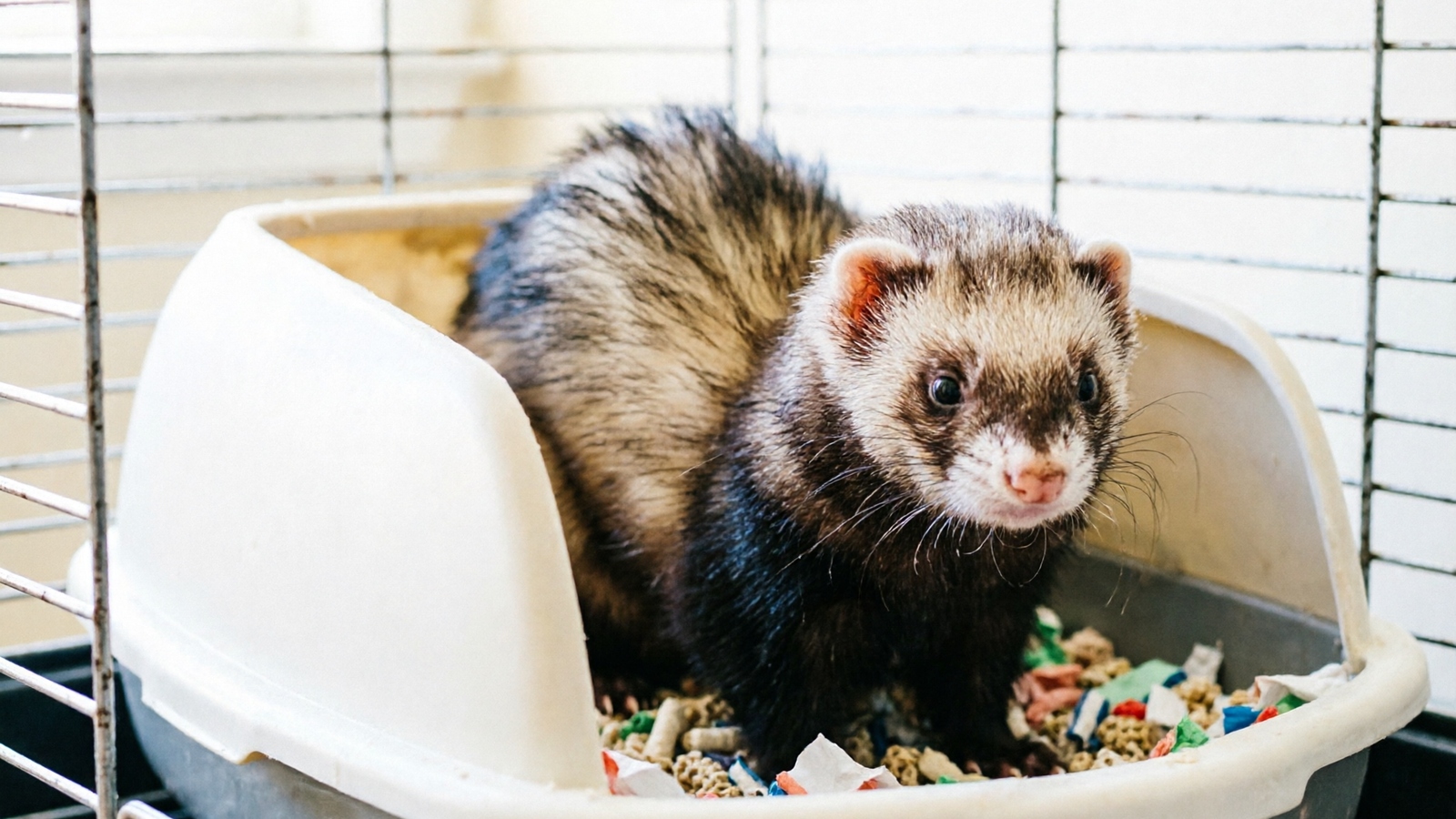
7. Dirty Environment (Bedding, Cage, Litter)
The most common cause of “ferret smell” isn’t the ferret at all — it’s the cage.
Ferrets are clean animals, but they produce waste frequently. If the cage, bedding, or litter box isn’t cleaned regularly, the accumulated waste will create a strong odor that people attribute to the ferret.
Cleaning schedule:
- Litter box: Scoop daily, full clean 2-3x per week
- Bedding: Wash weekly
- Cage surfaces: Wipe down weekly
- Toys/hammocks: Wash every 2 weeks
For bedding recommendations that help control odor, see our best ferret bedding guide.
How to Get Rid of Ferret Smell (Proven Methods)
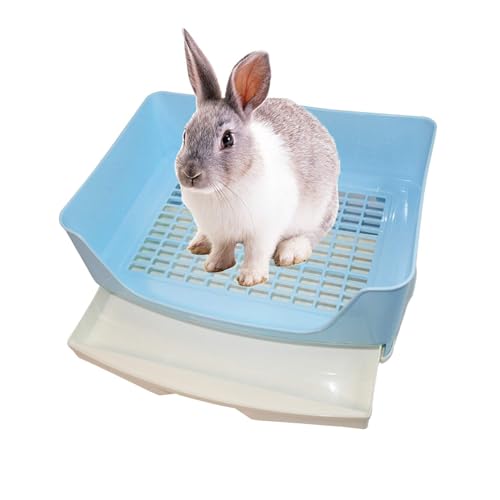
Many owners find that Lixit Corner Litter Pan works well for their pet’s needs.
Now that we’ve covered why ferrets smell, let’s talk about what you can actually do about it. Here are the most effective, commonly recommended methods to control ferret odor.
Method 1: Optimize Diet for Less Odor
A high-quality diet is the single most effective way to reduce ferret body odor.
What to feed:
- High animal protein (35-40% minimum)
- High fat (20-30%)
- Low carbohydrates (under 5%)
- No fillers, grains, or plant protein
What to avoid:
- Foods with corn, wheat, or soy
- Foods listing “meat by-products” without specifying the source
- Vegetables and fruits (ferrets can’t digest them well)
A better diet means less smelly waste, healthier skin, and a milder natural odor. It takes 4-6 weeks for dietary changes to affect body odor, so be patient.
Method 2: Bathe Your Ferret — But Not Too Often
This is the most counterintuitive part of ferret care: bathing your ferret too often makes the smell worse.
Here’s why: ferret sebaceous glands produce oil continuously. When you bathe a ferret, you strip away the oils. The glands respond by producing MORE oil to compensate. More oil = more smell.
The right bathing frequency:
- Maximum: Once per month
- Recommended: Once every 2-3 months (or only when visibly dirty)
- Never: Weekly bathing (this is the #1 mistake)
How to bathe a ferret properly:
- Use lukewarm water (not hot)
- Use a ferret-specific shampoo (not human shampoo)
- Lather gently, avoiding the face and ears
- Rinse thoroughly (residue causes skin irritation)
- Dry completely with a towel (no hair dryers — too hot)
For daily freshening up, use pet-safe grooming wipes instead of a full bath.
Method 3: Maintain a Clean Cage and Bedding
A clean cage is the most effective way to control ferret odor in your home.
Weekly cleaning routine:
- Remove the ferret and place in a safe play area
- Remove all bedding and toys
- Wash bedding in hot water (no fabric softener — residue irritates ferret skin)
- Wipe down all cage surfaces with a pet-safe cleaner
- Clean the litter box thoroughly
- Replace with fresh bedding
Daily maintenance:
- Scoop litter box (remove waste)
- Spot-clean any soiled areas
- Replace water and food
A clean cage should have almost no detectable odor. If your cage still smells after cleaning, check for hidden waste (under hammocks, in corners, behind the litter box).
For proper litter training techniques that reduce odor, see our ferret litter training guide.
Method 4: Clean the Ears Regularly
Ear wax buildup is a major source of ferret odor. Regular ear cleaning prevents infections and keeps the smell under control.
How to clean ferret ears:
- Use a ferret-safe ear cleaner (available at pet stores)
- Put 2-3 drops in each ear
- Gently massage the base of the ear (you’ll hear a squishing sound — this is normal)
- Let the ferret shake its head (this brings wax to the surface)
- Wipe the outer ear with a cotton ball (don’t insert anything into the ear canal)
Frequency: Once every 2-4 weeks, or as needed.
If the ears look red, swollen, or the wax is dark and crusty, see a vet — these are signs of infection.
Method 5: Use Odor-Neutralizing Products (Safely)
Some products can help neutralize ferret odor without masking it:
- Enzymatic cleaners: Break down odor-causing bacteria (use on cage surfaces)
- Activated charcoal filters: Absorb airborne odors (place near the cage)
- Baking soda: Sprinkle under bedding (ferret-safe, but keep it away from the ferret’s mouth)
Avoid:
- Air fresheners (toxic to ferrets)
- Essential oil diffusers (toxic to ferrets)
- Perfumes or cologne on the ferret (irritates skin)
- Human deodorant products (dangerous for ferrets)
Method 6: When to See a Vet
If you’ve tried all the above and your ferret still smells bad, it’s time for a vet visit. The following conditions require professional diagnosis and treatment:
- Ear infection: Needs prescription ear drops
- Skin infection: May need antifungal or antibiotic treatment
- Dental disease: Requires professional cleaning or tooth extraction
- Anal gland impaction: Needs manual expression by a vet
- Adrenal disease: Causes hair loss and increased odor, requires medication
- Insulinoma: Can cause weakness and changes in body odor
Don’t ignore a sudden change in your ferret’s smell. It’s often the first sign of a health problem.
Ferret Odor Myths That Make Smell Worse
For this purpose, kathson Drawer Litter Box is a popular choice among pet owners.
There’s a lot of bad advice out there about ferret odor. Some of these myths are so common that even experienced ferret owners fall for them. Let’s set the record straight.
Myth 1: “Bathing Ferrets Frequently Reduces Odor”
False. This is the single most harmful myth about ferret care.
As explained above, over-bathing strips the natural oils from the ferret’s skin, causing the sebaceous glands to produce even more oil. The result? Your ferret smells STRONGER after a bath than before.
The truth: Bathe your ferret no more than once per month, preferably less. Between baths, use grooming wipes for spot cleaning.
Myth 2: “You Can Use Human Deodorant or Perfume on Ferrets”
Dangerously false. Human deodorants, perfumes, and colognes contain chemicals that are toxic to ferrets. Ferrets have extremely sensitive respiratory systems and skin. Applying human products can cause:
- Skin irritation and burns
- Respiratory distress
- Poisoning (if the ferret licks the product)
- Allergic reactions
The truth: Never apply any human grooming product to a ferret. Use only ferret-specific or vet-approved products.
Myth 3: “All Ferrets Stink Terribly”
False. A healthy ferret with a clean cage has a mild musky odor — not a stink. People who say “ferrets stink” have usually encountered:
- An unneutered ferret in breeding season
- A ferret with an ear infection
- A ferret in a filthy cage
- A ferret that’s bathed too often (making the smell worse)
The truth: Ferrets smell less than most dogs and about the same as cats. The “ferret stink” reputation is largely undeserved.
Myth 4: “Removing Scent Glands Eliminates Ferret Odor”
Misleading. In the US, pet ferrets are typically descented (anal glands removed) at birth. But descenting only removes the anal glands — it does NOT remove the sebaceous glands in the skin that produce the ferret’s natural musky body odor.
The truth: Even a descented ferret will have a musky smell. The natural body odor comes from skin glands, not anal glands. Descenting prevents the occasional “skunk-like” spray when the ferret is scared, but it doesn’t eliminate the everyday musky smell.
Myth 5: “Ferrets Smell Worse in Summer”
Partially true. Ferrets do shed their winter coat in spring, and the new summer coat may carry slightly more odor due to increased gland activity in warmer weather. However, the difference is minimal. If your ferret smells significantly worse in summer, it’s more likely due to:
- Increased bacterial growth in warm, humid conditions (clean the cage more often)
- Seasonal hormonal changes (if the ferret is intact)
- More time spent playing and getting dirty
The truth: Summer odor increase is minor and manageable with regular cleaning.
Do Male Ferrets Smell Worse Than Females?
This is one of the most common questions prospective ferret owners ask. The answer depends on whether the ferrets are neutered.
Intact (Non-Neutered) Ferrets
| Gender | Odor Level | Notes |
|---|---|---|
| Male | Strong (7-8/10) | Breeding season = peak odor, may mark territory |
| Female | Moderate (4-5/10) | Increases during heat cycle |
Intact males are significantly smellier than intact females, especially during breeding season (spring/summer). Their hormones trigger heavy sebaceous gland activity, producing a strong musky odor that can fill a room.
Neutered/Spayed Ferrets
| Gender | Odor Level | Notes |
|---|---|---|
| Male | Mild (2-3/10) | Similar to females |
| Female | Mild (2-3/10) | Similar to males |
After neutering, the odor difference between males and females is negligible. Both have a mild musky smell that most people barely notice.
Recommendation: If you’re sensitive to odor, choose a neutered ferret (male or female — it doesn’t matter). Most pet store ferrets are already neutered, so this is usually not a concern.
For general ferret care tips that apply to both genders, see our ferret care guide.
Product Recommendations
Here are some products mentioned in this guide:
FAQ: Common Questions About Ferret Smell
Do Ferrets Stink Up Your House?
No. A healthy ferret with a clean cage will not stink up your house. The ferret’s natural musky odor is mild and contained within the cage area. If your house smells like ferret, it’s almost always because:
- The cage hasn’t been cleaned recently
- The bedding needs changing
- The ferret has an ear infection or skin problem
- You’re bathing the ferret too often (making the smell worse)
With proper care (weekly cage cleaning, fresh bedding, regular health checks), ferret odor should be barely detectable outside the cage area.
Do Ferrets Smell Worse Than Dogs?
Generally, no. A healthy ferret smells less than most dogs — especially compared to breeds known for strong odor (Basset Hounds, Bulldogs, Cocker Spaniels). Even compared to “clean-smelling” breeds, ferrets are comparable or better.
The key difference: ferrets are in a cage most of the time, so their odor is contained. Dogs roam freely, spreading their smell throughout the house and picking up outdoor odors.
Do Ferrets Smell Like Skunks?
No. Ferrets and skunks are related (both are Mustelidae), but ferrets don’t produce the same chemical spray as skunks. The ferret’s musky smell comes from skin oils (sebaceous glands), not a defensive spray. It’s a warm, earthy musk — nothing like the sharp, chemical stench of skunk spray.
The confusion likely comes from the fact that ferrets can express their anal glands when scared (similar to skunks), but this is rare in pet ferrets and the odor dissipates within minutes.
Why Do Ferrets Smell Like Pee?
A urine smell is not a normal ferret odor. If your ferret or its cage smells like pee, check these possibilities:
- Dirty litter box: The most common cause. Scoop daily, full clean 2-3x per week.
- Urinary tract infection (UTI): Ferrets can get UTIs, which cause smelly urine and frequent urination.
- Incontinence: Older ferrets may lose bladder control, resulting in urine-soaked fur.
- Urinating outside the litter box: Some ferrets choose corners of the cage instead of the litter box.
If the litter box is clean and the smell persists, see a vet. UTIs in ferrets require antibiotics.
Can You Remove Stink Glands From Ferrets?
Ferrets have two types of “stink” structures:
- Anal glands: Can be removed (descenting). Done at birth by most US breeders. Prevents the occasional scared-ferret spray.
- Sebaceous glands (skin): Cannot and should not be removed. These produce the natural musky body odor and are essential for healthy skin and fur.
Even a descented ferret will have a musky smell because the sebaceous glands are still intact. If someone tells you that descenting eliminates ferret odor, they’re misinformed.
Are Ferrets Supposed to Stink?
Ferrets are supposed to have a mild musky odor — that’s normal. They’re not supposed to STINK.
Here’s the distinction:
- Normal ferret smell: Mild musky odor, barely noticeable after a few days, doesn’t fill a room
- Abnormal ferret stink: Strong, offensive, sudden onset, causes visitors to comment, indicates a health or hygiene problem
If your ferret falls into the “abnormal stink” category, something is wrong. The most common causes are ear infections, dirty cages, over-bathing, or health problems. Address the underlying issue and the smell will improve.
Final Thoughts: Living With Ferret Smell
Here’s what I tell every new ferret owner: you won’t notice the smell after a week. Your brain adapts to the ferret’s musky odor the same way it adapts to your own home’s smell. Visitors might notice it briefly, but they’ll stop noticing it too.
The ferrets that “stink” are the ones with health problems or poor care. A healthy ferret with a clean cage, good diet, and proper grooming has a mild, pleasant musky smell that’s part of what makes ferrets unique.
If you’re asking “why does my ferret stink,” start with the basics: check the ears, clean the cage, review the diet, and make sure you’re not over-bathing. If the smell persists, see a vet. In most cases, the problem is fixable.
Ferrets are wonderful pets — funny, playful, and full of personality. Don’t let the fear of “ferret smell” stop you from enjoying one of the most entertaining small pets you can own.