Quick Answer
If you are wondering why does my ferret shake, the most common causes are cold temperatures, low blood sugar, and adrenal disease. Ferrets have fast metabolisms and small bodies, so they lose heat and energy quickly. Shaking after a bath or during excitement is usually harmless. But if ferret shaking is accompanied by lethargy, drooling, or pale gums, it could be a medical emergency.
Why Does My Ferret Shake?
Ferrets are small animals with high metabolic rates, which makes them sensitive to temperature changes and blood sugar fluctuations. When a ferret starts shaking, the cause can range from completely normal to life-threatening. I have seen cases where why does my ferret shake had a simple answer — a drafty room — and cases where it pointed to insulinoma, a serious condition. Here are the six most common causes.
1. Cold Temperatures
This is the most common and most easily fixed answer to why does my ferret shake. Ferrets cannot tolerate temperatures below 60°F (15°C) for extended periods. Their ideal temperature range is 65-75°F. When a ferret gets cold, shaking is the body’s attempt to generate heat through muscle movement.
Signs cold is the cause:
- The room or cage feels cool to you
- The ferret curls into a tight ball
- The ferret burrows under bedding or hides
- Shaking stops when the ferret is warmed up
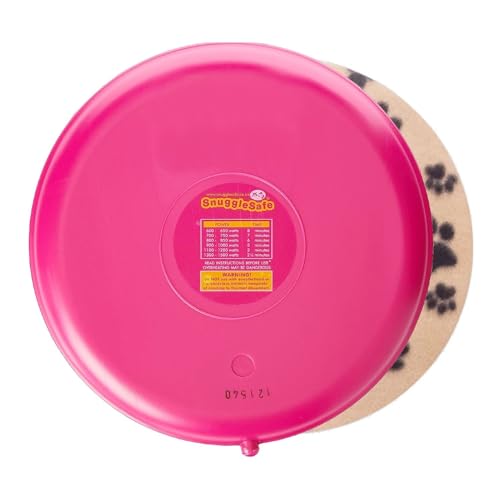
What to do: Raise the room temperature or provide a PetTemp small animal heating pad in the cage. I also recommend placing a SnuggleSafe microwave heat pad under a blanket in the sleeping area — it holds heat for up to 10 hours and is chew-proof. Layer extra fleece blankets in the cage for insulation. Check the ferret’s temperature with a digital pet thermometer — normal is 100-103°F. If the temperature reads below 98°F, warm the ferret gradually against your body while seeking vet care. A proper ferret cage setup should include warm bedding and protection from drafts.
2. Low Blood Sugar (Hypoglycemia)
Low blood sugar is a dangerous but common explanation for why does my ferret shake. Ferrets have fast metabolisms and need frequent meals — every 3-4 hours for adults, even more often for kits. When blood sugar drops, shaking, weakness, and disorientation follow.
Signs of low blood sugar:
- Shaking accompanied by weakness or wobbly walking
- Drooling or pawing at the mouth
- Confusion or staring blankly
- The ferret seems unresponsive or slow to react
What to do: If hypoglycemia is the answer to why does my ferret shake, rub a small amount of honey or corn syrup on the ferret’s gums for an immediate sugar boost. Then offer a high-protein supplement like Wysong Ferret Carnivore Boost, which is specifically formulated for ferret recovery. Once the ferret stabilizes, feed a full meal. For ongoing nutrition guidance, see our ferret diet guide.
3. Insulinoma
Insulinoma is a tumor on the pancreas that causes the body to produce too much insulin, dropping blood sugar to dangerous levels. It is one of the most serious answers to why does my ferret shake and is very common in ferrets over age three.
Signs of insulinoma:
- Recurring episodes of shaking and weakness
- Staring into space or glazed eyes
- Seizures in advanced cases
- Weight loss despite normal eating habits
- Drooling and excessive salivation
If insulinoma explains why does my ferret shake, this is a veterinary emergency. A vet can diagnose insulinoma through blood glucose testing and manage it with medication, diet changes, or surgery. In my experience, ferrets diagnosed early can live comfortably for years with proper treatment. For more on ferret health conditions, see our ferret health problems guide.
4. Adrenal Disease
Adrenal disease is another common condition in ferrets, especially those over two years old. It causes hormonal imbalances that can lead to ferret shaking, hair loss, and behavioral changes. The adrenal glands produce excess hormones, which affects the nervous system.
Signs of adrenal disease:
- Symmetrical hair loss starting at the tail
- Swollen vulva in females or enlarged prostate in males
- Aggression or increased irritability
- Muscle weakness and trembling
What to do: Adrenal disease requires veterinary diagnosis through hormone testing or ultrasound. Treatment options include surgery or medication. While adrenal disease alone is rarely an emergency, the shaking it causes can be distressing. Keeping your ferret warm and comfortable helps in the meantime. For more on overall ferret wellness, check our ferret care guide.
5. Stress or Fear
Ferrets are sensitive animals, and stress is a straightforward answer to why does my ferret shake. New environments, loud noises, unfamiliar people, or a change in routine can all trigger stress-related trembling. A ferret that recently moved to a new cage or home may shake for the first few days.
Signs stress is the cause:
- Shaking only happens in specific situations
- The ferret tries to hide or escape
- Puffed-up fur and flattened posture
- The ferret calms down once the stressor is removed
If stress is the reason why does my ferret shake, focus on creating a calm, predictable environment. Provide hiding spots, limit loud sounds, and allow the ferret to explore at its own pace. Fleece blankets draped over part of the cage create a dark, secure retreat. For understanding ferret behavior, see our ferret behavior guide.
6. Post-Bath Shaking
Almost every ferret owner has asked why does my ferret shake after bath time. This is completely normal. When a ferret gets wet, the water draws heat away from the body rapidly. Shaking is the ferret’s reflex to dry off and warm up.
What to do: Dry your ferret immediately with a towel after a bath. Then wrap them in a fleece blanket until fully dry. Keep the room warm during and after the bath. Some ferrets also shake from stress during baths, since most ferrets dislike water. Keep baths infrequent — once a month at most.
When to See a Vet
| Symptom | Urgency | Action |
|---|---|---|
| Shaking + seizures | Critical | Vet immediately |
| Shaking + pale gums | Critical | Vet immediately |
| Shaking + unresponsive | Critical | Vet immediately |
| Shaking + drooling | High | Vet within 2 hours |
| Shaking + wobbling gait | High | Vet within 4 hours |
| Shaking after bath only | Low | Dry and warm the ferret |
| Shaking during play | Low | Normal behavior |
When figuring out why does my ferret shake, the most important thing is to look for accompanying symptoms. Shaking alone with a bright, alert ferret is usually not an emergency. But shaking combined with lethargy, drooling, or pale gums requires immediate veterinary care. For information on ferret lifespan and common age-related conditions, see our ferret lifespan guide.
Recommended Products
SnuggleSafe Microwave Heat Pad When cold is the answer to why does my ferret shake, this is the best solution. It provides 10 hours of consistent warmth without electricity, and the hard shell is ferret-chew-proof. Microwave it for a few minutes and place it under bedding.
Wysong Ferret Carnivore Boost A ferret-specific nutritional supplement for recovery from low blood sugar or illness. I have covered this to stabilize ferrets during hypoglycemic episodes. It mixes easily with water for syringe-feeding if needed.
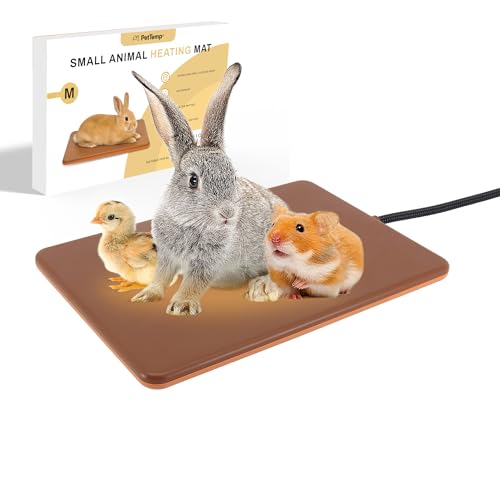
PetTemp Small Animal Heating Pad An electric warming pad designed for small animal cages. It has adjustable temperature settings, which is useful for maintaining consistent warmth during recovery from illness or cold stress.
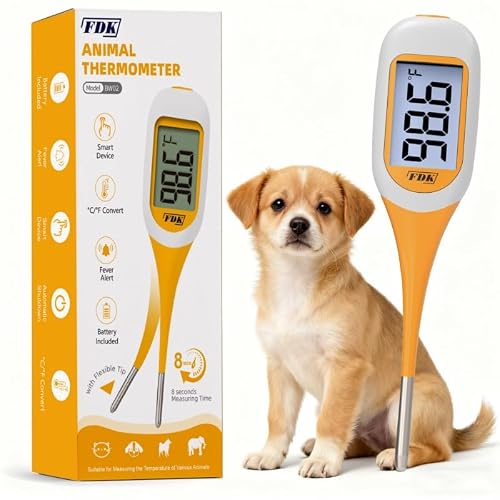
FDK 8-Second Digital Pet Thermometer A fast-reading thermometer that gives results in 8 seconds. Normal ferret temperature is 100-103°F. If you are trying to determine why does my ferret shake, checking body temperature should be one of your first steps.
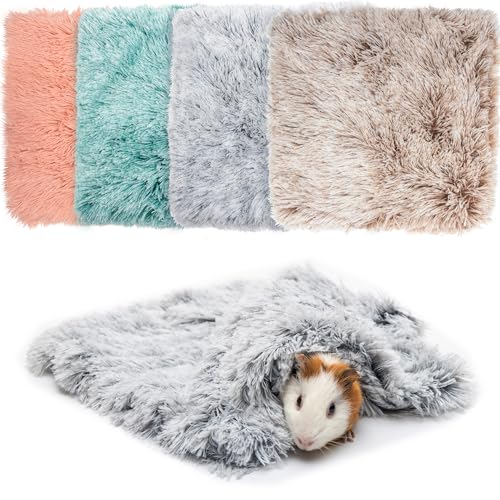
KAYCOWZA Fleece Blankets 4-Pack Soft fleece blankets that work as cage bedding, post-bath wraps, and stress-reduction covers. Ferrets love burrowing in fleece. A four-pack gives you enough to rotate through laundry.
Frequently Asked Questions
Why does my ferret shake and not eat? When ferret shaking is paired with a refusal to eat, low blood sugar or insulinoma is the most likely cause. The ferret may be too weak from hypoglycemia to eat, which creates a dangerous cycle. Apply honey to the gums immediately and seek veterinary care.
Why does my ferret shake when sleeping? Mild twitching during sleep is normal and usually indicates dreaming. But if the ferret shaking during sleep is severe, involves stiffening, or is followed by disorientation, it may be a seizure. Record a video of the episode to show your vet.
Why does my ferret shake when I hold them? Some ferrets shake when held because they feel insecure or are not yet comfortable with handling. Others shake from excitement. If the ferret is otherwise healthy and the shaking is mild, gradual bonding and calm handling usually resolve this behavior.
Why does my ferret shake after eating? Shaking after eating can indicate low blood sugar that is temporarily relieved by food but drops again quickly. This pattern is a classic sign of insulinoma and warrants a vet visit for blood glucose testing.