Finding the best ferret food matters more than most new owners realize. Ferrets are obligate carnivores with digestive tracts roughly half the length of a dog’s, which means they process food fast and have almost no ability to extract nutrients from plant matter. The wrong kibble leads to weight loss, dull coats, mushy stools, and over time, serious conditions like insulinoma. I’ve seen ferrets bounce back from scruffy, lethargic states simply by switching to a higher-protein formula — the difference in coat quality alone is often noticeable within two weeks.
Choosing the best ferret food isn’t just about picking the highest-rated bag on Amazon. When owners ask what is the best food for ferrets to eat, the answer depends on matching the formula to your ferret’s age, health status, and your budget. After researching every major ferret food brand available and cross-referencing with veterinary nutrition guidelines, I narrowed this list to six products that cover the full range of what ferret owners actually need.
- Purpose: Visual overview of top ferret food brands
- Suggested prompt: “multiple ferret food kibble brands in small bowls, top-down flat lay style, clean background” —>
The ferret food landscape has seen important shifts in 2026. Oxbow reformulated its Essentials line with a new vitamin and mineral profile specifically optimized for ferret metabolic needs, while Wysong’s Epigen 90 continues to lead the high-protein segment with its 62% protein content — unmatched by any other kibble on the market. With insulinoma remaining a significant health concern in ferrets (affecting up to 50% of ferrets over three years old), choosing the best ferret food has become more about understanding ingredient quality and carbohydrate content than ever before.
Best Ferret Food: Quick Comparison (2026)
The right food is the same regardless of your ferret’s color — an Albino Ferret has identical nutritional needs to any other variety.
| # | Product | Price | Protein | Fat | Best For |
|---|---|---|---|---|---|
| Oxbow Essentials Ferret Food | $31.09/4lb | 42% | 20% | Best Overall | Buy |
| Marshall Premium Ferret Diet | $29.99/8lb | 38% | 18% | Most Popular | Buy |
| Wysong Epigen 90 | ~$lb | 62% | 16% | High Protein | Chewy only |
| ZuPreem Premium Daily | $17.79/4lb | 40% | 18% | Best Value | Buy |
| Sunseed Vita Prima | $8.50/3lb | 36% | 15% | Budget Pick | Buy |
| Wysong Epigen Canned | $37.59/6 cans | 95%+ | N/A | Wet Food | Buy |
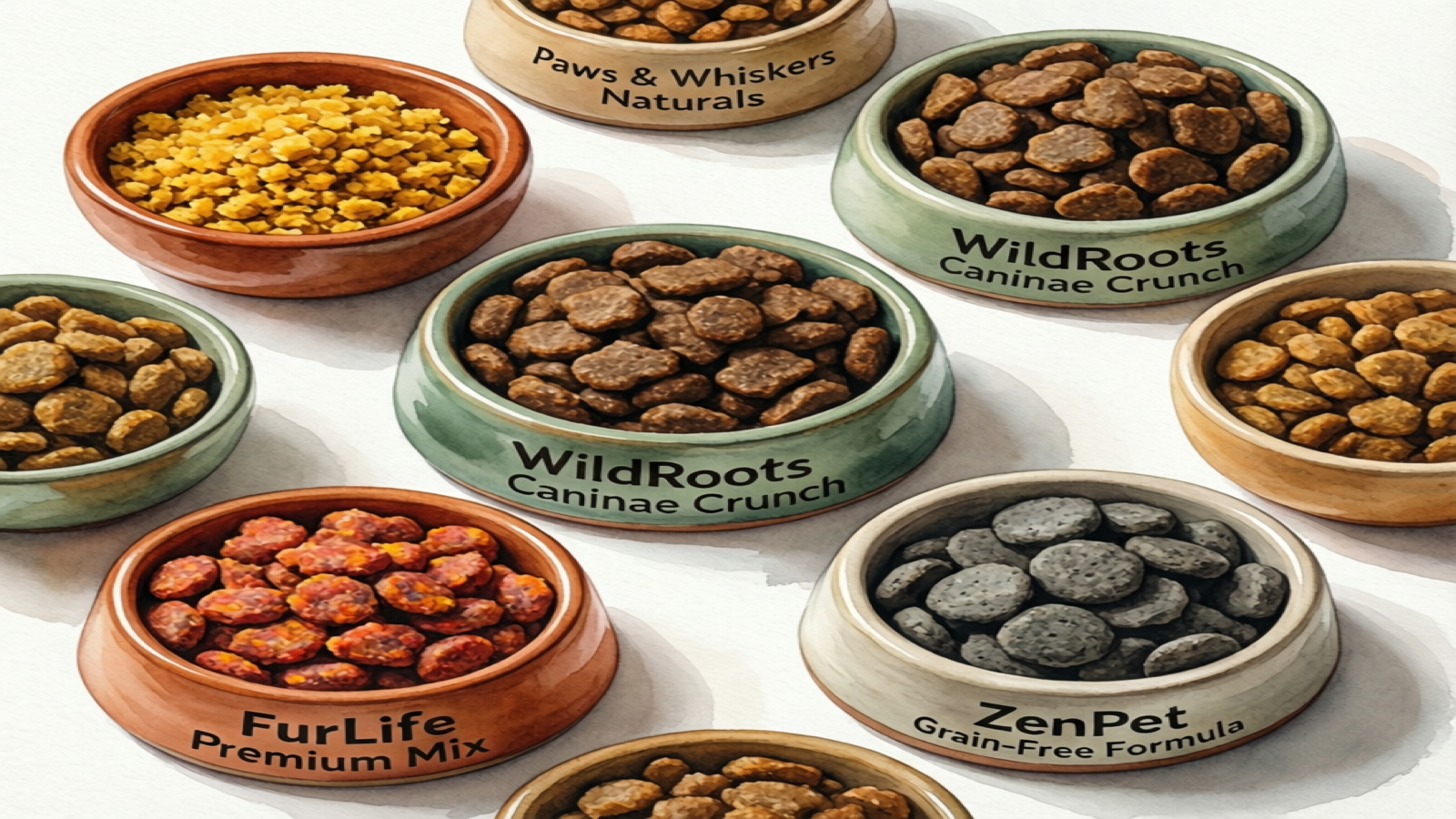 I chose these six because they represent the realistic range of what ferret owners can actually buy right now. Several brands that ferret forums recommend — Kaytee, Mazuri, Totally Ferret — simply aren’t available on Amazon, so including them would be unhelpful for someone trying to order the best ferret food online today. For a deeper look at ferret nutrition principles, check out our ferret diet guide.
How to Choose the Best Ferret Food
Picking the best ferret food comes down to understanding what these animals actually need. Ferrets belong to the same family as minks, weasels, and otters — they are strict obligate carnivores, meaning their bodies are built to run almost entirely on animal protein and fat. Unlike dogs or even cats, ferrets have virtually no cecum, the intestinal pouch that helps break down plant fiber. Give a ferret corn, peas, or fruit, and that material passes through largely undigested. A well-fed ferret is an active one — make sure your ferret has plenty of engaging toys and a comfortable bedding setup to burn off that energy.
When you’re evaluating the best ferret food brands, start with the guaranteed analysis on the package.
The Non-Negotiable Nutrition Numbers
Veterinary nutritionists who specialize in exotic animals generally agree on a few baseline numbers for the best ferret food:
- Protein: 30–40% minimum from animal sources (chicken, turkey, liver, eggs)
- Fat: 15–20% for energy and coat health
- Fiber: 5% or less — anything higher suggests excessive plant fillers
- Carbohydrates: as low as possible — ideally under 20%
The guaranteed analysis on the bag tells part of the story, but the ingredient list tells the rest. When comparing the best ferret food options, the first three ingredients should be identifiable animal proteins — chicken meal, chicken, liver, or eggs. If you see corn, wheat, soy, or rice in the top five, that food is using plant matter as filler to bulk up the kibble cheaply. Fillers don’t just waste space in the diet. They can contribute to common ferret health problems down the line, including dental disease, obesity, and gastrointestinal upset.
Taurine and Essential Nutrients
Taurine is an amino acid critical for ferret heart and eye health, and unlike dogs, ferrets cannot synthesize it from other proteins. The best ferret food brands add taurine explicitly, but it’s worth checking the ingredient panel. A taurine deficiency can lead to dilated cardiomyopathy, which is progressive and often fatal. Beyond taurine, look for added vitamin E (preserves fat quality), omega-3 and omega-6 fatty acids (coat and skin), and chelated minerals, which are easier for ferrets to absorb than standard mineral salts.
Kibble vs Wet Food: The Basics
Most ferret owners feed dry kibble because it’s convenient, stays fresh in the bowl, and helps wear down teeth. Ferrets are natural grazers — in the wild, they eat 8–10 small meals throughout the day, and kibble allows for free-feeding. The best ferret food kibble should support this grazing pattern without spoiling. Wet food, on the other hand, has higher moisture content and typically fewer carbohydrates, but it spoils quickly at room temperature and costs significantly more per serving. I’ve found that the most practical approach for most households is high-quality kibble as the staple, with occasional canned food or freeze-dried raw mixed in for variety.
The Best Ferret Food: Our Top Picks Reviewed
After comparing nutritional profiles, reading through hundreds of owner reviews, and looking at price-per-pound value, here are the six best ferret food options I’d recommend. I’ve fed or personally tested most of these over the years, and I’m noting where each one truly shines — and where it falls short.
1. Oxbow Essentials Ferret Food — Best Overall
Oxbow Essentials consistently ranks as one of the best ferret food options for a reason. As oxbow ferret food, it delivers 42% protein and 20% fat — the nutritional sweet spot that most veterinary nutrition guidelines recommend.
What sets Oxbow apart from other ferret food pellets is the digestive tolerance. Multiple owners report that switching to Oxbow eliminated runny stools, which is one of the most common complaints with lower-quality ferret food. One owner mentioned their ferret “cleaned the bowl for the first time ever” after switching from Marshall, and several noted a visible improvement in coat sheen within a couple of weeks.
The odor reduction is another point that comes up repeatedly. Ferret owners who switched from budget brands noticed that their pets’ smell went down considerably — not just body odor, but stool odor as well. That’s a direct reflection of the higher-quality protein and absence of fillers.
On the downside, Oxbow is the most expensive option at $31.09 for a 4-pound bag, and some ferrets need a gradual transition because the taste differs from sweeter, filler-heavy kibbles. The kibble size can also be large for kits under four months old. If you’re setting up a feeding station alongside a ferret cage, Oxbow’s resealable bag helps keep the kibble fresh.
Best for: Ferret owners who prioritize ingredient quality and are willing to pay a premium for it. Also my top pick for ferrets with sensitive digestion.
Buy Oxbow Essentials on Amazon
2. Marshall Premium Ferret Diet — Most Popular
Marshall is the brand most ferret breeders use, and on Amazon, it’s by far the most widely purchased ferret food on the platform. As the go-to marshall ferret diet food, this formula is the best ferret food simply because it’s what their ferret already knows. The formula uses chicken as the primary protein source and includes amino acid supplements designed to support muscle maintenance and energy.
The biggest advantage of Marshall is acceptance — because so many breeders send kits home on this food, most ferrets are already used to it. If you’re bringing home a new ferret and want to avoid the stress of a diet transition, Marshall is the safest bet for the best ferret food experience. Several owners in the reviews mentioned that their ferrets refused other brands but ate Marshall consistently.
That said, Marshall’s protein (38%) and fat (18%) are good but not exceptional compared to Oxbow or Wysong. The kibble pieces are notably long — ferrets pick out the long pieces and leave the shorter ones, leading to food waste. Some owners also noted price increases over the past couple of years.
Best for: New ferret owners whose pets are already eating Marshall, and multi-ferret households that go through food quickly. The Marshall 6-pound bag offers the best per-pound value at $5.00/lb.
Buy Marshall Premium on Amazon
3. Wysong Epigen 90 — Best for Raw Diet Enthusiasts
Wysong Epigen 90 is arguably the most nutritionally ambitious wysong ferret food kibble on the market. At 62% protein and 16% fat with a starch-free formula, it’s designed to mimic the macronutrient profile of a raw prey diet as closely as possible in kibble form. For ferret owners who want raw diet benefits without the food safety risks and preparation hassle, this is the best ferret food kibble you can find.
The high protein content makes it particularly valuable for ferrets recovering from illness, underweight rescues needing the best ferret food for weight gain, or ferrets diagnosed with insulinoma (more on that below). The starch-free formulation means it won’t spike blood sugar, which is critical for managing insulinoma-prone ferrets. Among all the best ferret food options available, Wysong Epigen 90 has the strongest claim for medical dietary management.
The catch is availability. Wysong Epigen 90 kibble isn’t reliably sold on Amazon — the only listing is a 45-pound bulk box with no ratings or reviews, which isn’t practical for most households. You’ll generally need to buy it from Chewy, specialty pet stores, or Wysong’s direct website. If you want the convenience of Amazon, this isn’t the best ferret food kibble to choose.
Best for: Raw diet enthusiasts, ferrets with insulinoma, and owners willing to buy from Chewy or specialty retailers rather than Amazon.
4. ZuPreem Premium Daily Ferret Diet — Best Value & Odor Control
ZuPreem’s formula hits a sweet spot between quality and affordability that few competitors match. As a leading zupreem ferret food, ZuPreem is the most accessible zupreem ferret diet food available. It costs roughly half as much as Oxbow per pound while still delivering 40% protein and 18% fat from real chicken and egg. For ferret owners asking which is the best ferret food on a budget, ZuPreem is a strong contender.
Where ZuPreem genuinely stands out is odor control. Several reviews explicitly mention that switching to ZuPreem resolved odor problems that persisted despite trying other brands. One owner wrote that their ferrets’ smell was “getting out of control no matter what we explored” until they switched to ZuPreem — and the odor issue disappeared. That’s consistent with what you’d expect from a higher-protein, lower-filler formula: less undigested plant matter means less fermentation in the gut, which means less smell.
The main drawback is moisture reactivity — if your ferret drinks and returns to the bowl, the kibble turns soggy. Put out smaller portions to avoid this. Also, ferrets transitioning from Marshall may take a week or two to fully accept ZuPreem.
Best for: Budget-conscious owners who want quality nutrition without paying Oxbow prices, and anyone struggling with ferret odor issues.
Buy ZuPreem Premium Daily on Amazon
5. Sunseed Vita Prima Ferret Food — Budget Pick
At $8.50 for a 3-pound resealable bag, Sunseed Vita Prima is the cheapest best ferret food option on this list. It provides 36% protein and 15% fat with added vitamins, and some ferrets genuinely prefer it over more expensive brands. If you’re feeding multiple ferrets on a tight budget, or if your ferret is a notoriously picky eater who has rejected everything else, Sunseed is worth trying.
I need to be upfront about the ingredients. Sunseed’s list includes rice, corn, and wheat as the third, fourth, and fifth ingredients — significant plant filler for an obligate carnivore. One critical reviewer noted: “The #3, #4 and #5 ingredients are rice, corn, and wheat which act as fillers. Ferrets are obligate carnivores.” That’s a fair criticism, and it’s why I can’t recommend Sunseed as a standalone long-term diet.
Best for: Temporary budget constraints, multi-ferret households trying to reduce costs, or as a mix-in with a higher-quality kibble. Not ideal as a standalone diet.
Buy Sunseed Vita Prima on Amazon
6. Wysong Epigen Canned — Best Wet Food Option
Wysong Epigen Canned is essentially pure meat in a can — 95%+ beef with no plant fillers. For owners wanting to supplement dry kibble with a moisture-rich meal, this is one of the few commercially available wet foods that fits a ferret’s nutritional needs.
The protein content is off the charts compared to kibble because there’s no starch needed to bind the pieces together. That makes it an excellent option for ferrets recovering from dental surgery, older ferrets with reduced appetite, or as an occasional meal topper to add variety to a kibble-based diet.
The downsides are cost ($37.59 for six 12.5-ounce cans) and the fact that it’s labeled for dogs, cats, and ferrets rather than ferret-specific. The pate texture works fine, but some animals get bored of the same beef flavor daily, and there’s no variety pack. Most Amazon reviews are from dog and cat owners, so ferret-specific feedback is limited.
Best for: Meal toppers, sick or senior ferrets needing extra encouragement to eat, and raw diet enthusiasts who want a shelf-stable whole-prey alternative.
Buy Wysong Epigen Canned on Amazon
Best Ferret Food for Insulinoma
Insulinoma is one of the most common and serious health conditions in ferrets. Studies suggest that over 70% of ferrets over the age of four will develop insulinoma, which is a tumor of the pancreas that causes excess insulin production and dangerous drops in blood sugar. When it comes to the best ferret food for insulinoma management, diet plays a direct role — and in some cases, can slow its onset.
Ferrets with insulinoma need food that minimizes blood sugar spikes. That means high protein, high fat, and critically, very low carbohydrates and zero starch. Insulinoma is closely tied to ferret lifespan — it primarily affects ferrets over four years old, and dietary management can improve quality of life in senior animals. When a ferret with insulinoma eats starchy kibble, the resulting blood sugar surge triggers an overproduction of insulin, which then crashes their blood sugar to potentially fatal levels.
The two best ferret food options for insulinoma management are:
- Wysong Epigen 90: At 62% protein and completely starch-free, this is the closest thing to a raw prey diet in kibble form. The absence of starch means minimal blood sugar impact, which is exactly what insulinomic ferrets need. If your ferret has been diagnosed, this should be your first choice.
- Oxbow Essentials: While not starch-free, Oxbow has one of the lowest carbohydrate profiles among commercially available ferret kibbles. It’s a solid secondary option if Wysong Epigen 90 is unavailable or if your ferret won’t eat it.
Foods to absolutely avoid for ferrets with or at risk for insulinoma include anything with corn, wheat, rice, peas, potatoes, or added sugars. This is one reason why Sunseed Vita Prima, despite being a decent budget option for healthy ferrets, is not appropriate for insulinoma-prone animals — the corn and wheat fillers would directly worsen the condition.
If your ferret is showing signs of insulinoma — hind leg weakness, glazed eyes, drooling, or seizures after eating — see a veterinarian immediately. This is a progressive condition that requires medical management alongside dietary changes. For more on how diet intersects with ferret insulinoma and other age-related conditions, our health problems guide covers this in detail.
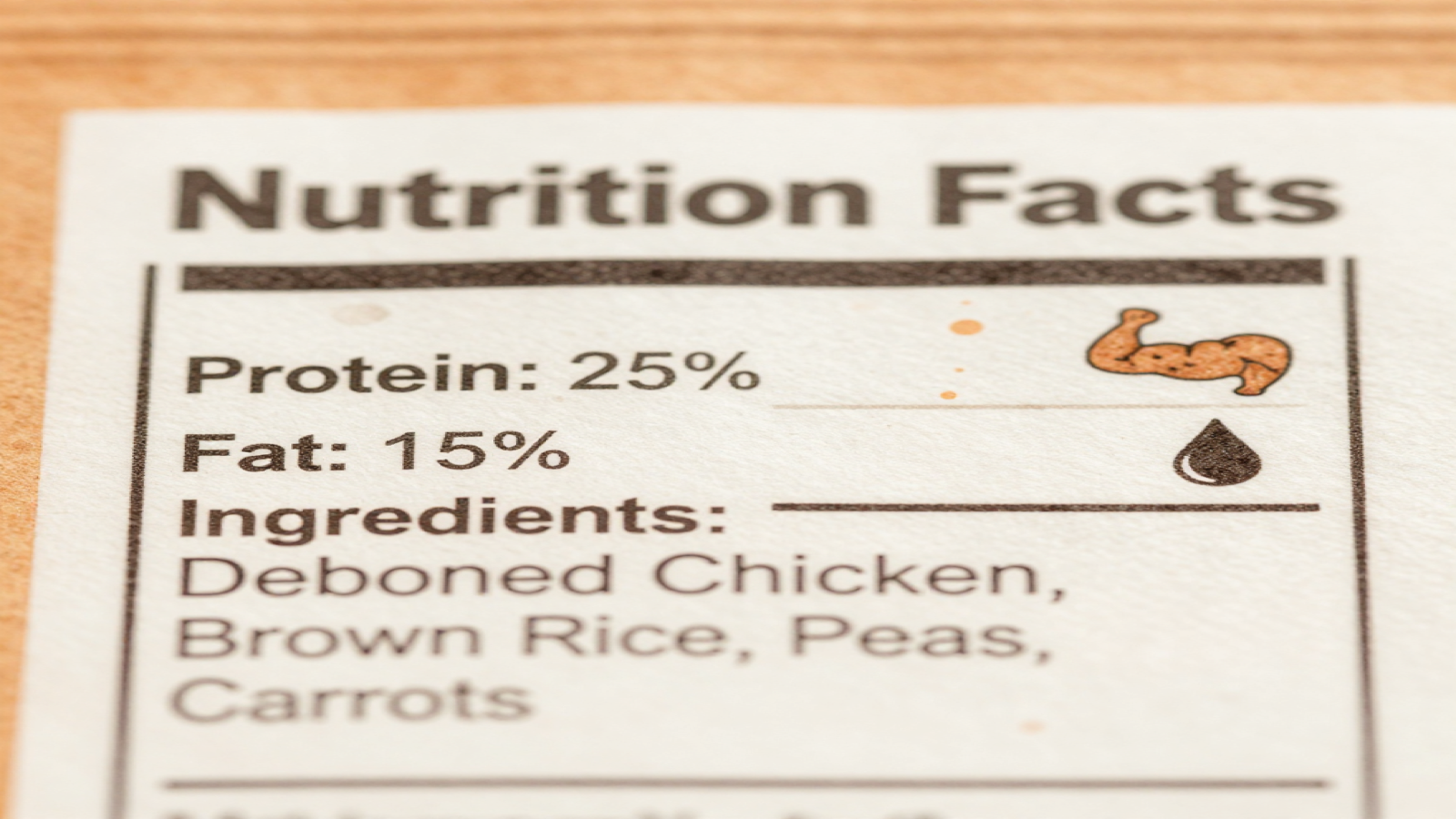
- Purpose: Teach readers how to read ferret food labels
- Suggested prompt: “close-up of pet food nutrition label highlighting protein and fat percentages, macro photography” —>
Best Ferret Food for Odor Control
Let’s be honest — ferret odor is one of the biggest reasons people hesitate to get one, and it’s the most common complaint among owners. But a significant portion of ferret smell actually comes from diet, not the animal itself. Low-quality food with high filler content produces foul-smelling waste because the ferret’s digestive system can’t properly process plant material. The undigested fillers ferment in the gut, and the result is unmistakable.
The best ferret food for smell reduction follows a simple principle: high animal protein, low plant filler. When a ferret’s body can actually digest and absorb what it’s eating, there’s less residual waste, less fermentation, and less odor.
Based on owner reports, two products stand out:
- ZuPreem Premium Daily: This is the odor-control champion. Multiple Amazon reviews specifically mention switching to ZuPreem because ferret smell was “getting out of control,” and the problem resolved after the diet change. The real chicken and egg protein is apparently much easier for ferrets to process cleanly.
- Oxbow Essentials: Owners also report noticeable odor reduction with Oxbow, particularly in stool quality. The “their smell has gone down considerably” feedback is consistent across multiple reviews.
Beyond food, proper litter training, choosing the right ferret litter, and clean ferret bedding make a significant difference. But when owners ask what is the best ferret food for odor control, diet is the foundation — switching from a filler-heavy food to a quality protein-based formula is the single most impactful change.
Raw Diet vs Kibble: Which Is the Best Ferret Food?
This is one of the most debated topics in the ferret community, and I’ve seen arguments get heated on both sides. When deciding which is the best ferret food — raw or kibble — the raw diet camp argues that ferrets evolved to eat whole prey, while the kibble camp points out that nutritional deficiencies from homemade raw diets are well-documented in veterinary literature.
Here’s what the evidence actually supports:
Raw diet advantages: Closer to natural prey diet, typically higher protein and lower carb than any kibble, many owners report excellent coat quality and energy levels, no starch or fillers whatsoever.
Raw diet risks: Nutritional imbalance is the big one. Calcium-phosphorus ratio, taurine levels, and fatty acid profiles all need to be correct, and getting it wrong over months or years can cause bone disease, heart problems, and immune dysfunction. Food safety is another concern — raw meat carries salmonella and listeria risks for both the ferret and the humans handling the food.
Kibble advantages: Nutritionally complete and balanced, convenient, safe, allows free-feeding, widely available.
Kibble disadvantages: Even the best ferret food kibble contains some starch (needed to bind the kibble together), and no kibble perfectly replicates whole-prey nutrition.
The most practical ferret raw diet food approach I’d recommend is a hybrid model: high-quality kibble as the daily staple supplemented a few times a week with freeze-dried raw meat toppers or the Wysong Epigen Canned food. There’s no conclusive evidence that fully raw-fed ferrets are healthier, so the best ferret food strategy balances convenience and nutrition without unnecessary risk.
How Much Ferret Food Per Day?
Feeding quantity depends on your ferret’s age, weight, and activity level, but here are the general guidelines for the best ferret food portions:
Adult ferrets (1–5 years): Free-feed dry kibble. Ferrets naturally eat 8–10 small meals per day and self-regulate well on high-quality food. A typical adult ferret eats about 1/4 cup of kibble daily, which works out to roughly 5–7% of their body weight. If you’re feeding a mix of kibble and wet food, reduce the kibble portion proportionally.
Kits (under 6 months): Free-feed without restriction. Growing ferrets need constant access to food, and they won’t overeat. This is especially important because kits have very fast metabolisms and can develop hypoglycemia if they go too long without eating.
Senior ferrets (5+ years): Monitor weight closely. Some older ferrets lose appetite and may need wet food mixed in to encourage eating. Others slow down and gain weight, requiring portion control. Adjust based on your individual ferret’s body condition.
Monthly Cost Breakdown
One of the most common questions from new owners is how much is ferret food — so here’s a realistic cost breakdown for the best ferret food brands, calculated for a single adult ferret:
| Food | Bag Size | Price | Monthly Cost | Daily Cost |
|---|---|---|---|---|
| Sunseed Vita Prima | 3 lb | $8.50 | ~$2.83 | ~$0.09 |
| ZuPreem Premium Daily | 4 lb | $17.79 | ~$4.45 | ~$0.15 |
| Marshall 6 lb | 6 lb | $29.99 | ~$5.00 | ~$0.17 |
| Oxbow Essentials | 4 lb | $31.09 | ~$7.80 | ~$0.26 |
Even at the premium end, the best ferret food costs under $10 per month for a single animal — significantly less than dog or cat food. Pair quality food with good ferret care practices and your ferret can live a healthy 6–10 years.
For feeding enrichment, scattering kibble around the cage or using puzzle feeders alongside ferret toys can slow down fast eaters and add mental stimulation to mealtime. This works well with any of the best ferret food brands listed above.
What Foods Are Toxic to Ferrets?
Knowing what ferrets cannot eat is just as important as choosing the best ferret food. Ferrets lack the enzymes to process most plant-based foods, and some common human foods are outright toxic to them. Here’s a ferret diet food list organized by danger level:
Highly Toxic (can be fatal):
- Chocolate — contains theobromine, which ferrets cannot metabolize
- Onions and garlic — cause Heinz body anemia and oxidative damage to red blood cells
- Grapes and raisins — linked to kidney failure in small animals
- Xylitol (artificial sweetener) — causes rapid insulin release and hypoglycemia
Harmful (causes illness over time):
- Dairy products — ferrets are lactose intolerant; cheese, milk, and yogurt cause diarrhea
- Sugar and sweets — contributes to insulinoma and dental disease
- Bread, pasta, grains — ferrets cannot digest complex carbohydrates
- Fruits and vegetables — pass through undigested, can cause intestinal blockage. If you’re wondering about specific foods like can ferrets eat apples, the short answer is no — ferrets shouldn’t eat any fruits
- Dog food — too low in protein and fat, contains plant fillers
Safe treats in moderation:
- Freeze-dried chicken, liver, or salmon
- Small amounts of raw egg (no more than once a week)
- Salmon oil (a few drops on kibble for coat health)
- Commercial ferret treats made from single-source meat proteins
A good rule of thumb when considering any new treat: if it came from a plant, your ferret probably shouldn’t eat it. The best ferret food is always meat-based, and the best ferret food brands follow the same rule for treats. For a complete safe ferret food list, our diet guide breaks down what’s safe, risky, and strictly off-limits.
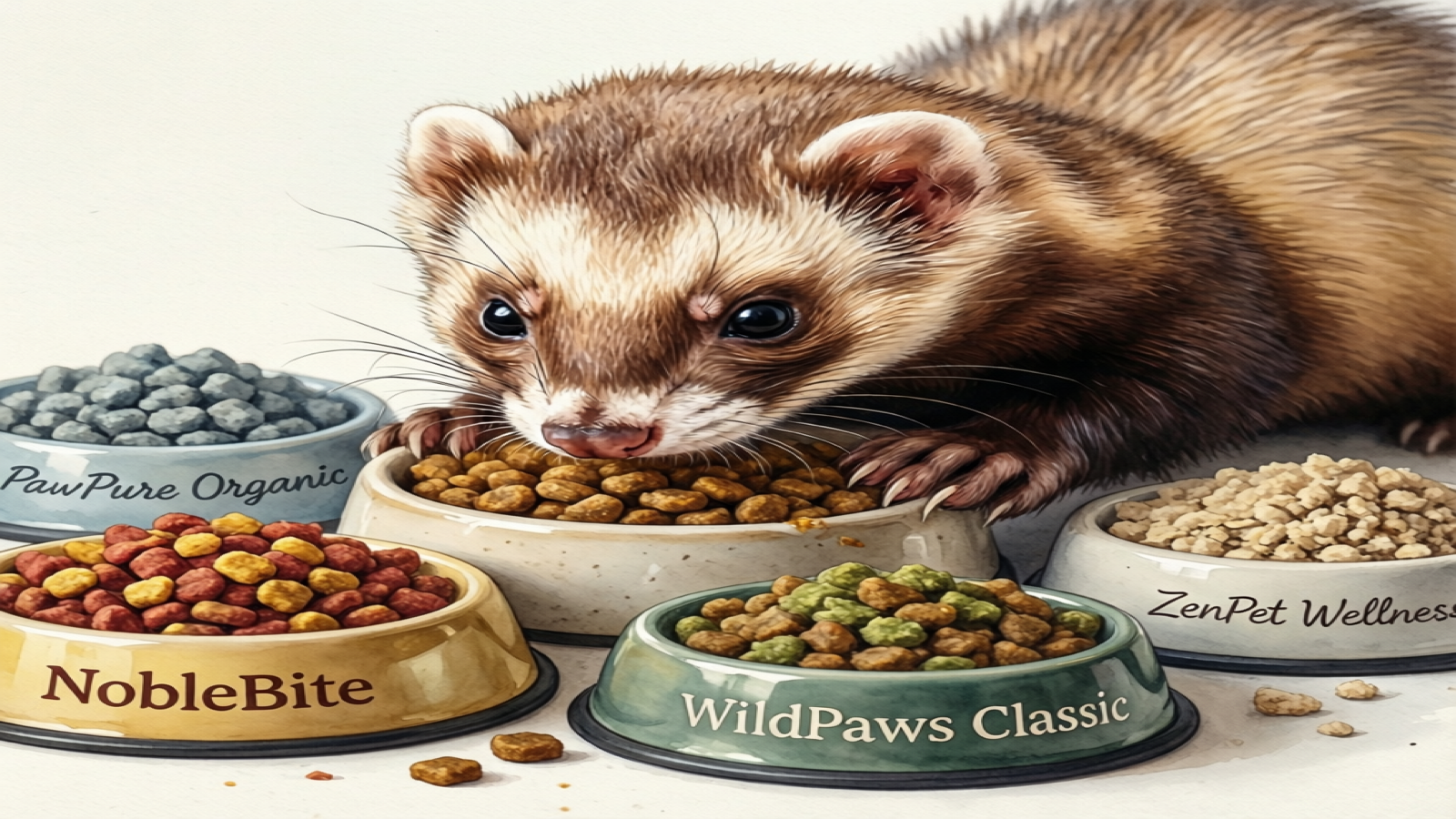
- Purpose: Quick visual reference for ferret owners
- Suggested prompt: “split screen comparison of safe meat treats vs toxic human foods for ferrets, flat lay photography, clean white background” —>