A proper budgie diet is the single most important thing you can do for your bird’s health. Yet most budgie owners are feeding a seed-only diet — the #1 cause of malnutrition, fatty liver disease, and shortened lifespans in pet budgies.
This guide covers everything you need to know about what to feed your budgie, from the ideal diet composition to a step-by-step plan for transitioning from seeds to pellets. Whether you call them budgies or parakeets (they’re the same species, Melopsittacus undulatus), the nutritional requirements are identical.
For a broader overview of bird nutrition, see our complete bird diet guide.
What Should a Budgie’s Diet Consist Of?
The ideal budgie diet looks very different from what most pet stores recommend. Here’s the breakdown backed by avian veterinarians:
| Food Group | Percentage | Purpose |
|---|
| Pellets | 60-70% | Complete nutrition base | | Fresh Vegetables | 20-25% | Vitamins, minerals, hydration | | Seeds | ~10% | Enrichment, treats, training rewards | | Fruits | ~5% | Variety, natural sugars |
Why Not Just Seeds?
A seed-only diet is like feeding a child nothing but candy. Seeds are:
- High in fat — up to 40-50% fat content in some varieties
- Low in vitamin A — deficiency causes respiratory and skin problems
- Low in calcium — leads to weak bones and egg binding in females
- Nutritionally incomplete — missing essential amino acids
The result? Fatty liver disease (the #1 killer of pet budgies), obesity, weakened immune system, and a lifespan reduced from 15+ years to just 5-7 years.
The Best Budgie Pellets (Foundation of Their Diet)
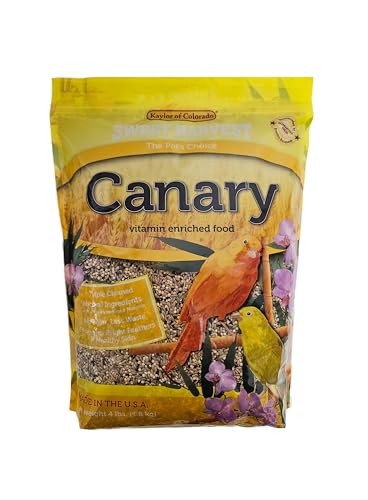
Sweet Harvest Canary Food is a quality option worth considering for your setup.
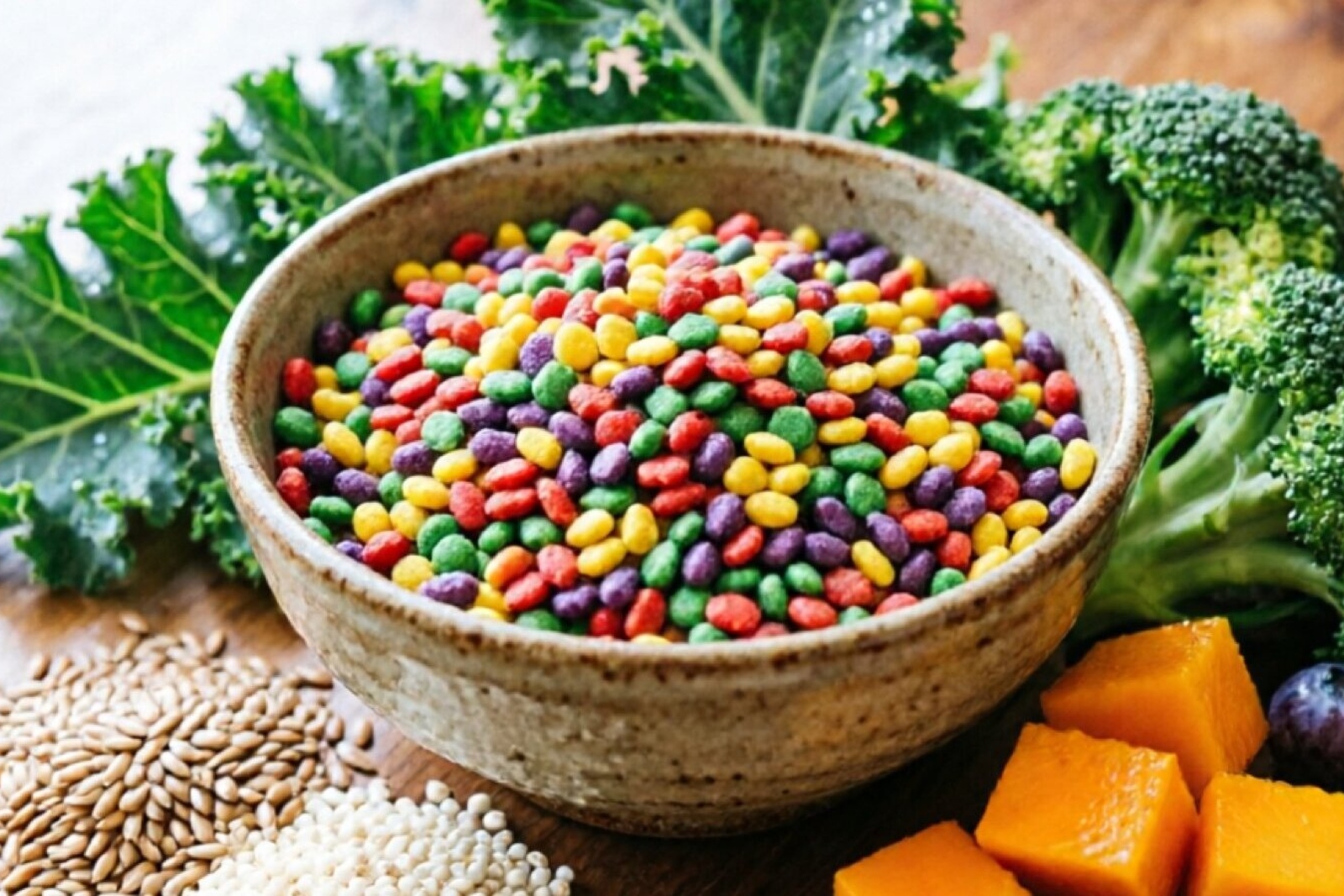
Pellets should make up 60-70% of your budgie’s daily food intake. Unlike seeds, pellets are formulated to provide complete, balanced nutrition in every bite.
Top Pellet Brands Compared
| Brand | Protein | Fat | Key Ingredients | Best For |
|---|
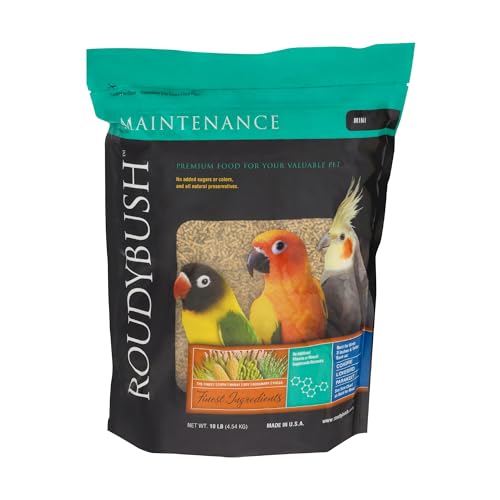
| Roudybush | 14% | 4% | Whole grains, vitamins, minerals | Overall nutrition | | Harrison’s | 14% | 8% | Organic grains, no artificial additives | Organic preference | | Lafeber’s Nutri-Berries | 12% | 9% | Whole seeds bonded with vitamins | Picky eaters transitioning | | Kaytee Exact | 13% | 6% | Corn, wheat, fortified vitamins | Budget-friendly option |
How to Choose
- Small budgie-specific formula — pellet size matters
- No artificial colors or flavors — natural ingredients only
- Fortified with vitamin A and D3 — critical for budgie health
- Fresh manufacture date — pellets lose nutritional value over time
Safe Vegetables for Budgies
Many owners find that Vitakraft Vita Smart works well for their pet’s needs.
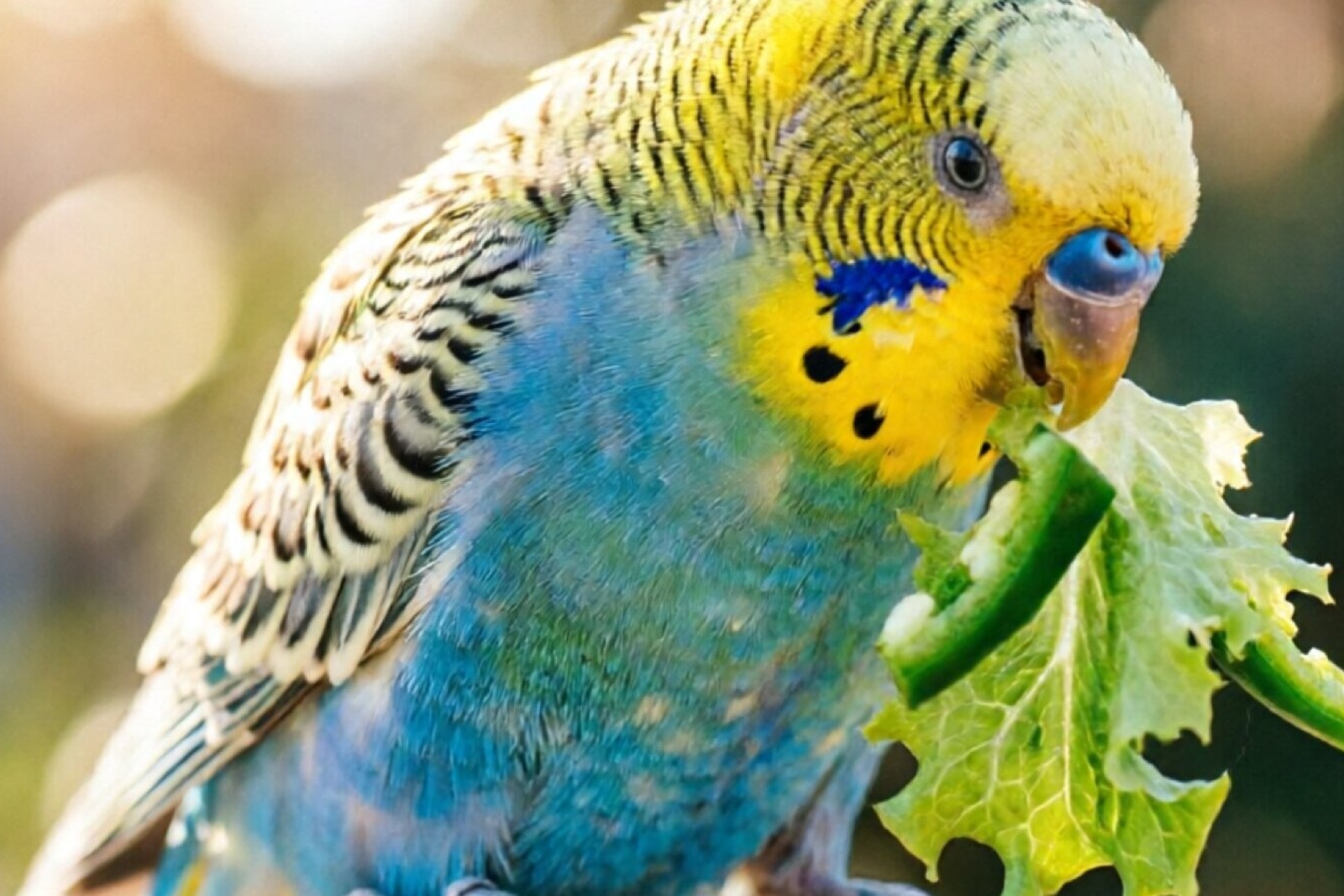
Fresh vegetables should make up 20-25% of your budgie’s diet. Offer a variety of colors and types to ensure a broad range of nutrients.
Best Leafy Greens
- Kale — calcium, vitamin K, antioxidants
- Romaine lettuce — hydration, vitamin A (avoid iceberg — too watery)
- Spinach — iron, vitamin A (feed in moderation — high oxalates)
- Swiss chard — magnesium, vitamin K
Best Colorful Vegetables
- Carrots — beta-carotene (vitamin A), great shredded or in small chunks
- Bell peppers — vitamin C (all colors; seeds are safe too)
- Broccoli — vitamin C, calcium, fiber (florets and stems)
- Sweet potato — vitamin A, complex carbs (cooked, no seasoning)
- Zucchini — low calorie, easy to digest
- Green beans — protein, fiber (raw or lightly steamed)
Safe vs Unsafe Vegetables
| Safe | Unsafe |
|---|
| Kale, romaine, spinach | Avocado (toxic — contains persin) | | Carrots, sweet potato | Onions, garlic (causes anemia) | | Bell peppers, broccoli | Raw potato, potato eyes | | Zucchini, green beans | Rhubarb leaves (oxalic acid) | | Squash, pumpkin | Mushrooms (digestive issues) |
Serving tip: Chop vegetables into small, bite-sized pieces. Offer them in a separate dish from pellets, and remove uneaten fresh food within 2-4 hours.
Safe Fruits for Budgies
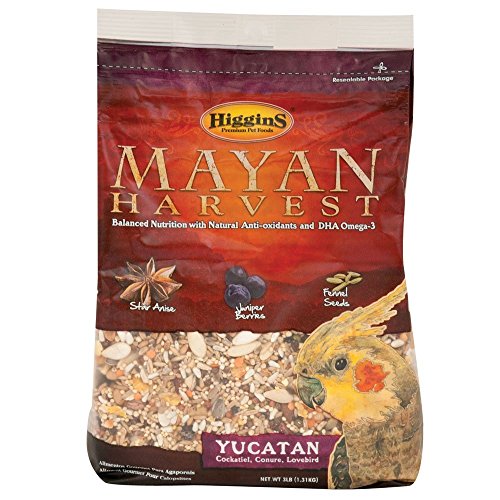
For this purpose, Higgins Mayan Harvest is a popular choice among pet owners.
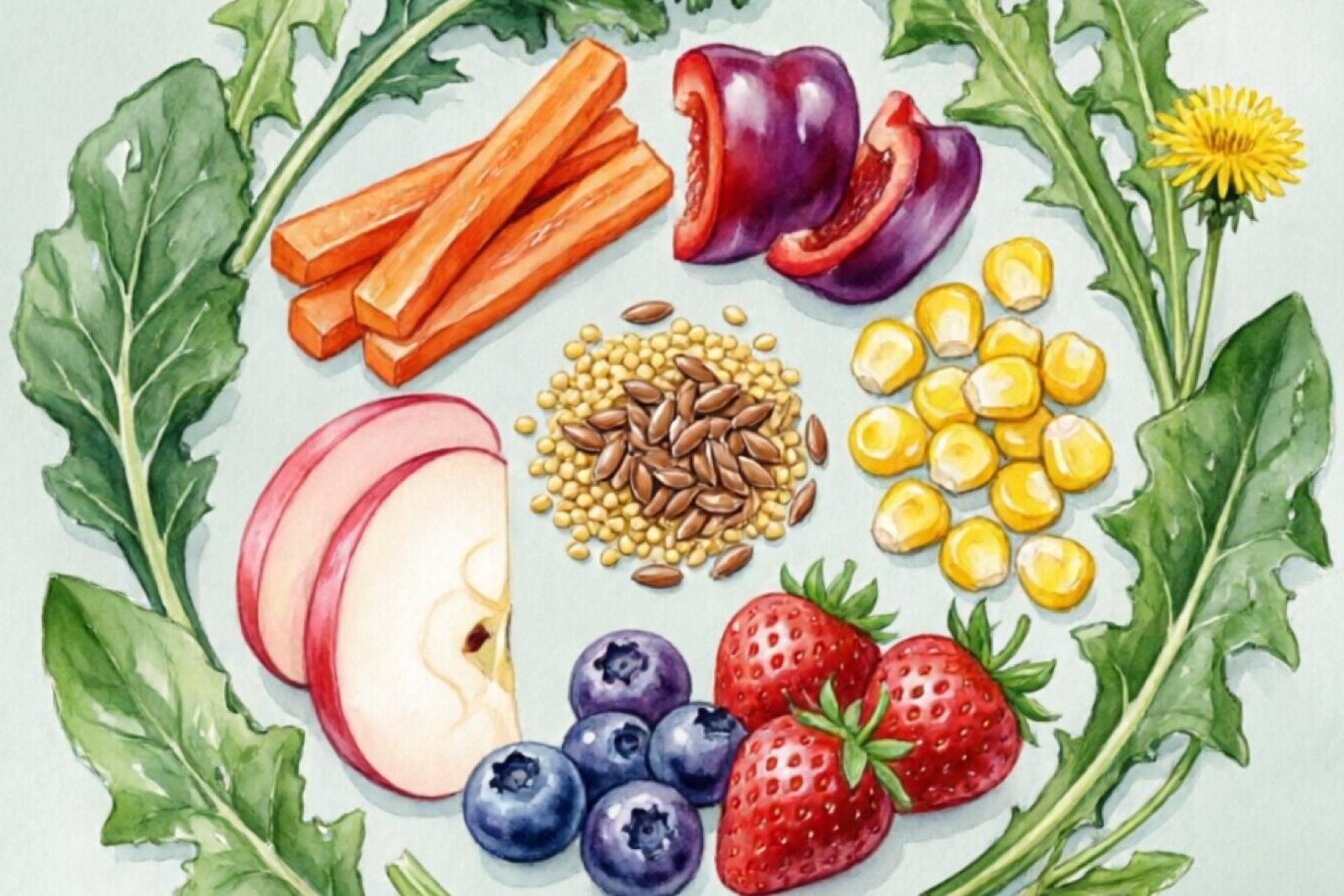
Fruits should be about 5% of your budgie’s diet. They’re naturally high in sugar, so moderation is key.
Best Fruits
- Apples — remove all seeds (contain cyanide); great diced
- Bananas — potassium, vitamin B6; offer thin slices
- Berries — strawberries, blueberries, raspberries (antioxidants)
- Melon — cantaloupe, honeydew, watermelon (hydration)
- Papaya — vitamin C, digestive enzymes
- Mango — vitamin A, fiber (remove pit)
- Pears — remove seeds; similar to apples nutritionally
Fruits to Limit
- Grapes — high sugar, feed sparingly
- Cherries — remove pit (cyanide risk), flesh only in small amounts
- Dried fruits — concentrated sugar, no nutritional advantage over fresh
Learn more about what fruits are safe for cockatiels — the same rules apply to budgies.
Seeds: Treat, Not Staple
Seeds should make up only about 10% of your budgie’s diet. Think of them as treats, training rewards, or enrichment tools — not a staple food.
Best Seed Types
- Millet — low fat, most budgies’ favorite
- Canary seed — good protein-to-fat ratio
- Flax seed — omega-3 fatty acids
- Oat groats — fiber, B vitamins
- Hemp seed — protein, omega-3 and omega-6
Using Seeds for Training
Seeds are perfect for positive reinforcement training. Use millet sprays as high-value rewards when teaching your budgie to step up, target train, or perform tricks.
Foods That Are Toxic to Budgies
Some common human foods are dangerous or fatal to budgies. Keep these away from your bird at all times:
Complete Toxic Foods List
| Food | Toxin | Effect |
|---|
| Avocado | Persin | Heart failure, respiratory distress, death | | Chocolate | Theobromine, caffeine | Vomiting, seizures, cardiac arrest | | Caffeine | Caffeine | Cardiac arrhythmia, hyperactivity | | Alcohol | Ethanol | Liver failure, respiratory depression | | Onion & Garlic | N-propyl disulfide | Hemolytic anemia (red blood cell destruction) | | Rhubarb leaves | Oxalic acid | Kidney failure | | Apple seeds / Cherry pits | Amygdalin (cyanide) | Cyanide poisoning | | Fruit pits | Cyanide compounds | Toxic in any amount | | Mushrooms | Unknown toxin | Digestive distress, liver damage | | High-salt foods | Sodium | Dehydration, kidney damage | | High-sugar foods | Sucrose/fructose | Obesity, fatty liver disease |
Emergency Signs
If you suspect your budgie has eaten something toxic, look for: vomiting, lethargy, difficulty breathing, seizures, or sudden behavioral changes. Contact an avian vet immediately.
How to Transition Your Budgie from Seeds to Pellets
If your budgie currently eats only seeds, transitioning to pellets is the most important health change you can make. But it must be done gradually — budgies are notorious neophobes (afraid of new things) and may starve rather than eat unfamiliar food.
6-Week Transition Plan
Weeks 1-2: Introduction (25% pellets, 75% seeds)
- Place pellets in a separate dish alongside seeds
- Try crushing some pellets and sprinkling over seeds
- Offer at different times of day
- Don’t remove seeds yet
Weeks 3-4: Increasing Ratio (50% pellets, 50% seeds)
- Gradually increase pellet portion
- Decrease seed portion slightly
- Try offering pellets when budgie is hungriest (morning)
- Mix pellet colors if your brand offers variety
Weeks 5-6: Final Push (75% pellets, 25% seeds)
- Pellets should now be the primary food
- Reserve seeds for training rewards only
- Monitor weight weekly (should be stable)
- Celebrate small victories — even nibbling pellets is progress
What If Your Budgie Refuses?
- Try different brands — texture and taste vary significantly
- Warm the pellets — slightly warm pellets release more aroma
- Soak in water or juice — softens texture, adds flavor
- Eat in front of them — budgies are flock eaters
- Be patient — some budgies take 3-6 months to fully transition
- Never go cold turkey — budgies can starve within 24-48 hours
If your budgie loses more than 10% of body weight during transition, consult an avian vet.
Age-Specific Diet Requirements
A budgie’s nutritional needs change throughout its life. Here’s how to adjust the diet at each stage:
Baby Budgies (< 6 Weeks)
- Hand-feeding formula — commercial formula (Kaytee Exact Hand Feeding)
- Feed every 2-3 hours
- Temperature: 105-107°F (40-42°C)
- Do not offer solid foods until weaning begins (~4 weeks)
See our parakeet care guide for more on hand-raising baby budgies.
Juvenile (6 Weeks – 6 Months)
- Introduce pellets as primary food
- Offer chopped vegetables and fruits daily
- Seeds should be <15% of diet from the start
- Monitor growth and weight weekly
Adult (6 Months – 5 Years)
- Balanced maintenance diet: 60-70% pellets, 20-25% vegetables, 10% seeds, 5% fruits
- Fresh water changed daily
- Cuttlebone or mineral block for calcium
- Adjust portions based on activity level
Senior (5+ Years)
- Reduce fat — lower seed ratio to 5-8%
- Increase calcium — more leafy greens, mineral block always available
- Add joint support — foods rich in omega-3 (flax seed, hemp seed)
- Monitor weight closely — senior budgies are prone to both obesity and wasting
- Softer foods — some seniors have weaker beaks, offer chopped or softened vegetables
Breeding Budgies
- Extra protein — increase to 18-20% (hard-boiled egg, sprouted seeds)
- Extra calcium — critical for egg shell formation
- Vitamin E — supports fertility (wheat germ, spinach)
- Increase overall food — breeding is energy-intensive
Fresh Food Feeding Schedule
When to Offer Fresh Food
Morning (best time) — Budgies are naturally most active and hungry after their overnight fast. Place fresh vegetables in the cage first thing in the morning.
How Long to Leave Fresh Food Out
Maximum 2-4 hours. Fresh food spoils quickly at room temperature, especially in warm environments. Bacteria growth can cause illness.
Best Practices
- Wash all produce thoroughly
- Chop into small, manageable pieces
- Use separate dishes for pellets and fresh food
- Remove uneaten fresh food promptly
- Clean dishes daily with hot water and mild soap
For proper cage setup and feeding station placement, check out our guides on the best parakeet cages and best cockatiel cages.
Sprouted Seeds: A Nutritional Powerhouse
Sprouted seeds are one of the most nutritious foods you can offer your budgie. The sprouting process:
- Increases vitamin content — vitamin C can increase 500-600%
- Reduces fat content — the seed uses stored fat during germination
- Activates enzymes — improves digestion and nutrient absorption
- Adds live probiotics — supports gut health
How to Sprout Seeds at Home
- Soak — Place seeds (mung beans, wheat, broccoli seeds) in water for 8-12 hours
- Drain and rinse — Pour off water, rinse thoroughly
- Sprout — Place in a jar or sprouting tray, rinse 2-3 times daily
- Harvest — Ready in 2-5 days when sprouts are 1/4-1/2 inch long
- Rinse and serve — Offer fresh to your budgie
Safety Tips
- Use organic seeds intended for sprouting (not treated with chemicals)
- Rinse frequently to prevent mold growth
- Discard if you see mold or smell off odors
- Start with small amounts — too much can cause loose droppings
Common Budgie Diet Problems (Troubleshooting)
Budgie Won’t Eat Vegetables
This is the #1 complaint from budgie owners. Try these strategies:
- Chop very finely — mix into pellets
- Try different vegetables — not all budgies like the same foods
- Eat vegetables in front of them — budgies are flock eaters and copy behavior
- Offer at different times — some budgies prefer evening
- Hang vegetables on a clip — makes it a “toy” as well as food
- Use foraging toys — hide small vegetable pieces for your budgie to find
Overweight Budgie
Signs: difficulty flying, fat deposits on chest, lethargy.
Fix: Reduce seed intake to 5%, increase pellets and vegetables, encourage more exercise (larger cage, out-of-cage time).
Picky Eater
- Offer 3-4 different fresh foods daily
- Rotate varieties weekly
- Don’t give up — it can take 15-20 exposures before a budgie tries something new
- Consider foraging enrichment to make eating more engaging
Product Recommendations
Here are some products mentioned in this guide:
Frequently Asked Questions (FAQ)
What is the best diet for a budgie?
A balanced budgie diet consists of 50–60% high-quality pellets, 30–40% fresh vegetables and fruits, and 10–20% seeds. Pellets provide complete nutrition, while fresh foods offer vitamins, minerals, and enrichment.
Can budgies eat seeds every day?
Yes, budgies can have a small amount of seeds daily — but seeds should be limited to 10–20% of their total diet. Seed-only diets are nutritionally incomplete and lead to obesity and fatty liver disease.
What vegetables are safe for budgies?
Safe vegetables include spinach, kale, broccoli, carrots, bell peppers, zucchini, and sweet potato. Avoid avocado, onion, garlic, and raw potatoes, which are toxic to birds.
How do I transition my budgie from seeds to pellets?
Gradually mix pellets with seeds over 4–6 weeks, slowly increasing the pellet ratio. Try offering pellets first in the morning when your budgie is hungriest. Patience and consistency are key — most budgies adapt within 2–8 weeks.
Can budgies eat fruit every day?
Fruit should be offered in moderation (2–3 times per week) due to its high natural sugar content. Stick to small portions of apple (no seeds), berries, papaya, or melon.
Conclusion
A proper budgie diet isn’t complicated — it’s just different from what most people assume. The seed-heavy diet sold by pet stores is designed for profit, not for your bird’s health. By shifting to a pellet-based diet with daily fresh vegetables, you’re giving your budgie the best chance at a long, healthy, vibrant life.
Start with small changes. Even adding one new vegetable per week is progress. Your budgie may resist at first, but patience and persistence will pay off in years of companionship.