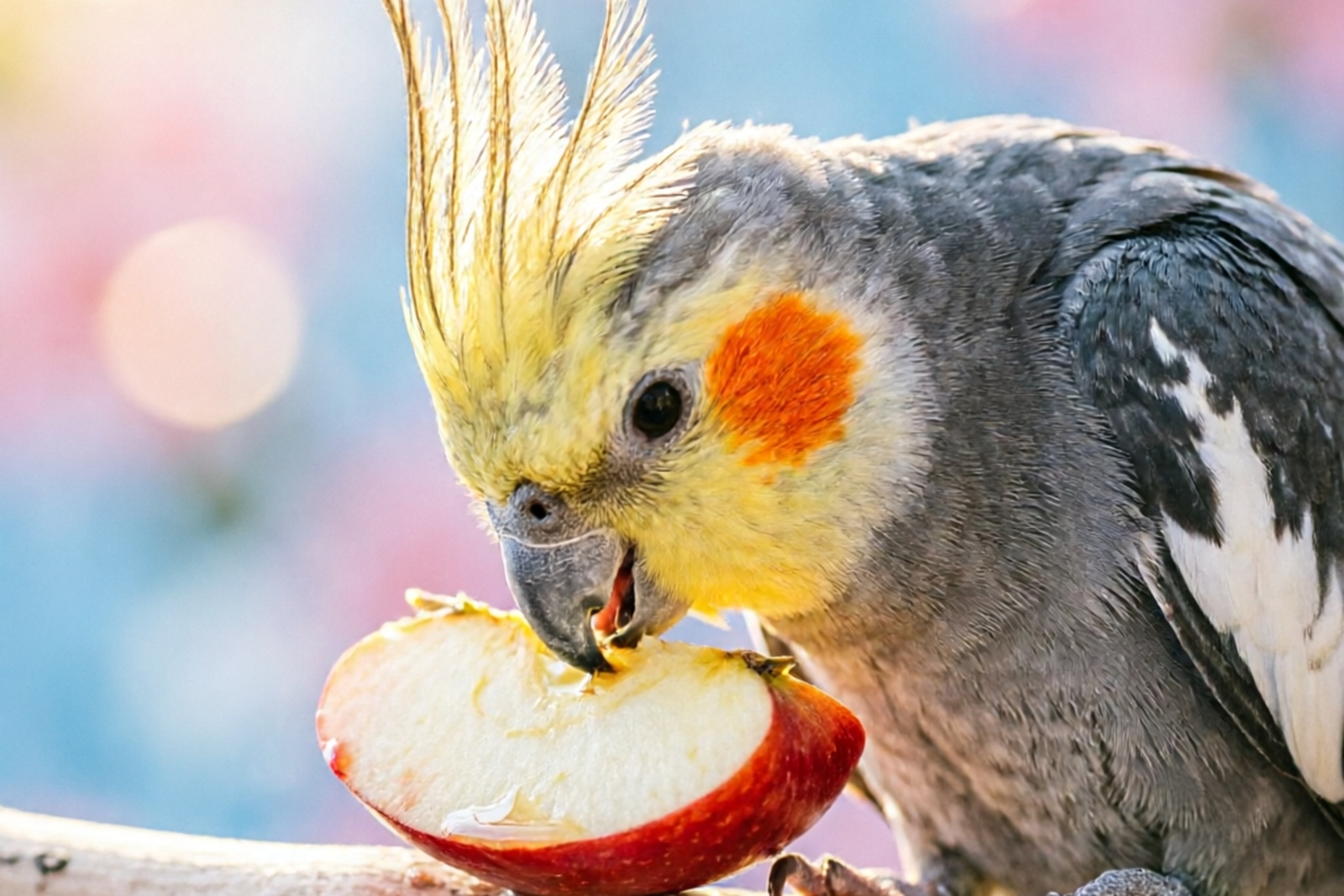
Can Cockatiels Eat Apples? — Here’s What You Need to Know
Can cockatiels eat apples? Yes — apples are safe and healthy for cockatiels when prepared correctly. They provide vitamin C, fiber, and hydration, making them an excellent occasional treat. However, apple seeds and stems must always be removed due to cyanide toxicity.
The short answer: yes, but remove seeds, stems, and wash thoroughly.
Can cockatiels have apples? Can cockatiels eat apples? Absolutely — apples are one of the safest and most beneficial fruits you can offer your cockatiel. A raw apple is roughly 86% water, low in calories (52 kcal per 100g), and packed with dietary fiber. These qualities make apples ideal as an occasional treat, though they should never replace your bird’s staple diet of pellets and fresh vegetables. Apple flesh also contains small amounts of vitamin B complex, which supports energy metabolism in active cockatiels.
In a balanced cockatiel diet, treats like fruit should make up less than 10% of total food intake. The remaining 90% should come from high-quality pellets supplemented with leafy greens and vegetables. Do cockatiels eat apples in the wild? Cockatiels are native to Australia, where their wild diet consists primarily of grass seeds, native fruits, and occasional insects. While wild cockatiels do eat fruit when available, they consume it in much smaller quantities than most pet owners realize.
A good rule of thumb: one or two small apple pieces per serving, offered one to two times per week. If you are new to cockatiel nutrition, check out our cockatiel care guide for a complete dietary breakdown.
The #1 Danger: Why Apple Seeds Are Toxic to Cockatiels
Dr. Harvey’s Incredible Canary Blend is a quality option worth considering for your setup.
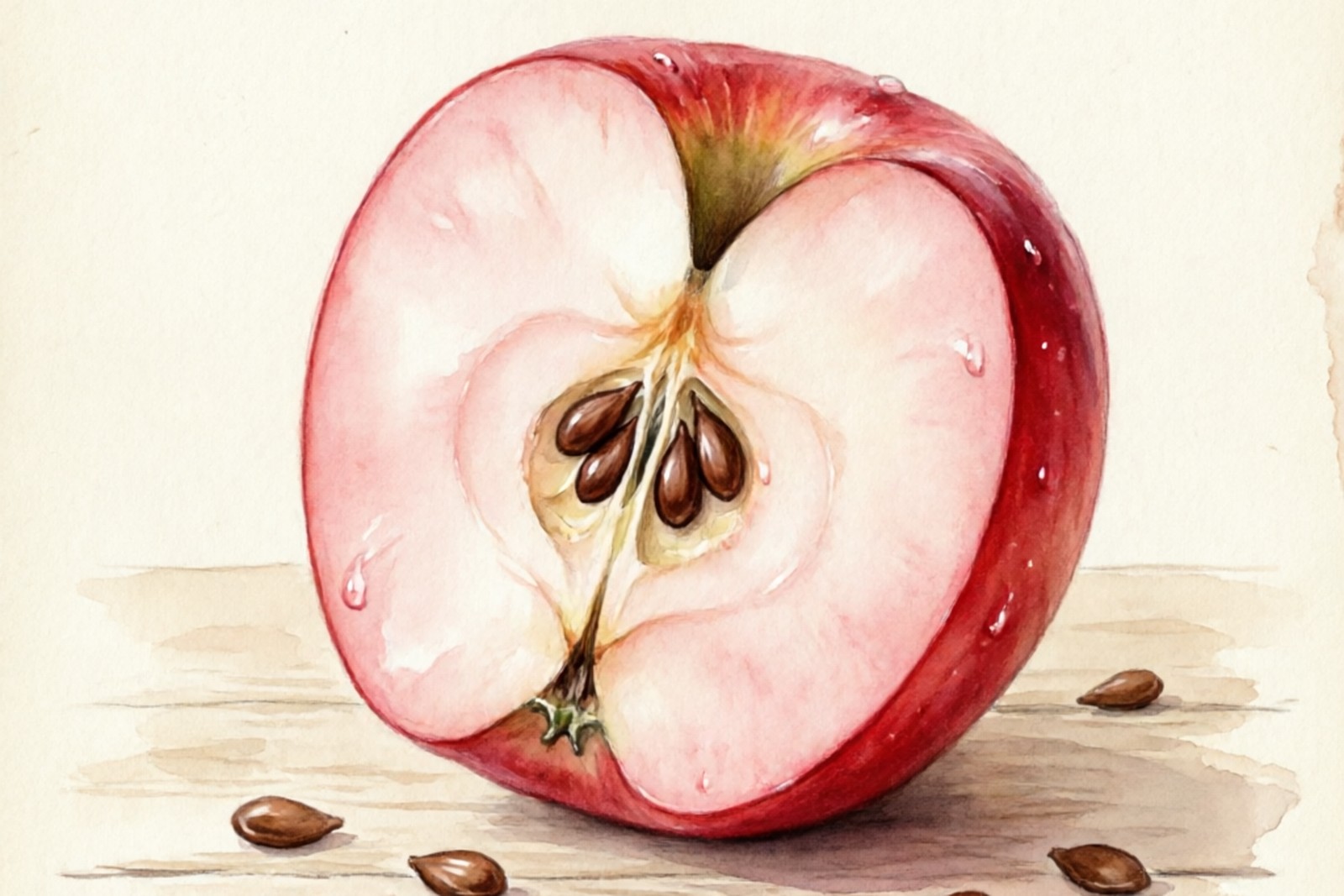
Can cockatiels eat apple seeds? No — apple seeds contain amygdalin, a cyanogenic glycoside that releases hydrogen cyanide when metabolized. For a cockatiel weighing only 80-120 grams, even a small number of seeds can be dangerous.
Are apple seeds toxic to cockatiels? Yes. Here’s how the toxicity works: when a cockatiel ingests apple seeds, gut bacteria break down the amygdalin compound, releasing hydrogen cyanide into the bloodstream. Cyanide blocks cellular oxygen transport — meaning cells cannot use the oxygen available to them. While the exact lethal dose varies by individual, even one or two crushed seeds can be risky for a bird this small.
Stems and leaves from apple trees also contain cyanogenic compounds and should be removed. Can cockatiels eat apple cores? No — apple cores are not safe because they house the seeds — discard the entire core.
Signs of cyanide poisoning in cockatiels include:
- Lethargy and weakness
- Difficulty breathing
- Drooping wings
- Seizures (in severe cases)
If your cockatiel has eaten apple seeds, contact an avian veterinarian immediately. Do not wait for symptoms to appear — early treatment is critical.
Is Apple Skin Safe? Washing & Preparation Guide
Many owners find that Wild Harvest Daily Blend 10 lb works well for their pet’s needs.
Can cockatiels eat apple skin? Yes — apple skin is safe for cockatiels if properly washed. The skin actually contains more fiber and quercetin (an antioxidant) than the flesh itself. However, pesticide residues and wax coatings on conventionally grown apples make thorough washing essential.
Follow these six steps to safely prepare apples for your cockatiel:
- Wash thoroughly under running water — this removes pesticide residues and wax coating. Use a produce brush for extra cleaning power.
- Decide on peeling — organic apple skin is fine to leave on. For conventional apples, wash well or peel to be safe.
- Remove all seeds — cut around the core carefully, making sure no seeds remain.
- Remove the stem and any leaves — these also contain cyanogenic compounds.
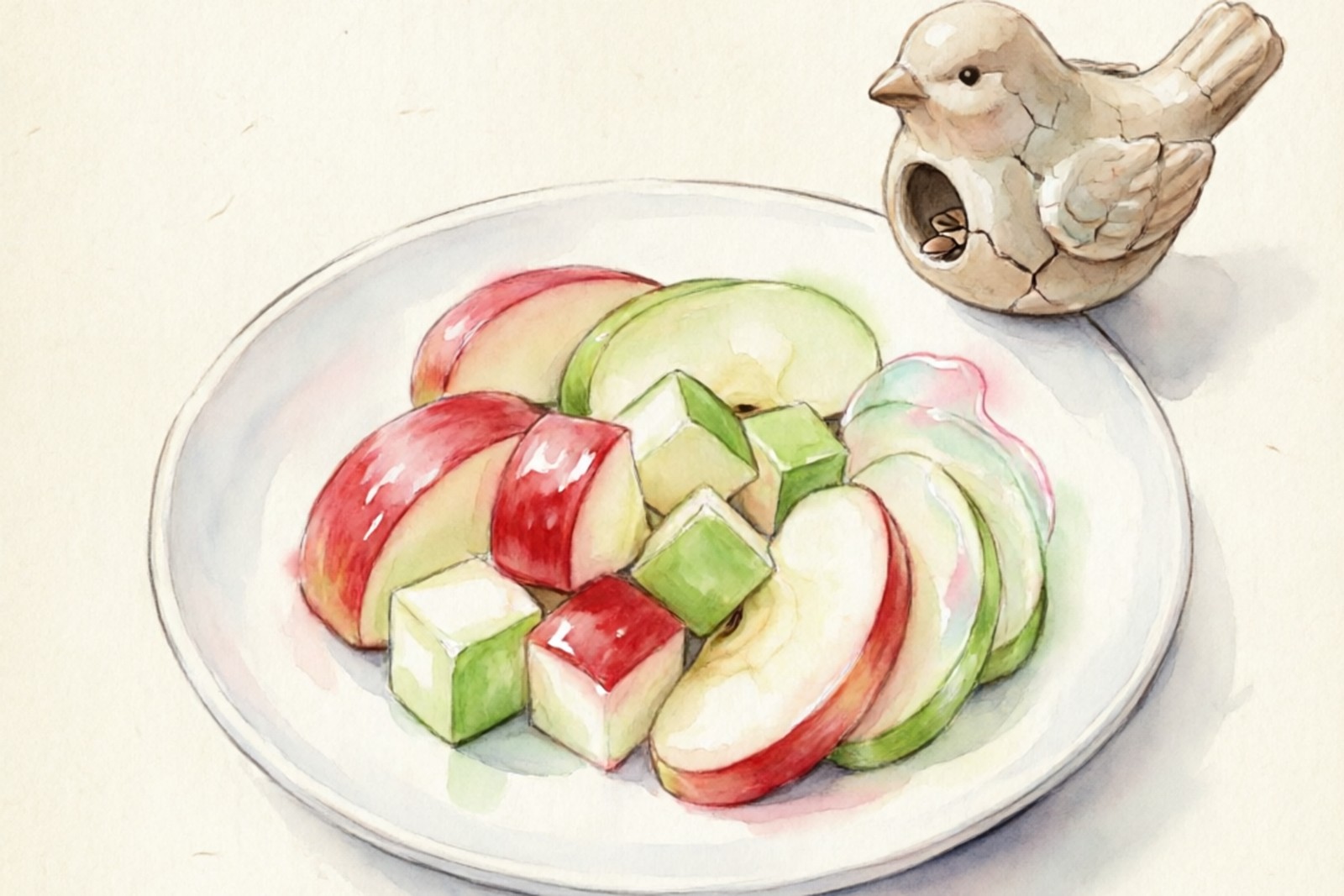
- Cut into small bite-sized pieces — half-inch cubes or thin slices work best.
- Serve fresh — remove uneaten pieces after two to four hours, as cut apples brown and spoil quickly at room temperature.
Can cockatiels eat apple peels? Yes — peels and skin refer to the same thing, and both are safe when the apple has been washed.
How Much & How Often: Safe Serving Guide
For this purpose, ZENY 53” Flight Cage is a popular choice among pet owners.
Moderation is key. Can cockatiels eat apples everyday? No — the sugar content (10.4g per 100g) makes daily feeding risky. Too much sugar can lead to obesity, digestive upset, and nutritional imbalances.
| Cockatiel Size | Portion | Frequency |
|---|---|---|
| Average adult (80-120g) | 1-2 small slices (½ inch cubes) | 1-2 times per week |
| Young/juvenile (<6 months) | ½ slice (small bites) | 1 time per week |
| Senior (>10 years) | 1 small slice (softer pieces) | 1-2 times per week |
Tips for feeding:
- Offer apple in the morning when your cockatiel is most active
- Half-inch cubes are easier for cockatiels to hold with their feet than thin slices
- Remove uneaten apple after two to four hours to prevent spoilage
- Pair with leafy greens for balanced nutrition
- Never substitute apple for pellets — treats should be less than 10% of total diet
- Try placing apple pieces in a treat holder near your bird’s favorite perching spot to encourage natural feeding behavior
- Introduce apple gradually if your cockatiel has never tried fruit before — start with a tiny piece and observe for any adverse reaction
Can cockatiels eat apple slices? Yes, slices are perfectly safe. Just make sure they are bite-sized and seedless.
Why frequency matters: Cockatiels in the wild eat a varied diet of seeds, grasses, and occasional fruits. Their digestive systems are not designed to handle large amounts of fruit sugar on a daily basis. Overfeeding fruit can lead to watery droppings, weight gain, and a refusal to eat more nutritious staple foods. Think of apple as a special reward, not an everyday snack.
Applesauce, Dried Apples & Freeze-Dried Apples — What’s Safe?
Applesauce
Can cockatiels eat applesauce? Yes, but only plain, unsweetened applesauce with no added sugar, cinnamon, or preservatives. Cinnamon in small culinary amounts is generally safe, but cinnamon essential oil is toxic to birds — avoid any product containing cinnamon oil. Always read the ingredient list carefully — many commercial brands add sugar and artificial preservatives. Homemade unsweetened applesauce is the safest option.
Dried Apples
Can cockatiels eat dried apples? Yes, dried apples are safe but come with a significant warning: the drying process concentrates sugar to approximately 50g per 100g (versus 10.4g in fresh apples). That’s nearly five times the sugar content. Feed dried apples in very small amounts — one small piece as an occasional treat at most.
Freeze-Dried Apples
Can cockatiels eat freeze dried apples? Yes — freeze-dried apples are the best processed option. They retain most of their original nutrients, contain no additives when purchased plain, and can be served as-is or rehydrated with water. They also make excellent foraging enrichment — try stuffing pieces into a cockatiel foraging toy to stimulate natural foraging behavior.
Apple Juice
Not recommended. Apple juice is high in sugar, lacks the beneficial fiber of whole fruit, and often contains preservatives. Stick to fresh apple pieces instead.
Baked Apples
Plain baked apples (no added sugar, butter, or cinnamon) are safe and can be a nice warm treat for senior cockatiels who prefer softer foods.
Red vs Green Apples vs Granny Smith — Which Is Best?
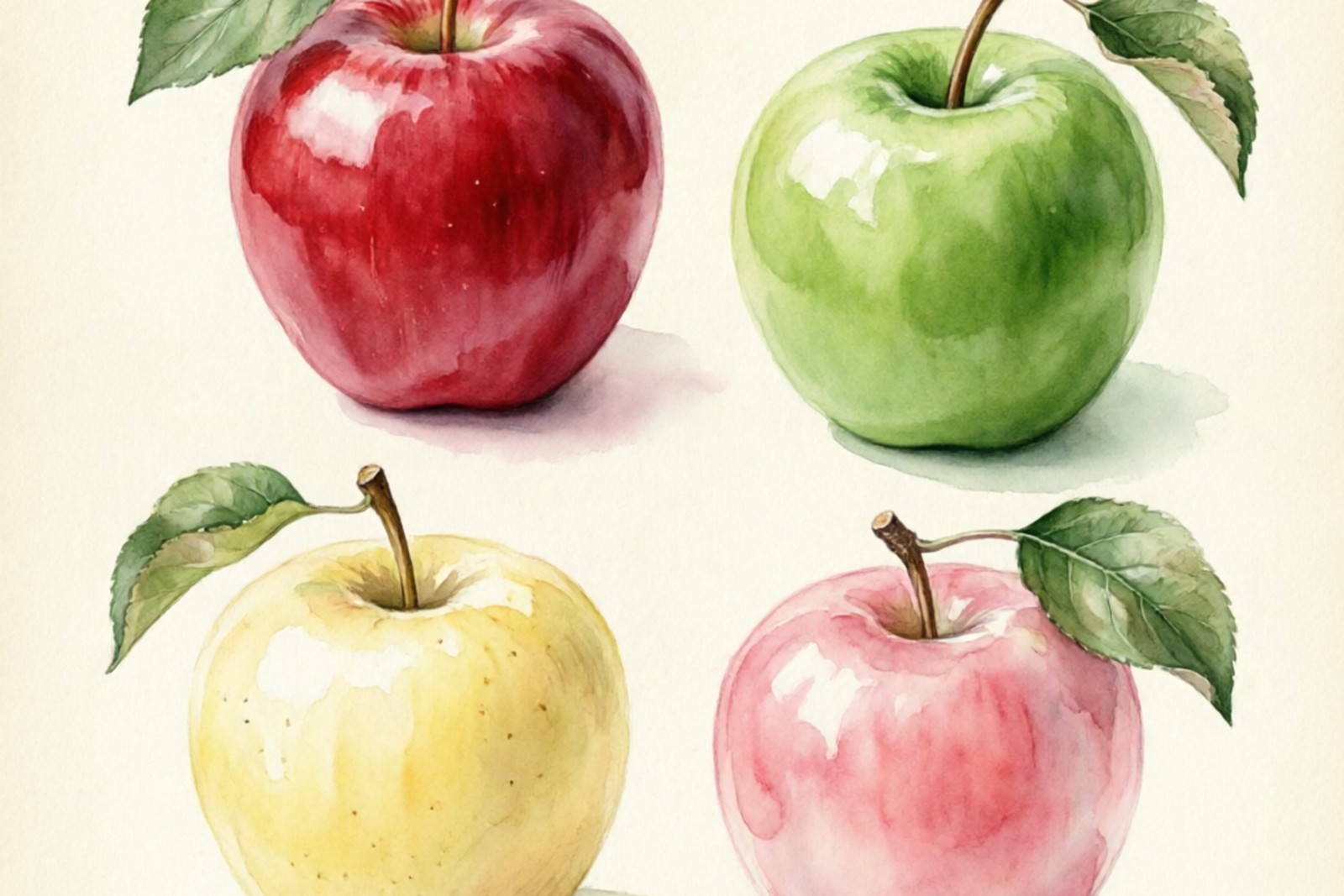
All apple varieties are safe for cockatiels as long as you remove the seeds. However, they differ in sugar content, which matters for a bird this small.
| Variety | Sweetness | Sugar (per 100g) | Best For | Notes |
|---|---|---|---|---|
| Red Delicious | High | ~12g | Occasional treat | Very sweet, higher sugar |
| Fuji | Very high | ~14g | Rare treat | Highest sugar content |
| Gala | Moderate-High | ~11g | Regular treat | Balanced sweetness |
| Granny Smith | Low | ~7g | Best overall | Lower sugar, less likely to cause digestive upset |
| Golden Delicious | Moderate | ~10g | Good choice | Similar to Gala |
Granny Smith is the best overall choice for cockatiels. With only about 7g of sugar per 100g — significantly less than sweeter varieties — Granny Smith apples are less likely to cause loose stools or weight gain. Their tartness also tends to be appealing to cockatiels.
Can cockatiels eat red apples? Yes. Can cockatiels eat green apples? Yes. Can cockatiels eat Granny Smith apples? Yes — and they are actually the recommended variety.
Organic apples are preferred for all varieties because they have less pesticide residue on the skin. But conventional apples are safe if washed thoroughly.
Nutritional Benefits of Apples for Cockatiels
Is apple good for cockatiels? Yes — when served in moderation, apples offer several nutritional benefits backed by USDA data.
| Nutrient | Amount (per 100g) | Benefit for Cockatiels |
|---|---|---|
| Calories | 52 kcal | Low-calorie treat option |
| Water | 86% | Hydration support |
| Fiber | 2.4g | Digestive health |
| Vitamin C | 4.6mg (8% DV) | Immune system support |
| Potassium | 107mg | Heart and muscle function |
| Vitamin K | 2.2μg | Blood clotting |
| Sugar | 10.4g | Energy source (moderation needed) |
Source: USDA FoodData Central
The key benefit is hydration — at 86% water, apples help keep your cockatiel hydrated, especially during warmer months or in heated indoor environments where the air tends to be dry. The fiber supports healthy digestion and helps prevent impaction, which can occur in birds that eat mostly dry seed diets. Vitamin C contributes to immune function, though cockatiels synthesize their own vitamin C in the liver, so the amount from apple is supplementary rather than essential.
Potassium plays a critical role in maintaining proper heart rhythm and muscle function in cockatiels. Vitamin K supports blood clotting, which is particularly important if your bird has ever experienced a bleeding feather or minor injury.
However, apples are low in protein and fat, which are essential nutrients for cockatiels. A healthy cockatiel diet requires adequate protein for feather growth and muscle maintenance, and healthy fats for energy and vitamin absorption. This is why apples should only be a treat, not a dietary staple. Pair apple treats with a balanced diet of pellets and vegetables. For a complete dietary guide, see our complete bird diet guide.
Safe Fruits vs Unsafe Fruits for Cockatiels
Wondering what fruit can cockatiels eat? Knowing which fruits are safe and which are toxic is essential for any cockatiel owner. Here is a quick reference table:
| Fruit | Safe? | Notes |
|---|---|---|
| Apples (seedless) | ✅ Yes | Remove seeds, stems, wash well |
| Bananas | ✅ Yes | High sugar, feed in small amounts |
| Strawberries | ✅ Yes | Remove stems, wash thoroughly |
| Blueberries | ✅ Yes | Antioxidant-rich, excellent choice |
| Grapes | ✅ Yes | Remove seeds, feed sparingly |
| Avocado | ❌ No | Toxic — contains persin, can be fatal |
| Cherries | ⚠️ Caution | Remove pits (contain cyanide), flesh is safe |
| Rhubarb | ❌ No | Toxic — oxalic acid in leaves |
| Citrus (oranges, lemons) | ⚠️ Limited | High acidity, small amounts only |
Fruits cockatiels should never eat: avocado (contains persin, which is fatal to birds), rhubarb, any fruit with pits or seeds containing cyanogenic compounds, and chocolate-covered fruit.
For a more detailed comparison, see our parakeet care guide which covers safe fruits across small bird species.