Quick Answer: The 8 Best Axolotl Substrates
Best Fine Sand: Aqua Natural Sugar White Sand ($22.99) — ultra-fine 0.1-0.5mm grain, safest size category.
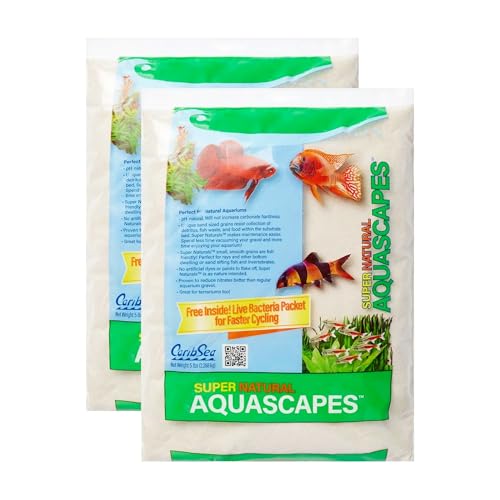
Best Premium: CaribSea Super Naturals Sunset Gold ($17.46) — premium aquarium-grade Sunset Gold with consistent grain size.
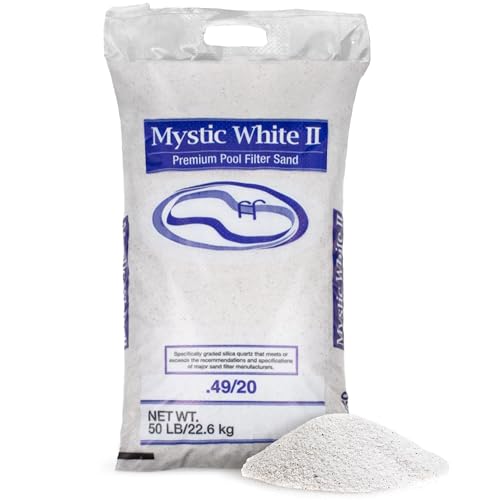
Best Value (Community favorite): U.S. Silica Mystic White II ($12.99) — 50 lbs of #20 grade pool filter sand for $13.
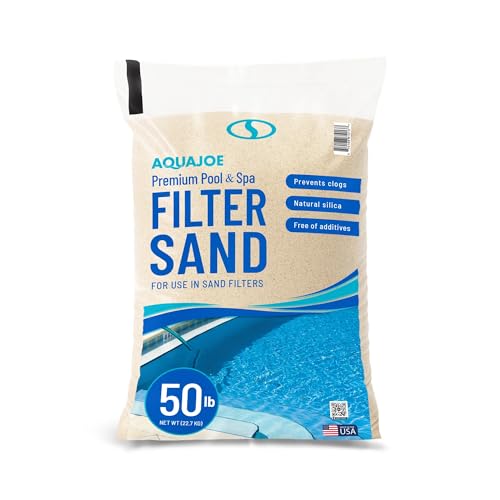
Best Pool Filter Sand: Aqua Joe Premium Pool Filter Sand ($29.97) — 50 lb bag of natural silica, alternative when U.S. Silica is unavailable.
Best Dark Substrate: Aqua Natural Diamond Black ($22.99) — hides waste well, but grain at upper safety limit (1-2mm).
Best Bare-Bottom Alternative: Slate Tiles for Reptiles ($18.99) — zero impaction risk, easiest to clean.
Warning: NEVER use gravel or pebbles — axolotls are suction feeders and will ingest them, causing fatal intestinal impaction.
Warning: Juvenile axolotls (<6 inches) should be kept on bare bottom only.
Axolotl Substrate Safety Guide
Choosing the best axolotl substrate is one of the most critical decisions for an axolotl tank — and the one with the most dangerous misinformation available online. Unlike fish that pick at food individually, axolotls feed by suction, vacuuming everything near their mouths.
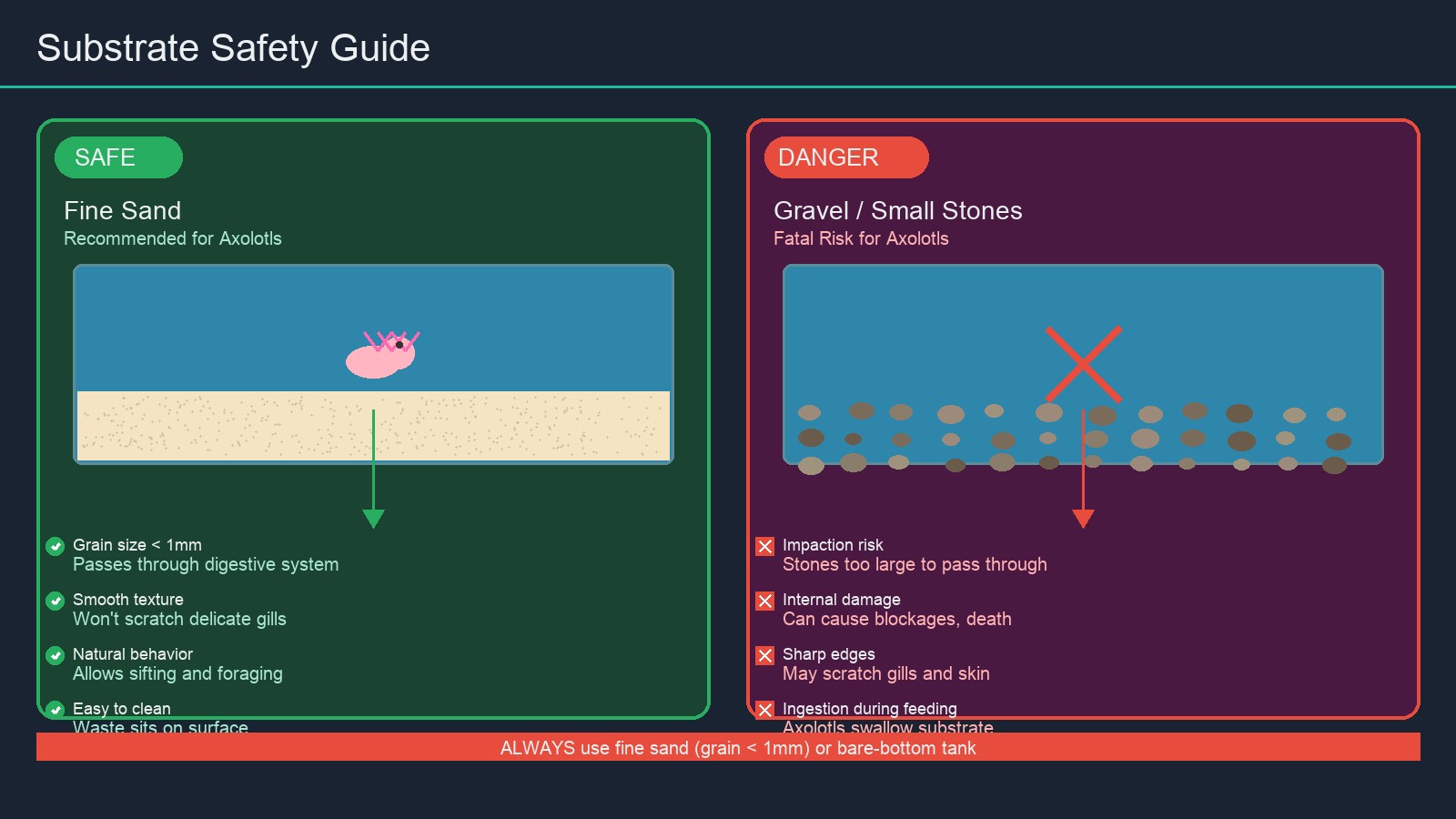
When choosing safe substrate, the top priority is grain size. The right choice keeps your pet safe during suction feeding — the wrong one causes fatal blockages.
Why Gravel Kills: The Impaction Risk

Intestinal impaction occurs when an axolotl swallows substrate too large to pass through its digestive system. The material lodges in the intestines, blocking digestion and nutrient absorption. Symptoms include refusal to eat, floating, bloating, and regurgitation.
Without surgical intervention — expensive and risky — impaction is fatal. Gravel and pebbles (>2mm) are the #1 cause of impaction-related death in captive axolotls, which is why all gravel products are excluded from safe options.
Some breeders, including Fantaxies (a major US axolotl shop), recommend 2-4mm “fine gravel” claiming it won’t cause impaction. However, no gravel qualifies as safe — 2-4mm material exceeds the safe threshold, and Reddit r/axolotls has documented impaction deaths from similarly-sized substrates like Axogravel.
The Reddit r/axolotls community, veterinary exotic pet specialists, and the majority of experienced keepers unanimously advise AGAINST any gravel.
Sand Safety: Grain Size Is Everything
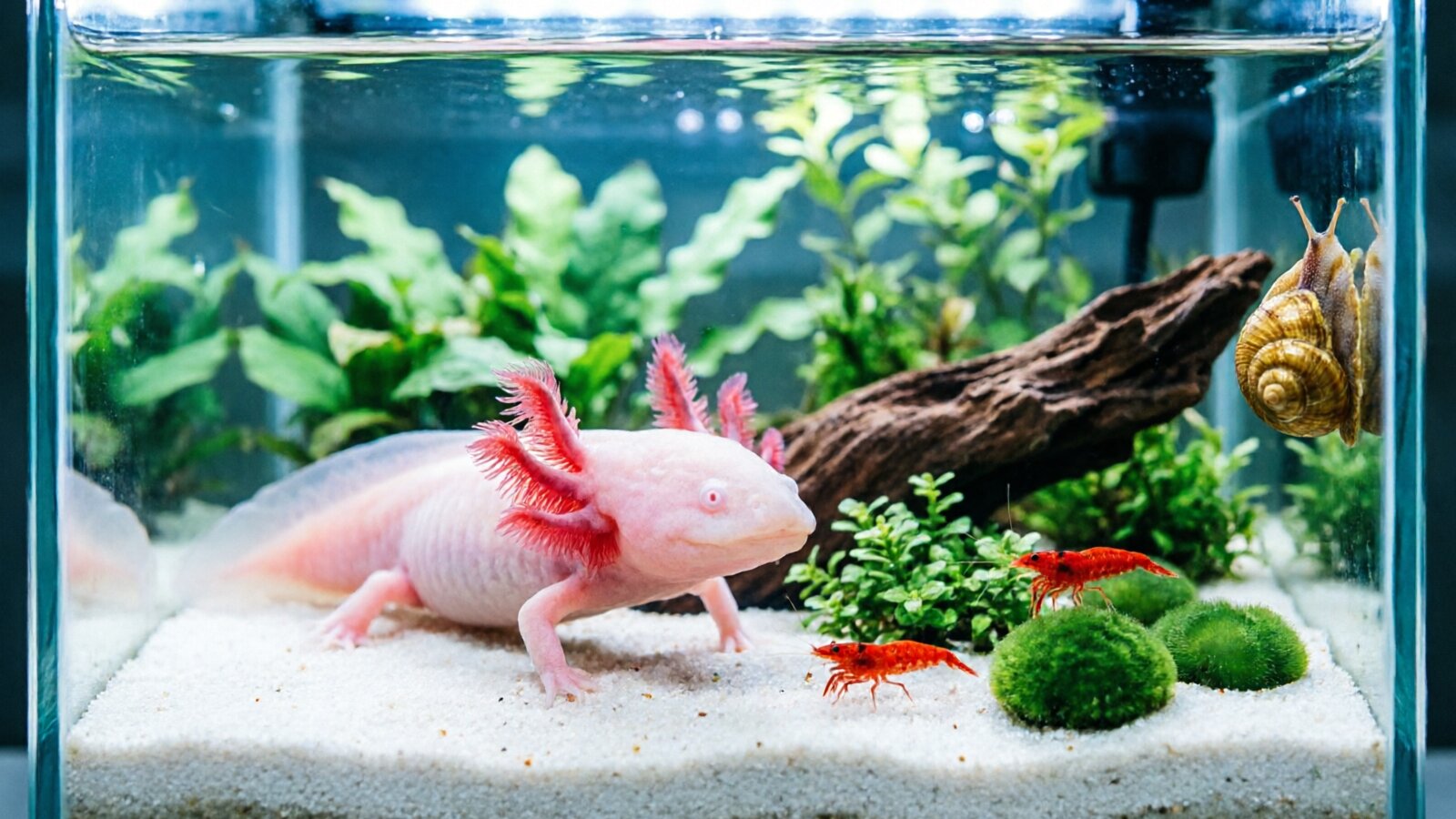
- Ultra-fine sand (<0.5mm): SAFEST. Individual grains barely visible. Closest to axolotls’ natural habitat (Xochimilco silt clay).
- Fine sand (<1mm grain): SAFE for adult axolotls (>6 inches). Grains too small to lodge. Passes through the digestive tract.
- Warning: 1-2mm sand: BORDERLINE. At the upper limit of safe. Use only for large adults (8+ inches).
- 2-4mm “fine gravel”: UNSAFE. By definition, anything >2mm is gravel. Can cause impaction.
- Black blasting sand: UNSAFE. Contains metal shards, can rust. Severe impaction documented.
- Play sand: UNSAFE. Unknown origin, typically coarse (2mm), can alter pH, can scrape sensitive axolotl skin.
- Calcium sand / Aragonite: UNSAFE. Hardens when wet, raises pH, causes impaction.
- Colored sand: UNSAFE. Artificial dyes can leach chemicals into water.
Juvenile vs Adult: Different Substrate Rules
| Axolotl Size | Recommended Substrate | Why |
|---|---|---|
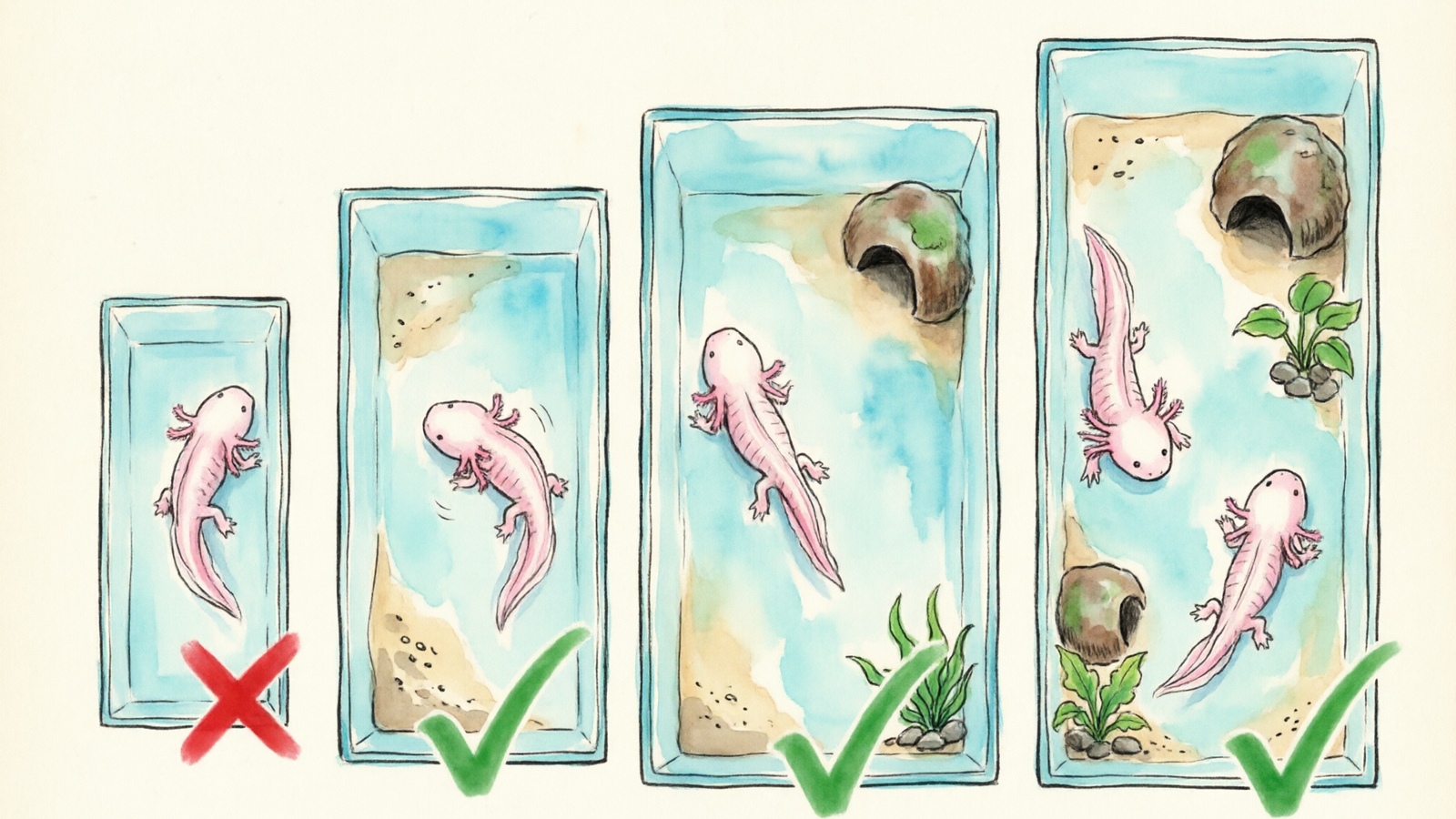
| <4 inches (juvenile) | Bare bottom only | Small digestive tract, higher impaction risk |
| 4-6 inches (sub-adult) | Bare bottom OR tile/slate | Transition period, still higher risk for loose sand |
| 6+ inches (adult) | Fine sand <1mm OR tile | Full digestive capacity to pass fine sand |
| 8+ inches (large adult) | Fine sand <1mm preferred | Can safely handle borderline 1-2mm sand if needed |
For juvenile axolotls, the safest choice is bare bottom only. Sand should only be introduced once your axolotl reaches 6+ inches. See our tank setup guide for the complete process.
Substrate Depth Guide by Tank Size

| Tank Size | Sand Depth | Sand Needed | Recommended Product | Cost |
|---|---|---|---|---|
| 10 gal (single juvenile) | Bare bottom | 0 lbs | None | $0 |
| 20 gal (single adult) | 1 inch | 10-15 lbs | CaribSea Super Naturals Sunset Gold × 1 bag | ~$66 |
| 29 gal (1-2 adults) | 1-1.5 inches | 15-20 lbs | Aqua Natural Sugar White × 2 bags | $46 |
| 40 gal (2-3 adults) | 1.5 inches | 25-30 lbs | U.S. Silica Mystic White (50 lb bag) | $13 |
| 55+ gal (multiple adults) | 1.5-2 inches | 35-50 lbs | U.S. Silica Mystic White (50 lb bag) | $13 |
Substrate depth depends on your tank size. Use the table below to calculate how much sand you need for your setup.
Comparison Table: Best Axolotl Substrates
| Product | Type | Price | Size | Grain Size | Best For |
|---|---|---|---|---|---|
| Aqua Natural Sugar White | Fine Aquarium Sand | $22.99 | 10 lb | 0.1-0.5mm | Best Fine Sand |
| Aqua Natural Diamond Black | Dark Aquarium Sand | $22.99 | 10 lb | 1-2mm | Best Dark (Warning: upper limit) |
| Carib Sea Moonlight Sand | Fine Aquarium Sand | $19.99 | 10 lb | 0.2-0.6mm | Trusted brand |
| Carib Sea Sunset Gold | Premium Aquarium Sand | $65.99 | Larger format | 0.3-0.7mm | Best Budget |
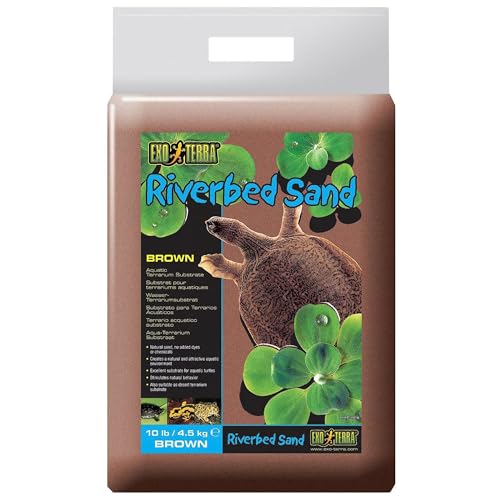
| Exo Terra Riverbed Sand | Reptile/Aquarium | $16.99 | 10 lb | 0.2-0.5mm | Natural brown |
| U.S. Silica Mystic White II | Pool Filter Sand | $12.99 | 50 lb | 0.4-0.6mm #20 | Best Value |
| Aqua Joe Premium Pool Filter Sand | Pool Filter Sand | $29.97 | 50 lb | Pool silica | Pool filter alt |
| Slate Tiles for Reptiles | Bare Bottom Alt | $18.99 | 40×25cm | N/A (solid) | Zero-Impaction |
This comparison of the best axolotl substrate options covers fine sand, pool filter sand, and bare-bottom alternatives — all verified safe for adult axolotls.
Product Reviews
The best axolotl substrate for a natural look is fine aquarium sand — these 8 products are the safest options available for adult axolotl tanks.
1. Aqua Natural Sugar White Sand — Best Fine Aquarium Sand
Finding the right option starts with verifying grain size. Ultra-fine 0.1-0.5mm grain — the smallest and safest on our list — makes this the top pick for safety-first keepers.
What Could Be Better: Premium-priced ($2.30/lb vs $0.26/lb pool sand). Needs 5+ rinses. White shows waste.
2. Aqua Natural Diamond Black — Best Dark Substrate
A dark sand is the top option if hiding waste is your priority. It is a widely used dark aquarium sand. Real river sand, no artificial dyes.
What Could Be Better: 1-2mm grain at the UPPER safety limit. Reddit r/axolotls warns “no known black sands are entirely safe.” Some batches closer to 2mm.
ONLY for large adults (8+ inches) — not for juveniles or sub-adults.
3. Carib Sea Moonlight Sand — Trusted Brand Fine Sand
What We Like: Veterinary exotic pet specialists recommend Carib Sea Super Naturals as “one of the finest, smoothest sands” — a key factor when choosing safe substrate. The 0.2-0.6mm grain is squarely in the safe range. Carib Sea has been a trusted American aquarium brand since 1972. At $19.99 for 10 lbs (5 lb × 2 pack), it offers solid mid-range value.
What Could Be Better: Moonlight white shows waste clearly, like all white sands. Multiple owners report excessive dust requiring 8+ rinses. Some bags tear during shipping, which is a recurring complaint across Carib Sea products.
4. CaribSea Super Naturals Sunset Gold — Premium Aquarium Sand
What We Like: The warm gold/amber color creates a natural riverbed aesthetic that complements axolotl coloring. At $17.46 for 5 lbs, it is the lowest-priced aquarium-branded sand — the top pick for budget-conscious keepers willing to buy multiple bags.
What Could Be Better: The 5 lb bag is small — you will need 2-3 bags for a 20-gallon tank. The 0.3-0.7mm grain is slightly larger than ideal. Gold color is a matter of preference.
5. Exo Terra Riverbed Sand — Natural Brown Option
What We Like: Veterinary exotic pet specialists confirm this product is “very fine, smooth and small enough to pass safely.” The top pick for natural riverbed aesthetics is real brown river sand. The natural brown color blends with axolotl coloring for a realistic look. At $16.99 for 10 lbs, the price per pound is competitive.
What Could Be Better: This is the lowest-rated product on our list. It is designed primarily for reptile terrariums, not aquariums. Some owners report finding larger pebbles mixed in that need sieving before use.
6. U.S. Silica Mystic White II — Best Value (Community #1)
The best value is pool filter sand at $12.99 for 50 lbs = $0.26/lb.
What Could Be Better: Needs 10-12 rinses and sterilizing — designed for pool filters. 50 lb bag is heavy.
Fine sand substrate works well with most axolotl filters — the ideal setup pairs sand with a hang-on-back or canister filter. See our filter guide for substrate-compatible filtration options.
7. Aqua Joe Premium Pool Filter Sand — Pool Filter Alternative
What We Like: Same 50 lb pool-filter-sand format as U.S. Silica. Consistent quality confirmed by the axolotl community.
What Could Be Better: Same drawbacks — extensive rinsing and sterilizing required. Some batches have a greyish tint.
8. Slate Tiles for Reptiles — Best Bare-Bottom Alternative
What We Like: For keepers who prefer zero impaction risk, the best alternative is slate tile. Easiest to clean: wipe or remove and rinse. Natural slate looks far better than bare glass.
What Could Be Better: A newer option compared to established sand products. Need 2+ packs for a 20-gallon tank. No biological filtration benefit.
Slate tile substrate pairs well with hides, plants, and smooth decor — avoid sharp decorations on bare surfaces. See our decor guide for safe options.
Knowing what NOT to buy is just as important. These dangerous options should never appear in any axolotl tank:
| Substrate | Why Dangerous | Source |
|---|---|---|
| Any gravel (2-4mm+) | Impaction risk — #1 killer of captive axolotls. Suction feeding ingests pieces that lodge in intestines. | Reddit r/axolotls; veterinary consensus |
| Fantaxies “Fine Gravel” 2-4mm | Marketed as safe for axolotls but EXCEEDS safe threshold. Breeder claims conflict with veterinary consensus. | Fantaxies Equipment page (verified 2026-06-03) |
| Axogravel | Crushed seashells that raise pH. Documented impaction deaths. | veterinary consensus |
| Black blasting sand | Contains metal shards that rust in water. Severe impaction documented. | veterinary consensus |
| Play sand | Unknown origin, typically coarse (2mm), can alter pH, scrapes sensitive skin. | veterinary consensus |
| Calcium sand / Aragonite | Hardens when wet, raises water pH, causes impaction. | Reddit r/axolotls |
| Colored / dyed sand | Artificial dyes leach chemicals. No aquatic testing. | Community consensus |
| Marbles / glass beads | Gaps trap waste. Impaction risk if swallowed. | Reddit r/axolotls |
If your axolotl stops eating, impaction from unsafe substrate could be the cause — another reason why choosing safe substrate matters from day one. See our not-eating guide for full diagnosis.
Frequently Asked Questions
What is the best substrate for axolotls?
Fine aquarium sand under 1mm is the best substrate for adult axolotls (6+ inches) — and the top choice for most keepers. Carib Sea Moonlight Sand and Aqua Natural Sugar White Sand are the community’s top aquarium-specific picks.
For maximum value, Reddit r/axolotls recommends pool filter sand (#20 grade, 0.4-0.6mm) at $12.99 for 50 lbs. Juveniles under 6 inches should be kept on bare bottom only.
Can axolotls have sand in their tank?
Yes, but ONLY fine sand under 1mm, and ONLY for adults over 6 inches. Axolotls will always ingest some sand during feeding — fine particles pass through their digestive system without issue.
Any sand over 1mm poses an impaction risk. Juveniles should never have loose substrate.
Is pool filter sand safe for axolotls?
Yes, IF it is #20 grade (0.4-0.6mm). U.S. Silica Mystic White II ($12.99/50 lbs) is the named #20 pick; Aqua Joe Premium Pool Filter Sand ($29.97/50 lbs) is the in-stock 50 lb silica alternative.
Pool filter sand must be rinsed 10+ times and sterilized (boiled or baked) before use, as it is designed for pool filters, not aquariums.
What should I put at the bottom of my axolotl tank?
For adults: 1-1.5 inches of fine sand (<1mm), or slate tiles. For juveniles: bare bottom only. Never use gravel, pebbles, marbles, or colored sand.
Add hides and plants to reduce stress on bare-bottom setups.
The best axolotl substrate ultimately depends on your axolotl’s size. Fine aquarium sand under 1mm works for adults; bare bottom for juveniles. Avoid gravel at all costs. See our tank buying guide for tank size recommendations, lids, and full setup requirements.
Is gravel safe for axolotls?
No. Gravel and pebbles (2mm+) are the #1 cause of fatal intestinal impaction in captive axolotls. Despite some breeders recommending “fine gravel,” veterinary consensus and the axolotl community unanimously advise against it.
Reddit r/axolotls has documented impaction deaths from similarly-sized substrates.
What is the cheapest safe substrate for axolotls?
The top budget pick is pool filter sand (#20 grade). U.S. Silica Mystic White II costs $12.99 for 50 lbs — $0.26/lb vs $2.30/lb for aquarium-branded sand.
The trade-off is preparation: rinse 10+ times and sterilize before adding to your tank.