Warning: Medical Disclaimer: This article is not a substitute for professional veterinary care. If your tortoise is showing signs of illness, consult a qualified exotic veterinarian.
Tortoises are incredibly resilient creatures — in the wild, they can survive injuries and conditions that would quickly kill most other animals. But that same resilience works against them in captivity. By the time a tortoise shows visible sick tortoise signs, the underlying condition has often been developing for weeks or even months.
Most tortoise health problems trace back to three root causes: incorrect environmental conditions, inadequate nutrition, and poor husbandry practices. A tortoise living in the wrong temperature range, without proper UVB exposure, or on inappropriate substrate will develop chronic health issues regardless of how carefully you manage other aspects of care.
This guide covers the most common conditions, how to recognize them early, and what you can do to prevent them. For species-specific care requirements that directly impact long-term health, our tortoise species guide covers the different environmental needs across popular pet tortoise breeds.
How to Tell if Your Tortoise Is Sick

Tortoises hide illness as a survival mechanism — a visibly sick tortoise in the wild becomes an easy target for predators. This instinct persists in captivity, making early detection challenging. Learning to perform a regular tortoise health check is the single most valuable skill for any tortoise keeper.
Physical signs to examine:
| Area | Healthy Signs | Warning Signs |
|---|---|---|
| Eyes | Bright, fully open, clear | Sunken, swollen, half-closed, discharge |
| Shell | Smooth, hard, firm scutes | Soft spots, discoloration, raised scutes, foul smell |
| Nose/Nostrils | Dry, clear | Bubbles, discharge, wheezing sounds |
| Mouth | Pink, clean, closes fully | White patches, stringy saliva, gap when closed |
| Skin | Smooth, no loose scales | Swelling, discoloration, flaking, cuts |
| Weight | Stable, fills shell | Light, hollow feeling when lifted |
| Activity | Alert, responsive, explores | Lethargic, hides constantly, unresponsive |
| Appetite | Eager at feeding time | Refuses food for 2+ days, reduced intake |
Behavioral red flags:
- Lethargy beyond normal sleeping patterns — tortoises rest during cool parts of the day, but a tortoise that doesn’t respond to warm temperatures or food is likely sick
- Dragging limbs or walking asymmetrically — indicates weakness, metabolic bone disease, or neurological issues
- Extended periods with eyes closed during warm daylight — healthy tortoises open their eyes when warmed up
- Refusal to bask — a tortoise avoiding its heat lamp is either too hot or systemically ill
- Excessive hiding — while some hiding is normal, a tortoise that never emerges even during peak basking hours needs attention
Performing the same quick assessment every week creates a baseline — you learn what normal looks like for your specific tortoise, making deviations easy to spot. The tortoise lifespan guide explains how health monitoring becomes even more critical as tortoises age, since older tortoises are more vulnerable to organ failure and chronic disease.
Common Tortoise Health Problems
TempPro TP50 Thermometer ($10.99) is a quality option worth considering for your setup.
The majority of health issues in captive tortoises fall into a predictable pattern. Understanding these conditions helps you recognize problems early and — more importantly — prevent them through proper husbandry.
| Condition | Primary Cause | Severity | Preventable |
|---|---|---|---|
| Metabolic Bone Disease | Insufficient UVB/calcium | High | Yes |
| Respiratory Infection | Incorrect temperature/humidity | Moderate-High | Yes |
| Shell Rot | Poor hygiene, high humidity, injury | Moderate | Mostly |
| Vitamin A Deficiency | Poor diet lacking variety | Moderate | Yes |
| Parasites (internal) | Contaminated food, overcrowding | Moderate | Mostly |
| Parasites (external) | Unsanitary conditions | Low-Moderate | Yes |
| Impaction | Ingested substrate, dehydration | High | Yes |
| Egg Binding | Improper nesting conditions | High | Mostly |
| Beak/Nail Overgrowth | Lack of abrasive surfaces | Low | Yes |
| Anorexia | Multiple underlying causes | Variable | Yes |
Nearly every condition in this table connects directly to environmental factors. A tortoise respiratory infection develops when temperatures drop too low or humidity stays too high, while tortoise metabolic bone disease results from inadequate UVB lighting or calcium supplementation. The recurring theme is clear: most tortoise health problems are preventable through proper husbandry.
For enclosure-specific guidance, our best tortoise enclosure guide covers temperature gradients, UVB placement, and ventilation — all factors that directly impact disease prevention.
Respiratory Infections in Tortoises
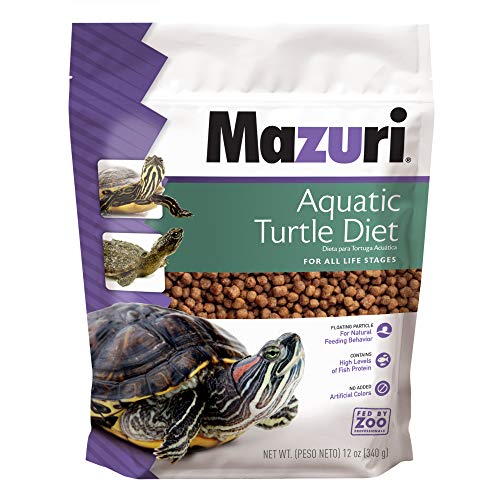
Many owners find that Mazuri Aquatic Turtle Diet works well for their pet’s needs.
Upper respiratory tract disease (URTD) is one of the most common and dangerous conditions tortoises face. It’s caused by bacterial or viral pathogens — most commonly Mycoplasma species — that infect the respiratory tract when a tortoise’s immune system is compromised by stress or environmental conditions.
Recognizing a tortoise respiratory infection:
- Nasal discharge — bubbles or fluid from the nostrils, especially when the tortoise’s head is lowered
- Wheezing or clicking sounds — audible breathing sounds when the tortoise is at rest
- Mouth breathing — the tortoise holds its mouth open to compensate for blocked nasal passages
- Swollen eyes — often accompanies respiratory infections due to sinus pressure
- Lethargy and appetite loss — systemic illness response
- Head tilting — in severe cases, neurological involvement causes abnormal head posture
Treatment: Mild cases may respond to temperature correction and supportive care — raising the basking temperature to the upper end of the species range stimulates immune function. However, bacterial respiratory infections typically require antibiotics prescribed by a reptile veterinarian. With proper veterinary treatment, mild respiratory infections typically resolve within 2-3 weeks, but chronic or recurrent infections can become lifelong management challenges.
Prevention:
- Maintain proper temperature gradients at all times and avoid damp, poorly ventilated enclosures
- Quarantine any new tortoise for at least 90 days before introducing it to an existing collection
- Temperature regulation is so critical that our dedicated tortoise temperature guide covers specific basking and ambient requirements for each major species
Metabolic Bone Disease (MBD)
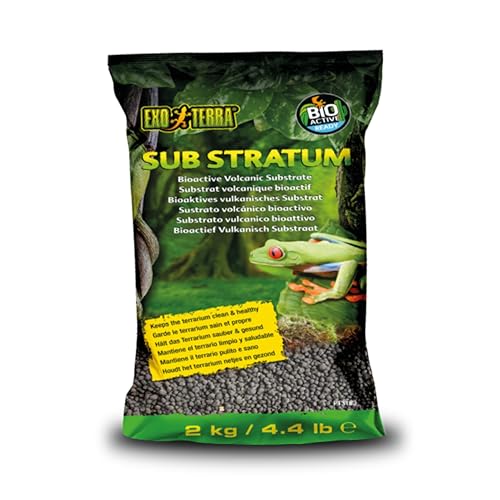
For this purpose, Exo Terra Sub Stratum is a popular choice among pet owners.
Tortoise metabolic bone disease is the most preventable yet devastating condition in captive tortoise care. MBD develops when a tortoise cannot properly metabolize calcium — either because UVB lighting is inadequate for vitamin D3 synthesis, or because dietary calcium is insufficient.
How MBD develops:
- Insufficient UVB exposure prevents vitamin D3 synthesis in the skin
- Without vitamin D3, the tortoise cannot absorb dietary calcium from the digestive tract
- The body pulls calcium from bone reserves to maintain blood calcium levels
- Bones become soft, rubbery, and structurally compromised
- The shell develops abnormal growth patterns — most visibly as pyramiding
Signs of MBD in tortoises:
- Pyramiding — scutes grow upward in pointed peaks instead of lying smooth and flat
- Soft shell — especially along the margins and plastron (bottom shell)
- Rubbery legs — long bones feel flexible instead of firm
- Limping or reluctance to walk — bone pain from microfractures
- Deformed jaw — in severe cases, the beak becomes overgrown or misshapen
- Tremors or seizures — advanced stages involving neurological calcium deficiency
MBD is progressive and largely irreversible once bone deformation has occurred. Juvenile tortoises are at highest risk because their rapid growth demands substantial calcium. MBD is the single most common reason tortoises are surrendered to rescues — and it is almost entirely preventable with a quality UVB bulb and proper calcium supplementation.
For dietary prevention, our best tortoise food guide covers calcium-to-phosphorus ratios, supplement schedules, and species-specific nutritional needs.
Shell Rot in Tortoises
Tortoise shell rot refers to fungal or bacterial infections that damage the keratin and bone layers of the shell. It’s one of the most visually alarming conditions a tortoise owner encounters, but early cases are highly treatable. Ignored, shell rot can progress from superficial discoloration to deep tissue destruction and systemic infection.
Types of shell rot:
| Type | Appearance | Severity | Cause |
|---|---|---|---|
| Dry shell rot | White, powdery patches on scutes; scutes feel rough and chalky | Mild-Moderate | Fungal infection in low-humidity conditions |
| Wet shell rot | Soft, discolored (yellow/brown/black) areas; foul smell; fluid or pus | Moderate-Severe | Bacterial infection; high humidity or standing water |
| Septicemic shell rot | Deep pits exposing bone tissue; systemic illness signs; necrosis | Severe-Critical | Bacteria entering bloodstream through shell damage |
Identifying shell rot:
Run your finger gently over the shell surface — healthy scutes feel smooth, hard, and uniform, while shell rot areas feel soft, mushy, or crumbly. A distinct foul smell that is immediately noticeable and discoloration that does not resolve with normal shedding are additional indicators.
Treatment and prevention:
Minor dry shell rot can be managed by gently cleaning affected areas with chlorhexidine solution and improving enclosure conditions. Wet shell rot or infections that expose bone tissue require veterinary treatment — the vet will debride damaged tissue and prescribe antibiotics. Our best tortoise substrate guide explains which substrates drain properly versus which retain harmful moisture levels.
Tortoise Eye Problems
Eye problems in tortoises are common and often indicate broader health issues. Tortoise eye infection symptoms range from mild swelling to severe conjunctivitis, and the underlying causes vary from simple dehydration to systemic vitamin A deficiency.
Common eye conditions:
Swollen eyes — the most frequently observed eye problem, swollen or puffy eyes indicate inflammation. Causes include vitamin A deficiency, low humidity irritating the eye surface, bacterial infection, or debris irritation. Mediterranean tortoise species (Hermann’s, Horsefield, Horseshoe) are particularly prone to eye swelling when humidity drops too low.
Vitamin A deficiency — tortoises cannot synthesize vitamin A and must obtain it through diet. Deficiency causes thickened conjunctiva, swollen eyelids that may seal shut, and reduced tear production. Over-supplementation of vitamin A is equally dangerous and causes toxicity — balance is critical.
Conjunctivitis — bacterial infection of the eye lining that produces discharge, redness, and swelling. Often secondary to another issue like respiratory infection or environmental irritation.
Treatment approach: Mild cases may respond to correcting environmental conditions — increasing hydration and humidity for species that need it, plus a plain saline rinse to clear debris. Eyes that remain swollen for more than 48 hours or produce discharge require veterinary assessment. Severe vitamin A deficiency can cause eyelids to swell completely shut — a condition that corrects quickly with proper dietary adjustment under veterinary guidance.
Digestive Issues: Impaction and Parasites
Tortoise parasites and digestive impaction account for a significant portion of health problems, especially in young tortoises and those kept on inappropriate substrates. Both conditions are more common than many new keepers realize, and both can become life-threatening if left untreated.

Intestinal parasites:
Tortoises naturally carry some internal parasite load — nematodes, flagellates, and coccidia are common in wild populations. In captivity, stress from poor husbandry or overcrowding allows these parasites to multiply beyond safe levels, causing chronic diarrhea, weight loss despite normal appetite, and a generally unthrifty appearance. Keepers sometimes assume their tortoise is simply a slow grower, only to discover through fecal testing that a heavy parasite burden is stealing nutrients from every meal.
A fecal examination by a reptile veterinarian identifies parasite type and load. Treatment involves targeted anti-parasitic medication — the specific drug depends on the parasite species identified. Routine fecal testing every 6-12 months catches parasitic infections before they cause significant damage.
Impaction:
Tortoise not eating is sometimes caused by physical blockage in the digestive tract — particularly dangerous because the blockage prevents both food passage and nutrient absorption, creating a cascade of health problems. Impaction occurs when a tortoise ingests indigestible substrate material such as sand, gravel, bark pieces, or artificial turf fibers. Symptoms include straining to defecate, absence of feces, bloating, and progressive lethargy.
Prevention is straightforward: use appropriate substrate that tortoises cannot accidentally ingest in harmful quantities — avoid sand and fine particulate substrates entirely for species that actively mouth their environment. For substrate recommendations by species, our best tortoise substrate guide details safe options, while the best hognose snake substrate guide shows how requirements differ across reptile species.
Tortoise Temperature-Related Health Issues
Temperature is the single most influential environmental factor for your tortoise. Every physiological process in a tortoise — digestion, immune function, activity level, and metabolism — depends on appropriate thermal conditions. Tortoises are ectothermic, meaning they rely entirely on external heat sources to regulate their body temperature.
Health impacts of incorrect temperatures:
| Problem | Temperature Too Low | Temperature Too High |
|---|---|---|
| Digestion | Food ferments in gut, impaction risk | Dehydration, reduced appetite |
| Immunity | Suppressed, infection susceptibility | Stress-related immune compromise |
| Activity | Lethargy, anorexia | Hyperactivity followed by exhaustion |
| Shell health | Abnormal growth patterns | Dehydration, poor shedding |
| Respiration | Shallow breathing, URTD risk | Open-mouth breathing, heat stress |
A tortoise kept below its preferred optimal temperature zone for extended periods will gradually stop eating, become lethargic, and lose the ability to fight off even minor infections. This is why respiratory infections are so common — a temperature drop of just a few degrees below the species’ minimum threshold can trigger illness within days.
The tortoise temperature guide provides species-specific basking temperatures, ambient gradients, and nighttime minimums. Using a reliable thermostat — our best reptile thermostat guide covers quality options — ensures temperatures remain consistent within safe ranges.

How to Keep Your Tortoise Healthy
Prevention is dramatically easier and cheaper than treatment. The vast majority of tortoise health problems can be avoided through consistent attention to four environmental pillars: UVB lighting, temperature, nutrition, and humidity.
UVB lighting:
- Replace UVB bulbs every 6-12 months even if they still produce visible light — UVB output degrades before the bulb burns out
- Position UVB fixtures 12-18 inches above the basking area for T5 HO bulbs
- Provide 10-14 hours of UVB exposure daily during active season
- Ensure the tortoise’s entire basking area receives UVB coverage, not just a small spot
Temperature management:
- Use a quality thermostat to maintain consistent basking temperatures — no guessing
- Create a proper gradient from warm basking area (95-105°F for most species) to cooler ambient zone (70-80°F)
- Check temperatures with a digital probe thermometer, not a dial gauge
- Never allow temperatures to drop below 60°F at night for tropical species
Nutrition and diet:
- Provide species-appropriate diet with proper calcium-to-phosphorus ratio (ideally 2:1 for growing tortoises)
- Dust food with calcium supplement 2-3 times weekly for adults, more frequently for juveniles
- Avoid excessive fruit — most tortoise species are herbivores that need high-fiber, low-sugar diets
- Provide clean fresh water daily, even for desert species
Humidity and substrate:
- Match humidity to species requirements — Mediterranean species tolerate drier conditions, tropical species need higher humidity
- Use substrates that allow burrowing without impaction risk
- Maintain enclosure hygiene — remove feces and uneaten food promptly
- Provide a humid hide for species that benefit from localized higher humidity
The crested gecko lifespan guide demonstrates how these same environmental pillars — UVB, temperature, diet, and humidity — affect longevity across different reptile species. The principles are universal even when specific parameters differ.
When to See a Reptile Vet
Knowing when a tortoise health check warrants professional veterinary attention can be the difference between a quick recovery and a life-threatening crisis. Some situations are obvious emergencies; others are judgment calls where timing matters.
Seek immediate veterinary care (same day) for:
- Open-mouth breathing or visible respiratory distress
- Swollen, closed, or bleeding eyes
- Active bleeding from the shell or soft tissue
- Seizures, tremors, or loss of motor control
- Refusal to eat or drink for more than 5-7 days
- Soft, malformed, or collapsing shell sections
- Prolapse (tissue protruding from the cloaca)
Schedule a vet visit within 1-2 days for:
- Reduced appetite lasting 2-3 days with no environmental explanation
- Mild nasal discharge or occasional bubbles from nostrils
- Small shell damage or superficial scrapes
- Changes in feces consistency or frequency
- Mild eye swelling that hasn’t resolved in 48 hours
Routine wellness visits:
- Every 6-12 months for healthy adult tortoises
- Every 3-6 months for juveniles under 3 years old
- Annual fecal testing for parasite screening
- Weight monitoring to track growth trends
The Association of Reptilian and Amphibian Veterinarians maintains a directory of herp veterinarians by region. Building a relationship with a reptile-experienced vet before an emergency occurs gives you a critical head start when problems arise.
Establishing care with a reptile vet within the first month of bringing any tortoise home creates a baseline for future visits — waiting until a problem arises loses that advantage. That initial baseline exam, weight measurement, and fecal test create a reference point for future visits and catch subclinical problems that aren’t yet visible. Many experienced tortoise keepers maintain a health journal tracking weight, appetite, shedding cycles, and any behavioral changes — this record becomes invaluable when describing symptoms to your veterinarian during an emergency visit.
The right combination of preventive care and prompt veterinary attention when problems arise gives your tortoise the best chance at a long, healthy life. Most problems are preventable, but when they do occur, early intervention is almost always more effective — and less expensive — than delayed treatment.