Tortoises are among the longest-living pets you can own, with some species outliving their owners by decades. That remarkable lifespan is exactly why following a proper tortoise care guide matters so much — mistakes made early compound over years, leading to metabolic bone disease, shell deformities, and organ failure that could have been prevented with the right setup from the start. Whether you’re bringing home a baby Russian tortoise or considering a Sulcata that will eventually weigh over 100 pounds, the fundamentals of good tortoise care are the same: correct environment, proper diet, and consistent monitoring.
This tortoise care guide covers every essential aspect of husbandry — from enclosure setup and lighting to nutrition, hydration, temperature, and health monitoring. Whether you need a beginner tortoise care guide or advanced species-specific advice, everything is here. Species-specific tips for the most popular pet tortoises are included, so you can tailor your approach to the animal you actually own.
Start by choosing the right species for your experience level and living space. Our tortoise species guide covers size, temperament, and care difficulty for each common pet species. And if you’re curious about the commitment involved, our tortoise lifespan article breaks down expected lifespans by species — some exceed 100 years.
What Is Tortoise Care?

Tortoise care is the complete husbandry practice of maintaining a captive tortoise’s health through proper enclosure setup, diet, lighting, temperature regulation, substrate selection, hydration, and health monitoring. Unlike dogs or cats, tortoises are cold-blooded reptiles that depend entirely on their environment to regulate body temperature, digest food, and process calcium — making your role as the environment manager critical to their survival.
Proper tortoise care matters because these animals can live 20 to over 100 years depending on species. A Russian tortoise may share 40–50 years with you; a Sulcata can outlive multiple generations. Mistakes in UVB lighting, diet, or temperature don’t just cause short-term illness — they compound over decades into metabolic bone disease, shell pyramiding, organ failure, and premature death. Getting the fundamentals right from day one is the single most important thing you can do.
This tortoise care guide covers the full spectrum of husbandry: enclosure setup (indoor and outdoor), lighting and heating, diet and supplements, hydration and soaking, species-specific care for the five most popular pet species, baby tortoise care, and health monitoring. Each section includes product recommendations, comparison tables, and actionable checklists.
Tortoise Care Guide — The Essentials at a Glance
A solid tortoise care guide starts with understanding the non-negotiable requirements every tortoise needs.
Before diving into details, here’s a quick-reference table covering the core care requirements every tortoise needs. Use this as a checklist — if any element is missing from your setup, your tortoise’s health is at risk.
| Care Element | Requirement | Frequency |
|---|---|---|
| UVB Lighting | 10.0 UVB bulb, 12 hours on / 12 hours off | Daily; replace bulb every 6 months |
| Basking Heat | 95–105°F (species-dependent) at basking spot | Daily; use a thermostat |
| Ambient Temp | 80–90°F warm side, 70–80°F cool side | Continuous monitoring |
| Diet | 80% weeds/greens + 20% pellets | Daily for adults, twice daily for babies |
| Substrate | Coconut coir or topsoil mix, 2–4 inches deep | Spot clean weekly, full change monthly |
| Soaking | Warm water bath at 85–95°F | 2–3x per week (babies: daily) |
| Calcium Supplement | Dusted on food with D3 included | 2–3x per week |
| Enclosure Size | Min 4x8 ft (adult), 2x4 ft (baby) | Upgrade as tortoise grows |
For detailed temperature ranges and heating setups by species, see our tortoise temperature guide.
Setting Up the Right Enclosure
The enclosure is the foundation of any good tortoise care guide — get this wrong and nothing else matters. Get this wrong and nothing else matters — incorrect temperatures, wrong substrate, and inadequate lighting will cause chronic health problems regardless of how good the diet is. Here’s how to set it up step by step.
Step 1: Choose Your Enclosure Type
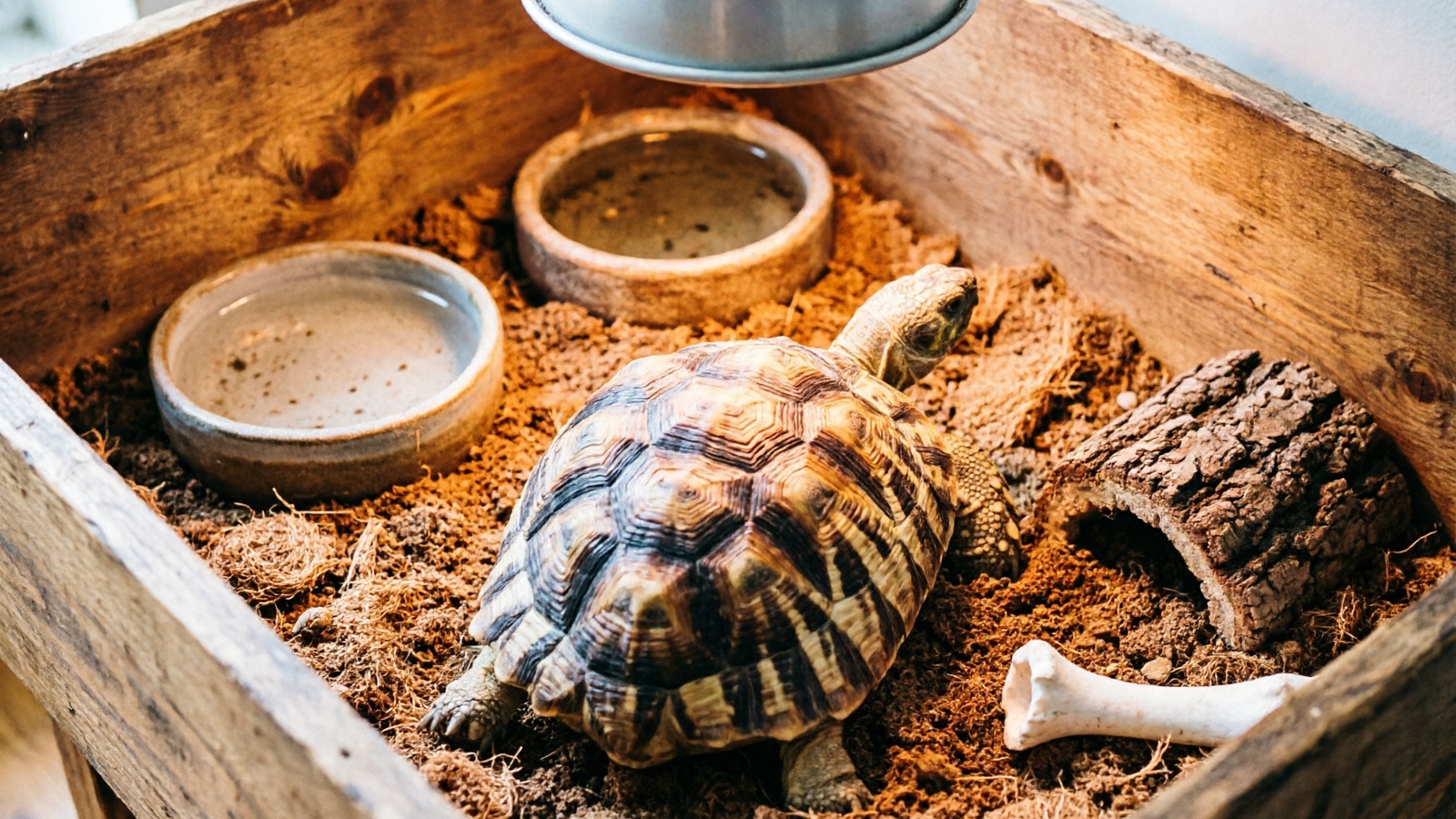
A proper tortoise care indoor strategy starts with choosing the right type of enclosure. Indoor setups work well for smaller species like Russian and Hermann’s tortoises, and for all baby tortoises regardless of species. The two main options are closed-table enclosures (which retain heat and humidity better) and open-table designs (which offer more ventilation and easier access).
The Aivituvin Wooden Tortoise House is a solid starter option for younger or smaller tortoises. It features a multi-room design with a weatherproof bottom tray and open-top ventilation. However, several owners have reported issues: one buyer noted the “wood is cheap and easily damaged” and another flagged that the cedar smell was overpowering on arrival — cedar is toxic to reptiles, so airing it out thoroughly before use is essential. The wire lid also provides limited predator protection, so this enclosure is best suited for indoor use only.
A complete tortoise care guide should cover all enclosure sizes — check our full comparison of the best tortoise enclosures for larger and more permanent options, especially if you’re housing a growing Sulcata or Leopard tortoise.
For outdoor enclosures, the decision depends on your climate. Tortoises benefit enormously from natural sunlight, but outdoor setups require secure predator-proofing, shade areas, and protection from extreme weather. In climates where temperatures stay between 70–90°F during the day and above 50°F at night, outdoor housing is ideal for adult tortoises during warmer months.
Step 2: Add Safe Substrate
Substrate is what your tortoise walks on, digs into, and sometimes eats. The wrong substrate causes respiratory infections, impaction, and skin problems. Safe options include coconut coir, plain topsoil (no fertilizers or pesticides), and cypress mulch. Mix coconut coir with play sand (silica-free) at a 70/30 ratio for a natural, moisture-retaining base that holds burrows well.
Zoo Med Eco Earth Coconut Fiber is the substrate most widely recommended by tortoise keepers. It’s natural, composted, screened for dust, and holds moisture effectively for species that need higher humidity. A long-time hermit crab keeper described it as “the only bedding I use” for over 15 years. On the downside, it can compact when wet and attract fungus gnats if kept too damp — fluff it regularly and monitor moisture levels. Some customers have reported receiving only one bag instead of the advertised two-pack, so check your order on arrival.
Substrate to avoid entirely:
- Cedar and pine shavings — aromatic oils cause respiratory damage and liver toxicity
- Sand — causes impaction if ingested; even silica-free sand should be mixed with coir, never used alone
- Gravel and aquarium gravel — impaction risk is severe and potentially fatal
- Corn cob — molds when wet and causes blockages if swallowed
- Reptile carpet — doesn’t allow burrowing, harbors bacteria in fibers, and doesn’t hold humidity
See our full tortoise substrate guide for detailed comparisons with preparation instructions.
Step 3: Install Lighting and Heating
Lighting and heating are the most critical aspects of tortoise care — and the area where beginners make the most dangerous mistakes. A tortoise without proper UVB will develop metabolic bone disease (MBD), leading to soft shells, deformities, and eventually death. Without correct heat gradients, they cannot digest food or regulate their immune system.
UVB bulb: Use a Zoo Med ReptiSun 10.0 UVB Lamp mounted inside a reflector dome, positioned 10–12 inches above the basking spot. One critical caveat: UVB output degrades significantly after 6 months even if the bulb still lights up. Mark your calendar and replace it on schedule — a UVB meter reading confirmed by one reptile keeper showed only 2.0 output from a bulb that visually appeared fine. If your enclosure is larger than 4 feet, consider upgrading to a T5 HO tube for wider UVB coverage.
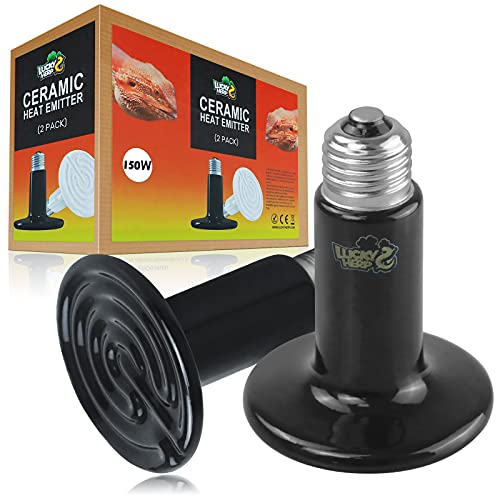
Heat lamp: The LUCKY HERP 150W Ceramic Heat Emitter provides radiant heat without any visible light, making it suitable for 24-hour use including nighttime. The 2-pack offers good value. One Sulcata owner confirmed it “provides consistent heat day and night” and maintains stable temperatures. However, quality control is inconsistent — multiple buyers reported receiving one dead bulb in the 2-pack, and one noted both bulbs broke within two months. It also requires a ceramic-rated fixture; standard plastic fixtures will melt.
Light fixture: The REPTI ZOO Dual Reptile Light Fixture holds both a UVB bulb and a heat emitter simultaneously, with independent switches for each socket. This is convenient and more affordable than buying two separate fixtures. However, durability is worth watching — some buyers report socket failures within the first year, so check the fixture periodically. Check wattage ratings carefully before installing bulbs.
Thermostat: The Inkbird ITC-308 Thermostat is a non-negotiable safety device. It controls your heat emitter to prevent the basking area from overheating, which can quickly kill a tortoise. The plug-and-play design requires no wiring. Accuracy is within one degree, and the 1100W capacity handles multiple heat sources. Some users report a high-pitched noise during operation, which could be an issue if the enclosure is in a bedroom. The probe cord is also relatively short — you may need an extension for large setups.
Thermometer: Use a TempPro TP50 Thermometer ($10.99) on the warm basking side, and a second unit on the cool side, so you can read both zones at a glance. The large display is easy to read at a glance. A fair number of owners report the hygrometer reading is inaccurate, but the temperature function is reliable enough for tortoise care. Mount them at tortoise height, not at the top of the enclosure where air temperatures differ significantly.
Step 4: Add Accessories
Beyond lighting and heating, a few basic accessories complete the enclosure:
- Hide box: A half-log hide or wooden shelter on the cool side of the enclosure gives your tortoise a dark, secure place to sleep
- Water dish: The Exo Terra Water Dish Medium has a natural rock design that blends into enclosure decor, a heavy base that resists tipping, and a shallow profile that prevents drowning. However, several owners noted the “medium” size runs quite small — for large species like Sulcata, you’ll need the large or x-large version. The rock texture can also trap algae in crevices, so scrub it regularly
- Climbing rocks: Smooth, flat stones under the basking lamp give your tortoise a raised surface to absorb heat from above and below simultaneously
Tortoise Diet and Nutrition
Diet is the second most important factor in tortoise health after environmental setup, and a thorough tortoise care guide must cover nutrition in detail. The wrong diet causes shell pyramiding, organ failure, and premature death. Understanding what to feed — and what to avoid — is essential.
What to Feed Your Tortoise
A healthy tortoise diet consists primarily of leafy greens and weeds, supplemented with smaller amounts of grasses, vegetables, and pellets. The exact ratio depends on species: Mediterranean tortoises (Russian, Hermann’s) eat mostly broadleaf weeds, while grazing species (Sulcata, Leopard) need more grasses and hay.
Leafy greens (60–80% of diet): Dandelion greens, collard greens, mustard greens, endive, escarole, romaine lettuce, and turnip greens. These should form the bulk of every feeding. Variety matters — rotate through at least 5–6 different greens weekly.
Grasses and hay (10–30% for grazing species): Timothy, orchard grass, and bermuda grass are staples for Sulcata and Leopard tortoises. Mediterranean species eat less grass but still benefit from some fiber.
Pellets (10–20%): Mazuri Low Starch Tortoise Diet is the most widely recommended pelleted food by exotic veterinarians. The low-starch formula is designed for tortoise digestion and can be soaked in water for softer feeding, which is recommended for babies. One Sulcata owner reported their yearlings “have exploded in size” since starting on it. The honest downside: quite a few owners report their tortoises refuse to eat it, so introduce pellets gradually alongside preferred greens. For more food options, see our best tortoise food guide.
Calcium and Supplements
Calcium deficiency is the single most preventable cause of death in captive tortoises. Without adequate calcium and vitamin D3, bones and shells soften, leading to metabolic bone disease.
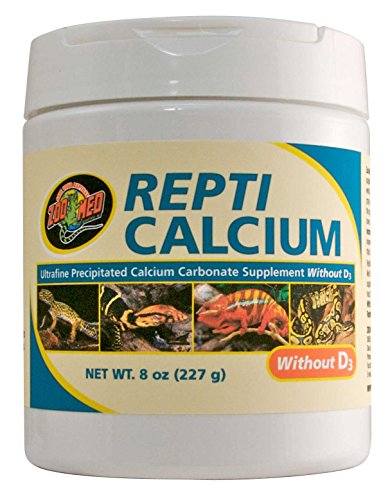
Zoo Med Reptile Calcium with Vitamin D3 is an ultra-fine phosphorus-free powder — dust it onto food 2–3 times per week. The vitamin D3 inclusion helps calcium absorption — critical for indoor tortoises that don’t receive natural sunlight. One owner confirmed it’s “the best deal” on calcium supplement and that their tortoise “loves it.” Packaging issues are the main complaint — multiple buyers received jars with broken seals and powder spilled inside the shipping box. Check the seal on arrival and contact Amazon immediately if it’s compromised.
The calcium-to-phosphorus ratio in your tortoise’s overall diet should be at least 2:1. Most leafy greens already contain calcium, but dusting with a supplement ensures adequate intake, especially for fast-growing babies and egg-laying females.
Foods to Avoid
Some foods are actively dangerous for tortoises:
- Toxic plants: Azalea, oleander, rhubarb leaves, ivy, foxglove, and nightshade are all fatal if ingested. Remove any toxic plants from areas where your tortoise has access
- High-protein foods: Dog food, cat food, meat, and beans cause kidney damage and shell deformities. Tortoises are herbivores — their digestive systems cannot process animal protein
- Excessive fruit: Fruits are high in sugar and should be limited to occasional treats for forest species like Red-footed tortoises. Desert species like Russian and Sulcata should rarely or never receive fruit
- Dairy products: Tortoises cannot digest lactose
- Commercial pet foods formulated for other animals: These contain inappropriate protein levels and additives
Diet Comparison by Food Type
| Food Type | % of Diet | Examples | Frequency |
|---|---|---|---|
| Leafy Greens | 60–80% | Dandelion, collard, endive, escarole | Daily |
| Grasses/Hay | 10–30% | Timothy, orchard, bermuda | Daily (grazing species) |
| Pellets | 10–20% | Mazuri, Zoo Med | 2–3x per week |
| Vegetables | 5–10% | Squash, bell pepper, carrot (shredded) | 1–2x per week |
| Flowers | Treat | Hibiscus, dandelion flowers | Occasionally |
| Fruit | ≤5% | Strawberry, raspberry, melon | Rarely (desert species: avoid) |
Hydration and Soaking
Tortoises in the wild hydrate primarily through the moisture content of their food and by absorbing water through their skin during rain or dew exposure. In captivity, most tortoises rarely drink from a water bowl — which is why regular soaking is so important.
How to Soak Your Tortoise
Fill a shallow container with lukewarm water (85–95°F) to a depth that reaches your tortoise’s chin — deep enough to submerge the lower shell but not so deep that the nostrils go underwater. Soak for 15–20 minutes. The water encourages drinking, softens urates, and keeps the skin hydrated.
For baby tortoises, soak daily. For adults, 2–3 times per week is sufficient unless the environment is exceptionally dry. Use a dedicated soaking tub — not the water dish in the enclosure — and change the water between tortoises if you have multiple animals.
Water Dish Placement
Keep a shallow Exo Terra Water Dish in the enclosure at all times, even though most tortoises won’t drink from it regularly. It serves as a backup water source and helps maintain local humidity. Position the dish on the cool side of the enclosure, change the water daily, and scrub it weekly to prevent bacterial buildup.
Baby Tortoise Care
Baby tortoise care deserves its own section in any tortoise care guide because their needs differ significantly from adults. Their smaller bodies lose heat and moisture faster, their shells are softer and more vulnerable, and they’re growing rapidly — which means they need more food and calcium relative to their body weight.
Key differences for baby tortoise care:
- Higher temperatures: Maintain the warm side at 85–90°F minimum, with no nighttime drops below 75°F. A ceramic heat emitter running 24/7 prevents dangerous temperature fluctuations
- Daily soaking: Dehydration is a leading cause of death in baby tortoises. Soak every day for 15–20 minutes in lukewarm water
- More frequent feeding: Offer food twice daily rather than once. Baby tortoises have faster metabolisms and smaller stomachs
- Higher humidity: A humidity hide — a closed container filled with damp sphagnum moss — provides a microclimate that helps prevent pyramiding in young shells. Target 60–80% humidity inside the hide
- Smaller enclosure: Babies do better in smaller spaces where food and water are always accessible. A 2×4 foot enclosure is ideal for the first year
The most common mistakes with baby tortoises are over-handling (which causes stress), using dry substrate without a humid retreat, and insufficient UVB exposure. See our tortoise species guide for species-specific baby care recommendations.

Species-Specific Tortoise Care
A comprehensive tortoise care guide must address species differences — every tortoise has different size, diet, and environmental needs. Here’s a comparison of the five most common pet species, followed by specific care notes for each.
| Species | Adult Size | Lifespan | Diet Type | Basking Temp | Difficulty |
|---|---|---|---|---|---|
| Russian | 6–10 inches | 40–50 years | Weed-based | 95–100°F | Beginner |
| Hermann’s | 6–8 inches | 50–75 years | Weed-based | 95–100°F | Beginner |
| Leopard | 10–18 inches | 50–100 years | Grass/weed | 95–105°F | Intermediate |
| Red-footed | 10–14 inches | 40–60 years | Omnivorous + fruit | 90–95°F | Intermediate |
| Sulcata | 24–36+ inches | 70–100+ years | Grass/hay | 100–105°F | Advanced |
Russian Tortoise Care
Russian tortoises are the most popular beginner species for good reason. They stay small (6–10 inches), tolerate a wide range of temperatures, and have hearty appetites for common weeds and greens. They’re active diggers and appreciate deep substrate for burrowing. Indoor housing works well long-term for this species due to their compact size. They brumate (a reptile form of hibernation) in the wild, but brumation is not recommended for beginners — maintain consistent temperatures year-round instead.
Sulcata Tortoise Care
Sulcata tortoises (also called African Spurred tortoises) are the third-largest tortoise species in the world. They start cute and small but grow rapidly — reaching 20–30 pounds within five years and potentially over 100 pounds as adults. Their diet is primarily grass and hay, not the leafy greens that smaller species eat. An indoor enclosure is only practical for the first few years; eventually, you’ll need an outdoor enclosure with a heated shelter. This species is best suited for owners with large yards in warm climates.
Hermann’s Tortoise Care
Hermann’s tortoises are similar to Russians in size and care requirements but tend to be slightly more active and personable. They need the same weed-based diet and moderate basking temperatures (95–100°F). The key difference is that Hermann’s tortoises are protected under CITES regulations in some regions, so always purchase from a reputable breeder with proper documentation.
For detailed profiles of these and other species, including care difficulty ratings and space requirements, visit our tortoise species guide.
Health Monitoring and Common Issues
Catching health problems early makes the difference between a simple treatment and a fatal outcome — this tortoise care guide emphasizes daily monitoring as a core habit. Perform these checks daily:
Daily health checklist:
- Eyes: Should be bright, clear, and fully open. Sunken or swollen eyes indicate dehydration or infection
- Nose: Should be dry with no bubbles or discharge. Respiratory infections are common and treatable if caught early
- Shell: Should be smooth and hard with no soft spots, cracks, or unusual discoloration. Soft shells signal calcium deficiency or MBD
- Activity level: Your tortoise should be alert and mobile during the day. Lethargy, refusal to eat, or hiding constantly are warning signs
- Feces: Should be well-formed and dark. Runny or discolored stools may indicate parasites or dietary issues
Common health problems:
- Metabolic bone disease (MBD): Caused by insufficient calcium, UVB, or both. Symptoms include soft shell, lethargy, and swollen limbs. Prevention is straightforward — proper UVB, calcium supplementation, and correct diet
- Respiratory infections: Often triggered by incorrect temperatures or excessive humidity. Symptoms include nasal discharge, bubbles from the nose, and labored breathing. Increase basking temperature slightly and consult a reptile veterinarian immediately
- Shell rot: Fungal or bacterial infection of the shell, usually caused by dirty, damp substrate. Clean the enclosure regularly and maintain proper substrate moisture
- Pyramiding: Raised scutes on the shell caused by rapid growth with insufficient humidity and excessive protein. Most common in baby tortoises; a humidity hide and proper diet prevent it
For a comprehensive list of health issues with treatment guidance, see our tortoise health article. Any condition that doesn’t improve within a few days of correction warrants a visit to an exotic veterinarian — don’t wait until symptoms become severe.
Frequently Asked Questions
Are tortoises easy to take care of?
Tortoises are moderate in difficulty. The initial setup requires specific investments — UVB lighting, a heat gradient system, appropriate substrate, and the right enclosure — but once everything is running correctly, daily maintenance is straightforward: fresh food and water, a quick health check, and occasional soaking. The challenge is getting the setup right, not maintaining it. Species choice matters enormously: a Russian tortoise is manageable for a committed beginner, while a Sulcata demands outdoor space, heavy-duty housing, and a decades-long commitment to a 100+ pound animal.
Where should a tortoise sleep at night?
Tortoises sleep inside a hide or sheltered area on the cooler side of their enclosure, away from the basking lamp. In the wild, they burrow or wedge themselves under rocks and logs. Provide at least one dark, enclosed hide filled with substrate — your tortoise will choose the spot it prefers. Avoid disturbing sleeping tortoises; they need uninterrupted rest to maintain healthy immune function.
How long can a tortoise be left alone?
A healthy adult tortoise with a properly functioning automated setup can be left for 2–3 days. Leave fresh greens in a food dish, top up the water, and verify the thermostat is controlling temperatures correctly. For trips longer than three days, arrange for someone to check in daily — food may need refreshing, water bowls can tip over, and thermostat failures can be fatal if not caught quickly. Baby tortoises should never be left alone overnight due to their higher vulnerability to temperature fluctuations.
What not to do with a tortoise?
The most dangerous mistakes are: using cedar or pine substrate (toxic aromatic oils), keeping a tortoise without UVB lighting (causes MBD within months), feeding animal protein like dog or cat food (causes kidney failure and shell deformities), dropping a tortoise (shell cracks and internal injuries), submerging a tortoise in deep water (they can drown — they absorb water through soaking, not swimming), and keeping the enclosure too cold (digestion stops below 60°F and the immune system shuts down). When in doubt, consult a reptile-specific care guide rather than general pet advice.
What do tortoises need in their enclosure?
Every tortoise enclosure needs: a UVB bulb replaced every 6 months, a basking heat source controlled by a thermostat, a temperature gradient with a warm side (85–95°F) and cool side (65–75°F), safe substrate at least 2 inches deep, at least one hide on the cool side, a shallow water dish, and adequate floor space — minimum 4×8 feet for an adult. Lighting should run on a 12-hour timer to simulate natural day/night cycles.
Conclusion
Proper tortoise care — the goal of this entire tortoise care guide — comes down to three pillars: the right environment, the right diet, and consistent monitoring. Get the enclosure set up correctly from the start — UVB lighting, temperature gradients, safe substrate, and adequate space — and most health problems simply never develop. Feed a varied diet rich in leafy greens and calcium, soak your tortoise regularly, and perform daily health checks.
The upfront investment in proper equipment pays for itself over decades of healthy tortoise life. For specific product recommendations in any category, explore our guides to the best tortoise enclosures and best tortoise food. A well-cared-for tortoise is a genuinely low-maintenance companion that can be part of your family for 50 years or more.