What Is Chameleon Food and Why It Matters
Chameleon food refers to the combination of live feeder insects, nutritional supplements, and hydration methods that keep captive chameleons healthy. Unlike many popular pet reptiles, chameleons are obligate insectivores — their digestive systems are built for processing live prey, not pelleted diets or plant matter.
Choosing the right chameleon food prevents most common health problems. Most chameleon health issues trace directly back to diet. Metabolic bone disease (MBD) tops the list, caused by inadequate calcium, insufficient vitamin D3, or poor UVB lighting. According to the Association of Reptilian and Amphibian Veterinarians (ARAV), MBD causes progressive bone softening, jaw deformities, muscle tremors, and eventually death if untreated. Dehydration ranks a close second — chameleons won’t drink from standing water bowls, so getting hydration right is just as critical as nutrition.
Before diving in, here are the key terms you’ll encounter throughout this chameleon food guide:
- UVB (Ultraviolet B): A specific wavelength of ultraviolet light (290-320 nm) that enables chameleons to synthesize vitamin D3 in their skin. Without UVB exposure, dietary calcium cannot be absorbed, leading to metabolic bone disease. Captive chameleons require specialized UVB bulbs that emit in this range — standard glass blocks nearly all UVB transmission (Ferguson et al., Journal of Zoo and Wildlife Medicine, 1996).
- Gut loading: The practice of feeding nutrient-rich foods to feeder insects 24-48 hours before offering them to your chameleon. The insect’s gut contents pass directly to the chameleon upon digestion, making this the most effective way to deliver plant-derived vitamins and minerals that chameleons won’t eat directly.
- Ca:P ratio (Calcium-to-Phosphorus ratio): The balance between calcium and phosphorus in a food item. Chameleons need a Ca:P ratio of at least 1:1, ideally 1.5:1 or higher. When phosphorus exceeds calcium, the body leaches calcium from bones to maintain blood chemistry — the primary mechanism behind MBD. This is why feeder insects like dubia roaches (Ca:P 1:3) are preferred over crickets (Ca:P 1:7 to 1:9).
This chameleon food guide covers everything you need: the best feeder insects, how to gut load them properly, a supplementation schedule that prevents MBD, and age-specific feeding plans. I’ve also included chameleon food product recommendations based on testing and community feedback. For a broader overview of chameleon husbandry, see our complete chameleon care guide.
Quick navigation:
- What Do Chameleons Eat in the Wild vs. Captivity?
- Chameleon Diet by Species
- Best Feeder Insects for Chameleons
- Gut Loading & Supplements
- Chameleon Feeding Schedule by Age
- Can Chameleons Eat Fruits and Vegetables?
What Do Chameleons Eat in the Wild vs. Captivity?
In the wild, chameleons eat a remarkably varied diet depending on their native range. A wild veiled chameleon in Yemen hunts flies, beetles, grasshoppers, caterpillars, and occasionally small lizards. Panther chameleons in Madagascar catch upwards of 30 different insect species in a single week. This natural variety provides a broad spectrum of nutrients that a captive diet struggles to replicate.
The core challenge of providing proper chameleon food in captivity is the nutritional gap. Wild insects have diverse gut contents from feeding on native plants, while captive feeder insects (crickets, dubia roaches) raised on simple grain diets lack this natural nutrient diversity. That gap is why supplementation and gut loading aren’t optional extras — they’re essential steps that bridge the gap between wild nutrition and captive feeding.
Another critical difference in chameleon food and hydration is water delivery. Wild chameleons drink morning dew and rainwater from leaves. Captive chameleons need a dripper or misting system that simulates this behavior, since standing water bowls are almost never used.
Proper diet directly impacts your chameleon’s longevity. A well-fed chameleon with correct calcium and UVB can live 5-8 years for veiled and panther species, while poor nutrition often cuts that lifespan in half. For more on how diet affects long-term health, see our chameleon lifespan guide.
Chameleon Diet by Species
Different chameleon species have distinct feeding preferences and nutritional requirements. Understanding your species’ natural chameleon food preferences helps you build a feeding plan that works.

Veiled Chameleon (Chamaeleo calyptratus)
Veiled chameleons are the most omnivorous commonly kept species when it comes to chameleon food. While still primarily insectivores, they occasionally accept plant matter — collard greens, mustard greens, and small pieces of fruit. Offering greens twice a week gives veiled chameleons additional hydration and fiber, though insects should always dominate the diet at 80-90% of total intake.
Panther Chameleon (Furcifer pardalis)
Panther chameleons have the highest protein demands among common pet species. The right chameleon food for panthers emphasizes protein-rich feeder insects — they’re active hunters that strongly prefer moving prey, especially flying insects. Gut loading is particularly important for panthers because they process nutrients rapidly. They rarely accept plant matter — if your panther ignores vegetables, that’s completely normal.
Jackson’s Chameleon (Trioceros jacksonii)
Jackson’s chameleons have more moderate appetites compared to panthers and veileds. They prefer smaller prey items and eat less frequently. Adults do well on 3-4 medium feeders every other day. Overfeeding Jackson’s chameleons is a common mistake — their slower metabolism means obesity becomes a real risk with generous portions.
Pygmy Chameleon (Rhampholeon spp.)
Pygmy chameleons require entirely different feeding due to their tiny size (under 3 inches). They need micro feeders — pinhead crickets, fruit flies, springtails, and small aphids. Standard crickets are far too large. If you’re considering a pygmy chameleon, expect to maintain your own micro feeder cultures, as these tiny insects aren’t readily available from most suppliers.
| Species | Staple Feeders | Feeding Frequency | Accepts Plant Matter | Special Notes |
|---|---|---|---|---|
| Veiled | Crickets, dubia roaches | Every other day (adult) | Yes — greens and some fruit | Most forgiving for beginners |
| Panther | Dubia roaches, crickets, hornworms | Every other day (adult) | Rarely | Highest protein requirement |
| Jackson’s | Small crickets, roaches | Every 2-3 days (adult) | Very rarely | Prone to overfeeding |
| Pygmy | Pinhead crickets, fruit flies | Daily (all ages) | No | Requires micro feeder cultures |
Best Feeder Insects for Chameleons
Choosing the right chameleon food — specifically feeder insects — matters as much as how often you feed. Different insects offer vastly different nutritional profiles, and variety is the key to a balanced diet. I’d recommend maintaining at least three feeder types in regular rotation.
Feeder Insect Nutrition Comparison
This chameleon food comparison table covers the most commonly available feeder insects and their approximate nutritional value. These values represent typical ranges — actual nutrition depends on the insect’s diet (which is exactly why gut loading matters).
| Insect | Protein (approx.) | Fat (approx.) | Ca:P Ratio | Moisture | Role in Diet |
|---|---|---|---|---|---|
| Crickets | 15-20% | 5-8% | 1:7 to 1:9 | ~70% | Traditional staple, widely available |
| Dubia Roaches | 20-23% | 6-8% | 1:3 | ~60% | Best staple feeder overall |
| Hornworms | 8-10% | 2-3% | 1:2.5 | ~85% | Hydration booster, treat |
| Superworms | 17-20% | 15-18% | 1:15 | ~60% | Occasional treat only (high fat) |
| Waxworms | 14-16% | 22-25% | 1:7 | ~60% | Rare treat — very high fat |
| BSFL (Calci-Worms) | 15-18% | 9-12% | 1.5:1 | ~65% | Excellent calcium source |
| Silkworms | 15-18% | 8-11% | ~1:1 | ~75% | Premium feeder, great nutrition |
Key takeaway: When selecting chameleon food, dubia roaches offer the best protein-to-fat ratio for daily feeding. Hornworms are unbeatable for hydration. BSFL naturally contain high calcium, reducing your reliance on supplementation. Waxworms and superworms should be limited to treats due to their high fat content.
Top 3 Feeder Insect Products
| # | Product | Key Feature | Best For |
|---|---|---|---|
| 1 | Oregon Silkworms Premium Hornworms | 85% moisture, soft-bodied | Chameleons needing hydration boost |
| 2 | Live Dubia Roaches (200, Medium 3/4”) | High protein, low fat, gut-loadable | Daily staple feeder |
| 3 | Fluker’s Gourmet Canned Mealworms | Shelf-stable, no refrigeration needed | Emergency backup food |
1. Oregon Silkworms Premium Hornworms — Best for Hydration
Hornworms are roughly 85% water, making them one of the best hydration sources you can offer a chameleon. Their soft bodies are easy to digest, and they have a favorable calcium-to-phosphorus ratio that supports bone health.
One reviewer noted that their veiled chameleon “goes crazy for these hornworms — they’re the perfect size and he eats them immediately.” Multiple keepers have reported improved coloration in their panther chameleons after regular hornworm feeding, likely due to the hydration and nutrient boost.
The downside: Hornworms have a very short shelf life. They grow fast and must be fed within a few days of delivery, or they become too large. Several customers have reported worms arriving dead, especially during summer heat. Size inconsistency is also a recurring complaint — one reviewer said “These were much smaller than expected. My adult chameleon wasn’t interested in such tiny worms.”
2. Live Dubia Roaches for Feeding Reptiles (200, Medium 3/4”) — Best Staple Feeder
Dubia roaches are widely considered the best staple feeder for chameleons. They offer an excellent protein-to-fat ratio (roughly 23% protein to 7% fat), naturally higher calcium content than crickets, and they don’t produce the annoying chirping that crickets do. They also live longer in captivity, making it easier to maintain a small colony between feedings.
This 200-count tub of medium (3/4-inch) roaches ships live, and the medium size suits most adult veiled and panther chameleons. Juveniles do better with smaller sizes, so size down if you’re feeding a young chameleon.
The downside: Any live insect shipment carries risk. Size inconsistency is the most common complaint with shipped roaches, counts occasionally run short, and dead-on-arrival losses happen, especially during extreme temperatures. Order during moderate weather and have a backup feeder option ready.
For more reptile feeder comparisons, see our bearded dragon food guide.
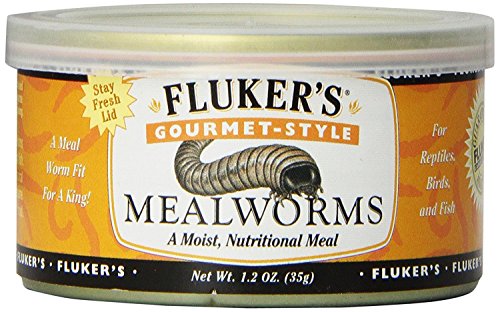
3. Fluker’s Gourmet Canned Mealworms — Best Emergency Backup
No live feeder supply is foolproof. Shipments get delayed, colonies crash, and weather disrupts delivery. Having a shelf-stable emergency food on hand is smart planning, and Fluker’s canned mealworms fill that role well.
These come ready to use — no refrigeration needed before opening, and the cans last for months in storage. One reviewer called them “An excellent choice for emergency feeding when live bugs unavailable.” Another noted their picky chameleon “actually eats these, which is surprising.”
The downside: Canned mealworms can’t replace live feeders. They’re lower in moisture and less nutritious than properly gut-loaded live insects. Several chameleon keepers reported their pets refused them entirely — one said “My veiled chameleon wouldn’t touch these. He only wants live moving prey.” Chameleons are visually triggered hunters, and motionless canned worms simply don’t stimulate their feeding response.
Gut Loading & Supplements
Feeding the right insects is only half the chameleon food equation. What those insects ate before your chameleon eats them matters just as much. Gut loading — feeding nutritious food to your feeder insects 24-48 hours before offering them — transfers those nutrients directly to your chameleon. A poorly gut-loaded cricket provides minimal nutrition regardless of its species.
How to Gut Load: Step-by-Step
Step 1: Separate your feeder insects. Place crickets or dubia roaches in a clean container with egg cartons for climbing surface. Remove any commercial grain-based feed they were shipped with.
Step 2: Provide high-calcium gut loading food. Offer Fluker’s Orange Cube Complete Cricket Diet or a mix of fresh vegetables — carrots, sweet potato, collard greens, and dandelion leaves. Research from the Journal of Herpetological Medicine and Surgery (Allen & Oftedal, 2000) shows that orange root vegetables and leafy greens produce the highest calcium content in gut-loaded crickets.
Step 3: Wait 24-48 hours before feeding. This window allows the insects to consume and digest the nutrient-rich food. Feeding too early wastes the effort — the nutrients need time to accumulate in the insect’s gut.
Step 4: Dust with calcium powder immediately before offering. Gut loading provides a strong nutritional base, but dusting with calcium powder ensures your chameleon gets the final mineral boost at the moment of feeding. Combine both methods for the best results.
Gut Loading Products
The concept is straightforward: you are what you eat, and so is your chameleon. In the wild, insects feed on nutrient-rich plant matter. In captivity, they’re often raised on cheap grain diets. Gut loading restores that nutritional quality.
Fluker’s Orange Cube Complete Cricket Diet is the most convenient gut loading option. These individual cubes provide both food and hydration for crickets and roaches — no chopping vegetables, no mess. One keeper reported: “Crickets and roaches go crazy for this stuff. Gut loading is so much easier now.”
The catch is that some batches have quality issues. Reviewers complain about inconsistent cube shapes and mold growth in humid environments. I’d suggest supplementing orange cubes with fresh vegetables like carrots, sweet potato, and leafy greens for maximum gut load diversity.
Calcium & Vitamin D3 Supplementation
Proper supplementation is the single most important part of your chameleon food routine. Without proper calcium and D3, your chameleon will develop metabolic bone disease. The supplementation strategy requires understanding two products used on alternating schedules.
Zoo Med Reptile Calcium with Vitamin D3
This calcium powder includes vitamin D3, which your chameleon needs to absorb dietary calcium. Use this product 1-2 times per week for indoor chameleons (those relying on artificial UVB lighting). The fine powder coats insects evenly without clumping. As one reviewer stated: “Every chameleon keeper needs calcium with D3. This is the gold standard.”
Watch out for: Overuse. D3 toxicity is a real risk if you use this at every feeding. That’s why you need the D3-free version on alternating days. Multiple customers also reported receiving containers with broken seals and spilled powder — check your shipment immediately upon arrival.
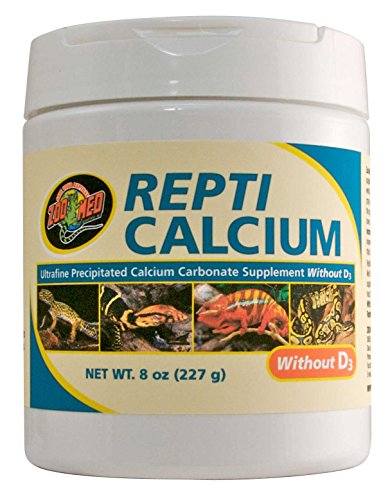
Zoo Med Reptile Calcium without Vitamin D3
Use this D3-free calcium on the remaining feeding days. It provides the calcium your chameleon needs without the D3 overload risk. This is a widely used reptile calcium supplement, and keepers consistently praise its consistency. One reviewer called it: “Essential for balance. Too much D3 is dangerous so this lets you supplement calcium safely.”
The main drawback: Keeping track of which days to use which supplement confuses many beginners. I’d recommend putting a simple chart on your fridge or setting phone reminders. As with the D3 version, packaging seal issues are commonly reported.
Multivitamins & All-in-One Options
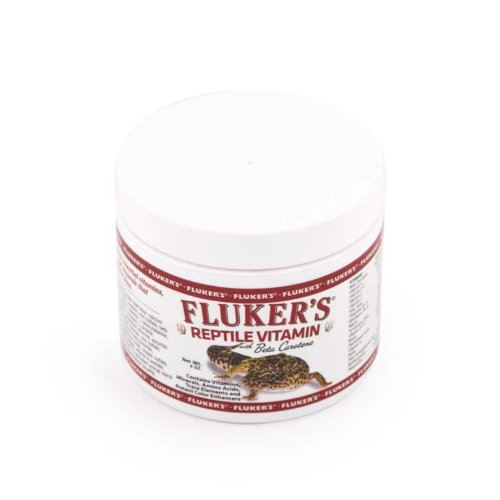
Fluker’s Repta Vitamin Supplement with Beta Carotene
This multivitamin fills in the nutritional gaps that calcium alone doesn’t cover — vitamin A (as beta carotene, which is safer than pre-formed vitamin A), vitamin B complex, and trace minerals. Use it 1-2 times per week, separate from your calcium dusting days.
One keeper shared: “This has everything chameleons need besides calcium. Great all-in-one vitamin.” The beta carotene approach is generally safer than pre-formed vitamin A, though some debate exists about whether all chameleon species convert beta carotene efficiently.
The catch: Some reptiles detect the powder’s smell and refuse dusted insects. A few gecko owners reported food strikes after introducing this supplement. While chameleons seem less sensitive to it, watch for refusal after the first few applications.
Repashy Calcium Plus All-in-One Supplement
For keepers who prefer simplicity, Repashy Calcium Plus combines calcium, D3, vitamins, and trace minerals in a single product. One happy customer called it “a game changer supplement” that saves them from juggling multiple containers.
I’d recommend this for experienced keepers who understand their chameleon’s specific D3 needs. With an all-in-one product, controlling D3 intake separately from calcium is harder, which worries some veterinarians. It’s also significantly more expensive upfront. As one reviewer cautioned: “With an all-in-one it’s harder to control D3 intake separately. Worried about overdose.”
Supplement Comparison
| # | Product | Type | Best For | Key Feature |
|---|---|---|---|---|
| 1 | Zoo Med Calcium + D3 | Calcium + D3 | Indoor chameleons (1-2x/week) | Trusted gold standard |
| 2 | Zoo Med Calcium (no D3) | Calcium only | Alternating feeding days | Prevents D3 toxicity |
| 3 | Fluker’s Repta Vitamin | Multivitamin | Weekly supplementation | Beta carotene for safer vit A |
| 4 | Repashy Calcium Plus | All-in-One | Keepers wanting simplicity | Calcium + D3 + vitamins combined |
For additional context on reptile supplementation across species, check our leopard gecko food guide.
Supplement Rotation: Step-by-Step
Getting the calcium rotation right is the single most impactful thing you can do to prevent metabolic bone disease. According to ARAV clinical guidelines, consistent supplementation is more important than any single feeding decision.
Step 1: Identify your UVB setup. Indoor chameleons (under artificial UVB bulbs) need supplemental D3. Outdoor chameleons with direct unfiltered sunlight may not need D3 supplementation at all — natural sunlight provides full-spectrum UVB that the bulbs cannot fully replicate.
Step 2: Dust with calcium + D3 twice per week. On two separate feeding days each week, coat feeder insects lightly with Zoo Med Reptile Calcium with Vitamin D3. Shake insects in a bag or cup with a small pinch of powder — they should have a visible white coating but not be buried in it.
Step 3: Dust with plain calcium on remaining feeding days. Use the D3-free calcium on every other feeding day. This maintains calcium intake without the risk of vitamin D3 toxicity, which the ARAV warns can cause calcification of soft tissues.
Step 4: Add multivitamin once per week. On a separate day from any calcium dusting, offer Fluker’s Repta Vitamin Supplement. This prevents overdosing by keeping vitamin A and other micronutrients on a controlled schedule.
Chameleon Feeding Schedule by Age
Feeding frequency and portion sizes change dramatically as your chameleon grows — tailoring chameleon food to age is essential. A hatchling has vastly different needs than a three-year-old adult, and getting this wrong — especially underfeeding juveniles — leads to stunted growth and developmental problems.

Age-Based Feeding Guide
Step 1: Determine your chameleon’s age and size. If you’re unsure, measure snout-to-vent length (SVL). Under 3 inches generally indicates a juvenile.
Step 2: Select appropriately-sized prey. The golden rule: insects should be no wider than the space between your chameleon’s eyes. Feeding prey that’s too large can cause choking or impaction.
Step 3: Follow the feeding schedule below. Adjust based on your chameleon’s body condition — visible hip bones mean increase feeding, while a rounded belly means reduce portions.
| Age Stage | Feeder Count Per Feeding | Frequency | Calcium (with D3) | Calcium (no D3) | Multivitamin |
|---|---|---|---|---|---|
| Hatchling (0-3 months) | 12-15 small feeders | Daily | Every feeding | N/A | 2x per week |
| Juvenile (3-6 months) | 8-10 medium feeders | Daily | Every other feeding | Every other feeding | 2x per week |
| Sub-adult (6-12 months) | 5-7 medium-large feeders | Daily to every other day | 2x per week | 2x per week | 1x per week |
| Adult (12+ months) | 3-5 large feeders | Every other day | 2x per week | 2x per week | 1x per week |
Important notes on this schedule:
- Hatchlings under 3 months need daily feeding without exception — they’re growing rapidly and burn through calories fast
- Adults can and should have skip days between feedings — in the wild, adult chameleons don’t eat daily
- D3 calcium should only be used for indoor chameleons; outdoor chameleons with natural sunlight may not need supplemental D3
- Always dust insects immediately before feeding — powder falls off quickly
Essential Feeding Tools
Two tools make the feeding process significantly easier and more effective.
Lasnten 2pc Extra Long Stainless Steel Reptile Feeding Tongs
Tong-feeding serves two purposes: it prevents accidental bites from confused chameleons striking at your fingers, and it helps build trust with new or skittish animals. The 10-inch length gives you good reach into most enclosures. The rubber tips grip worms securely without risking injury to your chameleon’s mouth.
One reviewer praised the extra length: “The extra length lets me reach deep into the enclosure without startling my chameleon.” However, a few users found the tips less precise with very small prey items like fruit flies.
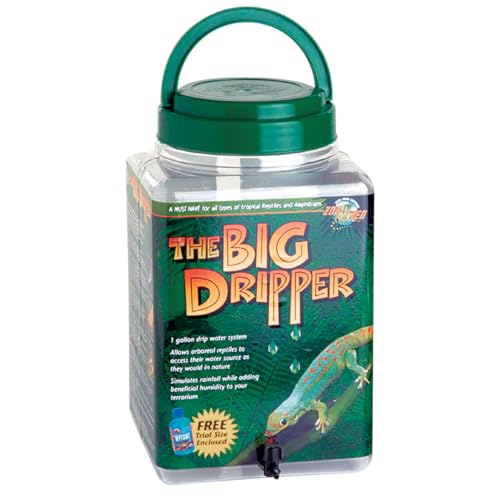
Fluker’s Mini Dripper Reptile Water Drip System
Chameleons almost never drink from standing water. In the wild, they lap dew and rain droplets from leaves. A dripper system mimics this natural drinking behavior and is essential for proper hydration.
The Fluker’s Mini Dripper uses a simple gravity-fed design with an adjustable valve. One reviewer confirmed: “Chameleons rarely drink from bowls. A dripper is essential and this works well.” The compact size fits most enclosures without taking up valuable space.
The catch: The 12-ounce capacity requires frequent refilling for adult chameleons, and the valve has a known leaking issue. Several customers reported constant slow drips even when the valve was supposedly closed. I’d suggest placing a catch container below to prevent substrate flooding. For cage setup context, see our best chameleon cage guide.
Can Chameleons Eat Fruits and Vegetables?
This depends entirely on the species. Among commonly kept chameleons, only veiled chameleons reliably accept plant matter as part of their chameleon food routine. Panther, Jackson’s, and pygmy chameleons are near-exclusive insectivores that will generally ignore anything that doesn’t move.
Safe Foods for Veiled Chameleons
Berries (strawberries, blueberries, raspberries) — offer a small piece once every 2-3 weeks
Melon (cantaloupe, honeydew) — small cubes, remove seeds
Apple — peeled, seeded, finely chopped
Collard greens, mustard greens, dandelion greens — leafy staples if accepted
Butternut squash — cooked, softened, chopped small
Carrots — grated or cooked soft, good for gut loading insects too
Foods to Avoid
Avocado — contains persin, toxic to reptiles
Iceberg lettuce — no nutritional value, causes diarrhea
Onion and garlic — damages red blood cells
Citrus fruits — too acidic, can cause mouth irritation
Fireflies and wild-caught insects — many contain toxins that are lethal to chameleons
Insects larger than the space between eyes — choking and impaction risk
Keep fruit and vegetable portions small — they should never exceed 10% of a veiled chameleon’s total diet. Think of them as hydration treats, not meal components.
Why Is My Chameleon Not Eating?
A chameleon refusing food is stressful for any keeper, but it’s not always an emergency. Understanding when your chameleon food routine needs adjustment versus when you need veterinary help is critical. Understanding the common causes helps you respond appropriately.
Non-Emergency Causes (Wait 24-48 Hours)
Shedding cycle — most chameleons reduce or stop eating 1-2 days before and during a shed
Recent relocation — new enclosures cause stress; give 3-5 days to acclimate
Breeding season — males may refuse food when focused on courting
Cool temperatures — verify basking spot reaches 85-95°F for veileds, 75-85°F for panthers
Overfeeding — a visibly full chameleon simply may not be hungry
Emergency Signs (See a Vet Immediately)
Sunken eyes — advanced dehydration
Visible hip bones or weight loss — prolonged refusal is causing physical decline
Lethargy or hanging upside-down — indicates serious illness
Discharge from mouth or nose — respiratory infection
Refusal for over 7 days (adult) or over 24 hours (juvenile) — needs veterinary assessment
The most common cause of feeding refusal is actually inadequate UVB lighting. Chameleons need UVB to produce vitamin D3, which in turn enables calcium absorption. Without proper UVB, they lose appetite as calcium levels drop. Replace your UVB bulb every 6-8 months even if it still emits visible light — UVB output degrades long before the bulb burns out.
Frequently Asked Questions
What should I feed my chameleon daily?
Your ideal chameleon food depends on age. Juvenile chameleons under 6 months need daily feedings of 8-15 appropriately-sized insects, while adults do best with 3-5 insects every other day. Always dust feeders with calcium powder before offering.
Is it OK to miss one chameleon feeding?
For adults, yes — missing a single chameleon food serving is not concerning. Chameleons in the wild eat irregularly and have evolved to handle short gaps. However, juveniles under 6 months need consistent daily nutrition for bone development, so avoid skipping their feedings.
Can I give my chameleon a banana?
Veiled chameleons can have a small piece of banana once a month as a treat. Other species almost never accept fruit. Banana is high in sugar and low in calcium, making it unsuitable as a regular food item for any chameleon species.
How long can a chameleon go without being fed?
Healthy adults can survive 3-5 days without food. Juveniles should not go more than 24 hours. If your chameleon refuses food for more than a week, this usually indicates illness, chronic stress, or environmental problems — consult an exotic veterinarian rather than waiting longer.
What not to feed chameleons?
Never offer fireflies, ladybugs, or any wild-caught insects — many contain lethal toxins. Avoid insects wider than the space between your chameleon’s eyes. Avocado, onion, garlic, and citrus fruits are also harmful.
What can I feed my chameleon instead of crickets?
Dubia roaches are the best direct substitute — higher protein, better calcium ratio, and quieter. Hornworms and silkworms make excellent treats. Black soldier fly larvae (also called calci-worms or phoenix worms) provide outstanding calcium content and can be offered regularly.
Conclusion
Getting your chameleon’s diet right isn’t complicated once you understand the core principles of chameleon food management. Here’s what matters most:
- Variety in feeder insects — rotate between dubia roaches, crickets, hornworms, and BSFL to provide balanced nutrition
- Gut loading is non-negotiable — feed your insects nutritious food 24-48 hours before offering them
- Alternate calcium supplements — with D3 and without D3 on a schedule appropriate for your UVB setup
- Match feeding frequency to age — juveniles need daily meals, adults need every-other-day feeding
- Provide water via dripper — chameleons won’t use water bowls
- Watch for refusal patterns — short breaks are normal, extended refusal signals illness
If you only take one thing from this guide, it should be this: invest in proper supplementation before anything else. The most expensive feeder insects won’t prevent MBD if you’re skipping calcium dusting. Start with a reliable calcium + D3 powder and a D3-free alternative, build a feeding schedule, and stick to it consistently.
For more on choosing the right chameleon food and overall care, explore our guides on chameleon care, chameleon lifespan, and choosing the best chameleon cage.