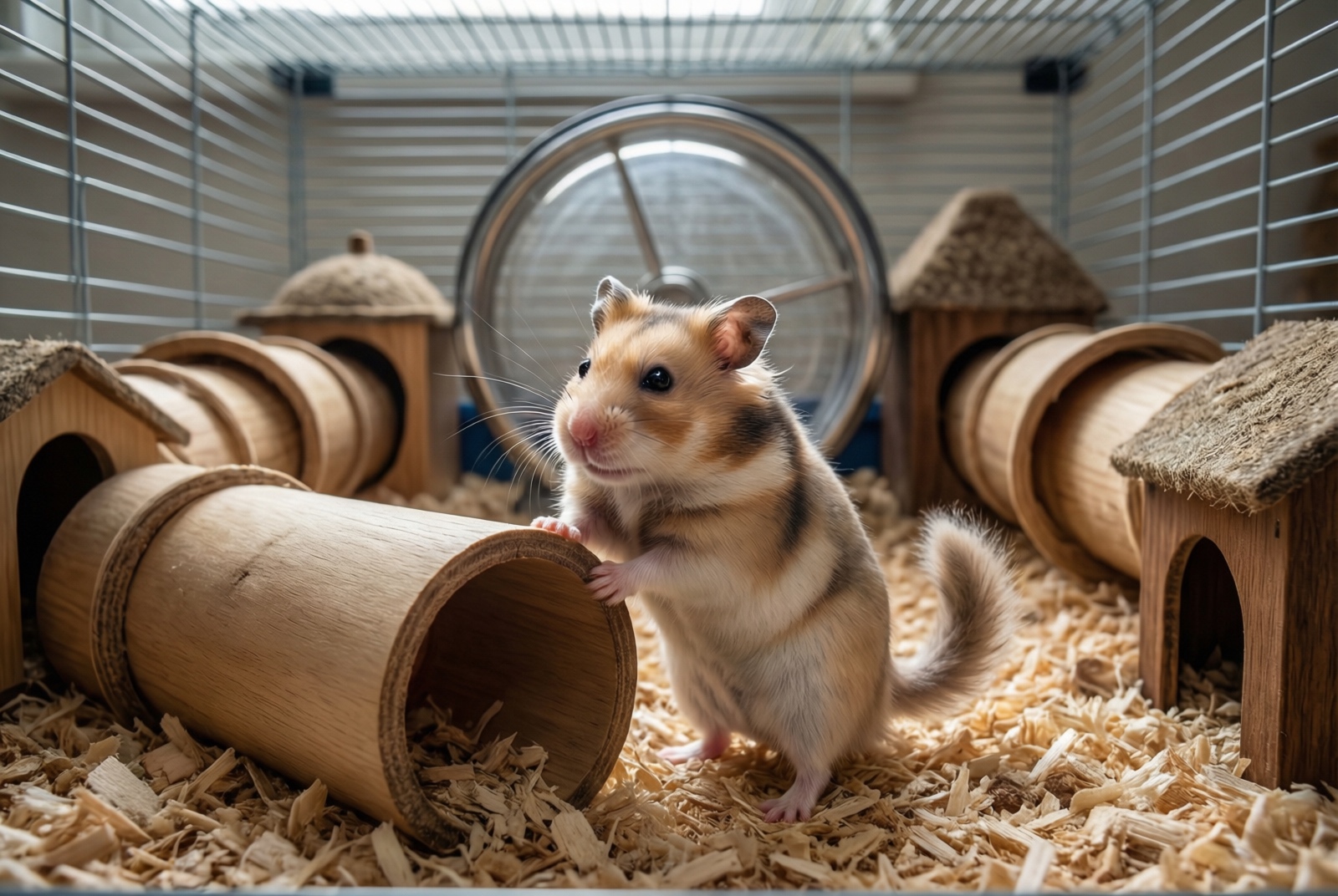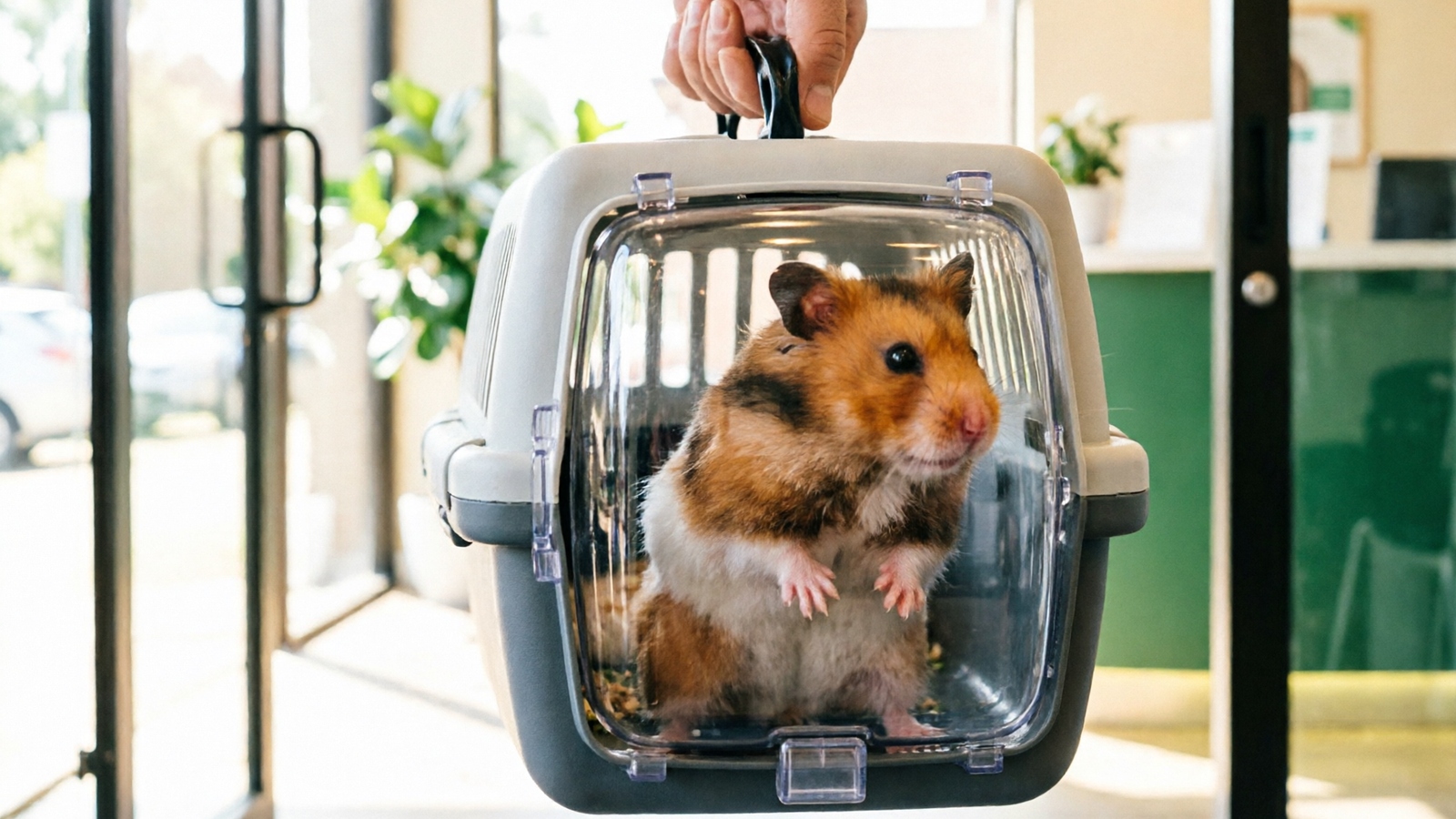
Seeing your hamster shake can be alarming, especially if it’s your first time owning one. If you’re asking yourself, “Why does my hamster shake?” you’re not alone — it’s one of the most common concerns among hamster owners. The truth is, hamster shaking can mean several very different things — from a completely harmless sign of happiness to a symptom that needs urgent veterinary attention.
This guide covers the 7 most common reasons hamsters shake, how to tell the difference, and when you should be concerned about why your hamster is shaking.
1. Your Hamster Is Content and Happy (“The Buzz”)
One of the most surprising reasons hamsters shake is actually positive. Many hamster owners, especially those with dwarf breeds, notice their pet vibrating or buzzing when being gently petted or held. If you find yourself searching for information on hamster shaking, this happy vibration could be the reassuring answer you’re looking for.
This behavior, often called “the buzz,” is a sign of contentment and relaxation. It’s similar to a cat’s purr — your hamster is telling you it feels safe and comfortable.
How to recognize happy shaking:
- Your hamster is calm and relaxed, not trying to escape
- Eyes may be half-closed or squinting
- The vibration is gentle and rhythmic, not violent
- It happens during gentle handling or when your hamster is settling down
- Your hamster continues eating, grooming, and behaving normally
This is most commonly seen in dwarf hamsters (Winter Whites, Campbell’s, and Roborovskis), but Syrian hamsters can do it too. If the shaking only happens during calm moments and your hamster is otherwise healthy and active, there’s nothing to worry about — this type of shaking is one of the least concerning answers to “why does my hamster shake.”
Understanding hamster body language takes time, but learning the difference between happy vibrations and concerning tremors is one of the most important skills for any hamster owner.
2. Stress, Fear, or Anxiety
Living World Carrier Large is a quality option worth considering for your setup.
On the opposite end of the spectrum, shaking is one of the most common stress responses in hamsters. When a hamster feels threatened, anxious, or overwhelmed, its body goes into a fight-or-flight response that often manifests as trembling or shaking. For owners wondering why does my hamster shake after a sudden change in environment, stress is often the answer.
Common triggers for stress-induced shaking:
- New environment: A recently moved cage, a new room, or a brand-new home. Hamsters typically need 7–10 days to adjust to a new space
- Loud noises: Vacuums, music, shouting, construction, or barking dogs can all trigger fear responses
- Rough handling: Being squeezed, picked up from above (which mimics a predator), or woken suddenly from deep sleep
- Cage mates: Conflict, territorial disputes, or bullying from other hamsters — this is especially common when housing Syrian hamsters together, which should never be done
- Predator presence: Cats, dogs, or even large birds visible near the cage can trigger intense fear
- Small cage: An enclosure that’s too small causes chronic stress, which manifests as repetitive behaviors, bar biting, and shaking
- Bright lighting: Hamsters are nocturnal and prefer dim environments. Constant bright light causes stress and anxiety
- Lack of enrichment: A barren cage with nothing to do leads to boredom and stress-related behaviors
Signs your hamster is shaking from stress:
- Flattened ears against the head
- Puffed-up fur making the hamster look larger
- Rapid breathing
- Trying to hide or escape
- Freezing in place
- Bar biting or excessive grooming
If you notice stress-related shaking, the solution is to identify and remove the stressor. In many cases, stress is the answer to why does my hamster shake, and removing the trigger resolves the issue completely. Move the cage to a quieter location, reduce handling temporarily, and ensure the enclosure is large enough (minimum 450 square inches of floor space for Syrians, 360 square inches for dwarfs). Provide plenty of hiding spots, deep bedding for burrowing, and a suitable exercise wheel. Most hamsters calm down within a few days once the source of stress is removed.
Building trust with a stressed hamster: If your new hamster is shaking from stress, resist the urge to handle it immediately. Instead, spend the first 3–5 days simply sitting near the cage and talking softly. Offer treats from your fingers to build positive associations. Once your hamster approaches your hand confidently, you can begin gentle handling in a safe, enclosed space. This gradual approach dramatically reduces stress and helps prevent long-term fear of humans. For more on recognizing and addressing hamster behavior problems, check our dedicated guide.
3. Your Hamster Is Too Cold
Many owners find that LAIRIES Bubble Backpack works well for their pet’s needs.
Hamsters are sensitive to temperature. Their ideal range is 65–75°F (18–24°C). When the temperature drops below this range, hamsters will shake to generate body heat — just like humans shiver when cold. If your hamster shakes only at night, cold temperatures may explain why does my hamster shake at certain times of day.
Signs your hamster is cold:
- Shaking or shivering, especially when stationary
- Huddling in a corner or burrowing deep into bedding
- Lethargy and reduced activity
- Tucked-up posture with a puffed coat
What to do:
- Check the room temperature with a thermometer
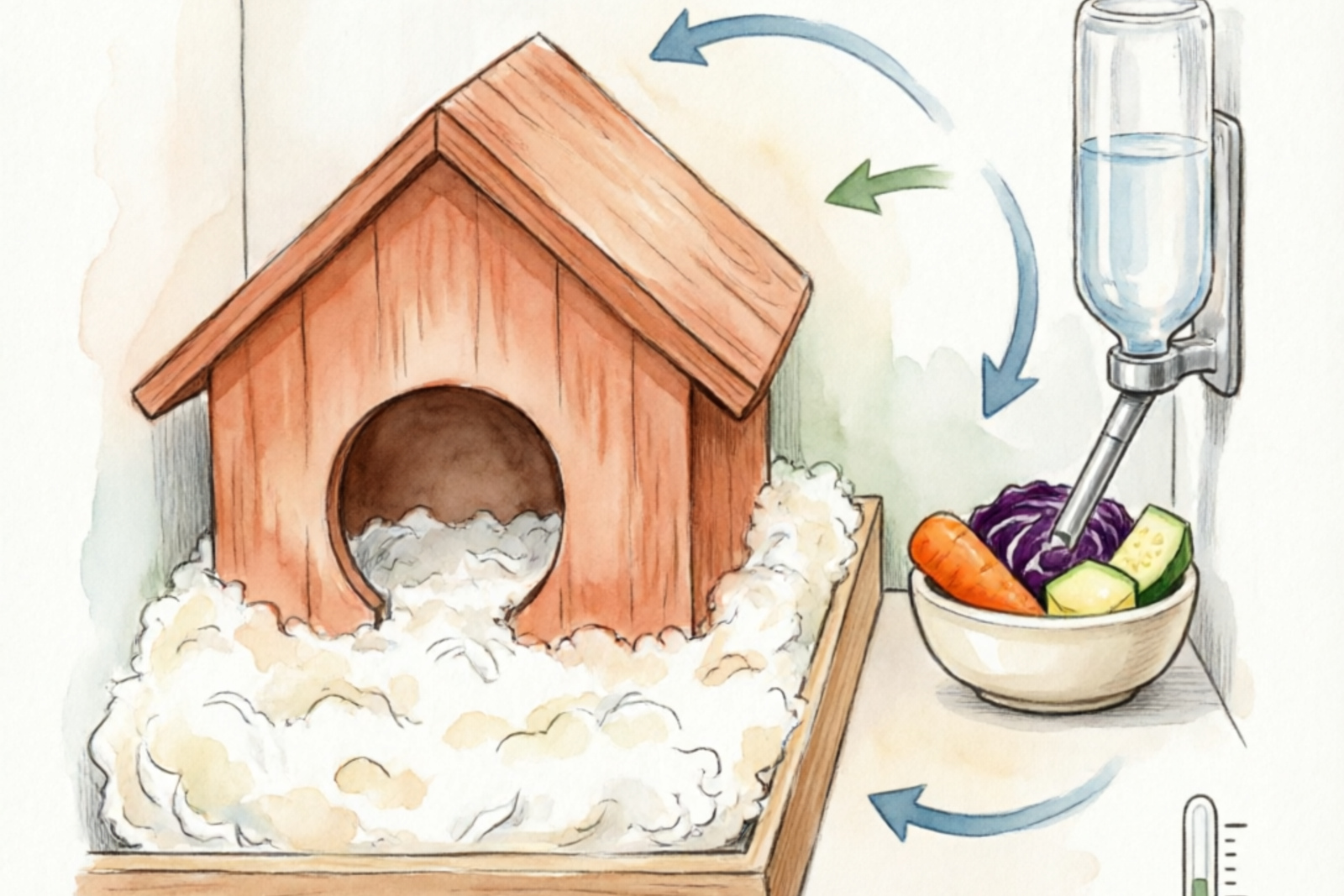
- Move the cage away from windows, drafts, and air conditioning vents
- Add extra bedding (paper-based or aspen shavings work well)
- Provide a small hideout or nesting material for warmth
- Never use heating pads directly in the cage — they can cause burns
In extreme cold, hamsters can enter a state called torpor, which looks like hibernation but is actually dangerous and can be fatal. A hamster in torpor will feel cold to the touch, breathe very slowly, and appear almost lifeless. Unlike true hibernation, torpor is not a natural state for domestic hamsters and can cause organ damage.
If you suspect torpor, warm your hamster gradually — place the cage in a warm room (around 75°F / 24°C), or hold the hamster gently against your body warmth. Never use direct heat sources like hair dryers, heating pads, or radiators, as these can cause burns or shock. Recovery from mild torpor can take 30–60 minutes. If your hamster doesn’t respond to gradual warming within an hour, contact your vet immediately — cold-induced shaking is one of the most urgent situations a hamster owner can face.
A proper hamster cage setup includes temperature management as a key consideration. Place the cage in a room with stable temperatures away from external walls.
4. Illness or Pain
For this purpose, Kaytee Come Along Medium is a popular choice among pet owners.
Shaking can be a symptom of several health conditions. Hamsters are prey animals, which means they’re very good at hiding signs of illness. By the time you notice your hamster shaking and start looking for answers, the condition may already be somewhat advanced.
Common illnesses that cause shaking:
- Respiratory infections: Often accompanied by sneezing, wheezing, or nasal discharge
- Wet tail (proliferative ileitis): A serious bacterial infection more common in young hamsters (under 12 weeks), causing severe watery diarrhea, lethargy, a wet and soiled tail area, and a hunched posture. Wet tail can be fatal within 24–48 hours if left untreated. If you notice a wet bottom area combined with shaking and lethargy, this is a veterinary emergency. Immediate antibiotic treatment is essential.
- Ear infections: May cause head tilting and loss of balance in addition to shaking
- Tooth problems: Overgrown teeth or dental abscesses can cause pain-related trembling
- Skin parasites: Mites or fleas cause intense itching and discomfort
Red flags that suggest illness:
- Shaking combined with not eating or drinking
- Wet or soiled bottom area
- Discharge from eyes or nose
- Weight loss (visible spine or hip bones)
- Hunched posture
- Rough or greasy coat
Why early vet visits matter: Hamsters have incredibly fast metabolisms, and health conditions can progress from mild to life-threatening within 24–48 hours. Unlike dogs or cats, hamsters cannot communicate when something is wrong, so by the time you notice visible symptoms like shaking, the condition may already be advanced. An exotic pet vet who specializes in small mammals is your best resource — they have the equipment and expertise to diagnose conditions that general practice vets might miss.
If your hamster shows any of these signs along with shaking, you should see an exotic pet veterinarian as soon as possible. Understanding why does my hamster shake can make the difference between catching an illness early or discovering it too late. Read our hamster health guide for more details on common conditions.
5. Old Age
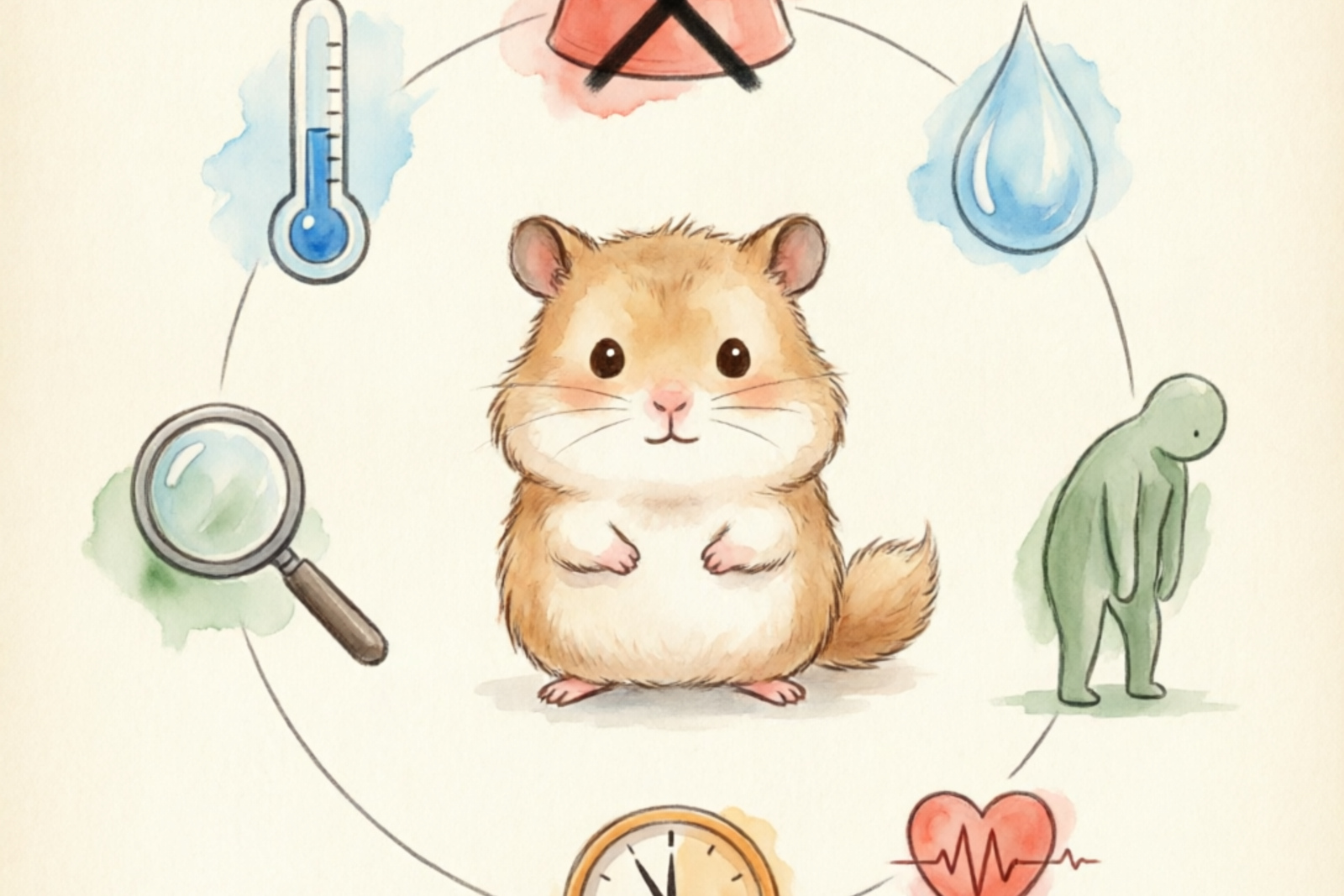
If your hamster is over 18 months old, some shaking is a normal part of aging. When an older hamster shakes, age-related muscle weakness is often the reason. Understanding why does my hamster shake more as it ages can help you provide better senior care. As hamsters reach their senior years, they experience muscle weakness, reduced coordination, and sometimes neurological decline.
Age-related shaking characteristics:
- Gradual onset over weeks or months
- More noticeable when the hamster is awake and active
- May be accompanied by slower movement or a wobbly gait
- The hamster still eats, drinks, and shows interest in surroundings
How to care for a senior hamster:
- Lower water bottles and food bowls for easier access
- Remove levels, tunnels, and high platforms to prevent falls
- Provide softer, deeper bedding — paper-based bedding is gentle on older joints
- Offer easier-to-chew foods (softer vegetables, small pieces of fruit, mashed foods)
- Keep the cage on a single level to avoid climbing accidents
- Schedule regular vet checkups every 2–3 months
- Reduce wheel size or provide a solid-surface running area
- Maintain a consistent routine — senior hamsters feel stress from changes more easily
- Monitor weight weekly — weight loss in seniors can indicate dental problems or illness
Most hamsters live 2–3 years, with Syrians typically living slightly longer than dwarf breeds. A Syrian hamster may reach 3–3.5 years with excellent care, while dwarf hamsters average 1.5–2.5 years. If your senior hamster is shaking but still eating and moving around, focus on comfort and quality of life.
6. Neurological Conditions
More serious causes of shaking include neurological problems. These conditions require veterinary diagnosis and treatment. If you’re still wondering why does my hamster shake despite ruling out stress, cold, and age, a neurological issue could be the underlying cause.
Common neurological causes:
Stroke: Hamsters can suffer strokes, especially older ones. Symptoms include head tilting, circling, difficulty walking, and sometimes shaking. A hamster that has had a stroke may recover partially with supportive care, but a vet visit is essential.
Inner ear problems: An ear infection or injury can affect balance, causing head tilting, stumbling, and trembling. This is treatable with antibiotics if caught early.
Diabetes: Dwarf hamsters, particularly Campbell’s dwarfs, are prone to diabetes. Symptoms include increased thirst, increased urination, weight loss, and sometimes trembling or shaking. If you notice these signs, a vet can test blood glucose levels. Our hamster diabetes guide covers symptoms, treatment, and dietary management.
Seizures: In rare cases, hamsters may experience seizures, which can look like violent shaking or convulsions. Seizures can be caused by brain tumors, toxins, head trauma, or genetic conditions. If your hamster has a seizure, do not try to hold or restrain it — clear the area of hazards, dim the lights, and time the episode. Most seizures last less than two minutes. Contact your vet after any seizure, even if your hamster seems to recover — the underlying cause needs to be identified.
How your vet will diagnose neurological issues:
- Physical examination and neurological assessment
- Blood tests to check for diabetes, kidney function, and infection markers
- X-rays or imaging if a tumor or injury is suspected
- Response to trial medications (antibiotics for suspected ear infection, for example)
Early diagnosis significantly improves outcomes for neurological conditions. Don’t wait to see if the shaking “goes away on its own” — especially if other symptoms are present.
7. Your Hamster Is Shaking Violently — When to See a Vet
Some situations require immediate veterinary attention. If your hamster is shaking violently, here’s when it becomes an emergency:
| Symptom Combination | Urgency | Action |
|---|---|---|
| Shaking + not eating/drinking | High | Vet within 24 hours |
| Shaking + breathing fast | High | Vet within 24 hours |
| Shaking + wet tail area | Critical | Vet immediately |
| Violent shaking/convulsions | Critical | Vet immediately |
| Shaking + not moving at all | Critical | Vet immediately |
| Shaking + cold body | Critical | Warm gradually, then vet |
| Shaking + head tilt | Medium-High | Vet within 48 hours |
| Mild trembling only, eating normally | Low | Monitor for 24–48 hours |
Before your vet visit:
- Note when the shaking started and how often it occurs
- Record any other symptoms you’ve noticed
- Take a short video of the shaking if possible — this helps the vet enormously
- Bring a fresh stool sample if diarrhea is present
- Keep your hamster warm during transport
Product Recommendations
Here are some products mentioned in this guide:
Frequently Asked Questions
Why is my hamster shaking with eyes closed? If you’re wondering why your hamster shakes with its eyes closed, this is usually a sign of contentment. When hamsters are relaxed and comfortable — often during gentle petting — they may half-close their eyes and produce a soft vibrating or buzzing sensation. This is perfectly normal, especially in dwarf hamsters.
Why does my hamster shake while sleeping? If you’re wondering why your hamster shakes while sleeping, occasional small twitches are normal and similar to human dreaming. However, if the shaking is continuous, violent, or your hamster seems cold to the touch, check the room temperature. Hamsters can enter dangerous torpor if they get too cold.
Why is my dwarf hamster shaking? Dwarf hamsters are the breed most known for “the buzz” — a happy vibrating when content. However, dwarf hamsters are also prone to diabetes, which can cause trembling. If your dwarf hamster is shaking and you’re not sure why, checking for increased thirst and urination is a good first step. See your vet for a blood glucose test if you suspect diabetes.
My hamster is shaking and breathing fast — what should I do? If your hamster is shaking and breathing fast, this can indicate stress, pain, or a respiratory infection. First, check for obvious stressors — loud noises, predators, recent changes, or excessive handling. Move the cage to a quiet, dimly lit room and observe your hamster for 1–2 hours. If the symptoms persist, or if you also notice wheezing, nasal discharge, or clicking sounds when breathing, contact your vet. Respiratory infections in hamsters can progress quickly and require prompt antibiotic treatment.
Why does my hamster shake in the morning? If your hamster shakes in the morning, room temperatures may be the cause. Temperatures often drop overnight, and your hamster may be cold by morning. Check that the cage isn’t near a window, exterior wall, or air conditioning vent. Adding extra bedding can help your hamster stay warm through the night. You might also consider using a room thermometer to monitor nighttime temperatures. If the shaking continues after the room has warmed up and your hamster is active and eating, it was likely just a temperature issue. However, persistent morning shaking combined with other symptoms warrants a vet visit.