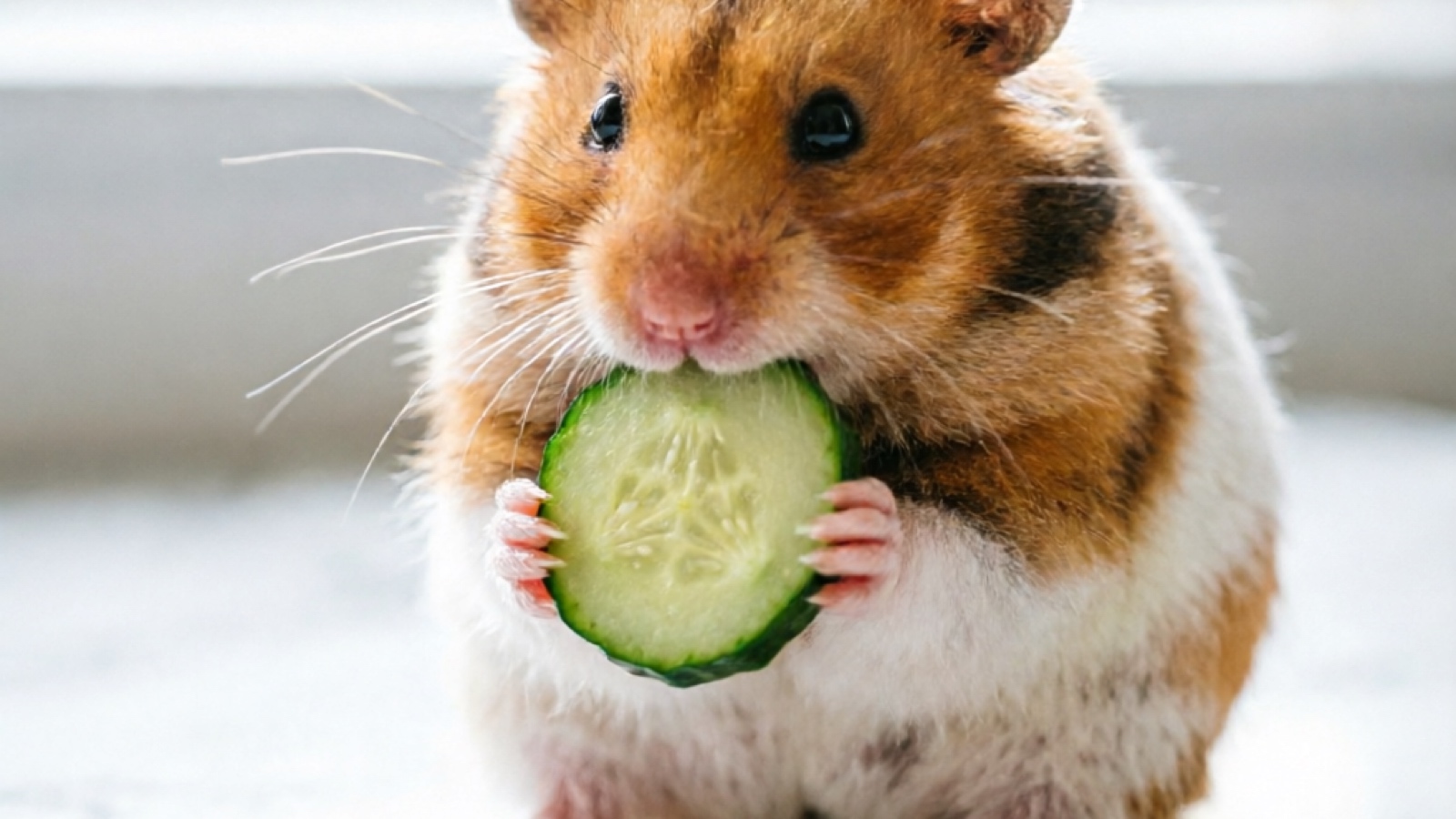
Quick Answer: Can Hamsters Eat Cucumber?
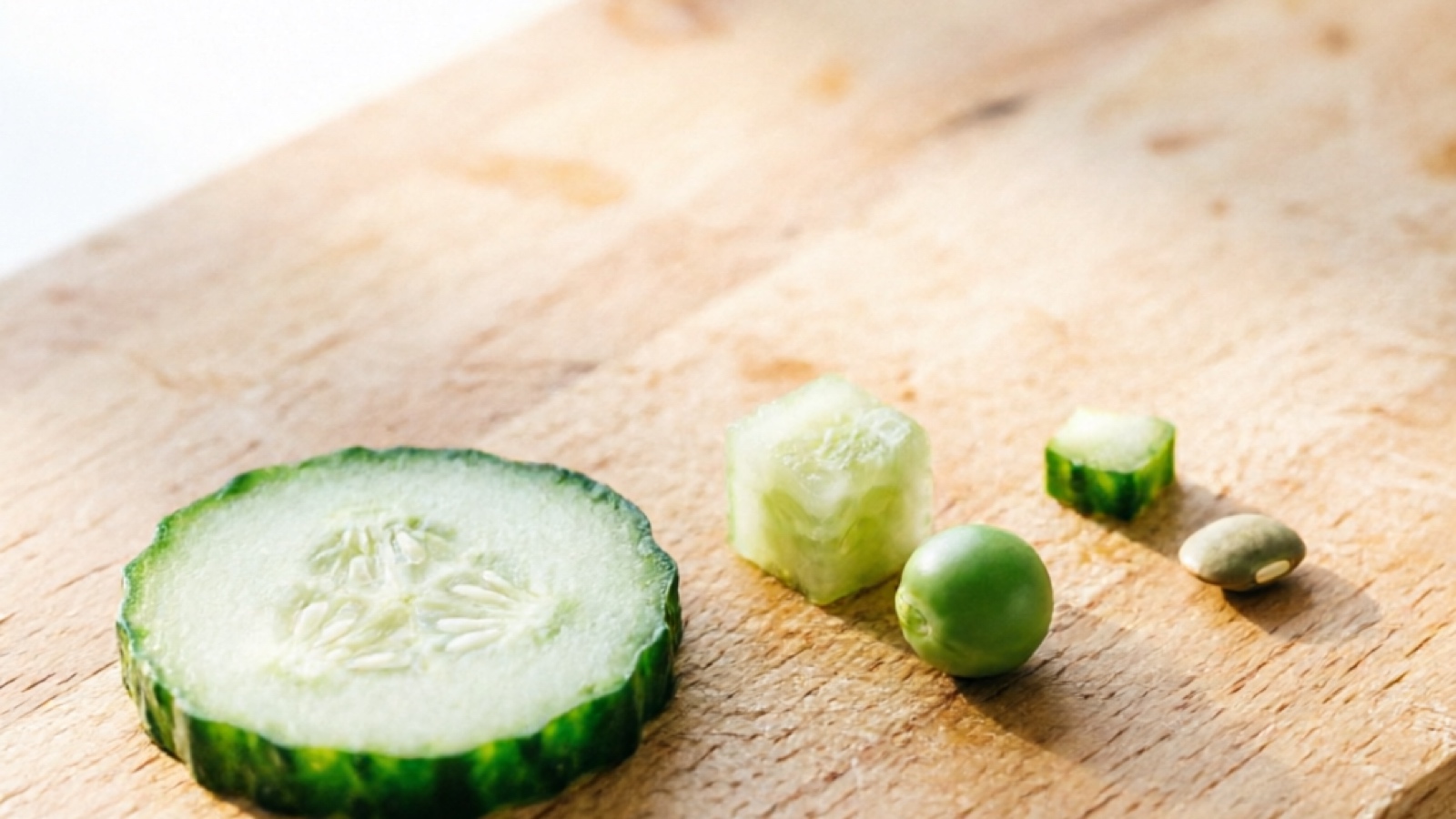
Yes, hamsters can eat cucumber — but it should be an occasional treat in small portions, not a regular part of their diet. Cucumber is extremely low in calories and sugar, which makes it safe from a nutritional standpoint. The main concern is water content — at roughly 95% water, overfeeding causes diarrhea, which is dangerous for small animals. Keep portions small: a thin coin-sized slice for Syrians and a pea-sized piece for dwarfs, 1-2 times per week.
💡 TL;DR: Syrian hamsters: a thin coin-sized slice, 1-2 times per week. Dwarf hamsters: a pea-sized piece, 1-2 times per week. Serve raw, washed, with or without peel. Remove uneaten pieces after 1-2 hours.
I’ve offered cucumber to my hamsters for years, and it’s one of those foods that most hamsters enjoy but don’t go crazy for — unlike strawberries, which tend to disappear instantly. The mild flavor and high water content make cucumber a good option for hamsters who need encouragement to stay hydrated. For a complete overview of what should make up your hamster’s daily nutrition, our hamster diet guide covers the fundamentals.
Understanding Cucumber’s Place in a Hamster’s Diet
Cucumber is safe, but it’s not particularly nutritious for hamsters. Unlike broccoli, which delivers meaningful vitamin C and fiber, or carrots, which provide beta-carotene, cucumber is mostly water with relatively few vitamins and minerals per serving.
That doesn’t mean it’s useless. Cucumber serves a specific purpose: hydration and variety. In the wild, hamsters obtain moisture from fresh vegetation, and cucumber mimics that experience. It’s also a good option for hamsters recovering from illness who may not be drinking enough from their water bottle, or during hot summer months when extra hydration helps.
The key is treating cucumber as what it is — a supplemental hydration treat, not a nutritional powerhouse. A hamster’s base diet should always be a high-quality commercial pellet (~70-75% of intake), with fresh vegetables, occasional fruit, and protein treats like mealworms filling in the remaining 5-10%.
Nutritional Facts: Raw Cucumber (with peel)
Here’s what your hamster gets from raw cucumber with peel, based on USDA FoodData Central USDA FDC ID 168409 — “Cucumber, with peel, raw”:
| Nutrient (per 100g) | Amount | Why It Matters for Hamsters |
|---|---|---|
| Energy | 15 kcal | Extremely low calorie — no obesity risk |
| Protein | 0.65g | Negligible protein contribution |
| Fat | 0.11g | Essentially fat-free |
| Carbohydrate | 3.63g | Very low carb, only 1.67g from sugars |
| Fiber | 0.5g | Low fiber — won’t contribute much to digestive health |
| Water | 95.2g | Extremely high — main benefit and main risk |
| Calcium | 16mg | Modest calcium for bones and teeth |
| Phosphorus | 24mg | Balanced with calcium (1:1.5 ratio) |
| Potassium | 147mg | Supports heart and muscle function |
| Sugar | 1.67g | Low sugar — safe for dwarf hamsters |
The numbers tell a clear story: cucumber is essentially water with a small amount of vitamins and minerals attached. At only 15 calories per 100g and 1.67g of sugar, it’s one of the safest foods you can offer from a calorie and diabetes perspective. The calcium-to-phosphorus ratio (1:1.5) is better than many other foods, which is a nice bonus.
But that 95.2% water content is the double-edged sword. A thin cucumber slice weighing 5-10 grams delivers about 5-9.5 grams of water. For a 40-gram dwarf hamster, that’s a significant amount of fluid relative to body weight. For a 150-gram Syrian, it’s more manageable. This is why breed-specific portion sizes matter so much with cucumber.
The low fiber content (0.5g per 100g) means cucumber doesn’t provide much digestive benefit compared to other vegetables. If you’re looking for a vegetable that supports gut health, broccoli at 2.6g fiber per 100g is a much better choice.
Benefits of Cucumber for Hamsters
Hydration Support
The primary benefit of cucumber is hydration. At 95% water, it provides meaningful fluid intake in a form that most hamsters find palatable. I’ve found cucumber particularly useful during summer heat waves or when a hamster is recovering from a respiratory infection and hasn’t been drinking enough. A small piece of cucumber can supplement water bottle intake without replacing it.
Low Sugar — Safe for Diabetic-Prone Breeds
With only 1.67g of sugar per 100g, cucumber is one of the lowest-sugar vegetables available. This makes it safer for dwarf hamsters (Winter Whites and Campbell’s) who are genetically predisposed to diabetes. Compare this to grapes, which contain roughly 16g of sugar per 100g — cucumber is ten times lower.
Extremely Low Calorie
At 15 calories per 100g, cucumber poses essentially zero obesity risk in proper portions. Even if your hamster eats slightly more than recommended, the calorie impact is negligible. This is one of the reasons cucumber is sometimes recommended by exotic vets as a “free” vegetable for overweight hamsters who need to lose weight.
Dental Enrichment
While cucumber is softer than vegetables like broccoli or carrots, the crunch of a fresh slice still provides some dental wear. It’s not a substitute for dedicated chew toys, but the gnawing action helps keep incisors at a healthy length. In my experience, hamsters enjoy the satisfying crunch of fresh cucumber, which adds environmental enrichment to their day.
Risks and Precautions
Diarrhea — The Biggest Risk
This is the primary concern with cucumber and the reason portion control is non-negotiable. At 95% water, cucumber introduces more fluid into the digestive tract than a hamster’s small gut can process efficiently. The result is loose stool or outright diarrhea.
Diarrhea in hamsters is more dangerous than in many other pets. A hamster weighs only 30-200 grams, and fluid loss through diarrhea can cause dehydration in hours rather than days. Dehydrated hamsters become lethargic, stop eating, and can decline rapidly. If your hamster develops diarrhea after eating cucumber:
- Remove all fresh food immediately
- Offer only dry pellets and fresh water
- Monitor stool every few hours
- If diarrhea persists beyond 12-24 hours, contact an exotic vet
Nutritional Deficiency Risk
Because cucumber is so low in protein, fiber, vitamins, and minerals, it provides essentially no nutritional value in the tiny portions hamsters should eat. If a hamster fills up on cucumber and refuses their pellets, they miss out on the complete nutrition pellets provide. This is why cucumber should be a treat, not a dietary staple.
Pesticide Residue
Conventionally grown cucumbers often carry a wax coating and pesticide residue on the skin. While peeling removes most of this, washing is essential regardless. I recommend organic cucumbers when possible, or at minimum washing thoroughly under running water. A brief soak in a vinegar-water solution (1 part vinegar to 3 parts water) followed by a thorough rinse is more effective than plain water.
Spoilage
Fresh cucumber left in a warm cage environment spoils within hours. Uneaten pieces should be removed after 1-2 hours. Hamsters frequently stash fresh food in their cheek pouches or bury it in bedding — check these hiding spots regularly to prevent mold growth.
Serving Guide by Breed
Syrian Hamsters (120-200g)
Syrians tolerate cucumber better than smaller breeds due to their larger body mass and more robust digestive systems.
- Amount: A thin slice about the size of a coin (~5-10g)
- Frequency: 1-2 times per week
- Preparation: Washed, raw, with or without peel
- Tips: Cut into strips or half-moons for easier handling
I offer my Syrian hamsters cucumber once or twice a week as part of a vegetable rotation. I’ve found that thin slices are better than thick chunks — they’re easier to hold and less likely to be stuffed entirely into cheek pouches.
Dwarf Hamsters — Winter White & Campbell’s (30-50g)
Dwarf hamsters need significantly smaller portions due to their tiny digestive systems and heightened sensitivity to water intake.
- Amount: A piece no larger than a green pea (~2-3g)
- Frequency: 1-2 times per week maximum
- Preparation: Peeled is better for dwarfs — easier to chew and less pesticide exposure
- Tips: Cut into tiny dice pieces; monitor stool closely after first feeding
With dwarf hamsters, I’d recommend starting with a piece half the size of a green pea and waiting 48 hours to see how their digestive system handles it. If stool stays normal, you can offer the full pea-sized amount next time.
Roborovski Dwarf Hamsters (20-30g)
Roborovskis are the smallest breed and the most sensitive to dietary changes.
- Amount: A piece roughly the size of a lentil (~1-2g)
- Frequency: 1 time per week
- Preparation: Peeled, cut into tiny pieces
- Tips: Robos are fast eaters — offer one tiny piece at a time to prevent cheek pouch stuffing
Chinese Hamsters (30-50g)
Chinese hamsters fall between Syrians and dwarfs in terms of size and tolerance.
- Amount: A piece between a pea and a coin (~3-5g)
- Frequency: 1-2 times per week
- Preparation: Washed, raw, peel optional
- Tips: Chinese hamsters have slender builds — moderate portions work well
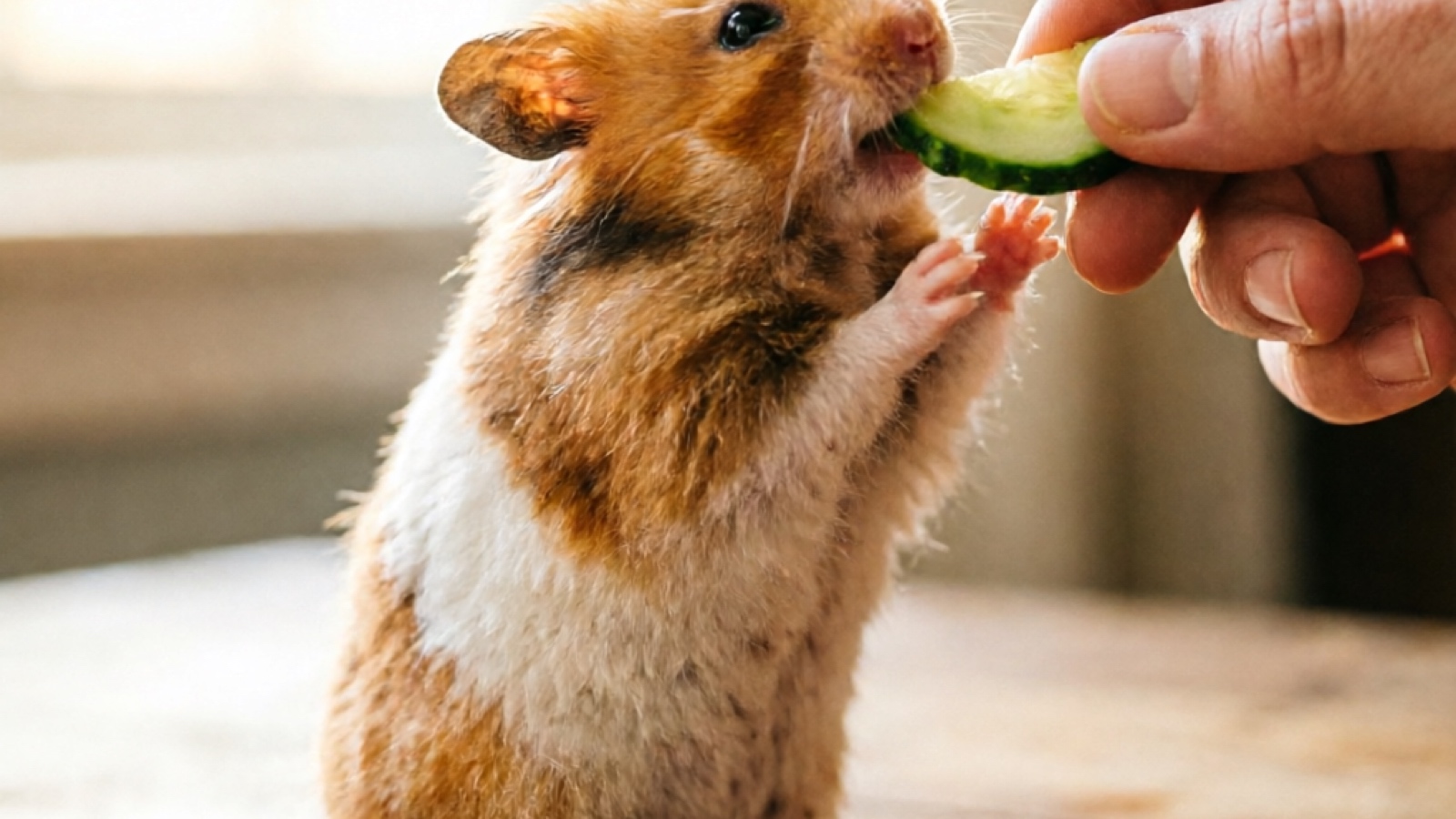
How to Prepare Cucumber for Your Hamster
Step-by-Step Preparation
-
Wash thoroughly — rinse under running water. For extra safety, soak 2-3 minutes in a vinegar-water solution, then rinse again.
-
Peel or leave peel — both are safe. Peeled cucumber is slightly easier to digest. If leaving the peel, use organic cucumber when possible.
-
Remove seeds if desired — cucumber seeds are soft and safe, but some owners prefer to scoop them out for a cleaner piece. It’s optional.
-
Cut to size — Syrian: thin coin-sized slice. Dwarf: pea-sized piece. Roborovski: lentil-sized piece.
-
Serve at room temperature — cold cucumber straight from the fridge can cause digestive upset. Let it sit for 5-10 minutes.
-
Remove uneaten pieces after 1-2 hours — check food bowl, cage floor, and common stashing spots.
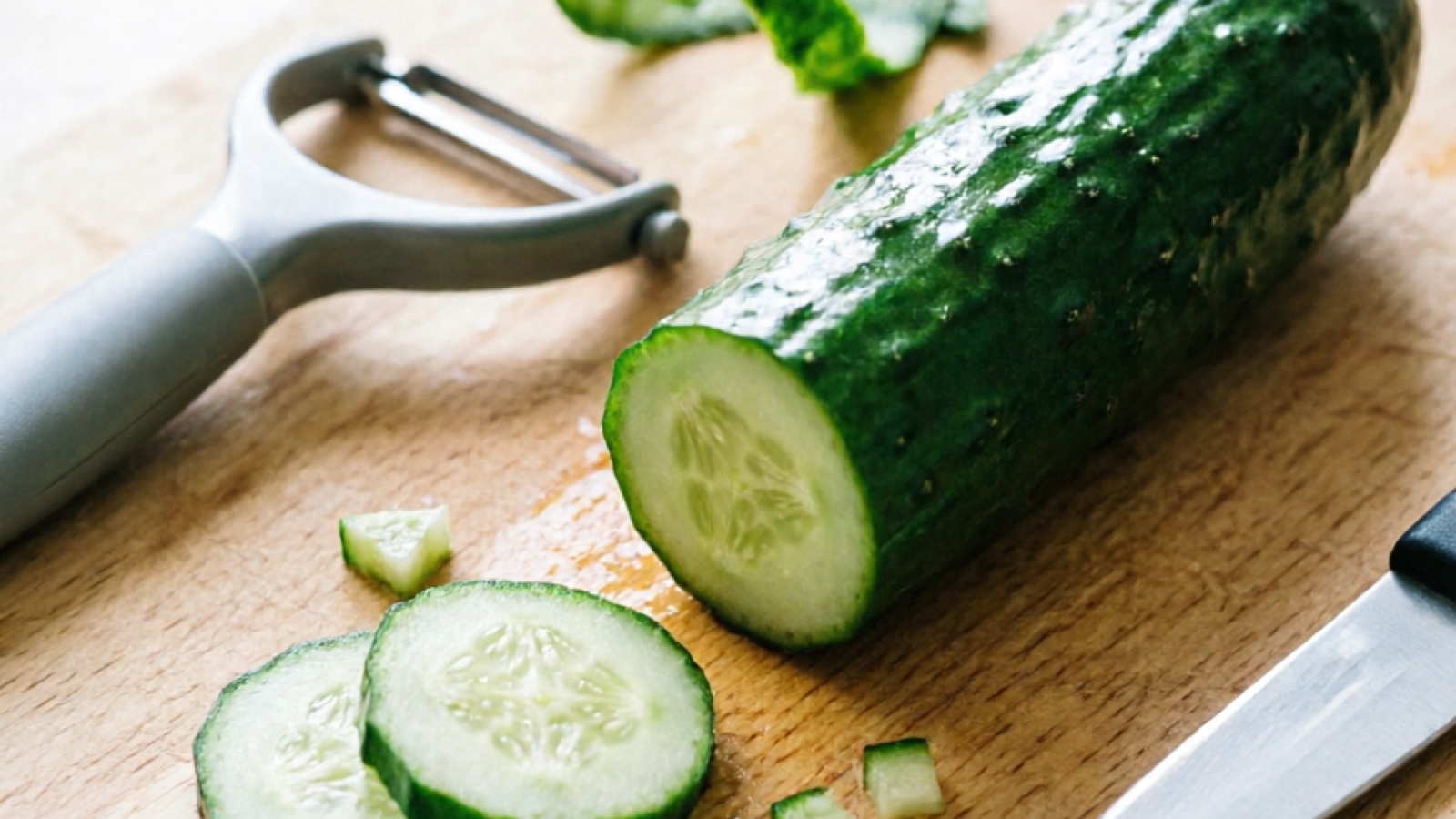
Should You Peel It?
I’ve gone back and forth on this over the years. The peel contains slightly more fiber and nutrients than the flesh. But the peel is also where pesticide residue and wax coating concentrate. My current approach: peel conventionally grown cucumber, leave the peel on organic cucumber. Some hamsters seem to prefer peeled cucumber, probably because the peel has a slightly bitter taste that not all of them enjoy.
Can You Use Pickled Cucumber?
Absolutely not. Pickles contain high amounts of salt, vinegar, garlic, and spices — all of which are harmful or toxic to hamsters. Only offer fresh, raw cucumber. This includes bread-and-butter pickles, dill pickles, sweet pickles, and any other pickled or preserved cucumber product.
What to Avoid
Overfeeding
The most common mistake is offering too much cucumber because “it’s mostly water, so it can’t hurt.” It can. A Syrian hamster doesn’t need more than a thin slice, and a dwarf hamster doesn’t need more than a pea-sized piece. Excess water in the gut causes diarrhea, which in a 40-gram animal can become a medical emergency.
Pickled or Flavored Cucumber
As mentioned above, pickles of any kind are dangerous for hamsters due to high sodium, vinegar, and spices. This also includes cucumber salads dressed with oil, vinegar, or seasoning.
Replacing Water Bottle Access
Cucumber provides supplementary hydration — it does not replace your hamster’s water bottle. Fresh, clean water should always be available. Some owners make the mistake of reducing water bottle changes because “the hamster gets water from cucumber.” Don’t do this.
Feeding Spoiled Cucumber
Wilted, soft, slimy, or discolored cucumber can harbor harmful bacteria. Fresh cucumber should be firm and crisp. If the skin is wrinkled or the flesh has become mushy, discard it. Fresh cucumbers are inexpensive — don’t risk your hamster’s health over a piece that’s past its prime.
Feeding Only Watery Vegetables
A balanced vegetable rotation should include both watery options (cucumber) and nutrient-dense options (broccoli, carrots). If you only offer cucumber, your hamster misses out on fiber, vitamins, and minerals that other vegetables provide.
Healthy Treat Alternatives to Rotate With Cucumber
Vegetable variety is important for a balanced diet. I rotate cucumber with these options:
Fresh broccoli florets — higher in vitamin C and fiber than cucumber, with a satisfying crunch. See our broccoli guide for breed-specific portions.
Small carrot pieces — good source of vitamin A with moderate water content. See our carrot guide for details.
Dried vegetable treats — Small Pet Select dried bell pepper offers a shelf-stable vegetable option with over 370 reviews and a 4.5-star rating. Dried veggies avoid the water-content diarrhea risk entirely. Check current price on Amazon.
Treat blends — the Kaytee Country Harvest treat blend with nearly 5,600 reviews and a 4.6-star rating combines vegetables, fruits, and seeds into a mix that provides variety in a single product. Check current price on Amazon.
Superfood snacks — the Kaytee Natural Snack with Superfoods with 777 reviews and a 4.6-star rating is another convenient option for adding nutritional variety. Check current price on Amazon.
For protein-based treats, a dried mealworm 1-2 times per week balances the vegetable-heavy diet with essential animal protein.
Other Foods Your Hamster Can Eat
Each link leads to a full safety breakdown with breed-specific serving recommendations.
🍓 Fruits
- Can Hamsters Eat Strawberries?
- Can Hamsters Eat Grapes?
- Can Hamsters Eat Blueberries? (Coming Soon)
- Can Hamsters Eat Bananas? (Coming Soon)
- Can Hamsters Eat Apples? (Coming Soon)
🥬 Vegetables
- Can Hamsters Eat Carrots?
- Can Hamsters Eat Broccoli?
- Can Hamsters Eat Cucumbers? (Coming Soon)
- Can Hamsters Eat Celery? (Coming Soon)
🧀 Proteins and Treats
- Can Hamsters Eat Mealworms?
- Can Hamsters Eat Eggs? (Coming Soon)
- Can Hamsters Eat Sunflower Seeds? (Coming Soon)
Frequently Asked Questions
Can hamsters eat cucumber?
Yes, cucumber is safe for hamsters in small portions. It’s extremely low in calories, fat, and sugar, which makes it one of the safer vegetable treats. The main concern is the 95% water content — overfeeding causes diarrhea. Offer a thin coin-sized slice for Syrians and a pea-sized piece for dwarfs, 1-2 times per week. Always wash thoroughly and serve raw at room temperature.
Can hamsters eat cucumber with the skin?
Yes, the skin is safe as long as the cucumber has been washed thoroughly. The peel contains slightly more fiber and nutrients than the flesh. However, conventionally grown cucumbers may have pesticide residue or wax coating on the skin — organic is preferable if leaving the peel on. If your hamster doesn’t like the peel, it’s fine to remove it.
Can hamsters eat cucumber seeds?
Yes. Cucumber seeds are soft, small, and completely safe. Unlike the seeds of some fruits (apples, cherries), cucumber seeds contain no toxic compounds. You don’t need to remove them before serving. Most hamsters eat through cucumber seeds without even noticing them.
Can dwarf hamsters eat cucumber?
Yes, but in very small amounts. A pea-sized piece 1-2 times per week. Dwarf hamsters weigh only 30-50 grams, so the water content hits their digestive system proportionally harder than it would a Syrian’s. Start with half a pea-sized piece for the first feeding and monitor for loose stool.
How much cucumber can a hamster eat?
Syrian hamsters: a thin coin-sized slice (~5-10g), 1-2 times per week. Dwarf hamsters: a pea-sized piece (~2-3g), 1-2 times per week. Roborovskis: a lentil-sized piece (~1-2g), once per week. Never feed cucumber daily — even though it’s low in calories, the water content causes digestive problems with frequent feeding.
Why does my hamster get diarrhea from cucumber?
Cucumber is 95% water. A hamster’s small digestive system can’t process large amounts of water efficiently, and the excess fluid passes through as loose stool or diarrhea. If this happens, stop all fresh food immediately, offer only dry pellets and water, and wait for stool to normalize. If diarrhea persists beyond 24 hours, contact an exotic vet — dehydration develops quickly in small animals.
Can baby hamsters eat cucumber?
No. Hamsters under 4 weeks old should eat only mother’s milk and then commercial pellets. After 4-5 weeks, introduce a tiny piece of cucumber flesh (smaller than a pea, peeled, no seeds) and wait 24 hours to check for any digestive reaction. Gradual introduction is essential for young hamsters.
Is cucumber better than other vegetables for hamsters?
Not necessarily — it depends on what you’re looking for. Cucumber is best for hydration and is the safest option for sugar-sensitive dwarf hamsters. But for nutritional value, broccoli (vitamin C, fiber) and carrots (vitamin A) are better choices. The ideal approach is rotating several different vegetables throughout the week.