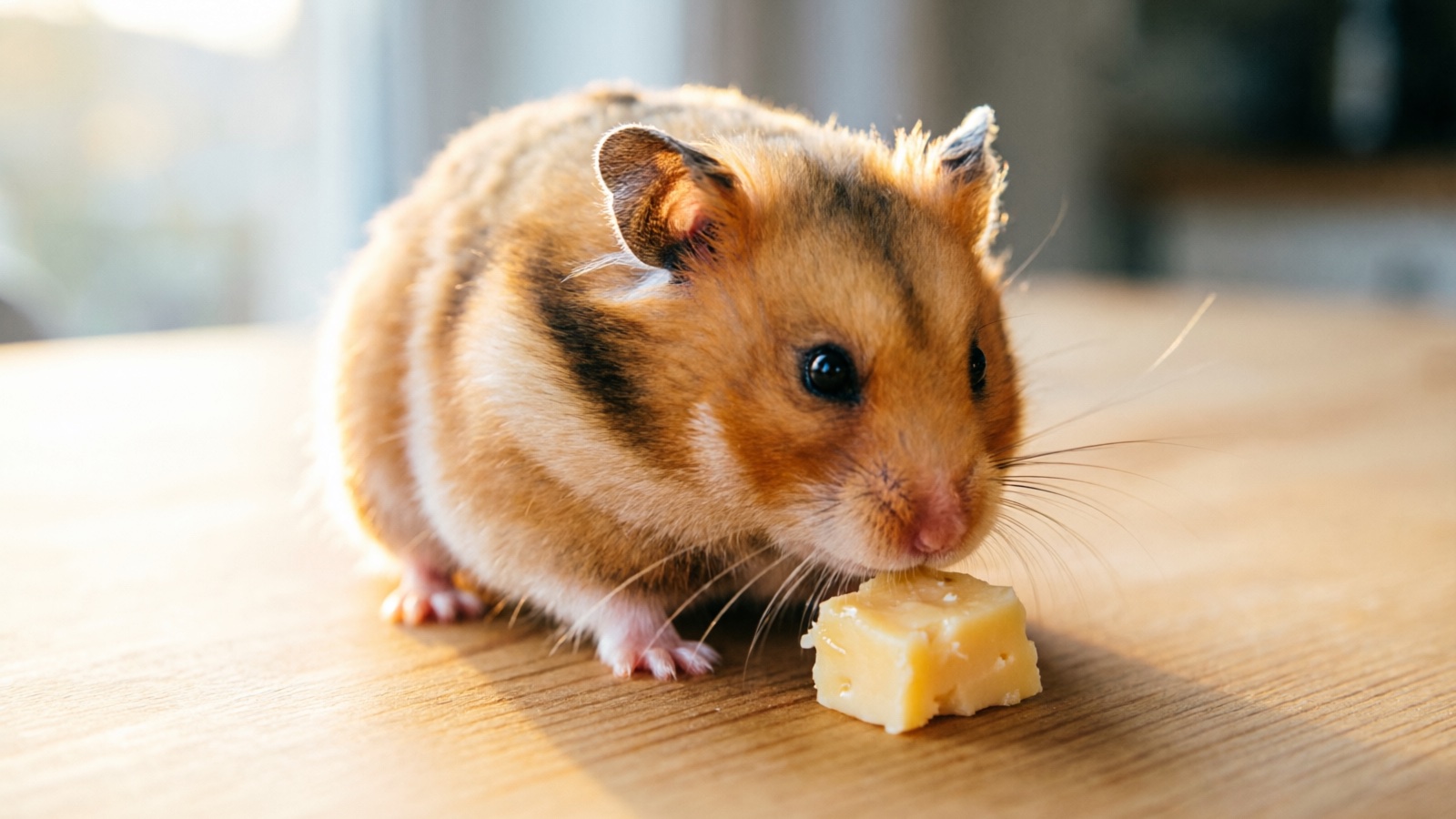
Quick Answer: Can Hamsters Eat Cheese?
Yes, hamsters can eat very small amounts of cheese — but it should be an extremely rare treat, not a regular part of their diet. Cheese is high in fat, sodium, and lactose, all of which can cause health problems in hamsters when consumed regularly. Plain cottage cheese is the safest option, and even that should only appear once or twice per month at most.
💡 TL;DR: A pencil-eraser-sized piece of mild cheese once or twice per month for Syrian hamsters, a crumb once a month for dwarf hamsters. Plain cottage cheese is the best choice. Avoid cream cheese, blue cheese, and processed cheese slices entirely.
I’ve offered tiny cheese pieces to my hamsters maybe half a dozen times total over the years. They seem to enjoy it, but there’s simply no nutritional reason to make it a regular treat — and several good reasons to keep it rare. If you’re a new hamster owner trying to figure out what’s safe, our first-time hamster owner guide covers the basics of a balanced diet.
Why Cheese Is Controversial for Hamsters
Most hamster owners I talk to are surprised to learn that cheese isn’t the straightforward treat they assumed it was. After all, hamsters in cartoons love cheese, right? The reality is more complicated, and understanding why helps you make better decisions about what goes into your hamster’s food bowl.
Lactose Intolerance: The Hidden Problem
The biggest misconception about hamsters and dairy is that they handle it fine. In reality, hamsters produce lactase — the enzyme needed to digest lactose — as babies, because they need it to process their mother’s milk. But after weaning at around 3-4 weeks of age, lactase production drops dramatically. Adult hamsters have varying degrees of lactose intolerance.
What this means in practice: some hamsters tolerate a small piece of cheese without any issues, while others develop diarrhea, bloating, or gas within hours. The inconsistency between individuals makes it unpredictable — you won’t know how your hamster reacts until you try, and by then the digestive upset has already happened.
High Fat Content
Most cheeses are 20-35% fat by weight. Wild hamsters eat a diet of roughly 10-15% fat from seeds, grains, and occasional insects. When you offer cheese regularly, you’re pushing their fat intake well above what their bodies evolved to handle. Over time, excess dietary fat leads to obesity, fatty liver disease (hepatic lipidosis), and cardiovascular problems — some of the most common preventable diseases I see in pet hamsters.
High Sodium
Hamsters are extremely sensitive to salt. A single gram of mild cheddar contains roughly 160-180mg of sodium [USDA FoodData Central]. For a 40-gram hamster, that’s a significant dose relative to body weight. Chronic excess sodium strains their kidneys, contributes to dehydration, and can elevate blood pressure. Most cheeses are far saltier than anything a hamster would encounter in the wild.
The Honest Summary
Cheese isn’t toxic — a tiny piece won’t kill your hamster. But the risk-to-reward ratio is poor. There are safer protein sources that provide the same nutrients without the fat, sodium, and lactose concerns. I’d recommend thinking of cheese as a very occasional novelty treat, not a regular part of your hamster’s nutrition plan.
Nutritional Comparison of Cheeses for Hamsters
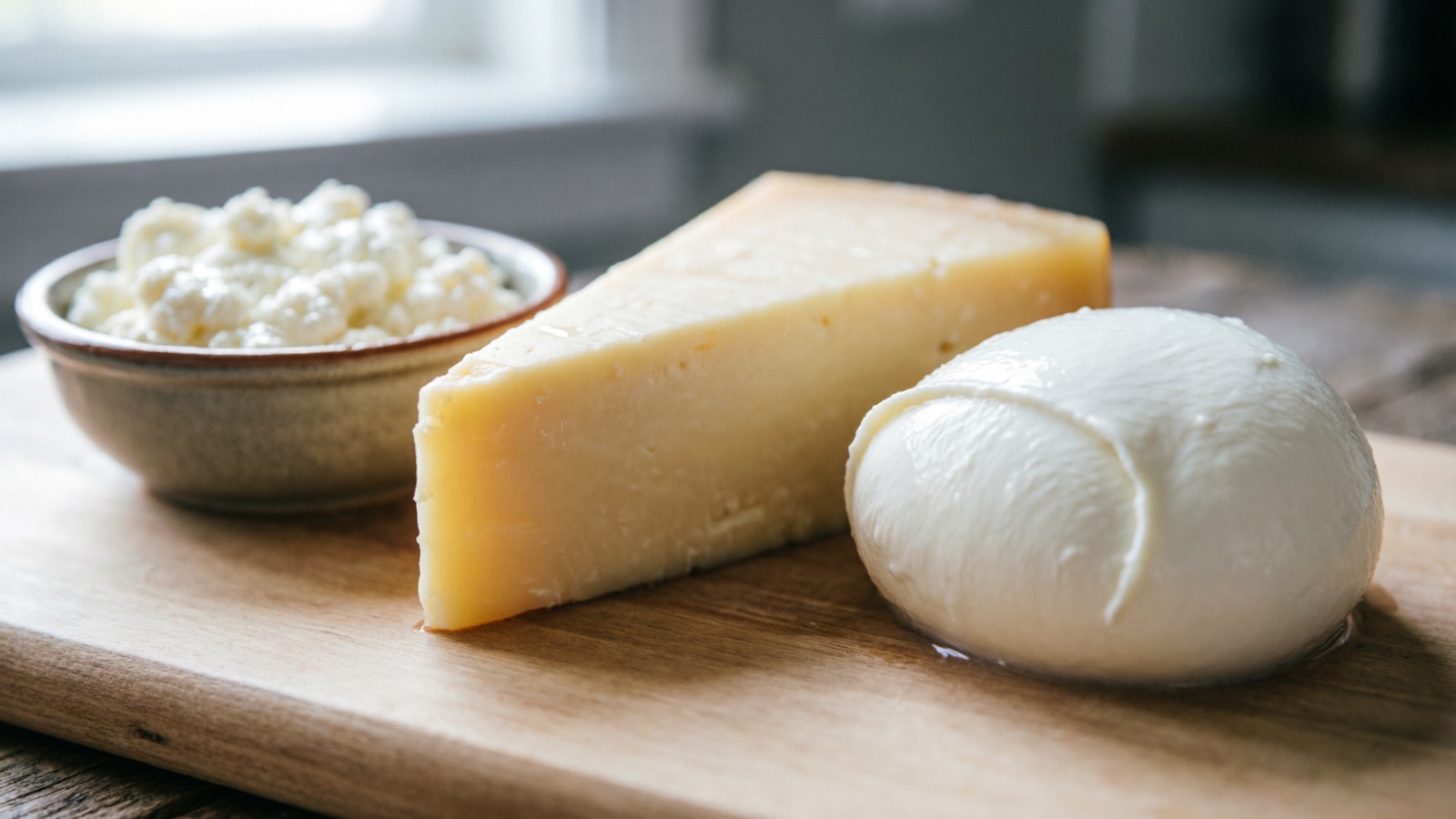
Not all cheeses are equally problematic. Some are dramatically worse than others, and understanding the differences helps you make better choices if you do decide to offer cheese. Here’s a comparison based on USDA nutritional data USDA FoodData Central — various cheese entries:
| Cheese | Fat per 100g | Sodium per 100g | Lactose | Texture | Verdict |
|---|---|---|---|---|---|
| Cottage Cheese (low-fat) | 1-2g | 300-400mg | Low | Soft | ✅ Best option |
| Mozzarella (low-moisture) | 16-20g | 600-700mg | Low | Firm | ✅ OK in tiny amounts |
| Mild Cheddar | 20-25g | 600-650mg | Trace | Firm | ⚠️ OK, higher fat |
| Swiss Cheese | 25-28g | 50-200mg | Low | Firm | ⚠️ Lower sodium but high fat |
| Parmesan | 25-30g | 1,500+mg | Trace | Very hard | ❌ Way too salty |
| Cream Cheese | 33-35g | 100-150mg | Moderate | Very soft | ❌ Too high in fat |
| Blue Cheese | 28-30g | 1,400+mg | Low | Crumbly | ❌ Mold toxins dangerous |
| Processed Cheese Slices | 20-25g | 1,200+mg | Moderate | Rubber-soft | ❌ Sodium + additives |
Cottage cheese stands out clearly — at 1-2% fat, it’s dramatically lower than any other option on this list while still providing protein. Mozzarella and mild cheddar are acceptable in pencil-eraser-sized amounts. Everything else on the avoid list has a specific reason: too much sodium (parmesan, processed slices), dangerous mold (blue cheese), or excessive fat (cream cheese).
Can Syrian Hamsters Eat Cheese?
Yes — Syrian hamsters can have a tiny piece of mild cheese once or twice per month. Their larger body size (120-200g) and more robust digestive systems make them the most tolerant breed when it comes to dairy.
Recommended Serving for Syrians
- Amount: A piece the size of a pencil eraser (~2-3g), or a small dab of cottage cheese about the size of a green pea
- Frequency: Once or twice per month
- Best options: Plain cottage cheese (preferred) or mild cheddar
Syrians handle cheese better than other breeds because their larger body mass means the fat and sodium dose is proportionally smaller. They also have lower diabetes incidence than dwarf breeds, which reduces the compounding health risks of fatty treats.
When offering cheese, place it in the food bowl or hold it for hand-feeding as a bonding activity. Don’t be surprised if your hamster stuffs it in their cheek pouches — cheese’s sticky texture can be messy in pouches, so smaller pieces are better to prevent pouch impaction.
After feeding, monitor for diarrhea or bloating over the next 12-24 hours. Loose stool indicates lactose intolerance — skip cheese in the future if this happens. For a complete overview of your Syrian’s daily nutrition, see our hamster diet guide.
Can Dwarf Hamsters Eat Cheese?
Technically yes, but I recommend skipping cheese entirely for dwarf hamsters. The fat content is a genuine concern for animals that weigh only 30-50 grams.
Dwarf hamsters — both Winter Whites and Campbell’s — are prone to obesity and diabetes. The 20-35% fat content in most cheeses is a significant risk factor, especially for animals that are already carrying extra weight. Obesity increases diabetes likelihood, creating a negative health spiral that’s difficult to reverse.
If you absolutely want to offer cheese to your dwarf, limit it to a crumb of plain cottage cheese (~1g), once per month at most. Avoid hard cheeses — their smaller mouths make them a choking hazard.
My honest recommendation: there are far better protein treats for dwarf hamsters. A single mealworm provides appropriate protein with minimal fat. Plain cooked chicken breast or a tiny piece of hard-boiled egg white delivers the same nutritional benefit without the dairy downsides. For dwarf hamsters specifically, the question isn’t “what kind of cheese is safe?” — it’s “is cheese worth the risk?” and in most cases, the answer is no.
Cheeses to Avoid for Hamsters
Some cheeses are outright dangerous for hamsters, regardless of breed or portion size. Here’s what to keep out of your hamster’s reach:
Blue cheese, Roquefort, and Gorgonzola — the mold cultures (Penicillium roqueforti) can produce mycotoxins harmful to small animals. Never offer any mold-ripened cheese.
Cream cheese — at 33-35% fat, it’s one of the highest-fat cheeses available. The soft, sticky texture also coats the mouth and cheek pouches, creating a choking risk. Plain cottage cheese is far superior.
Processed cheese slices — these contain 1,200mg+ of sodium per 100g plus artificial additives and emulsifiers. The sodium alone makes them dangerous.
Parmesan — with 1,500+mg of sodium per 100g, it’s one of the saltiest cheeses. The extremely hard texture also poses a dental risk.
Flavored or spiced cheese — pepper jack, herb-crusted, smoked, jalapeño, garlic. Seasonings harmless to humans can irritate a hamster’s digestive system. Stick to completely plain cheese only.
Cheese puffs and cheese crackers — ultra-processed foods loaded with sodium, artificial flavoring, and unhealthy fats. The “cheese” in these is mostly flavoring powder, not real dairy.
How to Feed Cheese to Your Hamster
If you’ve decided to offer cheese as an occasional treat, proper preparation matters. Here’s the step-by-step approach I follow:
-
Choose the right cheese — plain cottage cheese (best) or mild cheddar (acceptable). Nothing flavored, spiced, or processed.
-
Cut to appropriate size — Syrian hamsters: a piece the size of a pencil eraser (~2-3g). Dwarf hamsters: a crumb (~1g). For cottage cheese, a small dab about the size of a green pea.
-
Serve at room temperature — cold cheese straight from the fridge can cause digestive upset in small animals. Let it sit out for about 10 minutes before offering.
-
First-time trial — if your hamster has never had cheese before, offer half the recommended portion and wait 24 hours. Monitor for diarrhea, bloating, or changes in energy level. If everything looks normal, you can offer the full portion next time.
-
Remove uneaten cheese after 1 hour — cheese spoils quickly at room temperature and can grow harmful bacteria. Check your hamster’s cheek pouches too — sticky cheese shouldn’t sit in pouches for extended periods.
-
Frequency — once or twice per month maximum for Syrian hamsters, once per month for dwarf hamsters. Many owners choose to skip cheese entirely and use safer alternatives instead.
Better Protein Alternatives to Cheese
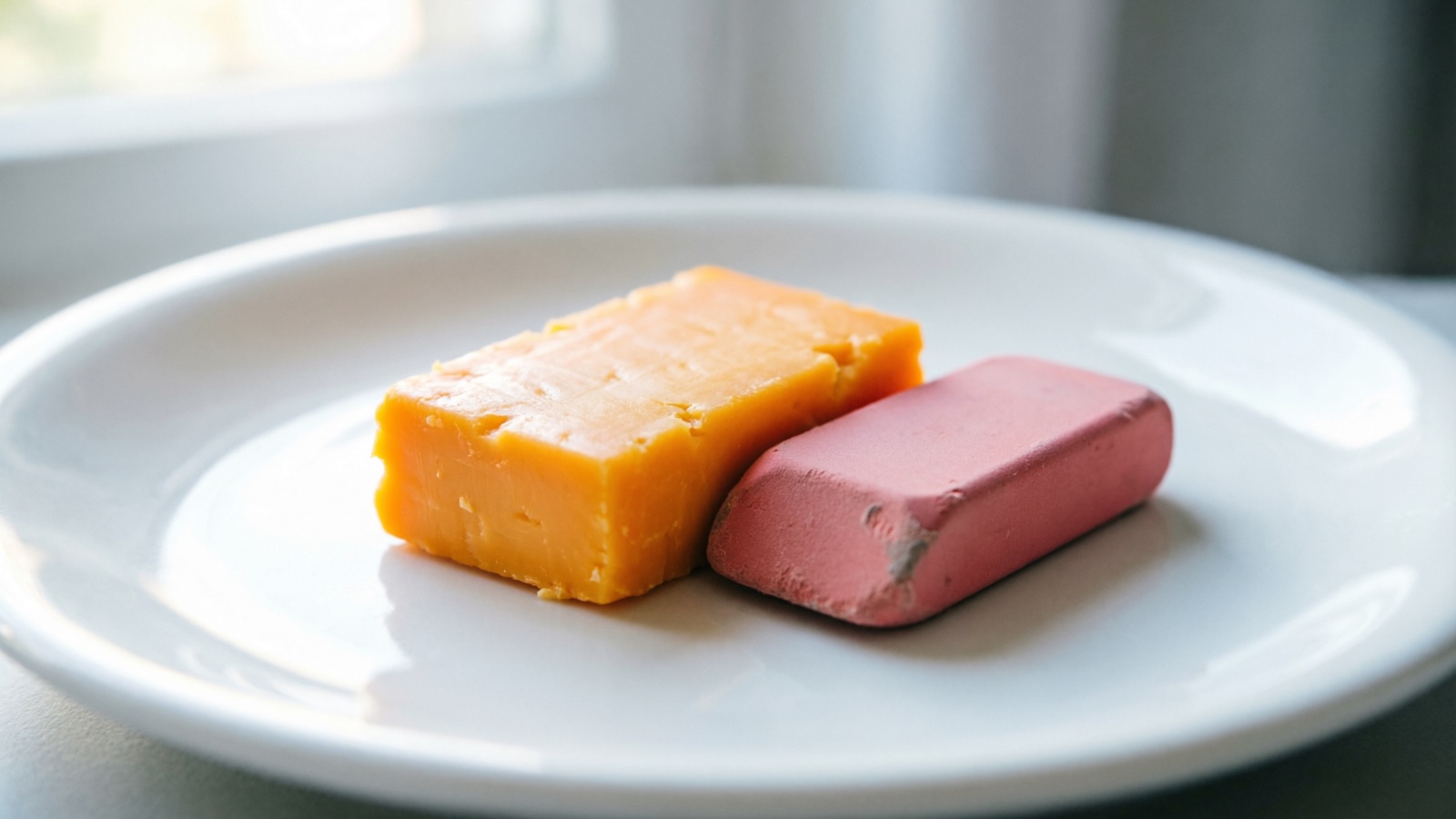
Since cheese has such a poor risk-to-reward ratio, I’d recommend these alternatives for hamster owners looking for protein-rich treats:
Mealworms — the gold standard hamster protein treat. Low in fat relative to their protein content, and hamsters genuinely love them. One or two per week for Syrians, one per week for dwarfs. This is what I reach for instead of cheese 95% of the time.
Plain cooked chicken breast — boiled or steamed with absolutely no seasoning, oil, or salt. A pea-sized piece provides excellent lean protein with minimal fat. I’ve found this to be one of the most well-tolerated protein sources across all hamster breeds.
Hard-boiled egg white — a tiny flake of plain egg white is essentially pure protein with virtually zero fat. Skip the yolk entirely — it’s too fatty for regular feeding. This is a particularly good option for hamsters recovering from illness or needing extra protein.
Plain tofu (firm) — low fat, good protein, and soft enough for easy eating. A small cube once a week works well. Make sure it’s plain with no added sauces or seasonings.
Plain cottage cheese — if you specifically want to offer a dairy treat, this is the only cheese I’d consider with any regularity. At 1-2% fat, it’s in a completely different category than hard cheeses, and the soft texture makes it easy for hamsters of all sizes to eat.
Other Foods Your Hamster Can Eat
Cheese is just one of many foods you might be curious about. Here’s a quick guide to other common foods — each link leads to a full safety breakdown with breed-specific serving recommendations.
🍓 Fruits
- Can Hamsters Eat Strawberries?
- Can Hamsters Eat Grapes?
- Can Hamsters Eat Pumpkin?
- Can Hamsters Eat Blueberries? (Coming Soon)
- Can Hamsters Eat Bananas? (Coming Soon)
- Can Hamsters Eat Apples? (Coming Soon)
🥬 Vegetables
- Can Hamsters Eat Carrots?
- Can Hamsters Eat Broccoli? (Coming Soon)
- Can Hamsters Eat Cucumbers? (Coming Soon)
- Can Hamsters Eat Celery? (Coming Soon)
🧀 Proteins and Treats
- Can Hamsters Eat Mealworms? (Coming Soon)
- Can Hamsters Eat Eggs? (Coming Soon)
- Can Hamsters Eat Sunflower Seeds? (Coming Soon)
Frequently Asked Questions
Can hamsters eat cheese?
Yes, hamsters can eat very small amounts of plain cheese as an occasional treat. The key is restraint — a pencil-eraser-sized piece of mild cheese once or twice per month for Syrians, a crumb once a month for dwarfs. Plain cottage cheese is the safest option because of its dramatically lower fat content. Avoid flavored, processed, or mold-ripened cheeses entirely.
Can baby hamsters eat cheese?
No. Baby hamsters under 4 weeks old should not eat cheese or any dairy beyond their mother’s milk. Their digestive systems are still developing and cannot process the fat and lactose content. Feed only mother’s milk (or a milk replacer if orphaned) for the first 3-4 weeks, then begin introducing a high-quality commercial hamster pellet. Wait until the hamster is fully weaned — usually around 4-5 weeks — before offering any treats at all.
Can hamsters eat cheese puffs or cheese crackers?
Absolutely not. These are ultra-processed snack foods loaded with sodium, artificial flavoring, preservatives, and unhealthy fats. The “cheese” in cheese puffs is mostly flavoring powder, not real dairy. No human snack food of any kind should ever be offered to a hamster. Stick to species-appropriate foods: commercial pellets, fresh vegetables, occasional fruit, and safe protein sources like mealworms or plain cooked chicken.
What kind of cheese can hamsters eat?
Plain cottage cheese is the best option — it has only 1-2% fat compared to 20-35% in most other cheeses. Mild cheddar and mozzarella are acceptable in tiny amounts. Everything else — blue cheese, cream cheese, processed slices, parmesan, and any flavored variety — should be avoided for specific reasons ranging from mold toxicity to excessive sodium to dangerous fat content.
Can hamsters eat cheddar cheese?
Yes, in very small amounts. Mild cheddar is one of the safer hard cheeses. Offer a piece no larger than a pencil eraser once or twice per month for Syrian hamsters. Stick to mild cheddar rather than aged or sharp varieties — the fat and sodium content increases with aging. Dwarf hamsters should avoid hard cheeses entirely due to their small size and higher health risks.
Can hamsters eat cream cheese?
I’d recommend skipping cream cheese entirely. At 33-35% fat, it’s one of the highest-fat cheeses available. The soft, sticky texture also poses a choking risk and can coat a hamster’s cheek pouches. If you want a soft cheese treat, plain cottage cheese provides a similar texture with a fraction of the fat content — it’s not even close in terms of safety.
Why is cheese bad for hamsters?
Cheese isn’t acutely toxic, but it has three chronic concerns. First, high fat — most cheeses are 20-35% fat, contributing to obesity and fatty liver disease over time. Second, high sodium — hamsters are extremely salt-sensitive, and excess sodium strains their kidneys. Third, lactose intolerance — adult hamsters lose the lactase enzyme after weaning, so dairy can cause diarrhea and digestive upset. The combination makes cheese a poor regular treat.
Can dwarf hamsters eat cheese?
Technically yes, but I’d recommend skipping it. Dwarf hamsters weigh only 30-50 grams and are prone to both obesity and diabetes. The fat content in cheese is a significant risk at that body size. If you do offer it, limit to a crumb of cottage cheese once per month maximum. Many experienced dwarf keepers, myself included, choose to offer safer protein treats like mealworms or plain chicken instead.
How much cheese can a hamster eat?
Syrian hamsters: a pencil-eraser-sized piece (~2-3g) once or twice per month. Dwarf hamsters: a crumb (~1g) once per month at most. Chinese hamsters: somewhere between the two. These are maximum frequencies — many healthy hamsters go their entire lives without cheese and are perfectly fine. If your hamster is overweight, diabetic, or has digestive issues, skip cheese entirely.
My hamster stole a piece of cheese — what should I do?
Don’t panic. A single piece of cheese, even a larger one, is unlikely to cause immediate harm. Monitor your hamster over the next 24 hours for diarrhea, bloating, or lethargy. If your hamster becomes lethargic and stops using their exercise wheel, it’s a sign something is wrong — see our hamster wheel size guide for tips on checking wheel health. Ensure fresh water is always available, as the sodium in cheese can increase thirst. Contact your exotic vet only if symptoms persist beyond 24 hours or seem severe — loose stool for a day is fairly common and usually resolves on its own.