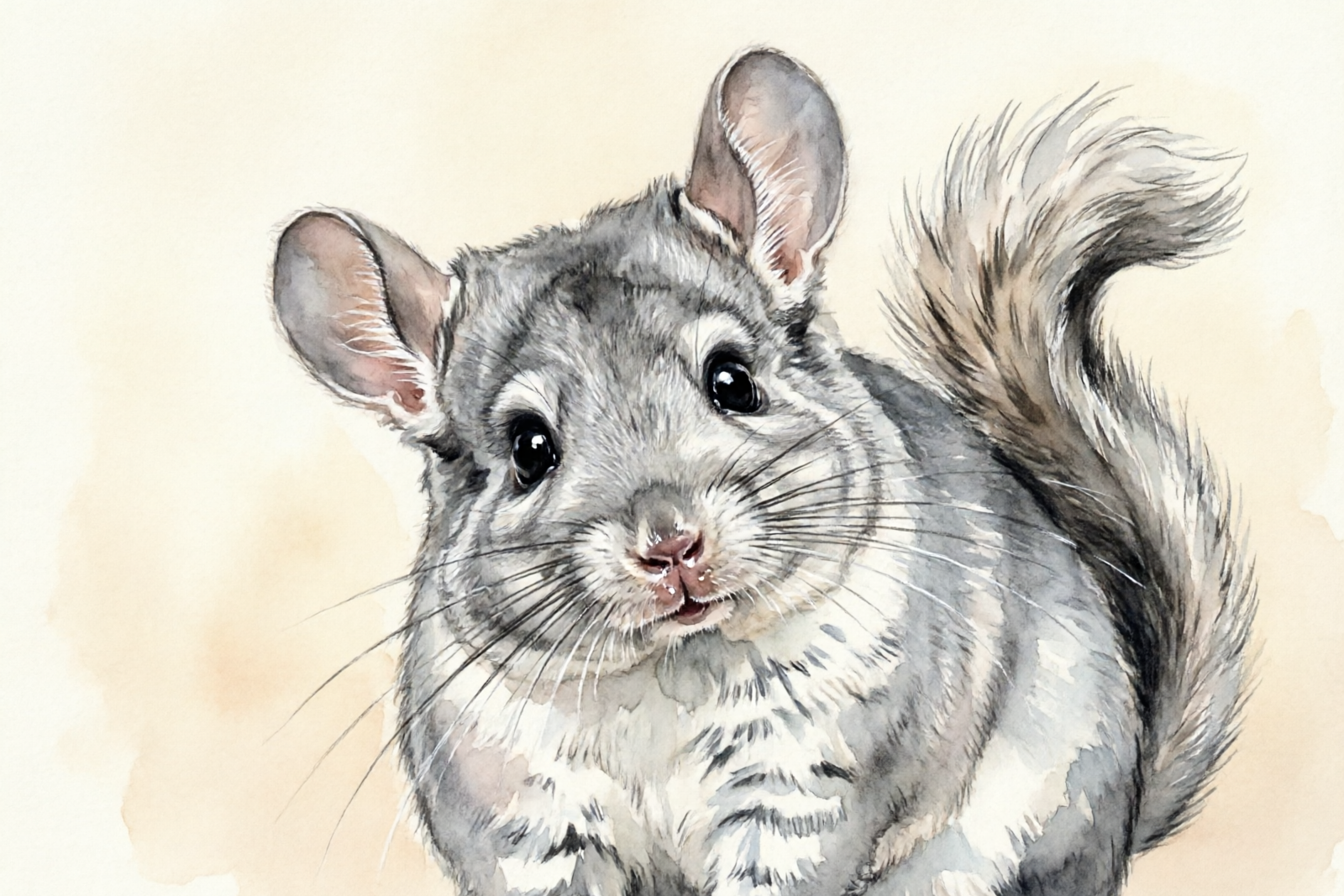
Chinchilla behavior specialists have continued to deepen our understanding of biting in 2026, particularly around the distinction between fear-based and pain-based aggression. The growing consensus among exotic veterinarians is that sudden biting in a previously gentle chinchilla should always prompt a dental check — overgrown teeth and dental abscesses are among the most common hidden causes of biting, and they’re almost never the owner’s fault. Understanding this can save months of misguided training attempts.
If your chinchilla has started biting, it’s important to understand that not all bites are created equal. A chinchilla bite can range from a gentle nibble that feels like a light tickle (affection) to a painful hard bite that breaks skin (fear or pain). Understanding which type of bite you’re dealing with is the key to solving the problem.
Chinchillas are prey animals — their first instinct when threatened is to flee, not fight. Biting is a last resort, not their primary defense mechanism. When a chinchilla does bite, it’s communicating something: fear, discomfort, territorial defense, or even pain that you can’t see.
If you’re wondering why is my chinchilla biting, the answer depends on the context. A new chinchilla that bites when you reach into the cage is likely acting out of fear. A well-socialized chinchilla that suddenly starts biting may be in pain. And a chinchilla that nibbles gently on your fingers is probably showing affection. Let’s break down all seven causes and what to do about each one.
Understanding Chinchilla Bite Types — Not All Bites Are the Same
Before diving into causes, it’s critical to distinguish between three fundamentally different bite types. Treating a hard bite the same way you’d treat a gentle nibble will make things worse.
| Bite Type | Pressure Level | Meaning | What to Do |
|---|---|---|---|
| Nibbling | Very gentle, almost like a kiss | Affectionate grooming — your chinchilla is treating you as part of their social group | Nothing — this is positive behavior, enjoy it |
| Nipping | Moderate pressure, like a firm pinch | Warning signal — “stop what you’re doing” | Respect the boundary, withdraw your hand slowly |
| Hard Bite | Full pressure, may draw blood | Defense or aggression — triggered by fear, territorial instinct, or pain | Stop interaction immediately, investigate the cause |
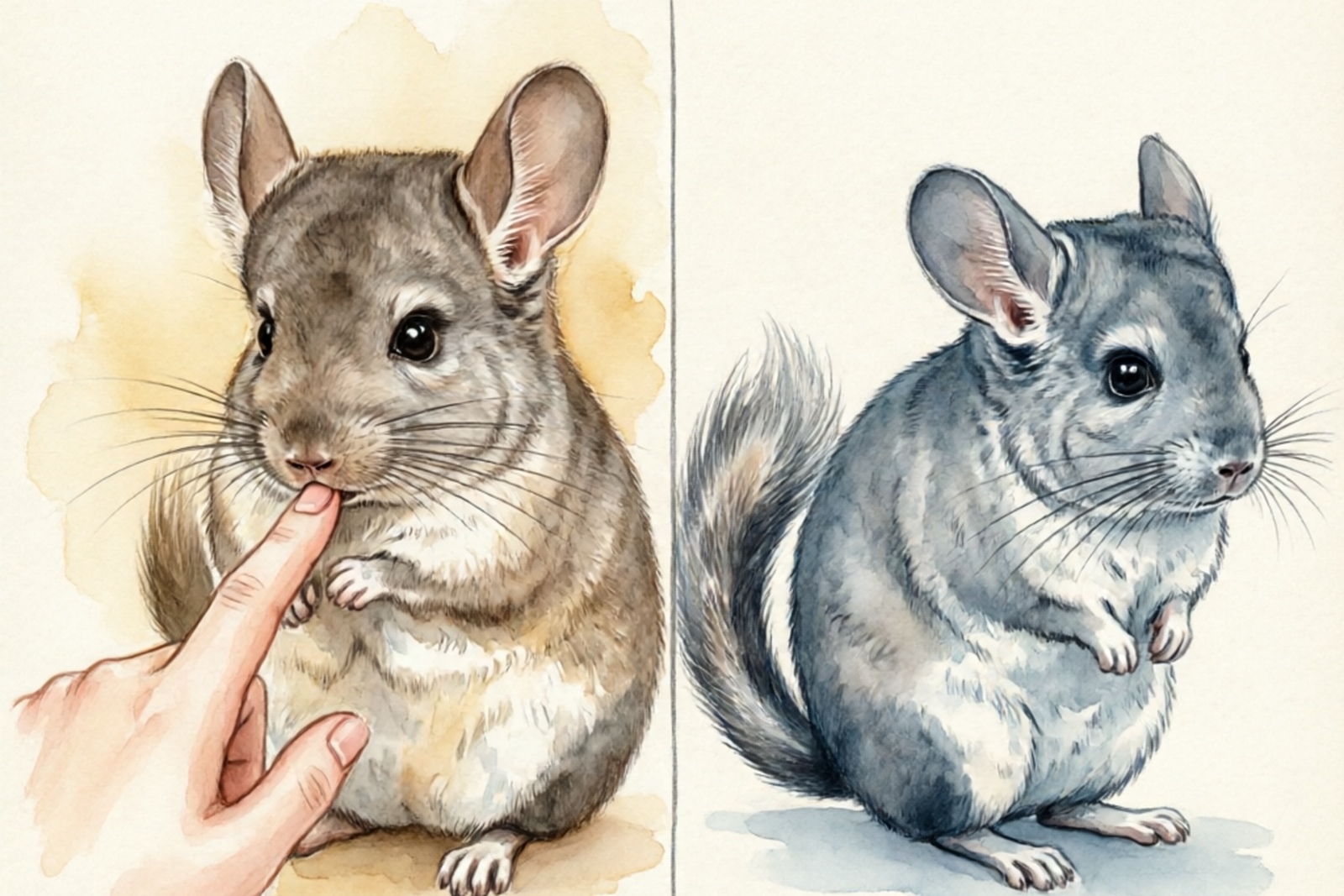 Do chinchilla bites hurt? Gentle nibbling feels pleasant and is not painful at all. A warning nip feels like a firm pinch — uncomfortable but not harmful. A hard bite can be quite painful, and because chinchilla teeth are sharp and designed for chewing through wood, a full-pressure bite can leave a small puncture wound.
Chinchillas rarely bite without warning. Before escalating to biting, they typically try to:
- Flee to a hiding spot
- Spray urine (females — a defense mechanism called “urine spraying”)
- Make alarm sounds (barking or grunting) — chinchilla vocalizations vary and understanding them helps you respond appropriately
- Flatten their ears and back away
If you’re seeing these warning signs and then getting bitten, the message is clear: your chinchilla is uncomfortable with what’s happening. For a deeper understanding of chinchilla behavior and general care, our chinchilla care guide covers handling, feeding, and environmental needs in detail.
Cause 1: Fear — The Most Common Reason Chinchillas Bite
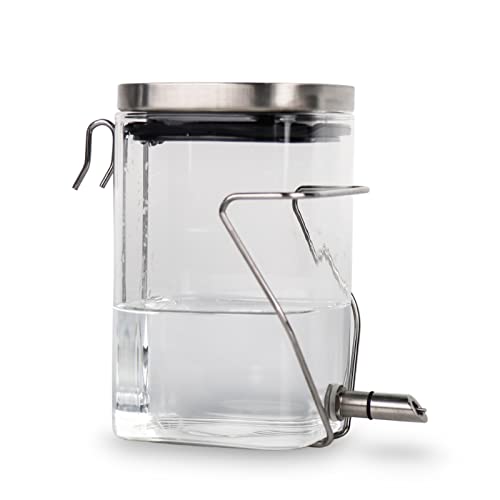
HardcorePet Chew-Proof Glass 20.2oz is a quality option worth considering for your setup.
Scenario: You’ve just adopted a new chinchilla, or your chinchilla was fine last week but now bites when you reach for it.
Fear is the number one reason chinchillas bite, especially in newly adopted animals. Chinchillas are prey animals — in the wild, they escape predators by running and jumping, not by fighting. When they can’t flee, biting becomes their last line of defense.
Common fear triggers:
- Being picked up from above — In nature, birds of prey attack from above. A hand coming down from overhead triggers an instinctive fear response, even in a chinchilla that’s otherwise tame.
- Loud noises or sudden movements — Chinchillas have excellent hearing and are easily startled. A dropped object, a slamming door, or a child running past the cage can trigger a fear response that lasts for hours.
- Being held too tightly or restrained — Chinchillas hate feeling trapped. A grip that feels secure to you may feel like a predator’s claws to your chinchilla.
- Unfamiliar people or environments — A chinchilla that’s comfortable with one person may bite a stranger. Moving to a new home also triggers fear-based biting.
Physical signs of a fearful chinchilla:
- Wide, alert eyes
- Ears flattened against the head
- Backing away into a corner
- Chattering teeth (a warning sound)
- Tail held stiff
How to handle a fearful chinchilla:
- Never chase or grab — Let the chinchilla come to you on its own terms. Sit near the cage and talk softly so your chinchilla gets used to your presence.
- Offer your hand palm-down at cage level — Let your chinchilla sniff and investigate. Don’t move your hand toward them — let them approach you.
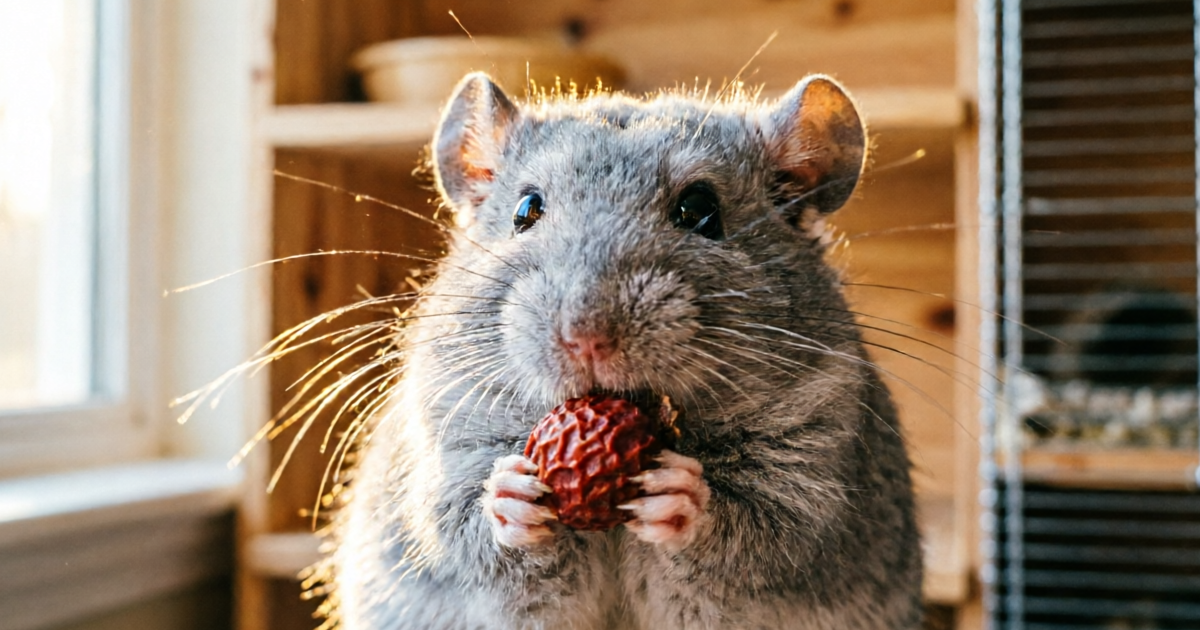
- Use treats to build positive associations — Offer a dried rose hip or a small oat flake from your open palm. Chinchillas learn quickly that your hand means good things.
- Start with 5-minute daily handling sessions — Gradually increase the duration as your chinchilla becomes more comfortable. Rushing this process will set you back.
- Always support the chinchilla’s bottom — When you do pick up your chinchilla, support its hind legs and bottom. Never grab by the tail or mid-body.
For detailed guidance on proper handling techniques, see our chinchilla handling guide.
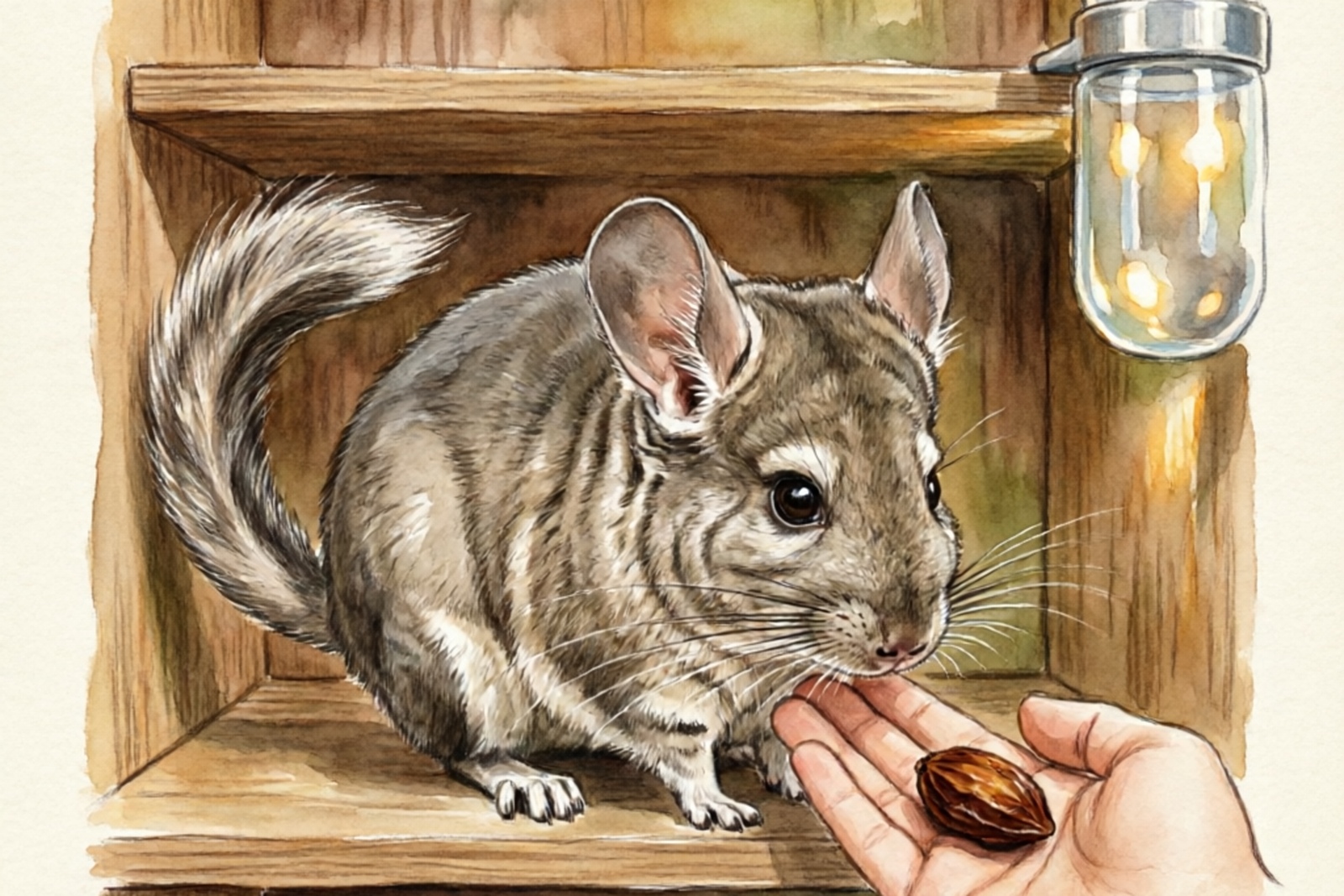
Cause 2: Territorial Behavior — Cage Aggression
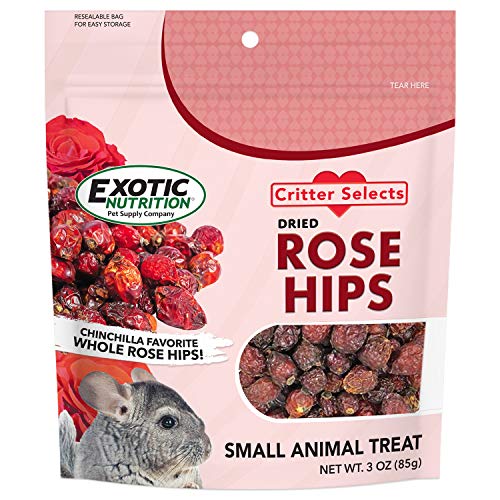
Many owners find that Exotic Nutrition Rose Hips works well for their pet’s needs.
Scenario: Your chinchilla is sweet when out of the cage but bites when you reach inside to pet it or change its bedding.
Chinchillas are territorial animals. Their cage is their safe zone — the place they sleep, eat, and store food. When you reach into that space, your chinchilla may interpret it as an invasion, especially if the chinchilla hasn’t fully bonded with you yet.
This type of biting has a clear pattern: the chinchilla bites only when you’re reaching into the cage, but is gentle or even affectionate when interacting outside the cage. It’s not personal — it’s territorial defense.
How to handle territorial biting:
- Never reach directly into the cage — Open the door and let your chinchilla come out on its own. If it doesn’t want to come out, don’t force it. Try again later.
- Handle your chinchilla on neutral territory — Once it’s out of the cage, interact in a play area or on a flat surface outside the cage. This removes the territorial trigger entirely.
- Check for environmental changes — If territorial behavior is new, something may have changed in or around the cage. A new cage mate, a relocated cage, or loud construction noise nearby can all increase territorial defensiveness.
- Establish a routine — Chinchillas thrive on predictability. If they know that cage opening time means treat time (rather than grab time), they’re less likely to defend the space aggressively.
For guidance on proper chinchilla cage setup, see our detailed recommendations on space requirements and layout.
Cause 3: Sudden Behavior Change — Pain or Illness Indicator
For this purpose, Grddaef 20 PCS Natural Apple Wood Chew Toys is a popular choice among pet owners.
A normally gentle chinchilla that suddenly starts biting is one of the most important behavioral warning signs you’ll encounter. When a chinchilla that has been friendly and calm for months or years suddenly becomes aggressive, pain is the first thing to rule out.
Chinchillas are masters at hiding illness — an evolutionary survival trait. A sudden personality change is often the first visible sign that something is seriously wrong.
Medical causes of sudden aggression:
- Dental problems — Overgrown teeth, malocclusion (misaligned teeth), and tooth root abscesses are extremely common in chinchillas. Dental pain makes eating difficult and handling unbearable. Look for drooling, reduced appetite, or preference for soft foods.
- GI stasis — A slowdown or stoppage of the digestive system causes significant pain and irritability. Signs include reduced or no fecal output, a hunched posture, and refusal to eat.
- Injury — A broken bone from a fall, a foot injury from a wire floor, or a fur ring around the genitals can cause enough pain to trigger biting during handling.
- Respiratory infection — Difficulty breathing causes stress and makes being held uncomfortable. Look for nasal discharge, sneezing, or labored breathing.
- Urinary stones — Painful urination can make your chinchilla associate handling with discomfort. Signs include straining to urinate, blood in urine, or frequent trips to the water area.
Other signs of pain to watch for:
- Reduced appetite or complete refusal to eat
- Hunched posture (back rounded, head lowered)
- Grinding teeth loudly and constantly (different from the soft contented purring of a happy chinchilla)
- Lethargy or prolonged hiding
- Drooling or wetness around the mouth (dental issue indicator)
If biting is sudden and accompanied by any of these symptoms, consult an exotic vet immediately. Pain-related biting won’t resolve with behavior modification — the underlying medical issue needs to be treated.
Age-related health issues become more common as chinchillas get older, and sudden behavioral changes should always be taken seriously regardless of age. Our chinchilla lifespan guide covers the health changes to expect at different life stages.
A proper diet plays a critical role in preventing many of the medical conditions that cause pain and aggression. Ensure your chinchilla is getting the right nutrition by reviewing our guide on proper chinchilla diet.
Cause 4: Boredom & Frustration — Cage Bar Biting
Scenario: Your chinchilla isn’t just biting you — it’s biting the cage bars, chewing on the metal shelf clips, or gnawing on anything it can reach.
Cage bar biting is one of the most common behavioral issues in chinchillas, and it’s often misinterpreted as aggression. In most cases, it’s a displacement behavior — a sign that your chinchilla’s physical or mental needs aren’t being met.
| Cause | Signs | Solution |
|---|---|---|
| Boredom | Repetitive bar biting, pacing, lethargy, loss of interest in toys | Add new toys, climbing shelves, and ensure 1-2 hours of daily supervised playtime |
| Insufficient exercise | Weight gain, overactive energy bursts at night, restless pacing | Provide a larger cage, a solid-surface exercise wheel, and supervised floor time |
| Dental discomfort | Aggressive metal chewing, drooling, dropping food while eating | Schedule a vet dental check, provide chew toys (apple wood sticks, lava ledges) |
| Stress | Hair plucking, reduced eating, hiding more than usual | Identify the stressor (noise, new pet, temperature), add hiding spots, maintain a consistent routine |
Why cage bar biting is different from human-directed biting: When your chinchilla bites the bars, it’s not trying to attack you — it’s expressing frustration or discomfort. The behavior is directed at the environment, not at you.
Chinchillas’ teeth grow continuously — approximately 2 to 3 inches per year — and they need to chew constantly to keep them filed down. In the wild, this means chewing bark, roots, and dried vegetation. In captivity, if they don’t have enough appropriate chewing outlets, they’ll turn to whatever’s available: cage bars, plastic shelf clips, or even wooden parts of the cage that aren’t safe for chewing.
Providing a variety of safe chew toys and enrichment items can dramatically reduce bar biting. For our full list of recommended enrichment items, see our guide on the best chinchilla toys for keeping your chinchilla engaged and mentally stimulated.
Cause 5: Overstimulation — Your Chinchilla Has Had Enough
Scenario: Your chinchilla was perfectly happy to be handled yesterday, but today it’s biting during the same routine interaction.
Overstimulation is one of the most misunderstood reasons chinchillas bite. Most chinchillas tolerate 10 to 15 minutes of handling before they start to get restless, and pushing past that limit will almost certainly result in a warning nip or hard bite.
Signs your chinchilla is overstimulated:
- Ear flicking — Quick, repeated flicks of the ears are a clear “I’m done” signal.
- Tail swishing — A rapidly swishing tail indicates agitation.
- Turning head away — If your chinchilla actively turns its head away from your hand, it’s asking for space.
- Shifting weight — Preparing to jump or leap away from your hands.
- Loud barking — A sharp, loud bark is an unmistakable “put me down” signal.
The solution is simple: respect the time limit. When your chinchilla shows any of these signs, gently return it to its cage or let it hop off. Don’t try to “push through” the overstimulation — this only teaches your chinchilla that you don’t respect its boundaries, which erodes trust over time.
Important: This doesn’t mean your chinchilla hates you. It simply means it’s reached its social battery limit for now. Try again in a few hours or the next day, and you may find your chinchilla is once again eager for interaction.
Cause 6: Fur & Tail Biting — Medical Issues, Not Behavioral
Fur biting (also called barbering) and tail biting are NOT normal behavioral issues. They indicate medical or severe psychological problems that require veterinary attention. If you see your chinchilla biting its own fur or tail, this is not a training issue — it’s a health emergency.
Fur biting / Barbering:
- Causes: Fur ring disease (especially around the genitals — a tight ring of fur that restricts circulation), external parasites, skin infections, or severe chronic stress
- Signs: Bald patches (particularly on the belly, chest, or around the genitals), red or irritated skin, constant grooming of one specific area
- Action: Schedule an exotic vet visit. Your chinchilla may need antibiotic treatment, antifungal medication, or a carefully performed fur ring removal.
Tail biting:
- Causes: Tail fur ring (a tight band of fur cutting off blood circulation to the tail), tail injury from being caught in a wheel or cage door, or severe stress
- Signs: Chinchilla chases and bites its own tail, tail appears swollen or discolored, tail fur looks matted or damaged
- Action: This requires an urgent vet visit. A tail fur ring can cause tissue necrosis if left untreated, potentially leading to tail loss.
A proper dust bath routine is essential for maintaining healthy fur and skin in chinchillas. Without regular dust baths, fur can become oily and matted, which contributes to skin irritation and fur chewing. Learn about the proper dust bath routine for keeping your chinchilla’s coat in optimal condition.
How to Stop Your Chinchilla from Biting — Proven Strategies
If your chinchilla has bitten you and you want to rebuild trust, follow this proven step-by-step protocol. Patience is the most important ingredient — this process can take days to weeks depending on the severity of the issue.
Step 1: Identify the trigger — What happened right before the bite? Were you reaching into the cage (territorial)? Did a loud noise startle your chinchilla (fear)? Was the handling session longer than usual (overstimulation)? Has your chinchilla been eating normally (ruling out illness)? Pinpointing the trigger tells you which approach to use.
Step 2: Give space — Leave your chinchilla alone for 24 to 48 hours after a biting incident. Continue providing fresh food, water, and hay, but avoid handling, petting, or prolonged interaction. This resets the stress level and prevents the association between you and negative experiences from deepening.
Step 3: Rebuild positive associations — After the cooling-off period, offer treats from your open palm at cage level. Use your chinchilla’s favorite snacks — dried rose hips, small pieces of plain Cheerios, or a pinch of crushed guinea pig pellets. Don’t try to pick up or pet your chinchilla yet. Just let it learn that your hand means good things.
Step 4: Gradual re-introduction — After 2 to 3 days of successful treat-taking, try gentle petting on the head and behind the ears. These are the safest, least threatening areas to touch. Avoid the back, belly, and tail until your chinchilla is fully comfortable.
Step 5: Short handling sessions — Once your chinchilla accepts petting, try lifting it for just 3 to 5 minutes. Support the bottom and hind legs fully. Return to the cage before your chinchilla shows signs of restlessness, even if it seems to be enjoying the interaction.
Step 6: Respect boundaries going forward — If your chinchilla shows any warning signs (ear flicking, backing away, turning its head), stop immediately. Consistency is key — your chinchilla needs to learn that its signals will always be respected.
What NOT to do:
- Never yell at or punish a biting chinchilla — Chinchillas don’t understand punishment. They only understand fear. Punishing a fear-biting chinchilla makes the fear worse and the biting more likely.
- Never spray water — This creates a lasting negative association and destroys trust that may take months to rebuild.
- Never handle a sleeping chinchilla — The startle response is extremely strong. A chinchilla woken suddenly may bite reflexively before it even realizes who you are.
What to Do If a Chinchilla Bites You
Chinchilla bites rarely break skin, but when they do, proper wound care is important.
If the bite breaks skin:
- Wash immediately — Use soap and warm water. Clean the area thoroughly for at least 20 seconds.
- Apply antiseptic — Use betadine, hydrogen peroxide, or an over-the-counter antibacterial ointment.
- Monitor for infection — Watch for redness, swelling, warmth, or pus over the next 24 to 48 hours.
- See a doctor if needed — If the bite drew blood and shows signs of infection, seek medical attention.
Are chinchilla bites dangerous? Generally, no. Chinchillas are not known to carry diseases that are transmissible to humans through bites. However, any bite that breaks the skin carries a small risk of bacterial infection, so it’s important to clean the wound properly and monitor it.
The good news is that chinchilla bites — even hard ones — rarely cause serious damage. Their jaw strength is designed for chewing vegetation, not for inflicting wounds. Most bites result in a small puncture or scratch that heals within a day or two with basic first aid.
Product Recommendations
Here are some products mentioned in this guide:
FAQ — Chinchilla Biting Questions
How do I get my chinchilla to stop biting me?
First identify why your chinchilla is biting. If it’s fear-based, use gradual trust-building with treats and short handling sessions. If it’s territorial, handle your chinchilla outside the cage on neutral territory. If the behavior change is sudden, check for medical issues with an exotic vet. Never punish a biting chinchilla — this makes fear-based biting worse.
Is it normal for chinchillas to bite?
Occasional gentle nibbling is completely normal and is actually a sign of affection. Hard biting is not normal in a well-socialized, healthy chinchilla and usually indicates fear, territorial behavior, pain, or overstimulation. If your chinchilla bites hard frequently, investigate the underlying cause rather than accepting it as normal behavior.
How can you tell if your chinchilla doesn’t like you?
Chinchillas rarely dislike their owners. What appears as dislike is usually fear, overstimulation, or pain. Signs include hiding when you approach, barking when you open the cage, or biting during handling. These are communication signals, not personality traits. With patience and proper handling techniques, most chinchillas become affectionate over time.
Why is my chinchilla being aggressive?
Sudden aggression in a chinchilla often indicates pain or illness. Common medical causes include dental problems such as overgrown teeth or abscesses, GI stasis, urinary stones, or injuries. Behavioral causes include territorial defense when you reach into the cage, fear of a new person or environment, or overstimulation from too much handling.
Do chinchilla bites hurt?
Gentle nibbling feels like a light tickle and is not painful. A warning nip feels like a firm pinch. A hard bite can be quite painful and may break skin, especially if the chinchilla is large or frightened. Chinchilla teeth are very sharp and designed for chewing wood, so a full-pressure bite can cause a small puncture wound.
Can chinchillas be aggressive by nature?
No. Chinchillas are prey animals with a flight-first defense mechanism. True aggression is extremely rare in chinchillas. What appears as aggression is usually fear, territorial defense, pain response, or overstimulation. A healthy, well-socialized chinchilla kept in a proper environment is naturally gentle and rarely bites hard.
Why does my chinchilla bite the cage bars?
Cage bar biting is usually caused by boredom, insufficient exercise, or dental discomfort rather than aggression. Chinchillas need one to two hours of daily playtime outside the cage, a large enclosure with climbing shelves, and plenty of chew toys to keep their continuously growing teeth filed down. If bar biting is excessive or accompanied by drooling, check for dental issues with an exotic vet.