Introduction
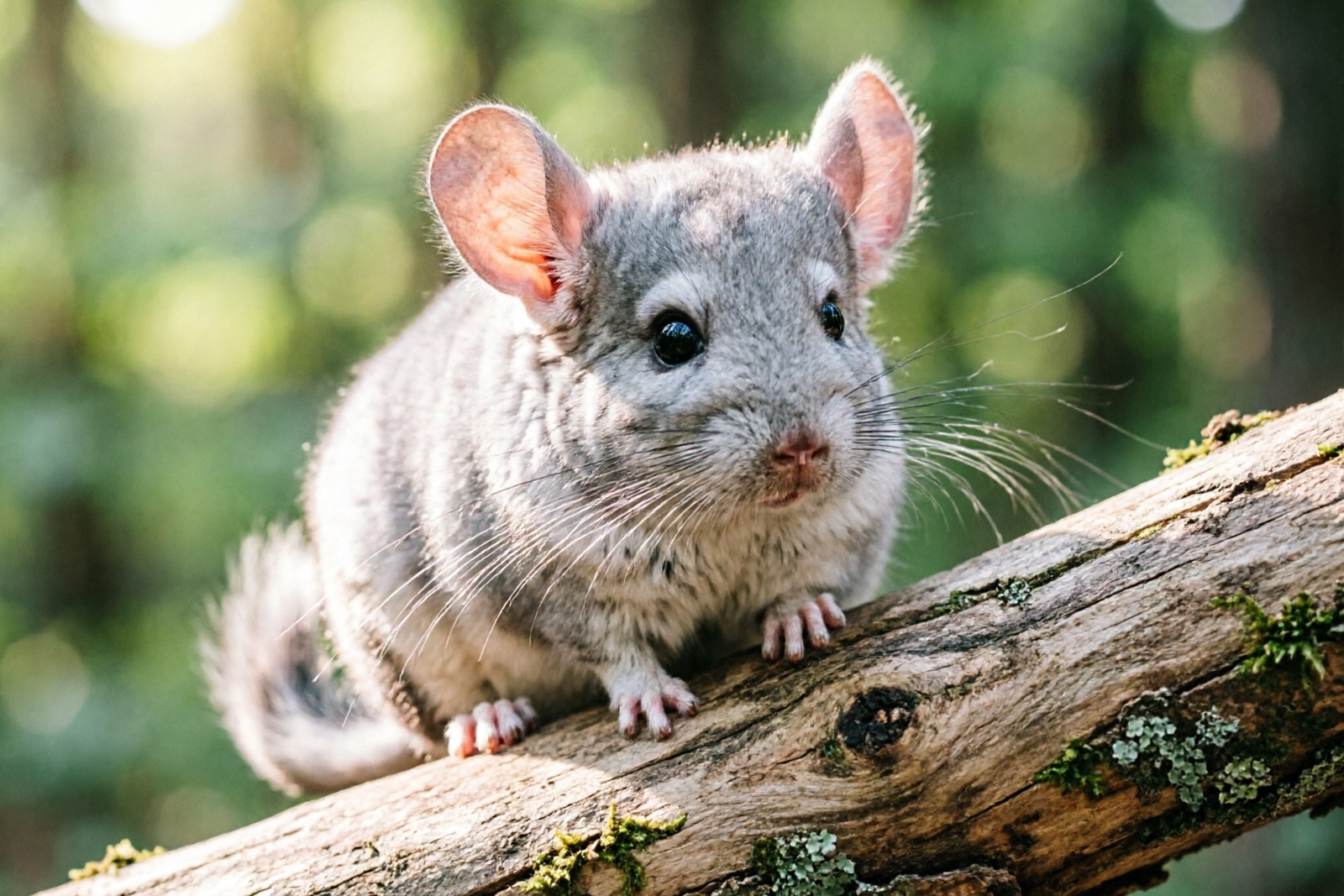
Chinchillas are among the longest-lived small pets you can own. While hamsters live 2–3 years and guinea pigs 4–8 years, a healthy chinchilla routinely reaches 15–20 years — a lifespan comparable to many dogs. The oldest chinchilla on record lived over 29 years. This remarkable longevity makes chinchillas a serious long-term commitment, not a casual purchase.
But not every chinchilla reaches its full lifespan potential. Many factors influence how long your chinchilla will live: diet, temperature, genetics, and the quality of daily care all play crucial roles. Understanding these factors helps you provide the best possible life for your pet.
This guide covers everything you need to know about chinchilla lifespan:
- Average and maximum lifespans in captivity vs. the wild
- How chinchilla age translates to human years
- The factors that most affect longevity
- Practical steps to help your chinchilla live longer
- Common health problems and causes of death
For broader husbandry guidance beyond lifespan, see our complete chinchilla care guide.
Average Chinchilla Lifespan — What to Expect
A pet chinchilla’s chinchilla life expectancy in a loving home is 15–20 years on average. Some individuals reach 20+ years with excellent care. This makes chinchillas one of the longest-lived rodents and small mammals kept as pets.
How does this compare to other popular small pets?
| Species | Average Lifespan | Notes |
|---|---|---|
| Hamster | 2–3 years | Shortest-lived common small pet |
| Guinea Pig | 5–7 years | See our guinea pig lifespan guide |
| Ferret | 6–10 years | See our ferret lifespan guide |
| Rabbit | 8–12 years | See our rabbit lifespan guide |
| Chinchilla | 15–20 years | Longest-lived common small pet |
Male vs. female? There’s no significant difference in lifespan between sexes. Both males and females typically live 15–20 years when well cared for.
Important: A 15+ year commitment is serious. Before getting a chinchilla, consider whether you’ll be able to provide consistent care for the next two decades. Life changes — moving, jobs, relationships — happen, but chinchillas don’t adapt easily to new environments or owners.
Chinchilla Lifespan in Captivity vs Wild
Wild chinchillas live significantly shorter lives than their captive counterparts:
| Environment | Lifespan | Primary Reasons |
|---|---|---|
| Wild | ~10 years | Predation, food scarcity, environmental extremes |
| Captivity | 15–20 years | Stable food, no predators, temperature control, veterinary care |
Why the dramatic difference?
- No predation — Pet chinchillas don’t face hawks, foxes, or other natural predators
- Consistent, quality diet — Unlimited hay and formulated pellets replace seasonal food scarcity
- Temperature control — Wild chinchillas in the Andes face freezing nights and hot days; pets live in controlled environments
- Veterinary care — Illnesses that would be fatal in the wild can be treated by exotic animal vets
The 5–10 year lifespan increase in captivity reflects what’s possible when you remove survival stressors and provide consistent, quality care. However, this also means you become responsible for everything that determines your chinchilla’s longevity.
Chinchilla Age in Human Years
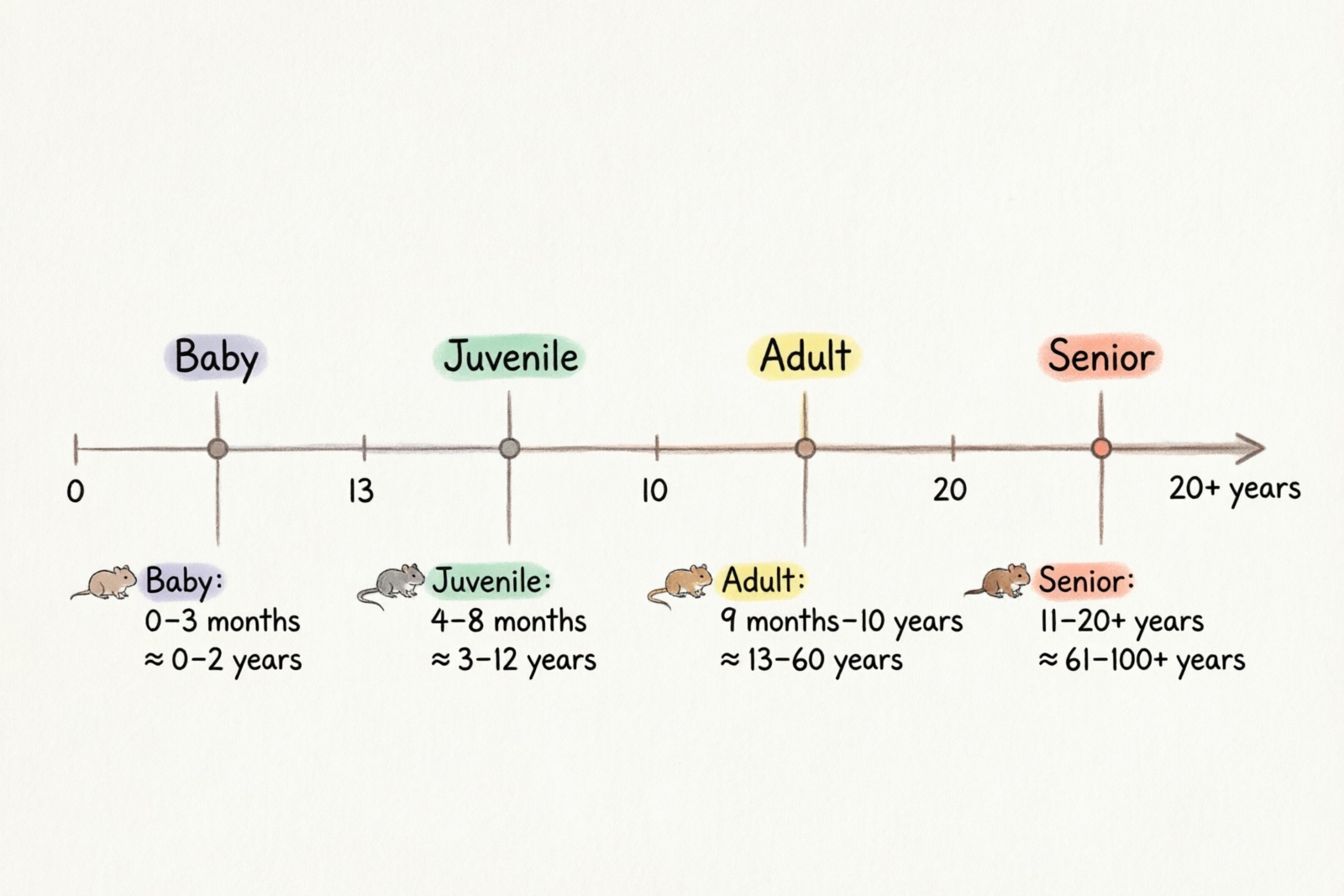
Many owners wonder how to understand their chinchilla’s life stage. While no conversion is scientifically precise, this comparison helps contextualize your chinchilla’s age:
| Chinchilla Age | Approximate Human Age | Life Stage |
|---|---|---|
| 1 year | 16 years | Adolescence |
| 2 years | 24 years | Young adult |
| 5 years | 40 years | Adult |
| 10 years | 56 years | Middle-aged |
| 15 years | 75 years | Senior |
| 20 years | 93 years | Elderly |
This conversion is approximate and varies by individual, but it highlights two important points:
- Chinchillas mature quickly — At 1 year old, your chinchilla is already a teenager in human terms
- Senior care starts around age 10 — By the time your chinchilla is 10, you should be watching for age-related changes and discussing senior care with your vet
Different life stages have different needs. Young chinchillas (under 1 year) can have alfalfa hay for extra calcium, but adults need timothy hay exclusively. Senior chinchillas may need lower platforms and softer foods.
Factors That Affect Chinchilla Lifespan
Multiple factors determine whether your chinchilla lives 10 years or 20+ years. Understanding and optimizing these factors is the key to maximizing longevity.
Diet and Nutrition
Diet is arguably the single most important factor in chinchilla lifespan. Chinchillas have a highly specialized digestive system evolved for a high-fiber, low-moisture diet of grasses and shrubs in the Andes.
The correct diet breakdown:
- 80%+ hay — Unlimited timothy hay (not alfalfa for adults)
- 15–20% pellets — High-quality chinchilla-specific pellets
- 0–5% treats — Occasional safe treats only, never daily
Hay serves two critical functions:
- Digestive health — The fiber keeps their sensitive GI tract moving. Without enough fiber, chinchillas develop GI stasis, a life-threatening condition.
- Dental health — Chinchilla teeth grow continuously throughout their lives. Chewing hay wears teeth down naturally. Without enough hay, teeth overgrow (malocclusion), leading to starvation.
Common diet mistakes that shorten lifespan:
- Too many treats (especially sugary fruits, raisins, or yogurt drops)
- Alfalfa hay for adults (too high in calcium, can cause bladder stones)
- Nuts and seeds (too high in fat, can cause liver disease)
Recommended products:
For hay, Oxbow Western Timothy Hay (40oz) provides consistent, high-fiber nutrition from a trusted brand.
For pellets, Supreme Petfoods Charlie Chinchilla Food (2-lb) is formulated specifically for chinchillas with appropriate protein and fiber levels.
⚠️ About vitamin supplements: Exotic Nutrition Chinchilla Booster is a multivitamin designed for chinchillas, but healthy chinchillas on a proper diet do not need additional supplements. Use only if recommended by your veterinarian for a specific deficiency or health condition.
Temperature and Environment
Temperature is the silent killer of chinchillas. Unlike most mammals, chinchillas cannot sweat effectively. They have no sweat glands and rely on their large ears to dissipate heat. Their dense fur — up to 60 hairs per follicle, the densest of any mammal — traps heat efficiently, which is great in freezing Andes temperatures but dangerous in warm homes.
Temperature guidelines:
- Ideal: 60–70°F (16–21°C)
- Danger zone: Above 75°F (24°C) — monitor closely
- Fatal zone: Above 80°F (27°C) — heatstroke can kill within hours
Signs of overheating:
- Rapid, shallow breathing
- Red ears (blood rushing to ears to dissipate heat)
- Lethargy, lying flat
- Panting
If you see these signs, immediately move your chinchilla to a cooler area and contact an exotic vet. Heatstroke is a medical emergency.
Environmental recommendations:
A spacious, well-ventilated cage is essential. The MidWest Critter Nation Double Unit Cage ($327.99) is a significant investment, but its double-unit design provides vertical space for climbing and excellent ventilation. Consider it a 15-year investment in your chinchilla’s health — the cost per year of ownership is under $22.
For hydration, use a glass water bottle to prevent chewing. The Lixit Chew Proof Glass Water Bottle (16oz) is durable and chew-resistant, ensuring consistent access to fresh water.
Humidity: Keep humidity between 40–60%. High humidity combined with heat dramatically increases heatstroke risk.
Exercise and Mental Stimulation
Chinchillas are active, intelligent animals evolved for climbing and jumping in rocky terrain. A sedentary chinchilla is an unhealthy chinchilla.
Exercise requirements:
- Daily out-of-cage time: 1–2 hours minimum in a chinchilla-proofed room
- Cage enrichment: Multiple levels, platforms, safe wooden ledges, and an appropriately sized wheel
- Social interaction: Chinchillas are social; they need interaction with you or a cagemate
Lack of exercise leads to:
- Obesity (reduces lifespan by several years)
- Muscle atrophy
- Boredom-induced behaviors: fur chewing, cage bar chewing
- Stress-related health problems
Genetics and Breeding
Not all lifespan factors are within your control. Genetics play a significant role.
Where you get your chinchilla matters:
- When looking at chinchilla lifespan by breed, reputable breeders selectively breed for health and longevity
- Pet stores and mass breeders often prioritize color mutations over health
- Some color mutations (particularly white mosaics and sapphire) have weaker immune systems
Genetic health issues to be aware of:
- Dental malocclusion (misaligned teeth) — can be inherited
- Heart conditions — some lines are predisposed
- Fur chewing — can be genetic or stress-induced
When selecting a chinchilla, ask about the parents’ health history. A good breeder will know the lifespan of their breeding lines and be transparent about any health issues.
How to Extend Chinchilla Lifespan
Knowing the factors is one thing; taking action is another. Here’s a practical checklist for maximizing your chinchilla’s lifespan.
Feed the Right Diet
- Provide unlimited timothy hay 24/7. Use a hay rack to keep it clean. Oxbow Western Timothy Hay is a reliable choice.
- Feed 1–2 tablespoons of pellets daily. Don’t overfeed pellets; chinchillas will overeat and neglect hay. Charlie Chinchilla Food provides balanced nutrition.
- Limit treats to once or twice weekly. Safe treats include a single dried rose hip, a small piece of dried apple (no seeds), or a plain cheerio. Never give raisins regularly despite outdated advice — the sugar content is too high.
Maintain Proper Temperature
- Keep your chinchilla’s room between 60–70°F (16–21°C) year-round
- Use air conditioning in summer — fans don’t help chinchillas because they don’t sweat
- Place a thermometer near the cage and check it daily
- Never put the cage in direct sunlight or near heating vents
- Have an emergency plan for power outages in summer (cool basement, frozen water bottles wrapped in towels, or staying with a friend who has AC)
Provide Regular Dust Baths
Chinchillas cannot be bathed in water. Their fur is so dense that it won’t dry properly, leading to fungal infections. Instead, they bathe in volcanic dust that absorbs oils and keeps their coat healthy.
Dust bath guidelines:
- Frequency: 2–3 times per week
- Duration: 15–20 minutes per session
- Remove the bath house after each session to prevent the dust from becoming soiled
Recommended products:
Oxbow POOF! Chinchilla Dust Bath is 100% natural blue cloud dust with no additives.
For the bath container, the kathson Chinchilla Sand Bath House provides an enclosed space for dust bathing. Note: This bath house is on the smaller side and may be too tight for larger adult chinchillas — measure your chinchilla before purchasing.
Schedule Regular Vet Visits
Find an exotic animal veterinarian before you need one. Not all vets see chinchillas, and emergency situations don’t allow time for research.
Recommended schedule:
- Annual wellness exam for adults under 10 years
- Biannual exams for seniors over 10 years
- Immediate visit for any signs of illness (reduced appetite, lethargy, difficulty breathing, eye or nasal discharge)
What a wellness exam should include:
- Weight check
- Dental exam (checking for malocclusion)
- Heart and lung auscultation
- Fur and skin check
- Discussion of diet and behavior
Keep Your Chinchilla Active
- Provide daily supervised out-of-cage time in a safe room
- Set up climbing opportunities in the cage: wooden ledges, platforms, ramps
- Offer safe chew toys to satisfy natural chewing instincts and maintain dental health
- Consider a wheel (at least 15 inches in diameter, solid surface, no wire mesh)
- Spend time interacting with your chinchilla daily — they bond with their owners and benefit from social stimulation
Signs Your Chinchilla Is Aging
As chinchillas enter their senior years (typically around 10–12 years), you may notice gradual changes:
Physical changes:
- Reduced activity level
- Thinner or patchier fur
- Weight loss or gain
- Cloudy eyes or vision problems
- Stiffer movements, less jumping
Behavioral changes:
- More sleeping during active hours
- Less interest in treats or play
- Changes in appetite or bathroom habits
- Slower response to stimuli
Senior care adjustments:
- Increase vet visits to twice yearly
- Monitor weight closely
- Provide easier access to food, water, and litter areas
- Lower platforms to reduce fall risk
- Consider softer hay or moistened pellets if dental issues develop
Early detection of age-related problems significantly improves outcomes. Don’t dismiss subtle changes as “just getting old” — report them to your vet.
Common Health Problems That Shorten Chinchilla Lifespan
Several health conditions commonly shorten chinchilla lifespans. Awareness helps with prevention and early intervention.
Dental Disease (Malocclusion)
Chinchilla teeth grow continuously. Without enough hay to wear them down, teeth overgrow, creating sharp edges that cut the tongue and cheeks, or grow into the nasal cavity. This leads to starvation despite available food.
Prevention: Unlimited hay 24/7. Annual dental exams.
Warning signs: Dropping food, drooling, weight loss, pawing at mouth.
Gastrointestinal Stasis
When the digestive system slows or stops, bacteria overgrow and release toxins. This can kill within 24–48 hours.
Causes: Insufficient fiber, stress, dehydration, illness.
Warning signs: Small or no droppings, reduced appetite, lethargy, hunched posture.
Prevention: High-fiber diet, fresh water always available, minimize stress. See our chinchilla care guide for complete care instructions.
Heatstroke
Chinchillas cannot tolerate heat. Temperatures above 80°F can cause fatal heatstroke in hours.
Prevention: Air conditioning in summer, never place cage in sunlight, monitor temperature constantly.
Warning signs: Rapid breathing, red ears, lethargy, lying flat.
Emergency response: Move to cool area, use cool (not cold) water on ears, contact vet immediately.
Respiratory Infections
Pneumonia and other respiratory infections can be caused by bacteria, viruses, or environmental irritants like dusty bedding or ammonia buildup from unclean cages.
Prevention: Clean cage regularly, use dust-free bedding, ensure ventilation.
Warning signs: Sneezing, nasal discharge, labored breathing, lethargy.
Heart Disease
Heart problems are increasingly recognized in older chinchillas. They’re difficult to detect early without veterinary screening.
Prevention: Regular vet exams, especially for seniors.
Warning signs: Exercise intolerance, labored breathing, fainting.
Fungal Skin Infections
Ringworm and other fungal infections occur when fur stays damp or the environment is humid.
Prevention: Proper dust baths, keep humidity 40–60%, don’t use water baths.
For more information on recognizing and preventing health problems, see our chinchilla health problems section within the care guide.
What Do Chinchillas Die From?
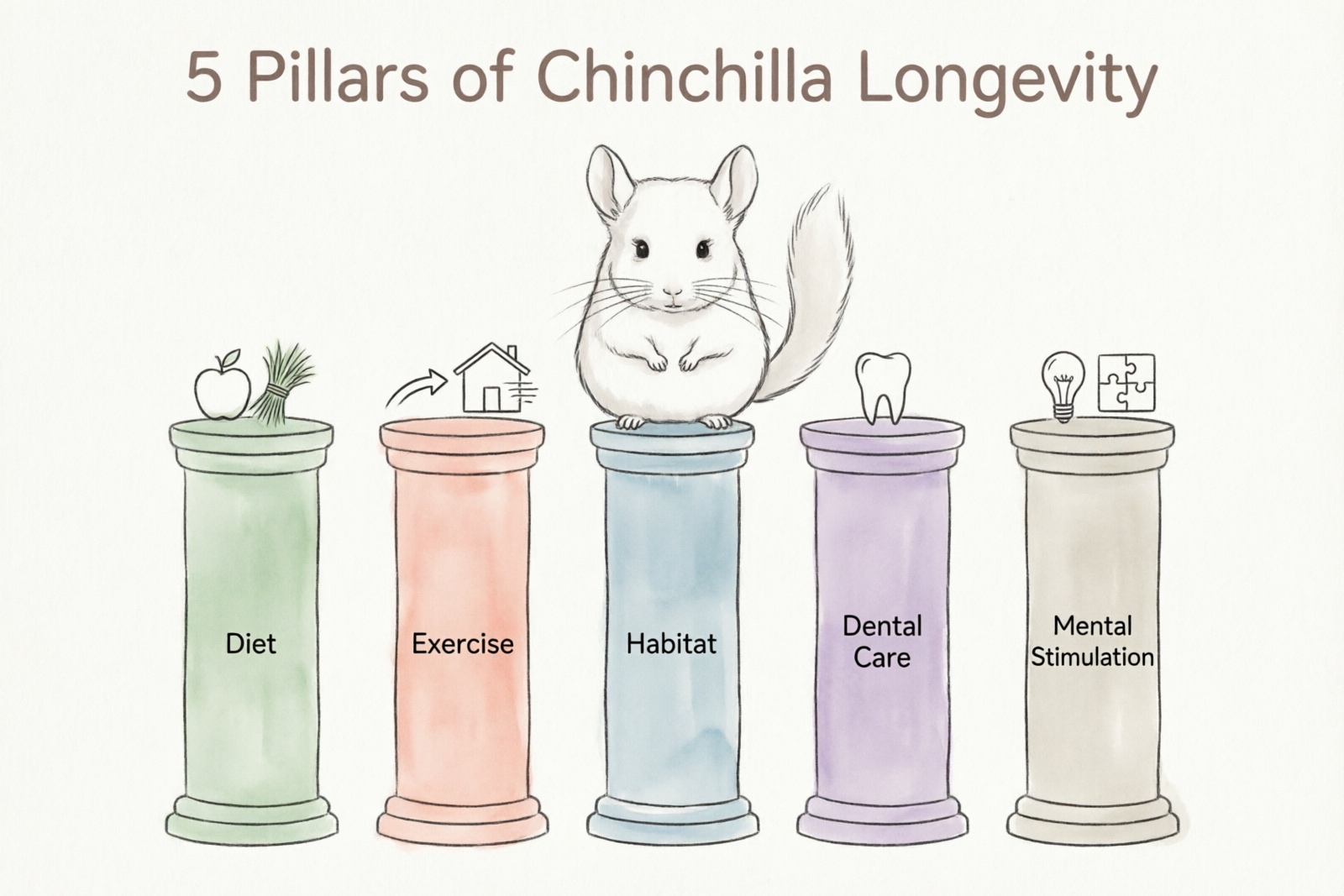
Based on veterinary data and owner reports, here are the most common causes of death in pet chinchillas:
| Cause | Approx. % | Preventable? |
|---|---|---|
| Dental disease (malocclusion) | 25% | Yes — unlimited hay |
| GI stasis / digestive issues | 20% | Yes — proper diet |
| Heatstroke | 15% | Yes — temperature control |
| Heart disease | 15% | Partially — early detection helps |
| Respiratory infections | 10% | Yes — clean environment |
| Old age (organ failure) | 10% | No — natural end of life |
| Other (cancer, accidents) | 5% | Variable |
Key insight: Over 60% of chinchilla deaths are from preventable causes. With proper diet, temperature control, and regular veterinary care, many of these deaths could have been avoided.
Early warning signs that need immediate attention:
- Reduced appetite or stopping eating entirely
- Fewer or smaller droppings
- Lethargy or hiding more than usual
- Labored breathing or discharge from eyes/nose
- Any sudden behavior change
Don’t wait to see if it gets better. Chinchillas hide illness well; by the time symptoms appear, the condition may be advanced.
Oldest Chinchillas Ever Recorded
The oldest chinchilla on record lived over 29 years. While exceptional, this demonstrates the species’ potential lifespan under ideal conditions.
What we can learn from long-lived chinchillas:
Records and owner reports suggest that exceptionally long-lived chinchillas share certain characteristics:
- Indoor-only living — protection from weather extremes and predators
- High-quality, consistent diet — primarily timothy hay with limited treats
- Regular, low-stress routine — predictable daily schedules
- Prompt veterinary attention — health issues addressed early
- Clean, temperature-controlled environment — no exposure to extreme heat or unsanitary conditions
- Social interaction — either with an owner or a bonded mate
While genetics play a role, these environmental factors are within your control. You can’t change your chinchilla’s DNA, but you can optimize every other aspect of their life.
Common Questions About Chinchilla Lifespan (FAQ)
How long do chinchillas live as pets?
Pet chinchillas typically live 15–20 years with proper care. Some individuals reach 20+ years, and the oldest recorded chinchilla lived over 29 years.
What is the oldest chinchilla ever recorded?
The oldest documented chinchilla lived over 29 years. This exceptional case demonstrates the species’ longevity potential under ideal care.
Do male or female chinchillas live longer?
There is no significant difference in lifespan between male and female chinchillas. Both sexes live 15–20 years on average when well cared for.
How can I tell my chinchilla’s age?
If you don’t know your chinchilla’s history, age is difficult to determine precisely. Clues include:
- Teeth: Young chinchillas have white teeth; older chinchillas may have yellowed teeth
- Fur: Senior chinchillas may have thinner or patchier fur
- Activity level: Older chinchillas are typically less active and jump less
- Size: Fully grown by 8–12 months; smaller chinchillas may be young or undersized
For an accurate age assessment, consult an exotic veterinarian.
Can chinchillas live alone?
Yes, chinchillas can live alone, but they need social interaction with their owner. If you have a single chinchilla, spend time with them daily. Many owners choose same-sex pairs for companionship, but introductions must be done carefully.
How long do chinchillas live without proper care?
Neglected or improperly cared-for chinchillas may live only 5–8 years — less than half their potential lifespan. Common issues that shorten life include:
- Wrong diet (too many treats, no hay)
- Heat exposure (temperatures above 75°F)
- No veterinary care
- Dirty living conditions
- Lack of exercise and stimulation
Conclusion
Chinchillas are remarkable animals with exceptional longevity for their size. A 15–20 year lifespan makes them one of the longest-lived small pets — but only if you provide the right care.
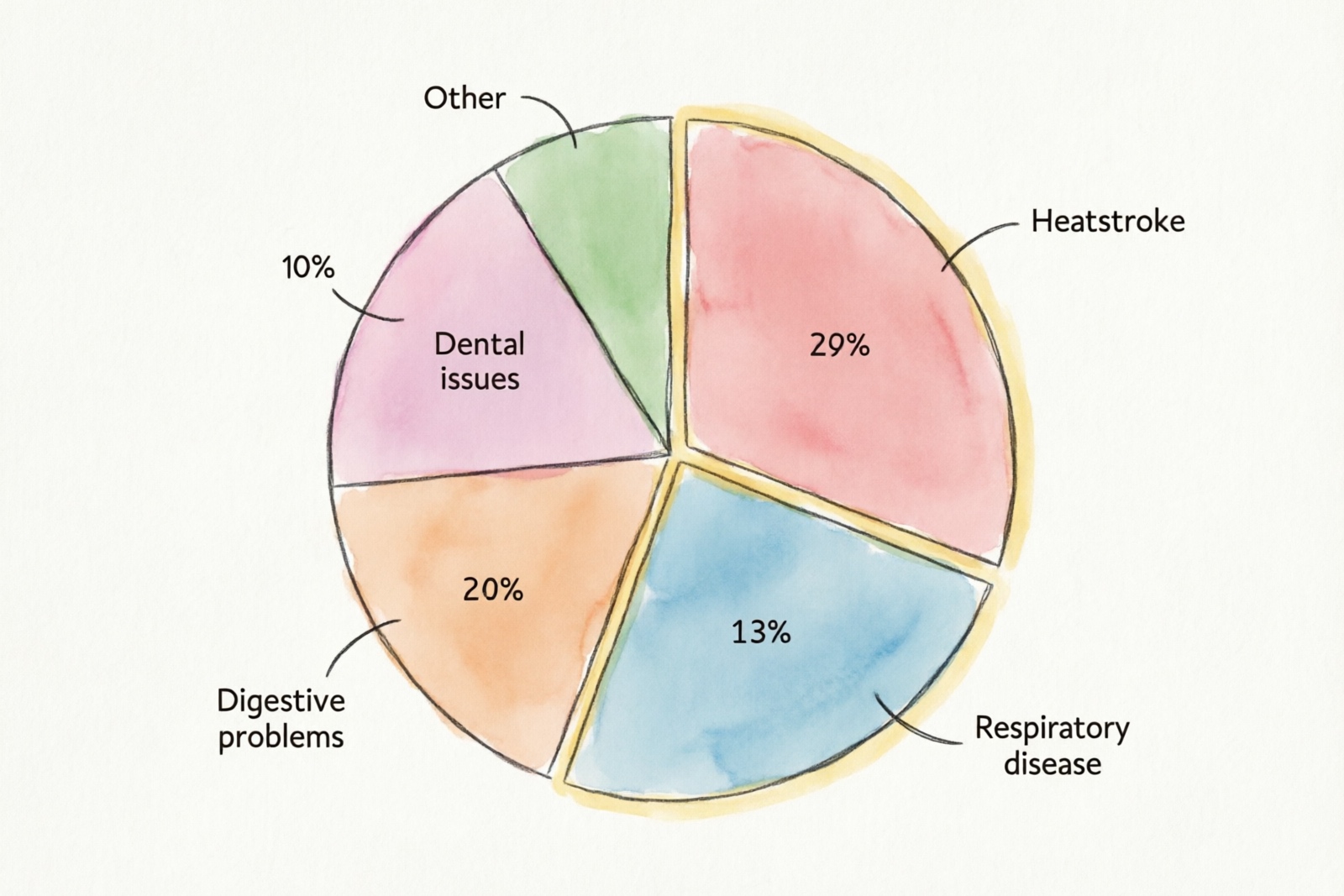
The five pillars of chinchilla longevity:
- Diet: Unlimited timothy hay, limited pellets, minimal treats
- Temperature: Keep between 60–70°F, use air conditioning in summer
- Dust baths: 2–3 times weekly for coat health
- Exercise and enrichment: Daily activity and mental stimulation
- Veterinary care: Annual exams, immediate attention for any health changes
Your action steps starting today:
- Check your chinchilla’s room temperature right now
- Verify hay is available 24/7
- Schedule a wellness exam if it’s been over a year
- Review your treat habits — cut back if needed
Owning a chinchilla is a long commitment, but the reward is up to two decades with an intelligent, affectionate companion. The steps you take today determine whether your chinchilla lives 8 years or 20. For comprehensive husbandry guidance, see our chinchilla care guide.