Why Does My Cockatiel Bob Its Head — Quick Answer
If your cockatiel is bobbing its head, the most common reasons are mating behavior, excitement, communication, or response to stimulation. Head bobbing is a natural and healthy behavior in cockatiels — especially in males during breeding season. It signals that your bird is engaged, happy, or attempting to communicate with you or another bird. However, if head bobbing is accompanied by tail pumping, labored breathing, fluffed feathers, or lethargy, it may indicate a respiratory infection and requires a vet visit.
Cockatiel head bobbing is one of the most recognizable behaviors these birds display, and understanding what it means helps you respond appropriately to your bird’s needs. This guide covers every reason your cockatiel might bob its head and how to tell the difference between normal and concerning behavior.
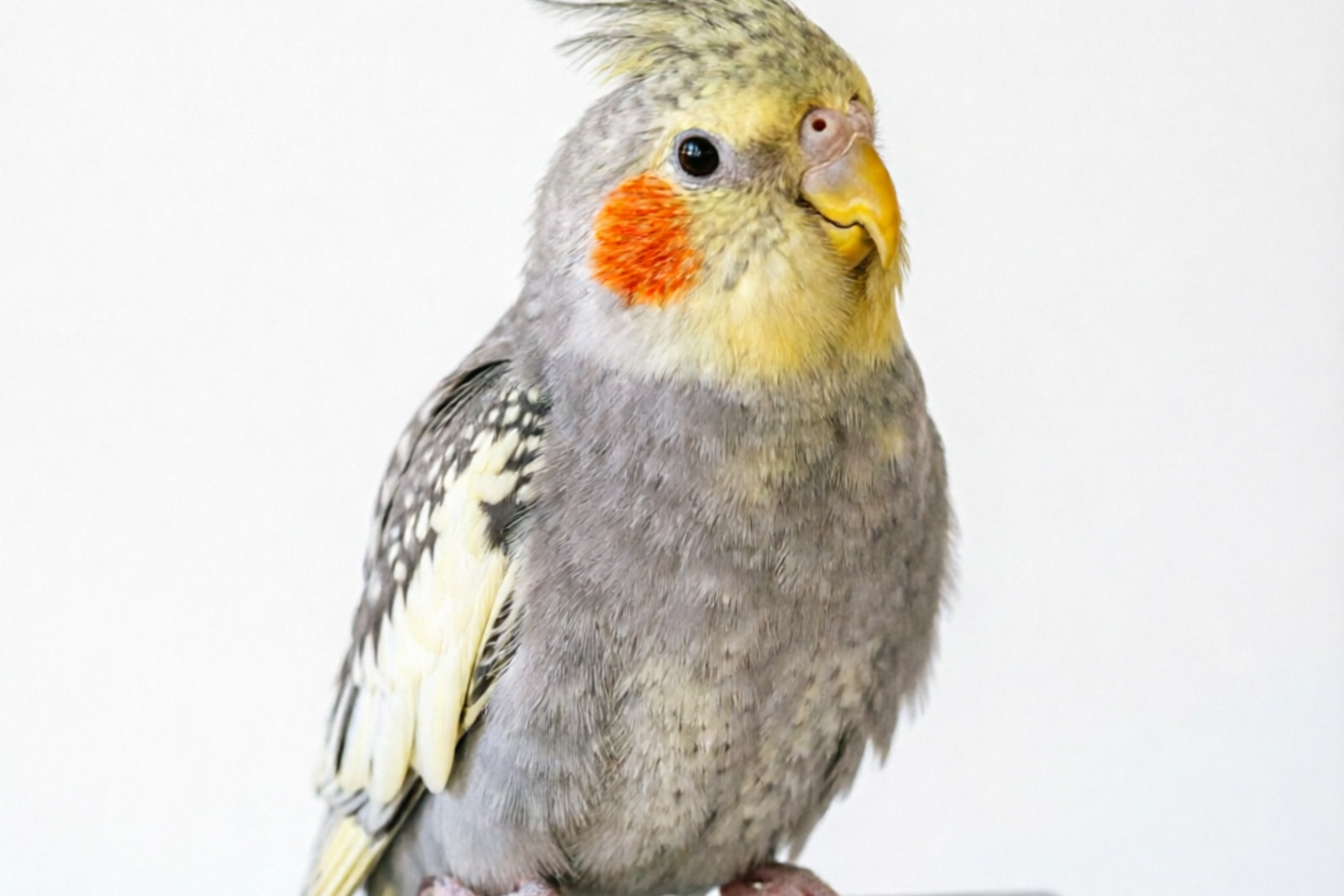
What Does Cockatiel Head Bobbing Look Like?
Wild Harvest Daily Blend 10 lb is a quality option worth considering for your setup.
Before diving into the reasons, it helps to recognize what cockatiel head bobbing actually looks like.
Typical head bobbing involves rhythmic up-and-down or side-to-side movement of the head and neck. The motion is usually smooth and deliberate, often accompanied by:
- Crest position: A raised, forward-tilted crest indicates excitement or alertness
- Pupil pinning: Rapid dilation and constriction of the pupils often accompanies excited head bobbing
- Vocalization: Males may whistle or chirp while bobbing
- Wing positioning: Slightly raised or heart-shaped wing posture during courtship
Abnormal head movements look different — they may be jerky, involuntary, or accompanied by loss of balance. These require veterinary attention and are not the same as smooth, intentional bobbing.
Reason 1: Mating and Courtship Behavior
Many owners find that RoudyBush Daily Maintenance works well for their pet’s needs.
Why does my cockatiel bob its head when it sees me or another bird? The most common answer, especially for males, is mating behavior.
Male cockatiels are prolific head bobbers during breeding season and year-round in domestic settings. Head bobbing is a central component of the male courtship display. The male will typically:
- Bob his head rapidly up and down in a rhythmic pattern
- Form his wings into a heart shape against his body
- Tap his beak against surfaces or your fingers
- Whistle a distinctive mating song
- Regurgitate food as a courtship offering
This behavior is triggered by hormonal changes and environmental cues. Long daylight hours (more than 12 hours of light), warm temperatures, and the presence of a mirror or perceived mate can all stimulate breeding behavior.
If your male cockatiel is bobbing his head at you, tapping his beak, and whistling, you have been chosen as his mate. While this is a sign of a strong bond, excessive breeding behavior can be draining. If you are not planning to breed, consider reducing daylight hours to 10-12 hours per day, removing mirrors from the cage, and avoiding petting your bird on the back or under the wings.
For owners planning to breed, head bobbing is a positive sign. Ensure both birds are healthy and housed in an appropriately sized breeding cage. A proper cockatiel cage setup is essential for successful breeding.
When head bobbing is mating-related, it is completely normal and healthy.
Reason 2: Excitement and Happiness
For this purpose, Yaheetech 54” Flight Cage is a popular choice among pet owners.
Cockatiels bob their heads when they are excited, and this is one of the most delightful behaviors to witness.
Common triggers for excitement-related head bobbing include:
- Hearing favorite music: Cockatiels are highly musical birds. Many bob their heads rhythmically to music, especially upbeat or classical tunes
- Seeing their owner: Head bobbing when you walk into the room is a greeting — your bird is happy to see you
- Anticipating treats: Many cockatiels learn to associate treat time with head bobbing
- New toys or objects: Introducing a new toy or rearranging the cage can trigger excited head bobbing
Excitement head bobbing is typically accompanied by a raised crest, bright eyes, and active vocalization. This is healthy, normal behavior that indicates your cockatiel is mentally stimulated and emotionally content. Browse our tested cockatiel toys to keep your bird engaged.
Reason 3: Communication and Social Bonding
Cockatiels are flock animals that rely on complex communication to maintain social bonds. Head bobbing is one of several communication tools in their repertoire.
When cockatiels bob their heads as communication:
- Begging behavior: Juvenile cockatiels bob their heads and chirp to beg their parents for food
- Mirroring: Cockatiels often mimic their flockmates or owners. If you bob your head at your cockatiel, it may bob back
- Attention seeking: A cockatiel that wants interaction may bob its head to get your attention
- Social hierarchy: In multi-bird households, head bobbing can be part of dominance displays
If you want to strengthen your bond with your cockatiel, try responding to its head bobbing with gentle vocalization. For owners who want to deepen their understanding of cockatiel behavior, our cockatiel care guide covers social needs and training techniques in detail.
Reason 4: Response to Music and Rhythm
Cockatiels have an exceptional sense of rhythm. Studies have shown that birds, including parrots and cockatiels, can detect and respond to rhythmic patterns in ways remarkably similar to humans. When a cockatiel hears music with a clear beat, it may bob its head in time with the rhythm, dance along a perch, or whistle along with the melody.
The tempo and genre matter. Many cockatiel owners report that their birds prefer upbeat pop music for energetic head bobbing, classical music for calm rhythmic bobbing, and nature sounds like bird calls or rain. Your own voice — singing or talking in a rhythmic pattern — can trigger head bobbing just as effectively as recorded music.
This type of head bobbing is purely recreational and indicates a mentally healthy, engaged bird.
Reason 5: Territorial Display
Head bobbing can also serve as a territorial warning, particularly in multi-bird households or when a cockatiel perceives a threat.
Signs that head bobbing is territorial:
- Lunging forward aggressively, sometimes with an open beak
- Hissing accompanying the head bobbing
- Crest flat against the head (vs. raised during excitement)
- Wing spreading to appear larger
- Directed at specific targets perceived as intruders
Territorial behavior is more common in breeding pairs, single birds with strong owner bonds, and birds in new environments. Give the bird space and avoid rewarding aggressive displays with attention.
Reason 6: Begging for Food
Juvenile cockatiels beg for food by bobbing their heads and making high-pitched chirping sounds. This instinctive behavior mimics the way baby birds stimulate their parents to regurgitate food. Many adult cockatiels retain this behavior if they have learned that head bobbing results in treats.
How to respond:
- Offer treats on a schedule rather than in response to begging
- Use treats as training rewards, not as a response to persistent begging
- Ensure your cockatiel’s regular diet is nutritionally complete
A balanced bird diet is essential. Cockatiels receiving adequate nutrition through quality pellets, fresh vegetables, and occasional healthy treats are less likely to engage in excessive begging.
Reason 7: Health-Related Head Movements (When to Worry)
While most cockatiel head bobbing is normal, certain head movements can indicate medical problems. It is critical to distinguish between behavioral bobbing and abnormal movements requiring veterinary attention.
Normal vs. Abnormal Head Movements
| Behavior | Normal? | Notes |
|---|---|---|
| Smooth, rhythmic head bobbing | ✅ Yes | Typical communication, excitement, or courtship |
| Head bobbing with music or owner presence | ✅ Yes | Excitement and engagement |
| Occasional head shaking | ✅ Yes | Birds shake heads to adjust hearing or clear debris |
| Jerky, uncontrolled head movements | ❌ No | May indicate neurological issues |
| Head bobbing with tail pumping | ❌ No | Potential respiratory infection — see vet |
| Head tilting to one side consistently | ❌ No | May indicate ear infection or vestibular disease |
| Head pressing against cage bars | ❌ No | Serious neurological symptom — emergency vet |
Respiratory Infections
The most common medical concern associated with head bobbing is a respiratory infection. Birds with respiratory infections may bob their heads to open their airways.
Warning signs:
- Tail pumping: Tail moves up and down rhythmically with each breath — the most distinctive sign
- Open-mouth breathing: Cockatiels normally breathe through their nares; open-mouth breathing indicates distress
- Sneezing with discharge: Occasional sneezing is normal, but frequent sneezing with discharge warrants a vet visit
- Fluffed feathers and lethargy: A bird sitting fluffed up for extended periods is likely unwell
- Loss of appetite: Not eating or drinking normally
If you observe tail pumping or any combination of these symptoms, contact an avian veterinarian immediately. Respiratory infections can progress rapidly in small birds.
Neurological Issues
Less commonly, abnormal head movements indicate neurological problems:
- Vitamin E or selenium deficiency: Can cause head tremors
- Heavy metal poisoning: Lead or zinc ingestion causes neurological dysfunction
- Head trauma: Falls or collisions can cause brain injury
- Egg binding in females: Severe cases can cause neurological symptoms due to nerve pressure
Creating the Right Environment for Happy Behavior
A cockatiel that exhibits frequent excited head bobbing and engages with its environment is a happy bird. Key elements:
- Consistent sleep schedule: 10-12 hours of darkness and quiet each night
- Adequate cage space: Minimum 24 x 18 x 36 inches for a single bird — see our cockatiel cage recommendations
- Enrichment and toys: Rotate toys regularly to prevent boredom
- Social interaction: At least 30 minutes of focused attention daily
- Balanced diet: Pellets as the foundation, supplemented with fresh vegetables
- Safe environment: Avoid smoke, aerosol sprays, and non-stick cookware fumes (Teflon toxicity is fatal to birds)
When to See an Avian Veterinarian
Schedule a vet visit if head bobbing is accompanied by:
- Tail pumping (breathing-related tail movement)
- Labored or open-mouth breathing
- Persistent fluffed feathers and lethargy
- Loss of appetite lasting more than 24 hours
- Discharge from eyes or nares
- Inability to perch normally or loss of balance
- Jerky, uncontrolled head movements
Annual wellness checkups with an avian veterinarian are recommended for all pet cockatiels.
Product Recommendations
Here are some products mentioned in this guide:
Frequently Asked Questions
Why does my cockatiel bob its head up and down?
Head bobbing up and down in cockatiels typically signals excitement, happiness, or courtship behavior. Male cockatiels bob their heads vigorously as part of mating displays, while both genders may bob when they hear music, see their owner, or encounter something stimulating. It is usually a positive sign of an engaged, healthy bird.
Is cockatiel head bobbing a sign of illness?
Head bobbing alone is rarely a sign of illness. However, if head bobbing is accompanied by tail pumping (tail moving up and down with each breath), labored breathing, fluffed feathers, loss of appetite, or discharge from the eyes or nares, it may indicate a respiratory infection. Consult an avian veterinarian if these symptoms appear.
Why does my cockatiel bob its head at me?
When a cockatiel bobs its head at you, it is usually expressing affection, excitement, or recognition. Cockatiels are social birds that form strong bonds with their owners. Head bobbing directed at you is often a greeting or a sign that your bird is happy to see you. It may also be mimicking your movements or seeking attention.
Do female cockatiels bob their heads?
Yes, female cockatiels bob their heads, though less frequently and less vigorously than males. Female head bobbing is more commonly associated with excitement or greeting rather than courtship. Males are the primary performers of elaborate head bobbing displays during mating season, but females may also bob their heads when happy or stimulated.
How do I stop my cockatiel from bobbing its head excessively?
You generally should not try to stop head bobbing, as it is a natural and healthy behavior. However, if the bobbing seems compulsive or stress-related, ensure your cockatiel gets 10-12 hours of uninterrupted sleep in a quiet, dark environment, receives adequate mental stimulation from toys and interaction, and maintains a consistent daily routine. Reducing environmental stressors like loud noises or erratic schedules can help.
Summary
Cockatiel head bobbing is a natural, healthy behavior that serves multiple purposes: courtship, excitement, communication, and social bonding. In the vast majority of cases, a bobbing cockatiel is a happy cockatiel. The key is learning to read the context — body language, vocalizations, and environmental cues all tell you what your bird is trying to communicate.
The only time head bobbing warrants concern is when accompanied by signs of respiratory distress or neurological dysfunction. Tail pumping, labored breathing, and uncontrolled head movements are red flags requiring immediate veterinary attention.
Understanding your cockatiel’s body language deepens the bond between you and makes you a better caretaker. A cockatiel that feels safe, stimulated, and well-cared for will reward you with years of affectionate behavior, musical whistling, and plenty of enthusiastic head bobbing.