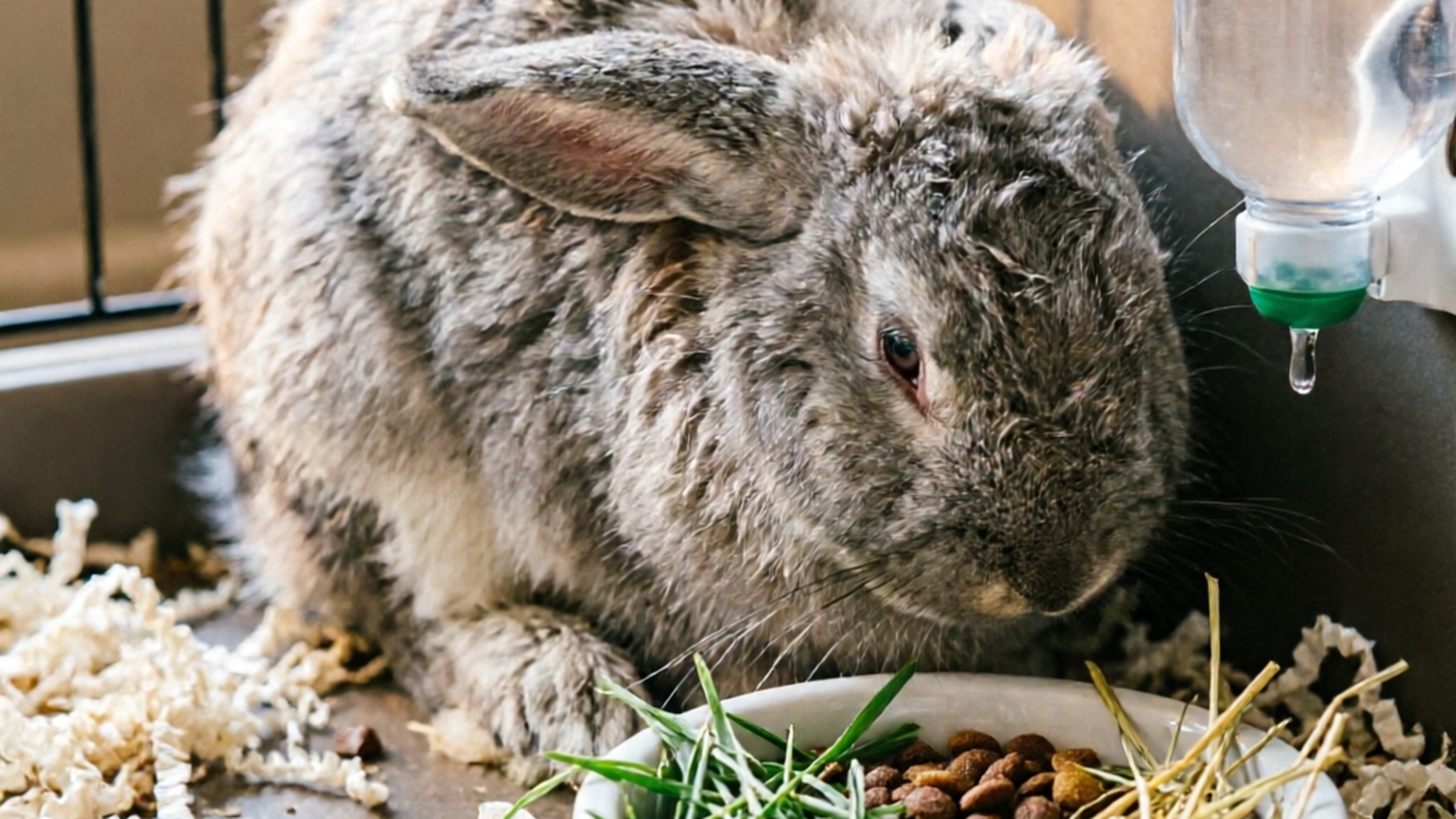
Warning: Medical Disclaimer: This article is for informational purposes only and does not replace professional veterinary advice. If your rabbit has not eaten for more than 12 hours, seek emergency veterinary care immediately. GI stasis can be fatal within 12-24 hours.
Quick Answer — This Is a Medical Emergency
If you are wondering why does my rabbit not eat, the answer could be life-threatening. A rabbit that stops eating is facing a medical emergency. Unlike humans or dogs, a rabbit’s digestive system is designed for near-constant food processing. When a rabbit stops eating, its gut slows down within hours — a condition called GI stasis (gastrointestinal stasis) that can become fatal within 12 to 24 hours.
If you are reading this because your rabbit has not eaten, start here:
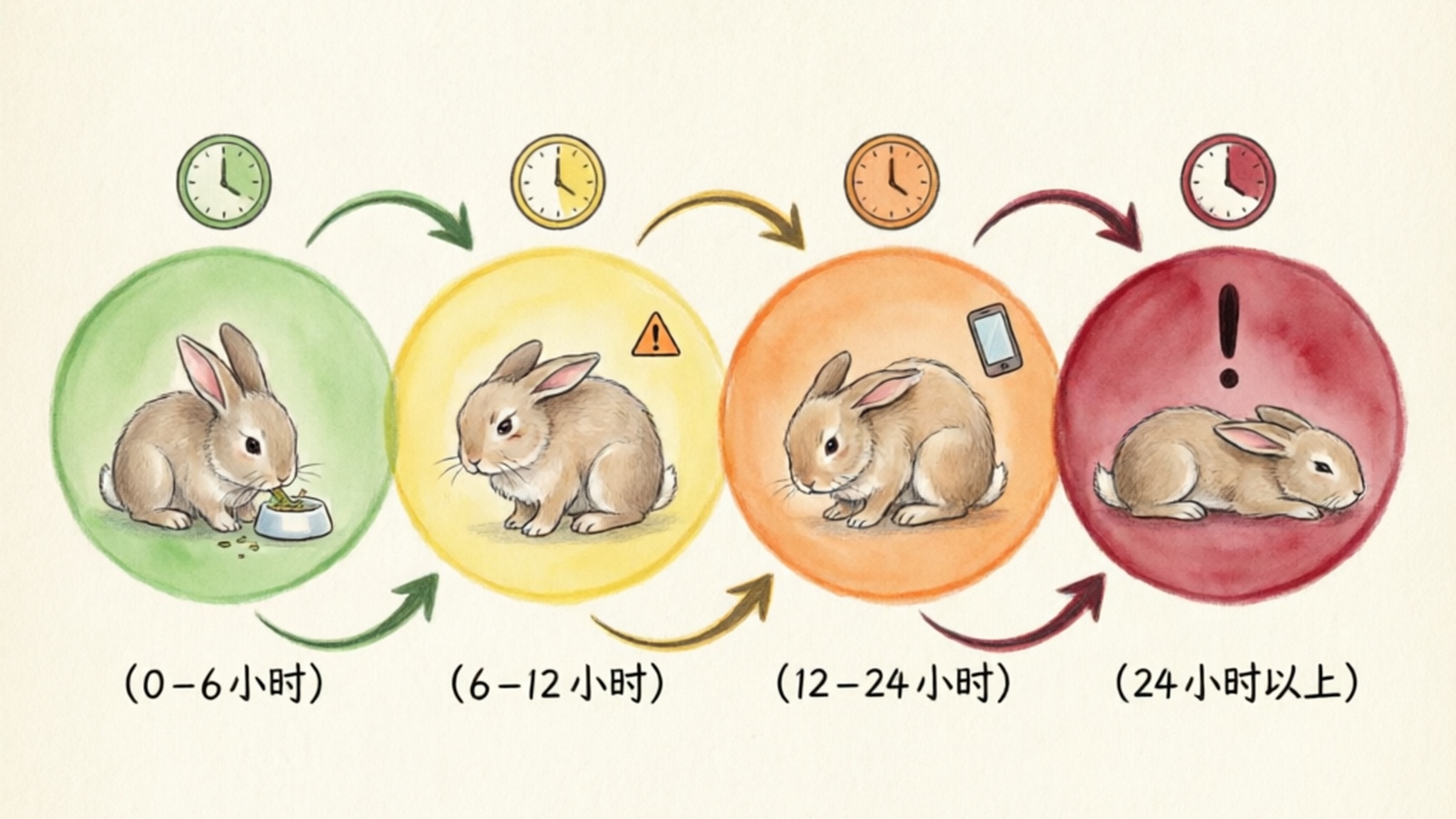
- 0-6 hours without food: The gut begins slowing. Your rabbit may still produce some droppings but will eat less than normal.
- 6-12 hours without food: Gut motility drops significantly. Droppings become smaller, fewer, or stop entirely. This is the window to act.
- 12-24 hours without food: Gas builds up in the intestines, causing severe pain. The gut may begin to shut down entirely. This is a life-threatening emergency.
- 24+ hours without food: Organ damage begins. Survival rate drops dramatically without veterinary intervention.
If you are asking why does my rabbit not eat, the answer is that something is wrong with your rabbit’s digestive system and you need to act fast. Why won’t my rabbit eat is a question your vet needs to answer, but what you do in the next few hours may determine the outcome.
Emergency Triage — How Urgent Is It?
Not every skipped meal is a crisis. This triage system helps you quickly assess the severity and decide what to do next. Owner reports point to the same biggest mistake: waiting too long to act — rabbits can deteriorate much faster than people expect.
| Level | Symptoms | Action |
|---|---|---|
| 🟥 RED — Emergency (<12h no food) | No food + no droppings; No food + hunched and teeth grinding; Bloated or hard belly | Contact an exotic vet immediately |
| 🟨 YELLOW — Monitor closely (6-12h no food) | Eating less but still producing some droppings; Not eating pellets but still eating hay; Slightly lethargic | Start at-home first aid + book a vet appointment |
| 🟢 GREEN — Observe (<6h no food) | Skipped one meal but otherwise normal; Refusing a new food but eating usual diet; Slightly reduced appetite on a hot day | Check environment, offer favorite foods, monitor for 12 hours |
Red zone means do not wait. I’ve seen rabbits go from “a bit off” to critically ill in under six hours. If your rabbit shows any red-level symptoms, call your exotic vet right now — do not finish reading this article first.
Yellow zone means you have a window of hours, not days. Start the at-home first aid steps below and get a vet appointment within the same day.
Green zone means your rabbit may just be having an off day. But keep watching — rabbits can deteriorate quickly, and a green situation can turn yellow within hours.
8 Common Reasons Why Your Rabbit Won’t Eat
Understanding the cause helps you communicate clearly with your vet and take appropriate action at home.
| Reason | Key Signs | Urgency | At-Home Action |
|---|---|---|---|
| GI Stasis | No droppings, hunched, teeth grinding | 🟥 Emergency | Cannot treat at home |
| Dental Problems | Drooling, preferring soft food, weight loss | 🟨 Monitor | Soften food, see vet |
| Stress / Anxiety | Ears back, hiding, thumping | 🟢 Observe | Remove stress source |
| Temperature Extreme | Not eating on hot days, hot ears | 🟢 Observe | Cool to 60-70°F |
| Dietary Change | Refusing new food only | 🟢 Observe | Gradual transition |
| Hairball / Wool Block | Smaller droppings, visible hair in poop | 🟨 Monitor | Grooming + probiotics |
| Infection / Illness | Runny nose, eye discharge, lethargy | 🟨 Monitor | See vet |
| Old Age | Gradual appetite decrease over weeks | 🟢 Observe | Softer food, smaller frequent meals |
GI Stasis is the most dangerous cause. It occurs when the gut stops moving food through — gas builds up, causing pain, which makes the rabbit eat even less, creating a deadly cycle.
Dental problems are extremely common because rabbit teeth grow continuously. Overgrown molars cause sharp points that cut into the cheek, making eating painful. I’ve found dental issues are the most frequently overlooked cause — owners assume their rabbit is being picky when it actually hurts to chew.
Stress can shut down appetite within hours — moving, loud noises, or a new pet can trigger stress-related anorexia. For more on stress-related rabbit behavior, recognizing early signs helps you intervene before it affects eating.
If you are wondering why is my rabbit not eating but active, the answer is usually dental pain. An active rabbit refusing food likely has dental pain, not GI stasis — a GI stasis rabbit will be lethargic. Check for drooling or selective eating.
Why is my rabbit not eating or drinking? More urgent than not eating alone — dehydration accelerates GI slowdown. Contact a vet immediately.
Rabbit not eating but drinking water is more hopeful — your rabbit still has some appetite drive. Monitor closely and escalate to a vet if no improvement within 6-8 hours.
Rabbit not eating pellets but eating hay is usually not an emergency since hay should be 80% of the diet. Check that pellets are fresh.
Understanding rabbit loss of appetite causes helps you communicate with your vet. These range from minor (temperature, stress) to life-threatening (GI stasis, infection). The key distinction is speed of onset — a gradual decrease over days suggests dental issues or aging, while a sudden refusal to eat suggests GI stasis or acute pain. For a comprehensive overview of common rabbit health problems, loss of appetite is one of the most important symptoms to watch.
Understanding GI Stasis — The #1 Killer
If you are researching why does my rabbit not eat, GI stasis deserves its own section because it is the single most dangerous condition your rabbit can face.
GI stasis (gastrointestinal stasis) is a potentially fatal condition where the rabbit’s gut motility slows or stops completely. Unlike true blockage (gastric obstruction), the intestines are not physically blocked — instead, peristalsis (the wave-like muscle contractions that move food through the gut) becomes extremely sluggish. Gas builds up, causing severe pain, which further suppresses appetite and gut function, creating a deadly feedback loop. According to the Merck Veterinary Manual, GI stasis is one of the most common and dangerous emergencies in pet rabbits.
Here is how the cycle works:
- Something causes your rabbit to stop eating (stress, pain, dehydration, or hairball)
- The gut slows down without food moving through
- Gas builds up, causing intense pain
- Pain makes the rabbit eat even less, accelerating the cycle
If you are investigating why does my rabbit not eat, this is why every hour matters. A rabbit’s digestive system requires constant processing — when it stops, the entire system begins to fail.
When dealing with why does my rabbit not eat during shedding, regular rabbit grooming is critical — ingested fur can accumulate and trigger GI stasis.
At-Home First Aid — What to Do While Waiting for the Vet
If you are searching for what to do if your rabbit stops eating, these steps buy you time and improve your rabbit’s chances while you get professional help. They are not a substitute for veterinary care.
Before You Act — Quick-Check:
- Check the litter box for droppings (size, shape, quantity)
- Gently feel your rabbit’s abdomen for bloating or hardness
- Note exactly when your rabbit last ate normally
- Have your vet’s phone number ready
- Never force food directly into the throat — always from the side of the mouth
- Never wait more than 12 hours to contact a vet
Step 1: Assess the Situation (5 minutes) Check the litter box — droppings that are small, misshapen, or absent indicate gut slowdown. Gently feel the abdomen; if it is tight or bloated, that is a red flag.
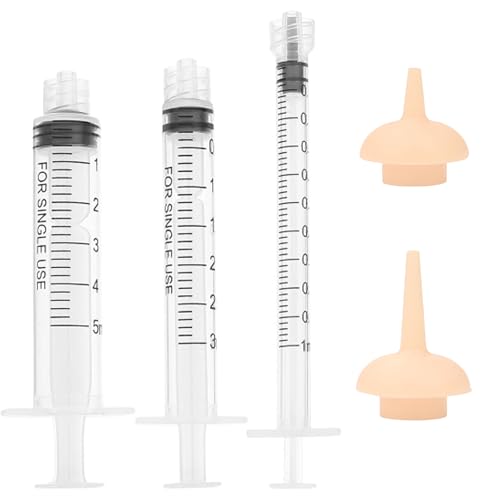
Step 2: Encourage Hydration (Immediate) Offer fresh water in a bowl — rabbits drink more from bowls. Add unsweetened apple juice to make it appealing. If your rabbit will not drink, use a Pet Feeding Syringe with Nipple to slowly administer 1-2ml from the corner of the mouth. Keep a feeding syringe in a first-aid kit.
Step 3: Offer High-Value Foods (Within first hour) Fresh herbs — cilantro, basil, parsley — are the most effective appetite stimulants. Wetting hay with warm water makes it more fragrant. If you have Oxbow Critical Care, use it now.
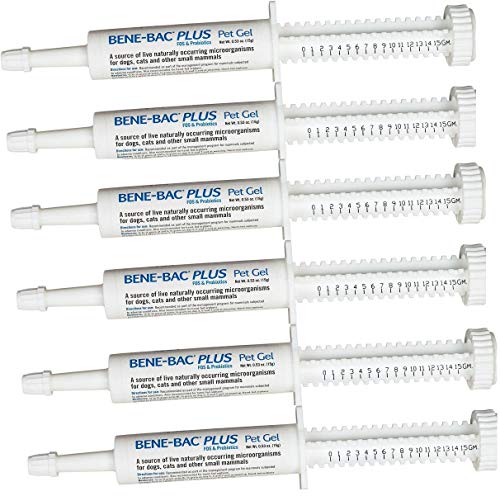
Step 4: Administer Probiotics (If available) Bene-Bac Plus Gel is a vet-recommended probiotic with seven beneficial microorganisms. Administer from the side of the mouth using the feeding syringe.
Step 5: Prepare for the Vet Visit Note when your rabbit last ate, describe the droppings, and list other symptoms. Collect a fecal sample. Bring your rabbit’s usual food for reference.
When to See a Vet — Non-Negotiable Signs
Do not wait and hope these symptoms resolve on their own. I’ve seen too many cases where owners lost valuable hours by waiting “just a bit longer.”
Take your rabbit to a vet immediately if you notice any of these:
- Your rabbit has not eaten anything for more than 12 hours
- No droppings for more than 8 hours
- The belly feels bloated or hard to the touch
- Your rabbit screams or aggressively flinches when you touch its abdomen
- Teeth grinding, hunched posture, or extreme lethargy — all pain signals
- Body temperature below 100°F or above 104°F (normal is 101-103°F)
- Your rabbit is not eating and not drinking for more than 6 hours
If you are asking why does my rabbit not eat and notice any of these signs, your rabbit needs professional veterinary care today. If you are still unsure about why does my rabbit not eat, do not wait — do not schedule a regular appointment for next week. Call an exotic animal veterinarian or emergency animal hospital and explain that your rabbit may have GI stasis. For more information on conditions that require urgent veterinary attention, see our guide to common rabbit health problems.
Recovery Diet — Getting Your Rabbit Eating Again
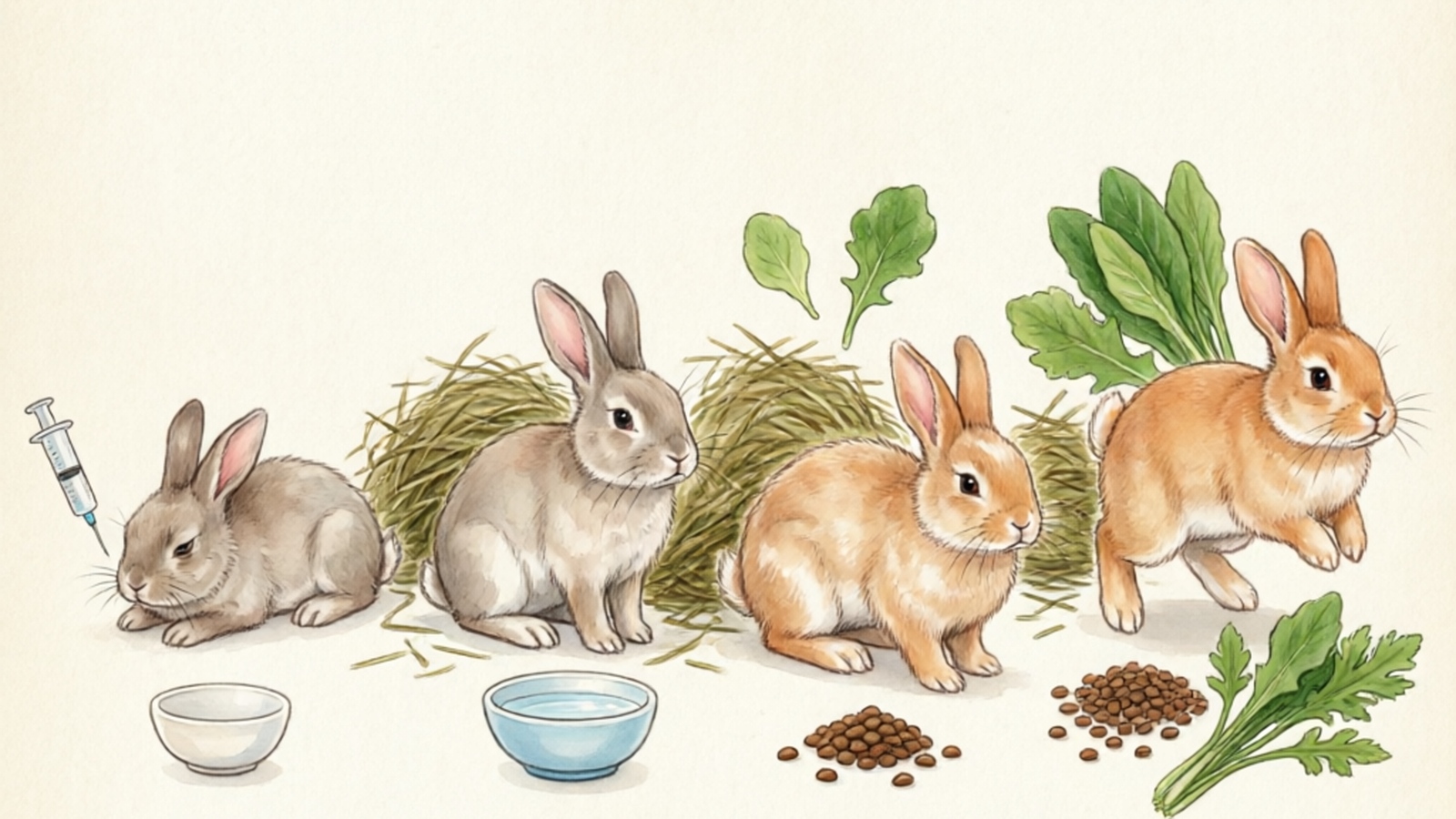
After veterinary treatment, recovery is gradual. Your vet will likely send you home with Critical Care, pain medication, and possibly gut motility drugs. Here is what recovery typically looks like:
Days 1-2: Continue Critical Care feedings as directed by your vet, plus probiotics. Offer fresh water freely. Your rabbit may only eat small amounts — that is normal. Do not force large quantities.
Days 3-7: Gradually reintroduce fresh hay, add leafy greens if your rabbit shows interest, and slowly add pellets back in small amounts. Monitor droppings — they should return to normal.
Week 2+: Resume normal diet.
Long-term prevention is the best investment you can make. The House Rabbit Society recommends a diet of at least 80% grass hay, with limited pellets and controlled treats, as the most effective prevention against GI stasis. Timothy hay should be available 24/7. Regular rabbit grooming during shedding seasons prevents dangerous hair accumulation. For guidance on maintaining a proper rabbit diet and nutrition, consistency is more important than variety. If you are looking for specific brand recommendations, our guide to recommended rabbit food brands covers the options that show up most often in owner reviews and rescue diet guidelines.
Frequently Asked Questions
How long can a rabbit go without eating?
A rabbit should never go more than 12 hours without eating. After 12 hours, GI stasis can become life-threatening within 24 hours.
What do I do if my rabbit stops eating?
Check for emergency signs first: no droppings, bloated belly, hunched posture, or teeth grinding. If any are present, go to a vet immediately. If not, offer high-value fresh herbs like cilantro or basil, ensure water is available, and monitor closely. If there is no improvement within 6-8 hours, contact your vet.
Why is my rabbit not eating but still active?
An active rabbit that will not eat likely has dental pain or food preference issues rather than GI stasis. Check for drooling or selective eating — both are strong indicators of overgrown teeth. A rabbit with GI stasis will be visibly uncomfortable and lethargic, not energetic.
Can I force-feed my rabbit at home?
Yes, you can syringe-feed Critical Care or blended hay-water, but only while waiting to see a vet. Always inject from the corner of the mouth to prevent choking.
When should I take my rabbit to the vet for not eating?
Immediately if your rabbit has not eaten for 12 or more hours, has no droppings, has a bloated belly, or shows signs of pain such as teeth grinding or a hunched posture. GI stasis kills — do not wait to see if things improve on their own.