Quick Answer — Why Does My Rabbit Dig?
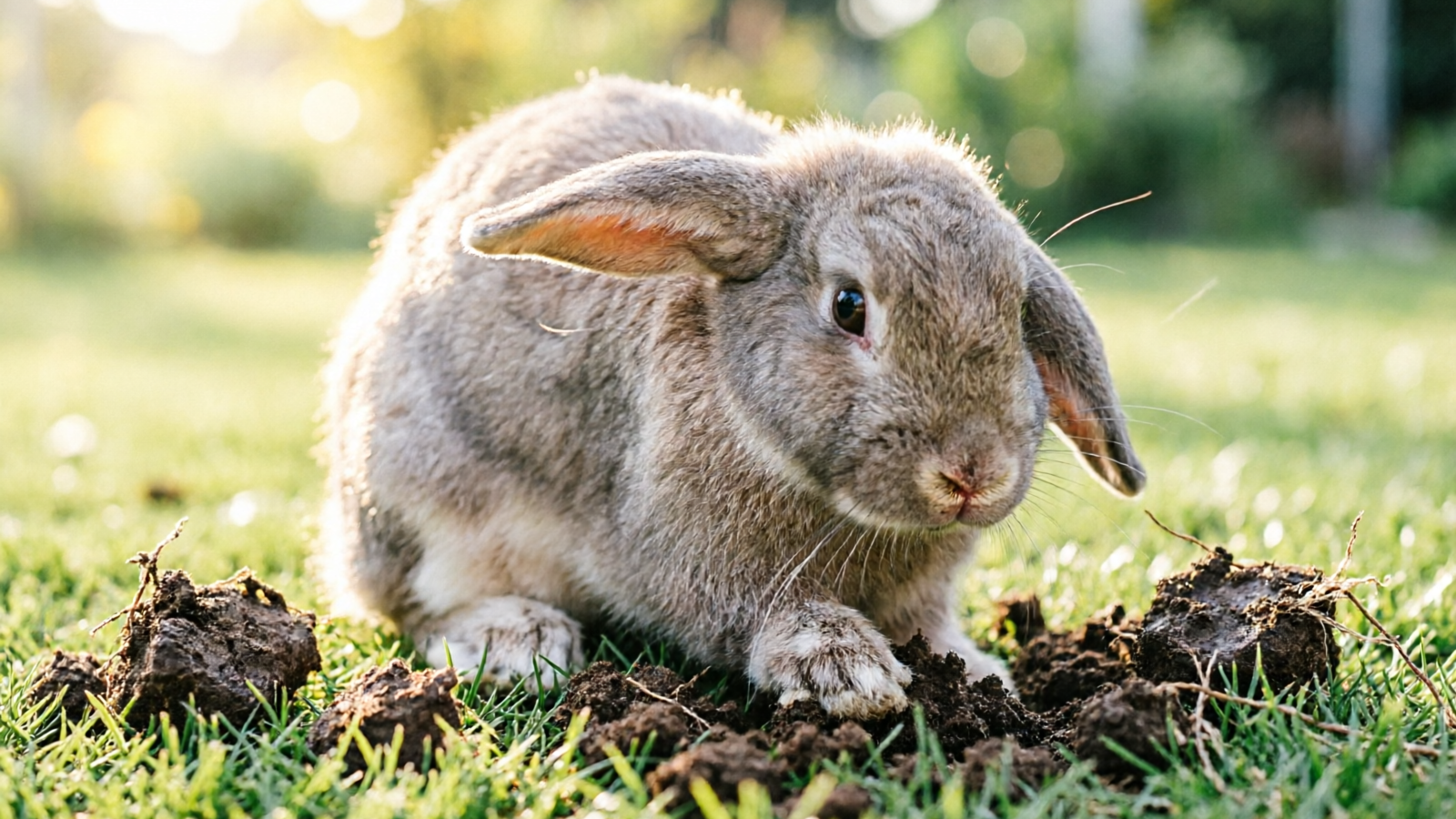
Rabbits dig because it is hardwired into their DNA. In the wild, European rabbits (Oryctolagus cuniculus) live in complex underground burrow systems called warrens — some warrens connect hundreds of rabbits across vast tunnel networks. When you see your pet rabbit digging at the carpet, tossing their litter box, or tearing into a blanket, they are simply following an instinct that has kept their species alive for thousands of years.
If you are wondering why does my rabbit dig, the answer almost always comes down to instinct, boredom, or hormones. While you cannot eliminate the behavior entirely, you can redirect it to appropriate outlets and protect your home.
Understanding the specific reason behind your rabbit’s digging makes it much easier to manage.
7 Common Reasons Why Rabbits Dig
Most rabbit owners encounter digging early on — it is one of the first behaviors new owners notice, and often one of the first to cause frustration. Here are the seven most common reasons:
| Reason | Common Signs | Severity | Quick Fix |
|---|---|---|---|
| Natural Instinct | Digging in corners, pawing at floors | ⭐ | Provide a digging box |
| Boredom | Destructive digging, pacing, bar biting | ⭐⭐ | Add enrichment and exercise |
| Hormonal Behavior | Intense digging, nesting, territorial | ⭐⭐ | Spay or neuter |
| Attention Seeking | Digs at you, stops when you respond | ⭐ | Ignore, reward calm |
| Territorial Marking | Chinning + digging in same area | ⭐⭐ | Spay/neuter, clean area |
| Stress or Anxiety | Sudden digging, hiding, thumping | ⭐⭐⭐ | Identify and remove stressor |
| Seeking Comfort | Digging into blankets, arranging bedding | ⭐ | Provide soft bedding |
1. Natural Instinct
Every domestic rabbit descended from wild European rabbits that spent their lives building underground tunnel systems. Digging is as natural to a rabbit as flying is to a bird — even rabbits that have never seen soil will paw at carpets, blankets, and furniture. The behavior is instinctive, not learned. You cannot train this out of a rabbit, and attempting to do so only creates stress.
2. Boredom
A bored rabbit is a destructive rabbit. When rabbits lack mental stimulation and exercise, digging becomes an outlet for pent-up energy. According to the House Rabbit Society, a single rabbit needs at least 8 square feet of enclosure space with a minimum of 24 square feet for daily exercise. A rabbit in a cage that is too small will dig at the bars, the floor, and anything within reach.
3. Hormonal Behavior
Unspayed females are notorious diggers. They may enter false pregnancies where they obsessively build nests — pulling fur, gathering hay, and digging frantically. Unneutered males may dig to mark territory. Spaying or neutering typically reduces hormonally driven digging significantly within a few weeks.
4. Attention Seeking
Rabbits quickly learn which behaviors get your attention. If your rabbit digs at the carpet and you immediately respond — calling their name, picking them up, or pushing them away — they learn that digging works. Even negative attention is still attention. The fix: ignore the digging completely and only interact when your rabbit is calm.
5. Territorial Marking
Rabbits claim territory by rubbing their chin on objects (chinning) and by digging. Territorial digging often happens in corners, near doorways, or in areas where other pets spend time. Spaying or neutering reduces this behavior, and cleaning marked areas with an enzyme-based cleaner discourages repeat marking.
6. Stress or Anxiety
A stressed rabbit may dig more than usual as a coping mechanism. Common stressors include new environments, loud noises, other pets, and changes in routine. Stress-related digging often comes with other signs like thumping, hiding, or reduced appetite. Our guide to common rabbit health problems covers stress-related conditions in more detail.
7. Seeking Comfort
Not all digging is problematic. Many rabbits dig at blankets or bedding to create a comfortable sleeping spot — essentially building a miniature nest. This type of digging is gentle and rhythmic, usually followed by the rabbit settling down. It does not need correction.
Why Does My Rabbit Dig the Carpet?
Carpet digging is the most common digging complaint among rabbit owners. The texture of carpet closely mimics soil — it has grip, it can be pulled up, and it satisfies the same pawing motion rabbits use in the wild.
Practical solutions:
- Place a digging alternative on the spot — a timothy hay mat over the targeted area gives your rabbit something acceptable to dig into
- Block high-damage zones with furniture, heavy mats, or plexiglass panels
- Use double-sided carpet tape on edges — most rabbits dislike the sticky texture
- Cover carpeted areas with washable rugs during free-roam time
Never punish your rabbit for carpet digging. Redirection always works better than punishment.
Why Is My Rabbit Digging on Me?
Many owners ask why does my rabbit dig on me, especially when their rabbit climbs onto their lap and starts pawing at their clothes. This usually falls into three categories:
Grooming behavior. Rabbits groom each other by pawing and gently nibbling. When your rabbit digs at your shirt or skin, they may be trying to groom you — meaning they consider you part of their social group.
Attention seeking. If your rabbit digs at you and then looks up expectantly, they want something — food, pets, or playtime. They have learned this behavior gets results.
Excitement. Some rabbits dig when they are happy and overstimulated, similar to a dog that jumps up when excited.
None of these are cause for concern. If the digging is uncomfortable, gently move their paws away and redirect to a toy or blanket.
Why Is My Rabbit Digging at Night?
Rabbits are crepuscular, meaning they are most active at dawn and dusk. However, many pet rabbits are also active at night, especially if they spend the day resting. The usual causes are pent-up energy or environmental sounds that become more noticeable in a quiet house.
Solutions for nighttime digging:
- Ensure adequate daytime exercise — at least 3-4 hours of free-roam time
- Provide a tunnel or hideout so your rabbit has a secure retreat
- Cover three sides of the enclosure with a blanket to reduce visual stimulation
- Add enrichment toys to keep your rabbit occupied during active hours
The HERCOCCI 3 Way Collapsible Tunnel works well here — the three-way design gives rabbits multiple directions to explore and burns energy. The collapsible design makes it easy to store during the day.
How to Redirect Your Rabbit’s Digging Behavior
You cannot stop a rabbit from digging — and you should not try. Digging is essential for their physical and mental well-being. The goal is redirection. Here is a practical five-step approach:
Step 1: Provide a Designated Digging Area Give your rabbit a specific place where digging is allowed. The Prevue Pet Products Forage ‘n Play Box is designed specifically for this — a natural wood and cardboard substrate that satisfies the foraging instinct without destroying your home. Place it where your rabbit already digs most. A cardboard box filled with shredded paper or safe hay also works well.
Step 2: Make It More Appealing Bury treats, herbs, or a few pellets in the digging material. Your rabbit will discover hidden rewards and associate the digging box with positive experiences. Refresh treats regularly to maintain interest.
Step 3: Block Problem Areas While your rabbit learns to use their digging box, physically block access to carpet, furniture, or blankets they have been targeting. Furniture sliders, plexiglass panels, and heavy mats all work.
Step 4: Reward Appropriate Digging When your rabbit uses their designated area, offer praise and a small treat. Rabbits respond well to consistency — reward the behavior you want, ignore or redirect what you do not.
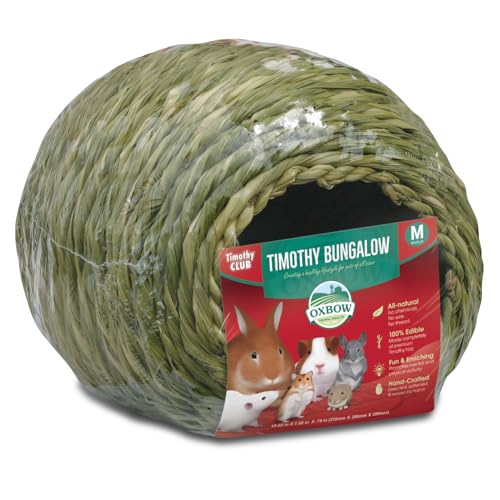
Step 5: Increase Overall Enrichment Many digging problems resolve with more exercise and stimulation. A Oxbow Timothy Hay Bungalow serves double duty — a chewable hideout that also satisfies the digging and nesting instinct. Rotate toys weekly to prevent boredom. For more ideas, see our guide to the best rabbit toys.
Disclaimer: This article provides general care information only and is not a substitute for professional veterinary advice. If your rabbit shows signs of illness or pain, contact a veterinarian immediately.
How to Manage Litter Box Digging
One of the most frustrating forms of rabbit digging behavior is litter box digging — tossing litter everywhere, scratching at the bottom, and sometimes flipping the entire box. Two main causes:
Instinct. Rabbits naturally dig to create latrine areas in the wild. The litter box triggers this instinct.
Dislike of the litter. Some rabbits dig because they find the substrate uncomfortable. Clumping clay litter is dangerous (can cause intestinal blockages if ingested). Paper-based or wood-pellet litter is safer.
Solutions:
- Use a heavier litter box — ceramic or weighted boxes are harder to flip
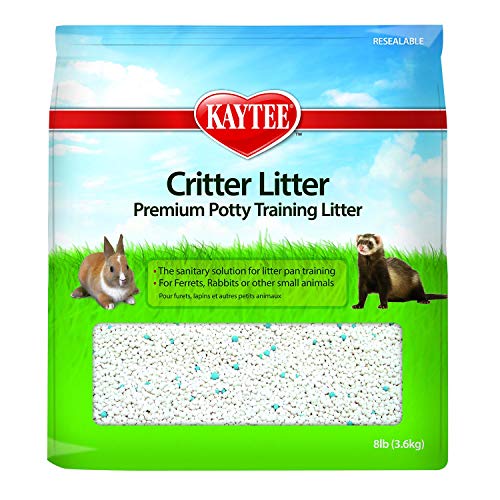
- Switch to paper-based litter — Kaytee Premium Potty Training Litter absorbs well and is safe if accidentally ingested
- Reduce litter depth — 1-2 inches is enough; excessive litter invites digging
- Place a hay rack above the box — rabbits often eat and eliminate simultaneously
Our rabbit litter training guide covers setup and troubleshooting in detail.
When to See a Vet
Most digging is normal. However, sudden or obsessive digging can indicate an underlying health issue.
See a vet if you notice:
- Digging intensely for hours with no breaks
- Sudden obsessive digging in a previously calm rabbit
- Digging accompanied by fur pulling or bald patches
- Decreased appetite or weight loss alongside increased digging
- Digging combined with thumping, hiding, or teeth grinding
- A spayed female suddenly building elaborate nests (could indicate uterine issues)
Obsessive digging that appears suddenly and persists regardless of environmental changes may indicate pain or — in unspayed females — uterine cancer, which affects up to 80% of unspayed females by age four according to the House Rabbit Society.
Recommended Products
Here are the products that help manage rabbit digging behavior:
Prevue Pet Products Forage ‘n Play Box — The most targeted product for redirecting digging. A natural wood and cardboard foraging toy designed for small pets to dig and forage in, satisfying the instinct without damaging your home.
Oxbow Timothy Hay Bungalow — Satisfies both digging and hiding instincts. Made from timothy hay, it is fully edible and safe for rabbits to chew while they nest and play inside.
HERCOCCI 3 Way Collapsible Rabbit Tunnel — Three-way design gives rabbits multiple escape routes, appealing to their need for options when exploring. Collapses flat for storage. Best for dwarf and small breeds.
Oxbow Timothy Hay Mat (Medium) — A hay mat over carpeted areas serves as a protective barrier and acceptable digging surface. Rabbits can dig and rearrange it without damaging floors.
Kaytee Premium Potty Training Litter — Paper-based litter is safer and more comfortable than clay, which can reduce litter box digging. The 8-pound bag absorbs odor effectively.
Frequently Asked Questions
Why does my rabbit dig on me?
Your rabbit digs on you to get attention, express excitement, or groom you. Rabbits groom each other by pawing and nibbling, so this often means your rabbit considers you part of their social group.
Why is my rabbit digging the carpet?
Carpet mimics soil texture, making it one of the most appealing surfaces for rabbits. Place a timothy hay mat or digging box on the targeted area and block access while your rabbit learns to use the alternative.
Why does my rabbit dig all of a sudden?
Sudden digging usually indicates boredom, stress from an environmental change, or hormonal shifts. Check for recent changes — new pets, moved furniture, or reduced free-roam time. Unspayed females may also experience false pregnancies that trigger intense nesting.
Is it normal for rabbits to dig?
Yes — digging is completely normal and instinctive. Wild rabbits dig complex underground warrens, and pet rabbits retain this instinct. The goal is redirecting, not stopping, the behavior.
How do I stop my rabbit from digging my blanket?
Give your rabbit a designated alternative like a cardboard box filled with shredded paper or a hay mat. Place it near the blanket, and reward your rabbit for using it.
Why does my rabbit dig at night?
Rabbits are crepuscular but many dig at night due to pent-up energy or environmental sounds. Ensuring adequate daytime exercise and providing a tunnel hideout reduces nighttime digging.
Do female rabbits dig more than males?
Unspayed females are known for more intense digging and nesting, especially during false pregnancies. Spaying significantly reduces hormonally driven digging in both sexes.
Why does my rabbit dig and then bite the floor?
Digging followed by floor biting usually indicates frustration or territorial marking. Your rabbit may be bored or reacting to a scent. Increasing exercise and enrichment can help resolve this.