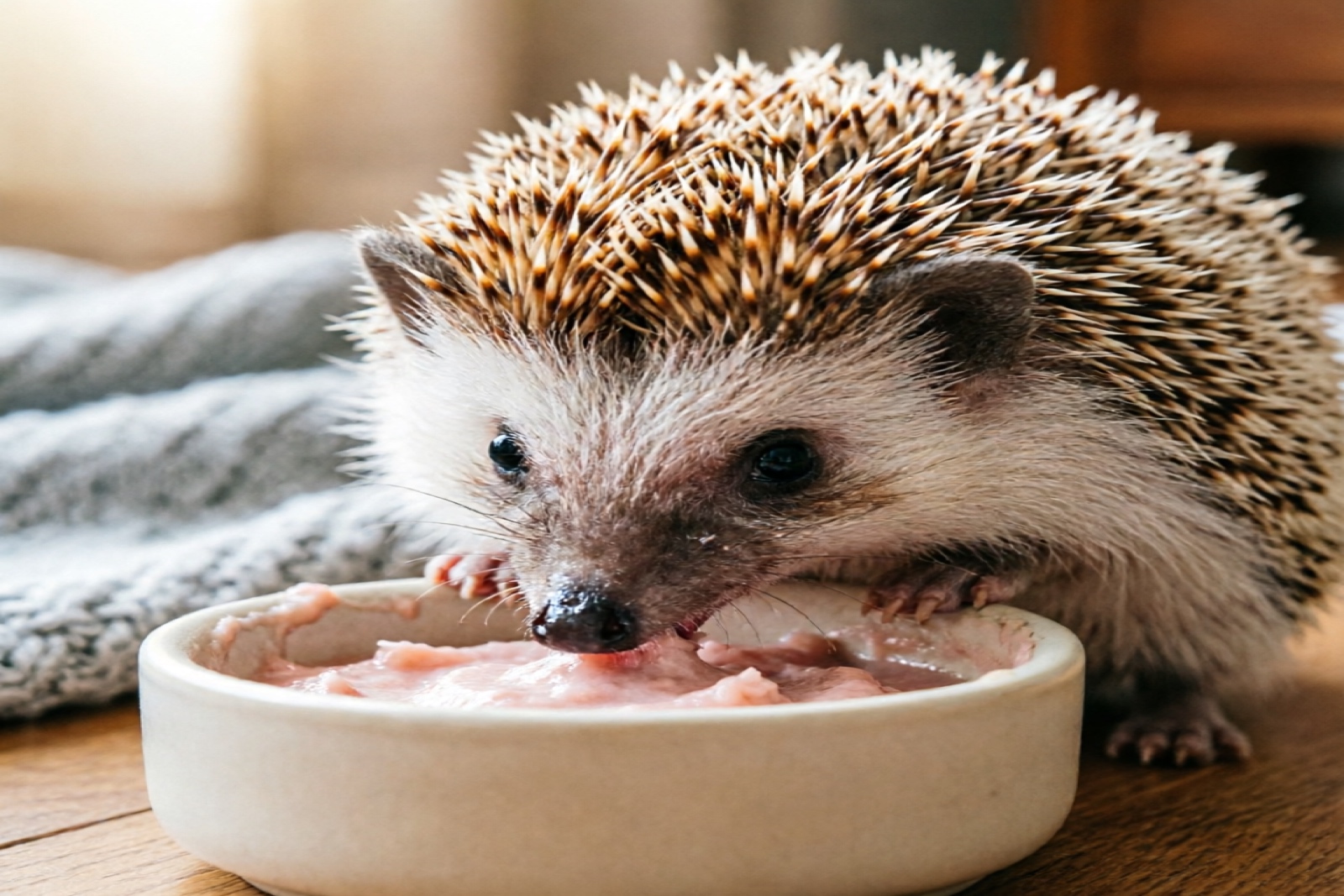
Whether your hedgehog is aging, recovering from illness, or struggling with dental problems, finding the right hedgehog soft food can make a life-changing difference. Many owners don’t realize their hedgehog needs softer food until weight loss or refusal to eat becomes obvious. This guide covers the best commercial options, safe human food alternatives, simple homemade recipes, and everything you need to keep your hedgehog properly nourished when hard kibble is no longer an option.
Why Hedgehogs Need Soft Food
Not every hedgehog needs hedgehog soft food—but for those that do, it can be the difference between thriving and declining. Understanding when and why hedgehogs need hedgehog soft food options helps you act early, before nutritional deficiencies set in.
Senior Hedgehogs with Dental Issues
Dental problems are one of the most common health challenges in aging hedgehogs. By age 3-4 (middle-aged for a hedgehog), many begin experiencing tooth wear, gum recession, and even tooth loss. These issues make chewing hard kibble painful or impossible, making hedgehog soft food essential.
Signs of dental trouble include:
- Dropping food while eating
- Visible tooth loss or broken teeth
- Swelling around the mouth or jaw
- Excessive drooling
- Weight loss despite a full food bowl
Soft food ensures senior hedgehogs continue receiving adequate protein (30-35%) and essential nutrients without the pain and frustration of hard food. Finding the right hedgehog soft food for your senior hedgehog is one of the most impactful things you can do for their quality of life. For a complete overview of age-related health changes, see our guide to common hedgehog health problems.
Sick or Recovering Hedgehogs
Hedgehogs recovering from illness, surgery, or treatments like chemotherapy often experience reduced appetite and jaw fatigue. During these periods, hedgehog soft food serves a critical role:
- Higher palatability: Softer textures and stronger aromas stimulate appetite
- Easier digestion: Less energy required to break down and absorb nutrients
- Faster recovery: Adequate nutrition supports immune function and tissue repair
Common conditions that may require temporary hedgehog soft food include respiratory infections, gastrointestinal issues, mouth infections, and post-surgical recovery.
Baby Hedgehogs
Young hedgehogs (under 8 weeks old) have developing teeth and immature digestive systems. While most transition to solid food by 6-7 weeks, some babies benefit from hedgehog soft food during the weaning period. This is especially true for orphaned or hand-reared hedgehogs that may not have learned normal feeding behaviors from their mother.
Important: Hedgehog soft food should supplement—not completely replace—a balanced diet. Even hedgehogs eating primarily soft food need appropriate calcium, phosphorus, and vitamin levels. Consult your exotic animal veterinarian for a tailored hedgehog soft food nutrition plan.
Best Commercial Hedgehog Soft Food Options
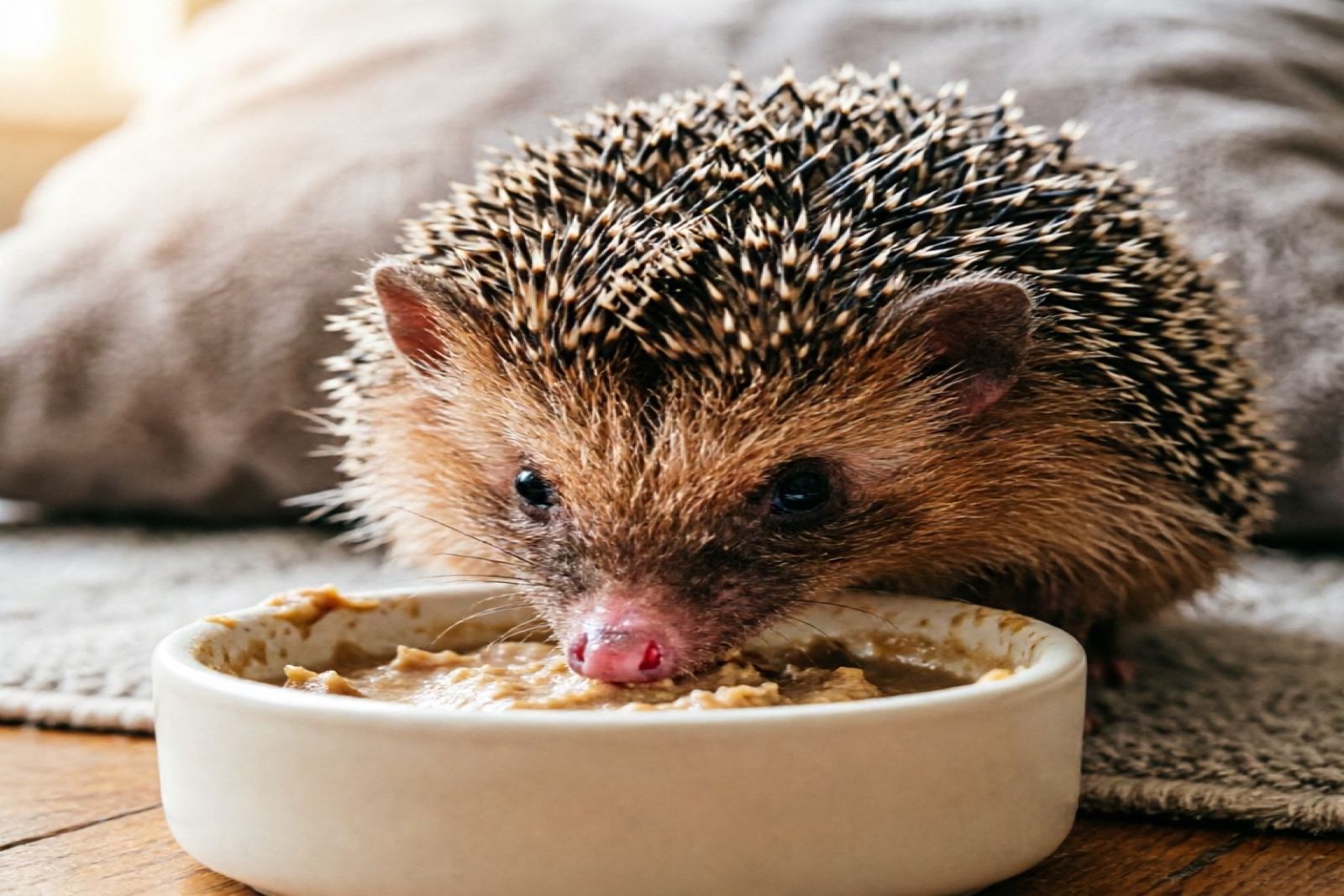
Commercial products offer convenience and balanced nutrition. Here are the five best options for hedgehog soft food, organized by category.
Product Comparison Table
| Product | Type | Price | Rating | Best For |
|---|---|---|---|---|
| Fluker’s Canned Mealworms | Canned | $17.99 | 4.7⭐ 🔥 | ⭐ Best overall soft food |
| Fluker’s Canned Crickets | Canned | $6.23 | 4.7⭐ 🔥 | Budget option |
| Sunseed Vita Prima Hedgehog Food | Dry (soak) | $12.64 | 4.8⭐ 🔥 | Complete nutrition |
| Sunseed Wigglers & Berries | Treat | $12.64 | 4.8⭐ 🔥 | High-protein treat |
| Kaytee Mealworms 7oz | Dry (soak) | $7.95 | 4.7⭐ (310) | Affordable protein |
Canned Soft Foods (Ready-to-Eat)
Canned insects are the best hedgehog soft food option because they require zero preparation—simply open and serve. They provide high-quality protein in a naturally soft texture that even toothless hedgehogs can manage.
Fluker’s Gourmet Canned Mealworms (3-pack) — $17.99, 4.7⭐ This is our top pick for hedgehog soft food. Canned mealworms are soft, protein-rich, and most hedgehogs find them highly palatable. Each can contains whole mealworms preserved in their natural juices, making them an excellent protein source for senior, sick, or recovering hedgehogs.
- ✅ Ready to eat—no soaking or preparation needed
- ✅ High protein—ideal for maintaining muscle mass in older hedgehogs
- ✅ Strong aroma—stimulates appetite in hedgehogs that have stopped eating
- ⚠️ Strong smell—serve in a separate dish and refrigerate after opening
Fluker’s Gourmet Canned Crickets (2-pack) — $6.23, 4.7⭐ An affordable alternative at just $6.23, canned crickets offer similar benefits as a hedgehog soft food to mealworms at a lower price point. They provide high-quality protein with slightly lower fat content.
- ✅ Most budget-friendly canned soft food option
- ✅ High protein, low fat—suitable for overweight hedgehogs
- ⚠️ Smaller cans (1.2 oz each)—may need to feed alongside other foods
Dry Foods That Can Be Softened
If your hedgehog still has some teeth but struggles with fully hard kibble, soaking dry food is a practical middle ground for hedgehog soft food.
Sunseed Vita Prima Hedgehog Food — $12.64, 4.8⭐ The highest-rated hedgehog kibble on Amazon, Sunseed Vita Prima is an excellent base food that softens well. It contains poultry, seafood, and mealworms with added vitamins and minerals for complete nutrition.
- ✅ Complete balanced nutrition—vitamins and minerals included
- ✅ Softens easily in warm water or goat milk within 10-15 minutes
- ✅ Small kibble size—already easier to chew than larger pellets
- ⚠️ Must be consumed within 2-3 hours of softening to prevent bacterial growth
For more options on the best hedgehog food for general feeding, see our detailed comparison guide.
Soft Treats & Supplements
These products work best as protein boosters or appetite stimulants rather than primary hedgehog soft food sources.
Sunseed Wigglers & Berries (1-pack) — $12.64, 4.8⭐ A soft-textured blend of dried mealworms and berries that most hedgehogs find irresistible. The mixed texture is softer than dry kibble and works well as a topper to encourage eating.
- ✅ Excellent palatability—use to stimulate appetite in picky eaters
- ✅ Soft mixed texture—easier to manage than hard kibble
- ⚠️ Contains added sugars—feed as a treat only, not a staple food
Kaytee Mealworms 7oz — $7.95, 4.7⭐ Dried mealworms that can be soaked in warm water for 5-10 minutes to create a soft, protein-rich food. The large 7-ounce pouch offers good value.
- ✅ Affordable—just $7.95 for a generous supply
- ✅ High protein—great for supplementing a soft food diet
- ⚠️ Must be soaked—hard when dry and can be a choking hazard
Hedgehog Soft Food for Senior Hedgehogs with Dental Issues
Senior hedgehogs face unique nutritional challenges. As teeth wear down or fall out, eating becomes difficult—but their nutritional needs actually increase with age. Older hedgehogs need more protein to maintain muscle mass and more easily digestible food to compensate for slower digestion. Choosing the right hedgehog soft food for seniors is critical.
Signs Your Hedgehog Needs Soft Food
Watch for these warning signs, especially in hedgehogs over 3 years old:
| Sign | Severity | Action |
|---|---|---|
| Chewing longer than usual | Mild | Try softening kibble |
| Dropping food from mouth | Moderate | Switch to canned soft food |
| Weight loss (1-2 weeks) | Moderate | Vet visit + soft food diet |
| Complete food refusal | Severe | Immediate vet visit required |
| Facial swelling or drooling | Severe | Emergency vet visit |
Dental disease in hedgehogs progresses quickly. A hedgehog that drops food one week may stop eating entirely the next. Early intervention with hedgehog soft food preserves nutrition while you arrange veterinary dental care.
Feeding Tips for Senior Hedgehogs on Soft Food
Getting an older hedgehog to accept soft food requires patience and strategy:
Temperature matters: Serve food at room temperature or slightly warm (not hot). Hedgehogs rely heavily on smell, and warming food releases more aroma. Test the temperature on your wrist—it should feel lukewarm, not hot.
Smaller, more frequent meals: Instead of one large serving, offer 3-4 smaller meals throughout the evening (hedgehogs are nocturnal). This approach reduces jaw fatigue and prevents food from sitting out too long.
Mix textures during transition: If your hedgehog is reluctant, mix softened kibble with a small amount of canned insects. The stronger smell of canned food often encourages eating.
Elevate the food dish: Senior hedgehogs with neck or joint stiffness may struggle to reach a low dish. A slightly elevated dish (1-2 inches) makes eating more comfortable.
Special Considerations for Baby Hedgehogs
Baby hedgehogs under 8 weeks old have small, developing teeth and sensitive digestive systems. If you’re hand-rearing or supplementing a young hedgehog:
- Soften kibble thoroughly until it reaches a mushy, paste-like consistency
- Add a small amount of goat milk (not cow’s milk—hedgehogs are lactose intolerant) for extra calories
- Offer insect protein in the form of tiny, soft mealworm pieces
- Avoid adult-formula wet cat food—the protein and mineral levels may be too concentrated for babies
Transition babies to gradually firmer food between 6-8 weeks of age, monitoring for any signs of digestive upset.
Safe Human Foods as Hedgehog Soft Food Alternatives
When commercial products aren’t available or your hedgehog needs variety, certain human foods make excellent hedgehog soft food alternatives. The key is choosing foods that match a hedgehog’s natural nutritional profile: high protein, low fat, minimal sugar.
Wet Cat Food (Vet-Recommended Alternative)
Many exotic animal veterinarians recommend high-quality wet cat food as a temporary hedgehog soft food alternative. The protein content and texture are well-suited, but you must choose carefully.
Selection criteria:
- Protein: 30% or higher (from real meat, not by-products)
- Fat: 10-15% maximum
- Grain-free: Avoid corn, wheat, and soy fillers
- No artificial preservatives: BHA, BHT, and ethoxyquin should be avoided
Good wet cat food brands include Wellness, Tiki Cat, and Instinct—but always read the label. Avoid anything with gravy (too much fat) or fish as the primary protein (can cause urinary issues long-term).
Important: Wet cat food is a temporary solution, not a long-term replacement for hedgehog-specific nutrition. Use it for 1-2 weeks while transitioning to or recovering from an issue, then reintroduce a more complete diet. For detailed guidance on building a balanced hedgehog diet, see our comprehensive nutrition guide.
Baby Food (Meat-Based Purees)
Meat-based baby food is one of the safest soft food options for hedgehogs because it’s designed for sensitive digestive systems and contains minimal additives.
Safe choices:
- Chicken puree (stage 1 or 2)
- Turkey puree (stage 1 or 2)
- Beef puree (stage 1, in moderation)
Critical: Read the ingredient list carefully. Avoid any baby food containing:
- ❌ Onion powder or onion flakes (toxic to hedgehogs)
- ❌ Garlic powder or garlic (toxic)
- ❌ Added sugar or corn syrup
- ❌ Excessive salt (sodium > 100mg per serving)
The ingredient list should contain just the meat and water—nothing else. Gerber and Beech-Nut both offer plain meat purees that work well.
Cooked Proteins
Simple, home-cooked proteins are the most natural soft food you can offer:
Water-boiled chicken breast: The gold standard for hedgehog soft food. Boil plain chicken breast (no seasoning, no oil) until fully cooked, then shred or mash to a soft consistency. This provides lean, high-quality protein with zero additives.
Hard-boiled eggs: Mash or crumble a hard-boiled egg (no salt, no butter). Eggs are rich in protein, vitamins, and healthy fats. Feed 1-2 teaspoons as a meal supplement.
Cooked pumpkin puree: Plain canned pumpkin (not pie filling) provides fiber and beta-carotene. Mix a small amount (½ teaspoon) with chicken or egg for added nutrition and digestive support.
Homemade Hedgehog Soft Food Recipes
Making your own hedgehog soft food gives you full control over ingredients and lets you tailor nutrition to your hedgehog’s specific needs. These three hedgehog soft food recipes are veterinarian-approved and use simple, accessible ingredients.
Recipe 1: Chicken & Pumpkin Mash
This recipe provides balanced protein and fiber, ideal for senior hedgehogs or those recovering from illness.
Ingredients:
- 2 tablespoons boiled chicken breast, shredded
- 1 tablespoon plain canned pumpkin puree
- 1 teaspoon warm water (or goat milk for extra calories)
Instructions:
- Boil chicken breast thoroughly (no seasoning)
- Shred or finely chop the chicken
- Mix with pumpkin puree and warm water
- Mash together until soft and easily spoonable
- Serve at room temperature
Storage: Refrigerate for up to 48 hours. Do not freeze and refreeze.
Recipe 2: Egg & Oatmeal Porridge
A gentle, easily digestible recipe perfect for hedgehogs with upset stomachs or those recovering from dental surgery.
Ingredients:
- 1 hard-boiled egg
- 1 tablespoon rolled oats (plain, not instant)
- 2 tablespoons warm water
Instructions:
- Cook the oatmeal in warm water until soft and mushy
- Mash the hard-boiled egg into small pieces
- Mix egg into the warm oatmeal
- Add extra warm water if needed for a softer consistency
- Cool to room temperature before serving
Feeding tip: This recipe is particularly effective for hedgehogs that have been refusing food—the warm, soft texture and mild aroma are often well-accepted.
Recipe 3: Insect Protein Blend
This recipe mimics a hedgehog’s natural diet while providing soft texture. It works best using Kaytee Mealworms soaked in warm water.
Ingredients:
- 1 tablespoon dried mealworms, soaked in warm water for 10 minutes
- 1 teaspoon wet cat food (high protein, low fat)
- A pinch of calcium powder (if vet-recommended)
Instructions:
- Soak dried mealworms in warm water until soft and plump (about 10 minutes)
- Mix with a small amount of high-protein wet cat food
- Add calcium powder only if your veterinarian has recommended supplementation
- Mash together into a soft, chunky consistency
- Serve immediately—do not store
Caution: Only add vitamin or mineral supplements under veterinary guidance. Excess calcium or vitamin A can be harmful to hedgehogs.
Foods to Avoid (Toxic for Hedgehogs)
Knowing what not to feed is just as important as knowing what to offer. Hedgehogs have specific sensitivities, and some common human foods are dangerous or even fatal to them.
Highly Toxic Foods
These foods should never be given to hedgehogs under any circumstances:
- Chocolate: Contains theobromine, which is toxic to hedgehogs and can cause heart failure
- Onions and garlic: Destroy red blood cells, leading to anemia and potentially death
- Grapes and raisins: Can cause acute kidney failure, even in small amounts
- Avocado: Contains persin, which can cause respiratory distress and heart damage
- Macadamia nuts: Cause weakness, tremors, and neurological symptoms
- Xylitol (artificial sweetener): Found in sugar-free products, causes hypoglycemia and liver failure
Foods to Limit or Avoid
These foods aren’t acutely toxic but can cause health problems with regular consumption:
| Food | Risk | Guideline |
|---|---|---|
| Dairy products | Lactose intolerance → diarrhea | Never feed cow’s milk |
| High-sugar fruits | Obesity, dental decay | Limit to occasional tiny pieces |
| Processed meats | High salt, preservatives | Never feed hot dogs, bacon, or deli meat |
| Raw meat/eggs | Salmonella, bacterial risk | Always cook thoroughly |
| Nuts and seeds | Choking hazard, high fat | Avoid whole nuts; ground seeds only in moderation |
| Citrus fruits | Too acidic, mouth irritation | Avoid entirely |
For a comprehensive list of safe and unsafe foods, see our complete hedgehog diet guide.
How to Transition Your Hedgehog to Soft Food
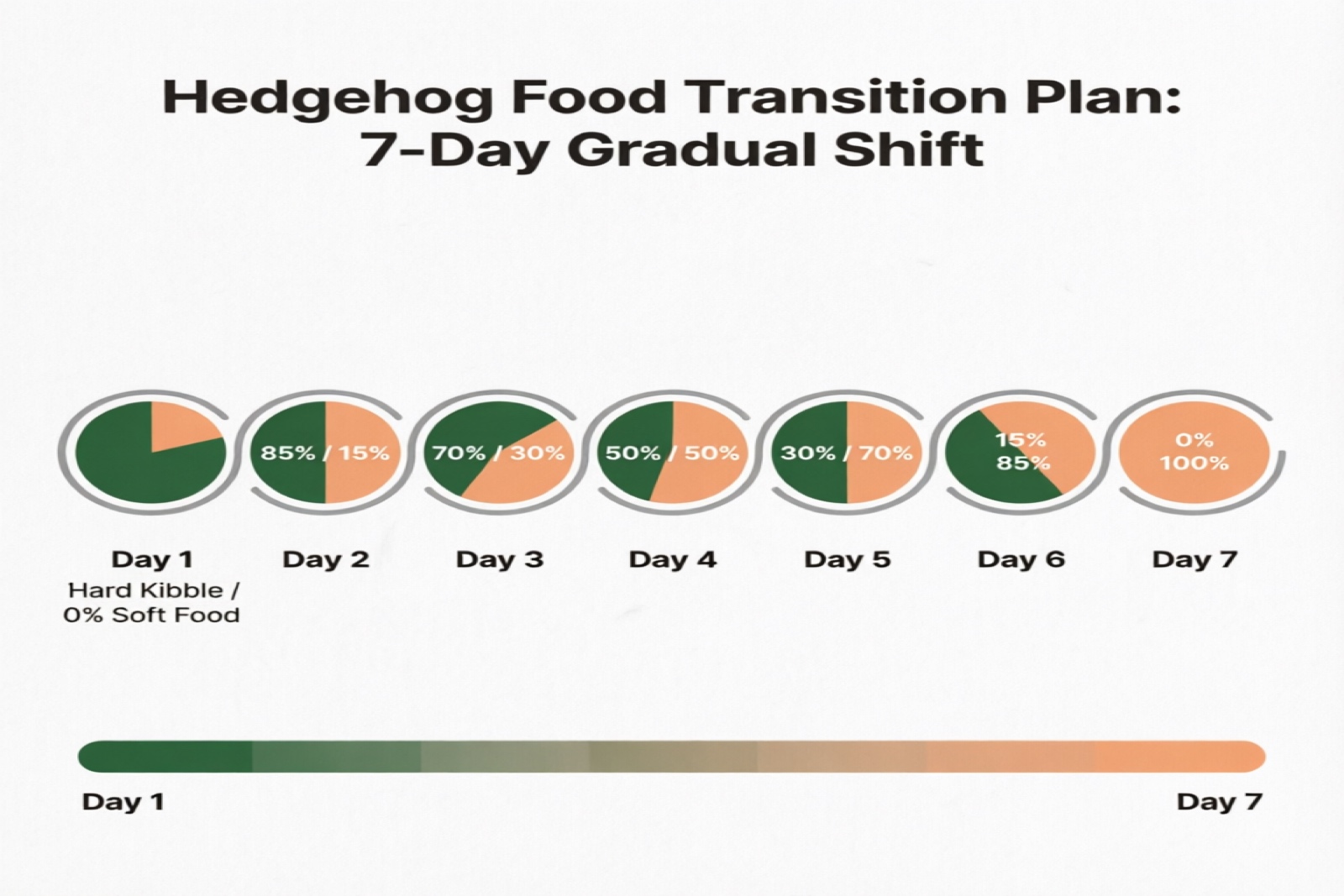
Switching your hedgehog to hedgehog soft food should be done gradually to avoid digestive upset and food refusal. Hedgehogs are creatures of habit, and sudden dietary changes can cause stress-related illness.
The 7-Day Transition Plan
| Day | Old Food | New Soft Food | Notes |
|---|---|---|---|
| 1-2 | 75% | 25% | Introduce soft food as a small topper |
| 3-4 | 50% | 50% | Equal mix; monitor stool quality |
| 5-6 | 25% | 75% | Mostly soft food; ensure good appetite |
| 7 | 0% | 100% | Full transition if eating well |
During transition, watch for:
- Stool changes: Soft or runny stool means you’re transitioning too fast—slow down by 1-2 days
- Appetite: If your hedgehog eats less overall, try mixing in a few canned mealworms to stimulate interest
- Weight: Weigh your hedgehog every 2-3 days during transition to ensure adequate intake
Common Problems During Transition
Problem: Hedgehog picks out treats and leaves the nutritious food
Solution: Chop or mash everything together so your hedgehog can’t selectively eat only the tasty parts. Alternatively, serve the nutritious soft food first, then offer treats 15-20 minutes later.
Problem: Hedgehog refuses all soft food
Solution: Try warming the food slightly to enhance aroma. If refusal continues beyond 24 hours, consult your veterinarian—this may indicate an underlying issue beyond dental problems.
Problem: Diarrhea during transition
Solution: Slow the transition. Mix 75% old food with 25% soft food for an additional 2-3 days. Add a small amount of plain pumpkin puree to help firm stool. If diarrhea persists more than 48 hours, seek veterinary care.
When to See a Vet
⚠️ Medical Disclaimer: This article is for informational purposes only and is not a substitute for professional veterinary advice. If your hedgehog is showing signs of illness, dental problems, or weight loss, consult a licensed exotic animal veterinarian immediately.
Hedgehog soft food helps manage symptoms, but it doesn’t address underlying causes. Dental disease, oral tumors, gastrointestinal infections, and systemic illnesses all require proper veterinary diagnosis and treatment.
Warning Signs That Require Vet Care
Seek veterinary attention immediately if your hedgehog shows any of the following:
- Weight loss of 10% or more within one week (for a 400g hedgehog, that’s 40g)
- Complete food refusal lasting more than 24 hours
- Blood in saliva or visible oral bleeding
- Facial swelling, especially around the jaw or mouth
- Lethargy or excessive sleeping (beyond normal daytime sleeping)
- Difficulty breathing or clicking sounds while breathing
- Abnormal stool (persistent diarrhea, bloody stool, or no stool for 48+ hours)
What to Expect at the Vet
Your exotic animal veterinarian will likely perform:
- Oral examination under light sedation to assess dental health
- Full physical exam including weight, hydration status, and body condition scoring
- Possible dental cleaning or extraction of loose or damaged teeth
- Blood work if systemic illness is suspected
- Nutritional counseling tailored to your hedgehog’s specific condition
After treatment, your vet may recommend a specific hedgehog soft food protocol. Follow their guidance closely, as post-dental-care nutrition is critical for recovery.
Key takeaway: The right hedgehog soft food can dramatically improve quality of life for senior, sick, or dental-compromised hedgehogs. Start with canned insects or softened kibble as your hedgehog soft food base, supplement with safe human foods, and always transition gradually. Most importantly—never ignore the underlying cause. Hedgehog soft food manages the symptom; your veterinarian treats the disease.