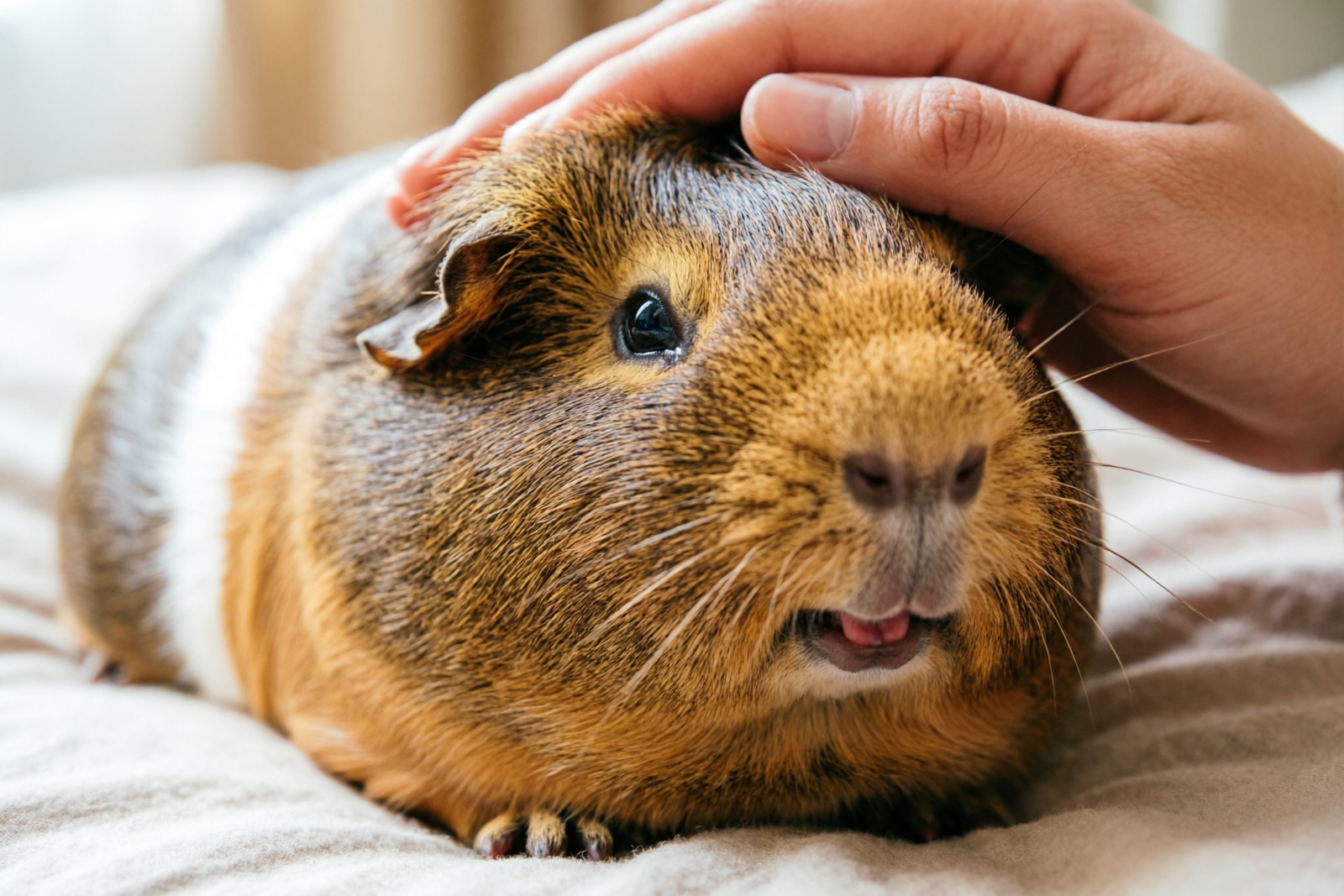
Guinea pigs are surprisingly vocal animals with a rich repertoire of sounds they use to communicate with each other and with you. From the excited “wheek” that greets the rustle of a vegetable bag to the contented “purr” during cuddle time, understanding these vocalizations deepens your bond with your guinea pig and helps you better meet their needs. This guide decodes every sound in the guinea pig vocabulary.
Why Guinea Pigs Vocalize
Social Animals
Guinea pigs are highly social herd animals:
- In the wild, they live in groups of 5-10 individuals
- Communication is essential for group cohesion
- Vocalizations coordinate movement, warn of danger, and maintain social bonds
- Pet guinea pigs retain these instincts and communicate with their human families
What Sounds Mean
Guinea pig sounds generally indicate:
- Excitement (wheeking, popcorn)
- Contentment (purring, chutting)
- Agitation (teeth chattering, hissing)
- Pain or fear (squealing, shrieking)
- Dominance (rumble-strutting, teeth chattering)
Key Insight: Guinea pigs are expressive! Learning their language helps you understand their emotional state and needs.
The Guinea Pig Sound Dictionary
1. Wheeking (Whistling) ⭐⭐⭐⭐⭐
What It Sounds Like: High-pitched whistle or squeal, “wheek-wheek-wheek”
What It Means: Excitement, anticipation, begging for food
When You’ll Hear It:
- Opening refrigerator: Sound of crisper drawer, vegetable bag rustling
- Feeding time: When you approach with food
- Morning/evening: Anticipation of scheduled feeding
- Seeing favorite food: Especially bell peppers, cucumber, carrots
Context:
- Loudest and most common vocalization
- Directed at humans (begging behavior)
- Can be quite loud (up to 90 decibels!)
How to Respond:
- Positive response: Give them food! They’re hungry and excited
- Training opportunity: Wheeking on cue shows your pigs are comfortable and food-motivated
Example Scenario: You open the refrigerator door, hear crisper drawer slide, and your guinea pig wheeks loudly from across the room.
Fun Fact: Guinea pigs often wheek at specific sounds associated with food (bags rustling, refrigerator opening) but ignore similar sounds not related to food [Journal of Comparative Psychology].
2. Purring (Bubbling) ⭐⭐⭐⭐⭐
What It Sounds Like: Low, rhythmic rumble or bubbling sound, like a cat purr but deeper
What It Means: Contentment, happiness, relaxation
When You’ll Hear It:
- Being petted: Gentle stroking, especially behind ears or under chin
- Cuddle time: Lap time, snuggling
- Exploring: Investigating new, safe environment
- With bonded cage-mate: Mutual grooming, resting together
Types of Purring:
Deep Purr (Contentment):
- Low, continuous rumble
- Relaxed body posture
- Often during lap time or petting
- Very positive sign
Short Purr (Uncertainty/Surprise):
- Brief “bup-bup” sound
- May indicate slight surprise or uncertainty
- Not necessarily negative
Context:
- Sign of happiness and comfort
- Usually accompanied by relaxed body language
- Sometimes called “bubbling” or “motorboating”
How to Respond:
- Continue what you’re doing! Your pig is happy
- This is a sign of trust and contentment
- Enjoy the bonding moment
Example Scenario: Your guinea pig is on your lap getting chin scratches and makes a continuous, low rumbling sound while leaning into your hand.
Pro Tip: Purring during handling is the highest compliment your guinea pig can give you. It means they trust you and feel safe.
3. Chutting (Clucking) ⭐⭐⭐⭐
What It Sounds Like: Series of low “chut-chut-chut” sounds, similar to chicken clucking
What It Means: Relaxed exploration, contentment, casual communication
When You’ll Hear It:
- Exploring: Walking around cage or play area, sniffing
- Foraging: Searching for food, investigating — provide apple chew sticks to encourage natural foraging
- Relaxed state: Comfortable in environment
- Cage-mate interaction: Quiet conversation between bonded pigs
Context:
- Indicates comfort and relaxation
- Often heard during floor time or exploration
- Background “chatter” when guinea pigs are content
- Less intense than wheeking, more continuous
How to Respond:
- Let them explore! They’re comfortable and curious
- Positive sign of environmental comfort
- May approach and investigate if they chut at you
Example Scenario: Your guinea pig is walking around the living room during floor time, making soft “chut-chut-chut” sounds while sniffing the carpet.
4. Teeth Chattering ⭐⭐⭐
What It Sounds Like: Rapid clicking or grinding of teeth, “click-click-click”
What It Means: Agitation, annoyance, anger, warning
When You’ll Hear It:
- Territorial dispute: New guinea pig introduction
- Resource guarding: Protecting food, hide, or mate — provide multiple hideouts to reduce conflicts
- Annoyance: Being handled when they don’t want to be
- Pain: Sometimes indicates discomfort (check other signs)
- Warning: “Back off” signal to another pig
Body Language Often Accompanies:
- Raised hackles (hair standing up on neck/shoulders)
- Stiff body posture
- Yawning (not tired—this is a threat display)
- Head raised, alert posture
Context:
- Intact males: More common due to hormonal aggression
- New introductions: Common during bonding process
- Resource competition: Multiple pigs, limited resources
- Stress: Uncomfortable situation
How to Respond:
- If directed at you: Stop what you’re doing, give space
- If directed at other pig: Separate immediately (fight risk)
- If during handling: Return to cage, try again later
- If persistent: May indicate pain—see vet
Warning: Teeth chattering is a precursor to fighting. Separate guinea pigs immediately if you hear this during introductions.
Example Scenario: You’re introducing a new guinea pig to your existing pig. The resident pig chatters teeth, raises hackles, and yawns while staring at the newcomer.
5. Rumble-Strutting (Purr-Strutting) ⭐⭐⭐
What It Sounds Like: Low rumble combined with pacing and swaying
What It Looks Like: Guinea pig sways hips back and forth while walking, makes low rumbling sound
What It Means: Dominance display, courtship behavior (in intact males), territorial claim
When You’ll See It:
- Male guinea pigs: Dominance display
- Introduction of new pig: Establishing hierarchy
- Courtship: Unneutered male with female
- Resource claiming: “This is mine” behavior
Context:
- More common in intact males
- Can occur in neutered males too (learned behavior)
- Part of social hierarchy establishment
- Usually directed at other guinea pigs, not humans
How to Respond:
- Normal behavior in most contexts
- Separate if introduction is not going well
- Neuter intact males to reduce this behavior
- Don’t punish—this is natural communication
Example Scenario: Your male guinea pig slowly sways his hips while walking around the cage, making a low rumbling sound, during floor time.
6. Squealing / Shrieking ⭐⭐
What It Sounds Like: High-pitched, sharp squeal or scream
What It Means: Pain, extreme fear, distress
When You’ll Hear It:
- Injury: Accidental hurt (caught in door, dropped, attacked by cage-mate)
- Extreme fear: Terrified by something (loud noise, predator smell, rough handling)
- Medical emergency: Severe pain (gas, bloat, injury)
- Attack: Being bitten by another guinea pig
Context:
- Rare in healthy, comfortable pigs
- Serious signal requiring immediate attention
- Different from wheeking: More urgent, distressed tone
- Often accompanied by: Trying to escape, hiding, trembling
How to Respond:
- Check immediately! What caused this sound?
- Gentle examination: Look for injuries
- Check cage-mates: Fighting? Bullying?
- See vet if cause unclear or pig is in distress
- Remove stressor if identified
Red Flag: Squealing indicates something is wrong. Never ignore this sound—investigate immediately.
Example Scenario: You accidentally close the cage door on your guinea pig’s foot, and they let out a sharp, high-pitched squeal.
7. Hissing ⭐
What It Sounds Like: Sharp exhale, “tssst” sound
What It Means: Extreme agitation, warning, fear
When You’ll Hear It:
- Threat response: Feeling cornered or threatened
- Introduction gone wrong: Severe aggression
- Pain: Sometimes hisses when hurt
- Fear: Terrified response
Context:
- Rare sound (less common than teeth chattering)
- Serious warning
- Often accompanies defensive posturing
- May precede bite
How to Respond:
- Back off immediately
- Give guinea pig space
- Remove stressor
- Don’t continue whatever caused the hiss
- Reassess situation: Is pig in pain? Scared? Being bullied?
Example Scenario: You’re trying to introduce two guinea pigs, and one hisses while backing into a corner, clearly terrified.
8. Whining / Moaning ⭐⭐⭐
What It Sounds Like: Low, whining or moaning sound
What It Means: Mild complaint, annoyance, or sometimes pain
When You’ll Hear It:
- Being handled when they don’t want to be: “Put me down”
- Discomfort: Minor annoyance (being groomed, nail trimming)
- Pain: Sometimes indicates discomfort
- Wanting attention: Some pigs learn to whine for attention
Context:
- Less intense than squealing
- Can be complaint or discomfort
- Context-dependent interpretation
- Some pigs are more vocal than others
How to Respond:
- Check context: Are you doing something they dislike?
- If handling: May want to be put down
- If unknown cause: Check for signs of pain
- Some pigs are dramatic: Learn your individual pig’s personality
Example Scenario: You’re trimming your guinea pig’s nails, and they make a low whining sound each time you touch a paw.
9. Popcorning ⭐⭐⭐⭐⭐ (Not a Sound, But Important!)
What It Looks Like: Sudden jumping into the air, twisting body, landing—like popping corn
What It Means: Extreme happiness, joy, excitement
When You’ll See It:
- Floor time: Happy exploration
- After eating: Satisfaction
- New environment: Excitement (if positive)
- Playing: Joyful energy release
- Anytime: Random happy outbursts!
Context:
- Best indicator of happiness
- Often accompanied by wheeking or chutting
- More common in young pigs, but adults do it too
- Usually during high-energy times
How to Respond:
- Celebrate! Your pig is happy!
- This is the ultimate sign of contentment
- Enjoy the show!
Pro Tip: Popcorning is like a dog wagging its tail—it means your guinea pig is truly happy!
Example Scenario: Your guinea pig is exploring the living room during floor time and suddenly jumps straight into the air, twisting their body, then lands and continues running.
Context Matters: Reading the Full Picture
Combining Sounds with Body Language
Guinea pig communication involves both vocalizations and body language:
Happy Guinea Pig:
- ✅ Purring or chutting
- ✅ Relaxed body posture
- ✅ Popcorning
- ✅ Exploring confidently
- ✅ Eating and drinking normally
- ✅ Approaching you for interaction
Stressed/Fearful Guinea Pig:
- ❌ Teeth chattering or hissing
- ❌ Raised hackles (piloerection)
- ❌ Stiff, frozen posture
- ❌ Hiding or trying to escape
- ❌ Not eating
- ❌ Squealing or shrieking
Annoyed Guinea Pig:
- ⚠️ Teeth chattering
- ⚠️ Fidgeting during handling
- ⚠️ Whining
- ⚠️ Trying to escape lap/hands
- ⚠️ Head-butting or nudging
Dominant Guinea Pig:
- 🔄 Rumble-strutting
- 🔄 Teeth chattering (at other pigs)
- 🔄 Mounting behavior
- 🔄 Chasing
- 🔄 Resource guarding
Individual Personality
Important: Guinea pigs have individual personalities and vocalization habits:
- Some are very vocal: Wheek at everything, purr constantly
- Some are quiet: Rarely make sounds, subtle communicators
- Some are dramatic: Whine at minor annoyances
- Some are stoic: Rarely complain even when uncomfortable
Get to Know Your Individual Pig: Learn their normal vocalization patterns so you can recognize changes.
Sound Changes and Health Monitoring
When to Be Concerned
Sudden Increase in Vocalization:
- Wheeking more than usual: May indicate increased hunger, pain, or stress
- Whining constantly: Could indicate discomfort or pain
- Squealing repeatedly: Something is wrong—investigate
Sudden Decrease in Vocalization:
- Quiet pig becomes silent: May indicate illness, depression, pain
- Loss of wheeking: Could indicate dental issues, illness
- Overall quietness: Sign of feeling unwell
New or Unusual Sounds:
- Any sound you’ve never heard before
- Frequent squealing or shrieking
- Constant teeth chattering (not related to introduction)
Red Flag: Any significant change in vocalization patterns warrants attention and possibly a vet visit.
Sounds and Pain
Guinea pigs may vocalize when in pain:
- Squealing: Sharp pain
- Whining: Dull, continuous pain
- Teeth chattering: Sometimes pain response
- Silence: Some pigs go quiet when in pain
Common Pain Causes:
- Dental problems (overgrown teeth, abscess)
- Gas or bloat
- Urinary tract infection
- Injury
- Ovarian cysts (females)
When to See Vet:
- 🚨 Sudden behavioral changes
- 🚨 Loss of appetite + unusual sounds
- 🚨 Frequent squealing or distress sounds
- 🚨 Hunched posture + vocalizations
- 🚨 Any signs of pain
Sound Contexts by Situation
Feeding Time
Expected Sounds:
- Wheeking: Excitement, begging
- Chutting: Contentment while eating
- Purring: If eating favorite food
Normal: Happy, excited sounds
Handling/Lap Time
Expected Sounds:
- Purring: Contentment (ideal!)
- Chutting: Relaxed exploration
- Silence: Some pigs are quiet while relaxing
Concerning Sounds:
- Whining: “Put me down”
- Teeth chattering: Annoyed, want to be left alone
- Squealing: Pain or fear
Introducing New Guinea Pigs
Expected Sounds (Normal):
- Chutting: Cautious exploration
- Brief teeth chattering: Establishing hierarchy (watch closely)
- Wheeking: If food is present
Concerning Sounds:
- Continuous teeth chattering: Escalating aggression
- Hissing: Fear or extreme agitation
- Squealing: Attack or fight—separate immediately!
Nighttime/Alone Time
Expected Sounds:
- Occasional wheeking: If they hear something
- Chutting: Normal activity sounds
- Silence: Sleeping
Concerning Sounds:
- Continuous vocalization: Could indicate stress or problem
- Squealing: Something wrong
Training and Communication
Can You Train Guinea Pigs to Vocalize?
Partially:
- Wheeking on cue: Some pigs learn to wheek when you make certain sounds (shaking treat bag)
- Not truly trainable: Most vocalizations are instinctual
- Association learning: Pigs learn that certain sounds (bag rustling) = food
Using Sounds for Training
Positive Reinforcement:
- Wheeking for food: Use to your advantage (shake bag to call them)
- Purring during handling: Continue what you’re doing!
- Chutting: Sign of comfort—positive training environment
Recognizing Stress:
- Teeth chattering: Stop training session
- Whining: Pig is uncomfortable—adjust approach
- Squealing: Something is wrong—stop and reassess
Summary: Quick Reference Guide
| Sound | Meaning | Emotion | Action |
|---|---|---|---|
| Wheeking | Begging, excitement | Happy, eager | Give food! |
| Purring | Contentment | Happy, relaxed | Continue what you’re doing |
| Chutting | Relaxed exploration | Content, curious | Let them explore |
| Teeth chattering | Agitation, anger | Annoyed, threatened | Give space, separate pigs |
| Rumble-strutting | Dominance | Confident, dominant | Monitor, may need to separate |
| Squealing | Pain, extreme fear | Distressed | Check immediately, may need vet |
| Hissing | Extreme agitation | Terrified, cornered | Back off, remove stressor |
| Whining | Complaint, discomfort | Annoyed, uncomfortable | Check context, adjust handling |
| Popcorning | Joy, excitement | Ecstatic | Celebrate! |
Frequently Asked Questions (FAQ)
1. Why is my guinea pig so loud at night?
Guinea pigs are crepuscular (active at dawn/dusk) and may also be active at night. Vocalizing during active periods is normal. Provide enrichment and ignore if it’s happy sounds (wheeking, chutting).
2. Why does my guinea pig wheek at the refrigerator?
Association! They’ve learned that refrigerator = vegetables. This is normal and shows your pig is food-motivated and comfortable in their home.
3. Is it normal for guinea pigs to purr while being petted?
Yes! This is the highest compliment. Purring during handling means your guinea pig trusts you and feels safe and happy.
4. Why does my guinea pig chatter his teeth at me?
You’re doing something they don’t like. Teeth chattering at humans usually means “stop that” or “put me down.” Give them space.
5. Do guinea pigs recognize their names?
Not exactly, but they recognize your voice and tone. They learn to associate your voice with you (and often food). Call their name in a friendly tone, and they may respond.
6. Why is my usually quiet guinea pig suddenly making lots of noise?
Could indicate: Hunger (increase food), excitement (positive), stress (negative), or pain (check other symptoms). Context matters—look at body language and situation.
7. Do guinea pigs communicate with each other?
Yes! They use all these sounds to communicate with cage-mates. Chutting, purring, and teeth chattering are especially common in pig-to-pig communication.
8. Why does my guinea pig squeal when I pick him up?
Fear or discomfort. You may be holding him incorrectly, or he’s not used to handling. Go slowly, support the whole body, and build trust with gentle, short sessions.
9. Can guinea pigs cry?
Not in the human sense, but they can make distress sounds (squealing, whining) when unhappy or in pain. They don’t produce tears from emotion.
10. Why does my guinea pig make noises I can’t identify?
Guinea pigs have individual variations! Some pigs make unique sounds. Record the sound, note the context, and you’ll learn what it means for your specific pig.