Choosing the right food for your guinea pig isn’t just about finding something they’ll eat — it’s the single most important decision you’ll make for their long-term health. Guinea pigs, like humans, cannot synthesize their own vitamin C. Without adequate intake, they develop scurvy within two to three weeks. That means every pellet they eat either supports their immune system or leaves them vulnerable to deficiency.
After analyzing thousands of reviews and comparing the top brands head-to-head, I’ve found that the difference between a good pellet and a bad one comes down to three things: the base ingredient (Timothy hay versus alfalfa), whether the vitamin C is stabilized, and how consistent the quality is between bags. For a deeper dive into guinea pig nutrition science and feeding schedules, see our complete guinea pig food guide.
I tested five brands across three categories — overall quality, age-specific needs, and specialty diets. Here’s what I found.

Quick Comparison: 5 Best Guinea Pig Foods
| # | Product | Type | Price | Price/lb | Rating | Best For |
|---|---|---|---|---|---|---|
| 1 | Oxbow Essentials Adult | Timothy Pellets | $21.68 | $2.17 | 4.9⭐ (10,405) | 🏆 Best Overall |
| 2 | Oxbow Young Guinea Pig | Timothy Pellets | $15.95 | $1.60 | 4.8⭐ (3,018) | 🐣 Best for Babies |
| 3 | Oxbow Garden Select | Garden Pellets | $17.99 | $2.25 | 4.8⭐ (981) | 🥗 Best Premium |
| 4 | Kaytee Timothy Complete | Timothy Pellets | $12.14 | $1.28 | 4.8⭐ (4,919) | 💰 Best Budget |
| 5 | Small Pet Select | Timothy Pellets | $14.99 | $1.50 | 4.6⭐ (903) | 🌿 Best for Allergies |
A quick note on why pellets matter: unlimited Timothy hay should make up roughly 80% of your guinea pig’s diet. Pellets fill the remaining 20% with essential vitamins and minerals that hay alone can’t provide. I always recommend uniform pellets over mixed food — when guinea pigs have a choice between seeds, colored pieces, and pellets, they’ll pick out the treats and leave the nutrition behind. Every pellet in the brands above delivers the same complete nutrition in every bite.
I narrowed this list down from eight products, excluding Kaytee Forti-Diet Pro (too similar to Timothy Complete), Kaytee Fiesta (seed mix with artificial colors that encourages selective eating), and Wild Harvest (the lowest quality ingredients in the group, with consistent complaints about excessive powder and filler content).
Best Guinea Pig Food Pellets: Our Top Picks
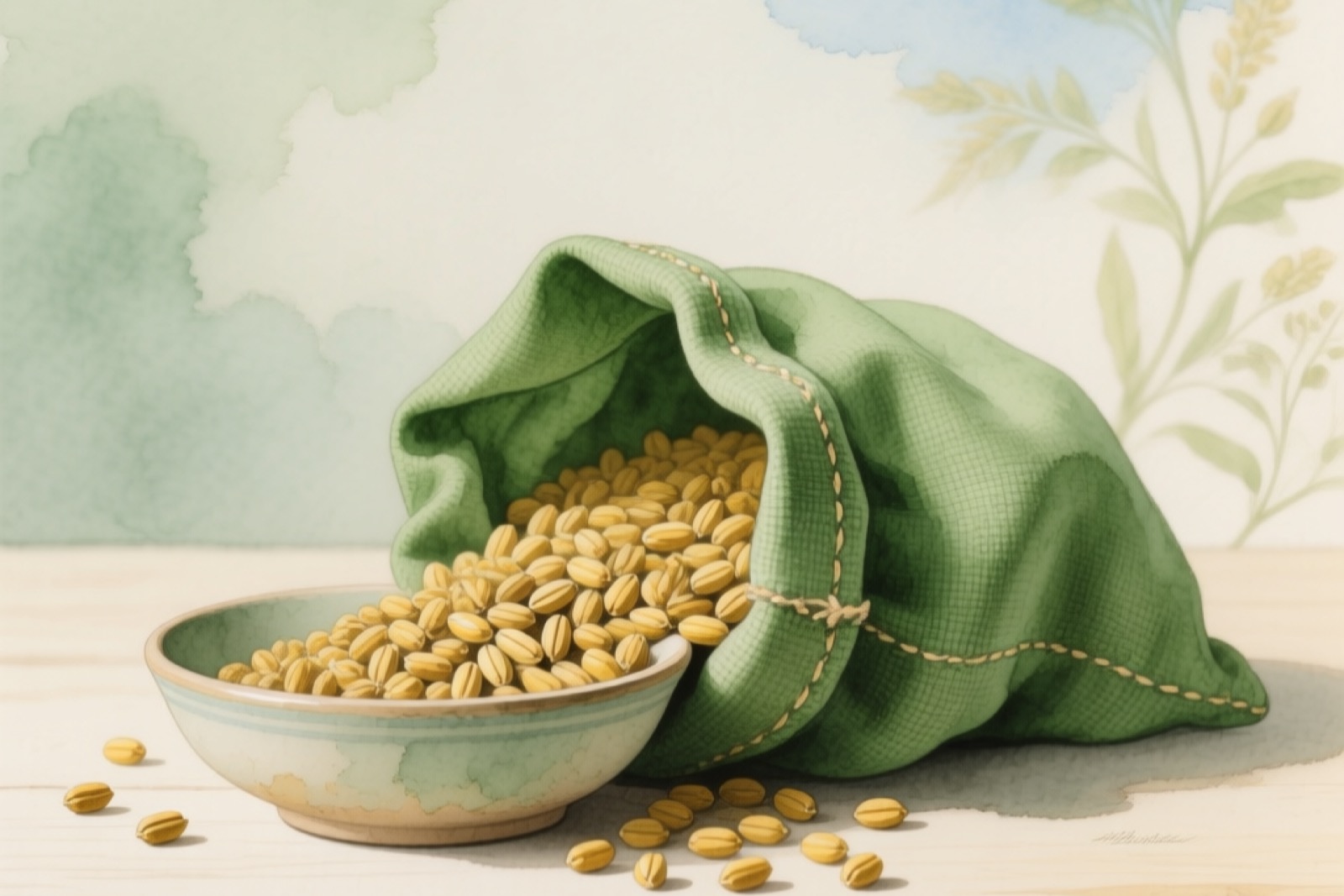
Best Overall: Oxbow Essentials Adult Guinea Pig
Oxbow Essentials is the brand most veterinarians recommend by name, and with 10,405 reviews at a 4.9-star rating, it’s the highest-rated guinea pig food on Amazon for good reason. It’s made with Timothy hay as the base ingredient, fortified with stabilized vitamin C, and produced in the USA.
What sets Oxbow apart is consistency. Every pellet is identical in shape, size, and nutritional content, which means there’s nothing for your guinea pig to pick through. One owner described it perfectly: “It doesn’t include all those tiny seeds and pieces that can be harmful to guinea pigs.” The uniform design also means you know exactly how much vitamin C and calcium your pig is getting with each serving.
The smell is worth mentioning — every time you open a bag, there’s a fresh, herby fragrance that tells you the food is quality. One reviewer put it as “smells good enough to taste,” and in my experience, that’s a reliable sign of fresh Timothy hay. Guinea pigs coming from mixed food brands often take a few days to adjust to plain pellets, but most convert within a week once they realize there’s nothing else coming.
There are two things to watch for. First, the price has climbed to $21.68 for a 10-pound bag ($2.17 per pound), which stings if you’re feeding multiple guinea pigs. Second, a small but noticeable number of owners report quality inconsistency between bags — some arrive looking “scraggly and brown” while others are perfect green. I’ve experienced this myself and now buy from the local feed store where I can inspect the bag before purchasing. For more on why vitamin C matters specifically, see our guide to guinea pig vitamin C requirements.
Best Budget: Kaytee Timothy Complete
If Oxbow’s price tag gives you pause, Kaytee Timothy Complete delivers solid nutrition at $12.14 for a 9.5-pound bag — that’s $1.28 per pound, which is 41% cheaper than Oxbow Essentials. For a household with two or three guinea pigs, the savings add up to over $100 per year.
The formula is straightforward: Timothy hay-based uniform pellets with long-lasting stabilized vitamin C, designed to support dental health and digestion. With 4,919 reviews and a 4.8-star rating, it’s clearly working for a lot of guinea pig owners. One reviewer whose pigs have been eating it for years described them as “healthy and active,” which is ultimately what matters most.
The main trade-off at this price point is quality control. Kaytee’s packaging is notoriously brittle — multiple owners report bags arriving ripped open or crushed into powder inside the shipping box. I’ve had this happen twice myself. The pellets themselves are fine when they arrive intact, but the dust issue means you end up throwing away a portion of each bag. Some guinea pigs also seem to find the smell less appealing than Oxbow, though most adjust without issues. If you’re going with Kaytee, I’d recommend checking the bag carefully when it arrives and contacting Amazon immediately if it’s damaged.
Age-Specific Guinea Pig Food Recommendations

Best Food for Baby Guinea Pigs (Under 6 Months)
Growing guinea pigs have fundamentally different nutritional needs than adults. They need higher calcium for bone development and higher protein for muscle growth — requirements that adult formulas simply don’t meet. That’s where Oxbow Essentials Young Guinea Pig Food comes in.
At $15.95 for 10 pounds ($1.60 per pound), it’s actually cheaper per pound than the adult Oxbow formula, which is a nice bonus when you’re already spending money on a new pet setup. The pellets are still Timothy hay-based (not alfalfa, which is important — alfalfa-based foods are too high in calcium for any long-term feeding), but with adjusted protein and mineral levels for rapid growth.
I’ve seen baby guinea pigs on this food grow noticeably faster and develop healthier coats compared to those on adult formula. One owner whose babies were “growing so fast” credited this food with providing “all the nutrition they need.” The transition to adult Oxbow Essentials at six months is straightforward since the pellet shape and taste are similar.
The critical thing is not to keep feeding this past six months of age. The extra calcium that babies need becomes a liability for adults — it’s the leading cause of bladder stones in guinea pigs. Mark your calendar for the switch date when you bring your baby home. For more on how nutrition affects long-term health, check out our guide to common guinea pig health problems.
Senior Guinea Pigs (5+ Years)
There isn’t a dedicated senior formula in our lineup, but in my experience, Oxbow Essentials Adult remains the best choice for older guinea pigs. What changes with seniors isn’t the pellet itself but how you feed it. Senior guinea pigs often develop dental issues that make chewing harder pellets difficult — I’ve softened pellets with a small amount of water for older pigs who struggle. Vitamin C absorption also decreases with age, so I’d recommend supplementing with extra fresh bell peppers or kale alongside their regular pellets. Monitor weight weekly, as appetite loss in senior guinea pigs is often the first sign of an underlying issue.
Adult Guinea Pigs (6 Months to 5 Years)
For the bulk of your guinea pig’s life, you have three solid options: Oxbow Essentials Adult for the gold standard, Kaytee Timothy Complete for budget feeding, and Oxbow Garden Select for picky eaters. Feed approximately one-eighth cup of pellets per guinea pig per day, alongside unlimited Timothy hay and one cup of fresh vegetables. Overfeeding pellets is a common mistake — they should be a supplement, not the main course.
Best Guinea Pig Food for Vitamin C
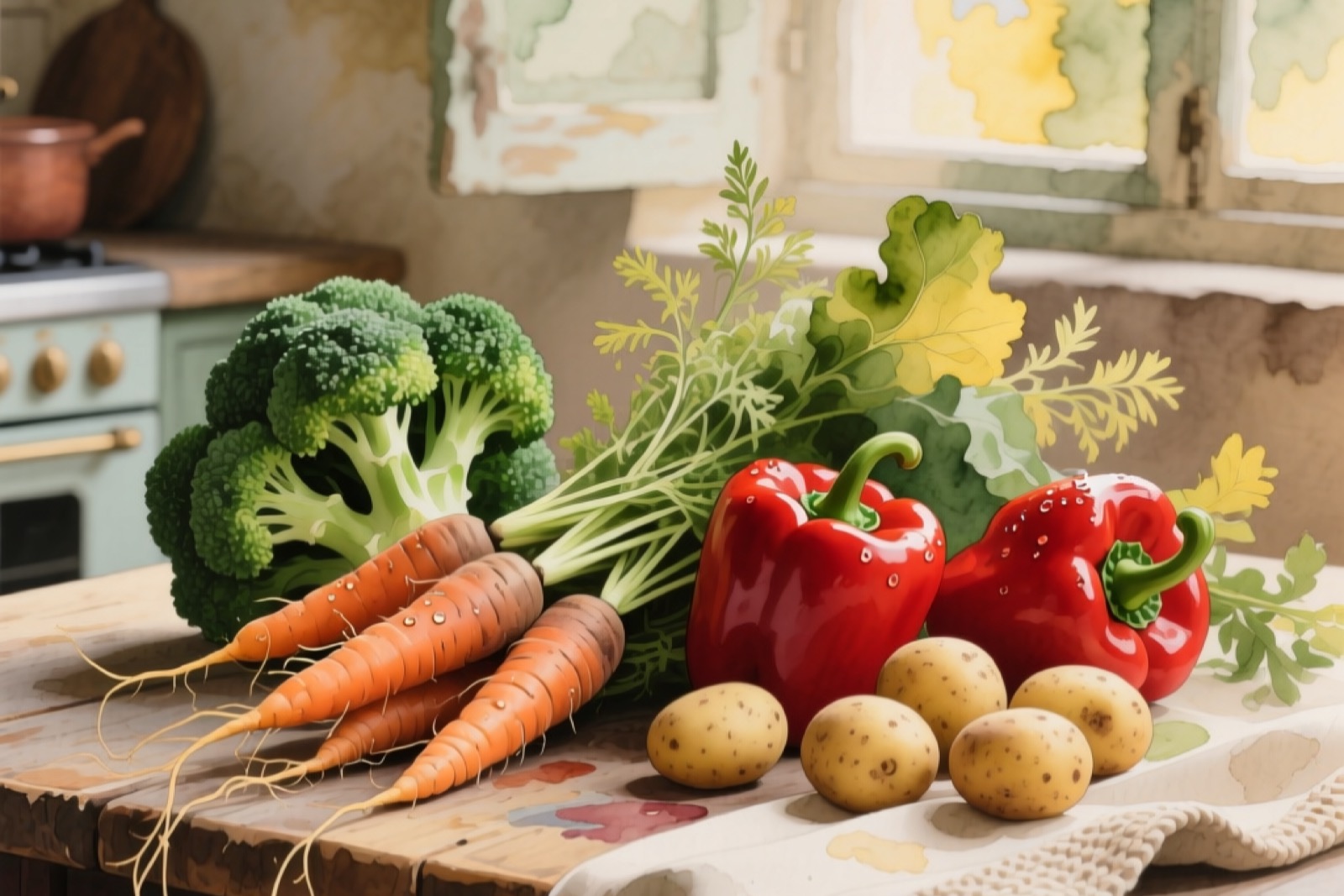
Vitamin C is the single most important nutrient in your guinea pig’s diet, and it’s the factor I’d prioritize above all else when choosing a food. Here’s how the five brands compare on this critical metric:
| Product | Vitamin C Source | Stabilized? | Price/lb | Notes |
|---|---|---|---|---|
| Oxbow Essentials Adult | Fortified pellets | ✅ Yes | $2.17 | Stabilized C lasts longer in bag |
| Oxbow Young Guinea Pig | Fortified pellets | ✅ Yes | $1.60 | Higher C content for growing pigs |
| Oxbow Garden Select | Fortified + garden veggies | ✅ Yes | $2.25 | Extra C from vegetable ingredients |
| Kaytee Timothy Complete | Fortified pellets | ✅ “Long-lasting” | $1.28 | Claims extended C stability |
| Small Pet Select | Fortified pellets | ✅ Yes | $1.50 | Fresh ingredients, good C content |
Why does stabilization matter? Unstabilized vitamin C degrades quickly during manufacturing and storage. By the time an unstabilized pellet reaches your guinea pig’s bowl, much of the vitamin C content may already be gone. All five brands here use stabilized vitamin C, which survives the production process and maintains potency through the shelf life of the bag. This is non-negotiable — any food without stabilized vitamin C shouldn’t be on your list.
The daily requirement for an adult guinea pig is 30 to 50 mg of vitamin C. Even with fortified pellets, I always recommend supplementing with fresh vegetables because vitamin C degrades over time once the bag is opened. An open bag retains full potency for roughly 90 days when stored in a cool, dark place. Green bell peppers are the best fresh source — one slice provides about 30 mg of vitamin C. Romaine lettuce, cilantro, and strawberries are also good additions.
I’ve seen vitamin C deficiency more often than you’d expect, and it usually happens when owners buy large bags that sit open for months. The pellets look fine, but the nutritional value has quietly degraded. If you’re feeding one or two guinea pigs, consider buying smaller bags more frequently rather than stockpiling. Some owners also add a vitamin C liquid supplement to their guinea pig’s water bowl, though this is less reliable since vitamin C degrades quickly in water and you can’t control the dosage. For a complete vitamin C supplementation plan, our vitamin C guide covers dosing, storage, and deficiency symptoms in detail.
Premium and Specialty Guinea Pig Foods

Best Premium: Oxbow Garden Select
Oxbow Garden Select is Oxbow’s premium line, and the difference is immediately noticeable. The pellets have a garden-inspired recipe with herbs and vegetables mixed in, and the smell when you open the bag genuinely resembles a fresh salad. It’s non-GMO with no soy or wheat — a meaningful distinction for owners who want to avoid common allergens.
If you have a picky guinea pig that turns its nose up at plain pellets, this is the one I’d try first. Multiple owners with “super picky” guinea pigs reported that their pigs “will eat the mess out of this stuff” after refusing other brands. The garden vegetables and herbs make the pellets more aromatic and appealing without compromising nutritional completeness.
At $2.25 per pound, it’s slightly more expensive than regular Oxbow Essentials, and there have been isolated quality concerns — one owner found plastic inside a pellet, and several reported excessive dust in their bags. These appear to be rare occurrences rather than systemic issues, but it’s worth checking each bag when it arrives. In a proper feeding setup with adequate guinea pig cage size and a clean food area, this premium option pairs well with fresh vegetables and unlimited hay.
Best for Allergies and Bladder Issues: Small Pet Select
Small Pet Select Guinea Pig Food Pellets occupies a unique niche: it’s a soy-free, non-GMO formula made with locally sourced Pacific Northwest ingredients. For guinea pigs with suspected soy allergies or a history of bladder stones, this is worth serious consideration.
I first discovered Small Pet Select when a reader recommended it for a guinea pig that kept developing bladder stones on Oxbow. The lower calcium content and soy-free formulation made a real difference. One owner who had previously fed KMS Hayloft (a now-defunct brand known for low-calcium pellets) called Small Pet Select “a great alternative with good quality.” Long-term users consistently report that their guinea pigs prefer it over major brands — one person who had been feeding it for over five years said their pigs “definitely show their disapproval” when temporarily switched to a different brand.
At $1.50 per pound, it sits in the middle of the price range. The downsides are a smaller review base (903 reviews versus Oxbow’s 10,000+) and occasional quality issues — dust at the bottom of bags, and one alarming report of hard foreign objects mixed in. The brand seems to be working on packaging improvements, but I’d still recommend inspecting each bag.
Why I Excluded Three Products
I originally evaluated eight products but cut three for specific reasons. Kaytee Forti-Diet Pro Health ($12.14, 4.7⭐, 8,873 reviews) is too similar to Kaytee Timothy Complete — same brand, same price point, overlapping formula with added prebiotics. There’s simply not enough differentiation to justify including both. Kaytee Fiesta ($12.95, 4.7⭐, 7,649 reviews) is a seed and grain mix with artificial colors. While guinea pigs love the colorful pieces, they selectively eat the treats and leave the nutritious pellets behind — I’ve seen this cause nutritional imbalances firsthand. Wild Harvest ($10.98, 4.6⭐, 13,805 reviews) is the cheapest option, but the reviews consistently mention excessive powder, low-quality filler ingredients, and contamination. Saving two dollars per bag isn’t worth the quality drop when you’re feeding something your pet eats every single day.
Frequently Asked Questions
What is the best guinea pig food?
The oxbow guinea pig food Essentials ($21.68, 4.9⭐) is the top pick overall — it’s what most veterinarians recommend, uses uniform Timothy pellets with stabilized vitamin C, and contains no artificial colors or seeds. For baby guinea pigs under six months, Oxbow Young Guinea Pig ($15.95) is the better choice thanks to the extra calcium and protein needed for healthy growth. Kaytee Timothy Complete ($12.14, 4.8⭐) is the best budget option at 41% less cost per pound.
What pellets do guinea pigs recommend?
Veterinarians recommend uniform Timothy pellets over mixed seed blends. Oxbow Essentials is the most widely recommended brand, and for good reason — every pellet delivers the same complete nutrition in every bite. Mixed foods, on the other hand, encourage selective eating, where guinea pigs pick out the tasty seeds and leave the vitamin-fortified pellets behind. Small Pet Select ($14.99) is a solid alternative for guinea pigs with soy allergies or a history of bladder stones.
What affordable foods can I give my guinea pig?
Kaytee Timothy Complete ($12.14, $1.28/lb) is the best affordable pellet option. You can further reduce costs by supplementing with inexpensive fresh vegetables — green bell peppers, romaine lettuce, and cucumber are all cheap and packed with nutrients. Remember that Timothy hay should make up 80% of the diet anyway, and buying hay in bulk is cheaper than small pet store bags. The one area I wouldn’t cut corners is pellet quality — low-quality food leads to vet bills down the road from dental problems, vitamin deficiencies, and bladder stones.
What can guinea pigs eat daily?
A healthy daily diet consists of unlimited Timothy hay, one-eighth cup of fortified pellets, and roughly one cup of fresh vegetables. Green bell pepper (highest natural vitamin C content), romaine lettuce, cilantro, and cucumber are all excellent daily staples. Always provide fresh water via a water bottle or heavy ceramic bowl. Avoid iceburg lettuce (essentially no nutritional value), potato and tomato leaves (toxic to guinea pigs), onion and garlic (causes anemia), and rhubarb (toxic). For a complete reference, our guinea pig food guide covers everything in detail.
I’d also recommend establishing a consistent feeding schedule. Guinea pigs thrive on routine — offering pellets at the same time and fresh vegetables in the evening mimics their natural grazing pattern. Remove uneaten fresh food after a few hours to prevent spoilage, but leave hay available 24/7. If your guinea pig suddenly stops eating or shows interest in food but doesn’t actually consume it, that’s a red flag for dental issues or illness that warrants a vet visit within 24 hours.
What can guinea pigs eat and not eat?
Safe foods include bell pepper, romaine lettuce, cilantro, cucumber, zucchini, blueberries, strawberries, and seedless apple slices. Toxic foods that must be avoided entirely include onion, garlic, potato, tomato leaves, rhubarb, avocado, chocolate, bread, dairy, and any processed human food. Foods to feed in moderation (two to three times per week, not daily) include carrots, broccoli, kale, and spinach — these are healthy but high in calcium or sugar. Guinea pigs are strict herbivores, so animal products and processed foods should never be part of their diet.
One thing that surprises new owners is that guinea pigs need to eat almost constantly. Their digestive system requires roughage to keep moving, which is why unlimited hay access is so important. If a guinea pig goes more than 12 hours without eating, their gut can slow down or even stop — a condition called gastrointestinal stasis that requires emergency veterinary care. Keeping their bowl filled with quality pellets and their hay rack stocked is one of the simplest things you can do to prevent health emergencies.