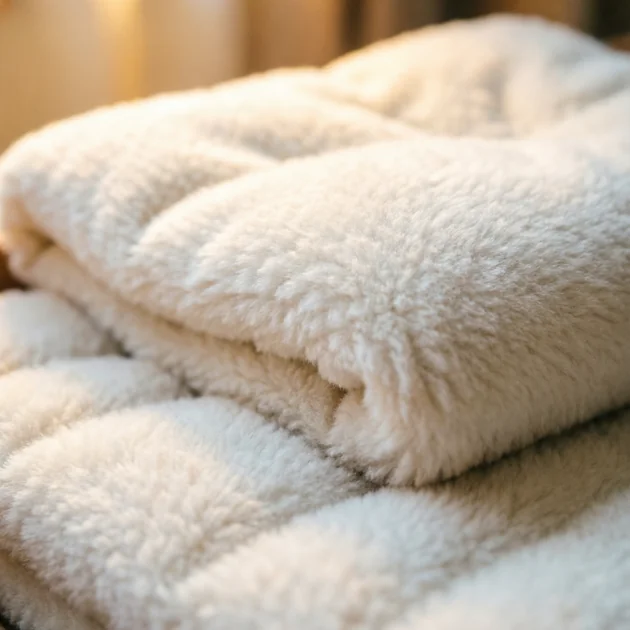
Fleece bedding has revolutionized guinea pig care, offering a reusable, comfortable, and eco-friendly alternative to traditional disposable bedding. While it requires more maintenance, thousands of owners have made the switch and never looked back. This guide covers everything you need to know about fleece bedding.
Why Choose Fleece Bedding?
Benefits
Cost Savings:
- Disposable bedding: $40-60/month
- Fleece: $10-15/month (laundry costs only)
- Saves $300-500+ per year Comfort:
- Extremely soft surface
- Gentle on sensitive feet
- Warm and cozy
- No dust or particles Eco-Friendly:
- Reusable for years
- No waste going to landfill
- Reduces environmental impact Aesthetics:
- Available in many colors and patterns
- Custom cage themes possible
- Cleaner appearance than loose bedding Health Benefits:
- No dust - Perfect for pigs with respiratory issues
- Soft surface - Reduces bumblefoot risk
- No particles - Won’t get in eyes or nose
Drawbacks
Maintenance:
- Requires washing every 3-4 days
- Daily spot cleaning needed
- More time-intensive than disposable Initial Cost:
- $45-80 for quality liner set
- Higher upfront investment Learning Curve:
- Must be prepared correctly
- Needs proper layering system
- Can develop odors if not maintained
Understanding Fleece Systems
The Three-Layer System
Successful fleece bedding requires three layers:
Layer 1: Fleece (Top)
- Function: Wicks moisture away to absorbent layer
- Material: Anti-pill or blizzard fleece
- Must be pre-washed to wick properly
Layer 2: Absorbent (Middle)
- Function: Holds moisture
- Options: U-Haul pads, puppy pads, towels, zorb
- Must be absorbent and washable
Layer 3: Waterproof (Bottom - Optional)
- Function: Prevents leaks to cage floor
- Options: PUL fabric, shower curtain, vinyl tablecloth
- Recommended for wood or carpeted floors
How Wicking Works
Fleece is hydrophobic (repels water), but when pre-treated correctly, it wicks moisture through to the absorbent layer underneath:
- Urine hits fleece surface
- Passes through fleece fibers (if properly wicked)
- Absorbed by middle layer
- Fleece surface stays dry
Critical: Unwashed fleece will NOT wick. Urine will pool on top, causing wet pigs and odors.
Choosing Fleece Material
Types of Fleece
Anti-Pill Fleece (Recommended):
- ✅ Wicks well after washing
- ✅ Doesn’t pill (form small balls)
- ✅ Durable for years
- ✅ Affordable ($8-15/yard at fabric stores) Blizzard Fleece:
- ✅ Very soft
- ✅ Good wicking
- ❌ More expensive
- ❌ May pill over time Microfleece:
- ✅ Ultra-soft
- ❌ Too thin for main bedding
- ✅ Good for hideys/comfort items Minky/Cuddle Fleece:
- ❌ Doesn’t wick well
- ❌ Not recommended for bedding
- ✅ Good for lap pads only
Where to Buy Fleece
Fabric Stores:
- Joann Fabrics - Largest selection
- Hobby Lobby - Good sales
- Walmart Fabric Section - Budget option Online:
- EOVEA Polar Fleece Fabric ($10.90, 4.3⭐, 🔥)
- Fabric.com Tip: Buy fleece on sale! Joann and Hobby Lobby often have 50-60% off coupons.
Absorbent Layer Options
U-Haul Pads (Most Popular)
Pros:
- Extremely absorbent
- Inexpensive ($8-12 for furniture pad)
- One pad can make multiple liners
- Durable Cons:
- Shed fibers when cut
- Need to serge or bind edges
- Heavy when wet Where to Buy: U-Haul stores, Moving Blankets (U-Haul Alternative) ($25.99, 4.4⭐, 🔥)
Puppy Pads (Convenient)
Pros:
- Easy to use
- Disposable option
- Very absorbent Cons:
- Ongoing cost
- Not eco-friendly
- Must ensure pigs can’t chew them
Towels (Budget-Friendly)
Pros:
- Most affordable
- Already have at home
- Washable Cons:
- Less absorbent than U-Haul pads
- Can bunch up
- Heavier
Zorb (Premium)
Pros:
- Most absorbent material available
- Designed for cloth diapers
- Thin but highly effective Cons:
- Expensive ($15-20/yard)
- Online only
- Requires sewing skills
Pre-Washing Fleece (Critical Step)
Why Pre-Wash?
New fleece has a water-resistant coating that prevents wicking. You MUST wash it multiple times to remove this coating.
Pre-Washing Process
- Wash on HOT with detergent
- Add vinegar (1 cup) to rinse cycle
- Dry on HIGH heat
- Repeat 3-5 times
How to Test Wicking
- Place fleece over towel
- Pour small amount of water on fleece
- Should pass through within 30 seconds
- If water beads up, wash again
Pro Tip: Some owners add a drop of dish soap to the wash to help strip the coating faster.
Setting Up Fleece Bedding
Step-by-Step Setup
For C&C Cages
- Clean cage floor thoroughly
- Place waterproof layer (if using)
- Add absorbent layer (U-Haul pad cut to size)
- Top with fleece (2-3 inches larger on all sides)
- Secure edges with binder clips or under grid edges
- Add cage accessories
For Store-Bought Cages
- Measure cage floor precisely
- Cut layers 1-2 inches larger than floor
- Layer materials
- Tuck edges under sides
- Secure with clips if needed
Securing Methods
Binder Clips:
- Easy to use
- Hold fleece tight
- Remove for washing Under Grid Edges (C&C Cages):
- Tuck fleece under grids
- Grids hold it in place
- Very secure Velcro:
- Semi-permanent
- Good for custom liners
- Must sew on Fitted Liners (Custom/Sewn):
- Elastic edges
- Fits like a sheet
- Most expensive option
Daily and Weekly Maintenance
Daily Care (5-10 minutes)
- Remove droppings - Use small dustpan or handheld vacuum
- Spot clean wet spots - Replace small area if needed
- Brush off hay - Remove stray hay pieces
- Check for odor - If smelly, time to wash sooner
Tools for Daily Cleaning
- Handheld vacuum - Quick poop removal
- Small dustpan and brush - Manual cleaning
- Rubber gloves - For hand-picking poops
- Lint roller - For hay removal
Weekly Washing (Every 3-4 days)
- Remove all bedding from cage
- Shake off debris outside
- Pre-rinse in utility sink or hose (optional)
- Machine wash on HOT with:
- Detergent (free and clear recommended)
- 1/2 cup vinegar (odor neutralizer)
- Dry on HIGH heat
- Replace in cage
Washing Tips
Detergent:
- Use free and clear (no fragrances)
- Avoid fabric softener (reduces wicking)
- Standard amount is fine Vinegar:
- Natural odor neutralizer
- Safe for pigs
- Won’t damage fabric Drying:
- High heat helps maintain wicking
- Remove promptly to avoid wrinkles
- Can line dry (but takes longer) Frequency:
- Every 3-4 days for 1-2 pigs
- Every 2-3 days for 3+ pigs
- Daily if odor issues
Dealing with Odor
Why Fleece Can Smell
Fleece itself doesn’t control odor like hemp or paper bedding. Urine is held in the absorbent layer, and if not washed frequently, bacteria grow and cause odors.
Odor Prevention
- Wash frequently - Don’t wait until it smells
- Use vinegar - In every wash
- Hot water - Kills bacteria
- Sun-dry occasionally - UV kills bacteria
- Have multiple sets - Rotate frequently
Odor Removal
If fleece already smells:
- Pre-soak in vinegar water (1:4 ratio)
- Wash on HOT with detergent
- Add baking soda to wash
- Double rinse
- Dry in sun if possible
When to Replace
Fleece should be replaced when:
- Wicking stops working (after many washes)
- Odors won’t go away
- Fabric is thinning or has holes
- After 2-3 years of use
Fleece for Special Situations
Post-Surgery
Why Fleece is Ideal:
- No particles to contaminate wounds
- Soft on incisions
- Easy to change frequently Setup: Use multiple layers for easy changes
Baby Guinea Pigs
Benefits:
- Safe if nibbled
- No small particles
- Soft for delicate feet Tip: Use waterproof layer underneath for extra protection
Respiratory Issues
Benefits:
- Zero dust - Best option for sensitive pigs
- No irritants
- Can be washed with fragrance-free detergent
Senior Guinea Pigs
Benefits:
- Soft on arthritic joints
- Easy to walk on
- Warm and comfortable
Product Recommendations
Complete Fleece Setup
Budget Option ($30-40)
- Fleece: Walmart fabric ($8/yard)
- Absorbent: Old towels (free)
- Clips: Dollar store binder clips ($3) Total: ~$30 for 2x4 cage
Mid-Range Option ($50-70)
- Fleece: Joann anti-pill ($12/yard)
- Absorbent: U-Haul pad ($10)
- Clips: Quality binder clips ($5) Total: ~$55 for 2x4 cage
Premium Option ($80-120)
- Product: GuineaDad Fleece Liner ($45-60)
- Backup: U-Haul pad ($10)
- Clips: Included Total: ~$80 for 2x4 cage
Pre-Made Fleece Liners
GuineaDad Liners - $45-60
- Complete 3-layer system
- Custom sizes available
- High quality
- GuineaDad Fleece Liner ($29.99, 4.6⭐, 🔥) Benekeek Liners - $35-50
- Affordable option
- Good quality
- Washable Guinea Pig Cage Liners ($17.93, 4.4⭐, 🔥) Custom Sewing Services - $50-100
- Etsy sellers
- Perfect fit for your cage
- Custom fabrics
DIY Fleece Liners
Materials Needed
- Anti-pill fleece (amount depends on cage size)
- U-Haul furniture pad
- Scissors
- Sewing machine (optional but recommended)
- Thread
Instructions
- Measure cage floor - Add 2 inches to each side
- Cut U-Haul pad to measurements
- Cut fleece - Top layer 4 inches larger than pad
- Optional: Sew edges for durability
- Layer: Fleece over pad
- Place in cage
No-Sew Option
Simply layer fleece over U-Haul pad and secure with clips. Works well but may shift.
FAQ
Q: How long does fleece bedding last?
A: With proper care, fleece can last 2-3 years. Absorbent layers (U-Haul pads) may need replacing yearly.
Q: Can I use fabric softener?
A: No! Fabric softener coats fibers and prevents wicking. Use vinegar instead.
Q: How many fleece sets do I need?
A: At least 2 sets - one in the cage, one in the wash. 3 sets is ideal for convenience.
Q: Why isn’t my fleece wicking?
A: It needs more pre-washing. Wash 3-5 times on hot with vinegar. Test with water droplets.
Q: Can I use regular blankets instead of fleece?
A: No. Regular blankets don’t wick moisture properly. Use only anti-pill fleece.
Q: How do I stop fleece from moving?
A: Use binder clips, tuck under grid edges, or have fitted liners made.
Q: Is fleece bedding safe for guinea pigs?
A: Yes! Fleece is safe, non-toxic, and actually recommended for pigs with respiratory issues due to zero dust.
Q: Can I use fleece with other bedding?
A: Some owners use fleece in main areas and paper bedding in litter boxes. This hybrid approach works well.
Pros and Cons Summary
Pros
- ✅ Saves money long-term ($300-500/year)
- ✅ Extremely comfortable for pigs
- ✅ Zero dust - best for respiratory health
- ✅ Eco-friendly and reusable
- ✅ Attractive appearance
- ✅ Customizable colors and patterns
Cons
- ❌ Requires frequent washing (every 3-4 days)
- ❌ Higher upfront cost
- ❌ No natural odor control
- ❌ More maintenance than disposable
- ❌ Learning curve for wicking
Conclusion
Fleece bedding is an excellent choice for owners who:
- Want to save money long-term
- Don’t mind doing laundry
- Have pigs with respiratory issues
- Prefer a dust-free environment
- Want the softest bedding option While it requires more effort than disposable bedding, the cost savings, comfort, and environmental benefits make it worthwhile for many owners. Start with: A basic DIY setup (fleece + U-Haul pad) to try it out. If you love it, invest in quality pre-made liners for convenience.