Grey Call Ducks: Complete Guide to Care, Price & Where to Buy (2026)
Meta Description: Discover grey call ducks: unique color variety, prices ($50-100+), care guide, and where to buy from trusted breeders. Everything you need to know.
Introduction to Grey Call Ducks
Grey call ducks have captured the attention of waterfowl enthusiasts everywhere, with search interest skyrocketing by an incredible 27,900% in just the past three months. But what exactly are these sought-after birds, and why are so many people suddenly searching for them?
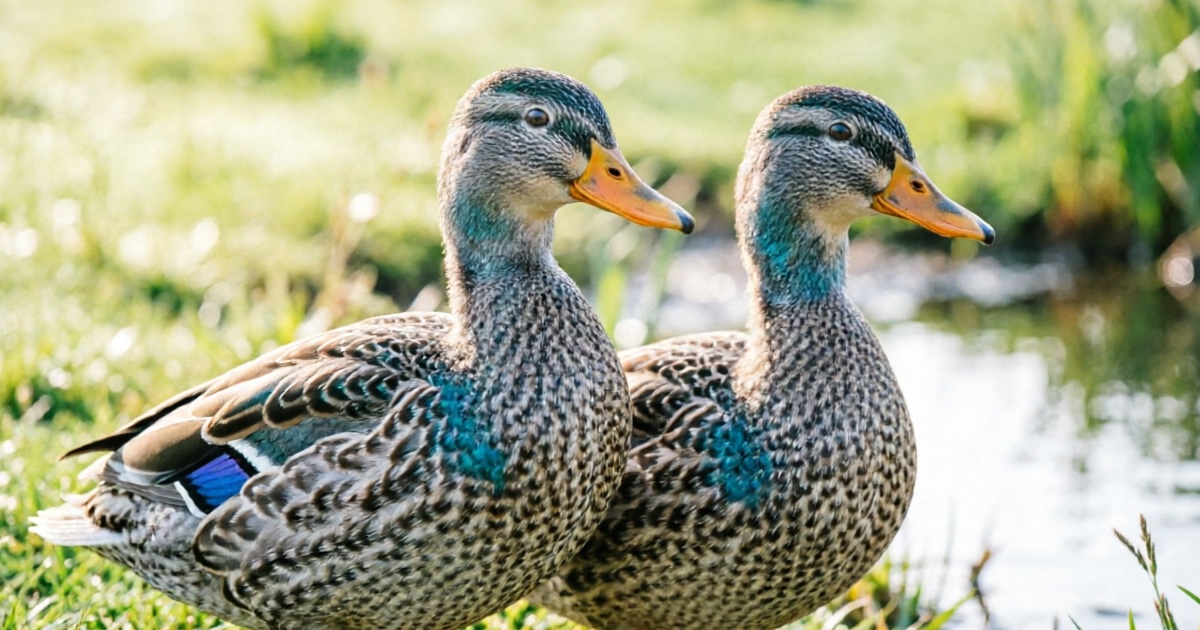
Unlike the more common white or black varieties, grey call ducks offer a unique aesthetic that closely resembles wild mallards. This distinctive coloration makes them particularly valuable for exhibition purposes and creates a stunning visual appeal in any backyard flock. As a rare color variety of the popular Call Duck breed, they combine the charming, compact size of standard Call Ducks with an uncommon and striking appearance.
However, finding grey call ducks presents unique challenges. Their rarity means you won’t find them at typical feed stores or hatcheries. Instead, you’ll need to connect with specialized breeders who focus on producing this specific color variety. Understanding where to buy them, what they cost, and how to properly care for them requires specialized knowledge that most general duck care guides simply don’t cover.
This comprehensive guide solves that problem. Whether you’re looking for grey call ducks for sale, researching grey call duck price ranges, or seeking a complete grey call duck care guide, you’ll find everything you need here. We’ll cover trusted breeders, realistic costs (including hidden expenses), housing requirements, dietary needs, and help you decide if this unique waterfowl variety is right for your situation. For a broader overview of all Call Duck varieties, see our complete Call Ducks guide.
What Are Grey Call Ducks? Unique Color Variety
Grey call ducks represent a distinctive color variation within the Call Duck breed, prized for their mallard-like appearance and relative scarcity in the market. While Call Ducks originated in the Netherlands as decoy ducks, breeders have developed numerous color varieties over the centuries, with grey being one of the rarer and more visually striking options.
Grey vs White Call Ducks
The most common question potential owners ask is: “How do grey call ducks compare to the standard white variety?” Understanding these differences helps you make an informed decision about which variety best suits your needs and budget.
| Feature | Grey Call Ducks | White Call Ducks |
|---|---|---|
| Rarity | Rare - Limited availability | Common - Widely available |
| Price Range | $50-100+ per bird | $30-70 per bird |
| Exhibition Value | High - Unique coloration sought by judges | Standard - More competitive classes |
| Availability | Requires specialized breeders | Available at most hatcheries |
| Visual Appeal | Wild mallard-like appearance | Classic domestic duck look |
Key Differences Explained:
Coloration and Appearance: Grey call ducks display a beautiful mottled grey pattern that closely mimics wild mallards. This natural-looking coloration makes them stand out in exhibition settings and creates an aesthetically pleasing addition to backyard flocks. White call ducks, while classic and beautiful, lack this distinctive wild appearance.
Market Availability: The most significant practical difference lies in availability. White call ducks are produced by virtually every major hatchery and can be ordered online with ease. Grey call ducks require finding specialized breeders who focus on color-specific breeding programs, which significantly impacts both price and purchasing logistics.
Exhibition Considerations: For those interested in showing their ducks, grey call ducks offer a unique advantage. Their rarity means less competition in their color class at poultry shows, while their distinctive appearance often catches judges’ attention. White call ducks face intense competition in popular classes.
Investment Potential: Some breeders view grey call ducks as an investment opportunity. Their scarcity and growing popularity suggest potential for breeding programs, though this requires significant knowledge, time, and proper facilities.
Where to Buy Grey Call Ducks: Trusted Breeders
Finding grey call ducks for sale requires connecting with specialized breeders who focus on this specific color variety. Unlike common poultry breeds, you won’t find these rare birds at local feed stores or through standard hatchery catalogs. Knowing where to buy grey call ducks and how to evaluate breeders makes the difference between a successful purchase and disappointment.
Top Grey Call Duck Breeders
1. Metzer Farms (metzerfarms.com)
- Specialty: Professional waterfowl breeding with decades of experience
- Reputation: Highly trusted in the waterfowl community
- Advantages: Health guarantees, shipping expertise, multiple duck breeds
- Consideration: May have seasonal availability for rare colors
2. Murray McMurray Hatchery (mcmurrayhatchery.com)
- Specialty: Historic hatchery with extensive breed variety
- Reputation: Long-standing customer satisfaction
- Advantages: Comprehensive poultry selection, reliable shipping
- Consideration: Grey call ducks may sell out quickly due to demand
3. Local Waterfowl Breeders
- How to Find: Google “waterfowl breeders near me” or attend poultry shows
- Advantages: Ability to see birds in person, no shipping stress
- Consideration: Limited geographic availability, requires research
4. Online Marketplaces (Use with Caution)
- Platforms: Craigslist, Facebook Marketplace, poultry forums
- Advantages: Local pickup, potentially lower prices
- Risks: Limited health guarantees, potential scams, no shipping support
Important Note: When searching for grey call duck breeders, verify their specialization in grey color variety. Many breeders focus on other colors and may have limited or no grey call ducks available.
Questions to Ask Breeders
Before purchasing grey call ducks, ask these critical questions to ensure you’re dealing with a reputable source and getting healthy birds:
Health and Quality:
- Are your grey call ducks purebred with guaranteed color genetics?
- What health testing do you perform on your breeding stock?
- Do you provide vaccination records?
- What is your health guarantee policy?
Shipping and Logistics:
- What shipping method do you use?
- What is your live arrival guarantee?
- Do you ship ducklings, juveniles, or adults?
- What is the minimum order quantity?
Breeding Information:
- How many generations have you bred grey call ducks?
- Can you provide photos of parent birds?
- Are these birds suitable for exhibition, breeding, or pets?
Cost and Payment:
- What is the exact price per bird for grey call ducks?
- Are there quantity discounts available?
- What payment methods do you accept?
- Are there additional fees for sexing or health certificates?
After-Sale Support:
- Do you provide care instructions?
- Are you available for questions after purchase?
- What is your return or replacement policy?
Taking time to ask these questions protects your investment and ensures you receive healthy, quality grey call ducks from ethical breeders. For information on preparing your duck housing before arrival, see our guide on duck housing and cage setup.
Grey Call Duck Price: How Much Do They Cost?
Understanding grey call duck price ranges helps you budget appropriately and avoid overpaying for these sought-after birds. Their rarity commands a significant premium over standard Call Duck varieties, but the investment extends beyond the initial purchase price.
Grey Call Duck Price Breakdown
| Duck Type | Price Range | Notes |
|---|---|---|
| Ducklings (Unsexed) | $50-70 | Most affordable option, gender unknown |
| Ducklings (Sexed) | $70-90 | Premium for guaranteed gender |
| Juvenile Ducks | $80-100+ | Partially grown, easier to assess quality |
| Adult Breeding Pairs | $150-200+ | Proven breeders, exhibition quality |
| Show Quality Birds | $100-150+ each | Superior coloration and conformation |
Factors Affecting Price:
Color Quality: Grey call ducks with exceptional color patterns and markings command higher prices. Birds showing the ideal mallard-like mottling are worth more than those with uneven or faded coloration.
Age: Ducklings cost less than adults, but require more intensive care. Adults cost more but allow immediate breeding or exhibition.
Sexing: Guaranteed females (hens) typically cost more than unsexed ducklings due to their breeding value.
Breeder Reputation: Established breeders with proven track records charge premium prices, but offer better health guarantees and genetic quality.
Hidden Costs: The Complete Setup
The purchase price represents only part of your investment. Here’s a realistic breakdown of additional costs:
Essential Equipment:
Feeding Supplies:
- Manna Pro Gamebird Showbird Crumbles ($14.45) - Premium feed formulated for gamebirds
- Scratch and Peck Whole Barley ($20.35) - Organic supplemental grain
Housing and Environment:
- Brooder Box 4-in-1 ($44.99) - Complete duckling starter kit with heating lamp, feeder, and waterer
Water Access (Essential for Ducks):
- Foldable Dog Pool 32x8 ($17.99) - Budget-friendly swimming option
- YSJILIDE Portable Dog Pool ($26.99) - Medium-sized, highly rated pool
- Dog Pool for Large Dogs ($39.99) - Large swimming area for adult ducks
Feeding and Watering Equipment:
- Lil’Clucker 1L Chick Feeder and 1.5L Waterer ($14.68) - No-spill design for ducklings
- Lil’Clucker Large Automatic Chicken Waterer Cups ($17.99) - Automatic watering system
Automation (Optional):
- Solar-Powered Automatic Chicken Coop Door ($129.99) - Premium automatic door for convenience
Recommended Purchase Packages
Budget Starter Package ($80-100 total equipment cost):
- Foldable Dog Pool 32x8: $17.99
- Lil’Clucker 1L Feeder and Waterer: $14.68
- Manna Pro Gamebird Crumbles: $14.45
- Basic shelter and bedding: $30-50
Complete Starter Package ($150-200 total equipment cost):
- Brooder Box 4-in-1: $44.99
- YSJILIDE Portable Pool: $26.99
- Manna Pro Gamebird Crumbles: $14.45
- Scratch and Peck Barley: $20.35
- Lil’Clucker Automatic Waterer: $17.99
- Additional shelter materials: $25-75
Premium Setup ($250+ total equipment cost):
- All complete package items
- Dog Pool for Large Dogs: $39.99
- Solar-Powered Automatic Door: $129.99
- Premium housing materials
For detailed feeding guidelines and nutritional requirements, see our comprehensive duck diet guide.
Grey Call Duck Care Guide
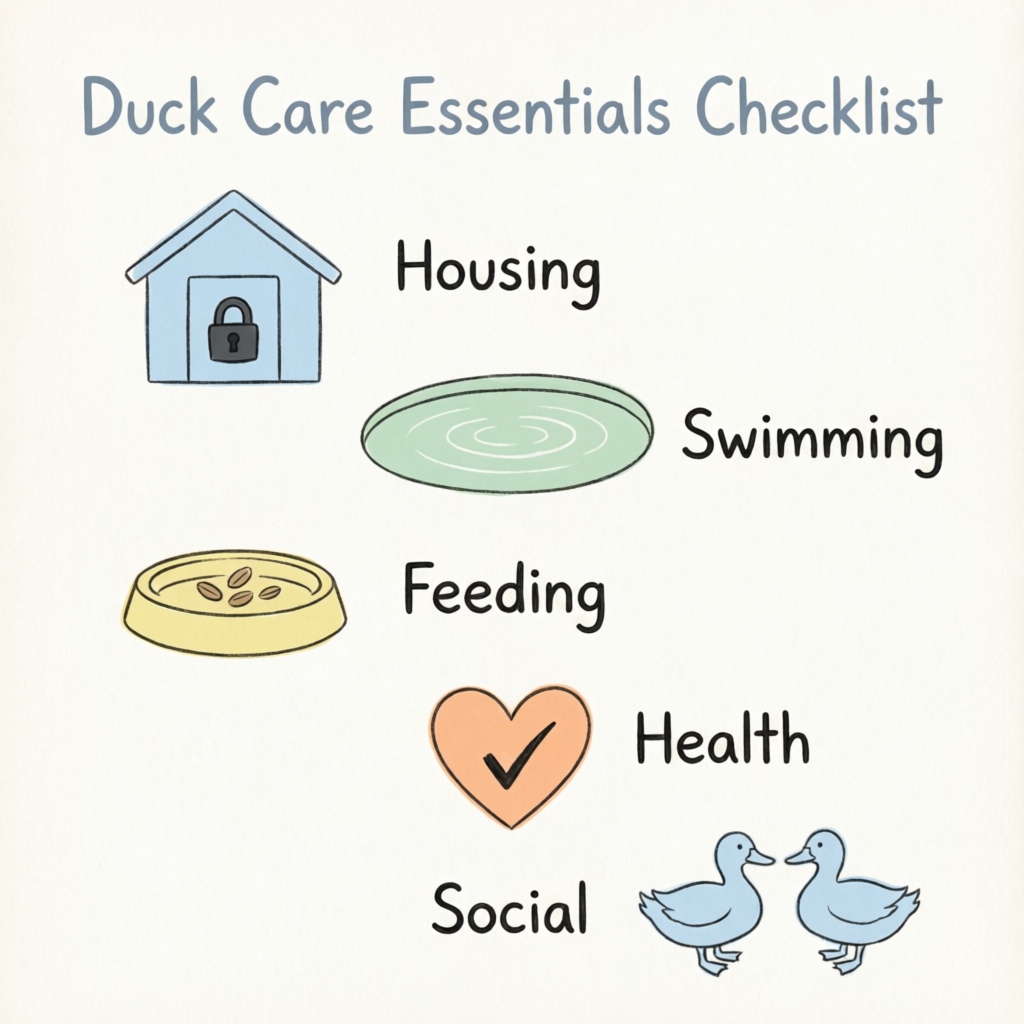
Proper grey call duck care ensures your rare waterfowl remain healthy, active, and visually stunning. While their care requirements largely mirror standard Call Ducks, understanding their specific needs helps you provide optimal conditions for these unique birds.
Housing & Environment
Grey call ducks require appropriate housing that protects them from predators while providing adequate space, shelter, and access to water.
Space Requirements:
- Minimum: 2-4 square feet per duck in covered shelter
- Recommended: 10+ square feet per duck in outdoor run
- Water Access: Swimming area essential (pools or ponds)
Essential Housing Features:
- Predator Protection: Secure wire mesh (hardware cloth, not chicken wire) on all openings
- Weather Shelter: Draft-free enclosed area for sleeping and extreme weather
- Ventilation: Adequate airflow to prevent respiratory issues without creating drafts
- Easy Cleaning: Design for regular cleaning access
Recommended Housing Products:
For ducklings, the Brooder Box 4-in-1 ($44.99) provides everything needed: heating lamp, feeder, waterer, and enclosed space. This all-in-one solution simplifies duckling care during the critical first weeks.
For adult ducks, consider the Solar-Powered Automatic Chicken Coop Door ($129.99) for automated convenience. This solar-powered door automatically opens at dawn and closes at dusk, providing security and reducing daily chores.
Diet & Nutrition
Grey call ducks thrive on a balanced diet formulated for waterfowl, with specific protein and nutrient requirements.
Nutritional Requirements:
- Protein: 16-18% for adults, 20-22% for growing ducklings
- Primary Diet: Commercial waterfowl or gamebird feed
- Supplements: Fresh vegetables, grains, occasional treats
Recommended Feeding Products:
Manna Pro Gamebird Showbird Crumbles ($14.45) serves as an excellent primary feed. With 4.6 stars, this gamebird formula provides balanced nutrition suitable for call ducks. The crumble texture is easy for ducks to eat and digest.
Scratch and Peck Whole Barley ($20.35) offers an organic, non-GMO supplemental grain. Use this as a treat or supplement to the primary feed, not as a complete diet. The 4.7-star rating reflects its quality and palatability.
Feeding Guidelines:
- Provide fresh feed daily
- Remove wet or moldy feed immediately
- Offer clean water at all times (separate from swimming water)
- Supplement with leafy greens and vegetables occasionally
- Avoid bread, crackers, and processed human foods
Temperament & Behavior
Grey call duck temperament matches the friendly, curious nature characteristic of all Call Ducks. Understanding their behavioral traits helps you provide appropriate interaction and environment.
Personality Traits:
- Friendly: Generally welcoming to human interaction
- Curious: Active exploration of their environment
- Social: Thrive in groups (never keep solitary ducks)
- Vocal: Known for their distinctive, loud calls (hence the breed name)
- Active: Enjoy swimming, foraging, and playing
Behavioral Considerations:
- Call Ducks are notably vocal - consider neighbor proximity
- They require daily social interaction and mental stimulation
- Swimming is essential for physical and psychological health
- They can become quite tame with regular, gentle handling
Social Needs: Always keep grey call ducks in pairs or small groups. Solitary ducks experience stress and behavioral problems. A minimum of two ducks prevents loneliness and promotes natural social behaviors.
Lifespan & Health
Grey call duck lifespan typically ranges from 7-10 years with proper care, making them a long-term commitment.
Health Monitoring:
- Feather Condition: Regularly check for mites, lice, or poor feather quality
- Swimming Water Quality: Clean pools prevent bacterial and fungal infections
- Weight Management: Obesity causes health problems; monitor food intake
- Mobility: Watch for limping or difficulty walking
- Respiratory Health: Ensure adequate ventilation in housing
Common Health Issues:
- Bumblefoot (foot infections from rough surfaces)
- Respiratory infections (poor ventilation or damp conditions)
- Parasites (mites, lice, worms)
- Angel wing (improper nutrition during growth)
Preventive Care:
- Maintain clean housing and swimming water
- Provide balanced nutrition appropriate for life stage
- Schedule regular health checks with an avian veterinarian
- Quarantine new birds before introducing to existing flock
- Vaccinate if recommended by your veterinarian
Water Management: Ducks naturally make water messy. Change swimming water frequently (daily in small pools, weekly in large ponds) to prevent bacterial growth. Ensure drinking water remains separate and clean.
For comprehensive health information and care guidelines applicable to all Call Duck varieties, see our complete Call Ducks care guide.
Why Choose Grey Call Ducks? Pros & Cons
Deciding whether grey call ducks suit your situation requires weighing their unique advantages against the challenges of owning a rare waterfowl variety.
Advantages of Grey Call Ducks
Distinctive Appearance:
- Unique coloration stands out from common white and black varieties
- Wild mallard-like pattern creates natural, aesthetic appeal
- Exhibition judges often appreciate rare color varieties
Investment and Breeding Potential:
- 💎 Scarcity creates potential value for breeding programs
- Growing demand suggests market opportunity
- Exhibition success can increase bird value
Personality and Interaction:
- 😊 Friendly, curious temperament makes them engaging pets
- Active and entertaining to watch
- Strong social bonds with owners and other ducks
Conversation Starter:
- Rare color variety attracts attention and questions
- Educational opportunity to discuss waterfowl diversity
- Unique addition to backyard flock photography
Challenges of Grey Call Ducks
Cost Considerations:
- 💰 Higher purchase price ($50-100+) compared to common varieties
- Requires specialized breeder connections
- Shipping costs add to overall investment
Availability Issues:
- 🔍 Limited sources require research and patience
- Seasonal availability may delay purchase
- Popular breeders may have waitlists
Increased Responsibility:
- ⏰ Rare varieties deserve careful attention to maintain quality
- Breeding requires knowledge of genetics and color inheritance
- Greater financial investment increases care stakes
Practical Considerations:
- 📦 Shipping stress affects ducklings more than local pickup
- Finding avian veterinarians experienced with waterfowl
- Noise considerations (Call Ducks are naturally vocal)
Who Should Choose Grey Call Ducks?
Ideal Owners:
- Exhibition enthusiasts seeking competitive advantage
- Experienced waterfowl keepers wanting unique additions
- Breeders interested in color variety programs
- Pet owners seeking distinctive, rare birds
May Not Suit:
- First-time duck owners (start with common varieties)
- Those on tight budgets (white call ducks cost significantly less)
- People unable to research and connect with specialized breeders
- Those seeking immediate availability
FAQ: Common Questions About Grey Call Ducks
Where can I buy grey call ducks?
The best sources for grey call ducks for sale are specialized waterfowl breeders like Metzer Farms and Murray McMurray Hatchery. Local breeders found through poultry shows or online waterfowl communities may also offer grey call ducks. Avoid general pet stores or feed stores, which rarely carry rare color varieties. Always verify the breeder specializes in grey call ducks before purchasing.
How much do grey call ducks cost?
Grey call duck price ranges from $50-100+ per bird, significantly higher than the $30-70 typical for white call ducks. Ducklings cost $50-90 depending on sexing, while adults range from $80-150+. Show-quality birds command premium prices of $100-150+ each. Factor in equipment costs of $80-200+ for complete setup including housing, pools, and feeding supplies.
Are grey call ducks good pets?
Yes, grey call ducks make excellent pets for owners prepared for their needs. They display friendly, curious temperaments and enjoy human interaction. However, they require swimming access, cannot be house-trained like cats or dogs, and produce significant mess around water. Their loud calls may disturb close neighbors. They’re ideal for rural or suburban properties with outdoor space.
How long do grey call ducks live?
Grey call duck lifespan averages 7-10 years with proper care, similar to other Call Duck varieties. Longevity depends on diet quality, housing conditions, health monitoring, and protection from predators. Regular veterinary care and clean living conditions maximize lifespan potential.
Can grey call ducks fly?
Yes, grey call ducks can fly, though their compact size limits flight distance compared to wild ducks. Most owners either clip wings regularly (requires maintenance as feathers regrow) or provide fully enclosed housing and runs. Flight capability varies by individual bird, with some showing stronger flying ability than others.
Grey vs white call ducks - which is better?
Neither variety is objectively “better” - the choice depends on your priorities. Grey call ducks offer unique appearance and exhibition advantages but cost more and require finding specialized breeders. White call ducks are more affordable, readily available, and equally friendly. Choose grey if you value rarity and distinctive aesthetics; choose white if budget and availability matter more.
Conclusion: Is a Grey Call Duck Right for You?
Grey call ducks offer a unique opportunity to own one of the rarest and most visually striking Call Duck varieties. Their mallard-like coloration, friendly personalities, and exhibition potential make them highly desirable for waterfowl enthusiasts willing to invest in quality and rarity.
However, this specialty variety isn’t right for everyone. The higher purchase price ($50-100+ versus $30-70 for common varieties), limited availability requiring specialized breeder connections, and complete setup costs ($150-400+ including housing, pools, and supplies) demand serious commitment.
Ask yourself these five questions:
- Budget: Can I afford $50-100+ per bird plus $150-200+ in equipment?
- Availability: Am I willing to research and contact specialized breeders?
- Space: Do I have adequate outdoor space with room for a swimming pool?
- Time: Can I provide daily care including feeding, cleaning, and socialization?
- Goals: Do I value uniqueness and exhibition potential, or just want friendly pet ducks?
If you answered “yes” to most questions, grey call ducks could be an excellent choice. Their scarcity and rising popularity (+27,900% search growth) suggest this unique variety will only become more sought-after.
Next Steps:
- Review our complete Call Ducks care guide for comprehensive husbandry information
- Prepare your housing and swimming facilities using our duck housing guide
- Stock appropriate feed and supplies (see our recommended products above)
- Contact specialized breeders to check availability and pricing
- Join waterfowl communities to connect with experienced grey call duck owners
Your journey to owning these beautiful, rare waterfowl begins with preparation and research. Take time to set up proper facilities before bringing your grey call ducks home, and you’ll enjoy years of companionship with these remarkable birds.