Cockatiels are the second most popular pet bird in the United States, and after spending time with one, it is easy to understand why — they are rewarding companions when given proper cockatiel care. They whistle, they preen, they ride around on your shoulder — and they form genuine bonds with their owners that can last two decades.
But behind that charming crest and those orange cheek patches is a bird with specific needs — and proper cockatiel care starts with understanding them. Get the diet wrong and you shorten their life by years. Keep them in a cramped cage and they will scream or pluck their feathers. Good cockatiel care is not difficult, but it does require understanding what these birds actually need. This guide covers everything: choosing the right cage, feeding a balanced diet, providing enrichment, recognizing health problems, understanding the differences between males and females, and training your bird.
Is a Cockatiel Right for You?
What Is a Cockatiel?
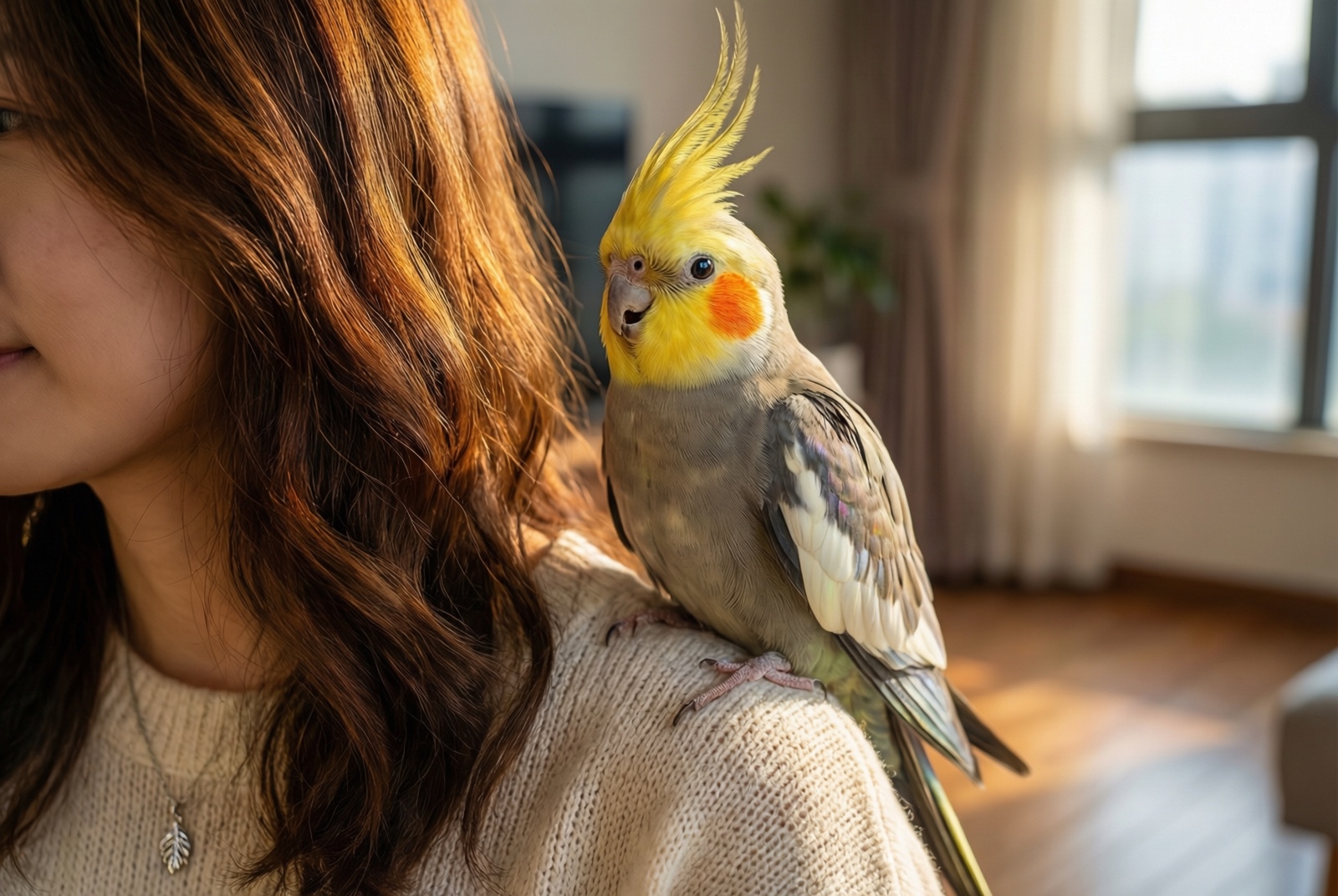
Cockatiels are native to Australia, where they live in large flocks across open woodlands and scrubland. They are the smallest member of the cockatoo family, which explains their affectionate nature and that expressive crest on top of their head — they use it to communicate mood. A flat crest means relaxed; a raised crest means alert or excited.
In captivity, cockatiels are known for being social, relatively quiet compared to larger parrots, and surprisingly musical. They are natural whistlers and many learn entire tunes by ear.
Cockatiel vs. Parakeet
If you are choosing between a cockatiel and a parakeet, the main trade-offs are size and lifespan. Cockatiels are roughly twice the size of a budgie, need a larger cage, and live longer — 15 to 20 years compared to 5 to 10 for parakeets. Cockatiels are generally more affectionate and handle-able, while parakeets are more active flyers and slightly easier to care for in a small space. Both make excellent first birds. For a detailed look at the smaller option, see our parakeet care guide.
The Real Commitment
A cockatiel is a 15 to 20-year cockatiel care commitment. Plan for 1 to 2 hours of daily interaction and out-of-cage time. Initial costs run $150 to $300 for the bird and setup, with monthly expenses of $30 to $50 for food, toys, and supplies. You will also need an avian vet — I would recommend finding one in your area before bringing a bird home.
Cockatiel Care: Cage Size & Setup
The cage is the foundation of your cockatiel care routine — getting this right prevents most behavioral problems. Getting this right prevents most behavioral problems before they start.
Minimum Cage Size
For a single cockatiel, the minimum is 20 inches wide × 20 inches deep × 24 inches tall. I would not personally keep a cockatiel in anything narrower than 24 inches — these birds need horizontal flight space. When considering cockatiel cage size, width matters more than height for cockatiels because they fly back and forth, not straight up.
Bar spacing should be 1/2 to 3/4 inch. Wider spacing can trap their head or feet. Horizontal bars are a bonus — cockatiels are avid climbers and use horizontal bars like ladders.
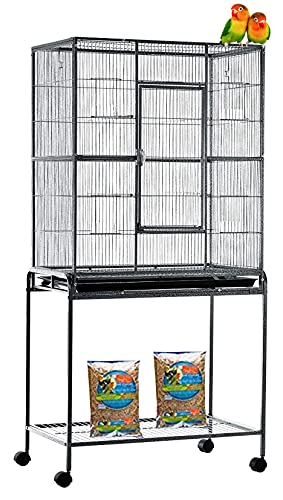
For a pair, jump to at least 30 inches wide. Flight cages provide the most space and are the best choice if you have room. The 54-inch Wrought Iron Breeding Flight Cage gives cockatiels serious room to fly — it is 54 inches wide on a rolling stand with multiple feeding doors and a side nesting door. At $114.48, it is well-priced for the size. Assembly takes about 30 minutes and is easier with two people, but owners report it holding up well over multiple years.
Cage Placement and Setup
Place the cage at eye level in a room where the family spends time — cockatiels want to be part of the action. Keep it away from kitchens (Teflon fumes from non-stick pans are lethal to birds), drafts, and direct sunlight.
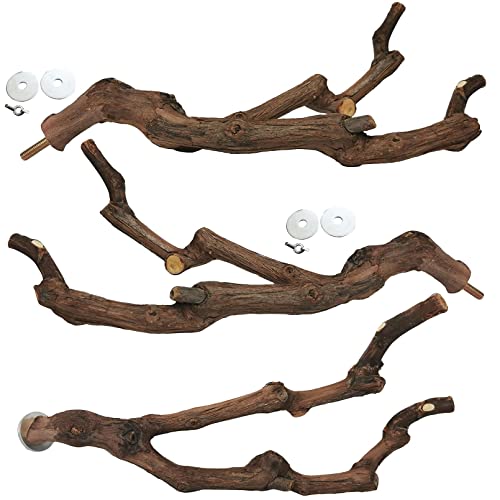
For perches, provide at least three at different heights using varying diameters. I have found that natural wood perches are far better than uniform plastic dowels — different diameters exercise the feet and prevent pressure sores. A kathson Natural Wild Grape Vine Perch Set gives you multiple shapes and sizes that look natural in the enclosure and are safe for chewing.
A Penn-Plax Calcium Trimmer-Perch serves a dual purpose — it provides calcium while naturally wearing down your bird’s nails and beak. Place it near a food or water station where your cockatiel spends time. Some birds avoid it at first, but most come around once they realize it is comfortable.
For cage liners, newspaper or paper towels work well and make daily spot-cleaning easy. For more cage setup details, see our bird cage setup guide.
What Do Cockatiels Eat?
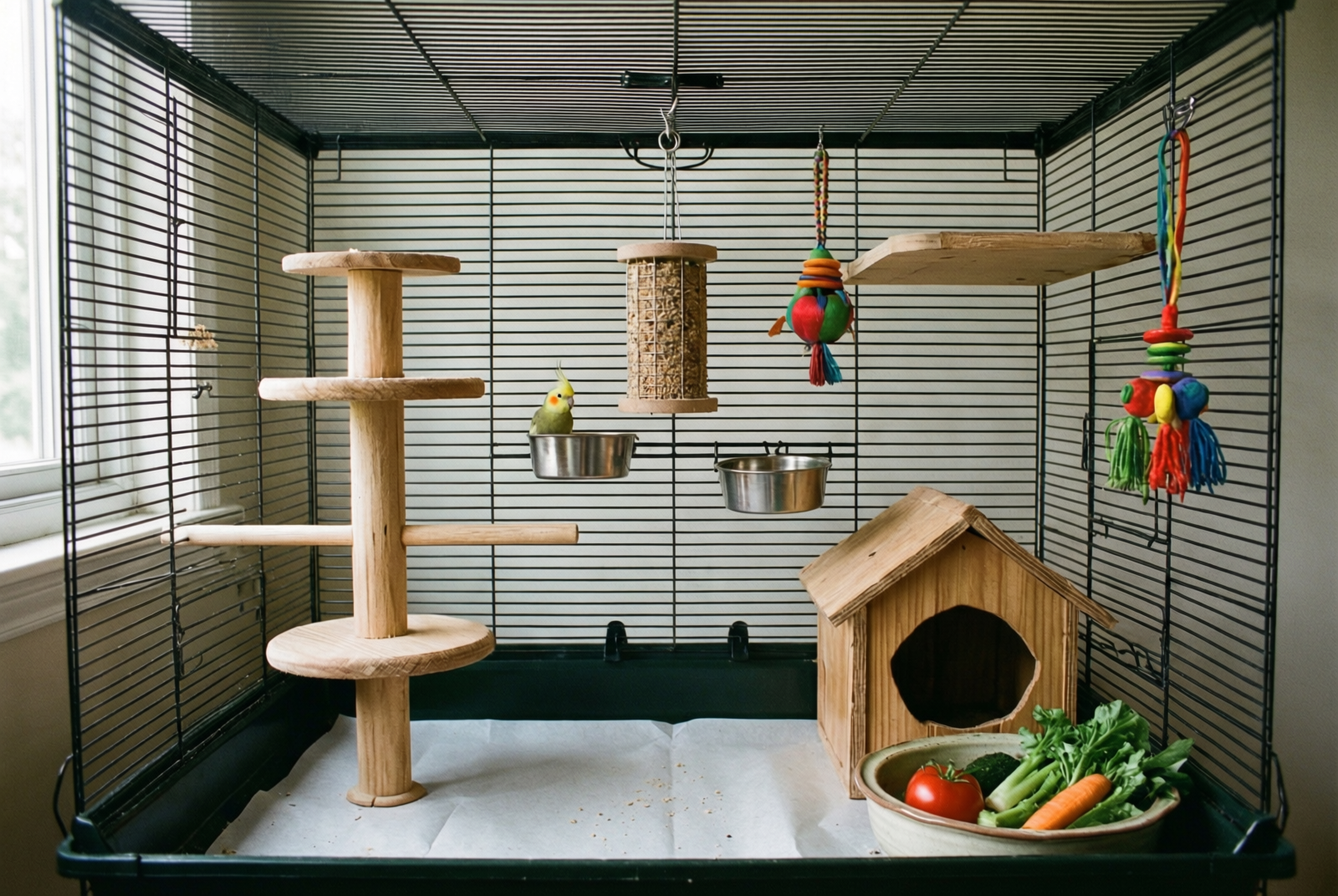
Diet is the single biggest factor in your cockatiel’s long-term health, and the most impactful cockatiel care decision you will make. A seed-only diet leads to fatty liver disease, vitamin A deficiency, and a shortened lifespan.
The Right Diet Breakdown
A healthy cockatiel diet should consist of:
- 60–70% pellets — formulated food with balanced nutrition in every piece
- 20–30% fresh vegetables — dark leafy greens, carrots, broccoli, sweet potato
- 5–10% seeds — as a supplement or training treat, not the main course
- Small amounts of fruit — apples (no seeds), berries, grapes (treats only — learn safe serving sizes for grapes), melon
- Fresh water — changed daily
The problem with seed-only diets is familiar to anyone who has kept birds: cockatiels pick out the high-fat sunflower seeds and leave the nutritious ones behind. Pellets prevent this because every piece has the same nutritional profile. That said, transitioning a seed-addicted bird to pellets takes patience — mix pellets into seeds gradually over several weeks.
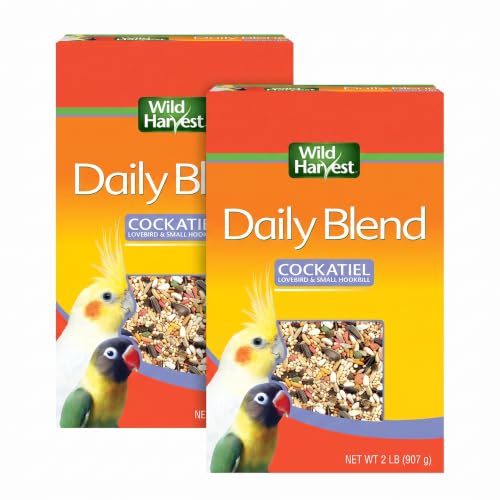
Daily Blend Bird Nutrition is a vitamin-fortified seed blend that comes in a 2-pack (4 pounds total). Atacross 2, it is a solid choice for supplementing a pellet diet. Owners report that their birds eat most of the blend rather than picking favorites — which is unusual for seed mixes. Keep in mind that even a good seed blend is not nutritionally complete on its own.
Safe and Dangerous Foods
| Safe Foods | Frequency | Dangerous Foods (Never Feed) |
|---|---|---|
| Dark leafy greens (kale, spinach) | Daily | Avocado (toxic — can be fatal) |
| Carrots, broccoli, sweet potato | 3–4x per week | Chocolate, caffeine, alcohol |
| Apples (no seeds), berries | 1–2x per week | Onion, garlic, fruit seeds/pits |
| Millet spray | Training treat only | Sugary or salty human food |
Millet spray is the best training treat for cockatiels — they go crazy for it. Use it sparingly to reward step-up training and new behaviors.
For a complete breakdown of avian nutrition, see our complete bird diet guide.
Best Cockatiel Toys & Enrichment
Enrichment is a core part of cockatiel care — a cockatiel without toys is a cockatiel that will scream, feather pluck, or become withdrawn. These birds are intelligent and need mental stimulation daily.
Why Enrichment Matters
In the wild, cockatiels spend their day foraging, flying, socializing, and exploring. A cage with nothing to do does not meet any of those needs. I have found that providing the right toys eliminates most behavioral problems — screaming, feather plucking, and cage aggression almost always trace back to boredom.
Types of Toys Cockatiels Need
Foraging toys are the most important category. Cockatiels naturally forage in the wild, and recreating this behavior in captivity keeps them mentally engaged. The EBaokuup 2-Pack Foraging Shredder Hanging Toy has over 2,600 ratings and is designed to be stuffed with treats — cockatiels work to pull the shreddable material apart to find hidden seeds. Owners consistently report their birds becoming obsessed with these, though they do get destroyed fairly quickly. That is a sign of engagement, not a flaw.
Shredding toys satisfy the natural chewing instinct. The Natural Bird Toy Foraging Shredding Box is packed with natural materials in various textures — wood pieces, loofah, cardboard, and more. One cockatiel owner reported their bird stayed busy with it for weeks, working through the different pieces over time.
Swings and ladders provide physical exercise. Most cockatiels enjoy swings — I have seen birds nap on them.
A Note on Mirrors
Mirrors are controversial in the bird community. Some cockatiels bond to their reflection and become aggressive toward their owner or stop interacting altogether. I would use mirrors cautiously — if your bird seems more interested in the mirror than in you, remove it.
Rotate toys every one to two weeks. Safe DIY options include paper chains, cardboard egg cartons stuffed with millet, and safe wood branches (apple, willow, elm — avoid cedar and oak).
Cockatiel Care: Common Health Problems
Recognizing cockatiel health problems early is critical — cockatiels hide illness well as a survival instinct from their wild ancestors. By the time symptoms are obvious, the problem is often advanced. Learning to recognize early warning signs is one of the most valuable cockatiel care skills you can develop.
Warning Signs of a Sick Cockatiel
Watch for these red flags carefully:
- Fluffed feathers that stay puffed up (not just during naps)
- Lethargy — sitting at the cage bottom, not moving
- Loss of appetite — food dish stays full
- Changed droppings — color, consistency, or frequency changes
- Sneezing, wheezing, or nasal discharge
- Tail bobbing while breathing (respiratory distress)
- Sudden aggression or withdrawal
Cockatiels are prey animals — they instinctively hide signs of weakness. By the time a bird looks visibly sick, the problem has usually been developing for days. If you notice any of these signs, contact an avian vet immediately. I have seen too many owners wait “just one more day” and lose their bird.
Common Health Issues
Respiratory infections are the most frequent problem I see. Causes include drafts, Teflon fumes from non-stick cookware, scented candles, and cigarette smoke. Teflon fumes are particularly dangerous — they can kill a bird within minutes. Never cook with non-stick pans in the same room as your cockatiel.
Feather plucking usually has a behavioral cause: stress, boredom, loneliness, or poor diet. Address enrichment, diet, and daily interaction time first.
Psittacosis (parrot fever) is a bacterial infection that can spread to humans. Symptoms include lethargy, breathing difficulty, and greenish droppings. Handle your bird minimally and see a vet promptly if you suspect it.
Egg binding in females is a life-threatening emergency where an egg gets stuck. If a female is straining, fluffed up, and on the cage bottom, get veterinary help immediately.
Night frights are thrashing episodes that happen when something startles a sleeping cockatiel — a sudden noise, a shadow, or a car headlight through the window. The bird panics and flails around the cage, sometimes injuring itself. Covering the cage partially at night with a dim night light nearby usually prevents this. I have known owners who lost birds to night fright injuries because they did not realize how dangerous these episodes can be.
How Long Do Cockatiels Live?
A key cockatiel care goal is maximizing lifespan. With proper cockatiel care, cockatiels live 15 to 20 years, and some reach 25 to 30 years. The record is over 30 years in captivity. A poor cockatiel lifespan of 5 to 8 years results from a seed-only diet in a cramped cage — a pellet-based diet, spacious flight cage, daily social interaction, and clean air quality can double that.
Males and females have similar lifespans. The factors that make the biggest difference are diet quality (pellets over seeds), air quality (no Teflon or scented products), and mental stimulation. Annual vet checkups are an often-overlooked part of cockatiel care that catch problems early — I have seen birds that looked fine to their owners turn out to have early-stage liver disease.
Male vs Female Cockatiel Differences
Understanding cockatiel male vs female differences helps you choose the right bird and provide better tailored care. After their first molt at 6 to 9 months, the visual distinctions become clear:
Understanding Visual Differences in Your Cockatiel Care Journey
After their first molt at 6 to 9 months of age, cockatiels show clear visual differences between sexes:
| Feature | Male | Female |
|---|---|---|
| Face | Bright yellow | Grey with some yellow |
| Cheek patches | Bright orange | Muted orange |
| Tail feathers (underneath) | Solid | Barred (striped) |
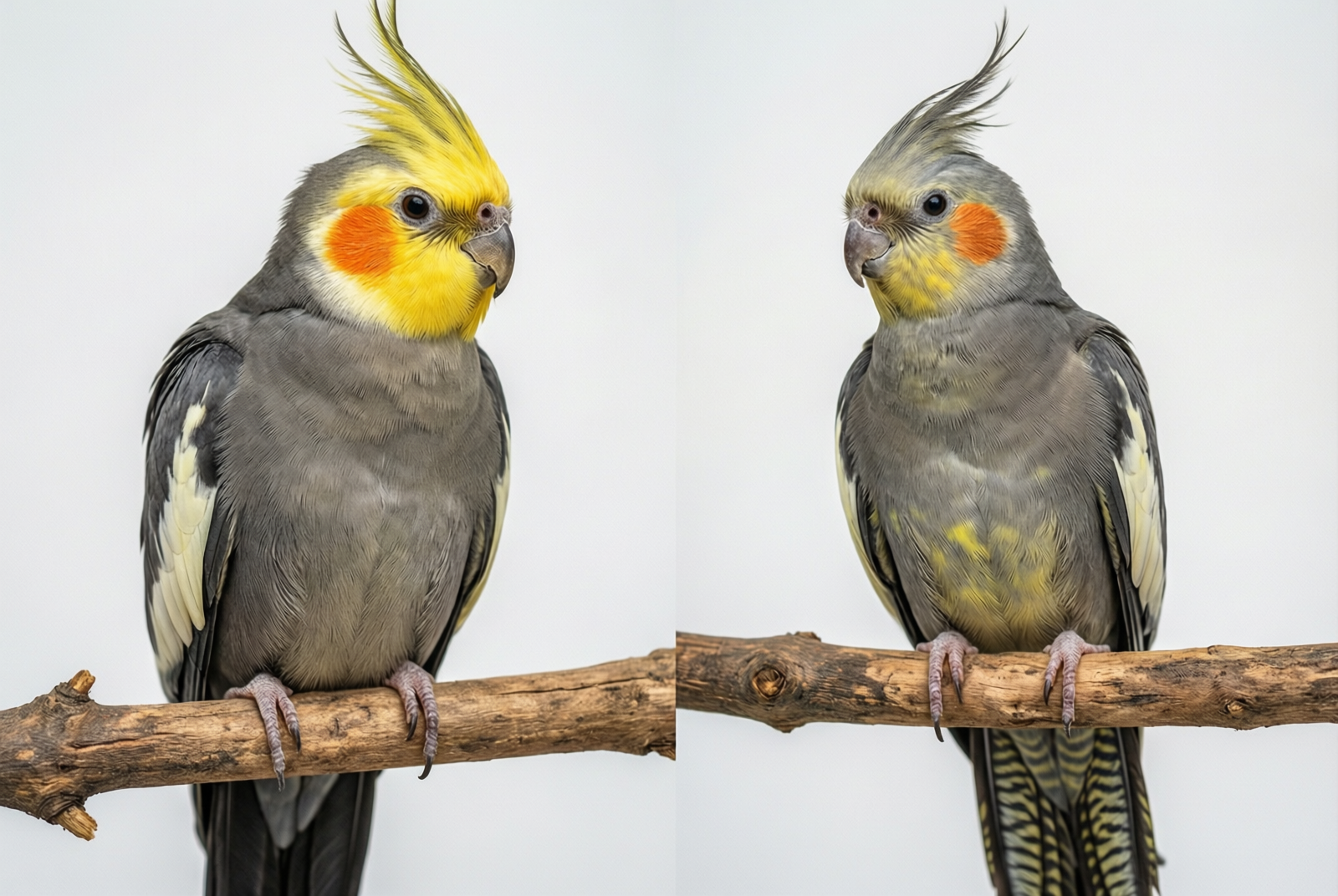
These rules apply to normal grey cockatiels. Color mutations like lutino, albino, and whiteface make visual sexing unreliable — you would need DNA testing for certainty.
Behavioral Differences Between Males and Females
Males are generally more vocal. They whistle more, learn tunes more easily, and are more prone to showing off by spreading their wings and strutting. If you want a cockatiel that whistles back at you, a male is the better choice.
Females tend to be quieter and more independent. They are also more prone to egg-laying, which can become a health issue if it happens excessively. I have found that females often form deep one-on-one bonds with their owners, while males are more inclined to perform for an audience.
Talking Ability
Cockatiels are not great talkers. They can learn a few words — males more reliably than females — but they are far better at whistling tunes and mimicking sounds like phone ringtones or doorbells. If your priority is a talking bird, a budgie or African Grey would be a better choice. If you want a musical companion that greets you with a whistle, a cockatiel is hard to beat.
Breeding Considerations
I would not recommend breeding cockatiels unless you are an experienced bird keeper. It requires specific knowledge, a separate breeding setup, and readiness for veterinary emergencies. Egg binding is a real risk for breeding females, and hand-rearing chicks demands round-the-clock feeding every few hours.
If you do decide to breed, a Pine Nesting Box with Acrylic Window mounts to the cage exterior and has an acrylic viewing window so you can check on eggs and chicks without disturbing the parents. Natural pine construction and a make it a reasonable option for those who are prepared for the responsibility. Most experienced breeders I know prefer external mounting because it does not reduce interior cage space.
Frequently Asked Questions
Can cockatiels talk?
Not well. They are better at whistling tunes and mimicking sounds than forming words. Some males learn a few words, but do not expect conversation-level speech. If talking is your priority, a budgie or larger parrot would serve you better.
How do you take care of a cockatiel for beginners?
If you are wondering how to take care of a cockatiel for beginners, the basics start with a cage at least 20” × 20” × 24”, feed a pellet-based diet with fresh vegetables daily, provide 3 to 5 toys and rotate them weekly, spend 1 to 2 hours interacting with your bird each day, and find an avian vet before you need one. Avoid Teflon fumes, scented candles, and drafty locations.
What is the average cockatiel lifespan?
Yes — one of the best beginner birds available. They are affectionate, relatively quiet for a parrot, handle-able, and long-lived. They whistle, ride on shoulders, and form genuine bonds with their owners. They are great for families with older children.
Do cockatiels need a friend?
They are social and can become lonely without enough interaction. If you spend 1 to 2 hours daily with your bird, a single cockatiel can be happy and bond strongly with you. If you work long hours or travel, a second cockatiel is recommended. Introduce new birds gradually in neutral territory.
How big should a cockatiel cage be? (Cockatiel Care Cage Guide)
Minimum 20” × 20” × 24” for one bird. Width matters more than height. Flight cages (30+ inches wide) are ideal because they allow actual flight inside the cage. Bar spacing should be 1/2 to 3/4 inch.
How do you tell if a cockatiel is male or female?
After 6 to 9 months: males have bright yellow faces and solid tail feathers underneath; females have greyer faces and barred tail feathers underneath. DNA testing is the most reliable method, especially for color mutations where visual sexing does not work.
What do cockatiels eat?
Pellets should form 60–70% of the diet. Supplement with fresh vegetables daily, limited fruit as treats, and small amounts of seeds. Fresh water must be available at all times. Avoid avocado, chocolate, caffeine, and alcohol — all are toxic to birds.
How often do you feed cockatiels?
Keep pellets available at all times. Offer fresh vegetables in the morning and evening. Seeds should be occasional treats, not a daily staple. Remove uneaten fresh food after 2 to 3 hours to prevent spoilage. Millet spray makes an excellent training reward. Consistent cockatiel care includes regular training. For more techniques, see our bird training tips.